Best Coffee Makers for Home: Drip, Espresso & Pod Options Compared
Choosing a coffee maker is really a decision about how you want your mornings to run. Some people want a machine that does the thinking for them — fill the reservoir, press a button, walk away. Others want more control over extraction and are happy to spend a few extra minutes on the process in exchange for a cup that tastes noticeably better. Neither approach is wrong, but they call for very different machines, and a lot of buyers end up with the wrong one simply because they compared price tags instead of brewing styles.
This guide breaks down the six brewing categories most home buyers actually choose between: drip machines, espresso makers, pod/capsule systems, French press, pour-over setups, and cold brew makers. Each one solves a different problem — speed, control, convenience, portability, or flavor — and each comes with trade-offs that matter once the novelty of a new appliance wears off. Rather than crowning a single "best" machine, this article walks through what each category is genuinely good at, who it fits, and where it tends to disappoint people who bought it for the wrong reason.
Below you'll find a side-by-side comparison, a detailed breakdown of each brewing method, a buying guide covering the factors that actually affect day-to-day satisfaction, and answers to the questions people most commonly ask before buying a coffee maker for home use.
It's also worth thinking about how your coffee habits might change over the next year or two. Someone who currently drinks a single cup on weekday mornings might start hosting more, or might discover a taste for espresso drinks after a few café visits. Buying a machine that only barely fits your current routine can mean an early upgrade; buying one with a bit of headroom, whether that's carafe size, capsule variety, or manual control, tends to hold up better as your preferences shift. None of the categories below is objectively superior — each is simply optimized for a different set of priorities, and matching those priorities to your own routine is the real work of choosing a coffee maker.
Quick Comparison Table
| Product | Best For | Action |
|---|---|---|
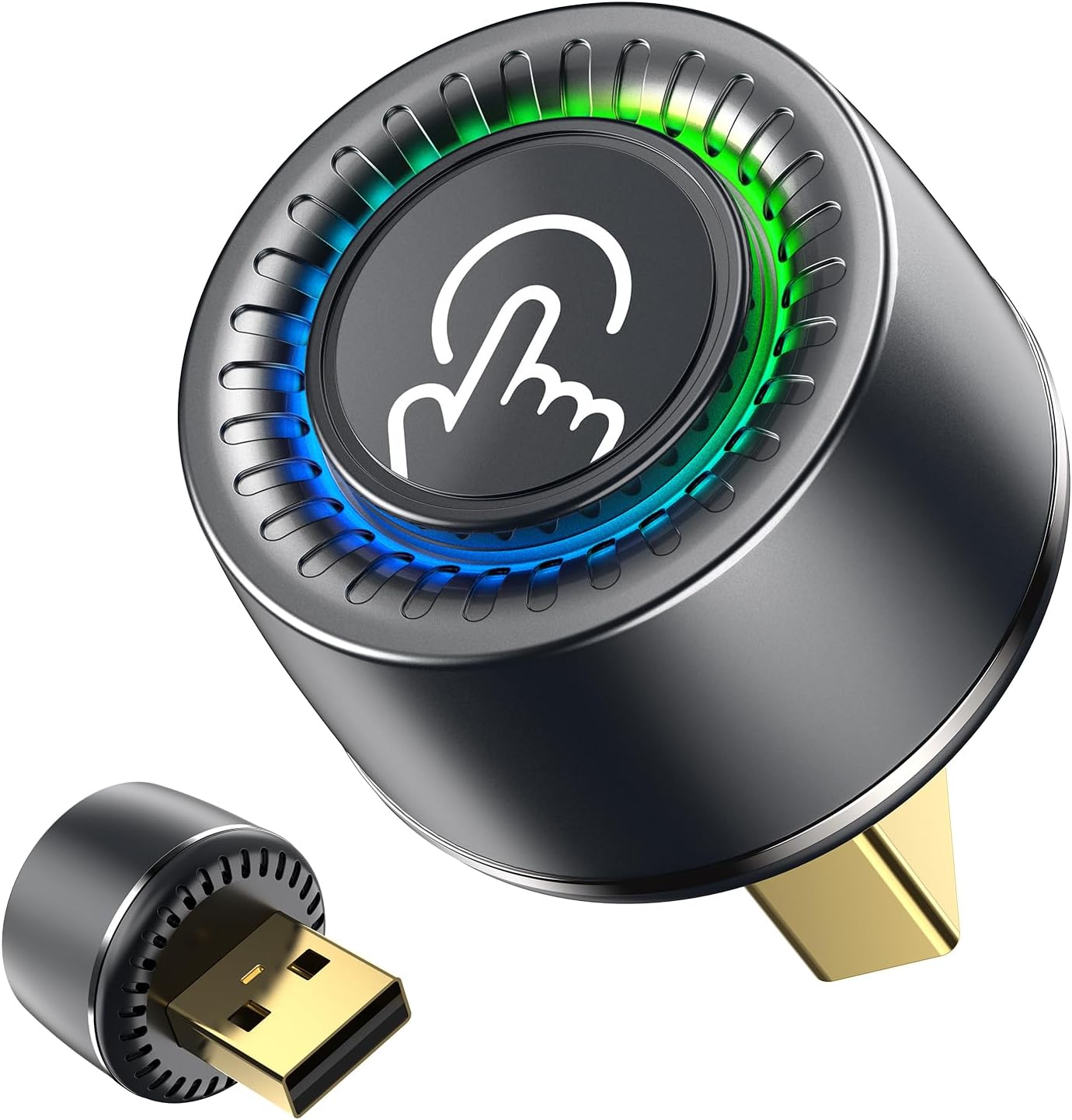
1-Click Wireless CarPlay Adapter (Multi-Device Mini)
Others
|
Best for fast auto-connect & multi-device switching
|
|
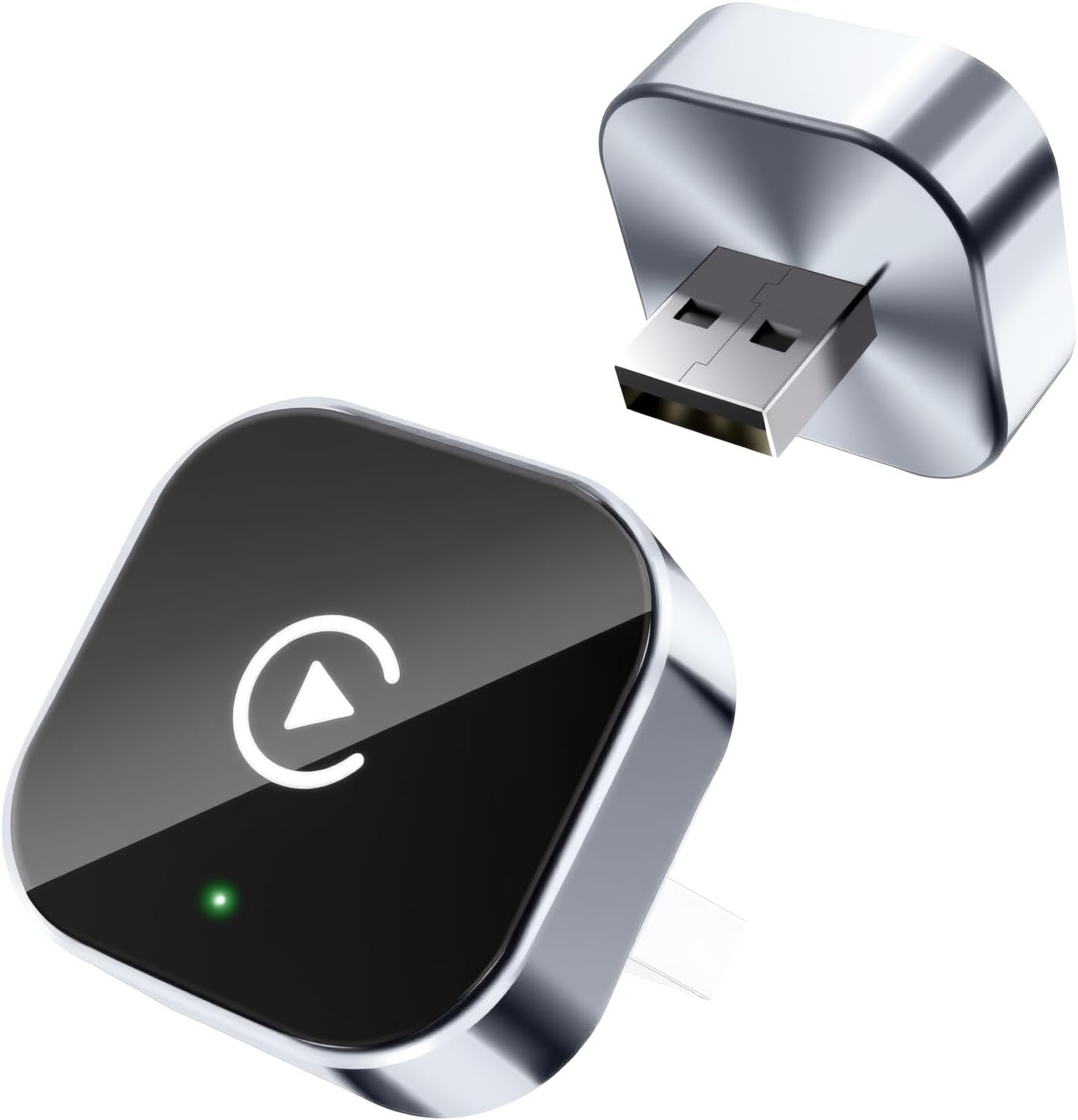
2026 Upgraded Wireless CarPlay Adapte
Bose
|
Drivers wanting quick wireless CarPlay setup with stable connection in plug‑and‑...
|
|
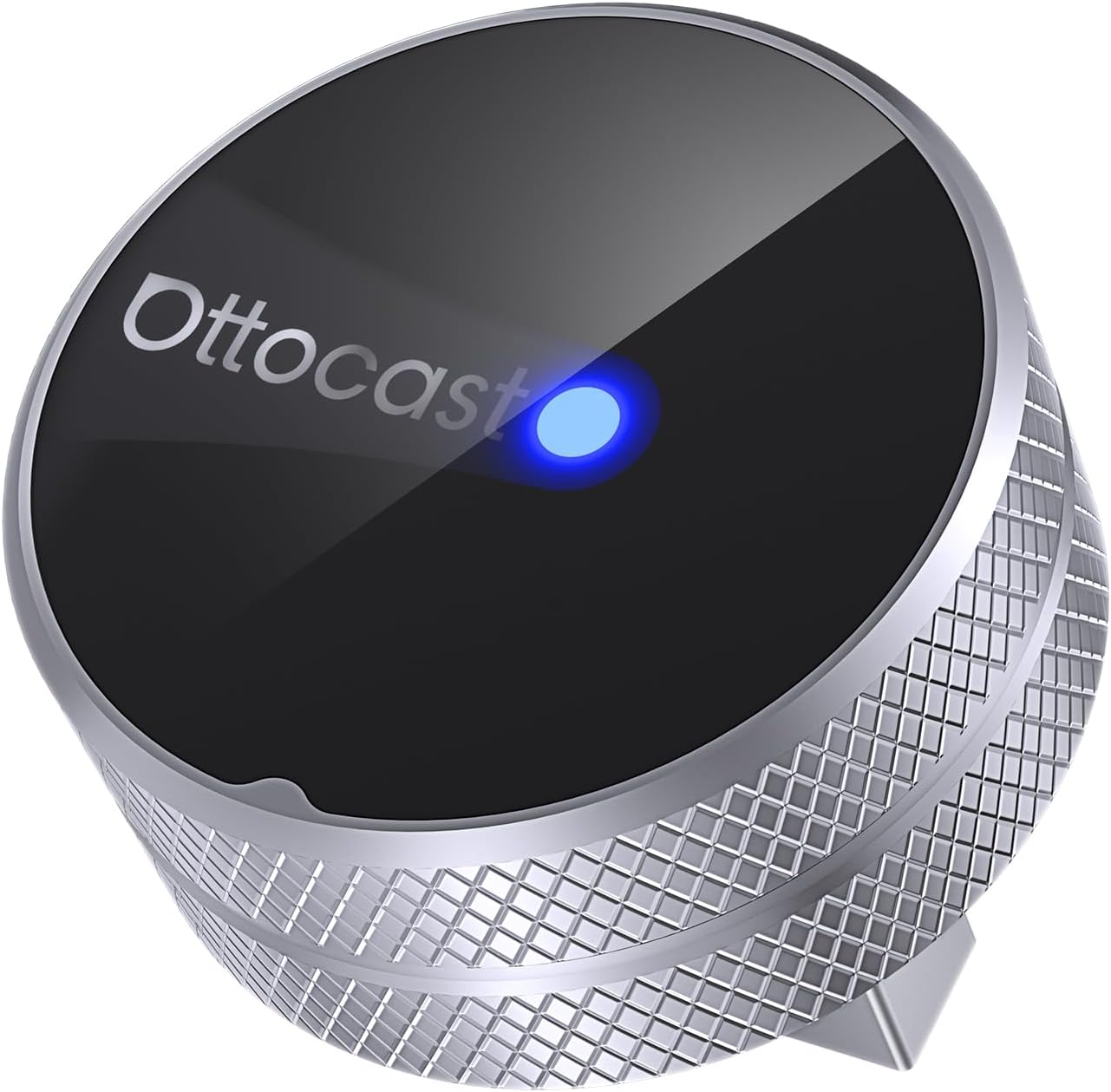
3-in-1 Wireless CarPlay Adapter (MirrorLink + AirPlay)
Others
|
Best for screen mirroring & in-car entertainment
|
|
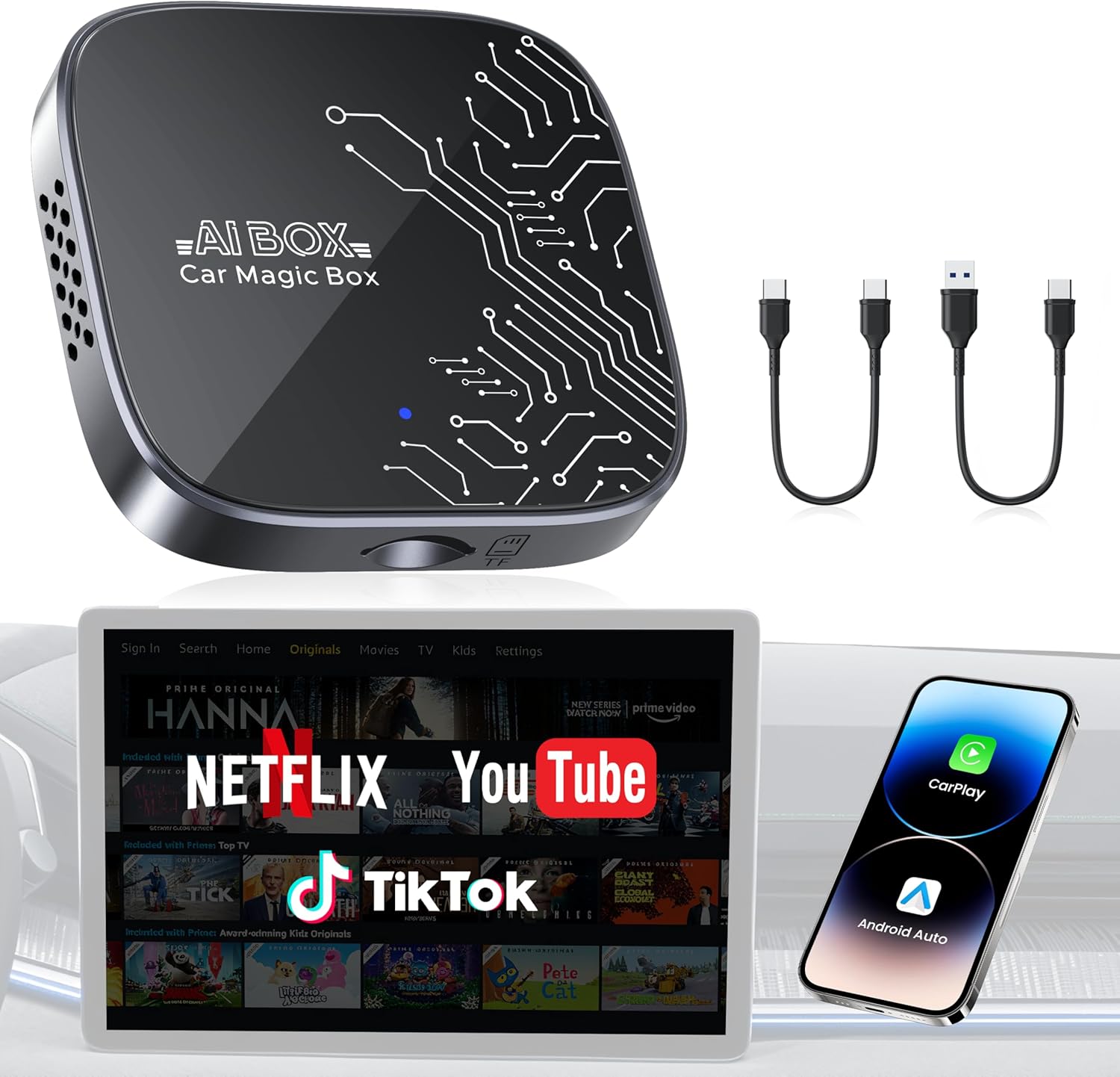
4-in-1 Wireless CarPlay Magic Box (Streaming + Android OS)
Others
|
Best for streaming apps & smart in-car entertainment
|
|
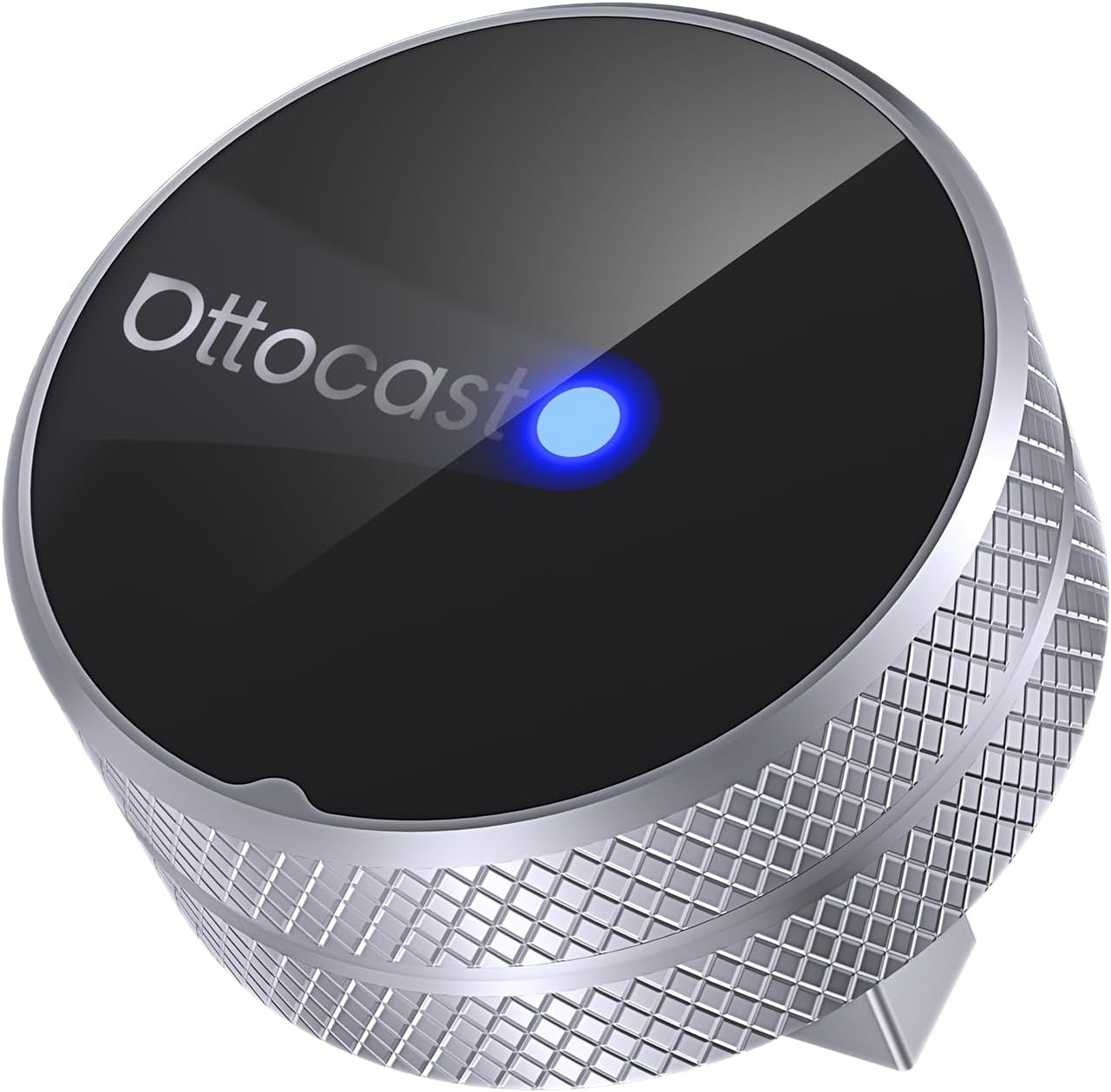
OTTOCAST Mini Tube Wireless CarPlay Adapter (WiFi 6)
Others
|
Best for fastest connectivity & stable performance
|
|
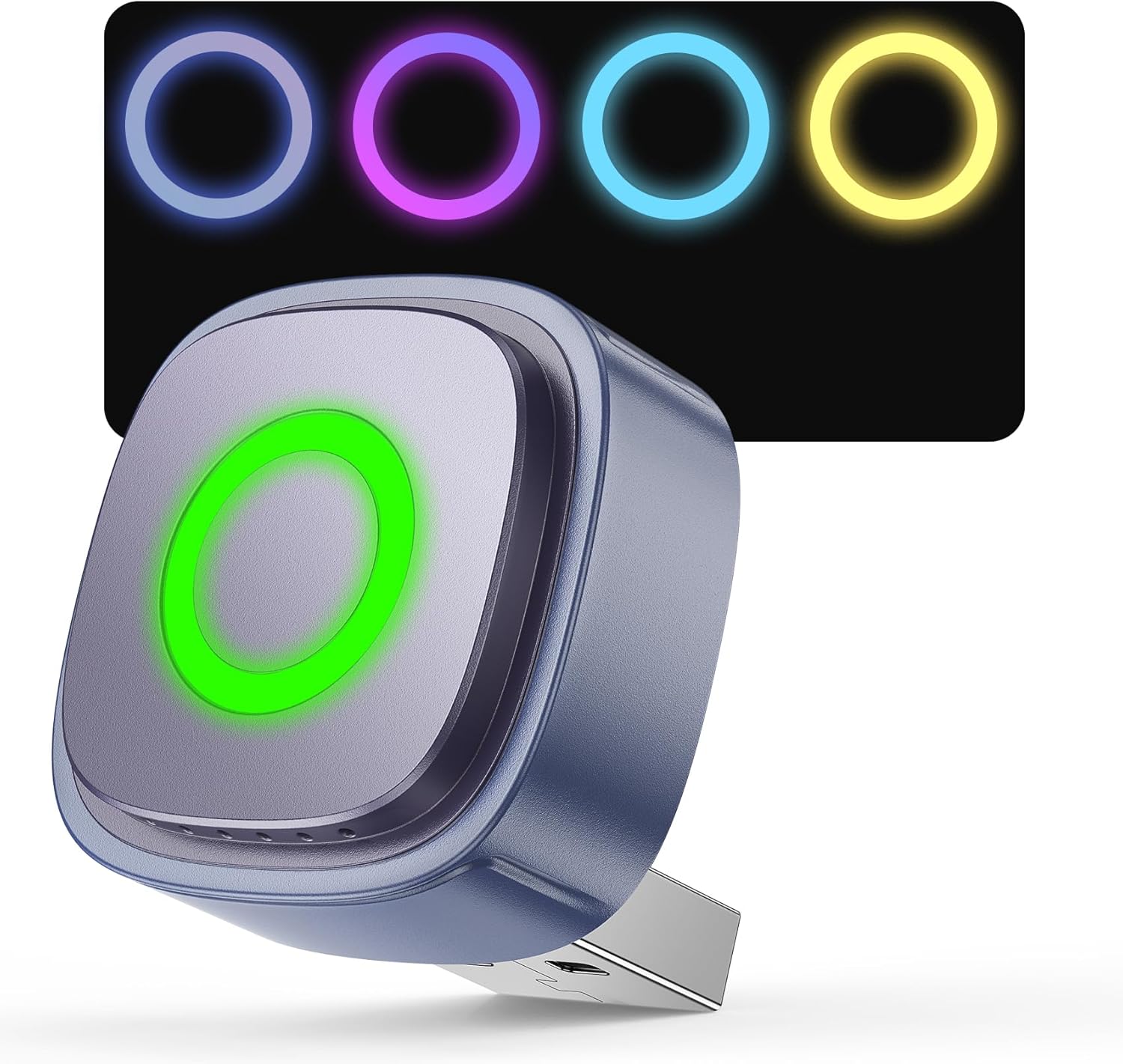
Ultra-Mini Wireless CarPlay Adapter (A9 Fast Connect)
Others
|
Best for ultra-compact design & fastest auto-connect
|
|
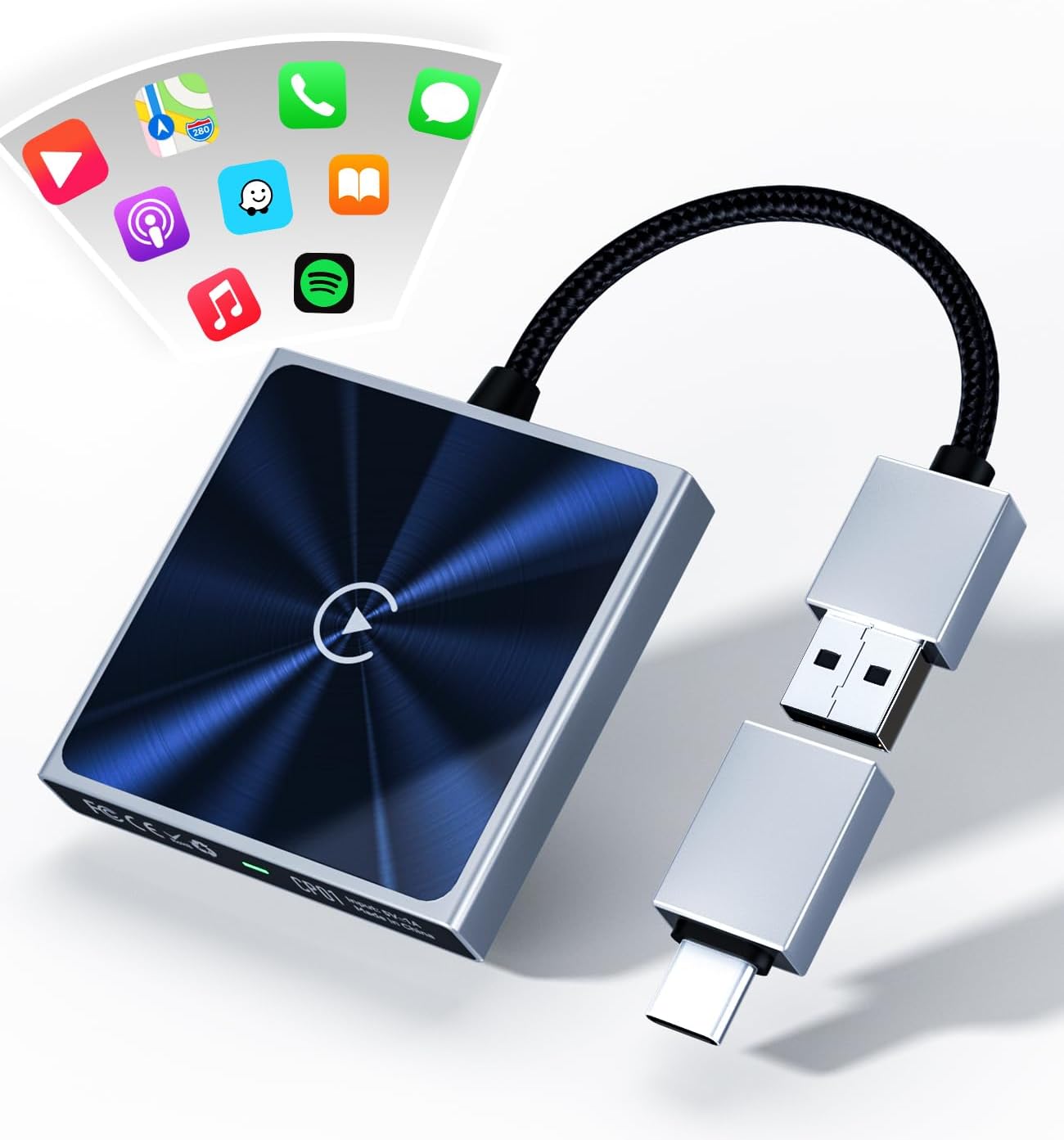
Universal Wireless CarPlay Adapter Dongle (Plug & Play)
Others
|
Best for wide compatibility with most cars & iPhones
|
|

Wireless CarPlay & Android Auto Adapter (2-in-1 Mini)
Others
|
Best for budget-friendly 2-in-1 wireless upgrade
|
|
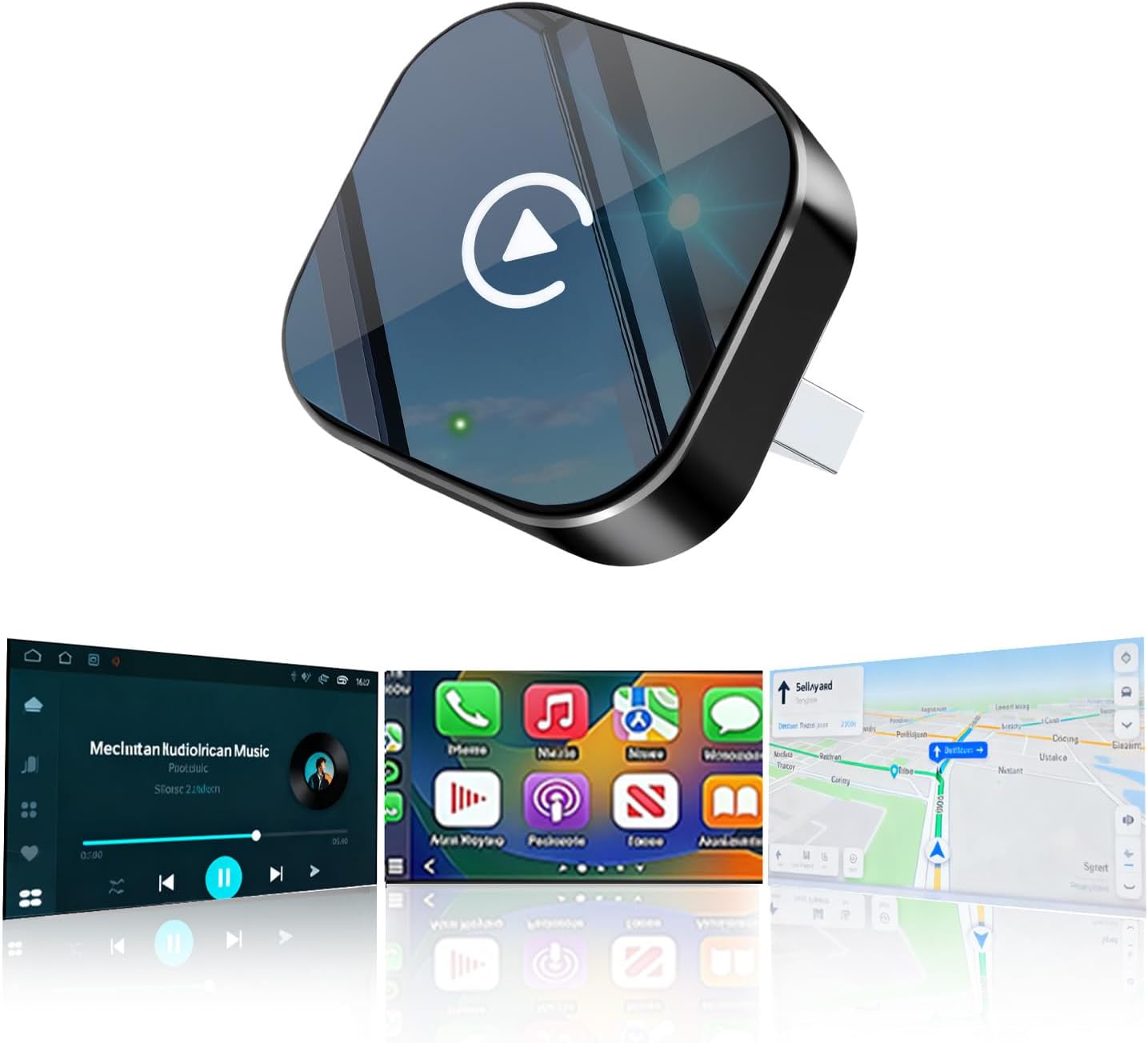
Wireless CarPlay Adapter (2026) – Fast & Stable for iPhone & Android
Bose
|
Drivers who want a cable‑free CarPlay experience with automatic connection and b...
|
Top 6 Home Coffee Maker Types (Detailed Reviews)
Drip Coffee Maker – Best Overall for Everyday Convenience
The drip coffee maker remains the default choice for a reason: it is the least demanding way to produce a full pot of coffee with almost no hands-on effort. Water is heated and dispensed over a bed of grounds sitting in a filter, and gravity does the rest. Most models on the market today include a programmable timer, a warming plate, and a carafe sized for four to twelve cups, which makes this format the natural fit for households where more than one person drinks coffee in the morning.
What makes a drip machine worth buying isn't the basic brewing function — nearly every model can produce a passable cup — it's the details that separate a good one from a mediocre one: even saturation of the grounds, a carafe that doesn't scorch coffee sitting on the warming plate, and a filter basket that's easy to clean without disassembling half the machine. Buyers who skip these details often end up with a machine that technically works but produces consistently bitter or watery coffee.
- Pros:
- Minimal hands-on effort once set up
- Brews multiple cups at once, ideal for households
- Programmable timers mean coffee is ready when you wake up
- Widely available replacement filters and parts
- Cons:
- Extraction quality varies significantly between models
- Warming plates can leave coffee tasting stale after 30–45 minutes
- Less control over strength and temperature than manual methods
Best For: Households and offices that want a full pot ready on a schedule with minimal daily effort.
Why We Recommend It: A drip machine remains the most practical choice for anyone who values consistency and convenience over ceremony. It's the format most people can operate correctly on the first try, and a mid-range model with a good filter basket and insulated carafe closes most of the quality gap with pricier options.
Espresso Machine – Best for Coffee Shop-Style Drinks at Home
An espresso machine forces hot water through finely ground, tightly packed coffee under pressure, producing a small, concentrated shot with a layer of crema on top. This is the category for people who actually want lattes, cappuccinos, americanos, and flat whites at home rather than a large mug of milder coffee. Entry-level machines automate much of the process; higher-end models give you manual control over dose, tamping pressure, and shot timing, which matters if you plan to dial in your own beans over time.
The learning curve is the main thing buyers underestimate. Getting a consistently good shot depends on grind size, tamp pressure, and fresh beans working together — miss any one of those and the shot pulls too fast (weak, sour) or too slow (bitter, burnt). Machines with built-in grinders and pressure gauges reduce guesswork, but even those need a bit of practice before the results match what you'd get from a café.
- Pros:
- Produces genuine espresso-based drinks, not just brewed coffee
- Steam wands allow milk-based drinks like lattes and cappuccinos
- Higher-end models offer real control over extraction
- Small footprint compared to drip machines with large carafes
- Cons:
- Meaningful learning curve for consistent results
- Requires a burr grinder for best results, which adds cost
- Cleaning the group head and steam wand is an ongoing task
Best For: Anyone who regularly orders espresso-based drinks out and wants to replicate that experience at home.
Why We Recommend It: No other home brewing method produces an actual espresso shot or supports milk-based drinks the way this one does. For buyers willing to invest a little time learning the process, it pays for itself quickly compared to daily café visits.
Pod/Capsule Machine – Best for Speed and Zero Cleanup
Pod machines use pre-portioned capsules of ground coffee, which the machine pierces and brews with hot water in under a minute. There's no grinding, no measuring, and no cleanup beyond ejecting the used pod. This format has become popular in shared homes and offices precisely because it removes every variable — every cup from the same pod type tastes the same, every time, regardless of who's operating the machine.
The trade-off is flavor ceiling and ongoing cost. Pods cost more per cup than bagged coffee, and the range of available flavors and roast styles, while large, is still limited to what the pod ecosystem offers. Buyers who care deeply about bean origin, freshness, or experimenting with different roasts tend to outgrow this format faster than buyers who just want a reliable cup with no fuss.
- Pros:
- Fastest brewing method with essentially no learning curve
- No grinding, measuring, or cleanup beyond the used pod
- Consistent results regardless of who's using the machine
- Good for households where everyone drinks something different
- Cons:
- Higher ongoing cost per cup than bagged or bulk coffee
- Environmental concerns around single-use pods
- Limited to the flavor and roast options within a given pod system
Best For: Busy households, shared offices, or anyone who wants a single reliable cup with zero prep or cleanup.
Why We Recommend It: When convenience is the priority, nothing beats a pod machine for speed and consistency. It removes user error entirely, which matters in households where multiple people with different skill levels are making their own coffee.
French Press – Best for Full-Bodied, Low-Tech Brewing
A French press uses full immersion brewing — coarse grounds steep directly in hot water for several minutes before a mesh plunger separates the grounds from the liquid. Because the coffee oils aren't filtered out the way they are with paper filters, French press coffee tends to have a heavier body and richer mouthfeel than drip coffee. There's no electricity involved, no parts to break, and the entire device is usually glass and metal, which means it can last for years with basic care.
The catch is that a French press requires the coarsest, most even grind of any method on this list — fine or inconsistent grounds slip past the mesh filter and end up as sediment in the cup. It also demands more hands-on attention than a pod or drip machine: you're timing the steep, controlling water temperature manually, and pressing the plunger at the right moment.
- Pros:
- Produces a fuller-bodied cup than paper-filtered methods
- No electricity or moving parts to fail over time
- Inexpensive relative to electric brewing equipment
- Portable and easy to use while traveling or camping
- Cons:
- Requires a coarse, consistent grind to avoid sediment
- Manual process from start to finish, no automation
- Glass carafes are fragile compared to other brewing devices
Best For: Coffee drinkers who prefer a heavier-bodied cup and don't mind a short, hands-on brewing ritual.
Why We Recommend It: For the price, nothing else on this list delivers the same depth of flavor. It's a format that rewards a little attention to grind size and water temperature with a noticeably richer cup than most electric machines produce.
Pour-Over System – Best for Precision and Flavor Clarity
Pour-over brewing involves manually pouring hot water over grounds in a cone-shaped filter, usually in slow, controlled stages that allow the coffee to bloom and extract evenly. Because the person brewing controls pour rate, water temperature, and timing directly, this method produces some of the cleanest, most nuanced flavor of any home brewing option — particularly with lighter roasts where subtle tasting notes matter.
This is also the most technique-dependent method here. Pour too fast and the coffee under-extracts and tastes sour; pour too slow or unevenly and certain grounds over-extract and turn bitter. Some buyers enjoy this level of engagement as a small daily ritual; others find it more effort than they want to put into their morning coffee, especially on a weekday schedule.
- Pros:
- Produces exceptionally clean, nuanced flavor
- Full control over water temperature and pour rate
- Inexpensive equipment with no electrical components
- Well suited to single-serving brewing
- Cons:
- Steepest learning curve of any method covered here
- Slower than drip or pod machines, generally 3–4 minutes per cup
- Not practical for brewing multiple cups at once
Best For: Single-cup drinkers who want maximum control over flavor and don't mind a short manual process.
Why We Recommend It: When flavor clarity is the goal, pour-over consistently outperforms automated methods. It takes practice to get right, but once dialed in, it produces a cup that highlights a coffee's actual characteristics better than almost any other home method.
Cold Brew Maker – Best for Smooth, Low-Acid Coffee
Cold brew makers steep coarse grounds in room-temperature or cold water for an extended period, typically 12–24 hours, rather than using heat to extract flavor. The result is a smoother, noticeably less acidic concentrate than hot-brewed coffee, which can then be diluted with water, milk, or ice. Most home cold brew makers are simple immersion devices — a filter basket inside a pitcher — with no electricity involved.
The trade-off is time and planning. Cold brew isn't a make-it-now, drink-it-in-five-minutes method — it requires steeping overnight or longer, and the concentrate needs refrigerated storage. For people who drink coffee daily, this usually means batching a larger quantity every few days rather than brewing fresh each morning.
- Pros:
- Smoother, lower-acidity coffee than hot-brewed methods
- Concentrate keeps well in the refrigerator for over a week
- Simple devices with no electrical parts to maintain
- Works well for iced coffee without diluting flavor as ice melts
- Cons:
- Long steep time means no same-day spontaneous brewing
- Requires refrigerator space for the concentrate pitcher
- Concentrate needs to be diluted correctly to avoid overly strong coffee
Best For: Coffee drinkers who prefer iced coffee or have sensitivity to the acidity of hot-brewed coffee.
Why We Recommend It: For anyone who drinks iced coffee regularly or finds hot coffee too acidic, a dedicated cold brew maker produces noticeably better results than diluting hot coffee over ice, and it costs very little to set up.
Buying Guide: How to Choose the Best Coffee Maker for Your Home
Before comparing specific machines, it helps to be honest about your actual coffee habits — how many cups you drink, how much time you're willing to spend, and what you value more: consistency or control. The following factors cover the practical considerations that matter most once a machine is part of your daily routine.
1. Brew Consistency
Look for a method and machine that reliably produces the same cup every time you use it. Manual methods like pour-over reward practice but punish inconsistency; automated methods like drip and pod machines remove variability almost entirely. Decide how much day-to-day variation you're willing to tolerate before committing to a category. If you share a kitchen with people who have different skill levels or patience for troubleshooting, leaning toward the more automated end of this spectrum usually avoids frustration for everyone involved.
2. Temperature Precision
Coffee extracts best between roughly 195–205°F. Machines that can't reach or hold this range consistently tend to produce weak or unevenly extracted coffee. Higher-end drip machines and espresso machines often advertise certified brewing temperatures for exactly this reason. Manual methods put this responsibility on you — an electric kettle with temperature control makes a real difference for pour-over and French press brewing, since off-the-boil water can scorch delicate, lighter-roasted beans.
3. Ease of Cleaning
Every method eventually needs cleaning — descaling for machines with heating elements, rinsing mesh filters on a French press, or wiping down a portafilter on an espresso machine. Consider how often you're realistically willing to do this maintenance, since neglected machines produce noticeably worse coffee over time. Removable, dishwasher-safe parts are a meaningful convenience feature that's easy to overlook until you're the one scrubbing a carafe by hand every night.
4. Programmable Features
If mornings are rushed, a programmable timer that starts brewing before you're even out of bed removes one more task from your routine. This feature matters far less for pod, pour-over, or French press methods, which are inherently manual. Some drip machines also include auto-shutoff timers, which can extend the life of the warming plate and reduce the risk of coffee sitting and degrading for hours after brewing.
5. Batch Size vs. Single-Serve
Match the machine to your household. A large carafe is wasted on a single daily drinker, while a single-serve pod machine becomes inconvenient fast in a multi-coffee-drinker household where people want different roasts or strengths at the same time. Some drip machines now include a smaller single-serve setting alongside a full carafe mode, which can bridge this gap reasonably well for mixed households.
6. Price and Ongoing Cost
The upfront price of a machine is only part of the cost. Pod systems carry a real per-cup premium over time; espresso machines often require a separate grinder; French press and pour-over have almost no ongoing cost beyond beans and filters. Factor in what you'll spend over a year, not just at checkout, especially if you're comparing a cheaper pod machine against a pricier drip machine that costs less to run every day.
7. Brand Reliability
Established coffee equipment brands generally offer more consistent build quality and more predictable parts availability than newer or unknown brands, which matters when a carafe cracks or a gasket wears out after a couple of years. It also tends to mean replacement filters, descaling solution, and accessories remain easy to find well after your original purchase.
8. Warranty and Support
A longer warranty is a reasonable signal that the manufacturer expects the product to hold up. This matters more for machines with electrical components and heating elements than for simple manual devices like a French press, where there's little that can fail beyond a cracked carafe or worn mesh filter.
9. User Reviews and Real-World Feedback
Specifications only tell part of the story. Real user feedback tends to surface issues that don't show up on a spec sheet — carafes that drip when pouring, warming plates that scorch coffee, or grinders that clog with certain roast types. Pay particular attention to reviews written after several months of ownership rather than first-impression reviews, since some reliability issues only surface with regular daily use.
10. Compatibility With Your Kitchen Setup
Check counter space, outlet placement, and water reservoir size against your actual kitchen. A machine that's a great fit on paper can be a daily annoyance if it barely fits under your cabinets or needs refilling every single cup. This is especially worth checking for taller drip machines and espresso machines with built-in grinders, both of which can be surprisingly tall once the lid or hopper is open.
11. Noise Level
Grinders, in particular, can be surprisingly loud, which matters if you're brewing early in the morning in a home where others are still asleep. Built-in grinders on espresso machines and some drip models tend to be louder than standalone burr grinders operated separately, so this is worth checking if noise is a concern in your household.
12. Water Quality and Filtration
Hard or heavily chlorinated tap water can noticeably affect both flavor and the rate at which a machine needs descaling. Some machines include built-in water filters, while others benefit from using filtered or bottled water, particularly in areas with hard water where mineral buildup happens faster.
Frequently Asked Questions
Which coffee maker produces the best-tasting coffee?
It depends on what "best" means to you. Pour-over and French press generally produce the most flavorful, nuanced cups because the brewer controls extraction directly. Drip and pod machines trade some of that nuance for consistency and convenience.
Do I need a separate grinder if I buy an espresso machine?
For consistent results, yes. Pre-ground coffee loses freshness quickly and rarely matches the grind consistency espresso extraction requires. A dedicated burr grinder is one of the more worthwhile add-on purchases for this category.
How often should I descale a coffee maker?
Most manufacturers recommend descaling every one to three months, depending on your water hardness and how often you use the machine. Skipping this step is one of the most common reasons machines underperform over time.
Is a more expensive coffee maker always better?
Not necessarily. A higher price often buys extra features like built-in grinders or programmable settings that not every buyer needs. Match the machine to your actual habits rather than assuming the priciest option is automatically the best fit.
Can I use regular ground coffee in a pod machine?
Some pod machines support reusable, refillable pods that let you use your own ground coffee, but many are designed exclusively for proprietary capsules. Check compatibility before assuming you can substitute your own grounds.
How long does cold brew concentrate last in the refrigerator?
Properly stored cold brew concentrate typically keeps for one to two weeks in the refrigerator, though flavor is usually best within the first week.
What's the biggest mistake people make with a French press?
Using a grind that's too fine. French press requires a coarse, even grind; anything finer slips past the mesh filter and leaves gritty sediment in the finished cup.
Is pour-over worth the extra effort compared to drip?
If flavor clarity matters to you and you're willing to spend a few extra minutes on your morning coffee, yes. If convenience matters more, a good drip machine will get you most of the way there with far less effort.
Do espresso machines require special beans?
Not specifically, but a fresh, well-roasted bean ground to the correct fineness matters more for espresso than for almost any other brewing method, since the process concentrates flaws as much as it concentrates flavor.
Which coffee maker is easiest for a beginner?
Drip machines and pod systems require the least skill to operate well from day one. Espresso and pour-over both have a real learning curve before results are consistent.
Does grind size really make that much of a difference?
Yes, more than most new buyers expect. Each brewing method is designed around a specific grind range — too fine for a French press produces sediment, too coarse for espresso produces a weak, fast shot. Matching grind size to method is one of the simplest ways to improve results without buying new equipment.
Is it worth buying pre-ground coffee versus grinding beans at home?
Whole beans stay fresh far longer than pre-ground coffee, which starts losing flavor within days of grinding. If you already own or are considering a grinder, buying whole beans and grinding just before brewing generally produces a noticeably fresher cup, particularly for pour-over and espresso.
Final Verdict
- Best Overall: A drip coffee maker remains the most practical choice for most households thanks to its balance of convenience and consistency.
- Best for Espresso Drinks: An espresso machine is the only option here that actually replicates café-style drinks at home.
- Best for Zero Effort: A pod machine removes nearly all variability and cleanup, which suits busy households well.
- Best for Flavor Enthusiasts: Pour-over and French press both reward a little extra effort with noticeably better flavor.
- Best for Iced Coffee Drinkers: A dedicated cold brew maker consistently outperforms diluted hot coffee for anyone who drinks their coffee cold.
There isn't a single correct answer here — the right coffee maker is the one that matches how much time you're willing to spend versus how much control you want over the final cup. Think honestly about your morning routine before deciding, and you're far more likely to end up with a machine you still enjoy using a year from now.