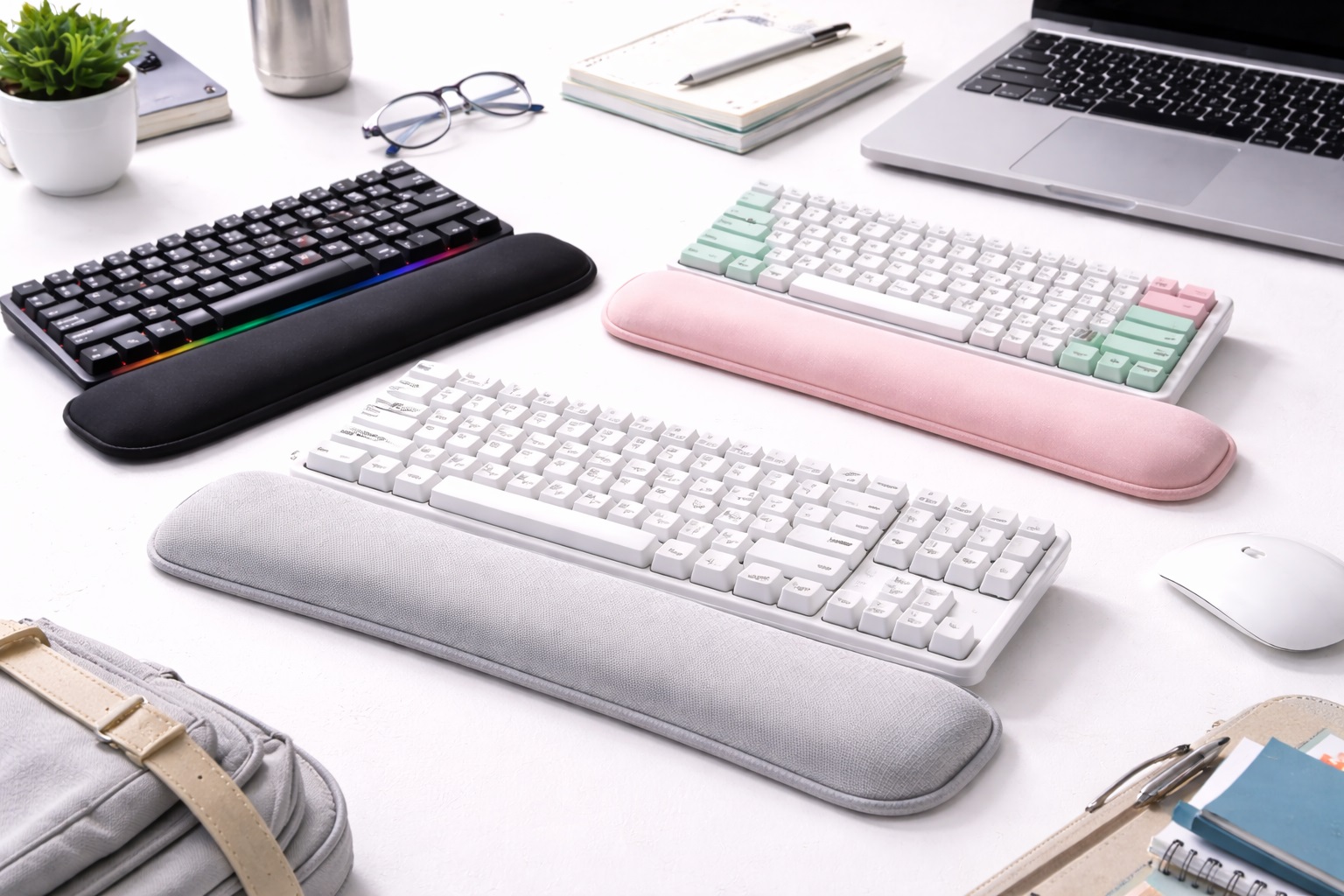
Best Keyboard Wrist Rests Under $100: Real Ergonomic Support for Long Shifts
Hands that hover unsupported over a keyboard for hours eventually start to complain, usually as a dull ache along the base of the palm or a tightness that creeps into the wrist during long typing stretches. A keyboard wrist rest solves a specific and very physical problem: it gives the hand somewhere to rest between bursts of typing instead of leaving it suspended in midair, tensed against gravity for an entire workday.
What surprises a lot of first-time buyers is how much the material and dimensions of a wrist rest change the actual experience of using one. A rest that is the wrong height forces the wrist into an awkward upward bend that can make things worse rather than better. A rest that is too narrow for a full-size keyboard leaves the outer edge of the hand unsupported. None of this is obvious from a product photo, which is exactly why so many buyers end up disappointed with a wrist rest that looked fine online but never quite matched their setup.
Fortunately, solving this well does not require spending a lot of money. Under the $100 mark, the material categories that matter most — memory foam, gel, and leather or faux leather — are all well represented, each with a genuinely different feel and a different type of user it suits best. The differences between them are not marketing fluff; they translate directly into how the rest feels under your palm after two hours of continuous typing.
This guide walks through the three most useful wrist rest categories under $100, explains the physical trade-offs between them, and covers the sizing and usage details that determine whether a wrist rest actually helps or quietly makes things worse. The aim is to help you pick a rest that matches your keyboard, your desk height, and how your hands actually feel by the end of a working day.
One detail that trips up a surprising number of buyers is the assumption that any wrist rest will automatically fix wrist discomfort regardless of how it's used. In reality, a wrist rest used incorrectly — resting the wrists on it while the fingers are actively striking keys — can increase pressure on the nerves running through the wrist rather than relieving it. Understanding correct usage alongside material and sizing is part of getting real value out of this category rather than just adding a cushion to the desk.
It also helps to think about a wrist rest as one piece of a broader typing setup rather than a standalone fix. Keyboard height, chair height, and monitor position all interact with how the wrists sit during a workday, and a wrist rest performs best when the rest of the setup already places the forearms roughly parallel to the floor. Adding a well-chosen rest to an otherwise poorly configured desk will still help, but the improvement is noticeably larger when the whole setup is dialed in together.
Top 3 Keyboard Wrist Rests Under $100 (Detailed Reviews)
1. Memory Foam Keyboard Wrist Rest – Best For All-Day Typing Comfort
Memory foam wrist rests are built to conform to the individual shape of a user's wrist and palm rather than pushing back with uniform resistance. As body heat softens the foam slightly, it molds around the contact points of the hand, spreading pressure across a wider surface area instead of concentrating it on a few points the way a firmer material would. Most models pair this foam core with a non-slip rubberized base that keeps the rest anchored in place during active typing, along with a fabric cover that can be removed and washed once it accumulates the oils and dust that build up on any desk accessory over time.
The conforming quality of memory foam is most noticeable during long, uninterrupted typing sessions, where the ability of the material to adapt to the hand reduces the fatigue that builds from resting on an unyielding surface. This adaptiveness comes with a trade-off, however: memory foam gradually compresses with sustained daily pressure, and a rest that felt plush on day one will feel noticeably firmer after a year or two of continuous use, which is worth factoring into how long you expect the product to perform at its best. Rotating the rest occasionally, or choosing a slightly firmer density if you type for the majority of your working hours, can help extend the period before compression becomes noticeable enough to affect comfort.
- Pros:
- Conforms to wrist shape for even pressure distribution
- Non-slip base prevents movement during typing
- Washable fabric cover on most models
- More comfortable than gel for extended sessions on most wrists
- Cons:
- Can retain heat during extended use in warm environments
- Memory foam compresses over time with heavy daily use
Best For: Office workers and students who type extensively and want to reduce wrist fatigue and carpal tunnel risk during long typing sessions.
Why We Recommend It: Memory foam offers the most adaptive support of any wrist rest material. The pressure distribution benefit it provides over a flat foam or rigid surface makes a genuine difference during extended typing sessions, particularly for users who type in long, uninterrupted blocks rather than short bursts.
2. Gel Wrist Rest – Best For Cool, Consistent Firmness
Gel wrist rests use a dense silicone gel filling that stays cool to the touch and holds its shape consistently, session after session, without the gradual compression that eventually affects memory foam. That consistency is the main appeal: a gel rest feels essentially the same on day one and two years later, which matters to users who dislike the idea of a support surface changing underneath them over time. The cool, smooth texture is also a genuine differentiator for anyone who finds memory foam's tendency to warm up against the skin uncomfortable during longer sessions, particularly in warmer climates or offices without strong air conditioning.
Because gel is firmer than memory foam by nature, it does not contour to the hand in quite the same way, and some users initially describe it as feeling less "cushioned." For users who prefer a denser, more stable surface underneath the wrist rather than one that yields and molds, this firmness reads as an advantage rather than a drawback, and it tends to be the material of choice for anyone who has already tried memory foam and found it too soft or too warm for their taste. Gel also holds up noticeably better in warmer climates or offices without reliable air conditioning, where memory foam can feel uncomfortably soft and sticky by mid-afternoon.
- Pros:
- Cool to the touch during extended sessions
- Maintains consistent firmness over time without compression
- Easy to wipe clean surface
- Preferred texture for users who find foam too warm
- Cons:
- Firmer than memory foam — some find it less conforming
- Gel can feel cold in air-conditioned environments
Best For: Users who find memory foam warm or prefer a firmer, cooler surface during long typing sessions in warm or air-conditioned environments.
Why We Recommend It: Gel wrist rests offer a temperature and texture alternative to memory foam that suits a genuine subset of users better. If memory foam feels warm or insufficiently firm, gel is consistently the better alternative, and its resistance to compression means the feel you get on day one is close to the feel you get years later.
3. Leather or Faux Leather Wrist Rest – Best For a Professional Desk Setup
Leather-covered wrist rests wrap a foam or gel core in genuine or synthetic leather, and the appeal goes beyond looks. Leather is significantly more durable under daily contact than a fabric cover, resists absorbing oils and moisture the way fabric does, and wipes clean with a damp cloth in seconds rather than requiring a wash cycle. For anyone whose desk is visible on video calls or shared with clients and colleagues, the polished appearance is a real consideration alongside the ergonomic function, and it is the category most likely to still look presentable well into its second or third year of daily use.
Genuine leather develops a subtle patina and softens slightly with handling over time, which many users consider an improvement rather than a downside. Faux leather offers a similar look and cleanability at a lower price point, though it tends to feel slightly less supple initially and does not develop the same patina with age. Either version starts firmer and marginally more slippery to the touch than fabric-covered foam, a texture that most users stop noticing within the first few days of regular use. Some buyers also appreciate that leather resists staining from hand lotion or sunscreen, a minor but real annoyance with fabric covers that can develop visible discoloration over months of daily contact.
- Pros:
- Premium professional appearance
- Wipe-clean surface for easy maintenance
- More durable surface than fabric alternatives
- Genuine leather improves in texture over time
- Cons:
- Higher cost than foam or gel alternatives with fabric covers
- Leather surface can be cool and slightly slippery initially
Best For: Executives, professionals, and design-conscious home office workers who want ergonomic support that matches a premium desk setup.
Why We Recommend It: The leather surface delivers meaningful practical advantages — durability and cleanability — alongside the premium appearance. For users who care about how their workspace looks and want a wrist rest that lasts, the leather option makes sense as a long-term desk accessory rather than a disposable one.
Buying Guide: How to Choose the Best Keyboard Wrist Rest Under $100
Use these factors to match a wrist rest to your actual keyboard, desk setup, and typing habits rather than picking whichever option looks most comfortable in a product photo.
1. Material Type and Feel
Memory foam adapts to wrist shape over time and softens with body heat. Gel stays consistent and feels cooler to the touch. Leather or faux leather is the most durable and easiest to wipe clean. Each material has a genuinely different texture and temperature feel, and personal preference plays a large role here — if possible, try a sample in person before buying, or purchase from a retailer with a straightforward return policy in case the material doesn't suit your hands as expected.
2. Wrist Rest Width vs. Keyboard Width
A wrist rest should match or slightly exceed the width of your keyboard. A full-size keyboard with a number pad needs a noticeably wider rest than a tenkeyless keyboard, and using a narrow rest under a wide keyboard leaves the outer edges of your wrists unsupported during use, which undermines much of the point of buying one in the first place.
3. Height Relative to Keyboard Home Row
The wrist rest should sit at the same height as, or slightly lower than, your keyboard's home row. A rest that is too high forces the wrists into extension, an upward bend that increases pressure inside the carpal tunnel rather than relieving it. A rest that is too low leaves a gap, so the wrists still hover unsupported during typing pauses, defeating the purpose of adding the rest at all.
4. Non-Slip Base Effectiveness
A wrist rest that slides every time you lift your hands off it quickly becomes an annoyance rather than a benefit. Check reviews specifically for complaints about base slippage on the surface material you actually use — laminate, glass, or fabric desk mats can each interact differently with a given rubber base. Textured rubber bases grip most desk surfaces reliably, while smooth plastic bases may hold on some surfaces and slide on others.
5. Correct Wrist Rest Usage
A wrist rest is designed to be used during pauses in typing, not as a surface to rest on continuously while the fingers are actively striking keys. Maintaining constant wrist contact while typing increases pressure on the nerves running through the wrist, which can work against the very relief the product is meant to provide. Use the rest as a reference point between bursts of typing rather than a permanent resting spot for the whole session.
6. Maintenance and Cleaning
Foam and gel wrist rests with fabric covers gradually accumulate skin oils, dust, and hand lotion residue. Covers that are removable and machine-washable, or that zip off entirely, are considerably easier to keep clean over the long run than sewn-on covers. Leather and faux leather surfaces wipe clean with a damp cloth in seconds, which is a genuine convenience advantage worth weighing against their higher upfront cost.
7. Pairing With a Matching Mouse Pad
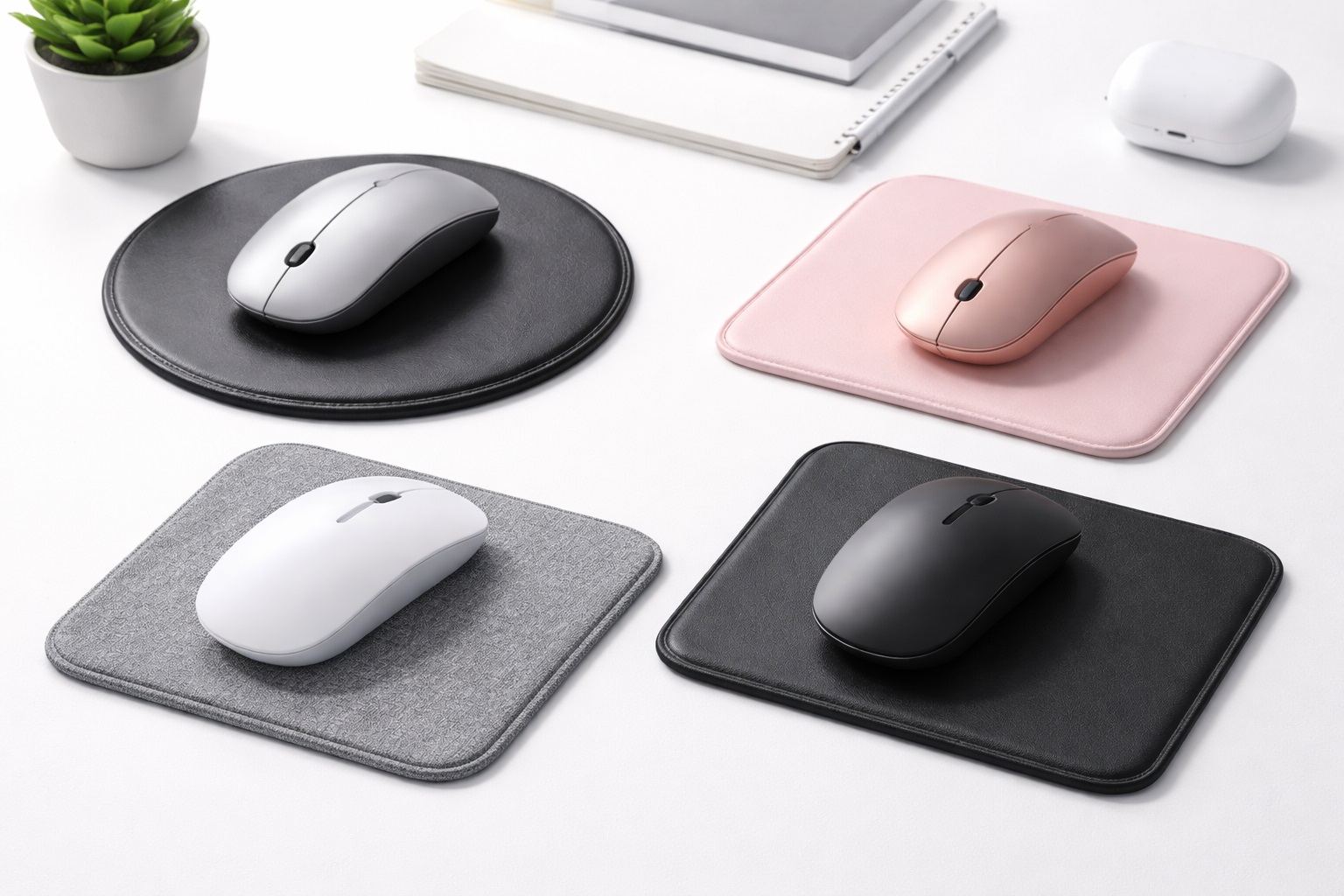
Some wrist rests are designed as part of a matched set with a mouse pad wrist rest, sharing the same material and height so both hands get consistent support. Buying the set guarantees this consistency. If you buy the keyboard rest and mouse pad rest separately, double-check that their heights are reasonably close, since a noticeable mismatch between the two hands can feel oddly unbalanced during use.
8. Gel vs. Memory Foam Firmness Under Sustained Pressure
Gel wrist rests maintain a consistent firmness throughout a session regardless of how long or how firmly you rest on them. Memory foam compresses under sustained pressure and then slowly recovers its shape once weight is removed. During long sessions where contact pressure varies constantly, gel offers more predictable support, while memory foam that has already compressed from repeated use can start to feel like it is "bottoming out" against the desk underneath.
9. Length Coverage for Full-Size Keyboards
Full-size keyboards typically run 17 to 18 inches wide. A wrist rest shorter than the keyboard leaves gaps in coverage at the edges, which matters most for users who actively use the number pad, since a short rest often leaves that section — and the wrist beneath it — without support entirely.
10. Price and Expected Replacement Cycle
Wrist rests are a consumable desk accessory: foam compresses, fabric wears thin, and even leather eventually shows creasing at contact points. Budget models in the $10 to $20 range may need replacing within a year of daily use. Premium memory foam or leather models that last three to five years can work out cheaper over time despite a higher purchase price, so it is worth weighing total cost of ownership rather than the sticker price alone.
11. Edge Profile and Comfort at the Contact Line
The front edge of a wrist rest, where it meets the desk or the front lip of the keyboard tray, is the point of highest contact pressure during a long session. A rounded, gently sloped edge distributes this pressure more comfortably than a sharp, squared-off edge, and this detail is easy to overlook when comparing products purely by material and price.
12. Desk Depth and Available Space
Adding a wrist rest in front of your keyboard requires extra desk depth between the keyboard and the front edge of the desk. On a shallow desk, this can push the keyboard back far enough to require repositioning your monitor or other accessories. Measure the available depth before ordering, particularly for wider rests paired with full-size keyboards.
13. Thickness and Profile Height
Wrist rest thickness ranges from roughly half an inch for low-profile foam models to well over an inch for thicker gel or memory foam designs. A thicker profile suits a keyboard mounted higher relative to the desk surface, while a low-profile rest works better with a thin mechanical or membrane keyboard sitting close to desk height. Mismatching thickness to your keyboard's actual height is one of the more common reasons a wrist rest ends up feeling wrong despite otherwise good build quality.
Frequently Asked Questions
1. Should I use a keyboard wrist rest under $100 while actively typing?
Ergonomic guidance suggests resting the wrists during typing pauses rather than maintaining constant contact while keys are being pressed. Resting the wrists on the pad while fingers actively move over the keys can increase pressure on the nerves running through the carpal tunnel. Use the rest as a support reference between typing bursts rather than continuous contact throughout a session.
2. How do I know what height keyboard wrist rest under $100 I need?
The wrist rest height should match or sit slightly lower than the height of your keyboard's home row. If your keyboard has a steep positive tilt with the back higher than the front, a taller wrist rest suits that angle better. For keyboards with a flat or negative tilt, a lower-profile wrist rest is the better match. Getting this wrong tends to increase rather than reduce wrist strain.
3. Does a keyboard wrist rest under $100 actually help with wrist pain?
For discomfort caused by hovering the wrists unsupported during pauses in typing, a wrist rest provides direct and fairly immediate relief. For pain rooted in incorrect typing technique or an underlying repetitive strain condition, the wrist rest alone will not resolve the underlying cause. Combined with correct keyboard height, regular breaks, and proper typing posture, a wrist rest contributes meaningfully to a healthier overall setup.
4. How do I clean a keyboard wrist rest under $100?
Fabric-covered wrist rests can typically be hand-washed or machine-washed on a gentle cycle if the cover is removable. Leather or faux leather surfaces wipe clean with a damp cloth and a small amount of mild soap if needed. Gel rests can be wiped down directly with a mild detergent solution. Let any surface dry completely before returning it to daily use to avoid trapping moisture underneath.
5. Can I use a keyboard wrist rest under $100 with any keyboard?
Yes, though the height match matters more than most buyers expect. Verify the wrist rest height suits your keyboard's profile — ultra-thin keyboards pair better with thinner rests, while tall mechanical keyboards need a correspondingly taller rest to keep the wrist in a neutral position. Most wrist rests are not physically attached to the keyboard and stay in place through their non-slip base alone.
6. Is the most expensive keyboard wrist rest under $100 always the best?
Not necessarily. A higher price within this budget often buys premium materials like genuine leather or a thicker memory foam core, but a mid-range gel or foam option can deliver the same core ergonomic benefit for a typical user. Match the material to your preference rather than assuming price alone indicates quality.
7. How long should a quality keyboard wrist rest under $100 last?
A well-built product from a reputable brand typically lasts two to five years or longer with reasonable daily care. Memory foam models on the lower end of that range compress noticeably with heavy use, while gel and leather models tend to hold their shape and appearance longer under the same conditions.
8. Can I return a keyboard wrist rest under $100 if it doesn't suit me?
Most retailers offer a 15 to 30 day return window. Keep the original packaging during your evaluation period so you retain the option to return the product if the material, height, or width doesn't end up matching your setup as well as expected.
9. Do I need a wrist rest for both the keyboard and the mouse?
Many users benefit from supporting both hands, particularly if mouse use involves extended sessions of clicking and dragging. A dedicated mouse pad wrist rest addresses the mouse hand specifically, and pairing it with a keyboard wrist rest of similar height and material creates a more consistent, balanced setup across both hands.
10. Will a wrist rest change my typing speed or accuracy?
Most users notice no meaningful change in typing speed once they get used to having the rest in place, since it only supports the wrist during pauses rather than interfering with finger movement over the keys. Some users report improved accuracy over long sessions simply because reduced fatigue keeps finger placement more consistent later in the day.
11. What is the best keyboard wrist rest under $100 for home office professionals who want meaningful ergonomic support at a sensible price?
The best choice depends on your specific priorities. Memory foam suits users who type for long, continuous stretches and want maximum contouring. Gel suits users who run warm or prefer firmer, consistent support. Leather suits users who want durability and a professional appearance alongside the ergonomic benefit.
12. Does brand name matter when choosing a keyboard wrist rest under $100?
Established brands generally offer more consistent quality control and more reliable customer support if a product arrives defective. That said, newer brands in this category sometimes offer excellent materials at a lower price point — read verified reviews carefully, particularly ones that describe how the product held up after months of daily use rather than just initial impressions.
13. Can a wrist rest be used with an ergonomic split keyboard?
Yes, and in many cases a wrist rest is even more useful with a split keyboard, since split designs are often positioned wider apart than a standard keyboard, requiring a correspondingly wider rest or two smaller rests positioned under each half independently. Check the total width needed for your specific split configuration before choosing a single continuous rest, since a one-piece rest sized for a standard keyboard may not span the gap correctly.
Final Verdict
- Best Overall: Memory Foam Keyboard Wrist Rest – The most adaptive and comfortable daily typing support.
- Best For Cool, Consistent Firmness: Gel Wrist Rest – The cool, firm alternative for users who prefer a denser support surface.
- Best For a Professional Desk Setup: Leather or Faux Leather Wrist Rest – The premium desk accessory that looks as good as it functions.
The right keyboard wrist rest under $100 comes down to matching material and dimensions to your actual keyboard and how you type. Memory foam gives the deepest cushioning for long uninterrupted sessions, gel holds its shape and stays cool for users who find foam too soft or too warm, and leather brings durability and a polished look to a visible desk setup. Get the height and width right for your specific keyboard, use the rest correctly during pauses rather than continuous contact, and a $100 budget is more than enough to noticeably improve how your hands feel by the end of the day. Whichever material you land on, give it a full week of regular use before judging it — small adjustments to your typing habits and posture during that first week often make more difference than the rest itself.