Best Desks Under $100: Solid Quality Without the Premium Price
A budget of $100 for a desk sounds restrictive until you actually start comparing what's available. The category has matured considerably, and a careful shopper can find a genuinely usable, stable desk without stretching into premium office-furniture pricing. The catch is that not every option at this price point is built the same way, and the wrong pick often means dealing with a wobbly frame or a surface too small for your actual setup.
This guide compares three practical desk styles that consistently show up at or near this price point, each aimed at a slightly different need: students and first-time buyers who just want a reliable daily surface, anyone who needs built-in storage without buying separate furniture, and people who want to make better use of an underused room corner. None of these is a "compromise" version of a better desk — they're simply optimized for different priorities.
Below you'll find detailed breakdowns of each option, a buying guide covering what actually matters when shopping in this price range, answers to the most common questions buyers ask, and a final verdict to help you land on the right choice without overthinking it.
It helps to set expectations correctly before shopping. A desk under $100 is not going to feel like a solid-hardwood executive desk, and it shouldn't be judged against that standard. The more useful comparison is against other options in the same price bracket, where the differences in frame bracing, desktop thickness, and included features are what actually separate a good budget desk from a disappointing one.
Many first-time buyers also assume that spending slightly more within this range guarantees a better desk, but that's not always true. Sometimes the extra ten or twenty dollars goes toward a feature you won't use, like an oversized surface for a single-monitor laptop setup, rather than toward the frame stability or desktop thickness that actually determines how the desk feels day to day.
Top Picks Reviewed (Detailed Reviews)
Compact Writing Desk Under $100 – Best for Simple Daily Use
A compact writing desk in the under-$100 price range typically offers a 40–48 inch surface, a steel frame, and an engineered wood top. While you won't find premium materials at this price, the better models offer solid assembly, reliable stability, and enough workspace for a laptop, notebook, and daily essentials. This is the most straightforward category in the group, built around the simple idea that most people just need a flat, stable surface and don't want to pay for features they won't use.
Because these desks skip extras like shelving or an L-shaped layout, manufacturers can put more of the budget into frame quality and surface finish, which is why the better models in this category often feel sturdier than their price suggests. The trade-off is that what you see is what you get — there's no built-in storage to fall back on if your setup grows over time.
- Pros:
- Affordable entry point for a dedicated workspace
- Easy assembly in most models
- Adequate surface for laptop and accessories
- Available in multiple finish options
- Cons:
- Engineered wood may not match solid wood durability
- Limited or no storage on most basic models
Best For: First-time home office buyers, students setting up a study space, and remote workers on a tight budget.
Why We Recommend It: At this price point, the goal is a reliable, stable surface for daily use — and the better models in this category deliver exactly that without unnecessary compromise, making it a sensible first desk for anyone who isn't sure yet what additional features they'll actually want.
It's also the easiest option to move on from later. Because it doesn't require a specific corner or wall configuration, a compact writing desk can be relocated to a different room or repurposed as a secondary surface if your main workspace changes down the line, which is not always true of a more specialized layout.
Desk with Shelves Under $100 – Best for Built-In Organization
Adding integrated shelves to a budget desk solves the storage problem without requiring additional furniture purchases. Most models include one or two side shelves suitable for books, a printer, or office supplies. The combined footprint is typically smaller than buying a desk and bookshelf separately, which matters in smaller rooms where floor space is at a premium.
The shelving is usually fixed in height rather than adjustable, which is one of the more noticeable cost-saving measures manufacturers make at this price point. That's a reasonable trade for most buyers, since the shelf dimensions are typically sized around common items like textbooks, binders, and small printers rather than needing to flex for oversized equipment.
- Pros:
- Built-in storage reduces need for additional furniture
- Books and supplies stay organized and within reach
- Better value per dollar than separate pieces
- Modern appearance with vertical storage
- Cons:
- Takes longer to assemble than basic models
- Shelves are often fixed rather than adjustable
Best For: Students with textbooks to organize, home office workers with reference materials, and anyone who needs accessible storage alongside their workspace.
Why We Recommend It: The integrated shelving solves two problems simultaneously — it provides workspace and storage in a single, compact footprint that suits small rooms well, without the added cost and floor space a separate bookshelf would require.
Anyone who has tried to fit a desk and a separate bookshelf into a small bedroom knows how quickly floor space disappears. Combining the two functions into one piece of furniture is often the difference between a room that feels workable and one that feels cramped, especially in a shared or single-room living situation.
Corner Desk Under $100 – Best for Corner Spaces
A budget corner desk makes efficient use of room corners that often go unused. L-shaped designs at this price point typically use particle board or MDF tops with steel tube frames. The expanded surface area suits users who need room for a monitor, laptop, and additional accessories simultaneously, without needing to upgrade to a significantly pricier desk to get that extra square footage.
Because the design wraps around a corner rather than running in a straight line, it also tends to make a room feel more organized by anchoring the workspace to an otherwise wasted area. The main planning requirement is making sure you actually have a usable 90-degree corner with enough clearance on both sides for the desk's full footprint.
- Pros:
- Uses corner space that standard desks miss
- More surface area than comparably priced straight desks
- Good for dual-device setups
- Defines a dedicated office corner in any room
- Cons:
- Requires a suitable 90-degree corner placement
- Heavier to assemble and move than compact desks
Best For: Remote workers who need more surface area, gamers, and students who work with multiple devices simultaneously.
Why We Recommend It: A corner desk at this price provides noticeably more usable workspace than a comparably priced straight desk, making it a smart choice for users who regularly feel cramped at a smaller surface and don't have the budget for a premium L-shaped executive desk.
The extra surface area also tends to future-proof the purchase somewhat. A setup that starts as a single laptop can grow to include a second monitor, a printer, or additional accessories over time, and a corner desk absorbs that growth far more gracefully than a compact surface that was already at capacity from day one.
Buying Guide: How to Choose the Best Desk Under $100
Use these key factors to match your purchase to your actual needs rather than defaulting to the highest-rated or most-reviewed option on a retailer's page.
1. Frame Material and Construction
Steel tube frames are the standard at this price point and, when properly braced, provide solid stability for everyday use. Look for cross-bracing or a stabilizer bar between the legs, since this single detail makes a bigger difference to wobble than almost any other spec. A frame without bracing can feel noticeably less solid even if the desktop material is identical.
2. Desktop Material
Most budget desks use particle board, MDF, or engineered wood with a laminate or melamine finish rather than solid wood. This isn't necessarily a downgrade for a desk specifically, since the surface sees mostly light daily wear rather than the structural stress a shelf or cabinet door would face. Check for a thicker desktop panel where possible, since thinner boards are more prone to sagging over time.
3. Surface Size for Your Setup
Measure your actual equipment — laptop, monitor, keyboard, notebook, and any accessories — before assuming a compact desk will have enough room. A single-monitor laptop setup fits comfortably on most compact desks, while a dual-monitor or additional peripheral setup usually benefits from the extra surface area a corner desk provides.
4. Storage Needs
If you have books, files, or supplies that need a home, a desk with integrated shelving saves you from buying and fitting a separate storage piece. If you don't need extra storage, a simple compact desk keeps the footprint smaller and the price lower, since storage features add to both cost and assembly time.
5. Assembly Difficulty and Time
Compact writing desks are typically the fastest to assemble, often in under 30 minutes with basic tools. Desks with shelving or a corner layout take meaningfully longer and benefit from a second set of hands, especially when aligning the multiple panels that make up an L-shaped frame.
6. Weight Capacity
Budget desks typically list a weight capacity in the 30–50 lbs range for the main surface, which comfortably covers a laptop or single monitor setup. If you plan to add a monitor arm, printer, or multiple devices, check the specific rating rather than assuming all budget desks handle load identically.
7. Room Layout and Corner Availability
A corner desk only makes sense if you actually have a workable corner with clearance on both sides. Measure the available wall space in both directions before assuming an L-shaped desk will fit, since these designs are considerably harder to reposition once assembled than a straight desk.
8. Cable Management Features
Budget desks vary widely in whether they include a grommet hole or cable tray. If you have a monitor, charger, and peripheral cables to manage, check for this feature specifically, since retrofitting cable routing onto a bare desktop after the fact is far messier than buying a model that already accounts for it.
9. Finish and Aesthetic Fit
Most budget desks come in a handful of standard finishes — typically a wood-look laminate in a few shades alongside a black or white option. Consider how the desk will look against your existing furniture and wall color, since laminate finishes can look noticeably different in person than in a product photo depending on lighting.
10. Stability Over Time
Steel-frame desks generally hold up well over years of use, but the connection points between the frame and desktop are the most common failure point on budget models. Look for verified reviews mentioning long-term stability rather than just initial impressions, since some wobble issues only appear after weeks of regular use.
11. Delivery and Packaging
Budget desks typically ship flat-packed in a single box, which keeps shipping costs down but means you should inspect the box for damage on arrival, since a dented corner can indicate a bent frame component inside. Check the retailer's damage policy before assembly in case a replacement part is needed.
12. Warranty and Return Policy
A warranty of at least one year is a reasonable expectation even at this price point and signals the manufacturer's confidence in the frame and joints. Check the retailer's return window as well, since a desk that looks fine during assembly may reveal stability issues only after a week or two of actual daily use.
13. Edge Banding and Finish Durability
Cheap desks sometimes use plain, unsealed edges on the desktop that peel or chip over time, while better budget models add edge banding, a thin strip of laminate or PVC around the perimeter. This small detail meaningfully affects how the desk looks and holds up after a year or two of daily bumps and scrapes.
14. Noise and Movement During Use
A desk with loose joints can produce a faint creak or shift slightly when you lean on it or type with force. This is more common in cheaper corner desks due to the added number of connection points in the frame. Reading reviews for mentions of noise or movement under normal use can help you avoid this issue before buying.
15. Matching the Desk to Your Chair
Standard desk height in this price range is usually around 29–30 inches, which pairs well with most standard office chairs. If you use a particularly tall or short chair, or plan to work while seated on a stool or exercise ball, double check the desk height against your seating to avoid an uncomfortable mismatch.
16. Comparing Value Across Similar Price Points
Two desks priced within a few dollars of each other can differ significantly in what they actually offer, with one prioritizing a larger surface and the other prioritizing built-in storage or a sturdier frame. Rather than comparing price alone, list out the two or three features that matter most for your situation and use those as the real basis for comparison between similarly priced options.
Frequently Asked Questions
What should I expect from a desk under $100?
You can realistically expect a stable steel or MDF frame construction, a functional workspace surface, and adequate support for a laptop or single monitor. Premium materials, integrated storage, and premium finishes are less common at this price point but not impossible if you shop carefully.
How long will a budget desk last?
A well-built desk in the $75–100 range from a reputable manufacturer can last 3–5 years with normal use. Cheaper models under $50 may show wear sooner. Avoid placing heavy loads in unsupported areas and the frame typically holds up well.
Is particle board bad for a desk?
Particle board is the industry standard for budget furniture. It's heavy, prone to damage from moisture, and doesn't hold screws as well as solid wood. For a desk, these limitations matter less than for bookshelves or cabinets — the surface is what gets daily wear, and a good melamine coat protects it adequately.
Can I assemble a budget desk alone?
Yes, most models are designed for solo assembly. Having a second person helps with corner desks and larger models. Read assembly reviews before buying — poorly written instructions or pre-drilled holes that don't align make assembly frustrating regardless of skill level.
Are there good desks under $100 with storage?
Yes. Several desk designs at this price include a side shelf, lower storage shelf, or single drawer. They require a bit more assembly but provide meaningful organization benefit, especially in small rooms without separate storage furniture.
Is the most expensive desk under $100 always the best?
Not necessarily. Higher price often means more features, but many mid-range options offer excellent performance for everyday use. Focus on the features that matter for your specific needs rather than assuming price alone signals quality.
How long should a quality desk under $100 last?
A well-built product from a reputable brand typically lasts two to five years or longer with reasonable care. Always check warranty terms as a quality indicator, since manufacturers offering longer coverage are typically more confident in the frame's durability.
Can I return a desk under $100 if it doesn't suit me?
Most retailers offer a 15–30 day return window. Keep the original packaging during your evaluation period to ensure you have the option to return the desk if it doesn't meet your needs once it's set up and in daily use.
What is the best desk under $100 for a small dorm room?
A compact writing desk is usually the best fit for a dorm room, since it takes up the least floor space while still providing enough surface for a laptop and study materials, without requiring the corner clearance an L-shaped desk needs.
Does brand name matter when choosing a desk under $100?
Established brands generally offer better quality control, customer support, and warranty reliability. However, newer brands sometimes offer excellent value — read verified reviews carefully before purchasing to see how a specific model has held up for other buyers over time.
Will a budget desk wobble under normal use?
A well-braced steel frame should feel stable under normal typing and writing pressure. If a desk wobbles noticeably right out of the box, check that all bolts are fully tightened before assuming the design itself is at fault, since under-tightened hardware is a common and easily fixed cause of early wobble.
Can a budget desk support a standing desk converter?
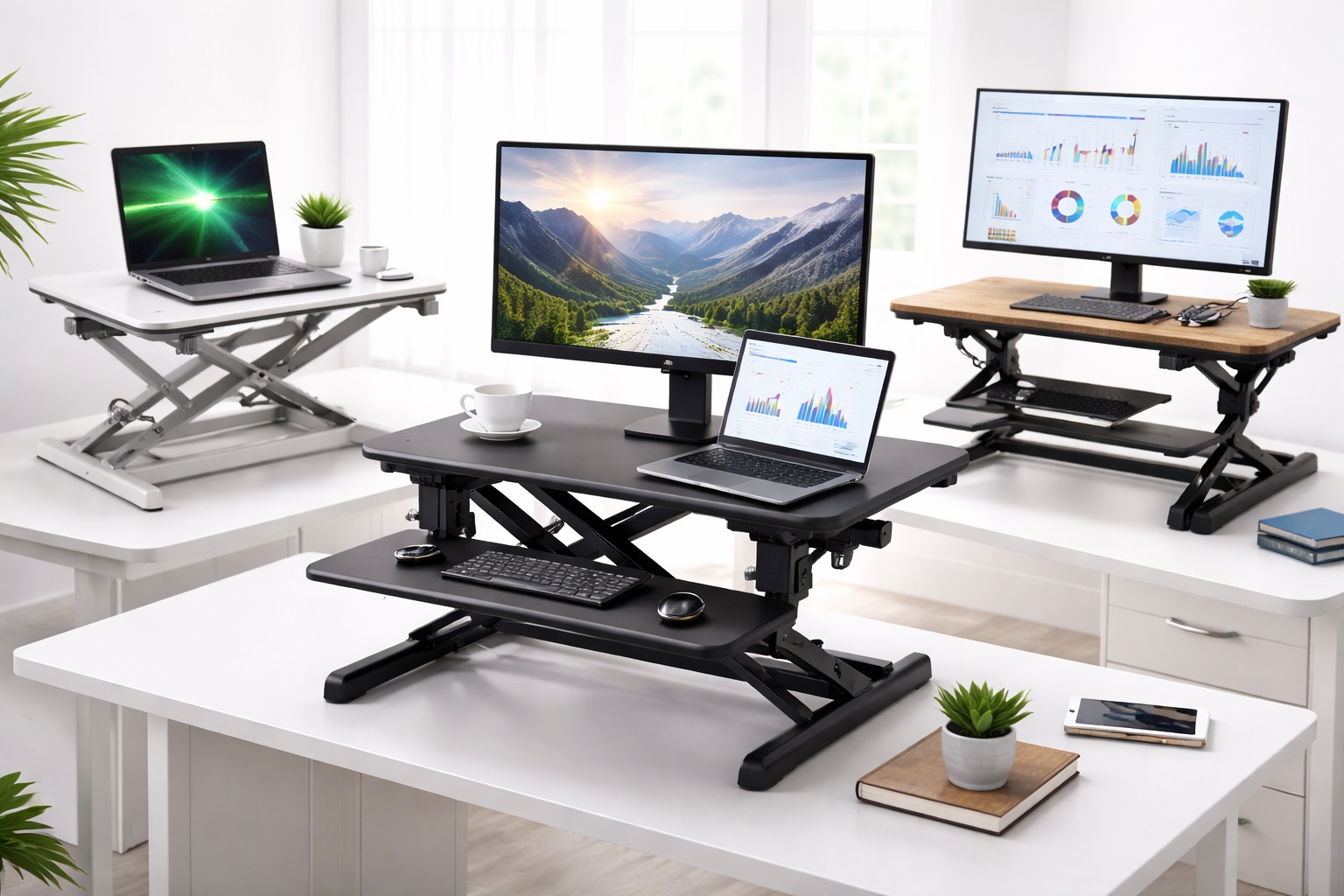
Most budget desks can support a lightweight standing desk converter within their rated weight capacity, but check the combined weight of the converter, monitor, and keyboard against the desk's listed limit before adding one, since converters add meaningful weight concentrated in one area of the surface.
How do I fix a wobbly budget desk?
Start by checking that every bolt and screw is fully tightened, since loose hardware is the most common cause of wobble on budget furniture. Adding felt pads or adjustable levelers to the feet can also help compensate for a slightly uneven floor, which is another frequent and easily overlooked cause.
Do budget desks come with a drawer?
Some models in the shelved category include a single shallow drawer, though it's less common than side shelving at this price point. If a drawer is important to you, check the specific product listing rather than assuming it's included, since drawers add cost and are often reserved for slightly higher-priced models.
What tools do I need to assemble a budget desk?
Most budget desks include an Allen wrench and the necessary screws in the box, and can be assembled with just that included tool. Having a separate power drill with the correct bit can speed up assembly considerably, especially for corner desks with a larger number of panels and connection points.
Can a budget desk be disassembled and reassembled if I move?
Yes, most budget desks are designed to be taken apart and rebuilt, since they ship flat-packed in the first place. Keep the original hardware in a labeled bag during a move, since replacement screws and connectors for a specific model can be difficult to source afterward.
Is a corner desk harder to sell or give away later than a straight desk?
Generally yes, since a corner desk only suits buyers with a matching room layout, while a straight desk fits almost any room configuration. This is a minor consideration for most buyers, but worth factoring in if you expect to resell or donate the desk within a few years.
Do budget desks require any special maintenance?
Beyond periodically checking that bolts remain tight and wiping the surface with a dry or slightly damp cloth, budget desks don't require any special maintenance. Avoid placing hot items directly on a laminate surface and keep spills wiped up promptly, since standing moisture is the most common cause of premature swelling or damage on engineered wood surfaces.
Can I paint or refinish a budget desk?
Laminate and melamine surfaces generally don't hold paint well without specific priming products designed for slick surfaces, so refinishing a budget desk is more involved than sanding and repainting solid wood furniture. If customization matters to you, look into specialty laminate paint kits rather than assuming a standard paint job will adhere properly.
What's the difference between MDF and particle board desktops?
MDF, or medium-density fiberboard, is generally denser and more resistant to chipping at the edges than standard particle board, though it also tends to be slightly heavier for the same panel size. Both are common at this price point, and the laminate or melamine coating applied over either material matters as much for day-to-day durability as the core material underneath.
Final Verdict
- Best for Simple Daily Use: Compact Writing Desk Under $100 – Reliable daily-use desk at a student-friendly price.
- Best for Built-In Organization: Desk with Shelves Under $100 – Most organized setup for the price.
- Best for Corner Spaces: Corner Desk Under $100 – Maximum surface area for the budget.
The right desk under $100 depends entirely on how you'll use it and what you need most from your space. A student moving into a first apartment or dorm room typically values simplicity and easy assembly above all else, while someone setting up a permanent home office corner may get more long-term value from the extra surface area a corner desk provides.
Storage needs are often the deciding factor that gets overlooked until after the purchase. Anyone who already owns a separate bookshelf or filing cabinet may not need a desk with built-in shelving at all, while someone furnishing a room from scratch can save both money and floor space by choosing a desk that handles both jobs at once.
Use the buying guide factors and the individual breakdowns above to make a confident, well-matched decision rather than a generic one based purely on price. A budget desk chosen to fit your actual routine and room layout is far more likely to still be serving you well years down the line than one picked simply because it was the cheapest option available at the time.
It's also worth remembering that a desk under $100 doesn't have to be a placeholder until you can afford something better. With the right combination of frame quality, adequate surface size, and features that actually match how you work, a budget desk can serve as a genuinely long-term piece of furniture rather than a temporary stopgap. The key is spending the time upfront to match the specific style to your room and routine, rather than grabbing whichever option shows up first in a search result.
Finally, don't overlook the value of reading recent, verified customer reviews for the specific model you're considering rather than relying only on the manufacturer's own product description. Reviews mentioning long-term stability, ease of assembly, and any recurring issues tend to reveal far more about real-world performance than a spec sheet or a handful of product photos ever can.