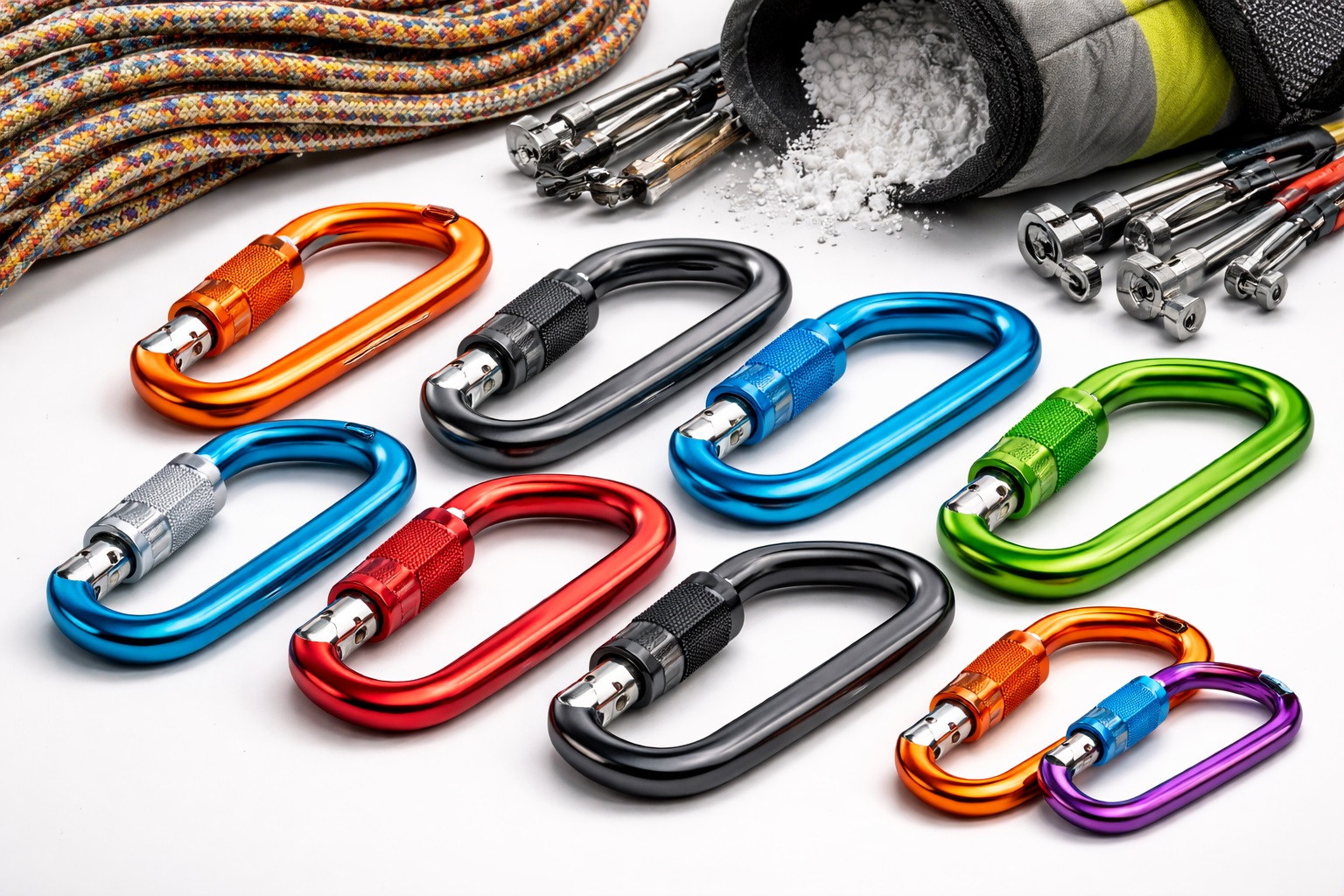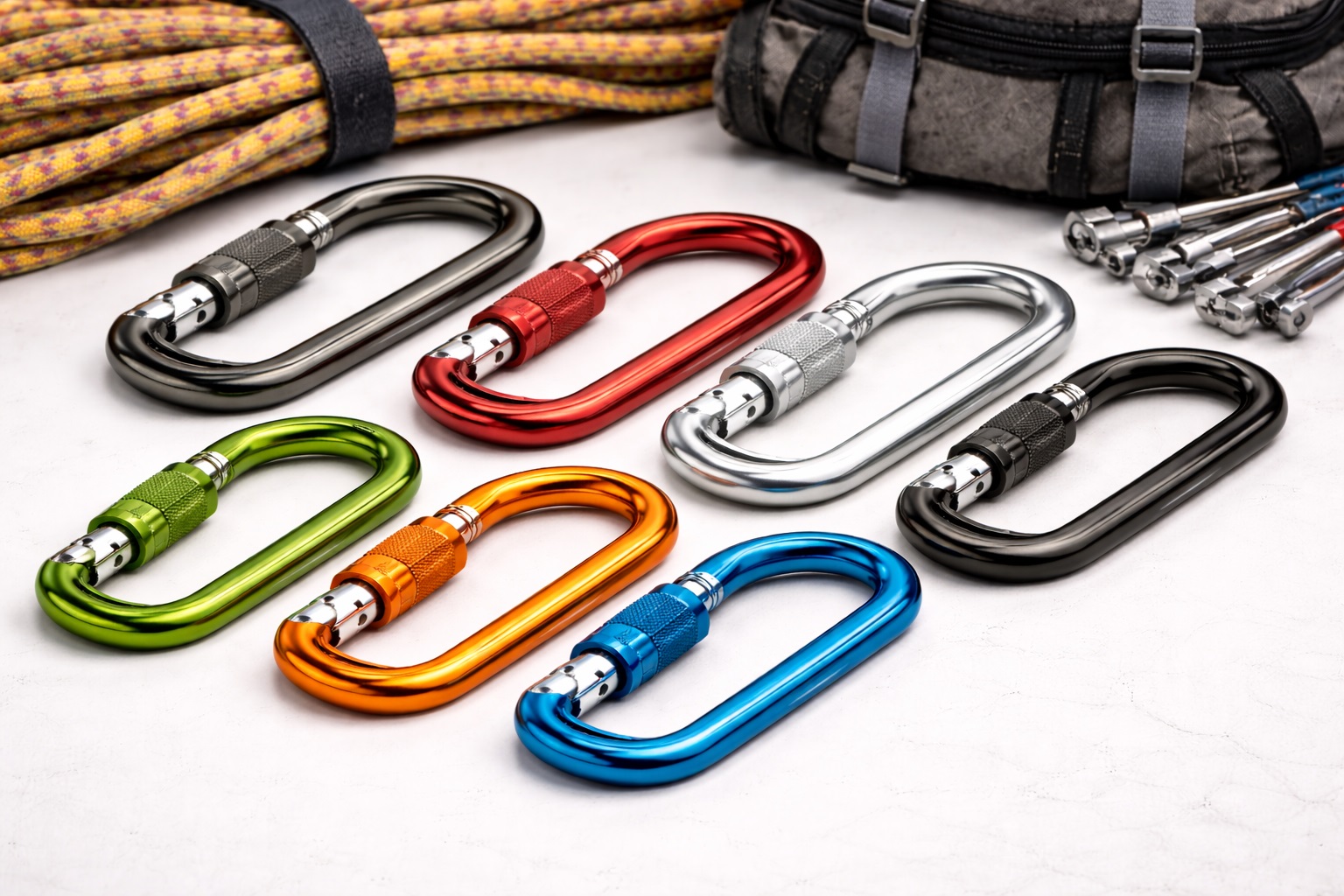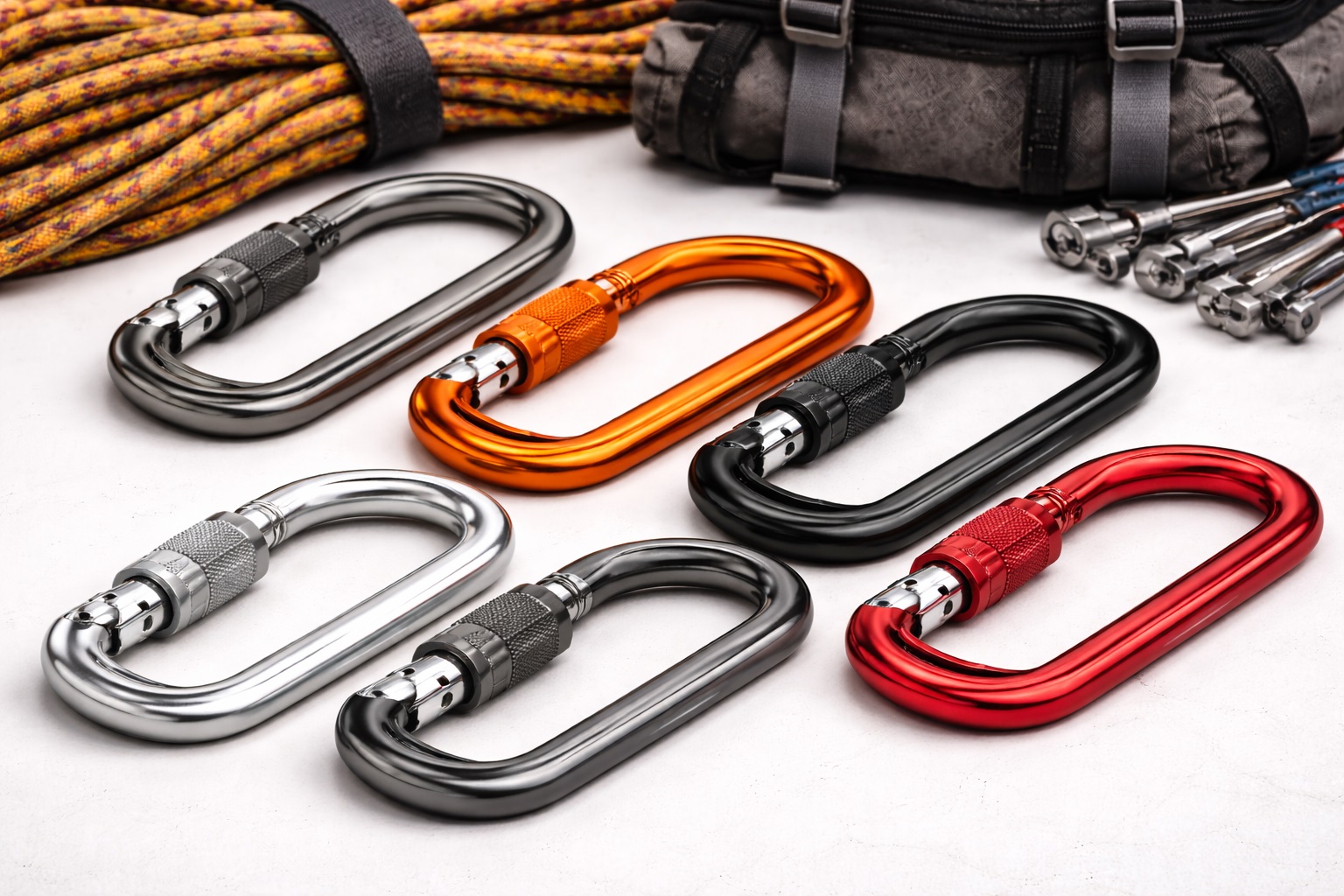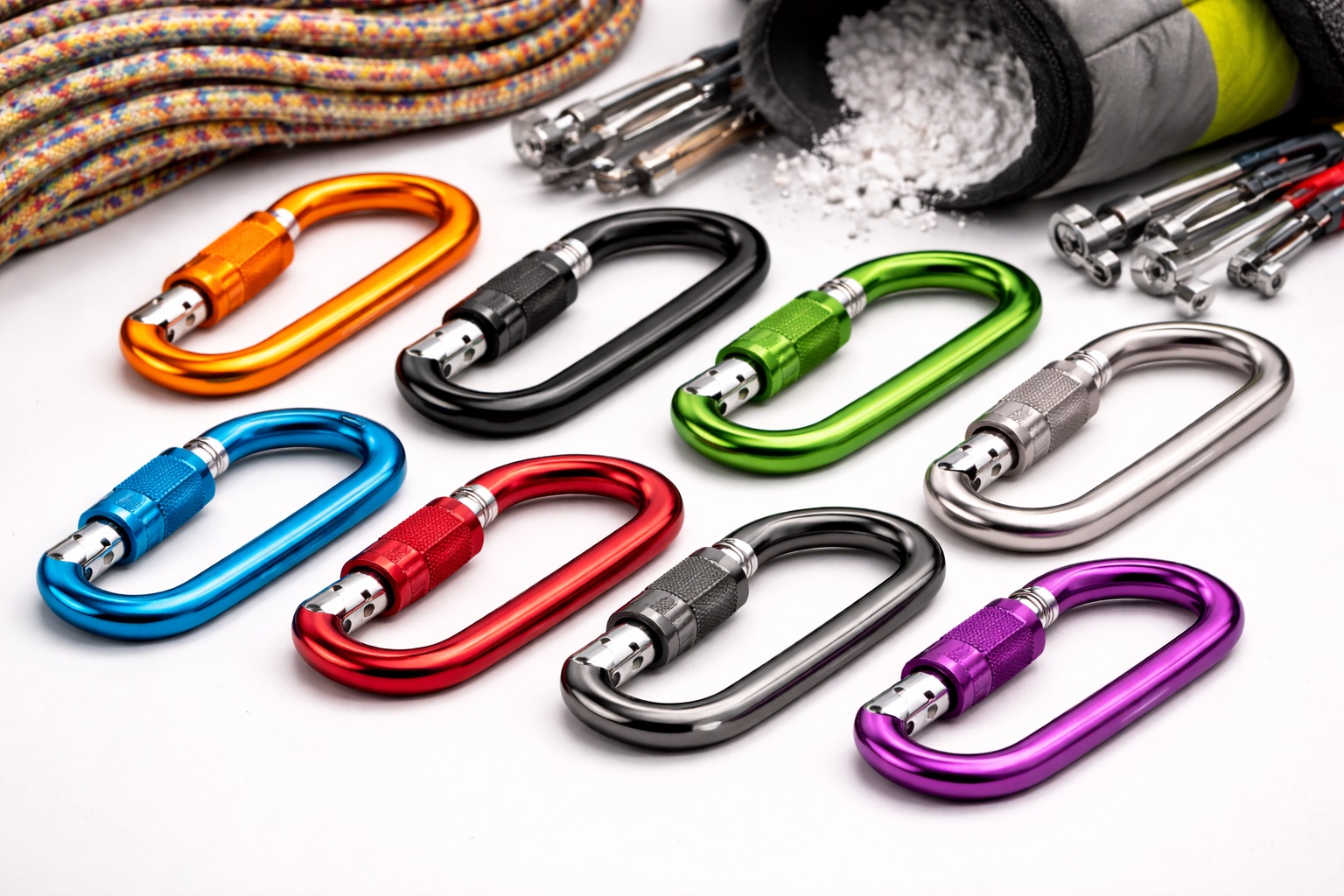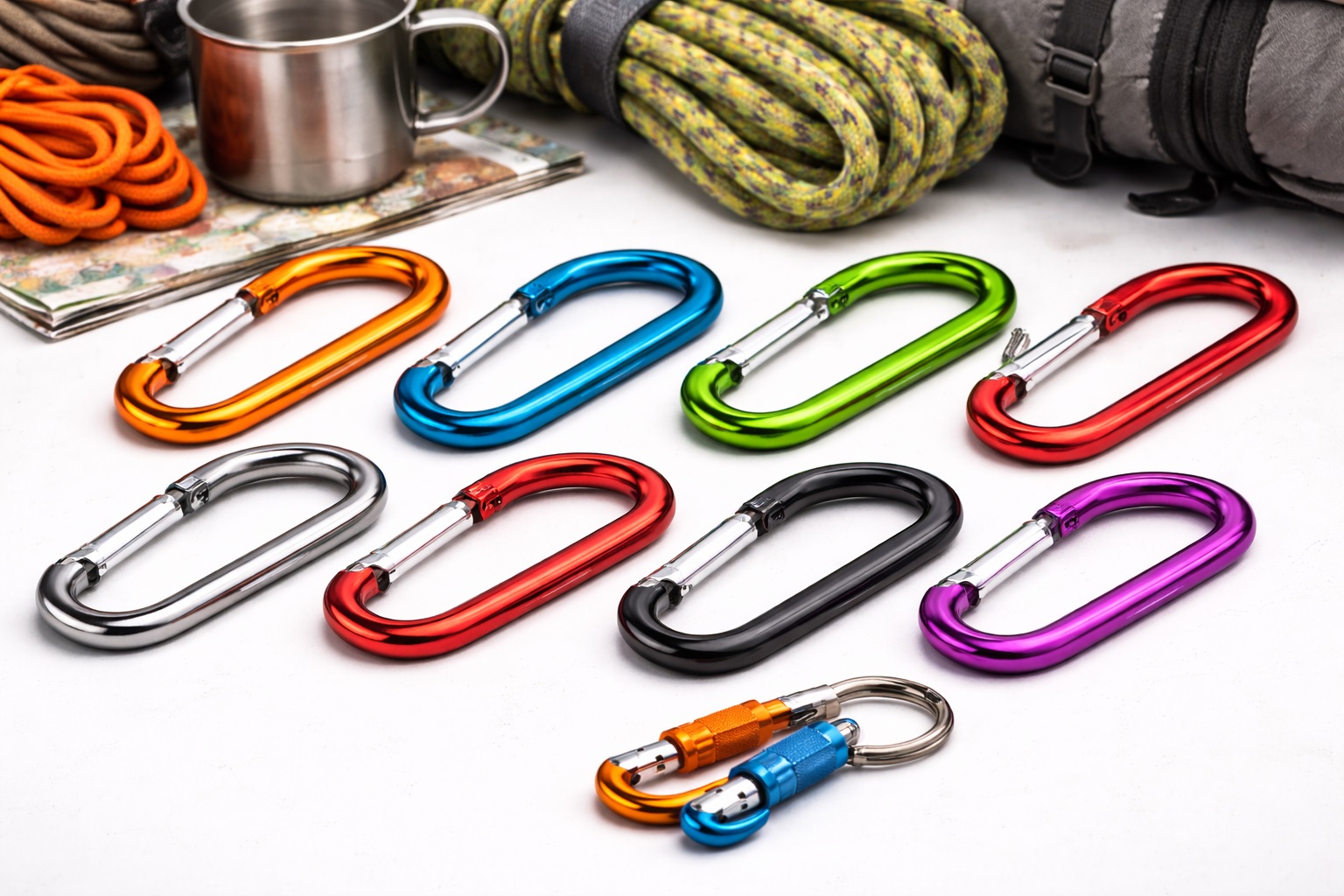
Best Lightweight Carabiner in 2026
Shaving grams from a rack or gear loop adds up quickly, and the humble carabiner is one of the easiest places to start. In 2026, manufacturers continue to refine hot-forging techniques and trim material from non-load-bearing areas of the spine, which means today's lightweight carabiners can weigh noticeably less than older designs while still meeting the same strength and safety standards. This guide compares eight widely available carabiners built around minimal weight, looking at how each one balances grams saved against gate clearance, durability, and price.
For alpine climbers, thru-hikers, and anyone assembling a rack where every ounce is carried uphill, the difference between a heavier and a lighter carabiner might seem small on paper but becomes meaningful multiplied across a dozen or more pieces. Below you will find detailed reviews of each model, a buying guide covering the engineering trade-offs behind lightweight design, and answers to the questions shoppers most often ask before choosing gear built around minimal weight.
It is worth noting upfront that a lighter carabiner is not automatically a weaker one. Manufacturers achieve weight savings through smarter cross-section shapes, refined forging processes, and selective material removal from areas that do not bear significant load, rather than by simply using thinner metal throughout. Understanding this distinction will help you shop for genuine weight savings rather than a carabiner that has simply been made cheaper to manufacture.
Weight is also not the only factor worth considering, even in a guide dedicated to it. Gate clearance, certification, and how a carabiner is actually going to be used all interact with weight in ways that matter, and the reviews below try to weigh those factors honestly rather than simply ranking products by the number on a scale.
Top 8 Best Lightweight Carabiner Picks (Detailed Reviews)
1. Wild Country Helium – Best For Overall Weight Savings
The Wild Country Helium earns the top spot in this lightweight roundup thanks to its hot-forged construction, which is built from the ground up around shedding grams without cutting corners on strength. At around $14, it delivers meaningful weight savings at a price that remains accessible rather than reserved for premium-tier shoppers only.
The hot-forging process leaves a cleaner, more refined spine profile than basic cold-forged alternatives, which is part of how this carabiner manages to feel noticeably lighter in hand without feeling flimsy. For anyone assembling a rack where every gram is carried up a route, this is the most natural starting point.
Climbers who have swapped a full rack over to this model often describe the cumulative difference as surprisingly noticeable, especially on long alpine days where pack weight compounds over many hours of movement. It is a small change that adds up in exactly the way lightweight gear is supposed to.
Beyond the raw weight figure, the gate action on this model still feels crisp and confident rather than flimsy, which is not always guaranteed once manufacturers start trimming material to hit a lower weight target.
- Pros:
- Lightweight hot-forged build reduces overall carry weight
- Reasonable price for the weight savings offered
- Reputable brand known for climbing-specific hardware
- Cons:
- Costs more than the heaviest budget options
- Limited color options
Best For: Climbers and hikers who want the most noticeable weight savings across a full rack of carabiners.
Why We Recommend It: Its hot-forged construction delivers genuine, measurable weight savings without asking you to compromise on strength or price.
2. Metolius FS Mini II – Best For Smallest Overall Footprint
The Metolius FS Mini II takes a different approach to saving weight: rather than refining the forging process, it simply reduces overall size. At roughly $7, it is both the lightest and least expensive carabiner in this lineup, making it a favorite for racking multiples where both weight and cost matter.
The compact size means a smaller gate opening, so it is better suited to slings, small gear loops, and lightweight racking than to bulky attachments or belay devices. For its intended role, though, the weight savings are hard to beat.
Many climbers carry several of these specifically because the combination of low weight and low price makes it painless to add extra units to a rack without a meaningful weight or budget penalty, which is a rare combination in outdoor gear.
Its diminutive size also makes it easy to tuck into corners of a pack or gear bag where a larger carabiner simply would not fit, adding a bit of practical flexibility on top of the pure weight savings.
- Pros:
- Smallest, lightest option in this entire lineup
- Lowest price point of any model tested here
- Reputable brand with a long history in climbing hardware
- Cons:
- Smaller gate opening limits larger attachments
- Limited color options
Best For: Racking multiple lightweight carabiners for slings, gear loops, and small attachment points.
Why We Recommend It: It combines the smallest footprint in this lineup with the lowest price, making it easy to save weight without spending more.
3. Camp USA Photon Wire – Best For Wire-Gate Weight Reduction
Wire-gate construction is one of the most reliable ways to shave grams from a carabiner, since a thin wire loop weighs meaningfully less than a solid machined gate. The Camp USA Photon Wire, priced around $10, applies this principle effectively while remaining affordable and easy to find.
Beyond the weight savings, the reduced gate mass also means less spring fatigue over repeated use and better resistance to ice and dirt buildup, both practical bonuses that come along with the primary goal of cutting weight.
For climbers who want to save weight specifically at the gate rather than through the whole body, this is one of the more efficient options here, since the wire design targets the heaviest moving component directly.
The lighter gate also springs back faster and with less fatigue over thousands of open-close cycles, meaning the weight savings here come with a genuine functional upside rather than being a purely cosmetic number on a spec sheet.
- Pros:
- Wire-gate design meaningfully reduces gate weight
- Affordable price for the weight savings offered
- Reputable brand with proven climbing hardware experience
- Cons:
- Smaller gate opening than solid-gate alternatives
- Limited color options
Best For: Buyers who want to target gate weight specifically without redesigning their entire rack.
Why We Recommend It: The wire-gate approach is one of the most proven, efficient ways to cut weight without sacrificing reliability.
4. Omega Pacific D – Best For Lightweight Simplicity
The Omega Pacific D is not marketed specifically as an ultralight carabiner, but its classic D-shape construction keeps things simple, and simple designs tend to avoid the extra material that adds unnecessary weight. At around $8, it remains one of the more efficient options for shoppers who want reasonable weight savings without paying for a dedicated ultralight label.
Because the D-shape directs load cleanly toward the spine, the carabiner does not need extra reinforcement elsewhere in the frame, which keeps the overall design efficient and the weight reasonable relative to its size.
For shoppers who want a lightweight-adjacent option without stepping into premium-priced dedicated ultralight hardware, this remains an easy, budget-friendly recommendation that still respects the goal of a leaner rack.
It is a reminder that a well-proven, unglamorous shape can often outperform flashier marketing claims when it comes to genuine efficiency, since decades of refinement have already stripped out most of the unnecessary bulk from this design.
- Pros:
- Efficient D-shape avoids unnecessary reinforcement weight
- Genuinely low price point relative to build quality
- Reputable brand with a long track record
- Cons:
- Not marketed as a dedicated ultralight model
- Limited color options
Best For: Budget-conscious shoppers who want reasonable weight savings without paying for a specialized ultralight label.
Why We Recommend It: Its efficient shape delivers a leaner design without the price premium usually attached to dedicated lightweight hardware.
5. Black Diamond RockLock – Best For Lightweight Locking Security
Locking carabiners are typically heavier than non-locking equivalents due to the added sleeve mechanism, but the Black Diamond RockLock, at around $12, manages to keep that penalty modest thanks to its keylock nose design and efficient overall shape. It is a smart pick for anyone who needs locking security without wanting to give up too much on the weight side.
The keylock nose also avoids snagging on slings or hardware, which matters more than it might seem when you are trying to move efficiently and quickly through a route rather than fighting with your gear.
For a locking carabiner, the overall balance this model strikes between security and carried weight is one of the more thoughtful in this lineup, making it a reasonable compromise pick for weight-conscious climbers who still need a locking gate.
It is a useful reminder that locking security does not have to mean carrying a noticeably bulkier piece of hardware, provided the manufacturer has put real engineering effort into the surrounding shape rather than simply bolting a heavy sleeve onto an existing design.
- Pros:
- Efficient shape keeps locking weight penalty modest
- Keylock nose design avoids snagging
- Reputable brand widely trusted in outdoor gear
- Cons:
- Heavier than the lightest non-locking options here
- Limited color options
Best For: Weight-conscious climbers who still need a locking gate for critical attachment points.
Why We Recommend It: It offers one of the best balances of locking security and manageable weight in this entire lineup.
6. Petzl Spirit Screw-Lock – Best For Lightweight Rigidity
The Petzl Spirit Screw-Lock, priced around $15, uses an H-shaped cross section specifically to add rigidity and strength without a proportional increase in weight. This engineering approach is a textbook example of how modern lightweight design works: shaping material efficiently rather than simply using less of it everywhere.
Despite being a locking carabiner, which typically adds weight, the H-shaped profile keeps this model competitive against non-locking options in overall carried weight, which is a genuine engineering achievement worth recognizing.
For climbers who want a locking carabiner that does not feel like a weight compromise compared to their non-locking gear, this is one of the more impressive options in the lineup, backed by a widely trusted safety-focused brand.
The result is a carabiner that feels reassuringly solid in hand despite its modest listed weight, which speaks to how much thought has gone into the specific geometry of the cross section rather than just the raw amount of material used.
- Pros:
- H-shaped cross section adds rigidity without excess weight
- Competitive weight despite being a locking design
- Reputable, well-known brand in climbing safety gear
- Cons:
- Priced higher than basic non-locking options
- Limited color options
Best For: Climbers who want locking security without a significant weight penalty compared to non-locking gear.
Why We Recommend It: Its efficient cross section proves that locking security and low weight are not mutually exclusive.
7. Mammut Crag HMS – Best For Lightweight Belay Duty
Pear-shaped HMS carabiners are usually larger and heavier than D-shapes due to their wider gate opening, but the Mammut Crag HMS, at around $16, manages this trade-off reasonably well for anyone who needs the belay-friendly shape without carrying excessive extra weight.
The screw-gate reliability adds some weight compared to a non-locking equivalent, but for belay-specific duty, that trade-off is generally worthwhile, and this model keeps the penalty smaller than many comparable HMS carabiners on the market.
For climbers who need at least one wider-format carabiner in their kit for belay devices, choosing the lightest reasonable option in that category, rather than defaulting to the heaviest, is one of the simpler ways to save weight without giving up needed functionality.
- Pros:
- Wide HMS shape stays reasonably light for its category
- Screw-gate reliability suited to belay duty
- Reputable brand with a strong safety reputation
- Cons:
- Heavier than compact D-shape or wire-gate options
- Limited color options
Best For: Climbers who need a belay-ready HMS carabiner while still keeping an eye on overall rack weight.
Why We Recommend It: It offers the functional benefits of a wide gate opening without the excess weight found on bulkier HMS designs.
8. DMM Shadow – Best For Weight-Efficient Durability
The DMM Shadow, at around $18, is the priciest carabiner in this lightweight roundup, but its I-beam construction is specifically engineered to maximize strength-to-weight ratio rather than simply adding bulk for durability. That makes it a legitimate lightweight pick despite not being the single lightest carabiner on this list.
The I-beam cross section removes material from areas that do not contribute meaningfully to strength, which is precisely the engineering principle behind most modern lightweight carabiner design, and it shows in how this model compares to older, bulkier constructions.
For climbers who want a carabiner that will hold up to years of heavy use while still respecting overall rack weight, this represents one of the more thoughtfully engineered options in the lineup, even at a higher price point.
- Pros:
- I-beam construction maximizes strength-to-weight ratio
- Durable enough for years of heavy use
- Reputable brand known for rigorous hardware design
- Cons:
- Highest price point among the models featured here
- Limited color options
Best For: Climbers who want long-term durability without abandoning weight-conscious design principles.
Why We Recommend It: Its I-beam profile proves that durability and a strong strength-to-weight ratio can coexist in the same carabiner, which makes it a sensible splurge for anyone who wants both qualities in one piece of hardware.
Buying Guide: How to Choose the Best Lightweight Carabiner
Cutting weight from your rack is not just about picking the smallest carabiner you can find. The following considerations will help you save meaningful weight without giving up the durability or functionality you actually need.
1. Understand How Manufacturers Actually Save Weight
Lightweight carabiners typically achieve their savings through refined cross-section shapes, hot-forging, and selective material removal from low-stress areas, not by simply using thinner metal throughout. Understanding this distinction helps you avoid mistaking a genuinely engineered lightweight design for a carabiner that has just been made cheaper, since the two can look deceptively similar on a spec sheet.
2. Weigh Gate Type Against Weight Savings
Wire gates are one of the most reliable ways to cut weight since the gate itself is a significant portion of a carabiner's total mass. If shaving grams is your top priority, prioritizing wire-gate designs over solid-gate equivalents is often the single most effective change you can make, and it tends to cost little in exchange.
3. Consider Whether You Need a Locking Gate
Locking mechanisms add weight through the sleeve or twist-lock hardware. Reserve locking carabiners for genuinely safety-critical attachment points and use lighter non-locking versions elsewhere on your rack to keep overall weight down without compromising where it matters most. This mixed approach is how most experienced climbers actually build out a rack.
4. Match Shape to Actual Need
Smaller D-shapes and ovals are generally lighter than wide pear-shaped HMS carabiners. Only carry the wider, heavier shape where you genuinely need the larger gate clearance, such as for a belay device, rather than defaulting to it across your entire rack simply out of habit.
5. Check the Strength-to-Weight Ratio, Not Just Total Weight
A carabiner that is slightly heavier but offers meaningfully more strength or durability may represent better overall value than the absolute lightest option available. Compare published strength ratings alongside weight rather than shopping on weight alone, since the lightest option is not always the smartest one.
6. Factor in Gate-Opening Clearance
Reducing size to save weight often means a smaller gate opening. Make sure the reduced clearance still comfortably accommodates the slings, ropes, or hardware you plan to actually clip, or the weight savings will come at the cost of usability in the field.
7. Think About Cumulative Weight Across a Full Rack
A few grams saved per carabiner may seem trivial in isolation, but multiplied across a dozen or more pieces on a rack, the cumulative weight savings become genuinely noticeable over the course of a long day, particularly on sustained alpine routes.
8. Do Not Sacrifice Certification for Weight Savings
Any lightweight carabiner intended for climbing or safety-critical use should still carry a legible CE or UIAA certification stamp. Weight savings should never come at the cost of verified strength and safety standards, regardless of how appealing a lower number on the scale might look.
9. Consider Material Beyond Standard Aluminum Alloys
Some lightweight carabiners use refined or higher-grade aluminum alloys that allow for thinner cross sections without sacrificing strength. Reading manufacturer specifications on alloy type can help you compare genuine engineering differences between similarly priced models rather than guessing from appearance alone.
10. Balance Weight Against Durability for Your Use Case
Ultralight designs sometimes trade a small amount of long-term durability for reduced weight. For occasional use, this trade-off is usually a good one; for daily heavy use, a slightly heavier, more durable option may serve you better over time and end up costing less in replacements.
11. Prioritize Weight Savings Where It Matters Most
Rather than replacing your entire rack at once, prioritize swapping the carabiners you carry in the greatest quantity first, since that is where cumulative weight savings will be most noticeable for the investment, before moving on to lower-quantity specialty pieces.
12. Handle the Carabiner Before Buying if Possible
Weight alone does not tell you how a carabiner feels in hand or how smoothly the gate operates. If possible, handle a lightweight carabiner in person to confirm the reduced material has not introduced an uncomfortable or flimsy feel before committing to a full set.
13. Read Reviews From Users With Similar Intended Use
A lightweight carabiner praised by trail runners for keychain duty may not be the right choice for a climber building an alpine rack. Look for feedback from users with a similar intended use to your own before making a final decision, since context changes what actually counts as a good fit.
Frequently Asked Questions
Does a lighter carabiner mean it is weaker?
Not necessarily. Reputable manufacturers achieve weight savings through refined shapes and forging techniques rather than simply reducing material everywhere, so a well-engineered lightweight carabiner can still meet the same certification standards as a heavier one. The certification stamp is the most reliable way to confirm this rather than relying on assumptions based on weight alone.
How much weight can I realistically save by switching to lightweight carabiners?
Savings per carabiner are often modest on their own, but multiplied across a full rack of a dozen or more pieces, the cumulative reduction can become noticeable over the course of a long climb or hike, particularly when combined with other lightweight gear choices.
Are wire-gate carabiners always lighter than solid-gate ones?
In most cases, yes. A wire gate weighs less than a solid machined gate of similar size, which is one of the most consistent ways manufacturers shave weight from a carabiner design, though the exact savings vary somewhat between brands and models.
Do locking carabiners always weigh more than non-locking ones?
Generally yes, since the locking sleeve or twist mechanism adds material and moving parts. Some modern designs minimize this penalty through efficient cross sections, but a locking carabiner will typically weigh at least slightly more than a comparable non-locking version regardless of brand.
Is it worth paying more for a dedicated ultralight carabiner?
If you are assembling a rack where cumulative weight matters, such as for alpine climbing or thru-hiking, the price premium for dedicated lightweight design is often worthwhile. For casual or occasional use, a standard carabiner may be perfectly adequate and more cost-effective overall.
Can lightweight carabiners still be used for heavy-duty tasks?
Most certified lightweight carabiners retain strength ratings suitable for their intended climbing or rigging use, but extremely specialized ultralight models may have reduced gate clearance or durability better suited to lighter-duty tasks rather than sustained heavy rigging work.
Does temperature affect how a lightweight carabiner performs?
Aluminum carabiners generally perform consistently across the temperature ranges most outdoor users encounter, though extremely cold conditions can make gate springs feel stiffer temporarily and may cause locking sleeves to require slightly more force to operate smoothly.
Can I tell how much a carabiner weighs just by looking at it?
Not reliably. Two similarly sized carabiners can have noticeably different weights depending on alloy, forging method, and cross-section design, so checking the manufacturer's published weight specification is a far more accurate approach than visual estimation.
What is the difference between cold-forged and hot-forged aluminum in terms of weight?
Hot-forging generally produces a more refined grain structure, allowing manufacturers to use slightly less material while maintaining strength, which often results in a lighter finished carabiner compared to basic cold-forged alternatives.
Do lightweight carabiners wear out faster than standard ones?
Not inherently, though some ultralight designs may show cosmetic wear slightly faster due to thinner material in non-load-bearing areas. Core strength and certification typically remain unaffected as long as the carabiner is used within its intended purpose.
Should I choose a smaller carabiner just to save weight?
Only if the reduced gate opening still comfortably fits your intended use. Choosing a carabiner too small for the rope, sling, or hardware you plan to clip will cause more problems than the modest weight savings are worth.
How do I compare the weight of different carabiners before buying?
Check manufacturer-published weight specifications, usually listed in grams, and compare them directly against similarly shaped and rated competitors rather than relying on visual impressions alone, which can be misleading.
Are titanium carabiners lighter than aluminum ones?
Titanium can offer an excellent strength-to-weight ratio in some applications, but most climbing carabiners on the market remain aluminum-based, since it offers a well-established balance of cost, weight, and proven reliability for this specific use.
Does a lightweight carabiner still need regular inspection?
Yes, weight savings do not reduce the importance of regular inspection. Check the gate action, spine, and nose for cracks, burrs, or corrosion on the same schedule you would use for any other climbing hardware.
Can mixing lightweight and standard carabiners on the same rack cause problems?
No, as long as each carabiner is used within its rated strength and intended purpose, mixing lightweight and standard models on the same rack is common practice and does not create compatibility issues.
Final Verdict
- Top Pick: Wild Country Helium for the most noticeable overall weight savings at an accessible price.
- Budget Choice: Metolius FS Mini II as the lightest and least expensive option for racking multiples.
- Premium Choice: DMM Shadow for climbers who want a strong strength-to-weight ratio backed by long-term durability.
Building a genuinely lighter rack in 2026 comes down to understanding how weight savings are actually engineered rather than simply chasing the smallest number on a spec sheet. The eight picks above show that meaningful weight reduction, smart gate choices, and dependable certification can coexist, and prioritizing the carabiners you carry in the greatest quantity is the most effective place to start trimming grams from your kit. As with most gear decisions, the best lightweight carabiner is the one that matches how you actually climb, hike, or carry equipment, rather than whichever model happens to top a spec sheet in isolation.