Best Budget Carabiner in 2026
Shopping for a carabiner on a budget does not mean settling for a flimsy clip that fails when you need it most. In 2026, the affordable end of the carabiner market has matured considerably, with hot-forged aluminum builds, smooth gate action, and dependable gate-closure mechanisms trickling down from premium lines into sub-$20 products. This guide compares the top budget-friendly carabiners on the market, focusing on the balance between price, durability, and everyday usefulness that matters most to climbers, campers, and everyday-carry enthusiasts alike.
Whether you need a spare clip for your key ring, a backup piece for your rack, or a simple attachment point for a water bottle or backpack, the right budget carabiner should still meet basic safety and durability expectations. Below, we break down eight widely available options, explain what separates a genuine bargain from a false economy, and answer the most common questions shoppers ask before checking out.
This guide focuses specifically on models that stay under, or not far above, the $20 mark while still coming from recognized outdoor hardware brands. That distinction matters, since the affordable segment of the market is also where counterfeit and unrated hardware tends to show up most often, and knowing what separates a legitimate bargain from a risky purchase can save you both money and frustration down the line.
Top 8 Best Budget Carabiner Picks (Detailed Reviews)
1. Omega Pacific D – Best For Everyday Value
The Omega Pacific D leads this roundup because it captures what a budget carabiner should be: simple, sturdy, and priced sensibly at around $8. Its classic D-shape distributes load toward the spine rather than the gate, which is a fundamentally sound design that has stayed popular for decades because it works. There is nothing flashy about this carabiner, and that is precisely the point for shoppers who want a no-nonsense clip that performs the basics well without unnecessary extras driving up the price.
In hand, the D-shape feels reassuringly rigid, and the gate spring returns with a crisp, positive action rather than a mushy or hesitant snap. It is the kind of carabiner that disappears into your routine because it simply works every time you reach for it, which is arguably the highest compliment a budget tool can earn.
- Pros:
- Classic D-shape keeps load pressure away from the gate
- Genuinely low price point relative to build quality
- Backed by a reputable outdoor brand with a long track record
- Cons:
- Fewer color options than pricier competitors
- Basic finish compared to premium anodized models
Best For: Shoppers who want the most dependable value pick in the lineup without paying extra for cosmetic upgrades.
Why We Recommend It: It hits the sweet spot between price and confidence-inspiring construction, making it the easiest budget carabiner to recommend without reservations.
2. Metolius FS Mini II – Best For Absolute Lowest Price
At roughly $7, the Metolius FS Mini II is the least expensive carabiner in this lineup, and it earns its spot by staying genuinely useful despite its compact size. It is a favorite for racking small pieces of protection or for anyone who simply wants extra clips on hand without spending much per unit. The reduced size does mean a smaller gate opening, so it is better suited to slings, gear loops, and lightweight tasks than to bulky attachments.
Many shoppers pick up several of these at once precisely because the low per-unit cost makes it painless to keep spares scattered across different bags, kits, and key rings. Despite the small footprint, the gate action still feels tight and deliberate rather than loose or rattly, which is not always guaranteed at this price point.
- Pros:
- Lowest price point of any model tested here
- Compact size makes it easy to carry several at once
- Reputable brand with a long history in climbing hardware
- Cons:
- Smaller gate opening than full-size carabiners
- Limited color options
Best For: Buyers who want to stock up on multiple inexpensive carabiners for racking, gear organization, or backup use.
Why We Recommend It: It is simply the cheapest way to add a trustworthy, brand-name carabiner to your kit without compromising on basic reliability.
3. Wild Country Helium – Best For Lightweight Value
The Wild Country Helium proves that budget-conscious shoppers do not have to accept extra bulk. Its lightweight hot-forged construction shaves grams without a corresponding jump in price, landing at around $14. For anyone assembling a rack or a multi-carabiner setup where every gram matters, this is a smart middle-of-the-road choice that still respects a modest budget.
The hot-forging process also tends to leave a cleaner, more uniform spine than basic cold-forged alternatives, which can translate into a slightly smoother clipping feel over time. If you are counting grams across a dozen carabiners on a rack, the savings here add up in a way that is easy to underestimate.
- Pros:
- Lightweight hot-forged build reduces overall carry weight
- Reasonable mid-range price for the weight savings offered
- Reputable brand known for climbing-specific hardware
- Cons:
- Costs more than the cheapest options in this list
- Limited color options
Best For: Shoppers who want to save weight on their rack without spending on a premium-tier carabiner.
Why We Recommend It: It offers a rare combination of lighter weight and moderate price, appealing to budget shoppers who still care about ounces.
4. Camp USA Photon Wire – Best For Simple Wire-Gate Design
Wire-gate carabiners tend to be lighter and less prone to gate freeze or dirt buildup than solid-gate designs, and the Camp USA Photon Wire brings that efficiency to a budget price point of around $10. The reduced moving mass of the wire gate also means less spring fatigue over time, which is a practical advantage for anyone who plans to use their carabiners often rather than leave them in a drawer.
The lighter spring also means less finger fatigue if you are clipping and unclipping dozens of times in a session, whether on a climbing wall or simply organizing gear at a campsite. It is a small, unglamorous advantage that pays off the more often you actually put the carabiner to work.
- Pros:
- Wire-gate design resists dirt and ice buildup better than solid gates
- Affordable price for a wire-gate build
- Reputable brand with proven climbing hardware experience
- Cons:
- Higher price than the absolute cheapest options here
- Limited color options
Best For: Buyers who want a low-maintenance gate mechanism that stays reliable in dusty or gritty conditions.
Why We Recommend It: The wire-gate efficiency keeps the mechanism simple and less likely to stick, which matters when you are relying on a budget clip regularly.
5. Black Diamond RockLock – Best For Frequent One-Handed Use
The Black Diamond RockLock, priced around $12, brings a keylock nose design to the budget tier, which prevents the nose from snagging on slings, bolt hangers, or webbing during quick clips. That small detail matters more than it seems when you are clipping in a hurry, and it is a feature usually reserved for pricier hardware.
Once you have used a keylock nose for a while, going back to a notched-nose design can feel like a step backward, since even a slight snag on webbing or a bolt hanger can cost you precious seconds. For the modest price premium over the cheapest models on this list, that convenience is well worth it.
- Pros:
- Keylock nose design avoids snagging during quick clips
- Mid-range price keeps the feature accessible
- Reputable brand widely trusted in outdoor gear
- Cons:
- Higher price point than the cheapest picks on this list
- Limited color options
Best For: Anyone who clips and unclips frequently and wants a smoother, snag-free gate experience.
Why We Recommend It: The keylock nose is a genuinely useful upgrade that budget shoppers rarely find below the $15 mark.
6. Petzl Spirit Screw-Lock – Best For Added Security on a Budget
The Petzl Spirit Screw-Lock, at around $15, sits near the top of this budget lineup in price, but it earns that position with an H-shaped cross section that improves rigidity without adding much weight. For shoppers who want a locking mechanism without paying full premium prices, this model offers a reasonable middle ground.
The screw sleeve threads smoothly and does not bind or cross-thread easily, which is a common failure point on cheaper locking carabiners. That attention to a small mechanical detail is a big part of why this model still shows up on recommended gear lists well outside the strictly budget category.
- Pros:
- H-shaped cross section adds rigidity and strength
- Reputable, well-known brand in climbing safety gear
- Screw-lock mechanism adds a layer of security
- Cons:
- Among the pricier options in a budget-focused list
- Limited color options
Best For: Shoppers who want the reassurance of a locking gate without stepping fully into premium pricing.
Why We Recommend It: It brings a recognizable, trusted name and a locking mechanism into a price range that budget shoppers can still justify.
7. Mammut Crag HMS – Best For Larger Gate Clearance
At around $16, the Mammut Crag HMS costs more than most entries here, but its screw-gate reliability and generous HMS pear shape provide a larger clipping surface that is useful for belay devices, larger knots, or bulky attachments. It is the pick for shoppers who need a bit more gate clearance and are willing to stretch their budget slightly to get it.
That wider pear shape also makes it noticeably easier to manage a Munter hitch or thread a double-length sling without fumbling, tasks that a narrower D-shape carabiner can make more awkward. For belay-adjacent duty on a budget, this is one of the more thoughtfully shaped options here.
- Pros:
- Screw-gate reliability suited to repeated security
- Larger HMS-style opening for bulkier attachments
- Reputable brand with a strong safety reputation
- Cons:
- Higher price point among these budget-oriented options
- Limited color options
Best For: Buyers who need a larger gate opening for belay setups or bulkier gear combinations.
Why We Recommend It: The added clearance and locking reliability justify the modest price increase for anyone who needs more room to work with.
8. DMM Shadow – Best For Long-Term Durability
The DMM Shadow tops this list in price at around $18, but it is included here because its I-beam construction is built to handle repeated use over years rather than months. For shoppers who would rather spend a little more once than replace a cheaper clip repeatedly, the Shadow represents a worthwhile stretch purchase within an otherwise budget-focused list.
The I-beam profile also tends to resist the kind of cosmetic nicking and gouging that flatter cross sections pick up quickly from repeated rock or hardware contact. Years down the line, that translates into a carabiner that still looks and functions like new long after cheaper clips have been retired.
- Pros:
- I-beam construction built for long-term durability
- Reputable brand known for rigorous hardware design
- Solid resale and long-term value due to build quality
- Cons:
- Highest price point among the models featured here
- Limited color options
Best For: Budget shoppers willing to spend a bit more upfront for a carabiner that should outlast cheaper alternatives.
Why We Recommend It: Its durable I-beam profile means fewer replacements over time, which can make it the more economical choice in the long run.
Buying Guide: How to Choose the Best Budget Carabiner
Not every inexpensive carabiner is a genuine bargain, and not every pricier option is worth the premium. The following considerations will help you separate real value from cut corners when shopping on a budget.
1. Understand What "Budget" Should Not Mean
A low price should reflect simpler manufacturing or fewer finishing touches, not a compromise on basic strength or gate function. Reputable brands selling affordable carabiners typically still meet recognized safety standards; unbranded or unlabeled clips from unknown sellers are the ones to avoid regardless of price. A genuine bargain simply means you are not paying extra for features you will never use, not that the manufacturer skipped a step in quality control.
2. Match the Shape to the Task
D-shaped carabiners direct load toward the spine and away from the gate, making them a strong general-purpose choice. Oval shapes distribute load evenly across both sides, which suits pulley or aid-climbing setups. Pear-shaped or HMS carabiners offer a wider opening for belay devices and larger knots. Choosing the right shape for your actual use case matters more than chasing the lowest price alone, since the wrong shape can make even a well-built carabiner awkward to use.
3. Consider Gate Type
Solid straight gates, bent gates, and wire gates each behave differently. Wire gates tend to resist icing and dirt buildup and are typically lighter, while solid gates can feel more substantial in hand. Locking gates, whether screw-lock or twist-lock, add a layer of security for situations where accidental gate-opening would be a problem. Bent gates, meanwhile, are shaped to make clipping a rope slightly faster, which is worth considering if speed matters for your intended use.
4. Weigh Material and Construction
Most budget carabiners use forged or cold-forged aluminum, which keeps weight and cost down while still offering solid strength for everyday use. Steel carabiners are heavier and more resistant to wear from repeated rope or cable friction, making them a better fit for fixed anchor points or rescue-style rigging rather than everyday carry. Hot-forging in particular tends to produce a more consistent grain structure than basic stamping, which can translate into a longer service life.
5. Check for Recognized Certification Marks
Look for CE or UIAA markings stamped directly on the carabiner spine if the item will ever bear real load-bearing responsibility. These certifications indicate the product has been manufactured to a recognized strength and safety standard, which is especially important when shopping at the lower end of the price range. A missing or illegible stamp is one of the simplest ways to identify hardware that has not been through proper testing.
6. Think About Gate-Opening Clearance
A narrow gate opening can make it frustrating to clip bulky webbing, thick rope, or multiple items at once. If you plan to attach several items to a single carabiner, prioritize models with a wider throw distance even if it means spending a few extra dollars. This is especially relevant if you intend to clip a belay device, since a cramped gate opening can make rigging unnecessarily fiddly.
7. Factor in Long-Term Cost, Not Just Sticker Price
A slightly pricier carabiner that lasts several years can be more economical than repeatedly replacing the cheapest option on the shelf. When comparing budget models, weigh expected lifespan and warranty support alongside the upfront cost. Calculating an approximate cost-per-year of ownership, rather than just the checkout price, often reveals which option is the smarter long-term investment.
8. Buy From Recognized Outdoor Retailers
Purchasing from established outdoor retailers or directly from brand websites reduces the risk of counterfeit hardware, which is a genuine concern for load-bearing equipment sold at suspiciously low prices online. Marketplaces with limited seller verification are a common source of mislabeled or unrated hardware masquerading as name-brand gear.
9. Decide Between Locking and Non-Locking
Non-locking carabiners are lighter and faster to use but rely on gate friction alone to stay closed. Locking versions add a screw or twist mechanism that prevents accidental opening, which is worth the small price difference for anything safety-critical. A sensible approach is to reserve locking carabiners for your most important attachment points and use non-locking versions for lower-stakes, everyday tasks.
10. Inspect the Finish and Anodizing
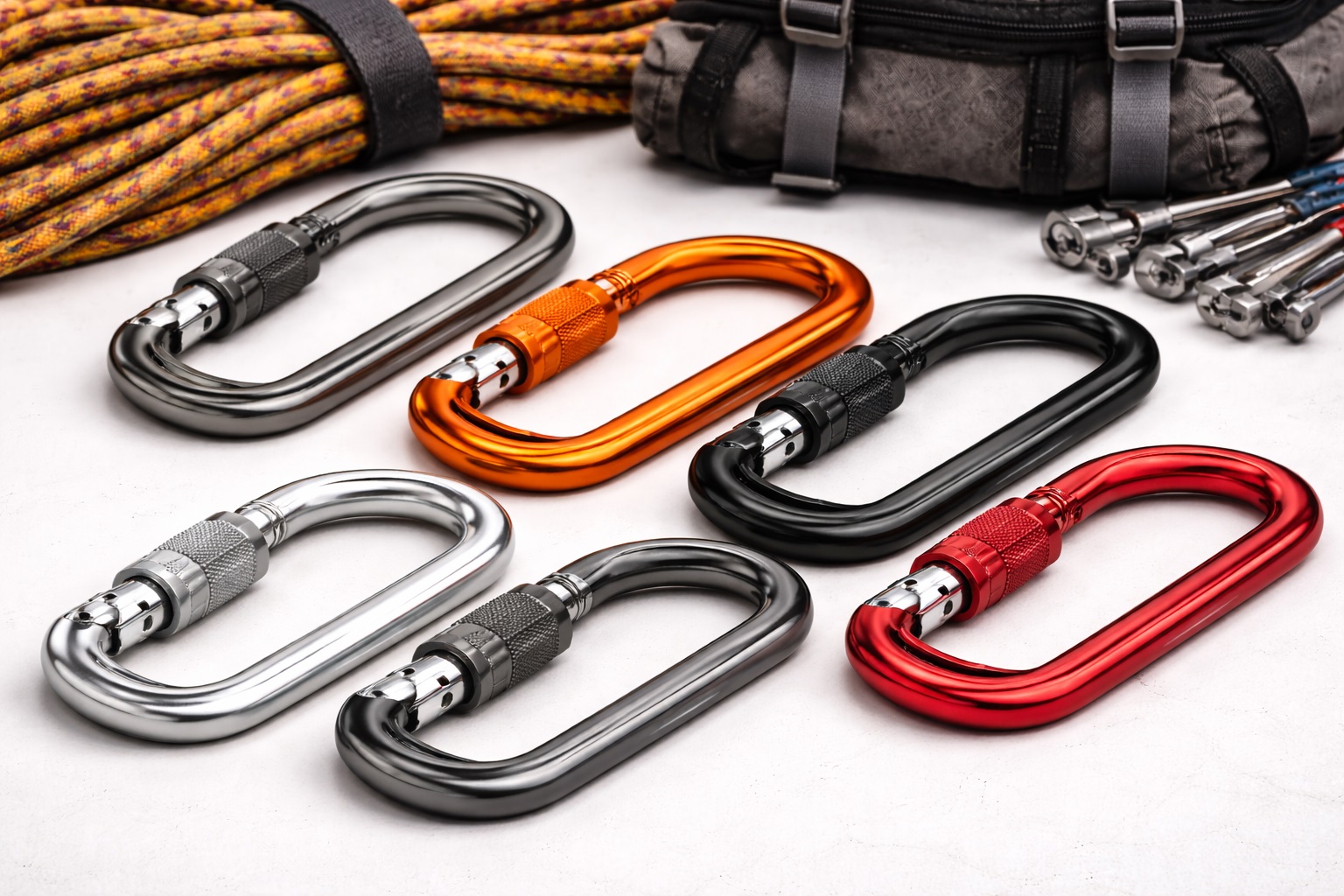
A smooth, evenly anodized finish helps resist corrosion and makes it easier to spot wear over time. Rough or inconsistent finishes on ultra-cheap carabiners can be an early warning sign of lower manufacturing standards. Color-anodized finishes can also help you visually sort carabiners by rack position or purpose at a glance.
11. Consider Buying a Mixed Set
Rather than buying eight of the same model, many budget-conscious shoppers mix a few locking carabiners for critical attachment points with several cheaper non-locking clips for general gear organization, spreading the budget where it matters most. This approach often delivers better overall value than buying a full set of identical mid-priced carabiners.
12. Test the Gate Action Before Committing to a Larger Order
If ordering in bulk, buy one unit first and check that the gate springs back cleanly and closes flush against the nose. A sluggish or misaligned gate on a single sample is a sign to look elsewhere before committing to a larger purchase. It only takes a minute to open and close the gate a dozen times to get a feel for whether the spring tension is consistent.
13. Keep Receipts and Warranty Information
Reputable brands typically offer some form of manufacturer warranty even on their most affordable products. Keeping proof of purchase means you can pursue a replacement if a defect appears early rather than absorbing the cost of a second purchase. It is a small piece of paperwork that can save real money if a gate spring or rivet fails prematurely.
Frequently Asked Questions
Is it safe to use a budget carabiner for climbing?
A budget carabiner from a reputable brand that carries proper CE or UIAA certification can be perfectly safe for climbing use. The price difference from premium models usually reflects finishing, weight optimization, or extra features rather than a reduction in core safety rating. As always, inspect any carabiner before trusting it with real climbing loads, regardless of how much it cost.
What is the difference between a locking and non-locking carabiner?
A locking carabiner has a screw-gate or twist-lock mechanism that must be deliberately opened, reducing the risk of accidental gate-opening. A non-locking carabiner relies on spring tension alone and opens with a simple push, making it faster to use but less secure for critical attachments. Many everyday users keep a mix of both types on hand for different tasks.
How much should I expect to pay for a decent carabiner?
Reliable non-locking carabiners from established brands typically start around $7 to $10, while locking versions with added security features generally run from $12 to $20. Prices well below this range from unknown brands are worth approaching with caution, since certification and quality control both cost money to maintain.
Do cheaper carabiners wear out faster?
Not necessarily. Wear depends more on frequency of use, exposure to grit and moisture, and how the carabiner is stored than on price alone. That said, premium finishes and hardened gate pins can extend service life somewhat under heavy daily use, so frequent users may still see value in spending a bit more.
Can I use the same carabiner for climbing and everyday carry?
You can, but many experienced users prefer to keep climbing-rated carabiners separate from everyday-carry duty to avoid unnecessary wear, cosmetic damage, or contamination from dirt and oils that could affect performance in a safety-critical setting. Dedicating a cheaper, non-locking carabiner to daily tasks is an easy way to protect your better hardware.
What does the D-shape actually do differently from an oval shape?
A D-shape carabiner directs the majority of the load toward the strong spine side, away from the gate, which generally increases the carabiner's overall strength rating. An oval shape spreads load more evenly across both sides, which is preferred for pulley systems where even distribution matters more than maximum strength. For most everyday and budget shopping purposes, a D-shape is the safer default choice.
Is a wire-gate carabiner less durable than a solid-gate one?
Wire gates are not inherently less durable; they simply distribute stress differently and tend to resist icing and dirt buildup better due to their lower mass. Solid gates can feel sturdier in hand but are more prone to sticking in cold or gritty conditions, particularly if they are not cleaned and lubricated regularly.
How do I know if a carabiner is a counterfeit?
Look for a legible CE or UIAA stamp, a clearly marked brand name, and consistent, even manufacturing quality. Suspiciously low prices, missing certification marks, or inconsistent gate action are red flags worth investigating before you trust the product with any real load. Buying only from authorized retailers is the simplest way to avoid this issue entirely.
Should I buy locking carabiners in bulk to save money?
Buying in bulk from a reputable retailer can reduce the per-unit cost, but only if you actually need multiple units for your intended use. Overbuying safety-critical hardware just to chase a bulk discount is not a wise trade-off, especially if some units end up sitting unused and neglected for long stretches.
What is the average lifespan of a budget carabiner?
With reasonable care, a well-made aluminum carabiner from a reputable brand can last for several years of regular use. Lifespan depends heavily on exposure to UV, moisture, grit, and how often the gate mechanism is cycled, so storage habits matter as much as the initial build quality.
Do budget carabiners come with any kind of warranty?
Most established outdoor brands extend some form of manufacturer warranty against defects even on their most affordable products, though coverage terms vary by brand and retailer, so it is worth checking before purchase and registering your product where the option is available.
Are aluminum carabiners strong enough for everyday tasks?
Yes, forged aluminum carabiners are more than strong enough for everyday tasks like clipping keys, water bottles, or light gear bags. Steel carabiners are typically reserved for higher-wear applications like fixed rigging points rather than daily carry, where the added weight is less of a concern.
What should I check before clipping a budget carabiner to something important?
Inspect the gate for smooth, spring-loaded closure, confirm any certification stamps are legible, and check the spine and nose for cracks, burrs, or corrosion before trusting the carabiner with anything you cannot afford to drop. A quick visual and functional check takes only a few seconds and can prevent an unpleasant surprise later.
Can a budget carabiner be resharpened or repaired if the gate sticks?
A sticking gate can sometimes be improved with a drop of light lubricant on the pivot pin and spring, but a carabiner with a bent gate, cracked spine, or worn locking sleeve should be retired rather than repaired, since structural damage cannot be reliably fixed at home.
Is it worth buying carabiners with different colors?
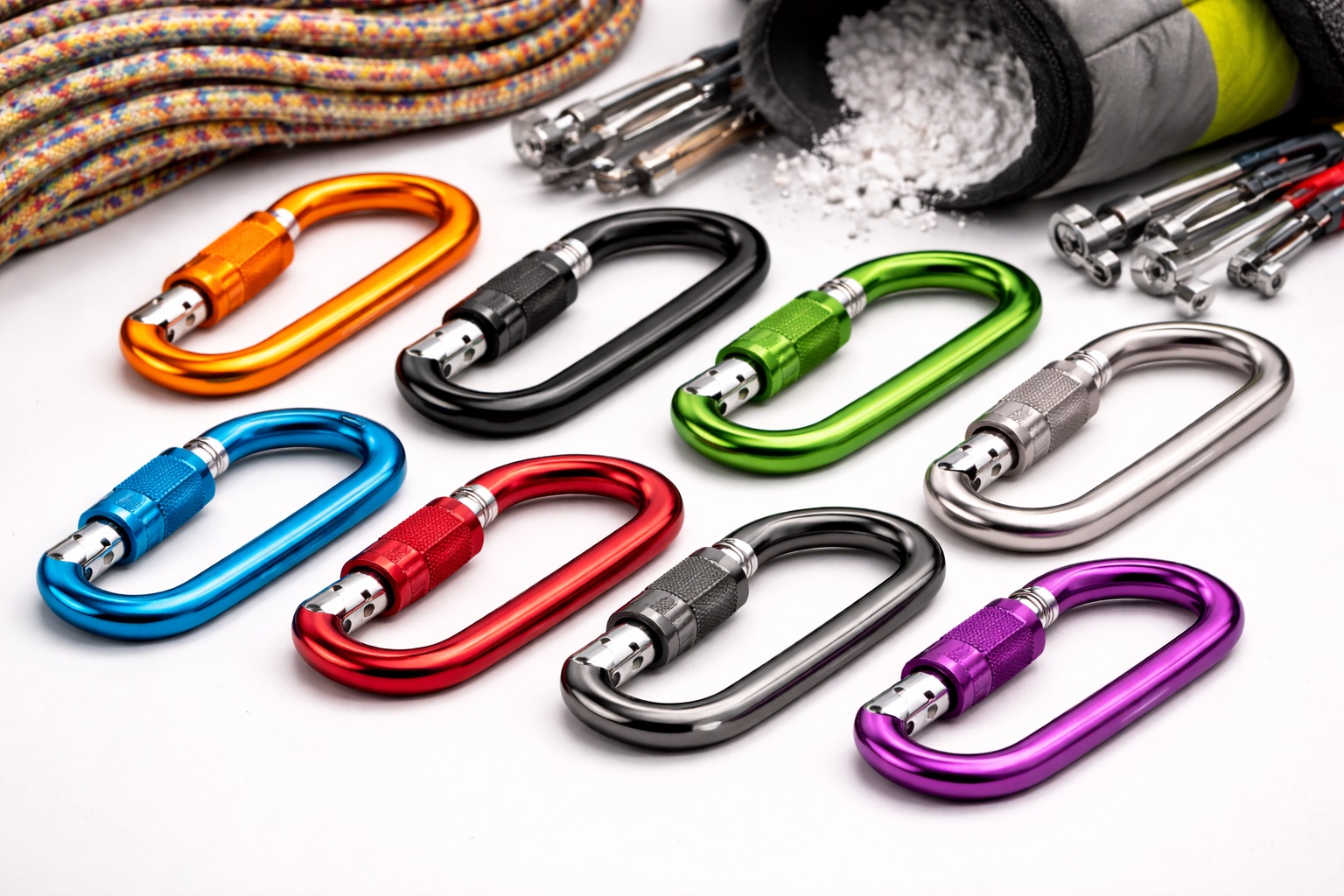
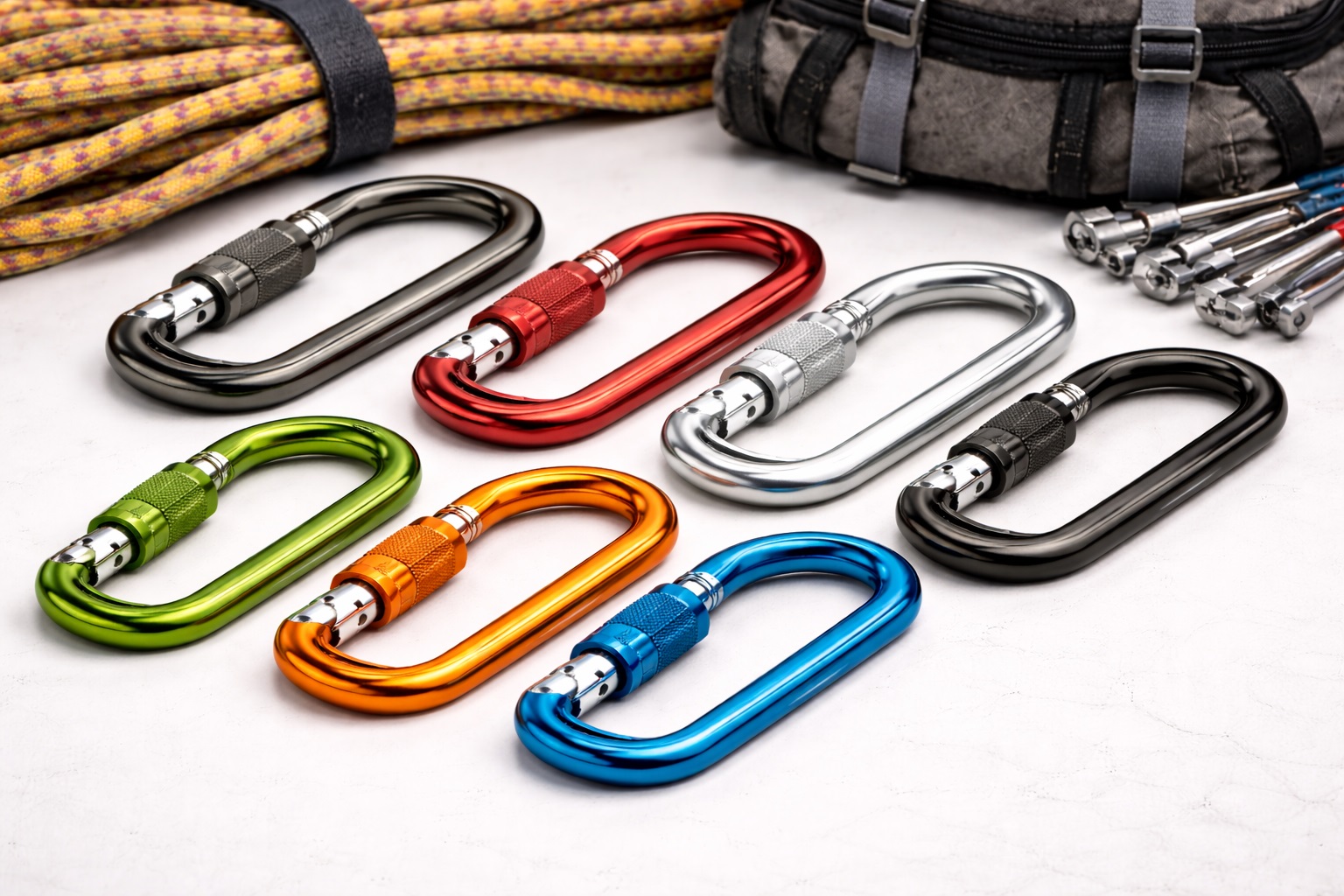
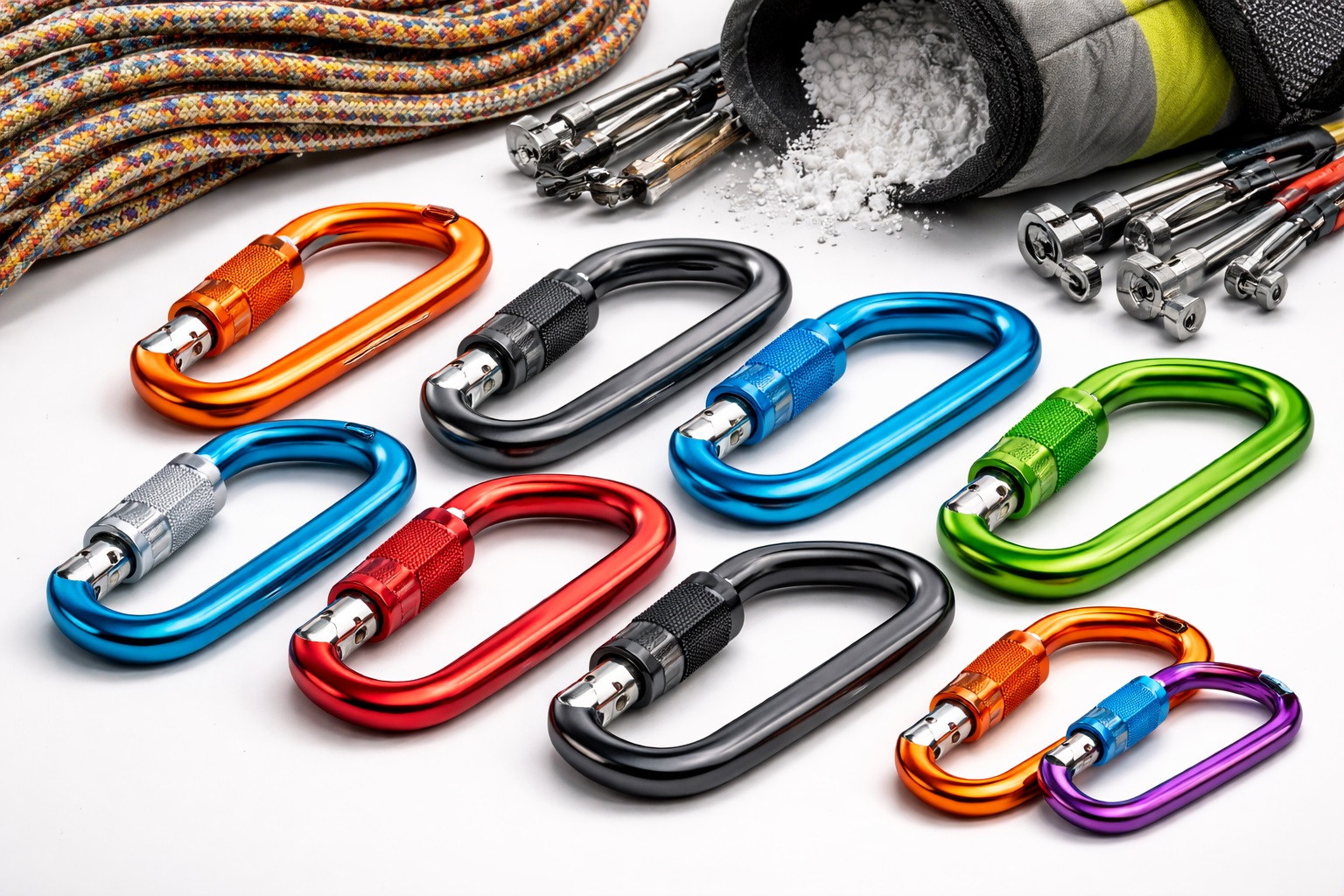
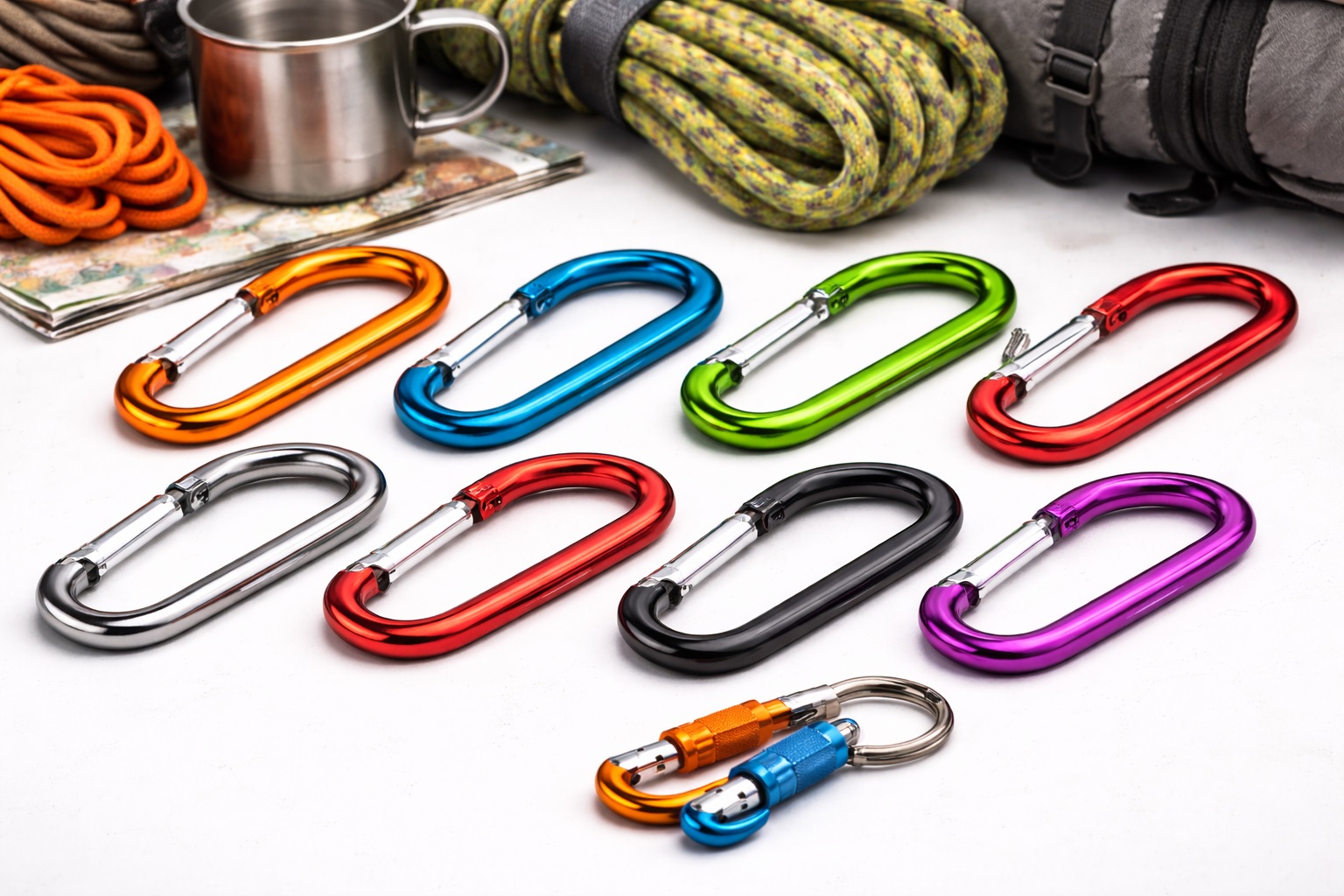
Color-coded carabiners are not just cosmetic; many climbers and organizers use color to quickly identify a carabiner's designated purpose, size, or rack position at a glance, which can speed up gear management even on a modest budget.
Final Verdict
- Top Pick: Omega Pacific D for the best overall balance of price and dependable D-shape construction.
- Budget Choice: Metolius FS Mini II as the lowest-priced option that still delivers trustworthy basics.
- Premium Choice: DMM Shadow for shoppers willing to spend a little more for long-term I-beam durability.
Choosing a budget carabiner in 2026 comes down to matching the shape, gate type, and build quality to how you actually plan to use it, rather than defaulting to whichever option costs the least. The eight picks above show that a modest price tag and genuine reliability are not mutually exclusive, as long as you stick with recognized brands and pay attention to certification, gate action, and long-term durability before you buy. A little research up front, checking certification stamps, comparing gate types, and reading real specifications rather than marketing language, goes a long way toward making sure your budget purchase holds up exactly when you need it to.