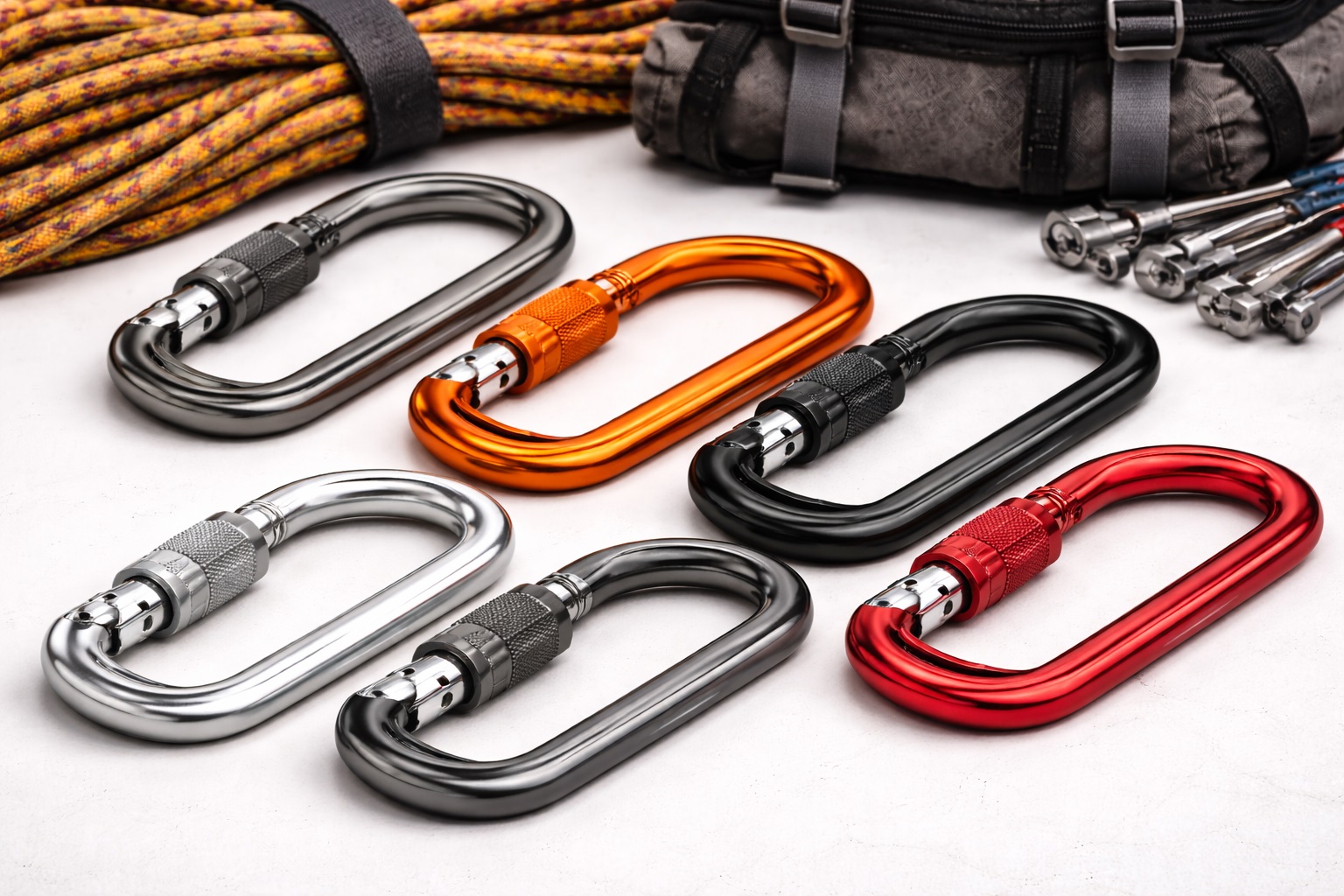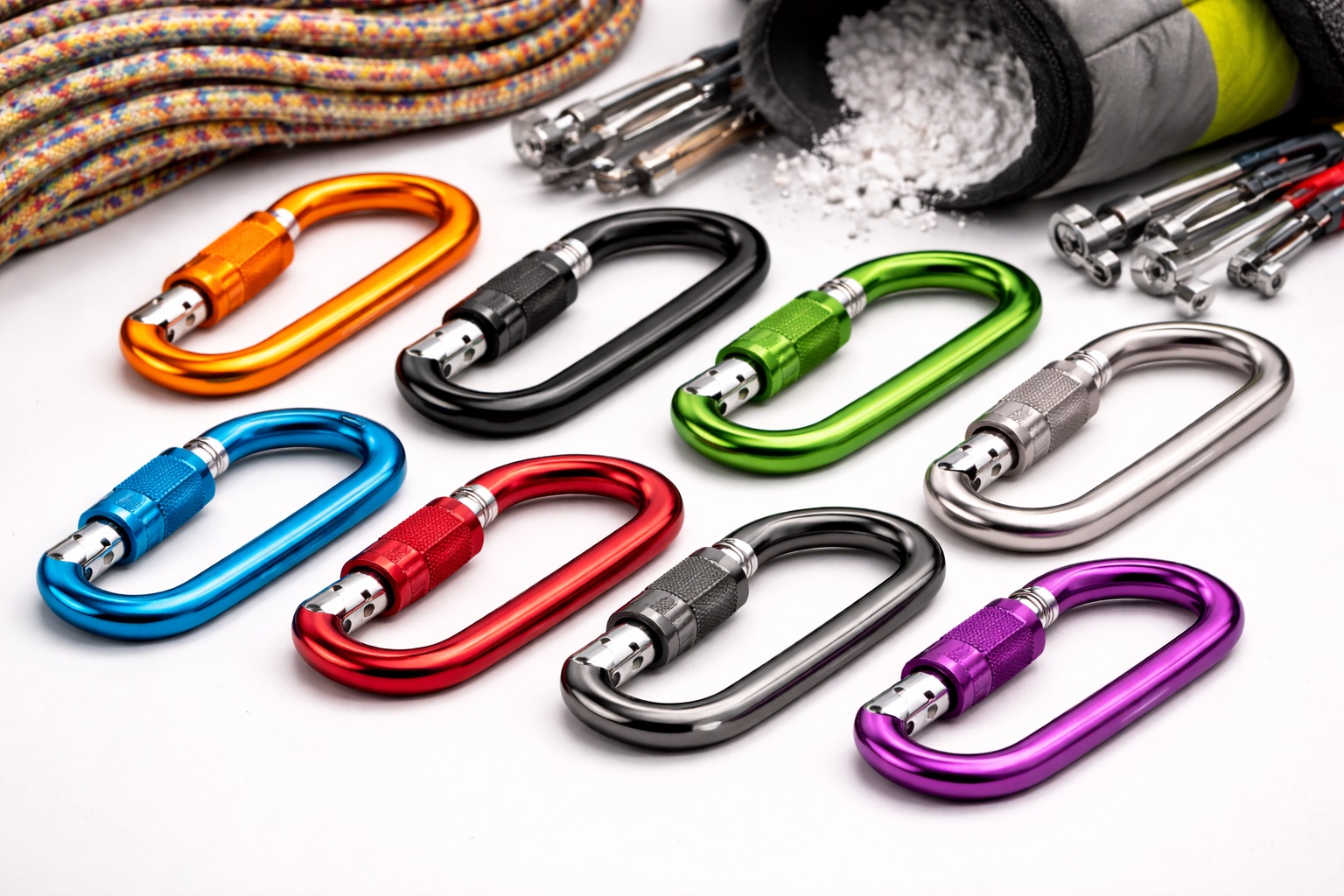
Best Locking Carabiner in 2026
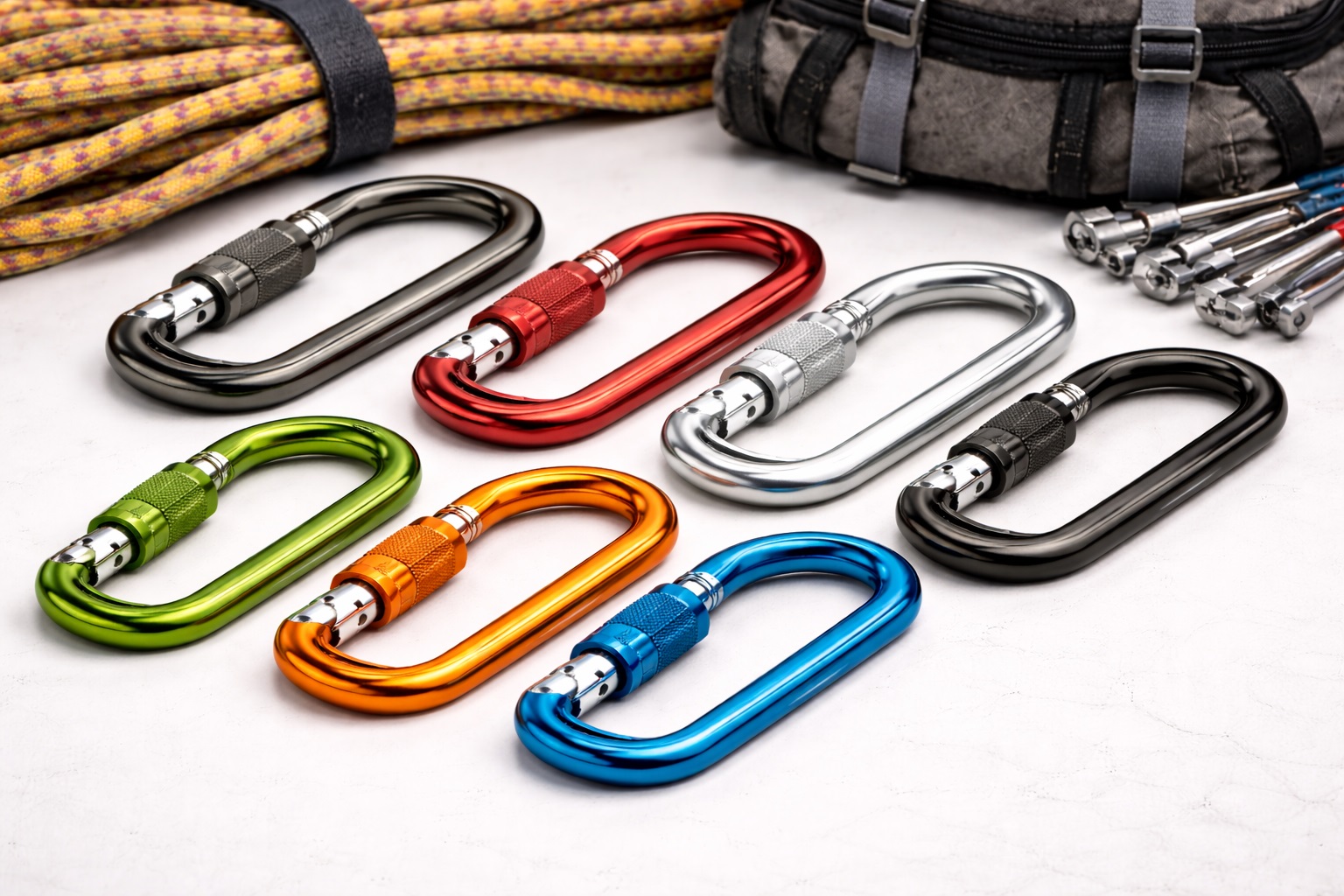
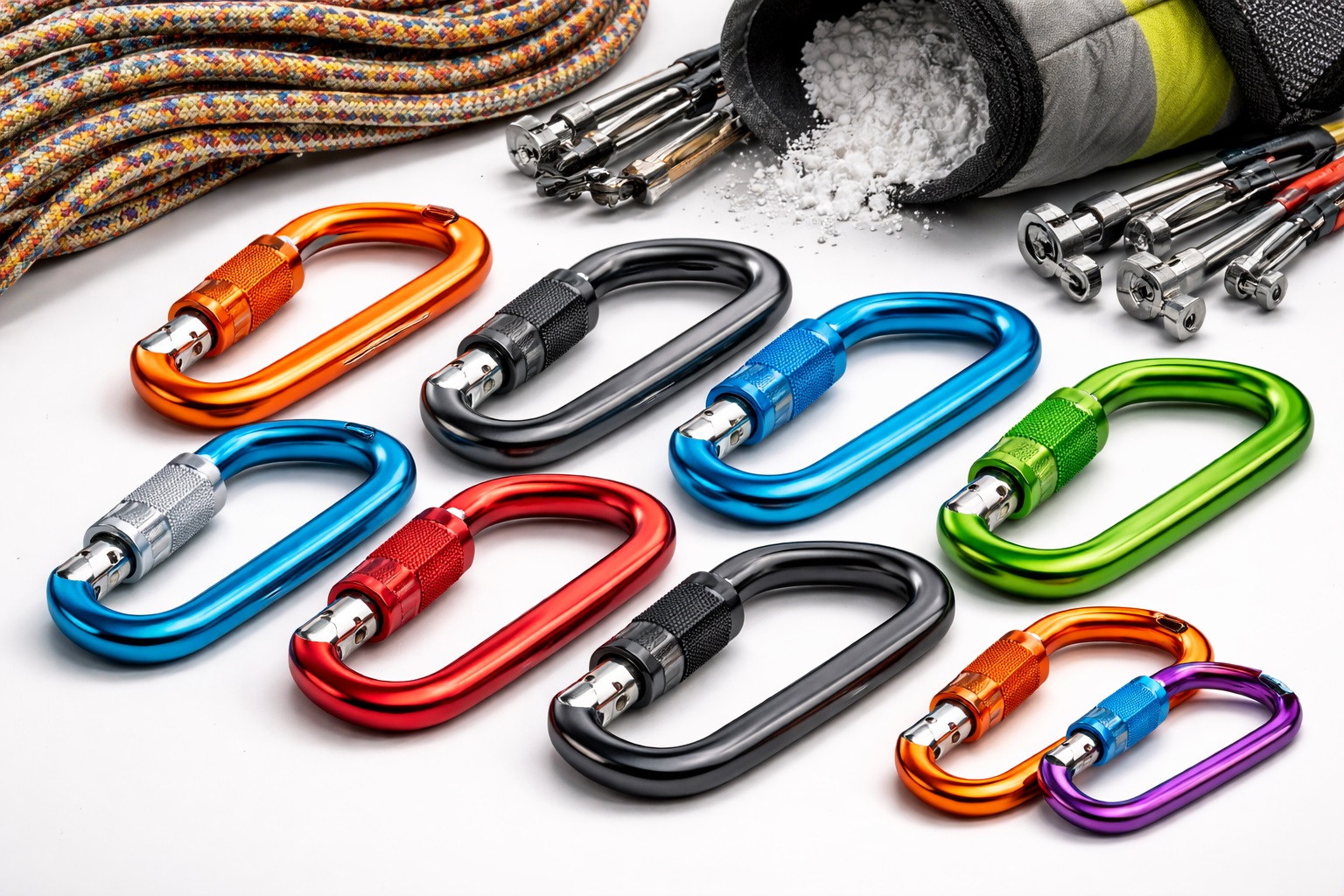
A locking carabiner earns its place in your kit when a standard spring gate simply is not secure enough. Whether you are building an anchor, rigging a belay device, or attaching something you cannot afford to lose, the added screw-gate or twist-lock mechanism gives you a deliberate second step before the gate can open. In 2026, the locking carabiner category has grown well beyond a single design, with screw-lock, auto-lock, and twist-lock mechanisms all competing for space on the market at a wide range of price points.
This guide compares eight widely available locking carabiners, focusing on what actually matters for secure attachment: how the locking sleeve behaves under repeated use, how the shape suits belay and anchor work, and how the price relates to the reliability you are actually getting. Below, you will find detailed reviews of each pick, a full buying guide covering the mechanical details worth understanding before you buy, and answers to the questions shoppers ask most often about locking carabiners.
Locking mechanisms are not interchangeable, and the right choice depends heavily on how you intend to use the carabiner day to day. A screw-lock model that is perfect for a fixed anchor point might be slower than you want for repeated clipping during an active session, while a twist-lock or auto-lock design that locks itself the instant you let go may be exactly what a safety-conscious buyer needs for critical connections.
Price also tends to track more closely with mechanical refinement in the locking category than in standard carabiners, since a smooth, consistent locking sleeve requires tighter manufacturing tolerances than a simple spring gate. Understanding that relationship will help you avoid both overpaying for unnecessary features and underpaying for a mechanism that may not hold up over time.
Top 8 Best Locking Carabiner Picks (Detailed Reviews)
1. Omega Pacific D – Best For Simple, Affordable Security
The Omega Pacific D brings a locking option to shoppers who do not want to pay a large premium for peace of mind. At around $8, its classic D-shape keeps the load directed toward the spine, and the design remains one of the most trusted general-purpose shapes in the entire locking carabiner category. It is not the fanciest option here, but it delivers dependable, no-drama security attachment for everyday tasks.
The gate closes with a firm, positive click, and the locking sleeve threads smoothly without binding, which is not something every budget locking carabiner manages to get right. For anyone who wants a secure attachment point without needing the largest gate opening or the lightest possible build, this remains an easy recommendation.
Because the design has been refined over decades, there are few surprises in how it behaves under regular use, and replacement parts or comparable models are easy to source if you ever need to expand your set. That predictability is worth quite a lot when you are trusting a carabiner with a secure connection.
- Pros:
- Classic D-shape directs load away from the gate
- Genuinely affordable for a locking mechanism
- Reputable brand with a long track record in climbing hardware
- Cons:
- Fewer color options than pricier competitors
- Basic finish compared to premium anodized models
Best For: Shoppers who want dependable secure attachment without paying a large premium for extra features.
Why We Recommend It: It proves that a locking carabiner does not need to be expensive to be trustworthy, making it the easiest entry point into secure attachment hardware.
2. Mammut Crag HMS – Best For Belay and Anchor Work
The Mammut Crag HMS is purpose-built around its screw-gate reliability and generous pear-shaped opening, which makes it a natural fit for belay devices, Munter hitches, and anchor-building where a wide gate clearance genuinely matters. At around $16, it sits in the middle of this lineup on price, but the added utility of the HMS shape justifies the cost for anyone doing real rope work.
The screw sleeve on this model turns smoothly through its full range and seats firmly closed, without the gritty resistance that can develop on cheaper locking mechanisms after repeated use. For belay-specific duty, the larger gate opening also makes it noticeably easier to manage doubled rope or a bulky knot compared to a narrower shape.
Riggers who set up multi-point anchors regularly tend to appreciate how consistently the sleeve seats closed even after being threaded hundreds of times, which is exactly the kind of durability you want from equipment doing safety-critical work session after session.
- Pros:
- Screw-gate reliability suited to repeated security
- Wide HMS pear shape ideal for belay devices
- Reputable brand with a strong safety reputation
- Cons:
- Higher price point than basic D-shape options
- Limited color options
Best For: Climbers and riggers who need a wide gate opening for belay devices or anchor-building.
Why We Recommend It: The combination of a secure screw gate and generous clearance makes it one of the most versatile locking carabiners for real rope work.
3. Black Diamond RockLock – Best For Frequent Locking and Unlocking
The Black Diamond RockLock pairs a keylock nose design with a locking sleeve, which means it resists snagging on slings or bolt hangers while still offering the security of a locking gate. At around $12, it is a reasonable middle ground for anyone who locks and unlocks a carabiner often throughout a session rather than setting it once and leaving it.
The keylock nose in particular is a detail that pays off the more you use this carabiner, since a snag-prone nose becomes a genuine annoyance once you are repeatedly threading it through webbing or hardware. Combined with the locking sleeve, it strikes a practical balance between speed and security.
The sleeve itself has a reassuring amount of resistance without feeling stiff or requiring extra force to operate with cold hands or gloves, a small but genuinely useful detail for anyone working outdoors in variable weather conditions.
- Pros:
- Keylock nose design avoids snagging during locking and unlocking
- Mid-range price for a genuinely useful feature set
- Reputable brand widely trusted in outdoor gear
- Cons:
- Costs more than the most basic locking options
- Limited color options
Best For: Anyone who needs to lock and unlock a carabiner repeatedly during a session without fighting a snagging nose.
Why We Recommend It: It combines smooth locking action with a snag-resistant nose, which is a meaningful upgrade for frequent use.
4. Camp USA Photon Wire – Best For Lightweight Secure Attachment
The Camp USA Photon Wire brings the efficiency of a wire-gate design to the locking carabiner category, keeping overall weight down at around $10 while still offering a secure locking sleeve. Wire-gate mechanisms tend to resist ice and dirt buildup better than solid gates, which is a real advantage for anyone locking and unlocking hardware in variable outdoor conditions.
Because the gate itself weighs less, the whole carabiner tends to feel lighter in hand than solid-gate locking models at a similar price, without giving up the reassurance of a locking mechanism. That makes it a smart pick for anyone racking multiple locking carabiners where total weight adds up quickly.
The wire construction also tends to shed moisture faster than a solid gate after a rinse, which means less chance of the mechanism freezing shut in cold, wet conditions where a secure, functioning lock matters most.
- Pros:
- Wire-gate design resists dirt and ice buildup
- Lighter overall weight than solid-gate locking models
- Reputable brand with proven climbing hardware experience
- Cons:
- Smaller gate opening than pear-shaped alternatives
- Limited color options
Best For: Buyers who want secure attachment without adding significant weight to their rack.
Why We Recommend It: It delivers genuine locking security in a lighter, more weather-resistant package than typical solid-gate designs.
5. Metolius FS Mini II – Best For Compact Locking Needs
The Metolius FS Mini II, at roughly $7, is the most affordable locking option in this lineup and the most compact. Its smaller size makes it a good fit for securing smaller items, gear loops, or backup attachment points where a full-size locking carabiner would be unnecessarily bulky.
The smaller footprint does mean a reduced gate opening, so it is not the right choice for belay devices or bulky knots, but for securing keys, smaller tools, or lightweight gear, its compact locking mechanism still closes with a satisfying, deliberate action.
Buying a few of these together is a practical way to add locking security to multiple small attachment points without spending much more than you would on non-locking equivalents, which is a rare value proposition in this category.
- Pros:
- Lowest price point of any locking model here
- Compact size ideal for smaller attachment points
- Reputable brand with a long history in climbing hardware
- Cons:
- Smaller gate opening limits larger attachments
- Limited color options
Best For: Shoppers who need an affordable, compact locking carabiner for smaller secure attachment tasks.
Why We Recommend It: It is the most accessible way to add genuine locking security to smaller gear without paying full-size prices.
6. Petzl Spirit Screw-Lock – Best For Trusted All-Around Security
The Petzl Spirit Screw-Lock, priced around $15, is arguably the most recognizable name in this category, and its H-shaped cross section adds notable rigidity without a significant weight penalty. As a purpose-built screw-lock design, it is engineered from the ground up around secure attachment rather than having a locking sleeve added to a general-purpose shape.
The screw sleeve threads with a smooth, consistent resistance and seats fully closed without requiring excessive force, a detail that matters when you are locking and unlocking a carabiner dozens of times in a session. It is a dependable, trusted choice for anyone who wants a locking carabiner built around security as the primary design goal.
The reputation this model carries within the climbing community is not accidental; it reflects years of consistent performance across a wide range of conditions, which is exactly the kind of track record you want before trusting a piece of hardware with a critical connection.
- Pros:
- H-shaped cross section adds rigidity and strength
- Purpose-built screw-lock design
- Reputable, well-known brand in climbing safety gear
- Cons:
- Priced higher than basic D-shape locking options
- Limited color options
Best For: Climbers and riggers who want a dedicated, purpose-built screw-lock carabiner from a trusted safety-focused brand.
Why We Recommend It: Its rigid construction and smooth locking sleeve make it one of the most confidence-inspiring options in this entire lineup.
7. DMM Shadow – Best For Long-Term Security Under Heavy Use
The DMM Shadow, at around $18, is the priciest carabiner in this roundup, but its I-beam construction is engineered to handle years of repeated locking and unlocking without the sleeve or gate developing excess play. For anyone who plans to rely on a single locking carabiner heavily over a long period, this durability is worth the added cost.
The I-beam profile also resists the kind of surface wear that flatter cross sections pick up quickly from repeated contact with rock, hardware, or webbing. Years into ownership, this carabiner tends to retain tighter tolerances in its locking mechanism than cheaper alternatives that see the same amount of use.
For professional-adjacent users, guides, rope-access technicians, or anyone whose gear sees near-daily use, that resistance to mechanical wear over time can matter as much as the initial price tag when calculating true long-term value.
- Pros:
- I-beam construction built for long-term durability
- Locking mechanism holds tight tolerances under heavy use
- Reputable brand known for rigorous hardware design
- Cons:
- Highest price point among the models featured here
- Limited color options
Best For: Frequent users who want a locking carabiner built to withstand years of heavy, repeated use.
Why We Recommend It: Its durable construction means the locking mechanism should stay tight and reliable long after cheaper options begin to loosen.
8. Wild Country Helium – Best For Lightweight Locking Security
The Wild Country Helium brings its lightweight hot-forged construction to the locking category at around $14, appealing to anyone who wants secure attachment without adding unnecessary bulk to their rack. It strikes a reasonable balance between weight savings and a dependable locking sleeve.
For multi-pitch climbers or anyone assembling a rack where every locking carabiner adds up in weight, this is one of the more sensible picks here, since it does not ask you to sacrifice much security to save those grams.
The hot-forging process gives the spine a cleaner, more consistent profile than basic cold-forged alternatives, which can make a subtle but noticeable difference in how confidently the locking sleeve seats closed every single time you use it.
- Pros:
- Lightweight hot-forged build reduces overall carry weight
- Reasonable mid-range price for a locking mechanism
- Reputable brand known for climbing-specific hardware
- Cons:
- Costs more than the most basic locking options
- Limited color options
Best For: Shoppers who want to save weight on their rack without giving up a locking gate.
Why We Recommend It: It offers a rare combination of lighter weight and dependable locking security at a reasonable price.
Buying Guide: How to Choose the Best Locking Carabiner
Locking carabiners differ from standard spring-gate models in ways that matter well beyond the presence of a sleeve. The following considerations will help you choose a locking carabiner that actually suits how you plan to use it.
1. Understand the Different Locking Mechanisms
Screw-lock designs require you to manually twist a sleeve closed, which is simple and reliable but slower to operate. Twist-lock and auto-lock mechanisms close automatically when released, offering faster security but with slightly more moving parts that require periodic cleaning to keep functioning smoothly. Knowing which mechanism suits your workflow before you buy will save you from second-guessing your choice later.
2. Match the Shape to Your Task
A pear-shaped or HMS carabiner offers a wide gate opening well suited to belay devices and Munter hitches, while a D-shape keeps load directed toward the spine for strong general-purpose attachment. Choosing the wrong shape can make an otherwise excellent locking carabiner awkward to use for its intended purpose, so think through your primary use case before committing to a shape.
3. Consider How Often You Will Lock and Unlock It
If you plan to lock and unlock a carabiner frequently during a session, prioritize a smooth-threading screw sleeve or a well-damped auto-lock mechanism. A locking carabiner intended for a fixed, rarely-moved anchor point can prioritize maximum security over quick operation instead, since speed matters less in that context.
4. Check for CE or UIAA Certification
Any locking carabiner intended for climbing, rescue, or other safety-critical use should carry a legible CE or UIAA certification stamp on the spine. This certification confirms the carabiner has been manufactured and tested to a recognized strength and reliability standard, and it should never be treated as optional for safety-critical purchases.
5. Evaluate Gate-Opening Clearance
A narrow gate opening can make it difficult to clip a belay device, a doubled rope, or bulky webbing. If your intended use involves anything beyond a single strand of cord, prioritize a model with a wider throw distance, even if it costs a bit more, since a cramped gate can slow down rigging at exactly the wrong moment.
6. Weigh Material and Construction Quality
Forged aluminum keeps locking carabiners light and affordable while still offering solid strength for most uses. Steel locking carabiners are heavier but better suited to fixed rigging points or rescue applications where repeated rope friction would wear down aluminum more quickly, making the added weight a reasonable trade-off in those settings.
7. Inspect the Locking Sleeve for Smooth Action
Before relying on any locking carabiner, thread the sleeve through its full range several times and confirm it seats fully closed without grinding or catching. A locking mechanism that feels gritty out of the box is unlikely to improve with use and is worth returning or exchanging.
8. Think About Weight if You Are Building a Rack
If you plan to carry several locking carabiners at once, small weight differences between models add up quickly. Lightweight hot-forged options can meaningfully reduce overall rack weight compared to heavier solid-gate designs without sacrificing security, which matters most on longer routes or multi-pitch outings.
9. Decide Between Keylock and Notched Nose Designs
A keylock nose avoids snagging on slings, webbing, or bolt hangers during clipping, which is especially useful on a locking carabiner you plan to use frequently. A notched nose is more traditional and slightly less expensive to manufacture, which can translate into a lower price for casual or occasional use.
10. Consider Color-Coding for Safety-Critical Roles
Many climbers reserve a specific carabiner color exclusively for belay or anchor duty, making it easy to identify at a glance which locking carabiner is doing safety-critical work versus general gear organization, which reduces the chance of grabbing the wrong piece of hardware under pressure.
11. Factor in Long-Term Durability Over Sticker Price
A locking carabiner that holds tight mechanical tolerances for years can be a better long-term value than a cheaper option that develops play or grit in the sleeve after a single season of heavy use. Consider how often you will actually use the carabiner when weighing the upfront cost.
12. Clean and Lubricate the Mechanism Periodically
Grit, salt, and dried mud can accumulate inside a locking sleeve over time. Periodically rinsing the mechanism with fresh water and applying a small amount of appropriate lubricant keeps the lock action smooth and reliable, and takes only a few minutes as part of routine gear maintenance.
13. Buy From Recognized Retailers Only
Because locking carabiners are frequently used in safety-critical roles, buying from established outdoor retailers or directly from brand websites significantly reduces the risk of counterfeit or unrated hardware entering your kit. This single habit does more to protect you than almost any other buying decision on this list.
Frequently Asked Questions
What is the main advantage of a locking carabiner over a standard one?
A locking carabiner requires a deliberate action, such as twisting a sleeve, before the gate can open, which significantly reduces the risk of accidental gate-opening during critical attachments like anchors or belay setups. That extra step is a small price to pay for meaningfully reduced risk.
Are screw-lock or twist-lock carabiners more secure?
Both can be equally secure when properly maintained and used correctly. Screw-lock designs require a manual twist to open, while twist-lock and auto-lock designs close automatically, offering faster operation with a comparable level of security once fully engaged. The right choice often comes down to personal preference and workflow.
How do I know if my locking carabiner is fully locked?
Check that the sleeve is threaded all the way closed and gently attempt to open the gate without twisting the sleeve first. If the gate does not budge, the carabiner is properly locked. Making this check a habit before every use costs almost no time.
Can a locking carabiner fail if the gate is not fully closed?
Yes, an improperly locked or partially open gate significantly reduces a carabiner's strength rating, since much of its rated strength assumes the gate is fully closed. Always verify the lock before trusting the carabiner with real load, no matter how routine the task feels.
Do locking carabiners weigh significantly more than non-locking ones?
Locking carabiners are typically only slightly heavier than non-locking versions of similar size, since the added sleeve mechanism is a relatively small component compared to the overall carabiner body. Most users will not notice a meaningful difference in day-to-day handling.
How often should I inspect a locking carabiner used for climbing?
Inspect before every use for smooth gate and sleeve action, and do a more thorough check for cracks, burrs, or corrosion on a regular schedule, especially after exposure to salt water, heavy dirt, or a significant fall. A consistent inspection habit is one of the simplest ways to extend service life safely.
What is the difference between a keylock nose and a notched nose on a locking carabiner?
A keylock nose has a smooth, hook-free profile designed to avoid snagging on slings or hardware, while a notched nose uses a traditional hook-and-notch design that is slightly more prone to catching but is simpler and less expensive to produce.
Do locking carabiners need to be replaced after a certain number of years?
Many manufacturers recommend retiring climbing hardware after a set number of years regardless of visible wear, since materials can degrade with age and repeated stress even without obvious damage. Checking manufacturer guidance for your specific model is worthwhile.
What causes a locking sleeve to stick or bind?
Dirt, grit, or dried mud inside the threads is the most common cause. Rinsing the mechanism with clean water and applying a small amount of appropriate lubricant usually restores smooth action.
Is an auto-locking carabiner better than a manual screw-lock for beginners?
Many instructors prefer auto-locking designs for beginners because they close automatically without requiring the user to remember an extra step, reducing the chance of an unintentionally unlocked carabiner during use.
Can I use a locking carabiner for everyday carry, like keys?
Yes, though many people prefer to keep safety-rated locking carabiners reserved for climbing or rescue duty and use simpler non-locking clips for everyday tasks to avoid unnecessary wear on safety-critical gear.
How much more should I expect to pay for a locking carabiner versus a standard one?
Locking versions typically cost a few dollars more than an equivalent non-locking model due to the added mechanism, generally landing between $12 and $20 for reputable brands in this category.
What is an HMS carabiner and why does it matter for locking use?
HMS stands for a pear-shaped design historically associated with the Munter hitch. Its wide gate opening makes it especially useful for belay devices and larger knots, which is why many locking carabiners intended for belay duty use this shape.
Should I retire a locking carabiner if the sleeve feels loose?
Yes, a locking sleeve that has developed excessive play or no longer seats fully closed should be retired, since it can no longer be trusted to prevent accidental gate-opening under load.
Can locking carabiners be used together with non-locking ones on the same rack?
Absolutely. Many climbers use locking carabiners specifically for critical connections like anchors and belay devices, while relying on lighter non-locking carabiners for general gear organization elsewhere on the rack.
Final Verdict
- Top Pick: Petzl Spirit Screw-Lock for its purpose-built rigidity and dependable, trusted screw-lock design.
- Budget Choice: Metolius FS Mini II as the most affordable way to add genuine locking security to smaller gear.
- Premium Choice: DMM Shadow for buyers who want long-term durability under heavy, repeated locking and unlocking.
Choosing the right locking carabiner in 2026 comes down to matching the mechanism, shape, and build quality to how often and how critically you plan to rely on it. The eight options above cover everything from budget-friendly security to long-term, heavy-use durability, and paying attention to certification, gate clearance, and locking-sleeve smoothness will help you make a choice you can trust with the connections that matter most. Whichever model you choose, make inspecting the lock before every use a permanent habit rather than an occasional afterthought, since that small routine is ultimately what keeps any locking carabiner trustworthy over its working life.