Best Bluetooth Earbuds by Use Case: Music, Calls, and Sport
"Best Bluetooth earbuds" is not really one question — it's several different questions wearing the same search term. A commuter who mostly wants to block out train noise has almost nothing in common with a runner who needs earbuds that survive sweat and won't fall out mid-stride, and neither has much in common with someone whose main use is back-to-back video calls.
Rather than crowning a single winner, this guide sorts the strongest options by the situation they actually solve best: tight budgets, serious noise cancellation, workouts, calls, bass-forward listening, and smaller ear canals that struggle with standard-fit buds. Each category below covers what it's genuinely good at and where its compromises show up.
A few things matter across every category regardless of price: how securely the buds seat in your ear, how the companion app handles updates and customization, and how the battery holds up after a year of daily charging cycles rather than on day one out of the box. Keep those fundamentals in mind as you weigh the specific strengths of each type below.
It's also worth thinking about how many separate devices you actually switch between during a normal day. Someone who only ever pairs their earbuds with one phone has a much simpler set of requirements than someone who moves between a work laptop, a personal phone, and a tablet throughout the day. That second group benefits far more from features like multipoint connection than from a marginally better sound signature, since the daily friction of manually re-pairing adds up fast and tends to matter more in practice than most spec-sheet comparisons suggest.
Quick Comparison Table
| Product | Best For | Action |
|---|---|---|

Apple AirPods Pro (2nd Generation)
Apple
|
Active Noise Cancellation, Adaptive Transparency, Personalized Spatial Audio wit...
|
|
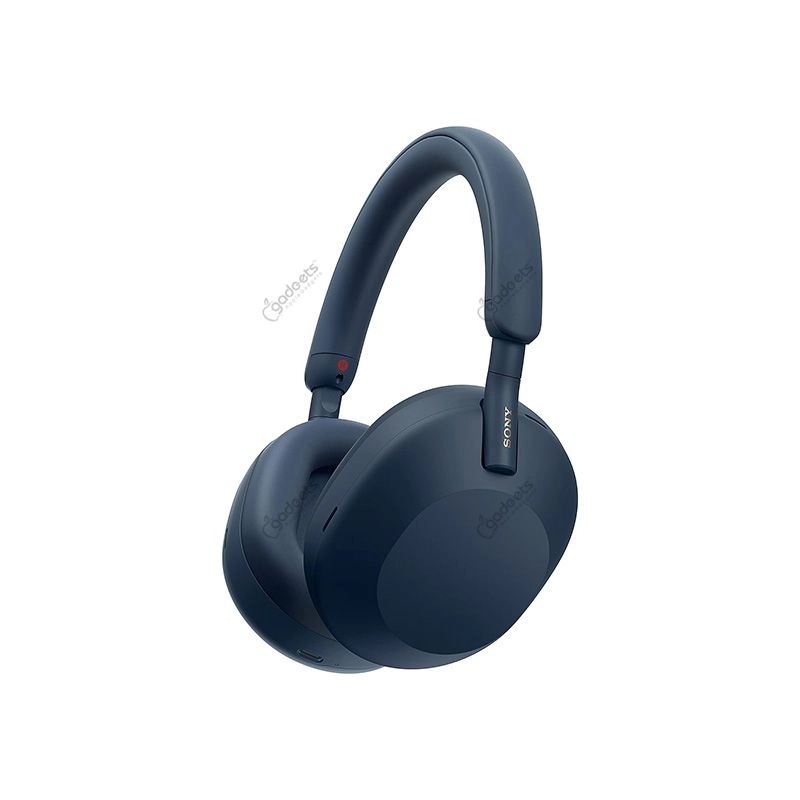
Sony WH-1000XM5 Wireless Noise Canceling Headphones
Sony
|
Industry-leading noise cancellation with premium sound quality and 30-hour batte...
|
Top Bluetooth Earbud Categories (Detailed Reviews)
1. Budget Earbuds – Best for Everyday Use on a Tight Budget
Budget earbuds exist to cover the basics competently rather than chase every feature on a spec sheet. Expect reliable Bluetooth pairing, decent everyday sound for podcasts and casual music, and a charging case that gets you through a normal day without much fuss. What you typically give up is refined sound tuning, strong active noise cancellation, and premium build materials.
For a lot of people, this is genuinely enough. Someone listening mostly to podcasts, audiobooks, or background music during chores doesn't need studio-grade drivers, and budget models remove the temptation to pay for features that would go unused.
- Pros:
- Low upfront cost with acceptable everyday sound quality
- Simple, uncomplicated pairing and controls
- Easy to replace without a significant financial loss
- Cons:
- Weaker or absent active noise cancellation
- Shorter battery lifespan over repeated charge cycles
Best For: Casual listeners, students, and anyone who wants dependable earbuds without paying for features they won't use.
Why We Recommend It: Budget earbuds deliver acceptable everyday performance at a price point low enough that losing or replacing a pair isn't a significant setback.
They're also a sensible starting point for anyone unsure whether they'll actually stick with wireless earbuds at all. Rather than spending heavily upfront on a premium pair and discovering the fit or lifestyle doesn't suit you, starting with a budget option lets you learn your own preferences before committing more money to a specific feature set.
2. Premium ANC Earbuds – Best for Serious Noise Cancellation
Premium active noise cancellation earbuds use multiple microphones and dedicated processing to cancel out consistent background noise — engine hum, HVAC systems, general office chatter — far more effectively than budget models attempt to. The best implementations also offer an ambient or "transparency" mode that lets outside sound back in on demand, useful for hearing announcements or holding a quick conversation without removing the buds.
This category commands the highest price point on this list, and the extra cost buys genuinely better acoustic engineering, not just marketing. That said, ANC is most valuable in consistently noisy environments; someone who works from a quiet home office won't get the same return on the premium spent here.
- Pros:
- Strong active noise cancellation for consistent background noise
- Ambient/transparency modes for situational awareness
- Generally superior build quality and app-based customization
- Cons:
- Highest price point in the category
- ANC benefit is smaller in already-quiet environments
Best For: Frequent commuters, flyers, and anyone working in a consistently noisy environment.
Why We Recommend It: The noise cancellation performance in this category represents a genuine, noticeable upgrade over budget and mid-range alternatives, particularly on flights and daily commutes.
It's worth noting that ANC effectiveness varies considerably even within this premium tier, and it generally performs best against steady, low-frequency noise rather than sudden or high-pitched sounds like a barking dog or a ringing phone. Setting realistic expectations about what ANC can and can't cancel avoids disappointment after purchase.
3. Sport Earbuds – Best for Workouts and Active Use
Sport-focused earbuds are built around staying in place and surviving sweat, which sounds simple but is where a lot of standard earbuds fail during actual exercise. Look for an IP rating that covers sweat and light rain resistance, along with ear hooks, wing tips, or a secure-fit design that keeps the buds seated through burpees, running, and quick directional changes.
Sound tuning in this category often leans toward punchier mid-bass to stay audible over gym noise and heavier breathing, which won't suit critical listening but works well for training playlists. Some models add a short cable or neckband connecting the two buds specifically to reduce the risk of losing one mid-workout.
- Pros:
- Secure fit designed to survive movement and impact
- Sweat and weather resistance rated for exercise conditions
- Tuning that stays audible over gym and outdoor ambient noise
- Cons:
- Sound signature less balanced for critical or casual listening
- Ear hooks or wing tips can feel intrusive for non-exercise use
Best For: Runners, gym-goers, and anyone whose main use case involves consistent movement and sweat.
Why We Recommend It: A secure, sweat-resistant fit solves the single biggest complaint people have about using regular earbuds during exercise — buds that work loose or fail from moisture exposure.
Many sport-focused models also add physical volume and playback controls on the earbud itself, since reliably tapping a small touch-sensitive surface mid-run is harder than it sounds. A dedicated button, even a simple one, tends to be more reliable during actual movement than a touch panel borrowed from a general-purpose design.
4. Earbuds for Calls – Best for Frequent Video Meetings and Phone Calls
Earbuds optimized for calls prioritize microphone clarity over music tuning, typically using multiple mics with active noise reduction specifically on the call side, or a beamforming array that focuses on your voice while suppressing background sound for the person on the other end. Stable, low-latency Bluetooth connection matters more here than in almost any other category, since a dropped call is a much bigger problem than a skipped beat in a song.
This category tends to matter most for remote workers and anyone in frequent video meetings, where the person on the other end hearing you clearly is the actual point of the purchase, not how good your music sounds through the same buds.
- Pros:
- Clearer voice pickup for the person you're calling
- Background noise suppression on the microphone side
- Stable connection prioritized over other features
- Cons:
- Music playback sometimes less impressive than dedicated listening earbuds
- Some models are noticeably bulkier to fit the extra microphone array
Best For: Remote workers, frequent video callers, and anyone whose earbuds double as their primary work headset.
Why We Recommend It: Clear call quality is genuinely difficult to retrofit onto earbuds designed primarily for music, which makes a call-optimized pair a meaningfully better fit for anyone on frequent calls.
Latency also matters more for calls than most people expect, since a slight delay in your own voice feedback can make it harder to gauge your speaking volume and pacing on a call. Earbuds built around call quality typically minimize this delay as a core design priority rather than an afterthought.
5. Bass-Heavy Earbuds – Best for Hip-Hop, EDM, and Bass-Forward Genres
Bass-heavy earbuds are tuned with an emphasized low end, often through a combination of driver design and a deliberately boosted EQ curve out of the box. For genres built around a strong low end — hip-hop, EDM, reggaeton — this tuning makes the music feel noticeably more energetic and immersive than a flatter, more neutral sound signature. The effect is especially pronounced with tracks built around sub-bass elements meant to be felt as much as heard, where a neutral-tuned pair can leave the mix sounding thin or hollow even though technically nothing is missing from the recording itself.
The tradeoff is that this tuning doesn't suit every genre equally well. Acoustic music, podcasts, and dialogue-heavy content can sound muddier or less clear through a bass-forward pair, which is why some models include an app-based EQ to dial the boost back for other listening.
- Pros:
- Punchy, immersive low end for bass-forward music genres
- Often paired with app-based EQ adjustment for flexibility
- Popular price-to-performance ratio in this specific niche
- Cons:
- Less accurate for genres that rely on vocal or instrumental clarity
- Can sound fatiguing for extended listening without EQ adjustment
Best For: Listeners whose music library leans heavily toward bass-forward genres like hip-hop and EDM.
Why We Recommend It: For the specific genres this tuning targets, the added low-end presence delivers a more satisfying, energetic listening experience than a neutral sound signature.
Buyers considering this category should listen to a range of their own regular playlists before deciding, if possible, since "bass-heavy" varies a fair amount between manufacturers. Some lean toward a controlled, well-defined low end, while others push volume over precision, and the difference is noticeable once you're listening to material outside the demo tracks used in marketing.
6. Earbuds for Small Ears – Best for a Comfortable, Secure Fit on Smaller Ear Canals
Standard earbud tips are designed around an average ear canal size, which leaves a meaningful number of people, particularly those with smaller ear canals, dealing with buds that never quite seal properly or that fall out during normal movement. This category focuses on smaller housing sizes and a wider range of included tip sizes, sometimes down to extra-small, to solve that fit problem directly.
A proper seal matters for more than comfort — it's also what allows passive noise isolation and bass response to work as intended. Buds that don't seal properly in a small ear canal will underperform on both counts regardless of how good the driver technology inside actually is.
- Pros:
- Smaller housing designed to sit comfortably in smaller ear canals
- Wider range of included tip sizes for a proper seal
- Better passive noise isolation once properly seated
- Cons:
- Fewer models available compared to standard-sized options
- Still requires trying multiple tip sizes to find the right fit
Best For: Buyers who have consistently struggled with standard earbuds falling out or failing to seal properly.
Why We Recommend It: Solving the fit problem directly, rather than settling for a standard pair that never quite seals, improves both comfort and sound quality at the same time.
If you've previously assumed you simply "can't wear earbuds comfortably," it's worth trying this category specifically before giving up on wireless earbuds altogether. In many cases, the actual problem was tip size and housing shape rather than a fundamental incompatibility with earbuds as a product category.
Buying Guide: How to Choose the Best Bluetooth Earbuds
1. Define Your Primary Use Case First
Before comparing specs, decide what you'll actually use the earbuds for most: commuting, workouts, calls, or casual listening at home. Most of the confusion in this category comes from trying to find one pair that excels at everything, when a pair optimized for your actual primary use will almost always feel like the better purchase. Write down your top one or two use cases before browsing, and let that list filter out categories that don't apply to you.
2. Test the Fit Before Committing to Sound Quality Claims
No amount of driver technology matters if the tip doesn't seal in your ear canal. A poor seal lets in outside noise, lets bass escape, and increases the risk of the bud falling out during normal movement. Try multiple included tip sizes and don't assume the default size is correct for your ear. It's common for each ear to actually need a slightly different tip size, so don't assume both ears will match.
3. Weigh Active Noise Cancellation Against Your Actual Environment
ANC delivers the most value in consistently noisy environments — planes, trains, open offices. If most of your listening happens in quiet spaces, you may be paying for a feature that adds little practical benefit, and that budget might be better spent on sound quality or battery life instead. Consider also that ANC typically increases power draw, meaning enabling it will noticeably shorten your battery life compared to leaving it off.
4. Check Real-World Battery Life, Not Just the Marketing Number
Advertised battery life is typically measured under ideal conditions at moderate volume with ANC off. Real-world use with ANC enabled and higher volume levels often reduces actual playtime meaningfully below the advertised figure, so treat published numbers as a ceiling rather than a guarantee. Reviews from actual owners tend to give a more honest picture of real-world battery performance than the specification sheet alone.
5. Consider the Charging Case as Part of the Total Battery Picture
The earbuds themselves usually hold a few hours of charge, with the case providing several additional recharges before it needs to be plugged in itself. For all-day use away from an outlet, total battery life including the case matters more than the per-charge figure alone. Also check how quickly the case itself recharges, since a slow-charging case can leave you without backup power right when you need it most.
6. Confirm Codec and Device Compatibility
Bluetooth codecs affect both audio quality and latency, and not every earbud supports every codec your phone or laptop can use. If watching video or gaming is a priority, check for low-latency codec support specifically, since a noticeable audio-video sync delay is a common complaint with mismatched codec support.
7. Evaluate the Companion App Honestly
A companion app that offers EQ customization, ANC strength adjustment, and firmware updates adds real, ongoing value over the life of the product. A poorly maintained or overly complicated app, on the other hand, can make otherwise good earbuds frustrating to live with day to day.
8. Think About Durability for Your Specific Use Case
Sport use demands a genuine sweat and weather resistance rating, not just a marketing claim. Frequent travelers should weigh case durability and the risk of losing a small charging case as heavily as sound quality. Match durability expectations to how roughly you'll actually treat the product.
9. Don't Overlook Call Quality If You Use Earbuds for Work
If earbuds double as your work headset, prioritize microphone clarity and background noise suppression on calls just as heavily as music sound quality. A pair that sounds great for music but garbles your voice on calls is a poor fit for daily remote work use. Testing a call in a genuinely noisy environment, rather than a quiet room, gives a far more accurate sense of real-world microphone performance.
10. Understand Return and Warranty Policies Before Buying
Earbuds are small, easy to lose, and subject to gradual battery degradation that isn't always obvious in the first few weeks. A reasonable return window and a warranty that covers battery performance, not just manufacturing defects, meaningfully reduces the risk of an unsatisfying purchase. Keep the original receipt and packaging until you're confident the pair works well for your daily routine.
11. Match Price to How Long You Expect to Keep Them
Earbud batteries degrade with charge cycles regardless of price point, meaning even premium earbuds have a realistic usable lifespan of a few years before performance noticeably declines. Buyers who replace earbuds frequently may get better overall value from a mid-range pair than stretching for the most premium option available, since the extra investment in a premium pair pays off best when it's kept and used consistently over its full lifespan.
12. Check for Multipoint Bluetooth Support If You Switch Devices Often
Multipoint lets a single pair of earbuds stay connected to two devices at once, automatically switching audio between them — a laptop for a work call, say, and a phone that rings mid-meeting — without manually disconnecting and re-pairing each time. Anyone who regularly moves between a computer and a phone during the day will notice this feature almost immediately once they have it, and find its absence genuinely annoying once they've gotten used to not living without it. Buyers who only ever use one device with their earbuds can safely skip this as a deciding factor.
13. Decide Whether Touch Controls or Physical Buttons Suit You Better
Touch-sensitive surfaces on the earbud housing look sleek and keep the design free of moving parts, but they're prone to accidental taps when adjusting an earbud's position or wiping away moisture, and they can be genuinely difficult to operate reliably with gloves, wet hands, or while moving. Physical buttons require a firmer press to register, which mostly eliminates accidental triggers, at some cost to how refined the housing feels in the hand. Neither is objectively better, but trying both control styles before buying, if possible, avoids ending up with a control scheme that fights against your actual daily habits.
Frequently Asked Questions
What should I prioritize when choosing Bluetooth earbuds?
Start with your primary use case — commuting, workouts, calls, or casual listening — rather than a general feature checklist. Matching the earbuds' actual strengths to how you'll use them day to day matters more than chasing the highest-rated option overall.
Is it worth paying extra for active noise cancellation?
It depends heavily on your environment. ANC delivers real, noticeable value on planes, trains, and in noisy offices. If most of your listening happens in quiet spaces, the premium spent on strong ANC may deliver less practical benefit than putting that money toward sound quality or battery life instead.
How long do Bluetooth earbuds typically last before needing replacement?
Most earbuds remain fully usable for two to four years, though battery capacity gradually declines with repeated charge cycles well before that. Frequent daily use accelerates this decline, which is normal and expected rather than a sign of a defective unit.
Why do my earbuds keep falling out during exercise?
This is usually a fit issue rather than a defect. Standard tips are sized for an average ear canal, and a poor seal is the most common reason buds work loose during movement. Trying ear hooks, wing tips, or a different tip size, or switching to a sport-specific model, typically resolves the problem.
Do more expensive earbuds always sound better?
Not necessarily. Price often reflects build quality, ANC performance, and app features rather than raw sound quality alone. A well-tuned mid-range pair can sound very satisfying for most listeners, while an expensive pair with a poor fit for your ear will underperform regardless of its price tag.
Can I use one pair of earbuds for both workouts and calls?
Yes, though it usually involves some compromise. A pair marketed specifically for calls or specifically for sport will outperform a general-purpose pair in its specialty, but a well-reviewed all-rounder can cover both reasonably well if you don't need the absolute best performance in either category.
What's the difference between passive and active noise isolation?
Passive isolation comes purely from the physical seal of the ear tip blocking outside sound, while active noise cancellation uses microphones and processing to actively cancel specific frequencies, typically low, consistent hums like engine or HVAC noise. The two work together, and a poor physical seal undermines active cancellation as well.
How important is IP rating for everyday use?
For sport or outdoor use, a sweat and water resistance rating is genuinely important and worth prioritizing. For purely indoor, casual listening, it matters far less, and buyers in that situation can reasonably deprioritize it in favor of other features.
Do earbuds work well with every phone and laptop?
Bluetooth earbuds generally pair with any modern Bluetooth-enabled device, but supported codecs and feature sets can vary between the buds and the connected device. Checking codec compatibility matters most for anyone sensitive to audio-video sync delay during video or gaming.
Should I buy earbuds in person or online?
Online shopping typically offers a wider selection and often better pricing. Trying a pair in person first, when possible, helps confirm fit before committing, especially for anyone who has struggled with earbud fit in the past. Buying online afterward, once you know which fit works, is a reasonable middle ground.
What's a realistic budget for a genuinely good pair of earbuds?
Solid mid-range options exist at a variety of price points and typically deliver most of the practical benefits of premium models — decent ANC, reasonable battery life, and reliable connection — without the full premium price tag. Reserve the highest price tier for buyers who specifically need best-in-class ANC or audio fidelity.
Can I replace just one earbud if I lose the other?
Some manufacturers sell single replacement earbuds directly, though availability varies by brand and model, and older models are sometimes discontinued before a replacement becomes necessary. Checking whether single-side replacements are offered before buying is a reasonable precaution, since losing one earbud is a common real-world failure mode for this product category.
Do earbuds work well for watching movies and video, not just music?
Generally yes, though audio-video sync can be a noticeable issue with earbuds that use higher-latency Bluetooth codecs. If video and gaming are a regular use case, prioritize models that explicitly support low-latency modes to avoid a distracting delay between what you see and what you hear.
What is multipoint Bluetooth, and do I actually need it?
Multipoint keeps earbuds connected to two devices simultaneously, switching audio automatically instead of requiring a manual disconnect and re-pair. It's genuinely valuable for anyone regularly switching between a laptop and a phone during the day, such as remote workers taking calls on one device while notifications come through another. Buyers who only ever use one device with their earbuds won't notice much benefit from it.
Are wired earbuds ever still the better choice over Bluetooth?
In a few specific situations, yes. Wired earbuds avoid battery anxiety entirely, offer effectively zero audio latency, and remain cheaper and simpler for basic listening. For gaming on a device without good low-latency Bluetooth support, or for anyone who finds charging small buds an ongoing hassle, a wired pair is still a reasonable and often overlooked option rather than an outdated one.
Final Verdict
- Best Overall Value: Budget earbuds — dependable everyday performance without paying for unused features.
- Best for Noise Cancellation: Premium ANC earbuds — the strongest choice for frequent commuters and travelers.
- Best for Active Use: Sport earbuds — secure fit and sweat resistance built for movement.
- Best for Work Calls: Earbuds for calls — clearer voice pickup for frequent meetings.
- Best for Bass-Forward Genres: Bass-heavy earbuds — tuned for hip-hop, EDM, and similar music.
- Best for Smaller Ears: Earbuds for small ears — solves fit issues that undermine sound and comfort.
There is no universal best pair of Bluetooth earbuds — only the pair that best matches your actual listening habits, environment, and physical fit. Identify the one or two factors that matter most for how you'll really use them, and let those, rather than a general star rating, guide the decision.
If you're still torn between two categories, think about which one solves the more painful problem in your daily routine right now. A commuter annoyed by train noise every single day will get more day-to-day value from strong ANC than from marginally better bass response, while someone whose earbuds keep falling out mid-run will benefit far more from a secure sport fit than from a longer feature list on a general-purpose pair.