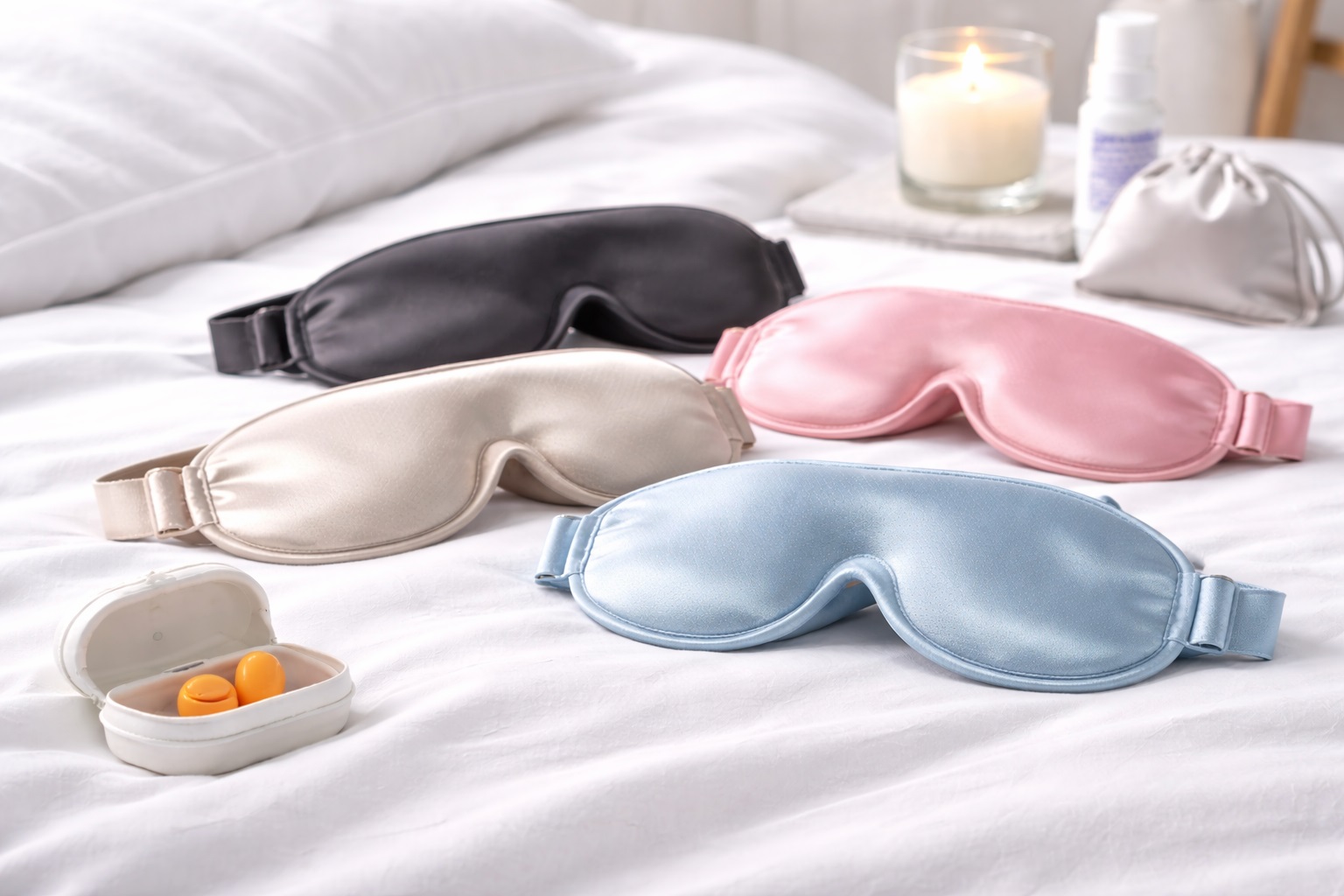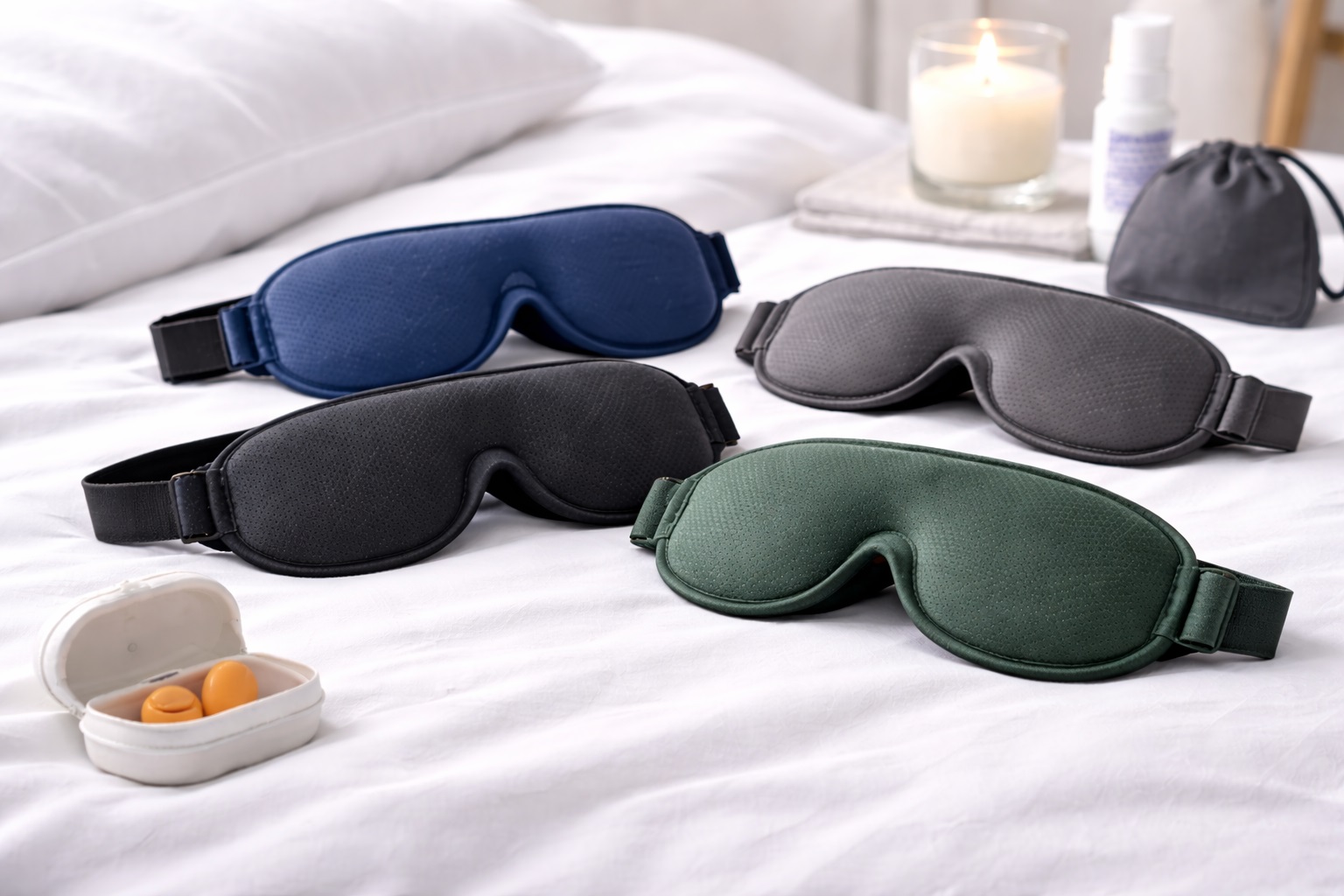
Best Durable Eye Mask in 2026
Most people don't think about how long an eye mask is supposed to last until theirs starts falling apart — the elastic loosens, the seams fray, or the fabric goes flat and stops blocking light the way it did when it was new. A mask you wear every single night takes more wear and tear than almost any other bedroom accessory, which makes longevity a genuinely important factor rather than an afterthought behind comfort and price.
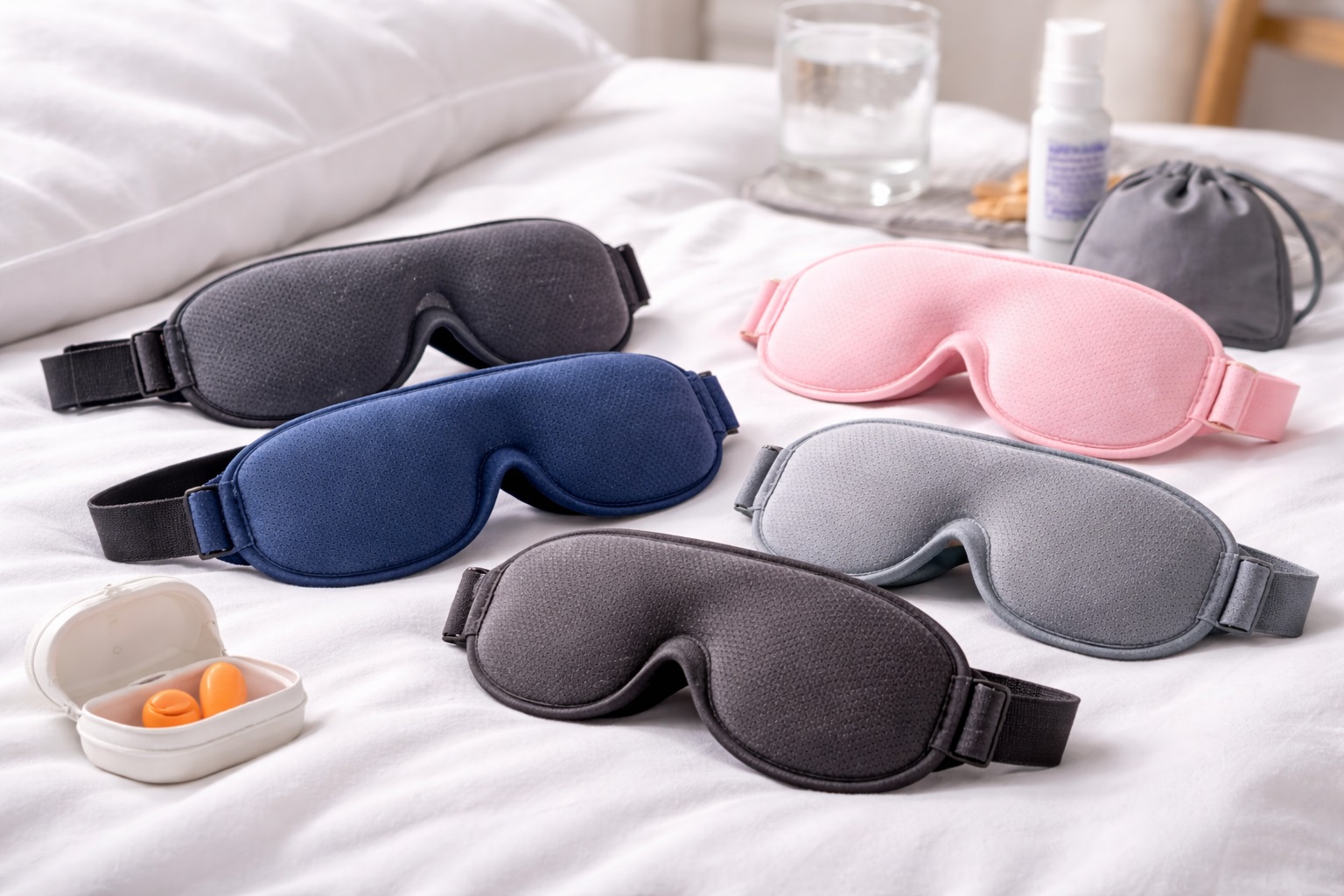
In this guide we're looking at eight popular sleep masks through the lens of how well they hold up over months and years of nightly use, not just how they feel on night one. That means paying attention to strap elasticity, seam construction, how materials respond to repeated washing, and whether foam or padded components tend to flatten or lose their shape over time. Some of these masks are built from natural silk, others from cotton or molded foam, and each material ages differently under regular use.
We'll also flag which brands make it easy to replace worn components rather than forcing you to buy an entirely new mask the moment one part wears out. A mask that costs a little more upfront but lasts three times as long is, by most measures, the better long-term value — and that's the lens we're applying throughout this comparison.
It helps to think about durability in the same practical terms you'd apply to any other daily-use item, like running shoes or a phone case. The first few weeks rarely tell the full story; it's the six-month and one-year mark where cheaper construction typically shows its limits. With that timeline in mind, here's how these eight masks compare on the specific details that determine whether a mask is still comfortable and functional long after the initial unboxing.
Top 8 Best eye mask Picks (Detailed Reviews)
1. Alaska Bear Natural Silk – Best For Long-Term Skin Comfort
Alaska Bear's hypoallergenic mulberry silk isn't just a comfort feature — natural silk fibers are also naturally resistant to the kind of odor buildup and bacterial growth that can degrade cheaper synthetic fabrics over time. That resilience is a big part of why this mask, priced around $15, keeps performing well night after night rather than developing the sour smell or fabric breakdown that lower-quality masks can show after a few months of steady use. The silk's smooth surface also resists the kind of pilling that rougher synthetic blends are prone to.
- Pros:
- Natural silk resists odor buildup and bacterial growth over time
- Smooth fibers resist pilling far better than synthetic blends
- Very affordable for a genuinely long-lasting silk product
- Cons:
- Basic strap design without adjustable buckles
- Requires gentler washing than sturdier synthetic masks
Best For: Sleepers who want a mask that stays fresh-feeling and odor-free over months of nightly use.
Why We Recommend It: Silk's natural resistance to bacteria and odor gives it a longevity advantage that's easy to overlook until you compare it directly against synthetic alternatives. Anyone who has had a cheaper mask start to smell or feel grimy after a few weeks will notice the difference here, and the low price makes this a particularly easy long-term recommendation.
2. Lunya Washable Silk – Best For Silk That Lasts Through Washes
The biggest threat to a silk mask's lifespan is usually the washing machine, since aggressive detergents and high heat can break down silk fibers over repeated cycles. Lunya's Washable Silk is specifically engineered to survive that process, using reinforced seams and a treated silk weave that holds up to regular laundering far better than untreated silk. At around $48, it's the priciest option here, but the ability to keep washing it without watching the fabric degrade is a genuine durability feature, not just a comfort one.
- Pros:
- Reinforced seams and treated weave survive repeated washing
- Retains its silk texture and sheen much longer than untreated silk
- Well-finished construction throughout, including the strap
- Cons:
- Highest price point in this comparison
- Still requires a gentle wash cycle rather than harsh detergents
Best For: Anyone who washes their mask frequently and wants the fabric to still look and feel new after dozens of cycles.
Why We Recommend It: Most silk products lose their luster within a handful of washes; this one is specifically built to resist that decline, which matters enormously for anyone who values long-term hygiene alongside comfort. The higher price effectively buys years of use rather than months, which changes the value calculation considerably.
3. Mavogel Cotton Mask – Best For Rugged Everyday Durability
Cotton doesn't have the delicate reputation that silk does, and that's exactly the point here. Mavogel's cotton construction, combined with its adjustable nose wire, is built to withstand daily handling, tossing in a bag, and regular machine washing without the fragility concerns that come with finer fabrics. At roughly $10, it's also the most affordable mask in this roundup, which makes it an easy one to replace if it ever does wear out — though most owners report getting well over a year of steady use from it.
- Pros:
- Sturdy cotton construction handles rough daily use well
- Nose wire holds its shape without bending out of form
- Very low price makes replacement painless if ever needed
- Cons:
- Doesn't have the refined feel of silk over the long term
- Cotton can show wear patterns faster than tightly woven synthetics
Best For: Sleepers who want a rugged, no-nonsense mask that can handle rough treatment without complaint.
Why We Recommend It: Its low price and sturdy build mean it delivers strong value even if it doesn't outlast the pricier picks, and most users find they simply don't need to think about replacing it for a long time. Even in a worst-case scenario where it wears out sooner than expected, the low cost of replacement keeps the overall value proposition strong.
4. Nidra Dreams – Best For Long-Lasting Strap Elasticity
Strap elasticity is one of the first things to go on a cheap eye mask — the band loosens, stops holding its shape, and eventually stretches out to the point where the mask no longer stays put. Nidra's comfortable elastic strap is built with a denser weave that resists this kind of stretching far longer than typical stretch bands, which is a major reason this roughly $18 mask keeps its loyal following. Reviewers consistently point to the strap holding its snap long after competitors' bands have gone slack.
- Pros:
- Denser elastic weave resists stretching out over time
- Maintains a secure fit even after months of nightly use
- Reasonably priced for the durability it delivers
- Cons:
- Fabric itself is fairly basic compared to silk options
- Not machine washable in the same way cotton or silk masks are
Best For: Anyone who has previously given up on eye masks because the strap always stretched out too quickly.
Why We Recommend It: A mask is only as good as its ability to stay on your face, and this strap holds up noticeably longer than the elastic used in many competing designs. If strap failure has been the recurring reason you've replaced past masks, this is one of the more targeted fixes available.
5. MZOO Sleep Mask – Best For Shape Retention Over Time
Foam-based masks face a specific durability challenge: the molded cups can flatten or lose their contour after repeated compression against a pillow. MZOO's 3D contoured design uses a denser foam that resists this flattening better than typical foam masks, meaning the eye cavity still keeps pressure off your eyes even after months of regular use. At around $20, it holds up well against side-sleeping compression that would degrade a softer foam more quickly.
- Pros:
- Denser foam resists flattening from repeated pillow compression
- Maintains its pressure-free eye cavity over long-term use
- Reasonably priced for a structurally durable design
- Cons:
- Bulkier than flat fabric masks, less packable for travel
- Foam exterior shows wear on the surface fabric before the core degrades
Best For: Side sleepers who need a contoured mask that won't flatten out after a few months of nightly compression.
Why We Recommend It: Cheaper foam masks often lose their shape within weeks; this one is built with denser material specifically to resist that common failure point. Side sleepers in particular tend to compress foam masks more aggressively than back sleepers, making this durability advantage especially relevant to them.
6. Manta Sleep Mask – Best For Replaceable, Repairable Parts
Manta takes a different approach to longevity entirely: rather than trying to make every component last forever, the brand designs the strap and eye cups to be individually replaceable. That means if the strap eventually loosens or a cup wears out, you can often swap that single part rather than replacing the whole $35 mask. It's a philosophy borrowed from modular gear design, and it extends the mask's effective lifespan well beyond what the base materials alone would suggest.
- Pros:
- Replaceable strap and cups extend the mask's usable life
- Adjustable cups reduce wear from constant repositioning
- Sturdy overall construction built for repeated nightly use
- Cons:
- Higher upfront price than simpler fabric masks
- Bulkier design that takes more suitcase space when traveling
Best For: Long-term users who want a mask designed to be maintained and repaired rather than replaced outright.
Why We Recommend It: Very few sleep masks are designed with repairability in mind, and that modular approach is a meaningful durability advantage for anyone planning to use one mask for years. It reframes the purchase less as a disposable accessory and more as a long-term piece of sleep equipment.
7. Tempur-Pedic Sleep Mask – Best For Foam That Resists Flattening
Tempur-Pedic's memory foam is engineered to slowly return to its original shape after compression, which is the same quality that makes the brand's mattresses and pillows last for years without permanently sagging. Applied to a sleep mask, that means the cloud-like support doesn't permanently compress the way cheaper foam can, even after being pressed into a pillow every night. At around $30, it carries that mattress-grade material science into a much smaller, more affordable product.
- Pros:
- Memory foam recovers its shape rather than staying compressed
- Backed by a mattress brand with a strong material-quality reputation
- Comfortable, dense cushioning that holds up over years of use
- Cons:
- Not machine washable, requiring spot cleaning instead
- Retains more heat than silk or cotton over long wear sessions
Best For: Sleepers who want mattress-grade foam durability applied to a sleep mask.
Why We Recommend It: The same recovery properties that keep Tempur-Pedic mattresses supportive for years show up here in a smaller form, giving this mask an unusually long functional lifespan for a foam product. Trusting a brand's core material science to translate well into a smaller accessory is a reasonable bet in this case.
8. Bucky 40 Blinks – Best For Trusted Long-Term Reliability
Bucky has been making travel and sleep accessories for years, and the 40 Blinks reflects that accumulated experience in small construction details — reinforced stitching at stress points, a seam-free interior that won't fray with repeated contact, and a contoured shape that holds its form rather than collapsing flat. At around $12, it's an affordable mask that consistently earns praise for lasting well beyond what its price tag might suggest.
- Pros:
- Reinforced stitching at common stress points
- Seam-free interior resists fraying with nightly contact
- Backed by a well-established brand with a long track record
- Cons:
- Simple elastic strap rather than an adjustable design
- Synthetic fabric doesn't offer silk's natural cooling properties
Best For: Budget-conscious sleepers who still want proven, long-term construction quality.
Why We Recommend It: Bucky's reputation for durable travel gear carries over directly into this mask, and the reinforced construction details show up in exactly the places where cheaper masks typically fail first. For the price, the attention to stress-point construction is genuinely above what you'd expect.
Buying Guide: How to Choose the Best Durable Eye Mask
Longevity in an eye mask comes down to a handful of specific, checkable factors rather than vague impressions of quality. Here's what actually determines how long a mask will last.
1. Strap Material and Construction
Elastic straps eventually lose tension, but denser weaves and reinforced stitching at the strap's attachment points resist this far longer than thin, basic elastic. Adjustable buckle straps also tend to outlast stretch-only designs since they don't rely purely on elastic memory. If you can, gently stretch a strap before buying to get a sense of how quickly it snaps back into shape.
2. Fabric Resistance to Pilling and Wear
Tightly woven natural silk and quality cotton resist the small fabric balls, or pilling, that develop on lower-grade synthetic blends after repeated friction and washing. Checking fabric quality upfront can save you from a mask that looks worn within a few months. Thread count and weave density, when listed, are useful proxies for how well a fabric will hold up.
3. Seam Quality
Reinforced or French seams hold up to nightly stretching and washing far better than simple overlocked stitching, which can start fraying at the edges after moderate use. Seam-free interior construction, where available, removes this failure point entirely. Running a finger along the inside seam before buying can give you a rough sense of build quality.
4. Foam Recovery and Shape Retention
Foam-based masks vary widely in how well they bounce back after being compressed against a pillow all night. Higher-density memory foam recovers its shape more reliably than cheaper, softer foam that can stay permanently flattened after a few months. Pressing on the foam and timing how quickly it springs back is a quick, informal way to compare density between products.
5. Washing Frequency and Fabric Care
A mask that can be washed regularly without degrading tends to last longer in practical terms, since hygiene issues are often what force people to replace a mask before the material itself has actually worn out. Check whether a mask is machine washable or requires gentler hand care.
6. Replaceable Components
Some masks are designed with swappable straps or cups, letting you extend the product's life by replacing only the worn part rather than the entire mask. This is a meaningful long-term value factor that's easy to overlook when comparing masks purely on upfront price.
7. Odor and Bacteria Resistance
Materials like natural silk have some inherent resistance to bacterial growth and odor buildup, which affects how long a mask stays pleasant to use even before the physical materials show wear. Synthetic blends can develop odor issues sooner, prompting earlier replacement regardless of physical condition.
8. Nose Wire and Structural Components
Metal or flexible nose wires should hold their shape after repeated bending rather than losing their form. A nose wire that stays loose after a few weeks of nightly adjustment is a common early failure point worth checking reviews for.
9. Brand Track Record
Established brands with a long history in sleep or travel accessories often have more refined manufacturing processes behind seemingly simple products like eye masks. A brand's broader reputation for durability in related products can be a reasonable proxy when a specific mask lacks extensive long-term reviews.
10. Price as a Durability Signal
While the cheapest option isn't automatically the least durable, extremely low prices sometimes indicate thinner materials or less reinforced construction. Weigh price against material quality and construction details rather than treating it as the only factor.
11. Travel Wear and Tear
Masks that get stuffed into bags, luggage, or pockets face more physical stress than ones used only at home. If you travel frequently, prioritize a mask with sturdier construction that can handle being compressed and jostled regularly.
12. Color and Fabric Fading
Repeated washing and exposure to light can cause some fabrics to fade or discolor over time, particularly darker dyed cottons and synthetics. Higher-quality dyes and treated fabrics tend to hold their color longer through repeated laundering.
13. Warranty and Return Policies
Some brands offer extended warranties or replacement guarantees on sleep accessories, which can be a useful signal of how confident the manufacturer is in the product's long-term durability. Checking a brand's policy before buying can save frustration if a mask fails prematurely.
Frequently Asked Questions
How long should a good eye mask realistically last?
With regular nightly use and proper care, a well-made eye mask can often last one to three years before strap elasticity or fabric quality noticeably declines, though this varies significantly by material and construction.
What's the biggest factor in how long a mask lasts?
Strap elasticity is usually the first component to fail, followed by fabric wear from repeated washing, so prioritizing a mask with a durable strap and wash-resistant fabric tends to extend overall lifespan the most.
Does silk really last longer than synthetic fabric?
High-quality, tightly woven silk can resist pilling and odor buildup better than lower-grade synthetics, though treated or reinforced synthetic blends can also be quite durable, so construction quality matters as much as the base material.
How often should I wash my eye mask?
Washing every one to two weeks is a reasonable baseline for most fabric masks, though checking the specific care instructions for your mask's material will give you the most accurate guidance without risking premature wear.
Can I repair a stretched-out elastic strap myself?
Some masks have removable or adjustable straps that can be tightened or swapped for a replacement, while others use a sewn-in elastic band that's harder to repair at home without basic sewing skills.
Do foam eye masks lose their shape permanently?
Lower-density foam can compress permanently after months of nightly pillow pressure, while higher-density memory foam is specifically designed to recover its original shape between uses.
Is it worth paying more for a durable eye mask?
If you wear a mask nightly, a more durable option often works out cheaper over time than repeatedly replacing a lower-quality mask every few months, even though the upfront cost is higher.
What signs indicate it's time to replace my eye mask?
Loose or stretched-out straps, visible fabric thinning, persistent odor even after washing, and foam that no longer springs back are all reliable signs that a mask has reached the end of its useful life.
Do cotton masks last as long as silk ones?
Quality cotton can be quite durable and resistant to rough handling, though it typically doesn't retain its original smoothness and sheen as long as well-cared-for natural silk does over repeated washing.
Can washing machine cycles damage a silk eye mask?
Hot water and harsh detergents can break down silk fibers over time, so using a cool, gentle cycle with mild detergent — or hand washing where recommended — helps preserve the fabric significantly longer.
Are masks with replaceable parts actually worth the extra cost?
For frequent, long-term users, being able to replace a worn strap or cup rather than the entire mask can offer better long-term value, even if the initial purchase price is higher than a simpler fabric mask.
Does the nose wire on a mask wear out over time?
Repeated bending can eventually fatigue a nose wire's metal core, causing it to hold its shape less reliably, though quality construction generally delays this for a long time under normal nightly use.
Do more expensive masks always last longer?
Not necessarily — price often reflects fabric luxury or brand positioning rather than pure durability, so it's worth checking specific construction details like seam quality and strap material rather than assuming price alone predicts longevity.
Can sunlight or storage affect how long a mask lasts?
Prolonged direct sunlight can fade fabric and weaken elastic over time, so storing your mask in a drawer or pouch when not in use, rather than leaving it on a sunny nightstand, can help it last longer.
Should I rotate between two masks to make them last longer?
Alternating between two masks can reduce daily wear and washing frequency on each individual mask, which may extend the effective lifespan of both compared to relying on a single mask every single night.
Does humidity or bedroom climate affect how long a mask lasts?
High humidity can slow how quickly fabric dries after washing and may encourage odor or mildew if a mask isn't fully dry before storage, so allowing masks to air dry completely helps preserve both fabric and elastic over time.
Are heavier masks generally more durable than lightweight ones?
Not necessarily — weight often reflects material choice rather than construction quality, so a lightweight silk mask with reinforced seams can outlast a heavier but poorly stitched foam mask, and vice versa.
Final Verdict
- Top Pick: Alaska Bear Natural Silk for a genuinely long-lasting silk mask at an accessible price.
- Budget Choice: Mavogel Cotton Mask for rugged, affordable durability that handles daily wear well.
- Premium Choice: Lunya Washable Silk for silk built specifically to survive repeated washing.
Durability in an eye mask isn't just about surviving one accidental wash or a single trip stuffed in a suitcase — it's about whether the mask still performs the way it did on night one after months of consistent, real-world use. The eight options here approach that challenge differently, whether through resilient natural materials, reinforced construction, or a modular design built around replaceable parts, and each strategy has its own trade-offs worth weighing against your budget and habits.
If you tend to wash your sleep accessories often, prioritize the picks built specifically to survive that process rather than a mask that merely looks nice out of the box. And if you're the kind of shopper who'd rather maintain one good mask for years than replace a cheap one repeatedly, the modular and reinforced options in this list are worth the modest premium they carry over the most basic alternatives.