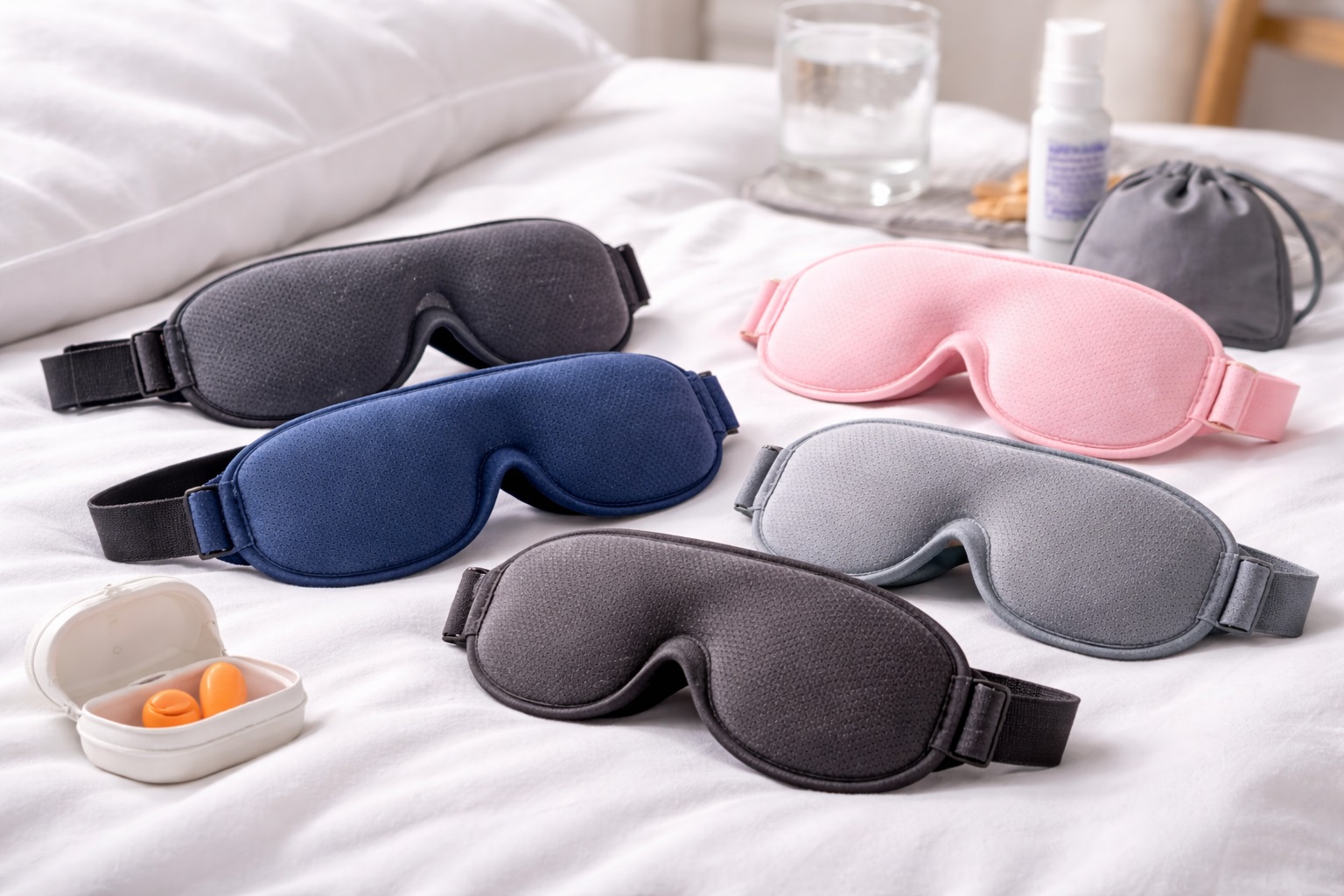
Best Budget Eye Mask in 2026
Spending more on a sleep mask does not automatically buy better sleep. Value is about getting the essentials right, blackout coverage, a comfortable strap, and fabric that will not irritate your skin, without paying extra for features you will never actually use. A lot of the price difference in this category comes down to premium materials like genuine silk or fully adjustable hardware, which matter to some buyers and mean very little to others.
We compared eight well-known sleep masks with an eye specifically on value: how much genuine comfort and blackout performance each one delivers relative to its price, rather than which one has the longest feature list. Below you will find detailed reviews of each model, a buying guide focused on getting the most for your money, and answers to common questions from shoppers trying to avoid overpaying for a good night's sleep.
Whether you are buying your first sleep mask and are not sure it will become a nightly habit, or you simply do not see the point in paying a premium for silk and adjustable hardware, the picks below are built around genuine value rather than upsells. A mask does not need to be expensive to solve the basic problem of unwanted light. We paid close attention to which specific upgrades, like a nose wire, an adjustable strap, or genuine silk, actually change the experience of wearing a mask, and which ones mostly just add to the price tag without a noticeable difference in everyday use.
Top 8 Best Budget Eye Masks (Detailed Reviews)
1. Mavogel Cotton Mask – Best For Maximum Value at the Lowest Price
Mavogel's Cotton Mask leads this list on pure value, coming in at around $10 while still including a nose wire for genuine blackout coverage rather than cutting that feature to hit a lower price point. For anyone testing whether a sleep mask will actually improve their sleep, this is about as low-risk a starting point as the category offers.
Including a functional nose wire at this price is notable, since that feature is often the first thing removed from truly budget designs, and its presence here means you are not sacrificing genuine blackout performance just to save a few dollars, which is exactly the kind of trade-off a genuinely budget-friendly option should avoid making. For buyers comparing several budget masks side by side, checking whether a nose wire is included at all is often a faster way to separate genuinely useful budget options from ones that cut corners to hit a lower price.
- Pros:
- Premier build quality at the lowest price point in this list
- Nose wire for total blackout coverage despite the low cost
- Reputable brand known for effective, affordable sleep masks
- Cons:
- Higher price point than the very cheapest unbranded masks
- Limited color options at this price tier
Best For: First-time buyers who want genuine blackout performance without a big upfront investment.
Why We Recommend It: It delivers a real, useful feature at a price that removes any hesitation about trying a sleep mask.
2. Bucky 40 Blinks – Best For Comfort Without Paying for Extras
Bucky 40 Blinks offers pressure-free eye space, a genuinely useful comfort feature, at around $12, without adding the cost of premium fabrics or adjustable hardware that many buyers do not need. It proves that comfort-focused design does not have to come with a luxury price tag.
The contoured pocket design is a meaningful upgrade over the flattest, cheapest masks, and getting that specific comfort benefit at a budget price is exactly the kind of value this category rewards, especially for anyone who has previously found flat masks pressing uncomfortably on their eyelids.
- Pros:
- Premier build quality at an accessible price
- Pressure-free eye space that improves comfort without added cost
- Reputable brand with wide recognition in sleep and travel accessories
- Cons:
- Higher price point than the thinnest flat masks
- Limited color options across sizes
Best For: Buyers who want a specific comfort upgrade without paying for premium materials.
Why We Recommend It: It delivers a genuine comfort improvement over flat, basic masks while staying solidly in budget territory.
3. Nidra Dreams – Best For Reliable Everyday Value
Nidra Dreams keeps its price around $18 while still offering a comfortable, adjustable strap that avoids the pressure points common on the cheapest generic masks. It sits just above the absolute lowest price tier, reflecting a small step up in build quality.
For buyers who want more confidence in long-term comfort than the very cheapest options can offer, without jumping all the way to premium pricing, this represents a reasonable middle ground within a still-affordable range, appealing to buyers who want a bit more assurance of comfort than the absolute cheapest tier can offer.
- Pros:
- Premier build quality with a durable, adjustable strap
- Comfortable elastic strap that avoids pressure points
- Reputable brand with a long history in sleep accessories
- Cons:
- Higher price point than the most basic drugstore masks
- Limited color options in the standard lineup
Best For: Buyers who want a small step up in comfort without leaving budget pricing behind.
Why We Recommend It: It balances a modest price increase against a genuine, noticeable comfort improvement.
4. Manta Sleep Mask – Best For Long-Term Value Through Durability
Manta Sleep Mask costs more upfront at around $35, but its adjustable eye cups and sturdy construction can represent better long-term value for people who wear a mask nightly and want it to last, rather than replacing a cheaper option every year.
Value is not only about the sticker price, and a mask that lasts several years without needing replacement can work out cheaper over time than repeatedly buying budget masks that wear out faster, which is worth factoring in even though the sticker price looks higher at first glance.
- Pros:
- Premier build quality with fully adjustable components
- Adjustable eye cups built for long-term nightly use
- Reputable brand known for its highly configurable design
- Cons:
- Higher price point than fixed-shape masks
- Limited color options for the adjustable model
Best For: Nightly users who see value in durability rather than the lowest possible upfront price.
Why We Recommend It: Its durability can make it the better long-term value even though the initial price is higher than other options here.
5. Lunya Washable Silk – Best For Occasional Splurge-Worthy Comfort
Lunya's Washable Silk mask, at around $48, is the most expensive option in this roundup, included here specifically as a reference point for what premium materials actually cost compared to the budget-friendly alternatives around it.
Comparing this against the more affordable picks helps illustrate where the real price jump happens in this category, mostly in genuine silk and easy-care construction rather than basic blackout performance, which even the cheapest mask on this list still delivers, reinforcing that the fundamentals of a good mask do not actually require a large budget.
- Pros:
- Premier build quality using genuinely luxurious silk
- Luxurious washable silk that justifies its premium price
- Reputable brand known for premium sleepwear
- Cons:
- Higher price point than every other mask in this list
- Limited color options for the washable silk line
Best For: Buyers who want to understand what premium pricing actually buys before deciding it is worth it.
Why We Recommend It: It offers a useful contrast point for shoppers deciding whether premium materials are worth the extra cost for their own habits.
6. Alaska Bear Natural Silk – Best For Affordable Silk Comfort
Alaska Bear's hypoallergenic mulberry silk mask proves that silk does not have to mean a premium price, coming in at around $15, a fraction of some other silk options. It is a genuine value pick for anyone who wants the smooth, cool feel of silk without paying for a luxury brand name.
Getting real silk at a price close to synthetic alternatives is a meaningful value proposition, particularly for buyers who assumed silk sleep masks were automatically a premium purchase out of reach, when in practice the material itself has become far more accessible than it once was. Wider availability and more efficient manufacturing have brought silk products within reach of budget-conscious shoppers in a way that was not really true a decade ago.
- Pros:
- Premier build quality with a genuine silk exterior
- Hypoallergenic mulberry silk at an accessible price
- Reputable brand with a strong track record in sleep accessories
- Cons:
- Higher price point than basic polyester masks
- Limited color options compared to some competitors
Best For: Buyers who want genuine silk comfort without paying premium silk prices.
Why We Recommend It: It closes the price gap between basic synthetic masks and genuine silk more than almost any other option available.
7. MZOO Sleep Mask – Best For Mid-Range Comfort Features
MZOO's 3D contoured design costs around $20, a reasonable middle price for a mask that addresses side-sleeper comfort specifically, a feature not every budget mask bothers to solve. It sits comfortably between the cheapest options and the premium end of this list.
For buyers with a specific comfort need, like reduced pillow pressure while side sleeping, paying a bit more than the absolute cheapest option for a mask that actually solves that problem tends to be worthwhile value, since an ill-fitting mask that gets abandoned after a week is ultimately worse value than a slightly pricier one that actually gets used. Value, in that sense, is best measured by how often a mask actually gets worn rather than by the number printed on the price tag alone.
- Pros:
- Premier build quality with a 3D contoured shape
- 3D contoured design that addresses a specific comfort need
- Reputable brand recognized specifically for side-sleeper comfort
- Cons:
- Higher price point than flat fabric masks
- Limited color options across the lineup
Best For: Side sleepers who want a specific comfort solution at a reasonable mid-range price.
Why We Recommend It: It targets a real comfort problem directly, making the modest price increase over the cheapest options easy to justify.
8. Tempur-Pedic Sleep Mask – Best For Premium Comfort at a Justifiable Price
Tempur-Pedic's cloud-like cushioned padding costs around $30, positioning it as a premium option that still sits below the most expensive mask in this list. For buyers who want genuinely plush comfort without paying the absolute top price, it offers a reasonable middle ground.
The padded construction is a noticeable step up from thin fabric masks, and getting that upgrade without paying the highest price in the category is a solid value proposition for comfort-focused buyers who still want to stay mindful of price rather than defaulting to the most expensive option on the shelf.
- Pros:
- Premier build quality with cushioned, conforming padding
- Cloud-like support at a price below the most premium options
- Reputable brand known for comfort-focused sleep products
- Cons:
- Higher price point than unpadded fabric masks
- Limited color options in the current lineup
Best For: Buyers who want plush comfort without paying the highest price in the category.
Why We Recommend It: It delivers a genuine comfort upgrade while still costing meaningfully less than the most premium alternative.
Buying Guide: How to Choose the Best Budget Eye Mask
Getting good value from a sleep mask means understanding which features actually affect your comfort and which ones you are unlikely to notice. The sections below break down where the real value lies in this category.
1. Core Blackout Performance
Even the cheapest masks in a reputable lineup generally block light effectively, so blackout performance alone rarely justifies a large price jump between budget and premium options. If total darkness is your main requirement, it is worth confirming that a budget mask still covers the edges and nose bridge adequately before assuming you need to pay more.
2. Strap Quality Versus Price
A comfortable, well-adjusting strap is one of the more noticeable upgrades between the cheapest masks and slightly higher-priced ones, making it a worthwhile place to spend a little extra if budget allows.
3. Fabric Type and Its Real Cost Impact
Genuine silk generally costs more than cotton or synthetic blends, but the price gap has narrowed considerably, making silk accessible even on a modest budget if that texture matters to you.
4. Features You May Not Actually Need
Fully adjustable eye cups or premium padding add cost and may go unused if your face shape and comfort needs are already well served by a simpler, fixed design. Being honest with yourself about which features you would genuinely use, rather than which ones sound appealing in a product description, leads to better spending decisions.
5. Cost Per Year of Expected Use
A slightly pricier mask that lasts several years can work out cheaper over time than repeatedly replacing a very cheap one, so it is worth considering expected lifespan alongside sticker price.
6. Testing Before Committing to Premium Options
Starting with a budget mask is a reasonable way to confirm you will actually use a sleep mask regularly before investing in a more premium version later.
7. Avoiding Unbranded, Unreviewed Options
The very cheapest unbranded masks can lack basic quality control, so staying within a reasonable, reputable budget range is generally safer than chasing the absolute lowest price available.
8. Bundle and Multi-Pack Value
Some brands offer multi-packs at a lower per-unit cost, which can be a smart way to get better value if you want a spare mask on hand or one to keep in a travel bag. Having a spare also means one mask can be in the wash while the other stays in use, which is convenient for nightly users.
9. Warranty Coverage at Lower Price Points
Budget masks sometimes come with more limited return or warranty policies than premium options, so it is worth checking this detail even when the upfront price is low.
10. Matching Price to Actual Usage Frequency
Someone who plans to use a mask occasionally has less reason to spend on premium materials than someone committing to nightly use for years to come.
11. Comparing Cost Per Comfort Feature
Breaking down what each additional dollar actually buys, whether that is a softer fabric, a better strap, or adjustable hardware, helps clarify whether a pricier option is worth it for your specific needs. Listing out your top two or three priorities before shopping makes it easier to resist paying for features that do not actually matter to you.
12. Brand Reputation as a Value Signal
A reputable brand at a budget price point is generally a safer bet than an unfamiliar brand at the same price, since established brands have more reputation at stake in delivering consistent quality.
13. Recognizing When Cheaper Really Is Fine
If your primary goal is simply blocking light occasionally, a basic budget mask may fully meet your needs, and spending more would not meaningfully improve your experience.
14. Reading Reviews to Separate Marketing from Real Value
Product descriptions often emphasize premium-sounding language regardless of actual price tier, so reading genuine buyer reviews is a more reliable way to judge whether a budget mask delivers real comfort rather than just a well-written listing.
15. Understanding Where Budget Pricing Actually Comes From
Lower prices in this category typically come from simpler manufacturing processes and synthetic materials rather than corners cut on basic function, which is why many budget masks still perform their core job well. Knowing this can help you shop with more confidence instead of assuming a lower price automatically signals a lower-quality product across the board.
16. Shipping and Bundle Discounts Worth Watching For
Retailers occasionally bundle a basic sleep mask with other small travel or sleep accessories at a combined price lower than buying each item separately, which can be a practical way to get extra value if the bundled items are things you would have purchased anyway.
17. Return Policies as Part of the Real Price
A budget mask with a generous return window effectively lowers the risk of the purchase, since you can try it for comfort and return it if it does not work out, which is worth factoring into the total value even if the sticker price looks identical to a similar option with a stricter policy.
18. When Paying More Genuinely Pays Off
Paying more tends to be worthwhile when a specific, identifiable need is on the line, such as chronic side-sleeper discomfort or a documented skin sensitivity to synthetic fabric, rather than as a general upgrade for its own sake. Matching the extra spend to an actual, specific problem keeps a purchase decision grounded in real value rather than marketing appeal.
Frequently Asked Questions
Do cheaper eye masks actually block light as well as expensive ones?
Often yes, since basic blackout performance depends more on fit and coverage than on premium materials, so a budget mask with a good seal can perform similarly to a pricier alternative. The main risk with very cheap unbranded options is inconsistent stitching or a poor seal, not the price itself.
What is the biggest difference between a budget and premium sleep mask?
The most noticeable differences are usually fabric quality, strap comfort, and adjustability, while core blackout performance tends to be fairly similar across most reputable options.
Is it worth buying a cheap eye mask just to try the category out?
Yes, starting with an affordable option is a low-risk way to see whether a sleep mask fits into your routine before deciding whether to invest in a more premium version later.
Are budget silk eye masks made from real silk?
Some are, since the price of silk has become more accessible, though it is worth checking product details to confirm genuine silk rather than a silk-like synthetic blend if that distinction matters to you.
How much should I expect to spend on a good budget eye mask?
Solid budget options in this category generally range from around $10 to $20, covering core comfort and blackout needs without premium materials or adjustable hardware. Staying within a reputable brand at this range typically avoids the inconsistency sometimes found in unbranded, extremely cheap alternatives.
Do budget eye masks wear out faster than premium ones?
They can, particularly the strap elastic and stitching, so if you plan to use a mask nightly for years, a slightly higher-priced option may offer better long-term value despite the higher upfront cost. Even so, many budget masks from established brands hold up reasonably well for a year or more of regular use.
Can I get a nose wire for blackout coverage on a budget mask?
Yes, some budget-friendly masks still include a nose wire, so it is not strictly necessary to pay a premium price to get this specific feature.
Is an adjustable strap worth paying extra for on a budget mask?
Generally yes, since strap comfort is one of the more noticeable upgrades even at a modest price increase, making it a reasonable place to spend slightly more if you can.
Should I avoid the absolute cheapest, unbranded eye masks?
It is generally safer to choose a reputable brand even within a budget price range, since completely unbranded options can have inconsistent quality control that is hard to predict in advance.
Do budget eye masks come with any kind of warranty?
Some do, though coverage is often more limited than on premium products, so checking the specific return and warranty policy is worthwhile even for an inexpensive purchase.
Can a budget eye mask still be comfortable for side sleepers?
Yes, though side sleepers may need to look specifically for a contoured or slightly padded budget option rather than the flattest, most basic design to avoid pillow pressure.
Is it better to buy one mid-range mask or two cheap ones?
This depends on your priorities, but one mid-range mask with a comfortable strap and good blackout coverage often provides more consistent satisfaction than two very basic masks of uncertain quality.
Do budget eye masks come in different sizes?
Most rely on an adjustable strap rather than distinct sizing, which generally accommodates a wide range of head sizes without needing to choose a specific size at checkout.
Can a budget eye mask still look and feel nice, or will it seem cheap?
Many budget options from reputable brands are designed with reasonable attention to look and feel, so a low price does not automatically mean a mask will feel flimsy or unpleasant to use.
What should I prioritize first when shopping on a budget?
Strap comfort and basic blackout coverage are the two factors most likely to affect your nightly experience, so prioritizing those over premium fabric or adjustable hardware is a sensible starting point.
Does a lower price always mean lower quality control?
Not necessarily, since many budget masks come from established, reputable brands with consistent manufacturing, though completely unbranded, extremely cheap options do carry a higher risk of inconsistent quality.
Are bundle deals with other sleep accessories actually good value?
They can be, particularly if the bundled items, like an eye mask paired with earplugs or a travel pouch, are things you would have bought separately anyway, though it is worth checking that you are not paying extra for items you will not use.
Should return policy factor into which budget eye mask I choose?
Yes, a generous return window lowers the practical risk of trying a new mask, since you can return it if the comfort or fit does not work for you, which is a meaningful part of the overall value even at a low price.
Can I negotiate better value by waiting for a sale on a premium mask?
Sometimes, since premium masks occasionally go on sale for a price closer to the mid-range tier, which can be a reasonable way to get premium materials without paying full price, though it requires some patience and timing rather than an immediate purchase.
Final Verdict
- Top Pick: Mavogel Cotton Mask for the best overall value with genuine blackout performance.
- Budget Choice: Bucky 40 Blinks for real comfort improvements at a low price.
- Premium Choice: Tempur-Pedic Sleep Mask for plush comfort at a reasonable step up in price.
Getting good value from a sleep mask does not require chasing the lowest possible price or the longest feature list; it means matching your actual comfort needs to a mask that delivers them without unnecessary extras. Any of the eight masks reviewed here represent solid value at their respective price points, so the right pick comes down to which specific features, whether that is a nose wire, a softer strap, or genuine silk, matter enough to you to be worth paying for. Starting with a genuinely affordable option is a perfectly reasonable way to discover your own preferences before ever considering an upgrade to something more premium.