Best Sleep Eye Masks in 2026: 8 Top Picks Compared
A good night's sleep starts long before your head hits the pillow, and for a lot of people it starts with blocking out every last bit of light. Streetlamps, a partner's phone screen, an early sunrise through thin curtains — any of it can be enough to pull you out of deep sleep. A well-made eye mask solves that problem cheaply and without changing anything about your bedroom. In 2026, the category has matured well beyond the flimsy elastic-strap mask that used to come free on a plane. You can now choose from molded 3D designs that never touch your eyelids, breathable mulberry silk that feels good against sensitive skin, and heavy-duty blackout masks built for shift workers and red-eye flights.
We put together this guide by comparing the eye masks that show up again and again in sleep forums, product reviews, and recommendations from people who travel or work night shifts. Instead of just listing specs, we looked at how each mask actually behaves in real use — how it sits against the nose, whether the strap slips off during the night, and how much pressure it puts on the eyes for people who sleep on their side. Below you will find eight strong options across different budgets and needs, followed by a detailed buying guide and answers to the questions people ask most often before buying their first (or fifth) sleep mask.
One thing worth saying up front: there is no universal "best" eye mask, only the best one for how you sleep. A back sleeper who mostly wants a dark bedroom on a red-eye flight has very different needs from a night-shift worker trying to sleep through a bright afternoon, or a side sleeper who has tried three flat masks and given up because they kept pressing into an eyelid. That's why this list spans contoured designs, flat fabric masks, silk, cotton, and foam — so you can match the mask to the actual problem you're trying to solve rather than just buying whatever is most popular.
Top 8 Best Sleep Eye Masks (Detailed Reviews)
1. MZOO Sleep Mask – Best For Side Sleepers
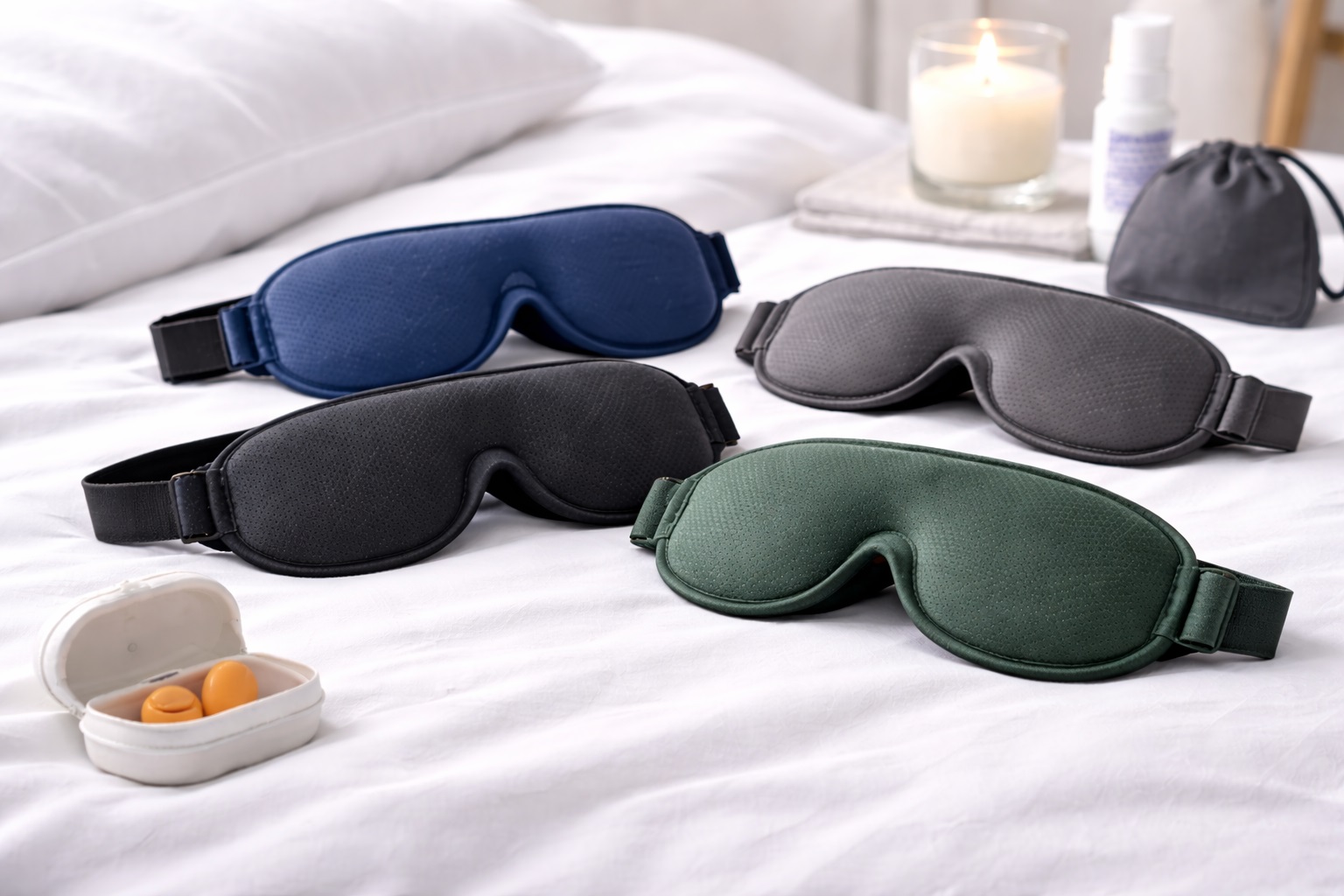
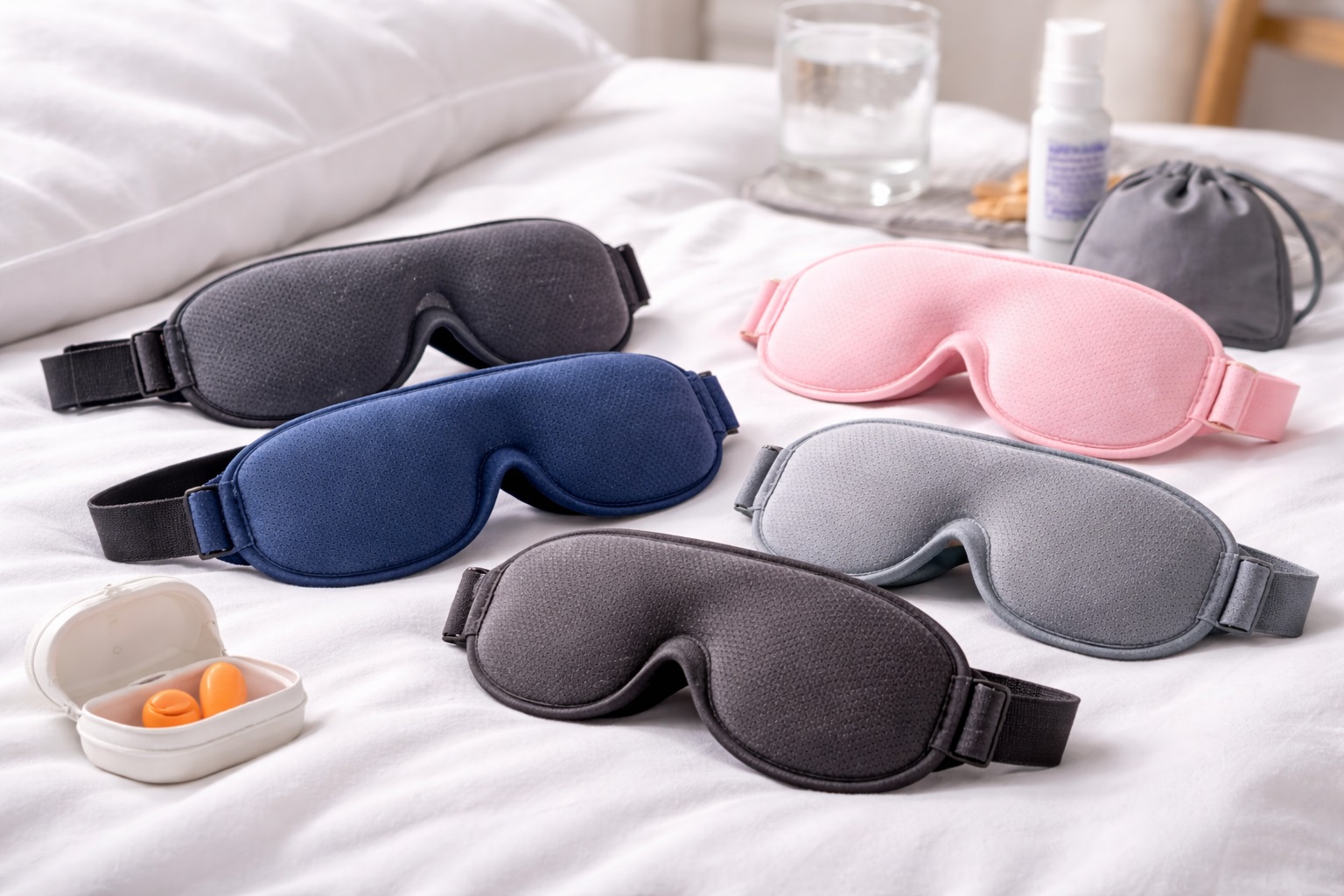
The MZOO Sleep Mask built its reputation on a single idea: the mask itself shouldn't touch your eyeballs. Its 3D contoured cups sit around the eye socket rather than flat against the face, which matters a great deal if you sleep on your side or move around during the night. Instead of pressing on your eyelids the way a flat foam mask does, it leaves a small pocket of open space so your lashes never brush against the fabric. At around $20, it sits comfortably in the mid-range of the market without feeling like a compromise, and the molded shell keeps its shape night after night instead of collapsing flat the way softer fabric masks eventually do.
- Pros:
- Contoured cups avoid contact with eyelids and lashes
- Adjustable strap with a Velcro closure for a custom fit
- Blocks light effectively even for side sleepers
- Cons:
- The molded shape adds a bit more bulk than flat masks
- Velcro can catch on longer hair if not positioned carefully
Best For: Side sleepers and anyone who wants zero pressure on their eyes overnight.
Why We Recommend It: Most eye masks fail the same way — they look fine in photos but press uncomfortably on the eyelids within an hour. The MZOO's contoured design solves that specific complaint, which is why it consistently comes up as a first recommendation for people who have given up on flat masks in the past. It's also one of the few masks in this price range that stays comfortable through a full seven or eight hours rather than needing to be readjusted halfway through the night.
2. Bucky 40 Blinks – Best For Pressure-Free Comfort
The Bucky 40 Blinks takes a lighter, more minimal approach than the MZOO. Rather than a rigid molded shell, it uses a softer contoured design with a pressure-free eye space that flexes with your face. At roughly $12, it's one of the more affordable options here, and its lightweight build makes it easy to forget you're even wearing it once you fall asleep. Because it folds nearly flat, it also tends to survive being stuffed into a carry-on or jacket pocket far better than bulkier molded designs.
- Pros:
- Very lightweight and packs almost flat for travel
- Soft, pressure-free design keeps space around the eyes
- Affordable price point for a name-brand sleep accessory
- Cons:
- Less structured than fully molded masks, so it can shift slightly
- Fabric colors and patterns are fairly limited
Best For: Frequent travelers who want a compact, no-fuss mask that packs down small.
Why We Recommend It: Bucky has been making sleep and travel accessories for years, and the 40 Blinks reflects that experience — it's simple, it's cheap, and it does the one job it's designed for without unnecessary extras. If you just want something to throw in a bag and not think about again, this is the mask that fits that description best.
3. Manta Sleep Mask – Best For Total Customization
The Manta Sleep Mask stands out for one feature almost nobody else offers: individually adjustable eye cups. Each cup can be moved and secured in place with hook-and-loop fasteners, so you can tailor the fit to your exact eye shape and even wear the mask with false eyelash extensions without crushing them. At around $35, it's priced higher than most on this list, but the customization it offers is genuinely unique, and it's the option most frequently recommended in online forums specifically for that reason.
- Pros:
- Adjustable eye cups fit almost any face shape
- 100% blackout coverage with virtually no light leakage
- Strap design distributes pressure evenly around the head
- Cons:
- Higher price than most competitors on this list
- Takes a few nights to dial in the ideal cup position
Best For: Buyers who want a fully customizable, near-total blackout experience.
Why We Recommend It: No other mask here lets you fine-tune the fit cup by cup. Once it's adjusted correctly, the Manta blocks light more completely than flat or single-piece contoured masks, which makes it a favorite among people who work night shifts and sleep during the day. The trade-off is a short adjustment period, but most buyers find it worth the extra setup time.
4. Nidra Dreams – Best For Budget Buyers
The Nidra Dreams keeps things simple with a soft, contoured shape and a comfortable elastic strap that doesn't dig into the back of the head. At about $18, it undercuts several premium options while still offering a decent blackout fit, making it a sensible starting point for anyone who has never used a sleep mask before and isn't ready to spend more. It also comes in a few muted colorways, which is a small but appreciated touch compared to masks that only ship in black.
- Pros:
- Comfortable elastic strap that stays put overnight
- Soft padding reduces pressure around the eyes
- Reasonable price for a contoured design
- Cons:
- Not as rigid or structured as pricier molded masks
- Strap adjustment range is a bit narrower than competitors
Best For: First-time buyers who want a comfortable mask without a big upfront investment.
Why We Recommend It: The Nidra Dreams doesn't try to reinvent the sleep mask, and that's part of its appeal. It covers the fundamentals — comfort, decent blackout, a strap that stays in place — at a price that makes it easy to try without much risk. It's a reasonable mask to buy in pairs, too, so you always have a spare while one is being washed.
5. Alaska Bear Natural Silk – Best For Sensitive Skin
The Alaska Bear Natural Silk mask is built from hypoallergenic mulberry silk on both the outer shell and the inner lining, which makes it one of the gentler options for people with sensitive or acne-prone skin. Priced around $15, it's a genuinely affordable way to add a silk sleep accessory to your nightly routine, and the fabric has the added benefit of being kind to hair and skin compared to synthetic materials. Silk pillowcases get recommended for the same reason, since the smooth fibers create noticeably less friction against skin overnight than cotton or polyester.
- Pros:
- Mulberry silk is gentle on skin and reduces friction on hair
- Lightweight and breathable, even in warmer bedrooms
- Adjustable strap accommodates different head sizes
- Cons:
- Silk requires gentler washing than cotton or synthetic blends
- Flat design offers less blackout than contoured alternatives
Best For: People with sensitive skin, allergies, or a preference for natural fabrics.
Why We Recommend It: Silk masks often get recommended for beauty reasons, but the practical upside is just as important — the smooth surface causes less irritation for people who react to rougher fabrics, and it's noticeably cooler against the skin on warm nights. For anyone who has broken out or gotten a rash from a synthetic mask before, silk is usually the first thing worth switching to.
6. Mavogel Cotton Mask – Best For Blackout Sleep
The Mavogel Cotton Mask uses a soft cotton exterior paired with a built-in adjustable nose wire, a detail that makes a bigger difference than it sounds. That wire lets you mold the bridge of the mask to the shape of your nose, closing the small gap where light usually sneaks in on flat masks. At around $10, it's the most affordable mask on this list and one of the most effective at achieving true blackout, which makes the low price feel almost like an accident given how well it performs.
- Pros:
- Adjustable nose wire seals out light around the nose bridge
- Soft cotton is breathable and gentle on the skin
- Very budget-friendly compared to most alternatives
- Cons:
- Flat design still rests against the eyelids for some sleepers
- Strap is basic elastic rather than a fully adjustable buckle
Best For: Anyone chasing true blackout on a tight budget.
Why We Recommend It: The nose wire is a small addition that solves one of the most common complaints about cheap eye masks — light leaking in around the nose. For the price, the Mavogel punches well above its weight on blackout performance, and it's a smart starter mask for anyone testing whether they'll actually use one before spending more.
7. Tempur-Pedic Sleep Mask – Best For Plush Comfort
Tempur-Pedic brings its memory foam expertise to the eye mask category with a mask built around the same cloud-like support the brand is known for in pillows and mattresses. The foam contours gently to the shape of your face rather than snapping back like elastic, so it feels closer to sinking into a pillow than strapping on a piece of gear. At about $30, it sits in the upper-middle of the price range, aimed at buyers who prioritize plush comfort above all else, and it wouldn't feel out of place sitting next to a Tempur-Pedic pillow on the same nightstand.
- Pros:
- Memory foam contours softly to facial shape
- Strap feels plush rather than tight or elastic
- Trusted brand with a strong reputation for comfort
- Cons:
- Bulkier than fabric-only masks, less ideal for packing
- Premium pricing compared to basic cotton or silk options
Best For: People who want their eye mask to feel as plush as their pillow.
Why We Recommend It: If comfort matters more to you than packability or price, the memory foam construction genuinely feels different from the fabric-only masks on this list, and that difference is noticeable within the first few nights of use. It's a strong choice for anyone who already sleeps on a memory foam pillow and wants that same sensation extended to their eye mask.
8. Lunya Washable Silk – Best For Luxury Seekers
The Lunya Washable Silk mask is aimed squarely at buyers who want a premium bedtime accessory that looks and feels the part. Made from washable silk, it pairs the smooth feel of a traditional silk mask with the practicality of being machine or gentle-cycle washable, addressing one of the biggest downsides of delicate silk products. At around $48, it's the priciest option here, positioned as a small luxury rather than a purely functional purchase, and it comes packaged well enough that it doubles as a genuinely nice gift.
- Pros:
- Washable silk simplifies care compared to traditional silk
- Premium look and feel, well suited as a gift
- Soft against skin and hair, reducing overnight friction
- Cons:
- Most expensive option on this list by a wide margin
- Flat design offers less structured blackout than molded masks
Best For: Buyers who want a premium, gift-worthy mask and don't mind paying for it.
Why We Recommend It: Lunya is known for elevated sleepwear, and this mask carries that same sensibility. The washable silk fabric means you get the luxury feel without worrying about hand-washing every single week, which removes the one real drawback that usually comes with traditional silk products.
Buying Guide: How to Choose the Best Sleep Eye Mask
Eye masks look like a simple product from the outside, but the difference between a mask you actually use every night and one that ends up in a drawer usually comes down to a handful of details. Here's what actually matters when you're comparing options.
1. Fabric and Material Feel
The material touching your face all night affects both comfort and skin health. Silk feels the smoothest and is generally the gentlest on skin and hair, cotton is breathable and easy to care for, and synthetic blends or memory foam offer more structure and padding. If you have sensitive skin, prioritize natural fibers like silk or cotton over synthetic microfiber, since cheaper polyester blends tend to trap heat and oil against the face over a full night.
2. Blackout Performance and Fit
A mask that lets light leak in around the nose or temples defeats its own purpose. Look for designs with an adjustable nose wire, a contoured bridge, or wraparound coverage that seals against your face without requiring you to cinch the strap uncomfortably tight. Even a small gap at the bridge of the nose is enough to let in a surprising amount of light from a hallway or streetlamp.
3. Contoured vs Flat Design
Flat masks are cheaper and pack smaller, but they rest directly on your eyelids, which can feel restrictive to some sleepers and even smudge eye makeup or crush lash extensions. Contoured or cupped designs create space above the eyes, which is generally more comfortable for extended wear and for people who sleep on their side. If you've never tried a contoured mask before, it's worth testing one before assuming all eye masks feel the same.
4. Strap Type and Adjustability
Straps range from simple elastic bands to fully adjustable Velcro or buckle systems. A strap that's too tight causes headaches over a full night's sleep, while one that's too loose lets the mask slip off. An adjustable strap is worth the small premium for most buyers, particularly if more than one person in the household plans to share the same mask.
5. Sleeping Position Compatibility
Side sleepers put more pressure on a mask than back sleepers, since the pillow pushes the mask into the face on the downward side. If you mostly sleep on your side, a contoured or cupped mask will hold up far better than a flat one over time, and it will be less likely to shift out of place when you roll over during the night.
6. Breathability and Temperature
Foam and thicker padded masks trap more heat against the face, which can be uncomfortable in warmer climates or during summer months. Lighter fabrics like silk and cotton breathe better and are usually the more comfortable choice if you tend to sleep warm, while foam options are better suited to people who run cold or sleep in air-conditioned rooms.
7. Weight and Bulk
Heavier, more structured masks feel secure but can also feel bulky, especially if you move around a lot during sleep. Lighter masks are easier to forget about once you're asleep, though they may offer slightly less rigid blackout coverage, so there's usually a small trade-off between structure and how noticeable the mask feels.
8. Compatibility With Glasses or Contacts
If you wear glasses to bed for reading beforehand, or you're removing contacts right before sleep, look for a mask with enough internal depth that it won't press on your eyes even without lenses in. Contoured designs generally handle this better than flat ones, since the added depth leaves room for eyes that are still adjusting after contacts come out.
9. Cleaning and Maintenance
Fabric masks accumulate oils and skin residue over time just like a pillowcase does. Check whether the mask is machine washable, hand-wash only, or simply wipeable, and factor that into how often you're realistically willing to clean it, since a mask that requires delicate hand-washing often gets cleaned less often than it should.
10. Portability for Travel
If you plan to use your mask on flights or trips, look for something that folds flat or comes with a small storage pouch. Bulkier foam masks can take up more room in a carry-on than a simple silk or cotton option, which matters more than it seems once you're also packing headphones, a neck pillow, and other travel gear.
11. Hypoallergenic and Sensitive-Skin Options
People prone to breakouts or skin irritation should look specifically for hypoallergenic materials like mulberry silk, which is naturally resistant to dust mites and gentler on skin than synthetic fabrics that can trap oil and bacteria against the face overnight. This matters even more for anyone who already deals with acne along the hairline or temples.
12. Price vs Long-Term Value
A $10 mask that falls apart in two months isn't necessarily cheaper than a $30 mask that lasts several years. Consider stitching quality, strap durability, and how easy the fabric is to clean when weighing price against expected lifespan, and remember that a mask you actually enjoy wearing gets used far more consistently than one you tolerate.
13. Matching the Mask to Your Routine
A frequent traveler has different priorities than someone using a mask nightly at home. Decide whether portability, blackout performance, plush comfort, or skin-friendliness matters most for your specific routine, and let that priority guide your final choice rather than picking whatever is most popular. The right mask is simply the one you'll actually reach for every night without thinking twice.
Frequently Asked Questions
Is a premium eye mask actually worth the extra cost?
For most people, yes, if you use it regularly. A mask with better blackout coverage and a more comfortable fit is more likely to actually get used every night rather than abandoned after a week, which makes the extra cost worthwhile over time.
How do I clean my eye mask?
It depends on the material. Silk masks generally need hand washing or a gentle cycle in a mesh laundry bag, cotton masks are usually machine washable, and foam-based masks should typically just be spot cleaned with a damp cloth since the padding can't handle a full wash cycle.
Will an eye mask smudge my makeup or crush my eyelash extensions?
Flat masks that rest directly on the eyelids are more likely to smudge makeup or press on lash extensions. Contoured masks with raised eye cups, like the MZOO or Manta, avoid this by keeping fabric away from your eyelids entirely.
Are silk eye masks better than cotton ones?
Silk tends to be gentler on skin and hair and feels cooler against the face, while cotton is more breathable, easier to wash, and typically less expensive. Neither is objectively better; the right choice depends on your skin sensitivity and budget.
What's the difference between a contoured mask and a flat mask?
A contoured mask has molded cups or padding that create space above the eyes, so nothing presses on your eyelids. A flat mask is a single piece of fabric that lies directly against your face, which is simpler and cheaper but offers less separation from your eyes.
Can side sleepers use eye masks comfortably?
Yes, but the design matters more for side sleepers than for back sleepers. A contoured mask that doesn't rely on thick padding along the temple tends to be far more comfortable than a bulky mask when your face is pressed against a pillow.
Do eye masks help with headaches or eye strain?
Blocking out light can reduce the kind of eye strain that comes from squinting against ambient light while trying to sleep, and a properly fitted, non-restrictive mask shouldn't add pressure that causes headaches. A too-tight strap, however, can contribute to head or temple discomfort.
Are eye masks good for naps as well as nighttime sleep?
Absolutely. A lightweight, packable mask like the Bucky 40 Blinks is especially convenient for daytime naps, flights, or any situation where you need to block light quickly without a full bedtime setup.
How tight should an eye mask strap be?
It should feel snug enough to block light around the edges without leaving marks on your skin or causing pressure on your temples. If you wake up with an indentation or a headache, the strap is likely too tight.
Can I wear an eye mask with glasses nearby or after removing contacts?
Yes, as long as the mask itself has enough internal space that it doesn't press directly on closed eyelids. Contoured masks handle this more comfortably than flat masks, which sit closer to the eye surface.
Do cheaper eye masks work as well as expensive ones?
Budget masks like the Mavogel Cotton Mask can offer surprisingly good blackout performance through simple features like an adjustable nose wire. The main trade-offs at lower price points are usually strap adjustability and long-term durability rather than basic light-blocking ability.
How long does a typical eye mask last before it needs replacing?
With regular washing and normal wear, a well-made mask can last one to two years or longer. Elastic straps tend to lose stretch before the fabric itself wears out, so a loosening strap is usually the first sign it's time for a replacement.
Should I buy more than one eye mask?
Many people keep a sturdier mask for home use and a lightweight, packable one for travel, since the two situations prioritize different things. It's a reasonable approach if your budget allows for it, rather than trying to find one mask that does everything perfectly.
Final Verdict
- Top Pick: MZOO Sleep Mask for its contoured, pressure-free fit and reliable blackout.
- Budget Choice: Mavogel Cotton Mask for effective light-blocking at the lowest price.
- Premium Choice: Manta Sleep Mask for fully adjustable, near-total blackout coverage.
There's no single eye mask that's right for everyone, and that's really the main takeaway here. Side sleepers should lean toward contoured designs like the MZOO or Manta, budget-conscious buyers will get solid results from the Mavogel or Nidra Dreams, and anyone with sensitive skin should look closely at the Alaska Bear or Lunya silk options. Whichever one you choose, the biggest improvement in sleep quality usually comes simply from committing to wearing a mask consistently rather than picking the theoretically perfect one and never quite building the habit.