Best Comfortable Eye Mask in 2026
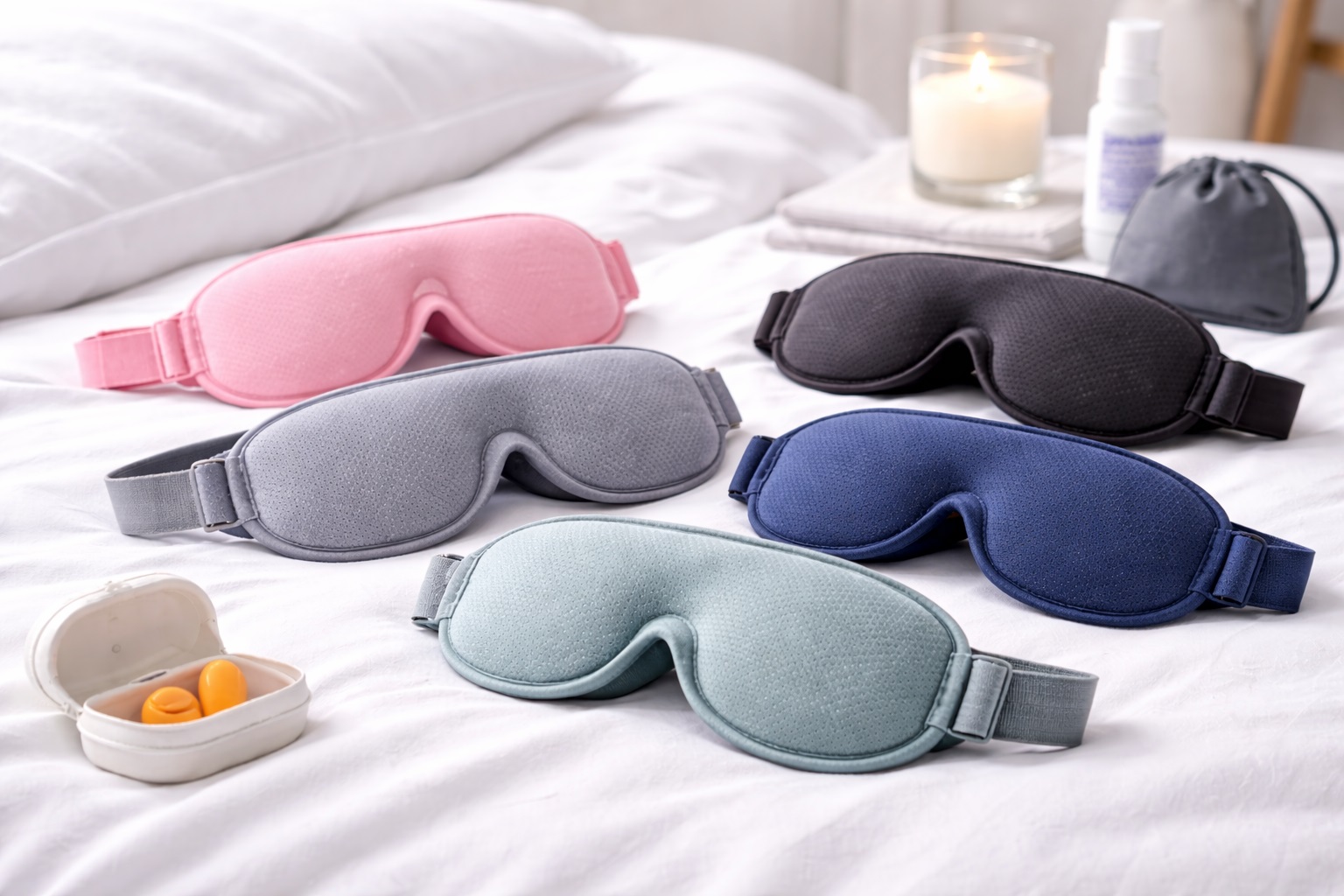
Blackout performance means nothing if a mask is too uncomfortable to actually keep on. Soft materials against the skin, a strap that does not pinch, and a shape that does not press awkwardly on the eyes are what determine whether a sleep mask becomes part of your nightly routine or ends up tossed aside after a few frustrating nights. This guide focuses specifically on that comfort question, since it is often overlooked in favor of flashier specs like fabric type or brand name alone.
We compared eight well-known sleep masks with comfort as the primary lens: how soft the fabric genuinely feels against sensitive skin, how the strap holds up through hours of wear without digging in, and whether the overall shape avoids pressing uncomfortably on the eyes or face. Below you will find detailed reviews of each model, a buying guide focused on the specific traits that make a mask comfortable, and answers to frequently asked questions from people who have struggled with uncomfortable masks in the past.
Whether you have tried a scratchy, ill-fitting mask before and given up on the category entirely, or you are simply particular about how things feel against your skin, the picks below are chosen specifically for softness and wearability. A mask you forget you are wearing is the real goal here, not just one that technically blocks light. We also considered how each design holds up to a full night of natural movement, since a mask that feels comfortable for the first ten minutes is not always the same one that still feels good after several hours.
Top 8 Best Comfortable Eye Masks (Detailed Reviews)
1. Tempur-Pedic Sleep Mask – Best For Plush, Cushioned Comfort
Tempur-Pedic's cloud-like cushioned padding is about as soft and forgiving as this category gets, conforming gently to your face rather than pressing against it with a flat, rigid surface. At around $30, it sits in the mid-to-premium range, reflecting the padded construction that drives its comfort.
The cushioning also means the mask adapts somewhat to your specific face shape over repeated use, gradually feeling more personalized rather than staying rigid the way a thinner, unpadded mask might, and many long-term owners report that it actually becomes more comfortable the longer they own it. That gradual break-in process is a detail worth expecting rather than being surprised by, since the first few nights may feel only slightly different from a standard mask before the padding fully adapts.
- Pros:
- Premier build quality with cushioned, conforming padding
- Cloud-like support that feels genuinely plush against the face
- Reputable brand known for comfort-focused sleep products
- Cons:
- Higher price point than unpadded fabric masks
- Limited color options in the current lineup
Best For: Sleepers who want the plushest, most cushioned feel available in this category.
Why We Recommend It: Its padded construction offers a noticeably softer, more forgiving feel than typical thin fabric masks.
2. Nidra Dreams – Best For a Gentle, Well-Balanced Strap
Nidra Dreams focuses its comfort advantage on a well-designed elastic strap that distributes pressure evenly rather than digging in at a single point behind the head. At around $18, it remains an accessible pick for anyone whose main complaint with past masks has been an uncomfortable strap.
A strap is often the first thing to become uncomfortable during extended wear, and this design's even pressure distribution addresses that specific complaint directly, rather than focusing purely on the fabric covering the eyes, since even the softest fabric will not feel comfortable if the strap behind it is constantly pulling too tight. A strap that stays comfortable through a full night also means less temptation to loosen it partway through sleep, which helps preserve blackout coverage as an added benefit of getting the fit right in the first place.
- Pros:
- Premier build quality with a durable, adjustable strap
- Comfortable elastic strap that avoids pressure points
- Reputable brand with a long history in sleep accessories
- Cons:
- Higher price point than the most basic drugstore masks
- Limited color options in the standard lineup
Best For: Sleepers whose main comfort complaint with past masks has been an uncomfortable, pinching strap.
Why We Recommend It: A well-balanced strap solves a common comfort problem that fabric quality alone cannot fix.
3. MZOO Sleep Mask – Best For Reducing Pressure on the Eyes
MZOO's 3D contoured design creates space directly over the eyes, avoiding the pressure that flat masks place on closed eyelids. At about $20, it is a mid-range option built specifically around this comfort-focused shape.
For anyone who has felt eye strain or discomfort from a mask pressing on their eyelids, this contoured pocket design solves that particular issue while still maintaining coverage around the perimeter for effective light blocking, striking a balance that a purely flat design usually cannot achieve at the same time.
- Pros:
- Premier build quality with a 3D contoured shape
- 3D contoured design that avoids pressure directly on the eyes
- Reputable brand recognized specifically for side-sleeper comfort
- Cons:
- Higher price point than flat fabric masks
- Limited color options across the lineup
Best For: Sleepers who have experienced discomfort from fabric pressing directly on their eyelids.
Why We Recommend It: The contoured pocket removes direct pressure on the eyes while keeping the rest of the fit secure and comfortable.
4. Manta Sleep Mask – Best For a Fully Personalized Comfort Fit
Manta Sleep Mask's adjustable eye cups let you fine-tune the exact position of each panel, which is one of the most direct ways to solve a specific comfort complaint rather than hoping a fixed shape happens to work for your face. At around $35, it is the most premium option here.
Comfort is deeply personal, and being able to adjust the fit yourself rather than relying on a single universal shape means this mask can be tailored specifically to whatever has bothered you about masks in the past, whether that is pressure at a specific point or a gap that never quite closed with previous options.
- Pros:
- Premier build quality with fully adjustable components
- Adjustable eye cups that solve individual comfort complaints
- Reputable brand known for its highly configurable design
- Cons:
- Higher price point than fixed-shape masks
- Limited color options for the adjustable model
Best For: Buyers who know exactly what has bothered them about past masks and want to fix it directly.
Why We Recommend It: Personalized adjustability solves comfort problems that a fixed, one-size design simply cannot address.
5. Mavogel Cotton Mask – Best For Breathable, Familiar Softness
Mavogel's Cotton Mask uses a soft cotton exterior that many people find more familiar and breathable than synthetic alternatives, while still including a nose wire for effective coverage. At around $10, it is a budget-friendly way to get genuine comfort.
Cotton's breathability is a real comfort advantage for anyone who tends to sleep warm, since it allows more airflow against the skin than some synthetic or heavily padded alternatives, which can make a real difference during warmer months or in a bedroom without strong climate control. For anyone who has previously switched away from a padded or synthetic mask specifically because it felt too warm, a breathable cotton option like this one is worth trying before assuming all sleep masks run hot.
- Pros:
- Premier build quality with a soft cotton exterior
- Breathable cotton fabric that feels familiar and comfortable
- Reputable brand known for effective, affordable sleep masks
- Cons:
- Higher price point than the very cheapest masks
- Limited color options at this price tier
Best For: Warm sleepers who want a breathable, familiar fabric feel.
Why We Recommend It: Cotton's breathability offers a genuine comfort benefit for anyone who overheats in synthetic or padded masks.
6. Bucky 40 Blinks – Best For Pressure-Free All-Night Wear
Bucky 40 Blinks is built specifically around pressure-free eye space, a design choice aimed squarely at long-term comfort during extended wear. At about $12, it is one of the more affordable options while still directly addressing a specific comfort complaint.
The contoured pocket keeps fabric from resting on the eyelids throughout the night, which many people find meaningfully more comfortable than a flat mask, particularly during hours of continuous wear, which is often when discomfort from a flat mask becomes most noticeable. Because the pocket design keeps fabric off the eyes entirely rather than just softening the contact, it tends to remain comfortable even for people who blink or move their eyes frequently while drifting off.
- Pros:
- Premier build quality at an accessible price
- Pressure-free eye space designed for extended comfort
- Reputable brand with wide recognition in sleep and travel accessories
- Cons:
- Higher price point than the thinnest flat masks
- Limited color options across sizes
Best For: Sleepers who want to avoid any fabric pressure on their eyelids during long stretches of sleep.
Why We Recommend It: Its pressure-free design is specifically built around long-term comfort rather than any other single feature.
7. Lunya Washable Silk – Best For Luxurious, Everyday Softness
Lunya's Washable Silk mask offers a premium, luxurious softness that many buyers describe as noticeably different from standard synthetic fabrics. At around $48, it is the most premium option here, aimed at buyers who prioritize comfort above all else.
Silk's naturally smooth texture avoids the friction that can make other fabrics feel rough against sensitive skin over a full night, and its washability means that soft feel does not degrade after repeated use, which is an important detail for a fabric that is otherwise sometimes fussy to maintain.
- Pros:
- Premier build quality using genuinely luxurious silk
- Luxurious washable silk that stays soft through repeated washing
- Reputable brand known for premium sleepwear
- Cons:
- Higher price point than most masks in this list
- Limited color options for the washable silk line
Best For: Buyers who want the most luxurious, softest fabric feel available and are willing to pay for it.
Why We Recommend It: Genuine silk offers a comfort experience that is difficult to replicate with synthetic materials.
8. Alaska Bear Natural Silk – Best For Affordable, Gentle Comfort
Alaska Bear's hypoallergenic mulberry silk mask brings genuine silk comfort to a more accessible price point of around $15, making it a practical option for buyers who want a gentler feel without the premium cost of some silk alternatives.
Its hypoallergenic properties make it a particularly comfortable choice for sensitive skin, avoiding the irritation that rougher synthetic fabrics can sometimes cause over a full night of wear, which matters especially for anyone who has previously woken up with red marks or irritation from a mask.
- Pros:
- Premier build quality with a genuine silk exterior
- Hypoallergenic mulberry silk gentle on sensitive skin
- Reputable brand with a strong track record in sleep accessories
- Cons:
- Higher price point than basic polyester masks
- Limited color options compared to some competitors
Best For: Buyers with sensitive skin who want genuine silk comfort at a more accessible price.
Why We Recommend It: It balances genuine comfort benefits with a price that makes trying silk far less of a commitment.
Buying Guide: How to Choose the Most Comfortable Eye Mask
Comfort is subjective, but certain design choices reliably improve it across most users. The sections below cover the specific traits worth prioritizing if comfort is your primary concern.
1. Fabric Softness Against Skin
Silk and high-quality cotton generally feel softer against the skin than basic synthetic blends, though personal skin sensitivity plays a large role in which fabric feels best to you specifically.
2. Strap Design and Pressure Distribution
A strap that distributes pressure evenly across a wider area is generally more comfortable than a thin, single-point elastic band that can dig in behind the ears or head. A split-strap design that wraps both above and below the ears often distributes tension more evenly than a single continuous band.
3. Contoured Space Over the Eyes
A contoured design that avoids direct contact with closed eyelids is often more comfortable for extended wear than a flat mask pressed flush against the face.
4. Breathability and Temperature Regulation
Fabrics that allow some airflow, like cotton or lightweight silk, tend to feel more comfortable for people who sleep warm compared to heavily padded or insulated designs. This is worth considering alongside your bedroom's typical temperature and whether you already tend to overheat during sleep.
5. Weight and Bulk of the Mask
Lighter masks generally feel less noticeable during sleep, though some people specifically prefer the grounding feel of a slightly heavier, padded design, so this comes down to personal preference.
6. Adjustability for a Personalized Fit
Masks with adjustable components can be tailored to address a specific comfort complaint, offering more room to solve fit issues than a fixed, one-size design.
7. Seam Placement and Construction
Seams that sit directly over the nose bridge or across the eyes can cause discomfort, so checking construction details or reviews that mention seam placement is worthwhile. This is a detail that is easy to overlook in product photos but quickly becomes noticeable during actual use.
8. Hypoallergenic Properties for Sensitive Skin
Buyers with sensitive or easily irritated skin should prioritize hypoallergenic fabrics like certain silk types, which are less likely to cause irritation than some synthetic blends.
9. Softness Retention After Washing
Some fabrics stiffen noticeably after repeated washing, so a mask that maintains its soft feel over many wash cycles offers better long-term comfort than one that only feels good when new. Following the specific care instructions for your fabric type is one of the simplest ways to preserve that original softness for longer.
10. Fit Consistency for Different Face Shapes
A mask that fits well on an average face shape may not suit a notably smaller or larger head, so checking sizing details or adjustable strap range matters for comfort specifically.
11. Reducing Pressure Around the Nose
Masks that avoid pressing tightly against the bridge of the nose tend to be more comfortable for extended wear, particularly for people who already find nose pressure uncomfortable from glasses or other accessories.
12. Price Relative to Comfort Features
Premium comfort features like genuine silk or adjustable padding generally cost more, but a mid-range mask with thoughtful strap design can still offer excellent comfort without the highest price tag. It is worth deciding which specific features matter most to you before assuming the priciest option is automatically the most comfortable.
13. Trial and Error to Find Your Preference
Since comfort is personal, trying a couple of different styles, contoured versus flat, silk versus cotton, can help you identify your own preferences more reliably than reading reviews alone.
14. Keeping a Mask Fresh for Continued Comfort
Regular washing according to the fabric's care instructions helps a mask stay soft and pleasant against the skin, since built-up oils and residue can make even a genuinely soft fabric start to feel less comfortable over time.
15. Comfort for Glasses Wearers
People who wear glasses during the day sometimes have more sensitive skin around the nose bridge and temples from daily frame contact, so a mask that avoids adding further pressure in those same spots can make a noticeable comfort difference for this group specifically.
16. Comfort During Illness or Congestion
A mask that presses on the sinuses or nose can feel considerably more uncomfortable during a cold or allergy flare-up than it does normally, so a design with a light touch around the nose and cheeks tends to hold up better across a wider range of everyday conditions.
17. Sensory Sensitivity and Fabric Texture
Some people are simply more sensitive to fabric texture against the skin than others, regardless of objective fabric quality, so paying attention to your own past reactions to different materials, silk, cotton, or synthetic blends, is a more reliable guide than general reviews alone.
18. Comfort Across Different Sleep Stages
A mask that feels fine while you are still awake and settling in may feel different once you are deeply asleep and moving less deliberately, so reviews that specifically mention overnight or long-term wear tend to be more useful than first-impression comments.
19. Comfort Differences Between Sleeping Alone and With a Partner
Sharing a bed can mean more incidental contact and movement during the night than sleeping alone, so a low-profile, securely fitted mask that will not easily shift or catch on a pillow or blanket tends to hold up better in that specific situation.
Frequently Asked Questions
What makes an eye mask comfortable for most people?
A soft, breathable fabric combined with an evenly distributed strap and enough space around the eyes to avoid direct pressure are the main factors that determine comfort for the majority of sleepers.
Why do some eye masks feel uncomfortable even though they look well made?
Comfort often comes down to details that are not obvious from photos alone, like exact strap tension, seam placement, and how closely the mask matches your specific face shape.
Is silk always more comfortable than cotton for a sleep mask?
Not necessarily for everyone; silk tends to feel smoother and cooler, but some people find cotton's familiar texture and breathability equally or more comfortable depending on personal preference. Neither fabric is objectively superior across the board.
How do I stop my eye mask strap from digging in?
Looking for a wider strap that distributes pressure more evenly, and making sure it is not overly tightened, both help reduce the digging-in sensation some masks cause.
Can a contoured eye mask really be more comfortable than a flat one?
Yes, for many people, since the contoured space avoids direct pressure on the eyelids, though some people still prefer the simplicity and low profile of a flat design.
Do padded eye masks sleep hotter than thin fabric ones?
They can, since extra padding tends to retain more heat, so people who sleep warm may prefer a thinner, more breathable fabric over a heavily cushioned design.
How do I know if an eye mask will irritate my sensitive skin?
Checking for hypoallergenic fabric labeling, particularly with silk options, and reading reviews from other buyers with sensitive skin are the most reliable ways to gauge this before purchasing.
Will an eye mask feel less comfortable after it has been washed several times?
Some fabrics can stiffen slightly with repeated washing, though higher-quality materials and gentle washing methods generally help a mask retain its original softness for longer.
Is an adjustable eye mask worth it just for comfort reasons?
If you have a specific, recurring comfort complaint with standard masks, an adjustable design can be worth the extra cost since it lets you directly address that issue rather than hoping a fixed shape happens to work.
Can an uncomfortable eye mask actually disrupt sleep more than not wearing one at all?
Yes, if a mask causes enough irritation or pressure to wake you or keep you from settling in, it can work against the goal of better sleep, which is why comfort should be a top priority alongside blackout performance.
How long does it typically take to get used to wearing a sleep mask?
Many people adjust within a week or two of consistent use, though choosing a genuinely comfortable mask from the start makes that adjustment period considerably shorter and easier. Giving it a fair trial rather than giving up after one or two nights is generally worthwhile.
Should side sleepers prioritize different comfort features than back sleepers?
Yes, side sleepers generally benefit more from a contoured, low-profile design that avoids pillow pressure, while back sleepers have more flexibility to consider padded or flatter designs equally.
Can wearing an eye mask cause headaches or discomfort around the temples?
An overly tight strap or a mask with a rigid edge pressing on the temples can contribute to this, so choosing an adjustable strap and a softer, more flexible edge design can help avoid the issue.
Do eyelash extensions affect which eye mask is most comfortable?
Yes, a contoured mask with extra space over the eyes is generally more comfortable and safer for eyelash extensions than a flat mask that presses fabric directly against the lashes.
Is it normal for a new eye mask to feel slightly stiff before the first wash?
Some fabrics do feel slightly stiffer straight out of the packaging, and a gentle first wash following the care instructions can help soften the material before regular use.
Are sleep masks comfortable for people who wear glasses during the day?
Many are, though it is worth choosing a design that avoids adding pressure to the same spots on the nose and temples that glasses frames already contact throughout the day, since that skin can be more sensitive than average.
Does a sleep mask feel different when I have a cold or allergies?
It can, since congestion often makes the nose and sinus area more sensitive to pressure, so a lighter-touch design around that area may feel noticeably more comfortable during those periods than a mask with a firmer nose seal.
Why does the same mask feel comfortable to one person and irritating to another?
Individual sensitivity to fabric texture and pressure varies quite a bit, so a mask that one person finds perfectly soft may feel rough or restrictive to someone else, which is why personal trial often matters more than general reviews.
Does sharing a bed affect which eye mask is most comfortable?
It can, since more movement and incidental contact during the night make a secure, low-profile fit more important than it might be for someone sleeping alone, where a bulkier design is less likely to get bumped or shifted.
Can the same eye mask work equally well for a nap and for a full night of sleep?
Generally yes, though a mask that feels comfortable for a short nap does not always hold up the same way across many consecutive hours, so it is worth testing your final choice for a full night before assuming it is equally suited to both uses.
Final Verdict
- Top Pick: Tempur-Pedic Sleep Mask for overall excellence.
- Budget Choice: MZOO Sleep Mask for great value.
- Premium Choice: Nidra Dreams for high-end features.
Comfort is ultimately personal, shaped by your specific skin sensitivity, sleeping position, and what has bothered you about masks in the past. Any of the eight masks reviewed here address comfort in a distinct way, so identifying your own specific complaint, whether that is a pinching strap, pressure on the eyelids, or a fabric that feels too rough, should guide you toward the pick most likely to actually stay on your face through the night. Giving a new mask a genuine trial of several nights, rather than judging it after a single use, is usually the fairest way to know whether it has truly solved your particular comfort issue.