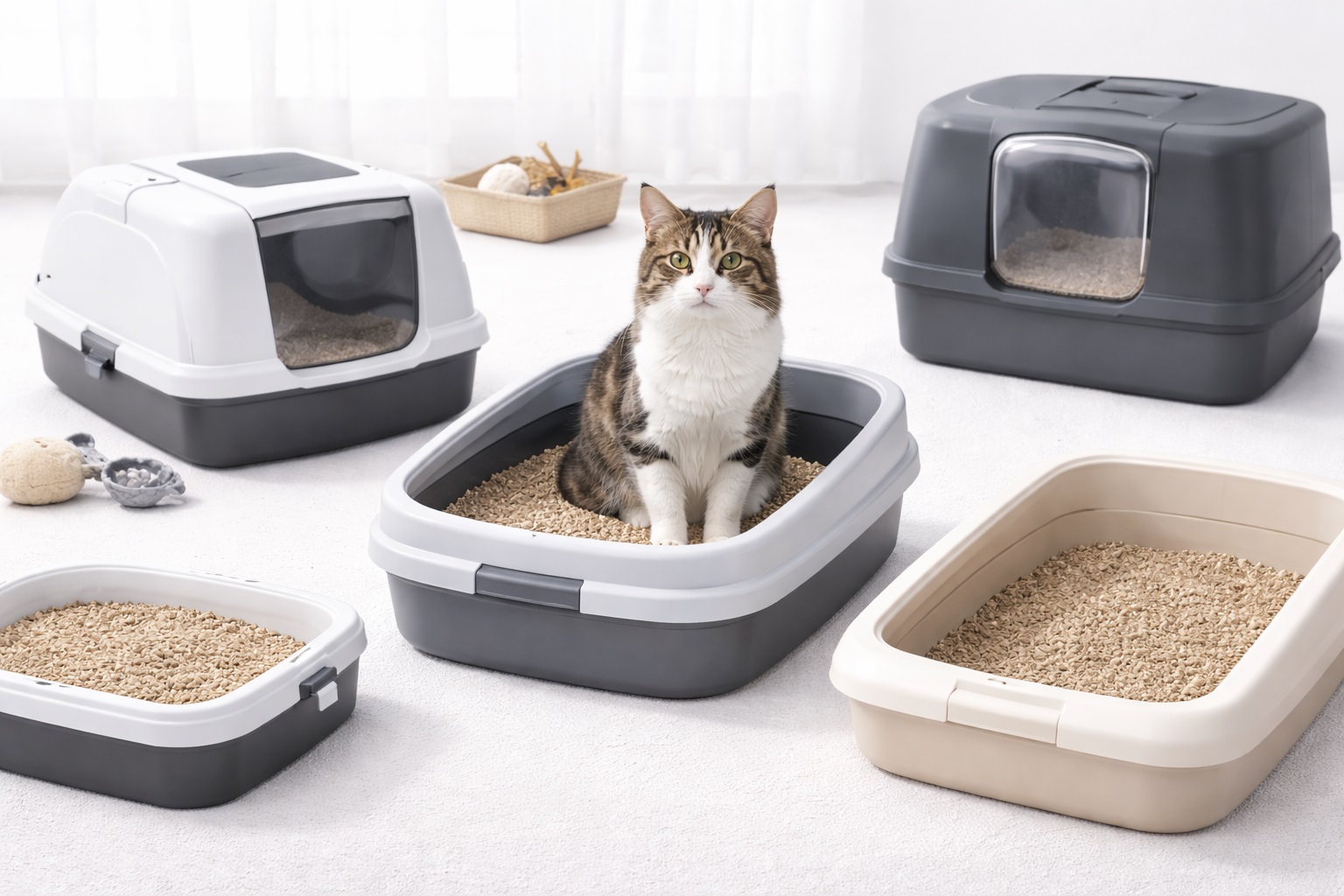
Best Durable Cat Litter Boxes That Survive Daily Multi-Cat Use
A litter box in a multi-cat household or under heavy daily use takes a beating that a lightly used single-cat box never experiences, and the difference between a box built for that load and one that was not becomes obvious within months rather than years. Repeated digging wears grooves into thin plastic, scooping scratches the surface until it holds onto odor no amount of washing can fully remove, and constant weight-bearing at the entry point eventually cracks cheaper shells. None of this happens overnight, but it happens faster than most owners expect, which is why durability deserves its own separate consideration rather than being an afterthought to size or design, treated as a checkbox feature rather than a genuine factor in the purchase decision.
This guide focuses on what actually makes a litter box hold up over years of real use in a busy household rather than looking new in a product photo taken on day one, since a box's first-week appearance says almost nothing about how it will perform after a hundred or a thousand uses. Wall thickness, plastic quality, surface finish, and how a design handles the specific stress of repeated digging and scooping all matter more here than they do for an occasional-use box, and none of these qualities are usually obvious from a product photo or a short in-store inspection alone. For households running two or more cats through the same box daily, or a single cat that digs enthusiastically, these factors compound quickly, turning what would be a minor cosmetic issue in a lightly used box into a genuine functional failure within a much shorter timeframe than most owners initially budget for when making the purchase.
It also helps to separate two related but distinct ideas: structural durability and odor resistance over time. A box can remain physically intact — no cracks, no warping — while still becoming unusable because years of fine surface scratching have trapped enough bacterial residue that no amount of scrubbing fully removes the smell. The reviews and buying factors below address both angles, since a box that fails on either front ends up needing replacement regardless of how sound the other aspect is.
It is also useful to think about durability in terms of the specific stresses a litter box actually experiences rather than treating "durable" as one vague, generic quality. A box endures repeated compressive weight at the entry point every time a cat steps in, lateral scraping across the floor whenever digging happens, abrasive contact from the scoop during cleaning, and constant low-level chemical exposure from urine and cleaning products. Different construction choices address each of these stresses differently, which is why two boxes marketed as equally "heavy-duty" can perform very differently once a household actually puts them through daily multi-cat use for a year or more.
Top Picks Reviewed
Each of the three approaches below addresses durability from a slightly different angle — raw material thickness, surface finish, or targeted reinforcement — rather than competing on the same feature. Many households find that the best long-term value actually combines more than one of these approaches in a single product, but understanding what each one contributes independently makes it easier to evaluate a specific box's marketing claims critically rather than taking a generic "heavy-duty" label at face value without checking what specifically backs it up.
1. Thick-Walled Open Litter Pan – Best for Long-Term Structural Integrity
A heavy-gauge open pan, typically made from thicker high-density polyethylene or polypropylene than a standard budget box, resists the flexing and cracking that thinner plastic develops after months of cats stepping in and out and digging at the corners. Thickness alone does not guarantee durability, but it is the single most reliable indicator available at a glance before you have months of use to judge by. A simple design with no moving parts and no hinges also means there is nothing mechanical to eventually fail. Owners replacing a cracked thin-walled box for the second or third time are often surprised at how much longer a genuinely thick-gauge pan lasts under the exact same daily conditions, simply because the material itself was built for the load from the start rather than for a lighter average use case.
- Pros:
- Thick plastic resists flexing, cracking, and warping far longer than thin budget pans
- No mechanical parts means nothing to break down over years of use
- Simple shape is easy to scrub thoroughly during full cleanings
- Typically the least expensive durable option relative to its lifespan
- Cons:
- No odor containment beyond what the litter itself absorbs
- No dog-deterrent features if that matters in your household
Best For: Multi-cat households prioritizing a box that will physically last for years over one with extra features.
Why We Recommend It: Simplicity is a genuine durability advantage here — every added mechanism, hinge, or moving part in a fancier design is one more thing that can wear out, and a thick-walled open pan sidesteps that entirely while still handling heavy daily traffic well. For households weighing whether a plainer, sturdier box is worth skipping fancier features, the answer usually comes down to how many cats and how much daily use the box will see — the busier the household, the more that raw structural simplicity pays off.
2. Scratch-Resistant Coated Litter Box – Best for Odor and Stain Resistance Over Time
Some durable litter boxes use a specialized coating or a smoother, denser plastic finish specifically to resist the fine scratches that ordinary plastic accumulates from digging claws and scoop edges. Because odor-causing bacteria and residue collect in exactly these microscopic scratches, a box that resists scratching in the first place stays odor-neutral and stain-free for longer between replacements, even under heavy multi-cat use. This matters more than it might seem, because two boxes of identical wall thickness can age very differently depending purely on how their surface finish handles day-to-day contact with claws and scoop edges.
- Pros:
- Smoother finish resists the fine scratching that traps odor over time
- Stays visually cleaner and less discolored across years of use
- Easier to fully sanitize during deep cleans since fewer scratches trap residue
- Often paired with thicker walls as part of an overall premium build
- Cons:
- Costs more upfront than a standard uncoated pan
- Coating can eventually wear at contact points even if the base plastic remains sound
Best For: Households that have gone through multiple standard boxes due to persistent odor retention despite regular cleaning.
Why We Recommend It: Odor retention in old scratched plastic is one of the most common reasons owners feel forced to replace an otherwise structurally sound box, and a scratch-resistant finish addresses that root cause directly rather than just delaying the same outcome. If your household has already gone through this cycle once, it is worth treating the coating as a functional requirement rather than a nice-to-have extra on the next purchase.
3. Reinforced Corner-Guard Litter Box – Best for Heavy Multi-Cat Traffic
This design adds reinforced ribbing or thicker material specifically at the corners and entry point — the two areas that take the most repeated stress in a multi-cat household from digging, stepping, and jumping in and out throughout the day. Reinforcing exactly where the stress concentrates, rather than uniformly thickening the entire shell, is a more targeted and often more cost-effective approach to durability. Watching where a previous box actually failed first — usually the entry lip or a specific corner — tells you exactly which reinforcement pattern will matter most for your particular household's usage pattern.
- Pros:
- Reinforced stress points reduce the most common failure locations directly
- Handles frequent multi-cat traffic better than a uniformly thin design
- Often achieves comparable durability to a fully thick-walled box at a lower material cost
- Entry point reinforcement specifically reduces cracking from repeated stepping
- Cons:
- Non-reinforced sections may still be relatively thin and less durable
- Design complexity can make full deep-cleaning slightly more time-consuming
Best For: Multi-cat households where the entry point and corners show wear first on standard boxes.
Why We Recommend It: Targeting reinforcement at the specific points that fail first is a practical middle ground between an inexpensive thin pan and a fully premium thick-walled box, addressing the actual failure pattern most multi-cat households experience. It is a sensible default recommendation for a household that has not yet had a box fail and simply wants to buy ahead of the problem rather than react to it after the fact.
Buying Guide: How to Choose the Best Durable Cat Litter Box
Durability is partly about material choice and partly about matching the design to how heavily the box will actually be used. The following factors focus specifically on what determines long-term structural and hygienic performance under repeated daily use, rather than repeating general litter box advice that applies regardless of how heavily a box is used. Read through all twelve before making a purchase decision, since several of them interact with each other in ways that are easy to miss if you consider them in isolation — litter type and scooping technique, for instance, both affect the same surface-scratching issue from different angles, and addressing only one leaves some of the benefit on the table.
1. Plastic Thickness and Wall Gauge
Thicker plastic resists cracking, warping, and flexing significantly longer than thin budget material. Manufacturers do not always publish wall thickness directly, but a box that feels rigid and does not flex noticeably when pressed by hand is a reasonable practical test before purchase. A box that flexes easily in the store will likely crack within a year or two of daily multi-cat use. Pressing gently at the base and along the side walls before purchase, where possible, gives a rough sense of gauge that written specifications alone often do not convey clearly.
2. Surface Finish and Scratch Resistance
A smoother, denser plastic surface resists the fine scratching that scooping and digging cause over time. Since odor-causing residue collects in these scratches, a scratch-resistant surface directly extends how long a box stays odor-neutral between full cleanings, which matters more the more cats are sharing it daily. A box that looks identical to a standard model on the shelf can perform very differently after a year once you account for this difference in finish quality, which is rarely obvious without reading detailed reviews or testing it yourself over time.
3. Number of Cats Sharing Each Box
A box used by three cats daily experiences roughly three times the physical wear of one used by a single cat, even before accounting for the standard one-box-per-cat-plus-one guideline. Budget accordingly for more frequent replacement, or invest in a genuinely heavy-duty design from the start, if multiple cats will share the same boxes. Households with three or more cats sharing a smaller number of boxes than ideal should expect wear to accumulate noticeably faster and plan replacement budgets accordingly.
4. Weight Capacity and Reinforcement Points
Corners and entry points bear the most repeated stress from stepping, digging, and jumping. Designs that specifically reinforce these areas, rather than relying on uniform wall thickness alone, often deliver better practical durability at these known failure points without the full cost of an entirely thick-walled box. If you already know from experience which part of your current box shows wear first, prioritize a replacement that specifically reinforces that exact location rather than assuming any generic reinforcement claim addresses it.
5. Ease of Full Cleaning
A durable box that is difficult to clean thoroughly will still develop odor and bacterial buildup over time, undermining the point of durable construction. Simple shapes without hard-to-reach corners or crevices are generally easier to fully sanitize during the periodic deep cleans that keep any box performing well long-term. A box with molded-in ridges or textured patterns intended to look premium can actually work against you here, since those same features are harder to scrub completely clean than a plain flat surface.
6. Litter Type and Its Effect on Wear
Coarser or more abrasive litter substrates can accelerate surface scratching compared with fine, smooth clumping litter. If box longevity is a priority, pairing a durable design with a gentler litter substrate compounds the benefit rather than undermining it with unnecessary abrasive wear. Silica crystal litter in particular tends to be gentler on plastic surfaces than some clay-based formulas, though clumping strength and odor control should still be weighed alongside this factor rather than treated in isolation.
7. Scooping Technique and Scoop Material
Metal scoops can scratch plastic surfaces more aggressively than plastic scoops, especially with a heavy-handed scooping style. Scooping at a shallow angle rather than digging the scoop edge directly into the plastic floor reduces surface wear meaningfully over years of daily use. It is a small habit change that costs nothing and compounds significantly over the years-long lifespan a durable box is meant to provide.
8. Replacement Timeline Expectations
Even a genuinely durable box has a practical lifespan. Under heavy multi-cat use, expect two to three years from a well-built box versus potentially under a year from a thin budget pan under the same conditions. Planning for eventual replacement rather than expecting indefinite use keeps expectations realistic. Marking a rough purchase date somewhere convenient, even just a note on a calendar, helps track actual service life across multiple cats and boxes over time rather than relying on memory alone.
9. Cleaning Schedule for Maximum Longevity
Regardless of build quality, a full empty-and-disinfect cleaning every two to four weeks using mild soap and water — never bleach or harsh chemicals, which can degrade plastic and irritate sensitive cats — extends the practical life of any box by preventing buildup from ever fully setting into the surface. Letting a box air-dry completely before refilling it with litter also matters, since trapped moisture against the plastic surface can encourage bacterial growth even after a thorough wash.
10. Multiple Boxes to Distribute Wear
Running more boxes across a multi-cat household not only meets the standard behavioral guideline but also distributes physical wear across more units, extending the effective lifespan of each individual box compared with concentrating all traffic onto fewer boxes. This is a case where following the standard behavioral guideline for cat wellbeing and optimizing for equipment longevity point in exactly the same direction, making it an easy recommendation regardless of which concern motivates you more.
11. Signs a Durable Box Still Needs Replacing
Persistent odor despite thorough cleaning, visible cracking or warping, or a surface that feels rough or pitted to the touch despite scrubbing are all signs that even a well-built box has reached the end of its practical service life and needs replacing rather than continued cleaning. Trying one more round of deep cleaning before replacing is reasonable, but if odor returns within days rather than weeks, the plastic itself is very likely the source.
12. Cost Per Year of Service Rather Than Sticker Price
A more expensive durable box that lasts three years works out cheaper per year of service than a cheap pan replaced three times over the same period, before even factoring in the added convenience and reduced odor issues along the way. Compare options on this basis rather than on upfront price alone. Framed as an annual cost, the gap between a cheap and a durable option is often smaller than the sticker prices suggest, and sometimes favors the durable option outright once replacement frequency is factored in honestly.
Frequently Asked Questions
These questions cover the practical concerns that come up most often once a household has already experienced a box wearing out faster than expected, or is trying to plan ahead and avoid that outcome entirely with a more informed new purchase this time around.
1. How long should a durable cat litter box actually last?
A well-built box under heavy multi-cat use typically lasts two to three years with regular cleaning, compared with under a year for a thin budget pan under the same conditions. Lighter single-cat use can extend this considerably in either case. Tracking your own box's actual replacement history over a year or two gives a more accurate figure for your specific household than any general estimate.
2. What makes a litter box crack or wear out faster?
Thin plastic walls, repeated stepping and digging at the entry point and corners, aggressive metal scooping, and infrequent deep cleaning that allows waste residue to degrade the plastic surface over time all accelerate wear. Harsh chemical cleaners, including undiluted bleach, can also weaken plastic over repeated use and should generally be avoided in favor of milder soap and water.
3. Does a more expensive litter box always last longer?
Generally yes for genuinely thick-walled or reinforced designs, but price alone is not a reliable indicator — some premium boxes are priced for features like automation rather than raw material durability, so check construction specifically rather than assuming price equals longevity. Reading detailed owner reviews that mention actual years of use is generally more reliable than trusting marketing language on the product listing itself.
4. Can I extend the life of a litter box I already own?
Regular gentle cleaning with mild soap rather than harsh chemicals, using a plastic rather than metal scoop, and avoiding overly abrasive litter substrates all help extend the practical service life of an existing box. Letting the box dry fully after washing before adding fresh litter also reduces the chance of trapped moisture encouraging bacterial growth against the plastic.
5. How many durable litter boxes do I need for multiple cats?
The standard guideline of one box per cat plus one spare still applies regardless of durability. More boxes also distribute physical wear across more units, which can extend the useful life of each individual box. Skimping on box count to save money upfront often costs more over time in accelerated wear and more frequent replacement.
6. Is a scratch-resistant coating worth the extra cost?
For heavy multi-cat households dealing with persistent odor retention despite regular cleaning, yes — the coating addresses the root cause of that specific problem directly rather than just delaying it. For lighter single-cat use, the benefit is smaller and may not justify the added cost in every case.
7. Should I replace a litter box even if it hasn't cracked yet?
Persistent odor or visible surface pitting despite thorough cleaning are signs of end-of-life wear even without visible cracking, and are reasonable grounds for replacement on their own. Waiting for a visible crack before replacing often means living with an odor problem for months longer than necessary.
8. Does litter type affect how long a box lasts?
Yes — coarser, more abrasive substrates accelerate surface scratching compared with fine clumping litter, which in turn affects how quickly odor-retaining scratches accumulate on the plastic surface. If you have switched litter brands and noticed the box seems to smell sooner than before, the substrate itself is worth reconsidering alongside the box.
9. Are metal or plastic scoops better for box longevity?
Plastic scoops are generally gentler on the litter box surface than metal scoops, particularly with a heavy-handed scooping style, and are the better choice if maximizing box lifespan is a priority. If you prefer a metal scoop for its rigidity, scooping at a shallow angle rather than pressing straight down reduces the surface contact that causes scratching.
10. What is the biggest mistake people make with durable litter boxes?
Assuming a thick-walled or reinforced box needs less frequent cleaning simply because it is more durable. Durability extends structural lifespan, but it does not replace the regular cleaning schedule needed to prevent odor buildup. A durable box left uncleaned for weeks will still develop the same odor problems as a cheap one, simply on a somewhat longer timeline.
11. Can a durable litter box still develop odor problems?
Yes, if cleaning is neglected. Durability addresses cracking and structural wear specifically; odor control still depends primarily on scooping frequency, litter type, and periodic full cleaning regardless of how sturdy the underlying plastic is. Think of durability and odor management as two separate maintenance tasks that happen to share the same piece of equipment.
12. Is it worth buying a reinforced box for a single cat?
For a single light user, a standard box may last long enough that the extra durability investment is unnecessary. Reinforced and thick-walled designs deliver the clearest value in multi-cat households or with unusually enthusiastic diggers. If your current single-cat box has never shown any sign of wear, there is little reason to pay extra for reinforcement it will likely never need.
Final Verdict
Weighing the three picks against each other comes down mostly to which specific failure mode concerns you most. If your priority is simply avoiding cracks and structural failure over years of use, raw wall thickness is the most direct lever available. If your household has specifically struggled with lingering odor despite regular scooping and cleaning, a scratch-resistant surface addresses that particular complaint more precisely than thickness alone would. And if you already know from experience which corner or entry point tends to fail first on a standard box, targeted reinforcement at that exact spot is often the most efficient use of your budget.
- Best for Long-Term Structural Integrity: Thick-Walled Open Litter Pan — the simplest and most cost-effective path to a box that physically lasts, with no moving parts to eventually fail.
- Best for Odor and Stain Resistance Over Time: Scratch-Resistant Coated Litter Box — the strongest choice for households battling persistent odor retention despite otherwise thorough cleaning routines.
- Best for Heavy Multi-Cat Traffic: Reinforced Corner-Guard Litter Box — a targeted, cost-effective answer to the specific stress points multi-cat households wear out first, without paying for uniform thickness everywhere.
Durability in a litter box is less about a single standout feature and more about matching wall thickness, surface finish, and design to how many cats will actually use it daily. A box bought with realistic expectations about wear and cleaning will consistently outperform one bought on price alone, saving both money and the recurring hassle of early replacement.
If you are furnishing a brand-new multi-cat household from scratch, it is worth starting with the more durable option across the board rather than testing a budget box first and upgrading later once it fails — the earlier failure typically arrives considerably faster than expected once several cats are sharing the exact same piece of equipment on a daily basis, and the cost difference between a budget and a durable pan is usually small compared with the aggravation of an early replacement. For an existing household already dealing with a box that smells despite regular cleaning or shows visible wear, treat that as useful information rather than bad luck: it tells you specifically and concretely what to look for and avoid on the next purchase, whether that is thicker walls, a smoother finish, or reinforced corners, depending on precisely where and how your current box actually failed first.