Best Pet Water Fountains to Keep Cats and Dogs Hydrated
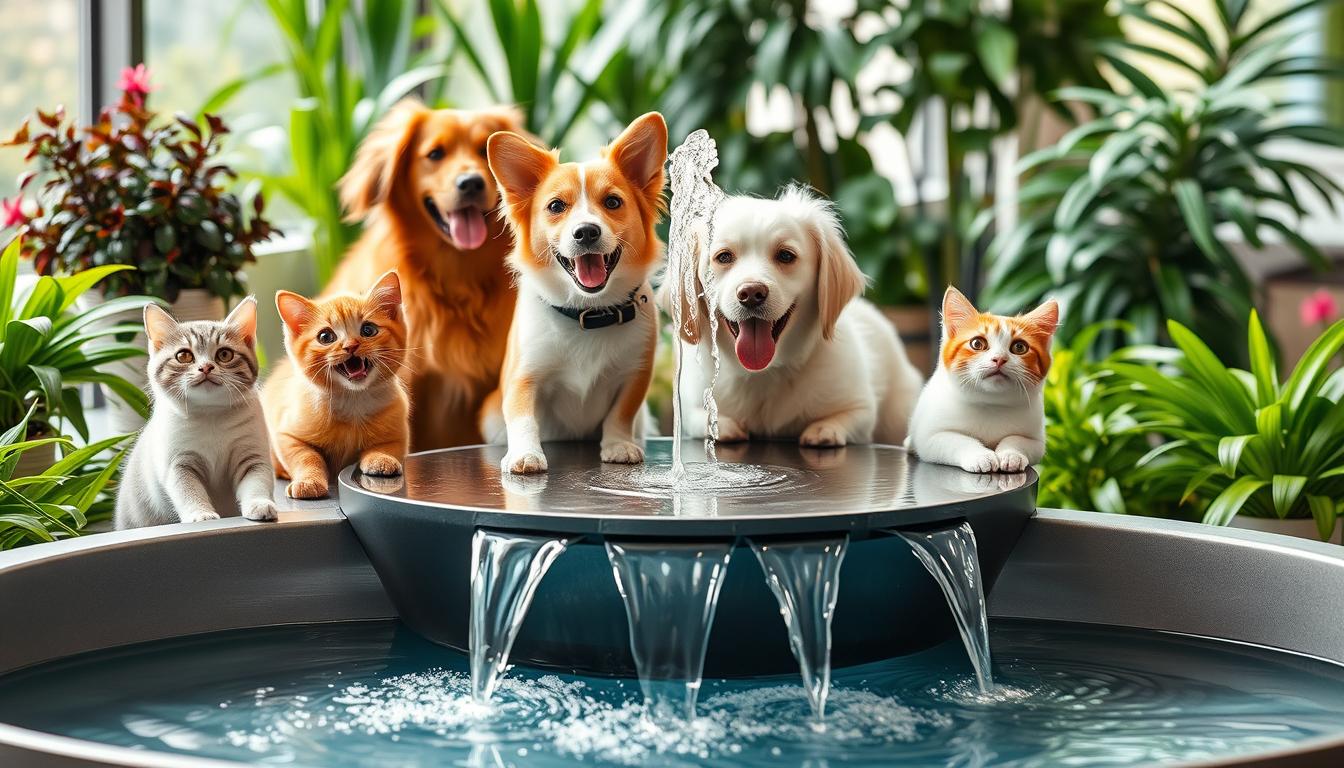
Cats in particular are notorious for drinking less than they should, and a still bowl of water sitting in the corner of a kitchen often goes largely ignored. A pet water fountain solves a real behavioral problem — many cats and dogs are instinctively drawn to moving water, and a fountain's constant circulation can noticeably increase how often a reluctant drinker actually visits the bowl.
Not every fountain solves this problem the same way, though. Some prioritize quiet operation for skittish cats, others focus on capacity for multi-pet or large-dog households, and still others are built around filtration quality for owners concerned about water cleanliness. This guide reviews six distinct fountain types so you can match the right design to your pets' actual habits rather than picking whichever one happens to be most visible in a search result. Understanding these differences upfront also helps set realistic expectations about ongoing maintenance, since a fountain that's mismatched to your household tends to get neglected rather than genuinely used.
Material matters here more than in many pet product categories, since fountains sit in standing water continuously and need regular cleaning to avoid buildup. The comparison below considers filtration, noise level, capacity, and ease of cleaning as the factors that most affect whether a fountain actually gets used correctly and consistently over time.
It's also worth setting realistic expectations. A fountain encourages drinking, but it isn't a guaranteed fix for a cat or dog that's historically avoided water — some pets take days or weeks to adjust to the sound and movement, and a small number never take to a fountain at all. Placement, water freshness, and consistent cleaning all influence how quickly a pet adapts, and patience during that adjustment period matters more than switching fountains repeatedly at the first sign of hesitation.
Because a fountain runs continuously and sits in standing water, ongoing maintenance is a bigger part of the ownership experience than it is with a simple bowl. Choosing a design that's genuinely easy to take apart, clean, and reassemble will make a real difference in how consistently you keep up with that maintenance over months and years of daily use.
The sections that follow cover six fountain categories in detail, a buying guide addressing the features that genuinely affect day-to-day use, and answers to the most common questions pet owners have before choosing a fountain.
Top Pet Water Fountain Types Reviewed
1. Stainless Steel Pet Fountain – Best Overall for Hygiene and Durability
Stainless steel fountains are prized primarily for hygiene — the material doesn't harbor bacteria the way plastic can over time, doesn't develop the same scratches that trap grime, and doesn't contribute to the chin acne some cats develop from prolonged contact with certain plastics. It also tends to hold up better to repeated cleaning without degrading.
The trade-off is generally cost and, in some designs, noise, since metal can amplify pump vibration slightly more than plastic or ceramic housings. For owners prioritizing long-term hygiene and durability over the lowest possible price, though, stainless steel remains a dependable choice, and its appearance tends to hold up well even after years of daily cleaning.
- Pros:
- Resists bacteria buildup better than plastic alternatives
- Doesn't scratch or degrade as easily with repeated cleaning
- May reduce chin irritation some cats develop from plastic bowls
- Cons:
- Typically costs more than plastic or basic ceramic options
- Metal housing can transmit slightly more pump vibration noise
Best For: Owners who prioritize long-term hygiene and durability, especially cats prone to chin irritation from plastic bowls.
Why We Recommend It: Its resistance to bacteria buildup and scratching make it one of the more dependable materials for a fountain that sits in standing water daily.
2. Large Dog Water Fountain – Best for Multi-Pet or Large-Breed Households
Built with substantially larger water reservoirs than standard cat-oriented fountains, this category solves a specific problem: bigger dogs and multi-pet households drain a small fountain far faster than it can filter and recirculate. A larger capacity means fewer refills and less risk of the pump running dry between fill-ups.
The larger footprint takes up more counter or floor space than a compact fountain, and the bigger water volume also means more water to empty and clean during maintenance. For households with a large dog or several pets sharing one fountain, though, the reduced refill frequency is a meaningful convenience, especially for owners who are away from home for a full workday.
- Pros:
- Larger reservoir reduces how often you need to refill
- Better suited to the water intake of large or multiple pets
- Reduces risk of the pump running dry between fill-ups
- Cons:
- Takes up significantly more floor or counter space
- Larger water volume makes full cleaning more effort
Best For: Multi-pet homes or owners of large-breed dogs who need a higher water capacity between refills.
Why We Recommend It: Its larger reservoir directly addresses the refill frustration that smaller fountains create in households with higher water demand.
3. Quiet Cat Fountain – Best for Noise-Sensitive or Skittish Cats
Some cats are put off by a fountain's pump noise as much as they might be drawn in by the moving water, which defeats the purpose entirely. This category focuses specifically on minimizing operational noise, often through submerged pump designs or dampened motor housings, making it a better fit for easily startled or noise-sensitive cats.
Quieter pump designs sometimes trade off a small amount of flow strength compared to louder, more powerful pumps, and ongoing quiet operation depends on regular cleaning, since a pump clogged with hair or debris tends to get louder over time regardless of its original design. Placement away from hard surfaces that might amplify vibration can also make a noticeable difference.
- Pros:
- Designed specifically to minimize pump and motor noise
- Better suited to skittish or noise-sensitive cats
- Less likely to startle pets during nighttime operation
- Cons:
- May offer slightly less flow strength than louder pump designs
- Quiet operation still depends on regular pump cleaning
Best For: Cat owners whose pets are easily startled by noise or who keep the fountain running overnight in a quiet space.
Why We Recommend It: Its quieter operation removes one of the most common reasons a cat rejects a fountain outright, making it more likely the fountain actually gets used.
4. Budget Pet Fountain – Best for First-Time Fountain Owners
A budget pet fountain covers the fundamentals — circulating water and basic filtration — without the added cost of premium materials or advanced pump technology. This makes it a reasonable low-risk way to find out whether your particular pet responds well to a fountain before investing in a pricier model.
The compromises typically show up in filter longevity, pump durability, and overall noise level compared to premium categories. For an initial trial or a single low-maintenance pet, though, a budget fountain often performs adequately, and it's a reasonable way to gauge interest before spending more on a premium model. This category serves owners well who genuinely don't yet know whether their particular cat or dog will respond to moving water at all, since spending significantly more upfront on a premium fountain only to discover the pet ignores it entirely is a frustrating and avoidable outcome. The honest caveat is that once a pet is confirmed to actively prefer fountain water over a still bowl, most owners eventually find the pump noise or filter longevity of a budget unit becomes the limiting factor, at which point stepping up a tier tends to pay for itself in reduced maintenance hassle.
- Pros:
- Lower upfront cost makes it accessible for a first fountain
- Covers basic circulation and filtration needs
- Simple design with fewer parts to maintain
- Cons:
- Filter life and pump durability typically lag behind premium models
- May be noisier than fountains designed with quiet operation in mind
Best For: Owners testing whether their pet will actually respond well to a fountain before committing to a premium model.
Why We Recommend It: It offers a practical, low-cost way to introduce moving water to a pet's routine without a large upfront investment.
5. Ceramic Pet Fountain – Best for Style and Easy Cleaning
Ceramic fountains combine a non-porous surface that resists bacteria buildup similarly to stainless steel with a design aesthetic that tends to fit more naturally into home decor than plastic alternatives. The smooth glaze also makes hand-washing straightforward compared to fountains with more intricate plastic components.
Ceramic is heavier and more fragile than plastic or stainless steel, meaning dropped units risk cracking or chipping in a way metal or plastic typically wouldn't. For owners prioritizing both hygiene and appearance in a stationary spot, though, this trade-off is often acceptable, particularly since the fountain is rarely moved once placed. This makes ceramic a natural fit for a kitchen counter or open living area where a purely utilitarian plastic fountain would stand out for the wrong reasons, and the weight that makes it less portable also gives it a stability advantage over lighter materials that a curious pet or a bumped elbow might tip over more easily.
- Pros:
- Non-porous surface resists bacteria and staining well
- Blends more naturally into home decor than plastic designs
- Smooth surface simplifies hand-washing
- Cons:
- Heavier and more fragile than plastic or stainless steel
- Risk of chipping or cracking if dropped or knocked over
Best For: Owners who want a fountain that looks intentional in a shared living space and prioritize easy hand-cleaning.
Why We Recommend It: Its combination of hygienic material and neutral design makes it a solid fit for a fountain that will sit visibly in a kitchen or living area.
6. Pet Fountain with Multiple Streams – Best for Encouraging Reluctant Drinkers
This category is built specifically around variety of water flow, offering several stream types — a bubbling top stream, a gentle waterfall edge, or a still-water bowl within the same unit — so pets can choose the flow style they respond to best. Since different animals are drawn to different movement patterns, this variety can be the deciding factor for a genuinely reluctant drinker.
More moving parts generally mean more surfaces to clean and more components that can wear out over time. For a pet that hasn't responded well to a single-stream fountain, though, the added variety is often worth the extra maintenance, since finding the right flow pattern can be the difference between a fountain that's ignored and one that's used daily.
- Pros:
- Multiple stream styles increase the odds of engaging a reluctant drinker
- Offers flexibility if a pet's preferences change over time
- Useful in multi-pet homes where animals have different preferences
- Cons:
- More components mean more parts to clean and maintain
- Additional mechanisms can increase points of potential wear
Best For: Pets that haven't responded to a standard single-stream fountain, or multi-pet homes with varied preferences.
Why We Recommend It: Its variety of flow styles gives reluctant drinkers more than one option, increasing the likelihood the fountain actually gets used.
Buying Guide: How to Choose the Best Pet Water Fountain
Before choosing a fountain, it helps to understand which features genuinely affect whether your pet drinks more water and how much upkeep the fountain will realistically require. These ten considerations cover what matters most.
1. Filtration Quality
A good filter removes hair, debris, and some contaminants that would otherwise recirculate through the water. Replacement filter cost and availability should factor into your decision alongside the fountain's upfront price, since filters need regular replacement to keep water genuinely clean. Activated carbon filters, in particular, tend to reduce odors and improve taste, which can matter for a picky drinker.
2. Water Capacity
Larger capacity means fewer refills, which matters more for larger pets, multiple pets sharing one fountain, or households where daily refilling isn't practical. Smaller capacities work fine for a single cat but empty quickly in busier households, and running dry even briefly can damage some pump designs.
3. Pump Noise Level
A fountain that's too loud may simply go unused by a noise-sensitive pet, defeating its entire purpose. If your pet is skittish or the fountain will run overnight near a sleeping area, prioritize models specifically designed around quiet operation, and keep in mind that noise levels often creep up over time if the pump isn't cleaned regularly.
4. Material: Plastic vs. Stainless vs. Ceramic
Plastic is typically the most affordable but can scratch, harbor bacteria in those scratches, and in some cases contribute to chin irritation in cats. Stainless steel and ceramic both resist these issues better, at a higher upfront cost, and tend to hold their appearance and hygiene over a longer period of daily use.
5. Ease of Disassembly and Cleaning
Fountains need regular, thorough cleaning to prevent biofilm buildup, so a design that's simple to take apart and reassemble will realistically get cleaned more often than one with fiddly, hard-to-reach components. Dishwasher-safe parts are a meaningful convenience if you plan to clean the fountain weekly.
6. Pump Reliability
The pump is the component most likely to fail over time, particularly if it's allowed to run dry or gets clogged with hair and debris. Checking replacement pump availability and cost is a practical step before committing to a specific model, since a fountain with an unavailable replacement pump effectively becomes disposable once the original fails.
7. Noise and Placement Considerations
Where you place the fountain affects both how likely your pet is to use it and how much the noise matters day to day. A fountain placed away from a litter box or food bowl, in a quiet but accessible spot, tends to see more consistent use, and avoiding high-traffic areas can also reduce spills.
8. Cord and Electrical Safety
Since fountains run on continuous power near standing water, checking cord placement and looking for safety certifications is a reasonable precaution, especially in homes with curious pets or young children. Routing the cord along a wall or behind furniture reduces the chance of it being chewed or tripped over.
9. Filter and Part Replacement Costs
Ongoing filter replacement is a recurring cost that adds up over the life of the fountain. Factor this into your total cost of ownership rather than judging fountains on upfront price alone, since a cheaper fountain with expensive or hard-to-find filters can cost more over a year than a pricier model with affordable replacements.
10. Ease of Transitioning Your Pet
Some pets adjust to a fountain instantly, while others take time or need the fountain placed alongside their old bowl during a transition period. Choosing a fountain with adjustable flow settings can make this adjustment period smoother for hesitant pets, letting you start with a gentler flow before increasing it once your pet grows comfortable.
11. Number of Pets Sharing the Fountain
A fountain that works well for a single cat may need to be sized up considerably for a household with three or four pets, both in terms of water capacity and the number of drinking access points around the unit. Multiple-stream designs can also help reduce competition between pets at the same fountain.
12. Indoor Placement and Surface Protection
Even well-sealed fountains can splash or leak slightly during refilling and cleaning, so placing one on a water-resistant mat or tray protects flooring and furniture underneath. This is a small detail that meaningfully reduces long-term maintenance around the fountain itself.
13. Compatibility with Automatic Refill or Smart Monitoring Add-Ons
Some fountains support add-on reservoirs or sensors that track water consumption over time, which can be a genuinely useful early-warning sign of illness in cats especially, since a noticeable drop or spike in drinking habits often precedes other visible symptoms. This feature isn't essential for every household, but it's worth considering for older pets or anyone managing a chronic health condition where hydration tracking has real value.
Frequently Asked Questions
1. Why won't my cat drink from a water fountain?
Some cats need time to adjust to the sound and movement of a fountain. Keeping the old water bowl available during a transition period, and experimenting with different flow settings, often helps a hesitant cat come around gradually, sometimes over the course of a week or two rather than immediately.
2. How often should I clean a pet water fountain?
A thorough cleaning every one to two weeks is a reasonable baseline, with filter changes on whatever schedule the manufacturer recommends. Homes with multiple pets or visibly dirty water may need more frequent attention, and a quick rinse of the reservoir every few days helps keep buildup from accumulating between full cleanings.
3. Are pet water fountains actually better than a regular bowl?
For pets that are naturally drawn to moving water, a fountain can meaningfully increase water intake, which supports better hydration and, for cats especially, may support urinary tract health. For pets that already drink adequately from a bowl, the benefit is less pronounced, though many owners still prefer a fountain for the filtration and freshness it provides.
4. Is stainless steel or ceramic better for a cat prone to chin acne?
Both non-porous materials tend to perform better than plastic in this regard, since plastic can develop micro-scratches that trap bacteria against a cat's chin. Either stainless steel or ceramic is a reasonable choice over a plastic fountain for this specific concern, and consistent cleaning further reduces the risk regardless of material.
5. How loud are pet water fountains typically?
This varies significantly by design and by how well-maintained the pump is. A poorly cleaned pump tends to get progressively louder over time, so consistent cleaning matters as much as the fountain's original noise rating when it comes to keeping operation quiet long term.
6. Can I run a pet fountain overnight?
Most are designed for continuous operation, but if noise or your pet's sleep schedule is a concern, a fountain specifically built around quiet operation is worth prioritizing for overnight use. Placing it in a room slightly farther from where you sleep can also help if noise is a minor concern rather than a dealbreaker.
7. What size fountain do I need for multiple pets?
A larger-capacity fountain reduces refill frequency and is generally more practical for households with more than one pet drawing from the same source throughout the day. Consider also whether multiple pets might benefit from a design with more than one access point around the fountain.
8. Do I need to use filtered or bottled water in a pet fountain?
Standard tap water is generally fine for most fountains, provided you're replacing the filter cartridge as recommended and cleaning the reservoir regularly. The fountain's own filter is designed to handle typical debris and some contaminants, reducing the need for pre-filtered water in most households.
9. What's the most common reason a pet fountain stops working properly?
A clogged or dry-running pump is the most frequent culprit, usually caused by infrequent cleaning or letting the water level drop too low. Regular maintenance prevents most of these issues before they start, and checking the water level every day or two is a simple habit that extends pump life.
10. Is it worth buying a premium fountain over a budget one?
If quiet operation, long-term durability, or hygiene are priorities, premium materials and pump designs tend to justify the cost. For a first fountain or a low-maintenance pet, a budget option is often a reasonable starting point before deciding whether to upgrade.
11. How do I know if my pet actually likes the fountain I chose?
Watching whether your pet visits the fountain more often than they did the old bowl, and whether they appear to seek it out rather than avoid it, is the most reliable sign. Some pets show a clear preference for one stream style over another, which is worth observing if you're deciding between models.
12. Should I place the fountain near food or in a separate area?
Many pets prefer water sources kept separate from food and litter areas, reflecting natural instincts around keeping drinking water away from potential contamination. Placing the fountain in a quiet, separate spot often improves how consistently it gets used, and away from direct sunlight can also help slow algae growth.
13. Can a water fountain help reduce urinary issues in cats?
Increased water intake is generally associated with more diluted urine, which some veterinarians associate with reduced risk of certain urinary issues in cats, though a fountain is a supportive habit rather than a guaranteed medical solution. Any specific health concerns are best discussed directly with a veterinarian.
14. How long does a typical pump last before it needs replacing?
This depends heavily on maintenance frequency and water quality, but pumps that are cleaned regularly and never allowed to run dry tend to last considerably longer than neglected ones. Keeping a spare replacement pump on hand is a reasonable precaution for households that rely on the fountain daily.
15. Can a water fountain be used outdoors for outdoor cats or dogs?
Some fountains are rated for outdoor or covered-patio use, but most are designed primarily for indoor conditions, and exposure to rain, direct sun, or freezing temperatures can damage the pump or housing. Check the manufacturer's specific guidance before placing a standard indoor fountain outside.
16. Will a fountain overflow or leak if I forget to turn it off while refilling?
Most fountains are designed with a maximum fill line and won't overflow under normal refilling if you stop at that marked level, but consistently overfilling past the line can cause splashing during operation. Placing the fountain on a water-resistant mat is a simple safeguard regardless of how careful you are during refills.
Final Verdict
The best pet water fountain depends on your specific pet's temperament, your household's size, and how much ongoing maintenance you're realistically prepared to commit to. A single easily-startled cat has very different needs than a multi-dog household that drains a bowl in hours, and being honest about which describes your home will steer you toward the right category faster than comparing every feature side by side.
- Best Overall: Stainless steel pet fountain, for hygiene and long-term durability.
- Best for Multi-Pet Homes: Large dog water fountain, for higher capacity between refills.
- Best for Sensitive Pets: Quiet cat fountain, for noise-sensitive or skittish animals.
- Best for Reluctant Drinkers: Pet fountain with multiple streams, for variety of water flow.
- Best Budget Pick: Budget pet fountain, for a low-risk first trial.
Whichever fountain you choose, consistent cleaning and a bit of patience during the adjustment period matter as much as any individual feature. A fountain that's rarely cleaned or poorly placed won't perform as intended, regardless of how well it was built to begin with, so treat ongoing maintenance as part of the decision rather than an afterthought once it's already sitting in your kitchen.