Best Sleeping Bag for Camping in 2026
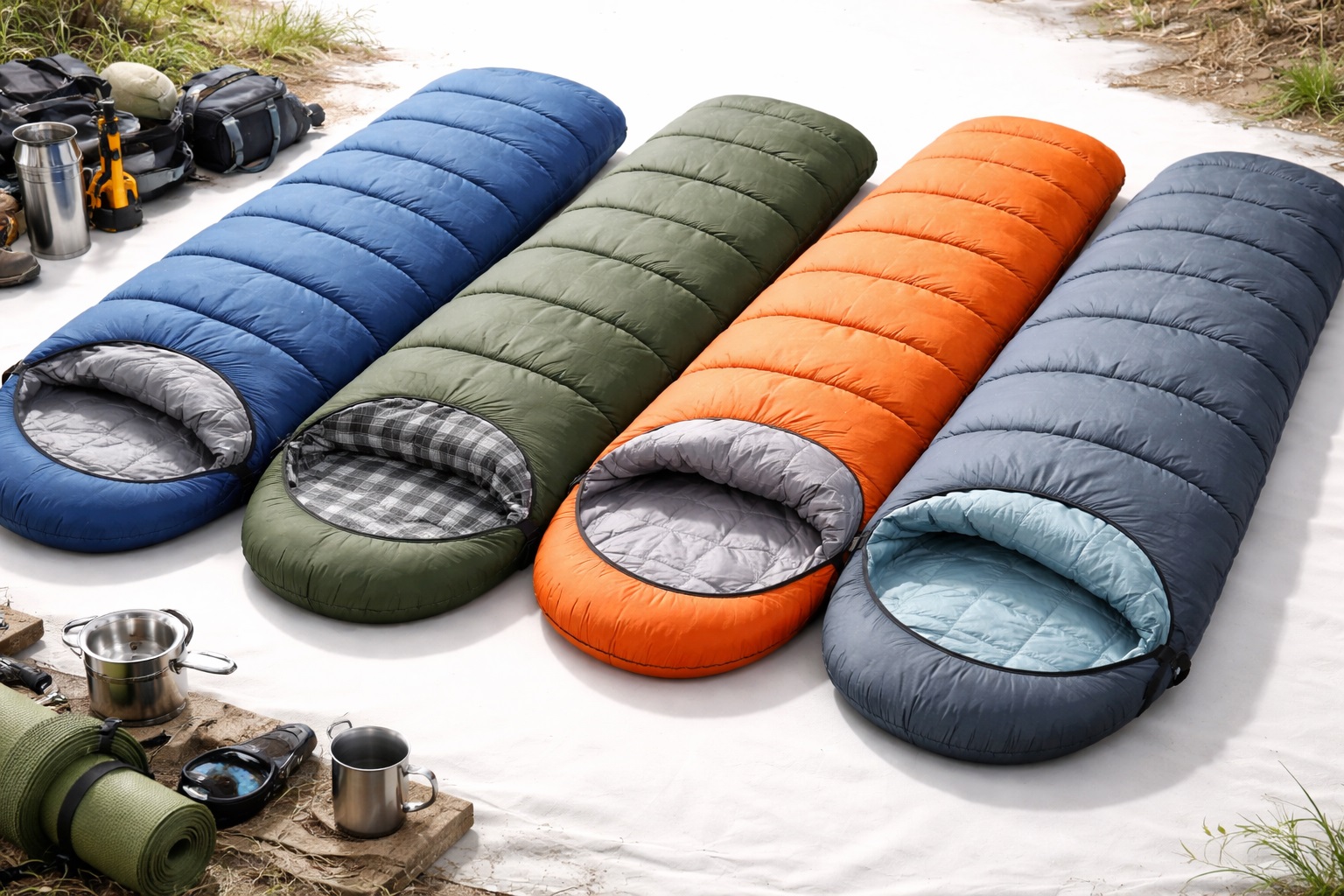
Camping sleeping bags don't need to chase the same ounce-counting priorities as backpacking gear, and that's good news if you're shopping for weekend trips, family outings, or the occasional festival or car-camping getaway. When weight and packed size matter less, comfort, roominess, and value move to the front of the list, and the 2026 lineup of camping sleeping bags reflects that shift with roomier cuts, family-friendly sizing, and genuinely comfortable materials.
This guide compares eight sleeping bags that consistently show up on recreational campers' shopping lists, ranging from budget-friendly picks perfect for a first family trip to premium down bags for campers who want hotel-level comfort in a tent. We looked at comfort, warmth, ease of care, and overall value rather than prioritizing weight above everything else, since most of these bags will spend more time in a car trunk than on someone's back.
It's easy to over-shop for camping gear by borrowing priorities from backpacking guides, but the two activities have genuinely different demands. A camper who values a roomy fit and an easy-to-clean shell will often be happier with a different bag than a backpacker chasing the lowest possible pack weight, even if both bags carry the same temperature rating on paper.
Below you'll find detailed reviews of each pick, a practical buying guide covering what actually matters for recreational camping, and answers to the questions campers ask most often before buying a new sleeping bag.
Recreational camping covers a lot of ground, from a single night at a nearby campground to a week-long family trip with kids in tow. Keep your typical trip style in mind as you read through these picks, since the right balance of comfort, warmth, and price looks different depending on how often you camp and who you're camping with.
It's also worth remembering that camping gear tends to get more real-world wear than most people expect — dragged across dusty campsites, tossed in car trunks, and occasionally rained on despite everyone's best intentions. That's part of why durability and ease of cleaning show up as recurring themes throughout this guide alongside comfort and price.
Top 8 Best sleeping bag Picks (Detailed Reviews)
1. Coleman 0°F Mummy – Best For Cold-Weather Car Camping
The Coleman 0°F Mummy brings genuine cold-weather warmth to campers who don't want to pay technical-gear prices for it. Its heat-locking architecture is designed to trap warm air close to the body, which matters on chilly campground nights when the tent isn't doing much to hold in heat. At around $60, it's an easy way to extend your camping season into cooler months without buying an expedition-grade bag you'll rarely use.
- Pros:
- Heat-locking architecture adds real warmth for cold campground nights
- Very affordable for a bag rated to freezing temperatures
- Mummy shape helps retain warmth without extra bulk
- Cons:
- Less roomy than rectangular camping bags for restless sleepers
- Limited color options
Best For: Campers heading into cold-weather trips who want reliable warmth without a big investment.
Why We Recommend It: Few bags in this price range deliver this level of cold-weather warmth, making it a smart choice for campers who venture out during shoulder seasons. It's also light enough to double as a backup bag if you ever branch into backpacking, and the low price makes it easy to justify keeping one in the car year-round for unexpected cold snaps.
2. Western Mountaineering MegaLite – Best For Premium Camping Comfort
Not every camper is shopping on a budget, and the Western Mountaineering MegaLite is for those who want the best sleep quality a sleeping bag can offer, regardless of price. The hand-filled down construction eliminates cold spots that cheaper bags often struggle with, resulting in genuinely comfortable, even warmth throughout the night. At around $500, it's a premium purchase, but campers who prioritize comfort above all else will notice the difference immediately.
- Pros:
- Hand-filled down eliminates cold spots for consistently comfortable warmth
- Exceptionally soft, high-quality materials throughout
- Compact enough to store easily between trips
- Cons:
- Significantly higher price point than every other bag on this list
- Overkill for casual, infrequent campers
Best For: Campers who prioritize sleep quality and are willing to pay for premium materials.
Why We Recommend It: For campers who spend a lot of nights outdoors and consider a great night's sleep non-negotiable, the MegaLite delivers a noticeably better experience than budget alternatives, even if it's not a necessary purchase for occasional trips. It's the kind of bag that makes waking up in a tent feel less like a compromise and more like an intentional choice.
3. TETON Sports Celsius – Best For Family Camping Trips
The TETON Sports Celsius is a favorite for family camping because of its roomy, comfortable cut and reasonable price point. The double-layer stitching keeps the synthetic fill evenly distributed even after being packed away between trips season after season, which matters for a bag that might see irregular use throughout the year. At roughly $80, it's an easy bag to buy multiples of for a family heading out together.
- Pros:
- Roomy, comfortable fit that suits a wide range of body types
- Double-layer stitching holds up well to irregular, seasonal use
- Affordable enough to buy several for the whole family
- Cons:
- Bulkier than down alternatives, which matters if trunk space is tight
- Limited color options
Best For: Families who want comfortable, affordable bags they can buy in multiples without breaking the budget.
Why We Recommend It: The combination of comfort, durability, and price makes the Celsius an easy recommendation for family camping trips where you need several bags rather than just one. Parents outfitting multiple kids for camp or scout trips will appreciate not having to spend a fortune to get everyone a bag that actually holds up.
4. Hyke & Byke Quandary – Best For Comfortable Down Camping
Hyke & Byke built the Quandary to bring down insulation's comfort advantages to a wider range of campers, and it works just as well for recreational use as it does for backpacking. The hydrophobic down resists moisture from tent condensation, which is a common issue on humid campground nights. At around $160, it's a mid-range option for campers who want the plush feel of down without premium-brand pricing.
- Pros:
- Down insulation offers a noticeably softer, more comfortable feel than synthetic
- Hydrophobic treatment resists moisture from tent condensation
- Compact enough to store easily in a closet between trips
- Cons:
- Higher price point than synthetic camping bags
- Requires slightly more careful storage than synthetic alternatives
Best For: Campers who want down's comfort and softness without paying premium-brand prices.
Why We Recommend It: It's a genuine step up in comfort from synthetic camping bags at a price that's still reasonable for recreational use, making it a smart mid-range choice. Campers who've slept in a down bag once tend to find it hard to go back to synthetic fill for anything but backup use.
5. REI Co-op Trailmade 20 – Best For Casual Weekend Campers
The REI Co-op Trailmade 20 works just as well for weekend campground trips as it does for light backpacking, thanks to its dependable synthetic warmth and reasonable 20-degree rating. At around $100, it's priced for campers who want one versatile bag rather than a garage full of season-specific gear, and it's backed by REI's accessible customer service.
- Pros:
- Versatile 20-degree rating covers most weekend camping conditions
- Backed by REI's reputation and return policy
- Works equally well for camping and light backpacking
- Cons:
- Higher price point than pure budget camping bags
- Limited color options
Best For: Casual campers who want one dependable bag that also works for occasional backpacking.
Why We Recommend It: It's a genuinely versatile bag that doesn't force campers to choose between camping-specific comfort and backpacking-ready portability, which is ideal for anyone who does a bit of both. Buying one adaptable bag also saves closet space compared to owning separate bags for separate trip types.
6. Marmot Trestles 15 – Best For Reliable All-Around Camping
Marmot has built a strong reputation among campers who want dependable gear that performs the same way trip after trip, and the Trestles 15 fits that description well. The fold-down second zipper lets you vent on warmer campground nights without fully opening the bag, a small but genuinely useful feature during summer camping trips. At around $130, it's a mid-range investment that rewards regular campers.
- Pros:
- Fold-down second zipper adds useful ventilation on warm nights
- Roomy, comfortable cut for restless sleepers
- Reliable synthetic warmth across a range of campground conditions
- Cons:
- Heavier and bulkier than down alternatives
- Limited color options compared to other bags in this lineup
Best For: Regular campers who want a dependable, comfortable bag for repeat use.
Why We Recommend It: The Trestles 15 rarely disappoints across a range of campground conditions, and the ventilation feature adds real comfort on warmer nights that many competing bags don't address. It's a bag that quietly does its job trip after trip without drawing attention to itself, which is exactly what most regular campers want.
7. Oaskys 3-Season – Best For Budget Recreational Camping
The Oaskys 3-Season bag is built for campers who want to try camping without a big financial commitment, or who need extra bags for guests joining a trip. Its weatherproof coating adds a useful layer of protection against light rain or condensation, and at around $35, it's one of the most accessible options on this list. It won't match premium bags on comfort or compressibility, but for occasional use, it's a sensible choice.
- Pros:
- Very accessible price point for occasional or guest use
- Weatherproof coating adds useful moisture resistance
- Works fine for three-season camping in moderate climates
- Cons:
- Bulkier and less refined than purpose-built camping bags
- Limited color options
Best For: Budget-conscious campers or anyone who needs an affordable extra bag for guests.
Why We Recommend It: It's hard to find a bag this affordable that still includes weather protection, making it a practical option for occasional campers or as a spare bag kept on hand for visitors. Its low price also makes it easy to replace if it takes a beating from kids or pets during a family trip.
8. Kelty Cosmic 20 – Best For Campers Wanting Down Comfort
The Kelty Cosmic 20 brings down's soft, comfortable feel to campers who want a step up from synthetic bags without paying premium prices. Its 600-fill DriDown insulation resists moisture from tent condensation, keeping the bag comfortable across multiple nights at a campsite. At approximately $150, it's a reasonable investment for campers who camp often enough to appreciate the difference.
- Pros:
- 600-fill DriDown offers a soft, comfortable feel with moisture resistance
- Compresses smaller than synthetic bags, freeing up trunk space
- Strong balance of comfort and price
- Cons:
- Higher price point than entry-level synthetic bags
- Limited color options
Best For: Regular campers ready to upgrade from synthetic to down for better comfort and packed size.
Why We Recommend It: It offers a genuine comfort upgrade over synthetic bags at a price that still makes sense for recreational, rather than expedition-level, use. It hits a comfortable middle ground for campers who want better sleep quality without spending premium-bag money to get it.
Buying Guide: How to Choose the Best Sleeping Bag for Camping
Shopping for a camping sleeping bag is a different exercise than shopping for a backpacking bag, since weight and packed size usually matter far less than comfort, roominess, and value. Here's what actually matters when comparing sleeping bags for recreational and family camping.
Because most camping trips involve driving to a campsite rather than carrying gear for miles, you have more freedom to prioritize the features that actually improve your night's sleep. That's worth remembering if you find yourself tempted by an ultralight backpacking bag — for most camping trips, that extra cost buys weight savings you don't actually need. Redirecting that budget toward a roomier cut, a softer liner fabric, or simply a spare bag for guests usually delivers more value for a typical camping trip.
1. Temperature Rating for Typical Camping Trips
Most recreational camping happens in three-season conditions, so a bag rated around 20 degrees offers a comfortable margin for most campers. If you camp mainly in summer, you may prefer a warmer-rated bag that won't feel overly warm on mild nights.
2. Roominess and Comfort for Car Camping
Since weight isn't a major constraint for car camping, a roomier rectangular or semi-rectangular bag often makes more sense than a snug mummy shape, especially for restless sleepers or anyone who prefers extra space to move around at night.
3. Down vs. Synthetic for Recreational Use
Down offers a softer feel and packs smaller, which matters less for car camping but still makes a difference in storage space between trips. Synthetic bags cost less and tolerate rough handling better, which can be an advantage for family camping with kids.
4. Bag Shape: Rectangular vs. Mummy for Comfort
Rectangular bags offer more room to move and can sometimes be unzipped fully to use as a blanket, which many campers find more comfortable than a snug mummy shape. Mummy bags retain heat more efficiently but can feel restrictive to sleepers who move around at night.
5. Ease of Cleaning and Maintenance
Camping bags tend to get dirtier than backpacking bags, especially with kids or pets around a campsite. Synthetic bags generally tolerate washing better and more frequently than down bags, which require more careful care to avoid damaging the fill.
6. Weight Considerations When You're Not Backpacking
Since you're not carrying the bag on your back, weight becomes far less important for camping than for backpacking. This often means you can prioritize a heavier, more comfortable, or more affordable bag without the trade-offs backpackers have to consider.
7. Kid and Family-Friendly Sizing
Many camping bags come in smaller sizes suited to children, and buying a few affordable synthetic bags for a family is often more practical than investing heavily in premium bags for growing kids who will need larger sizes in a few years.
8. Zippers That Combine Into Double Bags
Some rectangular camping bags feature compatible zippers that allow two same-brand bags to combine into a single double-wide bag, which is a popular feature for couples camping together. Check compatibility before assuming two bags can be zipped together.
9. Shell Fabric for Campground Conditions
A weatherproof or water-resistant shell coating helps protect against tent condensation and light rain, which is common at campgrounds regardless of forecast. This feature matters more than you might expect for keeping a bag dry and comfortable.
10. Storage Between Camping Trips
Camping bags often sit unused for weeks or months between trips. Store them loosely in a large storage sack rather than tightly compressed, especially down bags, to help maintain loft and warmth when you do take them out again.
11. Budget vs. Premium for Occasional Use
If you only camp a handful of times a year, it's usually hard to justify a premium bag on cost alone. Budget and mid-range synthetic bags deliver perfectly comfortable camping experiences for occasional use, saving the premium purchase for frequent campers.
12. Durability for Repeated Weekend Use
Regular campers put more cumulative wear on their gear than occasional users. Double-layer stitching and reinforced seams help a bag hold up to repeated packing, unpacking, and use across many weekend trips over the years.
13. Matching a Bag to Your Camping Style
Consider how you actually camp: solo trips, family outings, or camping with a partner all call for slightly different priorities in size, price, and features. Be honest about your typical trip style rather than buying based on an aspirational camping setup.
14. Brand Reputation and Return Policies
Buying from a brand with a solid reputation and accessible return policy reduces the risk of ending up with a bag that doesn't suit your needs. This matters especially for family purchases, where buying several bags at once raises the stakes of getting the choice wrong.
15. Buying in Sets for Groups or Families
If you're outfitting multiple people at once, it's often worth looking for a bag that's sold at a consistent, moderate price point rather than mixing budget and premium bags across a group. Consistent gear also makes it easier to store, identify, and maintain everyone's bags between trips.
Frequently Asked Questions
What temperature rating do I need for casual camping?
For most three-season recreational camping, a bag rated around 20 degrees offers a comfortable margin. If you mainly camp in summer, a warmer-rated bag may be more comfortable on mild nights.
Is a heavier sleeping bag OK for car camping?
Yes. Since you're not carrying the bag on your back, weight is far less important for car camping than for backpacking, so you can prioritize comfort and price over how light the bag is.
Can two sleeping bags be zipped together?
Some rectangular bags from the same brand and line are designed with compatible zippers that allow two bags to combine into one double-wide bag. Check the specific models' compatibility before assuming this will work.
How do I wash a camping sleeping bag?
Follow the manufacturer's care instructions, which usually recommend a front-loading washer with mild detergent. Synthetic bags generally tolerate washing better than down bags, which need gentler care to avoid damaging the fill.
Do I need a specialized bag for family camping?
Not necessarily. Affordable synthetic bags in a range of sizes work well for family camping, and buying several budget bags is often more practical than investing heavily in premium options for kids who will outgrow them.
What's the difference between camping and backpacking bags?
Camping bags typically prioritize comfort, roominess, and price over weight and packed size, since they don't need to be carried long distances. Backpacking bags prioritize the opposite, often at a higher price for the same warmth.
How much should I spend on a sleeping bag for occasional use?
For occasional camping, a budget or mid-range synthetic bag in the $35 to $100 range typically offers plenty of comfort and warmth without paying for weight savings you don't need.
Can kids use adult sleeping bags?
They can, though child-sized or shorter bags trap heat more efficiently for smaller bodies and leave less unused space to warm up. For younger kids, a properly sized bag usually keeps them warmer.
How do I store a sleeping bag between trips?
Store bags loosely in a large mesh or cotton sack rather than tightly compressed, especially down bags, since long-term compression can reduce loft and warmth over time.
Is down worth it for car camping?
Down offers a softer feel and smaller storage size, which can be a nice comfort upgrade, but it's not essential for car camping the way it can be for backpacking. Synthetic bags perform perfectly well for most recreational trips.
How long do camping sleeping bags last?
With reasonable care, a quality camping sleeping bag can last many years, especially with occasional rather than constant use. Proper storage between trips has a big impact on how long a bag maintains its warmth.
Should I bring a sleeping pad even for car camping?
Yes. A sleeping pad adds cushioning and insulation from the cold ground, which matters even when you're not backpacking, since tent floors alone don't provide much insulation.
What's the best way to keep warm in a tent while camping?
Combine an appropriately rated sleeping bag with a sleeping pad, dress in dry layers before bed, and consider a liner for extra warmth on cold nights. Avoiding a full stomach or damp clothing before sleep also helps regulate body temperature.
Can I use a camping sleeping bag in cold weather?
Only if it's rated for the temperatures you expect. A summer-weight camping bag won't keep you warm in freezing conditions, so check the temperature rating against your trip's expected lows before heading out.
What's a reasonable budget for outfitting a whole family?
Budget synthetic bags in the $35 to $80 range per bag make it possible to outfit a family of four for a few hundred dollars total, which is often more practical than buying one or two premium bags and leaving others without proper gear.
Do rectangular or mummy bags work better for camping with kids?
Rectangular bags tend to be more comfortable and less restrictive for kids who move around a lot at night, even though mummy bags are somewhat more efficient at retaining warmth. For most family camping in moderate conditions, the comfort trade-off is usually worth it.
Is it worth buying matching sleeping bags for a group trip?
It's not necessary, but it can simplify packing, storage, and identifying whose bag is whose on a group trip. Functionally, matching bags aren't required — comfort and appropriate warmth matter far more than uniformity.
How do I know if a camping sleeping bag will fit comfortably?
Check the listed length and shoulder width against your height and build, and consider trying a bag in-store if possible. A bag that's too short or narrow will feel restrictive regardless of how good its insulation is.
What extras are worth adding to a camping sleeping setup?
A sleeping pad or air mattress, a pillow, and a liner for extra warmth or cleanliness are the most common additions campers find worthwhile. None of these are strictly necessary, but each one meaningfully improves comfort for a relatively small cost.
Final Verdict
- Top Pick: Coleman 0°F Mummy for dependable warmth across a wide range of camping conditions.
- Budget Choice: Oaskys 3-Season for occasional campers or extra guest bags.
- Premium Choice: Western Mountaineering MegaLite for campers who prioritize comfort above all else.
Choosing a camping sleeping bag comes down to being honest about how often you camp, who you camp with, and how much you're willing to spend on comfort you might not strictly need. Families and occasional campers will likely find better value in affordable synthetic bags that can be bought in multiples, while frequent campers who prioritize a great night's sleep may find the investment in down insulation genuinely worthwhile.
Unlike backpacking, camping rarely forces a hard trade-off between comfort and practicality, so don't be afraid to prioritize the features that actually improve your sleep, whether that's a roomier cut, a softer feel, or simply a bag warm enough that you're not thinking about the temperature at all. The right bag is the one that lets you focus on the campfire and company rather than how cold your feet are.
If you're outfitting a whole family or group, don't feel obligated to buy the same bag for everyone. Mixing a couple of affordable synthetic bags for kids with one nicer bag for yourself is a perfectly practical approach, and it lets your camping kit grow gradually as your needs and budget change over time.