Best 20L Dry Bag for Camping Gear in 2026: Top Picks
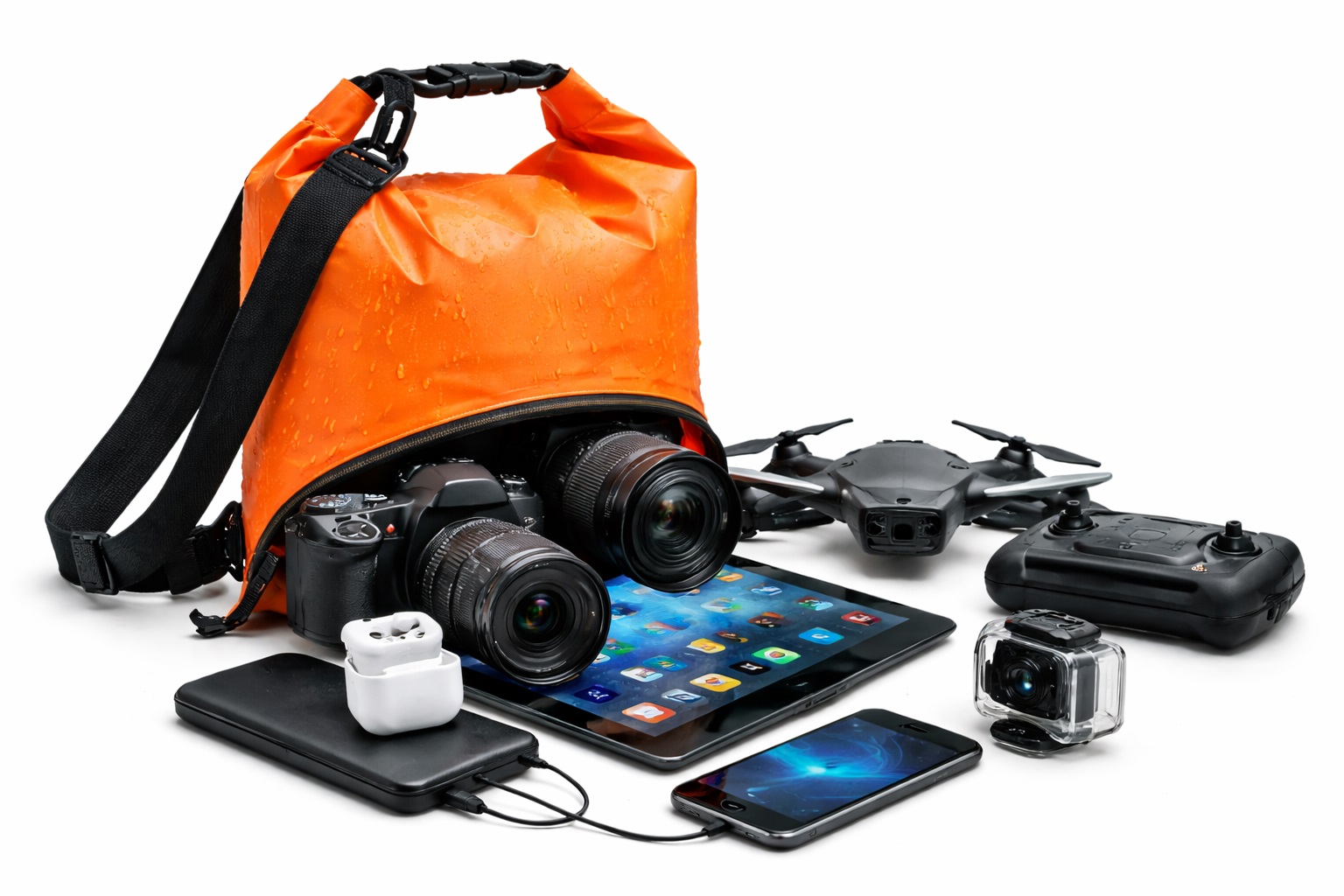
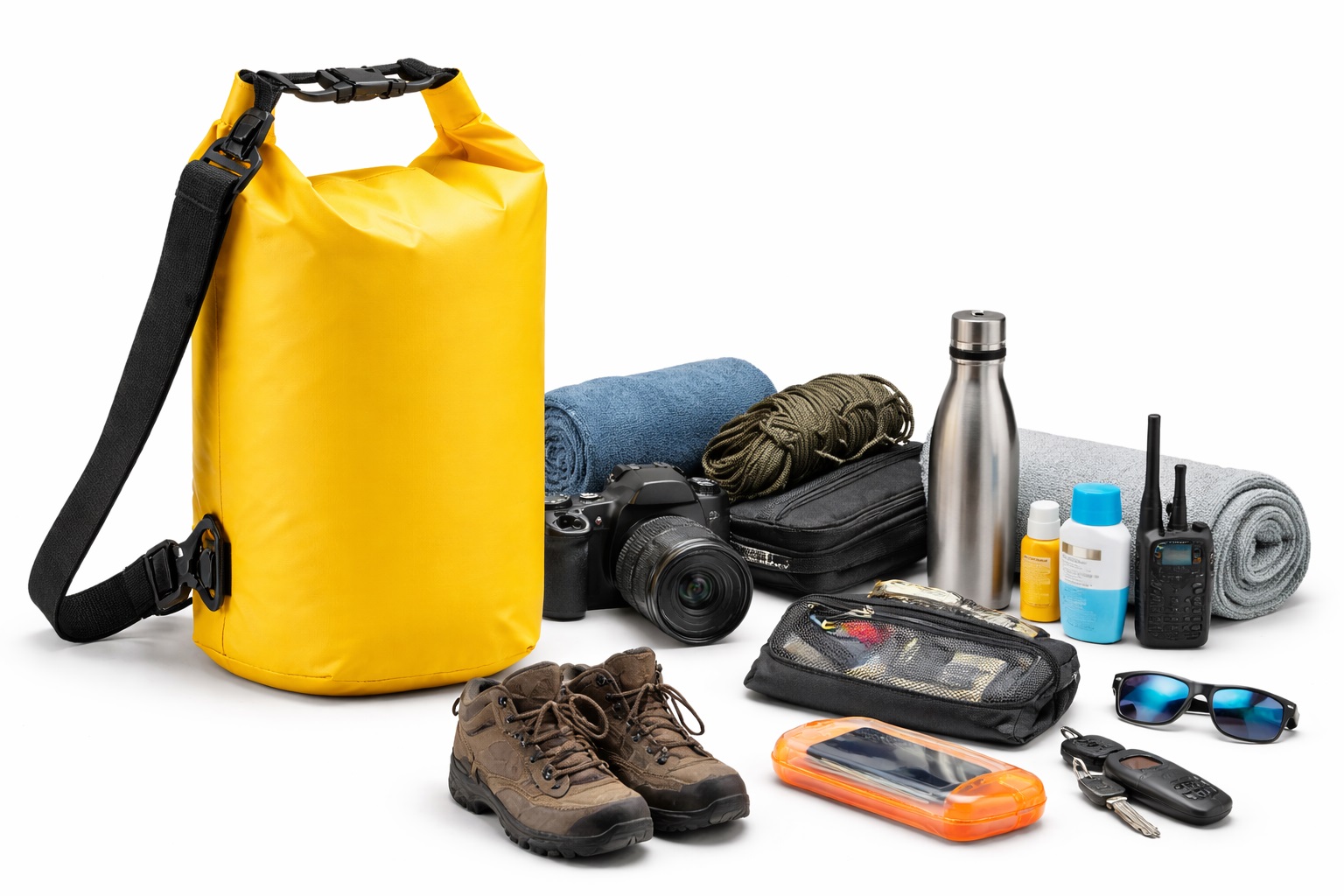
A 20-liter dry bag is the workhorse size for anyone hauling clothing and food on a multi-day trip, whether that means a weekend canoe run, a backcountry campsite, or a ferry deck crossing where your duffel gets rained on. It is large enough to hold a change of clothes and a day or two of meals, yet still compact enough to lash to a kayak deck or strap onto a larger backpack. This guide compares the top 20L dry bags so you can match capacity, fabric strength, and closure design to the way you actually pack for a trip in 2026.
At this size, the stakes are higher than with a small accessory pouch: a failed seam or a poorly rolled top can mean soggy clothing and ruined food for an entire trip, not just a wet phone. Fabric durability, seam construction, and how the bag compresses down when partially full all matter more here than they do with a 5-liter pouch. Below are detailed reviews of eight well-known 20L dry bags, followed by a complete buying guide and answers to the questions travelers ask most often about protecting clothing and food from water damage.
Price differences across this size class often come down to fabric weight and hardware rather than capacity, since all eight models reviewed here land in a similar 20-liter range. A $65 bag with padded straps solves a different packing problem than an $18 bag with a simple roll-top, and the right pick depends on how you plan to carry a fuller, heavier bag over a full day rather than just how much it can hold.
Top 8 Best dry bag Picks (Detailed Reviews)
1. KastKing Dry Bag – Best For Seam Reliability on Longer Trips
KastKing entered the dry bag market through fishing gear, and its fusion-welded seams reflect that background: fewer stitch holes mean fewer potential leak points on a bag carrying a full change of clothing and packaged food. At about $28, it lands in the middle of the pricing range, offering seam-level durability without the premium cost of the hardware-heavy options further down this list.
- Pros:
- Fusion-welded seams eliminate needle holes as a leak risk on a fuller load
- Mid-range price keeps it accessible for casual multi-day trips
- Durable enough for repeated fishing, paddling, and camping use
- Cons:
- Higher price point than the cheapest options on this list
- Limited color options compared to lifestyle-focused brands
Best For: Campers and paddlers who want welded-seam reliability for clothing and food without paying for climbing-grade hardware they won't use.
Why We Recommend It: Welded seams are one of the most meaningful durability upgrades available at this price point, and they matter even more once the bag is fully loaded with a weekend's worth of gear.
2. Sea to Summit Big River – Best For Rugged Hardware Attachment
The Sea to Summit Big River earns its place on this list through its hardware, not just its fabric. The Hypalon lash loops sewn into the seams let you clip the bag to a kayak deck line, a canoe thwart, or a truck bed rail, which is a genuine advantage when a 20L bag full of clothing and food needs to stay put through rough water or a bumpy drive. At roughly $45, it costs more than most entries here, reflecting the heavier-duty material and hardware.
- Pros:
- Hypalon lash loops allow secure clip-in attachment points
- Heavier fabric weight than most 20L dry bags in this price range
- Reputable outdoor brand with a long track record in water sports gear
- Cons:
- Higher price point than most 20L competitors
- Extra hardware adds a small amount of bulk and weight
Best For: Canoe and kayak trippers who need to physically tether a full gear bag to a boat rather than just roll it shut and hope it stays put.
Why We Recommend It: Few 20L dry bags offer genuine attachment hardware, making this the obvious choice when securing a full load against loss matters as much as keeping it dry.
3. SealLine Discovery Deck – Best For Compression on Partial Loads
The SealLine Discovery Deck stands out for its PurgeAir valve for easy compression, which lets you squeeze excess air out after rolling the top closed. For a 20L bag that is not always packed to capacity, that means far less bulk when you are only carrying a couple of days' worth of clothing and food. At around $55, it is one of the pricier options here, but the compression feature is genuinely useful for trips where your load shrinks as food gets eaten.
- Pros:
- PurgeAir valve compresses the bag flatter as contents are used up
- Premier build quality typical of SealLine's paddling-focused lineup
- Reputable brand with a long history in whitewater gear
- Cons:
- Higher price point than simpler roll-top-only designs
- The valve is one more part that needs to be checked for wear over time
Best For: Multi-day trips where the bag starts full and gradually empties, and a flatter profile becomes more useful as the trip goes on.
Why We Recommend It: The purge valve solves a real annoyance with partially loaded dry bags: excess trapped air that makes them bulky and awkward to strap down.
4. Unigear Dry Bag – Best For Budget-Conscious Gear Hauling
Unigear keeps things simple with a floating waterproof design and a price point of around $18, making it the most affordable option on this list. The floating construction means that if the bag ever ends up in the water on its own, it stays on the surface instead of sinking with your clothing and food inside, a reassuring feature for a bag this size.
- Pros:
- Lowest price point among all eight models reviewed
- Floating waterproof design adds peace of mind near open water
- Simple roll-top design that is easy for first-time users to master
- Cons:
- Fewer premium touches like welded seams or lash hardware
- Limited color options compared to pricier competitors
Best For: Budget-conscious campers and paddlers who want reliable protection for clothing and food without paying for extras they may never use.
Why We Recommend It: It proves that a genuinely useful 20L dry bag doesn't have to carry a premium price tag, making it an easy first purchase for new paddlers.
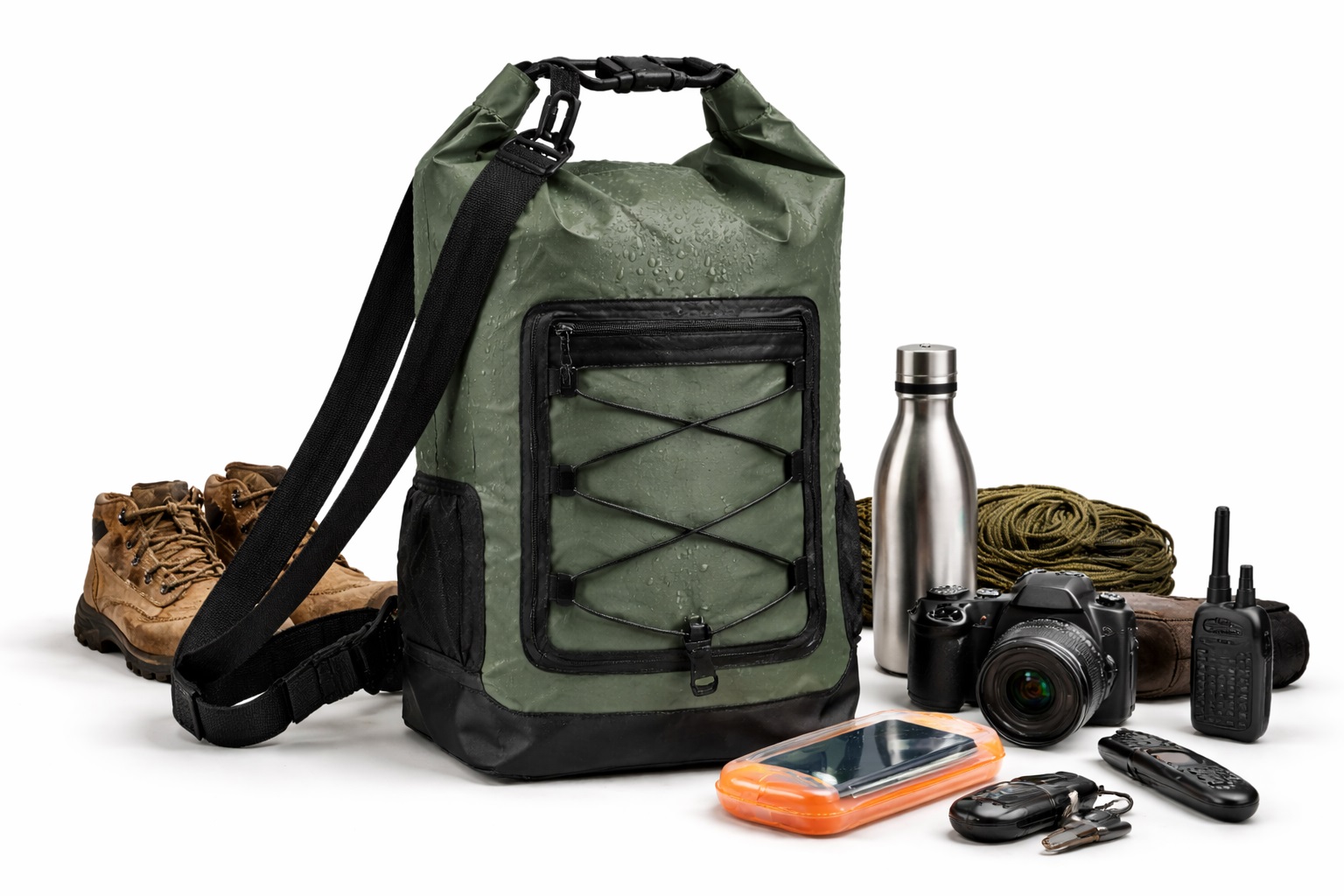
5. COR Surf Waterproof Pack – Best For Hands-Free Carrying Over Distance
COR Surf's Waterproof Pack brings ergonomic padded shoulder straps to a category that is usually just a sack with a roll-top. For anyone who needs to carry a full 20L load of clothing and food any real distance, that backpack-style carry system is a meaningful upgrade over gripping a floating sack by its handle. At roughly $65, it is the most expensive option reviewed here.
- Pros:
- Ergonomic padded shoulder straps enable true hands-free carrying of a full load
- Premier build quality suited to repeated water sports and camping use
- Doubles as a small daypack, not just a sealed sack
- Cons:
- Highest price point among the options reviewed here
- Straps add bulk that isn't necessary if the bag rides inside a canoe or kayak hatch
Best For: Hikers, campers, and paddlers who need to carry a full 20L gear bag on their back over a portage or trail rather than just floating it alongside a boat.
Why We Recommend It: The padded strap system turns a simple dry sack into a genuinely wearable piece of gear once it is loaded down with clothing and food for a multi-day trip.
6. Earth Pak Waterproof Bag – Best For Heavy-Duty Fabric Strength
Earth Pak leans on heavy duty 500D PVC fabric, a denier rating well above what many 20L dry bags use, to give this bag serious resistance to punctures and abrasion. At around $25, it undercuts most of the tougher competition while still offering fabric strength that suits rougher outdoor conditions where a bag gets dragged over rocks or a boat gunwale.
- Pros:
- Heavy duty 500D PVC resists punctures better than lighter fabrics
- Reasonable price for the fabric weight offered
- Reputable brand with a growing following among outdoor shoppers
- Cons:
- Heavier fabric adds a bit more weight than ultralight alternatives
- Limited color options at this capacity
Best For: Campers who toss their gear around rough terrain and want a 20L bag that can take a beating trip after trip.
Why We Recommend It: Heavier-denier fabric is one of the simplest ways to extend the working life of a dry bag that gets dropped, dragged, or crushed under other gear.
7. Piscifun Dry Bag – Best For Buyers Who Want Size Options
Piscifun sells its dry bags across a wide range of sizes, and the multi-sized selection means you can match capacity to your exact clothing and food list rather than settling for whatever size happens to be in stock. At around $22, it undercuts most of the mid-tier competition while still using a coated fabric that holds up to regular outdoor use.
- Pros:
- Multi-sized selection lets you dial in capacity around 20L or adjust up or down
- Competitive pricing relative to build quality
- Simple roll-top design with minimal extra hardware to fail
- Cons:
- Fewer premium touches like reinforced lash points
- Color options are more limited at some sizes
Best For: Shoppers who already know their exact gear list and want to size their clothing and food bag precisely instead of guessing.
Why We Recommend It: The size range removes the guesswork that usually comes with picking a mid-size dry bag off the shelf.
8. Osprey Dry Sack – Best For Everyday Reliability
Osprey built its reputation on load-bearing pack hardware, and that engineering mindset carries over into the Osprey Dry Sack. The siliconized nylon protection used on the shell resists abrasion and repels water at the surface before it ever reaches the roll-top seal, which matters when a 20L bag spends its life strapped to the outside of a larger pack. At a price point of around $20, it sits comfortably in the budget-friendly range while still carrying a recognizable brand name that most outdoor shoppers already trust.
- Pros:
- Siliconized nylon shell resists abrasion and light water exposure
- Reasonably lightweight for a 20L capacity bag
- Backed by a well-known outdoor brand with wide retail availability
- Cons:
- Color and size options are limited compared to dedicated expedition bags
- Roll-top closure needs three full rolls for a reliable seal
Best For: Everyday campers who want a trusted name-brand dry bag for clothing and food without paying for features they will never use.
Why We Recommend It: The combination of a durable shell and a recognizable warranty policy makes this a low-risk pick for anyone new to packing a 20L dry bag.
Buying Guide: How to Choose the Best 20L Dry Bag
A 20-liter dry bag sits at the sweet spot between a small accessory pouch and a full expedition duffel, which means the buying decision involves a wider range of trade-offs. The sections below break down the specific factors that matter most at this size, so you can compare models on more than just price.
1. Roll-Top Closure Quality
The roll-top closure is the single most important feature on any dry bag, and at 20 liters a wider opening makes packing clothing and food faster while still needing at least three full rolls to seal reliably.
A stiffened closure panel helps the rolls stay flat and even, which reduces the chance of a gap forming at one corner of the seal when the bag is fully loaded.
2. Fabric Weight and Denier Rating
Denier ratings describe the thickness and toughness of the fabric threads. Heavier ratings like 500D resist punctures and abrasion better, which matters more at 20L since a fuller bag puts more stress on the fabric when dragged or dropped.
Lighter fabrics keep overall pack weight down on long portages, but they wear faster when repeatedly loaded with a full set of clothing and food and set down on rough ground.
3. Seam Construction
Fusion-welded seams eliminate the needle holes that stitched seams leave behind, which removes a common failure point on a bag carrying enough gear to matter if it fails. If a bag uses stitched seams instead, check whether the manufacturer applies interior seam tape for added protection.
A 20L bag sees more handling and more weight than a small pouch, so seam quality has an outsized effect on how long the bag lasts under regular use.
4. Capacity Versus Contents
Twenty liters is generally enough for a few days of clothing plus packaged or dehydrated food, but bulkier cold-weather layers can fill it faster than expected. Lay out a typical trip's worth of gear before buying to confirm the capacity actually matches your packing list.
If you regularly pack for longer trips, consider whether a slightly larger size in the same product line would better fit your needs without forcing you to compress everything down.
5. Valve and Compression Features
A purge valve lets you push trapped air out after rolling the top closed, resulting in a flatter, more compact bag as food and supplies are used up over a trip. This matters more with partial loads than with a bag that is always packed to capacity.
Not every 20L bag includes a valve, and plenty of users never miss it, but if your load shrinks significantly over a multi-day trip, the compression feature earns its keep.
6. Attachment Hardware
Lash loops, D-rings, and carabiner clips let you tether a full gear bag to a canoe thwart, a kayak deck, or a truck bed rail so it cannot shift or fall overboard. If you paddle regularly, this hardware is worth prioritizing over raw capacity.
Even car campers benefit from a lash point, since it gives you a reliable way to secure the bag during a bumpy drive on unpaved roads.
7. Carrying Method
Some 20L dry bags are meant to be lashed to a deck or thrown in a canoe, while others include their own shoulder straps for portaging or hiking. Decide how you actually plan to transport a full bag before choosing between a simple sack and a strap-equipped pack style.
If the bag will always ride in a boat or vehicle, straps just add unnecessary bulk. If you need to carry it over a portage trail, a strap system earns its keep quickly.
8. Waterproof Rating Versus Water-Resistant Claims
Not every bag labeled "waterproof" is fully submersible. Roll-top dry bags with welded seams generally handle full submersion better than zippered water-resistant duffels, which are only rated for splashes and light rain.
Read product descriptions carefully for the difference between "waterproof," "water-resistant," and "splashproof," since a bag full of clothing and food deserves the stronger rating whenever possible.
9. Color and Visibility
Bright colors make a 20L dry bag easier to spot in a packed canoe, on a cluttered dock, or scattered across a campsite. Muted or dark colors look sleeker but are easier to lose track of when several bags look similar.
A high-visibility color also helps if the bag ever does end up floating away from a boat, making it faster to recover before it drifts out of sight.
10. Weight Versus Bulk Trade-Off
Heavier fabrics and extra hardware add durability but also add weight to a bag that may already be carrying several days of clothing and food. Match your choice to how far you need to carry the bag versus how rough the conditions will be.
Backpackers doing long portages should weigh every extra ounce carefully, since a heavier empty bag adds up once it is fully loaded for a multi-day trip.
11. Brand Reputation and Warranty
Established outdoor brands typically back their dry bags with clear warranty policies and replacement parts, which matters if a valve or seam ever fails on a bag you depend on for a week-long trip. Lesser-known brands can still perform well, but the after-sale support is usually thinner.
Reading recent buyer feedback on seam durability and valve longevity is often more useful than relying on brand name alone when comparing two similarly priced 20L bags.
12. Price Versus Feature Set
Compare what each price tier actually buys you. Entry-level bags cover basic roll-top protection, mid-range bags add welded seams or heavier fabric, and premium bags introduce hardware, valves, or built-in carrying systems.
Buying the cheapest option is not automatically a mistake, but understand exactly which features you are giving up so the trade-off is a deliberate choice rather than a surprise on a longer trip.
13. Maintenance and Longevity
Rinse salt or sand off the exterior after ocean or river use, and let the bag dry fully with the top open before storing it, especially if it held food that could leave lingering odors. UV exposure and folding creases are the most common causes of premature material fatigue.
Storing the bag loosely rolled rather than tightly folded for long stretches also helps the fabric and any coating resist cracking over years of regular trips.
Frequently Asked Questions
What size dry bag do I need for clothing and food on a multi-day trip?
A 20-liter dry bag is a common choice for a few days of clothing plus packaged or dehydrated food. Longer trips or bulkier cold-weather gear may call for sizing up.
Can a 20L dry bag really keep food dry during full submersion?
A properly sealed roll-top dry bag with welded or taped seams can handle full submersion for reasonable periods, but always check the closure before a river crossing and avoid leaving the bag submerged indefinitely. Periodic inspection of the seal is a good habit before any water-based trip.
Is a premium 20L dry bag worth it for camping trips?
Yes, higher-end models often add welded seams, purge valves, or attachment hardware that meaningfully reduce the risk of a leak or a lost bag, though a simpler budget option still protects against everyday splashes and rain. Which one makes sense depends on how often you camp near open water.
How do I properly seal a roll-top dry bag at this size?
Squeeze out excess air, fold the top down flat at least three times, and snap or buckle the ends together. Skipping a fold or two is one of the most common causes of a leak, especially once the bag is fully loaded and harder to compress.
Can I attach a 20L dry bag to a canoe or kayak?
Yes, as long as the bag includes lash loops, D-rings, or another attachment point. Bags without hardware can still be wedged into a hull or secured under bungee cords instead, though a dedicated clip point is more secure in rough water.
What is the difference between PVC and nylon dry bag fabric at 20L?
PVC is typically heavier and more puncture-resistant, making it a good fit for rough conditions and heavier loads, while coated nylon is lighter and packs down smaller, which suits backpacking more than boat-based trips. Neither material is inherently better; the right choice depends on how the bag will be used.
Do 20L dry bags float if they fall in the water?
Many dry bags, especially those with a floating waterproof design, trap enough air when properly sealed to stay on the surface even when fully loaded with clothing and food. Not every model is designed with flotation specifically in mind, so check the listing if that feature matters to you.
How often should I replace a 20L dry bag?
Most dry bags last several years with regular use if rinsed and dried properly. Replace the bag sooner if you notice cracking fabric, a failing valve, or a roll-top seam that no longer holds a tight seal after a normal number of folds.
Are welded seams better than stitched seams on larger dry bags?
Fusion-welded seams generally outperform stitched seams because they remove the needle holes that can eventually let water through, which matters more under the added weight of a full 20L load. Stitched seams can still perform well when combined with interior seam tape.
Can I use a 20L dry bag for backpacking instead of paddling?
Absolutely. A 20L dry bag works well as a liner inside a backpacking pack to protect clothing and food from rain, not just from full submersion, which makes it a useful accessory beyond boat trips.
Do compression valves affect waterproofing on larger bags?
A well-designed purge valve is built to maintain the waterproof seal while still allowing air to escape, so it should not compromise protection when used correctly and closed fully after purging. Check the valve periodically for grit or debris that could keep it from sealing tightly.
What colors are best for a 20L gear dry bag?
Bright colors like orange, yellow, or red make the bag easier to spot in a packed canoe or a busy campsite, while darker colors are more common on lifestyle-oriented models. Choose based on how often you need to find the bag quickly among other gear.
Is it worth paying more for shoulder straps on a 20L dry bag?
If you plan to carry the bag over a portage trail or hike rather than always keeping it in a boat or vehicle, straps add real convenience once the bag is fully loaded. If it will always ride in a canoe or truck bed, a simple sack is usually enough.
Should I pack food and clothing in the same 20L dry bag?
It works, but many campers prefer separating food from clothing across two smaller bags so that any lingering odors or crumbs stay contained and clothing does not need a full wash after every trip.
How full should I pack a 20L dry bag for the best seal?
Leaving a small amount of empty space near the top makes it easier to complete three full rolls before buckling the closure. Packing a bag to the absolute limit can make the roll-top harder to seal evenly.
Final Verdict
- Top Pick: KastKing Dry Bag for reliable welded-seam construction sized right for clothing and food on multi-day trips.
- Budget Choice: Unigear Dry Bag for the lowest price point without sacrificing basic floating waterproof protection.
- Premium Choice: COR Surf Waterproof Pack for padded shoulder straps that make a full 20L load genuinely comfortable to carry.
Choosing the right 20L dry bag comes down to matching seam construction, fabric weight, and carrying method to how you actually pack for a trip. Any of the eight models above will keep your clothing and food dry; the differences show up in how each one carries, attaches, and holds up once it is loaded down for a multi-day outing.
Think through where the bag will actually travel on a typical trip, whether that is lashed to a canoe thwart, riding in a kayak hatch, or worn on your back over a portage, before deciding which of these eight options fits your routine best. A 20L dry bag is a modest investment relative to the clothing and food it protects, so it rarely pays to cut corners on seam quality or closure reliability just to save a few dollars.