Best Floating Dry Bag for Kayaking in 2026: Top Picks
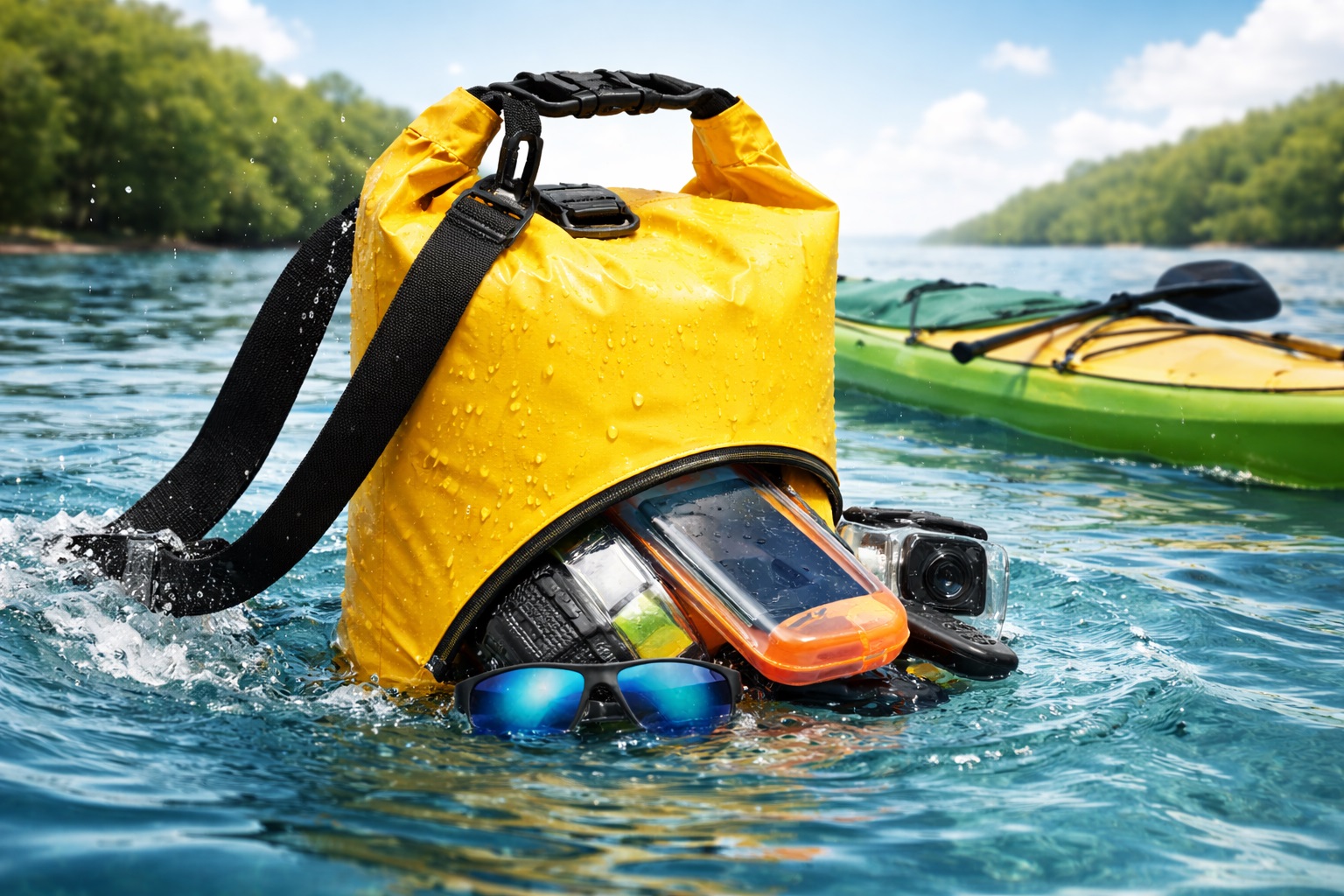
Kayaking puts gear at genuine risk of going overboard, which makes a floating dry bag one of the smarter purchases a paddler can make. Beyond simply keeping contents dry, a bag designed to float gives you a real chance of recovering it if it slips off the deck or out of a cockpit during a capsize. In 2026, several established brands build floating construction directly into their dry bags rather than treating it as an afterthought, and choosing the right one can make a meaningful difference on the water. Even paddlers who stick to calm lakes and slow rivers benefit from the extra margin of safety a floating bag provides, since unexpected wakes, sudden gusts, and simple handling mistakes can all send a bag into the water without warning.
This guide compares eight dry bags commonly used by kayakers, focusing on how well each handles buoyancy, deck attachment, and the demands of paddling in open water. Rather than ranking bags purely on price, the comparisons below weigh the features that matter most when a bag might end up floating away from you rather than sitting safely in a car trunk.
Below you will find in-depth reviews of each pick, a buying guide covering the kayaking-specific features worth prioritizing, and a FAQ section answering the most common questions paddlers ask about dry bags before heading out on the water. Reading through all three sections before buying will give you a clearer sense of which trade-offs actually matter for your typical paddling trips.
| Model | Approx. Price | Standout Feature | Best For |
|---|---|---|---|
| Unigear Dry Bag | $18 | Floating waterproof design | Recreational kayakers on a budget |
| SealLine Discovery Deck | $55 | PurgeAir compression valve | Kayak hatch storage |
| Osprey Dry Sack | $20 | Siliconized nylon shell | Lightweight day paddles |
| KastKing Dry Bag | $28 | Fusion-welded seams | Kayak anglers |
| Piscifun Dry Bag | $22 | Multi-sized selection | Matching bag size to cockpit space |
| Earth Pak Waterproof Bag | $25 | Heavy duty 500D PVC | Rocky put-ins and launches |
| Sea to Summit Big River | $45 | Hypalon lash loops | Deck-mounted attachment |
| COR Surf Waterproof Pack | $65 | Padded backpack straps | Portaging between put-ins |
Prices and specific configurations can shift slightly by retailer and season, so treat the numbers above as a general point of reference rather than a locked-in quote. The standout feature column is meant to help you quickly narrow down which two or three bags deserve a closer look based on how and where you actually paddle.
Use the table as a starting point, then read the full reviews below for the details that matter most to kayakers specifically, such as how each bag attaches to a deck and how it behaves if it ends up in the water unattended.
Top 8 Best Floating Dry Bag Picks for Kayaking (Detailed Reviews)
1. Unigear Dry Bag – Best For Recreational Kayakers on a Budget
The Unigear Dry Bag is built with a floating waterproof design, meaning it is engineered to stay on the surface rather than sink if it ends up in the water during a capsize or a rough transfer between boats. At around $18, it is an accessible entry point for recreational kayakers who want genuine buoyancy without paying premium prices. It is often available in multi-packs, which suits paddlers who want to outfit a tandem kayak or a small group trip. The lightweight fabric also makes it easy to keep a spare bag tucked into a day hatch just in case a passenger's gear needs extra protection partway through a trip.
- Pros:
- Floating design helps you recover the bag if it goes overboard
- Very affordable for genuine floating protection
- Available in multiple sizes and often sold in sets
- Cons:
- Hardware and straps feel more basic than premium paddling brands
- Less suited to whitewater or rougher open-water conditions
Best For: Recreational and lake kayakers who want reliable floating protection without a large budget.
Why We Recommend It: Genuine floating construction at this price point is difficult to find, making it a smart first dry bag for casual paddlers.
2. SealLine Discovery Deck – Best For Kayak Hatch Storage
The SealLine Discovery Deck was designed with kayak storage in mind, and its PurgeAir valve lets paddlers compress the bag down to fit through narrow hatch openings and into tight compartments. At around $55, it costs more than several other picks here, but the compression feature solves a problem that is specific to kayaking, where hatch space is often at a premium. SealLine's long history building paddling gear also shows in the overall fit and finish, from the stitching around the valve to the reinforced roll-top seal that holds up to repeated daily use on the water.
- Pros:
- PurgeAir valve compresses gear for tight hatch spaces
- Purpose-built for kayak and canoe storage compartments
- Trusted brand with decades of paddling gear experience
- Cons:
- Higher price than simpler roll-top alternatives
- Compression step adds a bit of extra time when packing
Best For: Kayakers who need to fit gear through narrow hatch openings or into fully loaded storage compartments.
Why We Recommend It: Few dry bags on the market solve the hatch-space problem as directly as the PurgeAir valve does, making it worth the added cost for touring and sea kayakers.
3. Osprey Dry Sack – Best For Lightweight Day Paddles
The Osprey Dry Sack uses a siliconized nylon shell that keeps the bag light and easy to clip onto a deck line for short paddles and day trips. At about $20, it is one of the more affordable options here, and its compact packed size makes it easy to bring along as a secondary bag for a phone, snacks, or a light jacket even when a larger dry bag is also on board. Because it weighs so little, it barely registers when clipped to a deck line, which matters on longer day trips where every bit of added weight and drag is noticeable.
- Pros:
- Lightweight siliconized nylon is easy to clip to a deck line
- Packs down small when not full
- Trusted outdoor brand with consistent build quality
- Cons:
- Not built for extended full submersion in rough water
- Smaller size range than dedicated paddling brands
Best For: Day paddlers who want a light, easy-to-clip bag for essentials rather than a full gear haul.
Why We Recommend It: Its low weight and compact profile make it easy to keep within reach on a deck line without adding bulk to the cockpit.
4. KastKing Dry Bag – Best For Kayak Anglers
KastKing built its reputation among anglers, and the fusion-welded seams on the KastKing Dry Bag are designed to withstand repeated exposure to splashing water around a kayak cockpit. At roughly $28, it is a sensible middle-ground choice for kayak anglers who need dependable waterproofing for tackle, electronics, or a change of clothes without paying for features they will not use on the water. The bag's simple roll-top shape also stows easily in a rear tank well or day hatch alongside a rod and tackle without taking up excessive room.
- Pros:
- Fusion-welded seams stand up well to constant splashing
- Reasonable price for the seam quality offered
- Well regarded among the kayak fishing community
- Cons:
- Fewer color and size choices than some competitors
- Not specifically marketed as a floating design
Best For: Kayak anglers who want dependable seam construction for tackle and electronics at a fair price.
Why We Recommend It: The welded seams offer real peace of mind for anglers who spend hours near constantly splashing water.
5. Piscifun Dry Bag – Best For Matching Bag Size to Cockpit Space
Kayak cockpits and rear storage areas vary enormously in size and shape, and the Piscifun Dry Bag's wide range of available sizes makes it easier to find a bag that actually fits your boat. At around $22, it remains affordable across most size options, and having several sizes from one brand simplifies packing when you need one bag for electronics and a larger one for camping gear on a multi-day trip. Standardizing on one brand across sizes also means buckle and roll-top hardware behaves consistently, which speeds up packing when you are trying to load a boat quickly at the launch.
- Pros:
- Wide size range helps match the bag to your kayak's storage
- Affordable across most available sizes
- Popular with both anglers and recreational paddlers
- Cons:
- Largest sizes can be awkward to fit through smaller hatches
- Color availability varies depending on size chosen
Best For: Paddlers who need to size a dry bag precisely to fit an odd-shaped cockpit or hatch space.
Why We Recommend It: Genuine size flexibility makes it easier to avoid wasted space or an overstuffed bag that will not seal properly.
6. Earth Pak Waterproof Bag – Best For Rocky Put-Ins and Launches
Earth Pak's heavy duty 500D PVC construction is built to withstand being set down on gravel boat launches, dragged over rocks, or bumped against a kayak hull during loading. At about $25, it offers a strong combination of toughness and affordability for paddlers who regularly deal with rough put-in and take-out spots rather than manicured beach launches. The thicker material also resists punctures from sharp shells, oyster beds, or submerged branches better than lighter fabrics, which matters on rivers and coastal put-ins with unpredictable footing.
- Pros:
- Heavy duty 500D PVC resists abrasion at rough launch sites
- Strong value for the level of toughness offered
- Popular with campers and paddlers alike
- Cons:
- Heavier than siliconized nylon alternatives
- Fewer paddling-specific features like lash loops
Best For: Paddlers who frequently launch from rocky or gravel put-ins where the bag takes a beating.
Why We Recommend It: The thick PVC material handles rough handling noticeably better than lighter fabrics, extending the bag's usable life.
7. Sea to Summit Big River – Best For Deck-Mounted Attachment
The Hypalon lash loops on the Sea to Summit Big River make it one of the easiest bags on this list to secure directly to a kayak deck using bungee cords or straps. At around $45, it costs more than most entries here, but the reinforced construction and secure attachment points are genuinely useful for touring kayakers who need gear lashed down for long open-water crossings. Even in gusty conditions or following seas, gear lashed through these loops is far less likely to shift or work loose than gear simply wedged under deck bungees.
- Pros:
- Hypalon lash loops allow secure deck mounting
- Reinforced build suited to serious touring use
- Strong reputation for long-term outdoor durability
- Cons:
- Higher price than most other picks on this list
- More capability than casual paddlers may need
Best For: Touring and sea kayakers who need to lash gear securely to a deck for long crossings.
Why We Recommend It: The lash loops give real peace of mind that gear will stay attached even in choppy conditions.
8. COR Surf Waterproof Pack – Best For Portaging Between Put-Ins
When a kayaking trip involves carrying gear overland between put-ins or around obstacles, the padded backpack straps on the COR Surf Waterproof Pack make a real difference compared to a shoulder-slung sack. At around $65, it is the priciest option here, but paddlers who regularly portage will appreciate not having a strap dig into one shoulder for an extended carry. On trips that involve scouting a rapid on foot or hauling gear around a dam, that comfort difference becomes obvious within the first few hundred yards.
- Pros:
- Padded backpack straps ease overland portages
- Comfortable weight distribution for longer carries
- Durable build from a recognized water sports brand
- Cons:
- Most expensive option on this list
- Backpack shape is less common for strict deck mounting
Best For: Paddlers who need to carry gear overland between launches or around obstacles on the water.
Why We Recommend It: The padded strap system turns an awkward overland carry into a manageable one, which matters on trips that mix paddling and hiking.
Buying Guide: How to Choose the Best Floating Dry Bag for Kayaking
Kayaking places different demands on a dry bag than casual beach or travel use, since there is a real chance the bag could end up in open water on its own. The following sections cover the features most worth prioritizing for paddlers specifically.
1. Genuine Floating Construction
Not every dry bag is designed to float; some simply resist water without any buoyancy engineering. Check product details for explicit mentions of floating or buoyant design rather than assuming any sealed bag will stay on the surface if it goes overboard. Trapped air alone is not a substitute for a bag actually engineered with buoyant materials or construction.
2. Deck Attachment Points
Lash loops, D-rings, or webbing straps let you secure a bag to a kayak deck or cockpit so it cannot wash away even if the boat capsizes. Bags without attachment points rely entirely on being wedged into a hatch, which is not always reliable in rough conditions. Even a simple carabiner clipped through a loop can make the difference between recovering your gear and losing it downstream.
3. Seam and Closure Reliability
Fusion-welded seams and a properly rolled top with sturdy buckles matter even more for kayaking than for casual use, since a failure here means gear gets wet while you are actively on the water with no easy way to dry things out. Inspect seams for consistent, even welding rather than uneven or bubbled sections, which can be an early warning sign of a weak spot.
4. Hatch and Cockpit Compatibility
Measure your kayak's hatch openings and cockpit storage space before buying, since an oversized bag may not fit through a narrow hatch even if it seals perfectly. Compression valves can help here by reducing the bag's overall bulk, but they cannot compensate for a bag that is simply too wide for the opening in the first place.
5. Material Toughness for Launch Sites
Bags regularly dragged across rocky or gravel put-ins benefit from thicker PVC construction, while bags kept inside a hatch and handled gently can get away with lighter nylon fabrics. Consider not just the water you paddle but also the terrain you cross to reach it when weighing material toughness.
6. Bright, Visible Colors
A brightly colored bag is far easier to spot if it does end up floating away from your kayak, especially in choppy water or low light. Muted or dark colors look sleek but are harder to recover visually, particularly from a distance or against reflective water surfaces.
7. Capacity for Multi-Day Trips
Day paddlers can get by with smaller bags in the 5 to 15 liter range, while multi-day touring trips typically need 20 liters or more to fit camping gear, food, and extra layers. Splitting gear across two mid-sized bags rather than one very large bag can also make loading and unloading the boat considerably easier.
8. Weight When Packed
A heavily loaded dry bag affects a kayak's balance, so distributing weight across a couple of mid-sized bags is often more manageable than relying on a single oversized one. This is especially true for narrower touring kayaks, where uneven weight distribution can noticeably affect handling.
9. Compression Valve Usefulness
If your kayak has small hatches, a purge valve that compresses the bag can be the difference between gear fitting easily and struggling to close the hatch at all. For larger open-cockpit kayaks or canoes, this feature matters less since space is rarely as tight.
10. Strap and Buckle Corrosion Resistance
Saltwater paddling in particular can corrode metal hardware over time, so plastic buckles or corrosion-resistant metal fittings are worth checking for if you paddle in coastal or brackish water regularly. Rinsing hardware promptly after each outing also slows corrosion considerably regardless of the materials used.
11. Ease of One-Handed Sealing
Being able to roll and buckle a dry bag with one hand while balancing in a kayak is a practical convenience that is easy to overlook until you are actually on the water trying to repack in a moving boat. Wider buckles and stiffer roll-top material generally make this easier to manage solo.
12. Brand Track Record in Paddling Gear
Brands with a long history specifically in kayaking and canoeing gear tend to have refined details like lash loop placement and hatch-friendly shapes more than general outdoor brands that added a dry bag to their lineup. This track record can also mean easier access to replacement parts down the line.
13. Price Relative to Trip Frequency
Occasional lake paddlers can reasonably choose a more affordable bag, while frequent sea kayakers or multi-day tourers may find that investing in a more rugged, feature-rich bag pays off through fewer replacements over time. Think about your paddling frequency over the next several years, not just your next single trip, when weighing the upfront cost.
Frequently Asked Questions
Do all kayaking dry bags float if they go overboard?
No, only bags specifically engineered with floating or buoyant construction are reliably designed to stay on the surface. A standard sealed dry bag may still float briefly depending on trapped air, but this should not be relied upon, especially once water begins to seep in around the seal.
How do I attach a dry bag to my kayak deck?
Most touring kayaks have bungee cords or deck rigging you can loop through a bag's lash loops or D-rings. If your bag lacks attachment points, a paddle-specific tie-down strap can sometimes be added separately, though a bag with built-in loops is generally more secure.
What size dry bag fits best in a kayak hatch?
This depends entirely on your kayak's hatch dimensions, but bags in the 10 to 20 liter range tend to fit a wide variety of sea and touring kayak hatches without excessive compression. Measuring your specific hatch before buying is always a safer bet than guessing based on general size guidance.
Is a purge valve necessary for kayaking?
It is not strictly necessary, but it becomes very useful if your kayak has small hatches or you are trying to pack multiple bags into limited storage space for a multi-day trip. For open-cockpit boats with generous storage, a simple roll-top bag is often all you need.
Can I use a regular dry bag instead of a floating one for kayaking?
You can, but a non-floating bag that goes overboard may sink depending on its contents, making recovery difficult or impossible. A floating design specifically reduces this risk and is generally worth the modest extra cost for paddlers on open or moving water.
How should I clean a dry bag after saltwater kayaking?
Rinse the bag thoroughly with fresh water, paying attention to buckles, zippers, and seams where salt crystals can accumulate, then allow it to fully air dry before storage to prevent hardware corrosion. Leaving salt residue in place over multiple trips is one of the most common reasons buckles eventually stiffen or fail.
What happens if my kayak capsizes with gear still inside the bag?
A properly sealed dry bag should keep its contents dry even during a capsize, though a floating design also makes it much easier to recover the bag itself afterward if it separates from the boat. Practicing a self-rescue with gear attached can help you understand how your setup behaves in real conditions.
Should kayak anglers use a different dry bag than recreational paddlers?
Anglers often prioritize seam durability and size flexibility for tackle and electronics, while recreational paddlers may prioritize floating construction and ease of attachment more heavily. Both groups still benefit from a bag that seals reliably under repeated splashing.
How tightly should I pack a dry bag for kayaking?
Leave enough room to roll the top at least three full times for a proper seal. An overstuffed bag that cannot roll enough times is more likely to leak, so it is often better to use two moderately filled bags than one bag stuffed to its limit.
Do bright colors actually help if a dry bag falls in the water?
Yes, bright colors like orange, yellow, or red are significantly easier to spot against water and shoreline compared to muted greens, grays, or blacks, especially in choppy conditions.
Are heavier PVC dry bags better for kayaking than nylon ones?
PVC handles rough handling at launch sites better, but nylon is lighter and easier to store in a hatch. Many paddlers use PVC bags for gear handled roughly and nylon bags for items packed gently inside the boat, effectively getting the benefits of both materials across their overall kit.
Can a dry bag replace a dedicated kayak deck bag?
A dry bag can serve a similar purpose if it has attachment points, but dedicated deck bags are sometimes shaped specifically to sit flush against a kayak's deck, which some paddlers prefer for stability and reduced windage on open water.
How often should I replace a kayaking dry bag?
With regular rinsing and proper drying, a good dry bag can last several seasons. Watch for cracking material, failing buckles, or seams that no longer seal tightly as signs it is time for a replacement, and test the seal periodically rather than waiting for a trip to reveal a problem.
Do I need a different dry bag for whitewater versus flatwater kayaking?
Whitewater conditions put more stress on seams, buckles, and attachment points, so a more heavily reinforced bag with secure lash points is worth prioritizing. Flatwater paddling is generally more forgiving of lighter, simpler bags.
Can I store electronics safely in a floating kayak dry bag?
Yes, as long as the bag is properly sealed and not overfilled. Many paddlers use a smaller inner pouch or case for electronics inside the main dry bag for an extra layer of protection.
What is the best way to test a dry bag's seal before a trip?
Roll the top as you normally would, submerge the sealed bag briefly in a sink or shallow water near shore, and check for any dampness inside afterward. This simple check can catch a failing seal before it matters on the water.
Final Verdict
- Top Pick: Unigear Dry Bag for genuinely useful floating protection at an accessible price for most paddlers.
- Budget Choice: Osprey Dry Sack for lightweight day-paddle protection at one of the lowest price points here.
- Premium Choice: SealLine Discovery Deck for paddlers who need serious hatch-compatible compression and touring-grade construction.
Choosing a floating dry bag for kayaking comes down to matching buoyancy, attachment options, and size to how and where you actually paddle. A recreational lake paddler and a sea touring kayaker have different priorities, and the picks above cover both ends of that spectrum along with everything in between, so working through the buying guide questions specific to your boat and trip style will help you land on the right bag with confidence. When in doubt, prioritize genuine floating construction and secure attachment points first, since those two factors do the most to protect your gear during the moments a kayak trip does not go exactly as planned.