Best Dry Bag for Electronics in 2026: Top Waterproof Picks
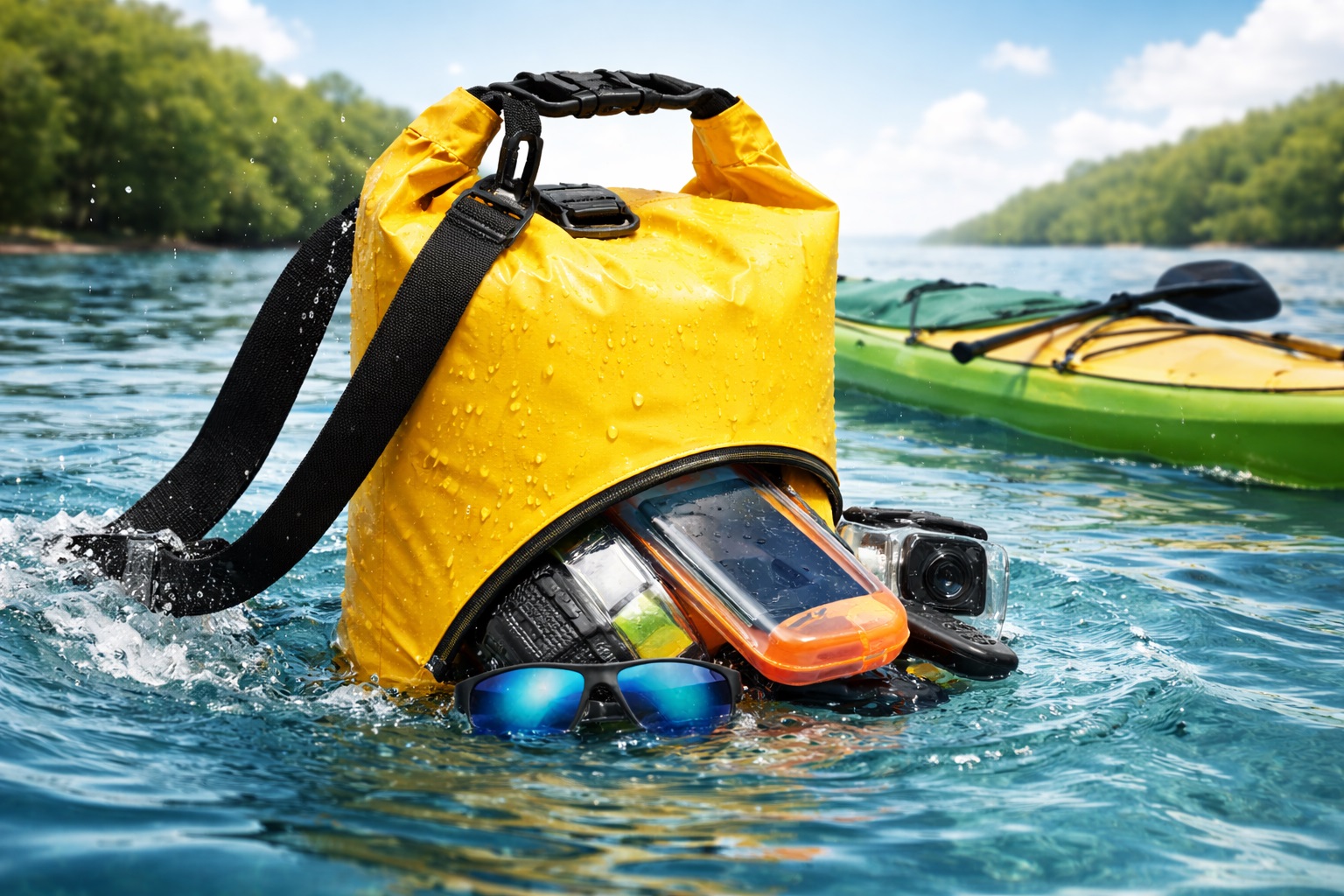
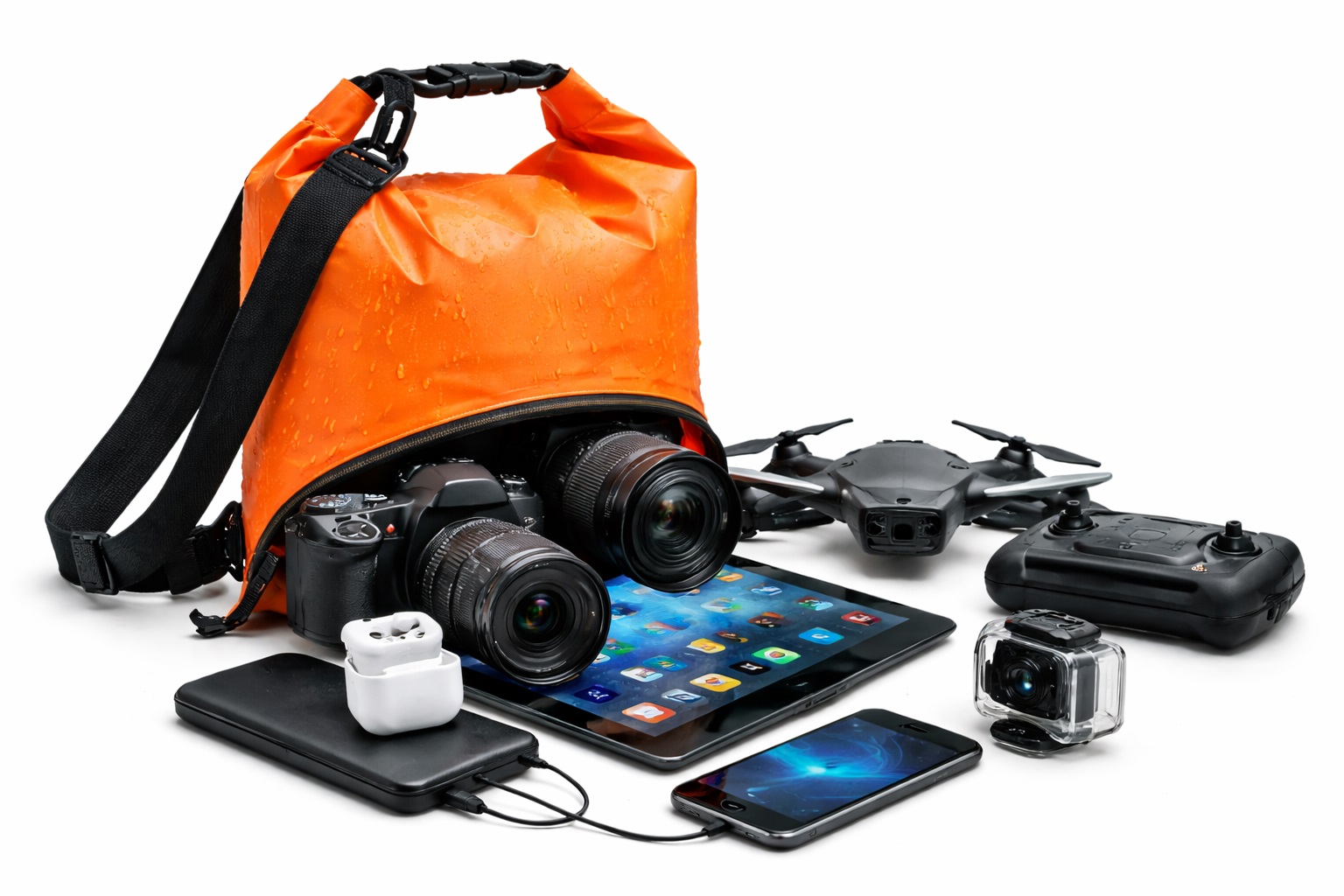
Phones, cameras, tablets, and portable battery packs are among the most expensive items people carry outdoors, and they are also among the most sensitive to moisture damage. A single splash or an unexpected dunk can permanently ruin a device that water alone would barely bother if it were a towel or a jacket. In 2026, dedicated dry bags built with sensitive electronics in mind have become widely available, offering an extra layer of confidence for anyone who wants to bring a phone or camera along on the water without constant worry. Investing a bit more thought into the right bag up front is a small price compared to the cost of replacing a damaged device.
This guide compares eight dry bags that work well for protecting electronics, weighing seam quality, closure reliability, and practical details like size options and cushioning against everyday usability. Rather than ranking bags purely on price, the comparisons below focus on the features that matter most when the contents cannot simply be dried out and used again if a seal fails.
Below you will find detailed reviews of each pick, a buying guide covering what to prioritize when protecting sensitive gear specifically, and a FAQ section addressing common questions about keeping electronics safe and dry outdoors. Reading through all three sections will help you understand exactly which trade-offs matter most for the specific devices you plan to carry.
| Model | Approx. Price | Standout Feature | Best For |
|---|---|---|---|
| SealLine Discovery Deck | $55 | PurgeAir compression valve | Compressing air away from delicate items |
| Sea to Summit Big River | $45 | Hypalon lash loops | Securing electronics to a deck or pack |
| COR Surf Waterproof Pack | $65 | Padded backpack straps | Carrying cameras and gear comfortably |
| Osprey Dry Sack | $20 | Siliconized nylon shell | Lightweight phone and tablet protection |
| Earth Pak Waterproof Bag | $25 | Heavy duty 500D PVC | Rugged protection for cameras in the field |
| KastKing Dry Bag | $28 | Fusion-welded seams | Reliable everyday electronics protection |
| Piscifun Dry Bag | $22 | Multi-sized selection | Matching bag size to specific devices |
| Unigear Dry Bag | $18 | Floating waterproof design | Budget protection with recovery if dropped |
Prices and exact configurations can vary by retailer, so treat the table as a general reference before reading the full reviews below, which explain in more detail why each bag suits electronics specifically rather than general gear storage.
Top 8 Best Dry Bags for Electronics (Detailed Reviews)
1. SealLine Discovery Deck – Best For Compressing Air Away From Delicate Items
The SealLine Discovery Deck includes a PurgeAir valve that lets you push excess air out of the bag before sealing it, which reduces the amount of movement a phone, camera, or tablet experiences inside the bag during transport. Less internal shifting means less risk of a device knocking against a hard surface or another item. At around $55, it costs more than several other picks here, but for genuinely valuable electronics, the added stability that compression provides is a meaningful benefit rather than just a packing convenience. Reducing that internal rattle over the course of a bumpy hike or a choppy paddle can matter more than people expect until they see the difference for themselves.
- Pros:
- PurgeAir valve reduces internal movement of delicate items
- Well suited to protecting cameras and tablets from shifting in transit
- Trusted brand with a long history in paddling and outdoor gear
- Cons:
- One of the pricier options on this electronics-focused list
- Compression valve adds an extra step compared to simple roll-tops
Best For: Anyone carrying a camera, tablet, or other device that benefits from reduced movement during transport.
Why We Recommend It: The compression feature genuinely reduces the risk of internal impact damage, which matters more for electronics than for soft goods like clothing.
2. Sea to Summit Big River – Best For Securing Electronics to a Deck or Pack
The Hypalon lash loops on the Sea to Summit Big River make it easy to strap the bag securely to a kayak deck, raft, or backpack frame, keeping expensive electronics attached to you rather than loose in a hatch or cargo area. At around $45, it costs more than several picks here, but the reinforced construction and secure attachment points offer real peace of mind for anyone who cannot afford to lose a camera or GPS unit overboard. Knowing the bag is physically tethered rather than just sealed shut changes how comfortable you feel navigating rougher terrain or water with expensive gear along.
- Pros:
- Hypalon lash loops keep electronics securely attached during transport
- Reinforced construction built for repeated heavy use
- Strong reputation for outdoor gear longevity
- Cons:
- Higher price point than most budget-focused alternatives
- Overbuilt for buyers who only need occasional light use
Best For: Paddlers and hikers who need to keep electronics securely attached rather than loose in storage.
Why We Recommend It: The lash loops provide a level of physical security for expensive devices that a simple roll-top bag without attachment points cannot match.
3. COR Surf Waterproof Pack – Best For Carrying Cameras and Gear Comfortably
The padded backpack straps on the COR Surf Waterproof Pack make it easier to carry a camera body, extra lenses, or a laptop across longer distances without the discomfort of a single shoulder strap digging in. At around $65, it is the priciest option on this list, but photographers and videographers who carry substantial gear will likely appreciate the even weight distribution across both shoulders during long hikes or beach walks. Keeping both hands free is also a practical safety benefit when navigating uneven terrain with a tripod or additional gear.
- Pros:
- Ergonomic padded shoulder straps ease long carries with heavier gear
- Backpack-style design distributes weight evenly
- Durable construction from a reputable water sports brand
- Cons:
- Priced above most of the other options here
- Limited color options compared to some competitors
Best For: Photographers and videographers who carry substantial camera gear over long distances.
Why We Recommend It: The backpack-style comfort genuinely matters when the load includes heavier equipment like camera bodies and lenses rather than lightweight essentials.
4. Osprey Dry Sack – Best For Lightweight Phone and Tablet Protection
The Osprey Dry Sack's siliconized nylon shell keeps the bag light and packable, making it a sensible choice for protecting a phone, e-reader, or small tablet without adding much bulk to a daypack. At about $20, it is one of the more affordable options here, and its compact size makes it easy to keep close at hand rather than buried at the bottom of a larger bag. Quick access matters for anyone using a phone frequently for photos or navigation throughout a hike.
- Pros:
- Siliconized nylon keeps weight low without sacrificing protection
- Compact and easy to keep within reach for quick access
- Trusted name in outdoor gear with consistent quality control
- Cons:
- Not designed for extended full-submersion use
- Minimal cushioning compared to padded electronics cases
Best For: Hikers and travelers who want lightweight, accessible protection for phones and small tablets.
Why We Recommend It: Its low weight and compact size make it practical to keep a phone protected and within easy reach throughout the day.
5. Earth Pak Waterproof Bag – Best For Rugged Camera Protection in the Field
Earth Pak's heavy duty 500D PVC construction adds a layer of physical toughness that benefits camera gear carried into rugged environments like rocky trails, riverbanks, or campsites. At about $25, it offers meaningful abrasion resistance at an accessible price, making it a sensible choice for photographers who need their gear bag to survive being set down on rough ground repeatedly throughout a shoot. This kind of everyday durability matters more than most people expect once a bag has been through a full season of fieldwork.
- Pros:
- Heavy duty 500D PVC resists abrasion and punctures well
- Strong value relative to its rugged build quality
- Reputable brand with a loyal outdoor following
- Cons:
- PVC construction is heavier than siliconized nylon options
- Minimal internal padding compared to dedicated camera bags
Best For: Photographers and field workers who need a tough outer shell for cameras used in rugged conditions.
Why We Recommend It: The thicker PVC material offers noticeably better protection against abrasion and impact than typical lightweight nylon bags.
6. KastKing Dry Bag – Best For Reliable Everyday Electronics Protection
KastKing's fusion-welded seams are designed to keep water out reliably, which matters for everyday items like phones, action cameras, and portable speakers that get tossed in and out of a bag frequently throughout a trip. At roughly $28, it offers dependable seam construction at a fair price, making it a solid all-around choice for anyone who wants consistent protection without paying for extras they will not use. It handles the everyday routine of unpacking and repacking gear at a campsite or trailhead without showing signs of wear quickly.
- Pros:
- Fusion-welded seams resist leaks better than stitched alternatives
- Reasonable mid-range price for the build quality offered
- Backed by a brand well known in fishing and outdoor circles
- Cons:
- Color and size selection is more limited than some rivals
- No dedicated internal padding for electronics
Best For: Everyday users who want dependable seam construction for phones, cameras, and small electronics.
Why We Recommend It: Fusion-welded seams offer consistent protection for devices that get handled and repacked frequently throughout a day outdoors.
7. Piscifun Dry Bag – Best For Matching Bag Size to Specific Devices
Piscifun's wide range of available sizes makes it easy to find a bag closely matched to a single device, such as a compact camera or a tablet, rather than using an oversized bag that lets the item shift around inside. At around $22, it remains affordable across most sizes, and having a snugger fit around the device reduces internal movement, which can help protect against minor bumps. This kind of tailored sizing is a small detail that pays off every time the bag is picked up, set down, or tossed into a larger pack.
- Pros:
- Wide range of sizes to match different device dimensions
- Affordable price point across most size options
- Popular choice among anglers and casual outdoor users
- Cons:
- Larger sizes can feel bulky when only holding a small device
- Color options vary by size, limiting some choices
Best For: Shoppers who want a snug-fitting bag sized specifically to a single device rather than a general-purpose sack.
Why We Recommend It: A properly sized bag reduces the internal shifting that can contribute to accidental bumps or scratches on sensitive electronics, and the range of available sizes means most buyers can find an exact match for their gear.
8. Unigear Dry Bag – Best For Budget Protection With Recovery if Dropped
The Unigear Dry Bag's floating waterproof design offers a genuine safety net for electronics, since a bag that goes overboard or gets dropped near water has a real chance of being recovered before the seal has time to fail. At around $18, it is one of the most affordable picks on this list, making it an accessible entry point for anyone who wants basic floating protection for a phone or camera without a large investment. For casual users who mainly want a safety net rather than a full-featured protective case, this level of coverage is often more than sufficient.
- Pros:
- Floating design improves the odds of recovering electronics if dropped near water
- Very affordable price point for genuine floating protection
- Available in multiple sizes, often sold in sets
- Cons:
- Build quality is more basic than premium water-sports brands
- No internal padding or device-specific features
Best For: Budget-conscious buyers who want basic floating protection for electronics near water.
Why We Recommend It: Combining floating construction with a low price point makes it an easy way to add a safety net for electronics without a significant expense, which is especially reassuring for first-time buyers still deciding how much to invest in dedicated gear protection.
Buying Guide: How to Choose the Best Dry Bag for Electronics
Protecting electronics is different from protecting clothing or camping gear, since a single failure can mean a permanently damaged, expensive device rather than simply a wet item that dries out. The following sections cover the details worth prioritizing specifically for sensitive gear, and treating this list as a checklist before purchase can help you avoid settling for a bag that only handles half the job.
1. Seam Reliability Above All Else
Fusion-welded seams are the most dependable option for electronics protection, since they create a continuous waterproof bond rather than relying on stitching and adhesive that can degrade over time and eventually let moisture through. This single detail is worth prioritizing over almost any other feature when the contents are irreplaceable.
2. Roll-Top Closure Integrity
A properly designed roll-top needs enough extra fabric length to fold at least three times before buckling. For electronics specifically, it is worth double-checking the seal by looking for even, consistent folds rather than a rushed closure, since a single skipped fold can be the difference between a dry device and a ruined one.
3. Internal Cushioning or Padding
Some dry bags include a padded internal sleeve or additional lining specifically for electronics, which adds a layer of impact protection beyond simple waterproofing. This is worth seeking out for cameras or laptops in particular, since screens and lenses are especially vulnerable to impact damage.
4. Snug Sizing to Reduce Movement
An oversized bag allows a device to slide and shift during transport, increasing the risk of impact damage. Choosing a size closely matched to your device reduces this movement considerably and also makes the bag easier to roll and seal properly.
5. Compression to Limit Internal Shifting
A purge valve that removes excess air before sealing can further reduce how much a device moves inside the bag, which is a meaningful benefit for anything with a screen or lens that could be scratched or cracked during a long hike or paddle.
6. Floating Construction for Water-Adjacent Use
If you are using electronics near open water, a floating bag design offers a real chance of recovering a dropped device before the seal has time to fail, rather than losing it to the bottom immediately. This single feature can turn a costly accident into a minor inconvenience.
7. Attachment Points for Security
Lash loops or D-rings let you physically secure a bag containing valuable electronics to a boat, pack, or belt, reducing the chance of it being separated from you entirely during an accident or capsize. This is particularly valuable for gear you use constantly throughout a trip.
8. Material Toughness for Field Use
Heavier PVC materials resist abrasion and punctures better than lightweight nylon, which matters if your electronics bag will be set down on rocky, rough, or otherwise abrasive surfaces regularly. Photographers working in the field often prefer this added toughness over minimal weight savings.
9. Clear Panels for Quick Access
Some electronics-focused dry bags include a clear window that allows you to operate a touchscreen device without fully opening the bag, which can be a genuinely useful feature for phones used for photos or navigation throughout the day.
10. Size Range for Different Devices
Having access to multiple sizes from one brand makes it easier to outfit different devices appropriately, from a single small camera to a larger setup that includes a tablet, charger, and cables. Consistent hardware across sizes also speeds up packing.
11. Weight for Portability
If you are carrying electronics gear over long distances, a lighter dry bag material reduces the overall burden, though this sometimes comes at the cost of the added toughness that heavier materials provide. Weigh this trade-off against how rugged your typical trips actually are.
12. Brand Track Record
Brands with an established reputation in outdoor gear tend to offer more consistent quality control, which is worth prioritizing when the contents of the bag are expensive enough that a single failure would be costly. A recognizable name also tends to mean easier access to sizing guidance.
13. Price Relative to Device Value
It generally makes sense to spend a bit more on a highly reliable dry bag when protecting an expensive camera or laptop, while a more basic bag may be perfectly adequate for a budget phone or older tablet. Think of the dry bag's cost as a small fraction of the device it protects.
Frequently Asked Questions
Can I trust a dry bag alone to protect my phone from water damage?
A properly sealed, high-quality dry bag can offer strong protection, though pairing it with a dedicated waterproof phone case adds an extra layer of confidence for devices you cannot afford to lose. Redundant protection is a reasonable approach for anything genuinely irreplaceable.
What size dry bag is best for a DSLR or mirrorless camera?
This depends on the specific camera and lens combination, but a bag in the 10 to 15 liter range often comfortably fits a camera body with an attached lens plus a few small accessories. Larger telephoto setups or multi-lens kits typically need a bag closer to 20 liters.
Do I need internal padding in a dry bag for electronics?
Internal padding adds meaningful impact protection beyond waterproofing alone, which is particularly valuable for cameras, laptops, and other devices with delicate internal components or screens. Without it, consider adding a separate padded sleeve inside the bag for extra protection.
Is a floating dry bag necessary for protecting electronics?
It is not strictly necessary, but it becomes valuable any time electronics are used near open water, since a floating design offers a real chance of recovering a dropped device before it sinks. For land-based use, this feature matters much less.
Can I charge my phone while it is inside a dry bag?
Most standard dry bags are not designed with cable ports, so devices generally need to be removed to charge. Some specialized waterproof phone cases do include port access, but this is uncommon in general-purpose dry bags, so plan charging stops accordingly on longer trips.
How do I know if a dry bag's seal has failed?
Check for dampness on the interior surface or condensation after use in wet conditions. If moisture appears consistently despite proper rolling and sealing, the bag likely has a seam or closure issue that is worth addressing before the next trip.
Should I use a smaller inner pouch inside a larger dry bag for extra protection?
Yes, many people use a smaller sealed pouch or case inside a larger dry bag as a backup layer of protection, particularly for the most valuable or sensitive electronics in their kit. This layered approach is a simple way to add redundancy without much added bulk.
What is the safest way to pack a laptop in a dry bag?
Use a bag sized closely to the laptop to minimize movement, ideally with some padding, and avoid packing hard or sharp items alongside it that could press against the screen or casing during transport.
Are clear-panel dry bags actually waterproof at the window?
Quality clear panels are bonded or welded into the bag using the same waterproof techniques as the rest of the seams, though it is worth confirming this in product details rather than assuming it automatically. A poorly bonded panel is one of the more common weak points on cheaper bags.
How often should I check a dry bag used for electronics?
Inspect seams, buckles, and the roll-top area before any trip involving valuable electronics, and consider a quick water test periodically to confirm the seal is still performing as expected. A few minutes of inspection can prevent a costly surprise later.
Can extreme heat damage electronics stored in a dry bag?
A sealed dry bag left in direct sun or a hot car can trap heat, which may affect battery-powered devices, so it is worth keeping bags with electronics out of direct, prolonged heat exposure when possible. A lighter-colored bag can also help reduce heat absorption slightly.
Is it safe to store a power bank or spare batteries in a dry bag?
Yes, as long as the bag is not exposed to excessive heat, which can affect battery performance and safety over time. Standard waterproof protection is generally sufficient for typical outdoor conditions, and keeping batteries in their original packaging adds a small extra layer of protection.
What is the biggest mistake people make when packing electronics in a dry bag?
Overfilling the bag so the roll-top cannot fold enough times for a proper seal is one of the most common mistakes, along with skipping a test roll before heading out on a trip.
Can I use a dry bag to protect a drone and its controller?
Yes, a properly sized dry bag can protect a drone and controller from moisture and dust, though it is worth choosing a size with enough room to avoid pressing propellers or antennas against the bag's interior.
Do I need a different dry bag for winter electronics use versus summer?
The core waterproofing needs stay the same across seasons, though cold weather can make some plastics more brittle, so checking a bag's cold-weather flexibility is worth considering for winter outdoor electronics use.
Should I remove batteries from electronics before storing them in a dry bag?
This is not typically necessary for short-term storage, but for long-term storage between trips, removing batteries can prevent corrosion inside the device if any moisture were to find its way in unexpectedly.
Is it worth buying a dedicated waterproof case instead of a general dry bag for electronics?
Dedicated waterproof cases often offer more precise protection for a single device type, while a general dry bag offers flexibility to protect various items on different trips. Many people use both, choosing whichever fits the specific outing.
Final Verdict
- Top Pick: SealLine Discovery Deck for its compression feature that genuinely reduces movement and risk for delicate electronics.
- Budget Choice: Unigear Dry Bag for affordable floating protection that offers a real chance of recovery if dropped near water.
- Premium Choice: COR Surf Waterproof Pack for photographers and videographers carrying heavier camera gear who want backpack-style comfort.
Protecting electronics comes down to prioritizing seam reliability, snug sizing, and reduced internal movement over simply chasing the lowest price. The picks above cover a range of budgets and use cases, from casual phone protection to serious camera gear, so matching the bag's features to the actual value and sensitivity of what you are carrying will help you avoid an expensive mistake. Prioritize seam quality and secure closure first, then layer on padding, compression, or attachment points based on how and where you actually use your devices.