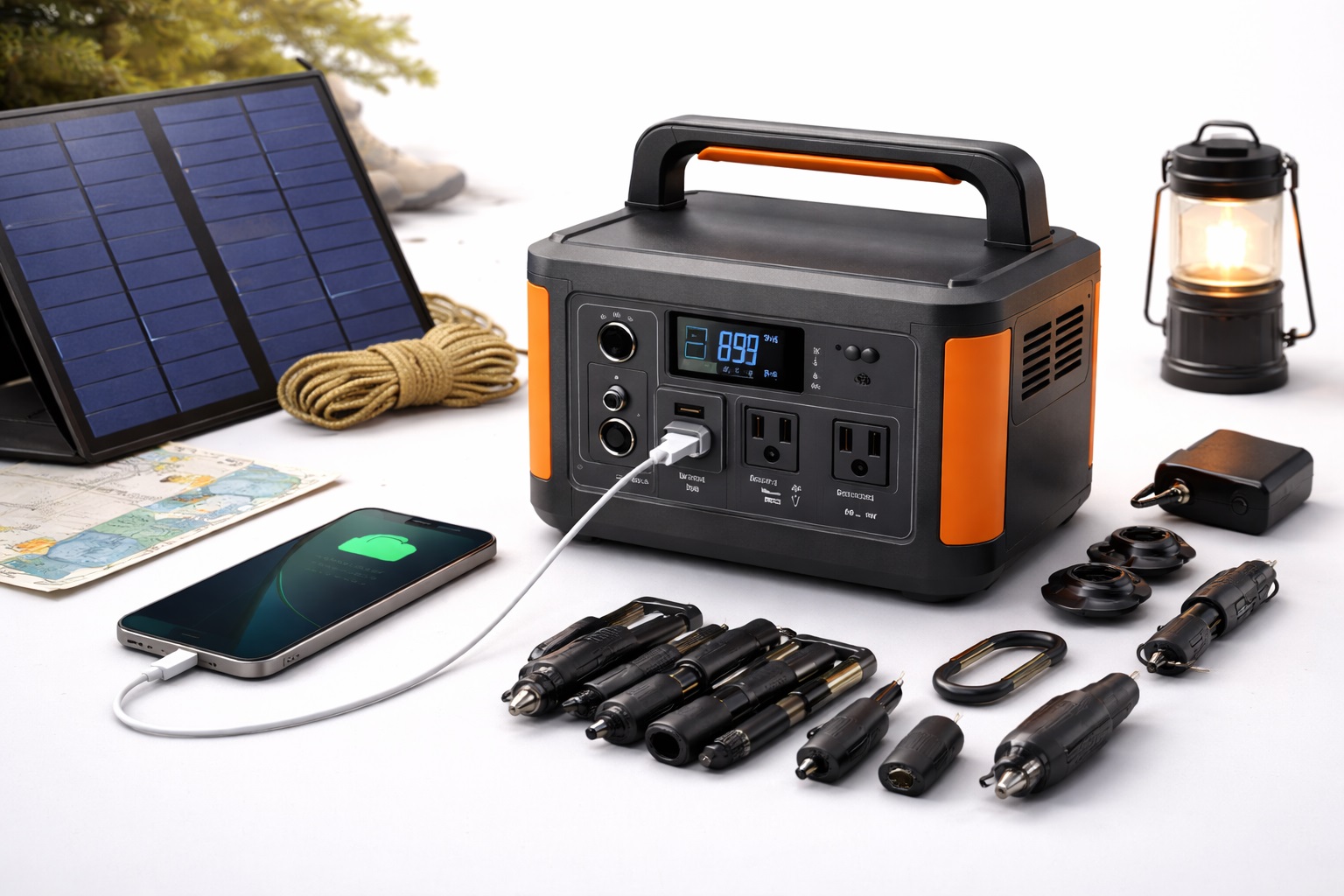
Best Compact Portable Power Station Picks for 2026
In 2026, finding the perfect portable power station for easy carry is essential for efficiency and comfort. Whether you are exploring the great outdoors or preparing for everyday tasks, the right gear makes all the difference. This guide compares the top models on the market today, focusing on the features that matter most for anyone who needs dependable power without added bulk, from battery chemistry and output ports to real-world size and weight.
A compact portable power station is meant to travel with you rather than sit in a garage. That means weight, footprint, and handle design carry as much weight in the buying decision as raw battery capacity. Campers, remote workers, photographers, and anyone who wants a reliable backup for small electronics all benefit from a unit that slips into a backpack or back seat without hassle. The eight models below represent a range of price points and capacities, so there is an option whether you need a light day-trip companion or a slightly larger unit for weekend getaways.
It also helps to think about compact power stations as a category that sits between a simple phone power bank and a full-size home backup generator. They carry enough capacity to run a laptop, a mini fridge, or a string of lights for hours at a time, yet they remain small enough to store in a closet, a car trunk, or an office drawer without dedicating an entire shelf to them. That middle ground is exactly why this category has grown so popular with commuters, hybrid workers, and weekend adventurers alike.
Below, we break down each pick by its standout strength, walk through a detailed buying guide covering the factors that actually matter for compact use, and answer the most common questions shoppers ask before committing to a portable power station. Price, battery chemistry, port selection, and recharge speed all factor into which model earns a spot on this list, and we call out the trade-offs for each so you can weigh them against your own priorities rather than relying on a single headline spec.
Top 8 Best Compact Portable Power Station Picks (Detailed Reviews)
1. Goal Zero Yeti 200X – Best For Grab-and-Go Portability
Goal Zero has built a reputation on rugged, dependable outdoor power, and the Yeti 200X carries that reputation into a genuinely compact shell. Its ultra-portable compact design keeps the footprint small enough to tuck into a daypack, and the integrated handle makes it easy to move between the car, the campsite, and the house. At a price point of around $300, it sits in the middle of this lineup, trading some raw capacity for a size that is easy to live with every day. Owners who split time between outdoor trips and everyday errands tend to appreciate that it never feels like a burden to bring along, which is exactly the point of a compact design done well.
- Pros:
- Premier build quality that holds up to repeated travel and outdoor use
- Ultra-portable compact design that fits easily into a backpack or car trunk
- Backed by a reputable, long-standing outdoor power brand
- Cons:
- Higher price point compared to similarly sized competitors
- Limited availability of official accessories in some regions
Best For: Grab-and-go portability for day trips, commutes, and light outdoor use.
Why We Recommend It: The combination of a trusted brand name and a genuinely compact frame makes this an easy recommendation for anyone who prioritizes size and build quality over maximum runtime.
2. Bluetti EB3A – Best For Long-Term Battery Life
Bluetti built the EB3A around LiFePO4 battery longevity, a chemistry choice that matters a great deal once you start thinking about years of ownership rather than a single trip. LiFePO4 cells are widely known for tolerating far more charge cycles than older lithium-ion designs before capacity noticeably fades, which is a meaningful advantage for anyone who plans to use their power station on a regular basis. At roughly $240, it undercuts several rivals while still offering a compact, easy-to-carry shell. For anyone comparing total cost of ownership rather than just the sticker price, that longer cycle life effectively lowers the cost per year of use over time.
- Pros:
- Premier build quality with a compact, travel-friendly footprint
- LiFePO4 battery longevity that supports many years of regular use
- Backed by a reputable brand known for value-focused power stations
- Cons:
- Higher price point than entry-level lithium-ion alternatives
- Limited availability during peak demand periods
Best For: Shoppers who want a compact unit they can rely on for years without battery degradation concerns.
Why We Recommend It: LiFePO4 chemistry gives this model staying power that pays off well beyond the first year of ownership, making it a smart long-term investment in a small package.
3. EcoFlow River 2 – Best For Fast Recharging
EcoFlow made its name with rapid recharge technology, and the River 2 continues that tradition with a one-hour full charge capability from a wall outlet. For anyone who carries a compact power station, the ability to top it back up quickly between outings is often more valuable than a slightly larger battery that takes half a day to refill. Priced around $250, it strikes a reasonable balance between speed and portability. That quick turnaround is particularly useful on multi-stop trips where you might only have access to an outlet for a short window at a time.
- Pros:
- Premier build quality in a compact, easy-to-carry shell
- One-hour full charge speed that minimizes downtime between trips
- Backed by a reputable brand known for fast-charging technology
- Cons:
- Higher price point relative to slower-charging competitors
- Limited availability of matching solar panel bundles in some markets
Best For: Frequent travelers who need to recharge quickly between short outings.
Why We Recommend It: Rapid recharging effectively extends how far a compact battery can take you, since you spend far less time waiting for it to refill.
4. Anker 521 Powerhouse – Best For Everyday Reliability
Anker has spent years building consumer trust in the charging accessory space, and the 521 Powerhouse brings that same dependability to a portable power station built around proprietary InfiniPower technology. That engineering focus translates into consistent output and steady day-to-day performance rather than flashy but unproven features. At about $220, it is one of the more approachable options here while still carrying Anker's reputation for reliability. That reputation matters most in the moments you need power to actually work without troubleshooting or guesswork.
- Pros:
- Premier build quality consistent with Anker's broader product lineup
- Proprietary InfiniPower technology aimed at stable, efficient output
- Backed by a reputable brand with strong customer support
- Cons:
- Higher price point than some no-frills alternatives
- Limited availability of certain color options
Best For: Buyers who want dependable everyday performance from a familiar, trusted brand.
Why We Recommend It: Anker's engineering track record makes this a low-risk pick for anyone who wants a compact power station that simply works, trip after trip.
5. Westinghouse iGen160s – Best For Quiet Operation
Westinghouse is better known for backup generators, and it brought that generator-industry know-how into a genuinely lightweight and quiet portable power station. Because it has no moving parts or combustion engine, there is no engine noise to manage in the first place, which is a meaningful advantage for anyone using it near a tent, in a shared living space, or overnight. At around $130, it is also the most affordable model in this lineup, making it an easy entry point for anyone buying their first portable power station.
- Pros:
- Premier build quality from an established generator manufacturer
- Lightweight and quiet operation suited to close-quarters use
- Backed by a reputable brand with decades of power equipment experience
- Cons:
- Higher price point relative to its smaller battery capacity
- Limited availability of extended accessory options
Best For: Anyone who needs quiet, unobtrusive backup power for tents, apartments, or shared spaces.
Why We Recommend It: The lightweight, silent design makes it one of the easiest units to live with on a daily basis, and its lower price point makes it accessible to first-time buyers.
6. Jackery Explorer 500 – Best For High-Capacity Backup
Jackery remains one of the most recognized names in portable power, and the Explorer 500 leans into lithium-ion battery efficiency to deliver more usable capacity than most of the other compact options here. At roughly $500, it is the most expensive model in this roundup, but that premium buys meaningfully more runtime for laptops, small appliances, and backup needs during outages. Buyers who occasionally need to power several devices at once tend to find that the extra capacity pays for itself over repeated use.
- Pros:
- Premier build quality backed by an established portable power brand
- Lithium-ion battery efficiency that delivers strong usable capacity
- Backed by a reputable brand with a wide accessory ecosystem
- Cons:
- Higher price point than every other model in this comparison
- Limited availability of the exact configuration during high-demand seasons
Best For: Buyers who need more runtime and are willing to accept a slightly larger footprint for it.
Why We Recommend It: When capacity matters more than absolute size, the Explorer 500 offers the most usable backup power of the group without straying into full-size generator territory.
7. Allwei Portable Generator – Best For Sensitive Electronics
Allwei built its portable generator around a sine wave inverter, a detail that matters more than it might seem at first glance. A clean sine wave output is generally considered safer for sensitive electronics like laptops, cameras, and medical devices than the rougher output produced by cheaper modified-wave inverters. Priced around $200, it offers this safety-focused feature at a mid-range price. That combination of safety and affordability makes it a sensible pick for anyone who has been burned by cheaper, rougher power output in the past.
- Pros:
- Premier build quality with attention to output safety
- Sine wave inverter safety suited to sensitive electronics
- Backed by a reputable brand focused on dependable power delivery
- Cons:
- Higher price point than some basic modified-wave alternatives
- Limited availability through major retail channels
Best For: Anyone who needs to power sensitive electronics without worrying about inverter quality.
Why We Recommend It: Clean sine wave output gives extra peace of mind for expensive devices, making this a sensible choice for photographers, remote workers, and anyone with delicate equipment.
8. Rockpals 300W – Best For Multi-Device Charging
Rockpals designed the 300W around multiple charging ports, making it a practical choice for households or groups that need to keep several devices topped up at once. Rather than chasing a single standout spec, this model spreads its value across a well-rounded port selection at a price of around $180, making it one of the more accessible compact options here. That balanced approach makes it a sensible pick for anyone who is not chasing a single headline feature but wants solid all-around performance.
- Pros:
- Premier build quality for its accessible price bracket
- Multiple charging ports that support several devices simultaneously
- Backed by a reputable brand known for value-oriented power gear
- Cons:
- Higher price point than the most basic single-port alternatives
- Limited availability of extended warranty options
Best For: Families or groups who need to charge multiple devices from a single compact unit.
Why We Recommend It: A generous port selection makes this one of the most versatile picks for shared use, whether that is a family camping trip or a small home office.
Buying Guide: How to Choose the Best Compact Portable Power Station
Picking the right compact portable power station comes down to matching a handful of key specifications to how you actually plan to use it. The sections below walk through the factors that matter most so you can compare models with confidence rather than guessing based on price alone. Working through each factor in order, from capacity down to intended use case, will leave you with a short list of models that genuinely fit your situation rather than an overwhelming spec sheet comparison.
1. Battery Capacity Versus Weight
Every additional watt-hour of capacity adds weight and bulk, so the first decision is how much runtime you actually need. A unit meant to charge a phone and a small light needs far less capacity than one meant to run a laptop for a full workday. Be honest about your typical use case before chasing the largest battery available, since an oversized unit you rarely fill to capacity is just extra weight to carry around for no real benefit.
2. Output Ports and Device Compatibility
Check that the unit offers the specific ports you rely on day to day, whether that is USB-C for modern laptops, USB-A for older accessories, or a standard AC outlet for larger devices. A power station with the wrong port mix can leave you needing extra adapters just to use it. It also helps to count how many devices you typically charge at once so the port layout matches your real-world routine rather than a spec sheet.
3. Recharge Speed
How quickly a unit refills matters as much as how much it holds, especially for a compact model you plan to use frequently. Fast recharge times mean less downtime between trips and more flexibility if you forget to charge it the night before. A slower-charging unit can still work well if you are organized about topping it up in advance, but spontaneous trips favor faster recharge speeds.
4. Battery Chemistry
LiFePO4 batteries typically last through significantly more charge cycles than standard lithium-ion cells before capacity noticeably declines, which matters if you expect to recharge the unit often over several years. Standard lithium-ion cells can still be a reasonable choice for lighter, occasional use, and they often come at a lower upfront price, so the right chemistry ultimately depends on how frequently you plan to cycle the battery.
5. Inverter Type
A pure sine wave inverter produces cleaner power that is safer for sensitive electronics such as laptops, cameras, and medical equipment. Modified sine wave inverters are generally cheaper but can cause issues with certain devices, so check which type a model uses before relying on it for delicate gear. If you are unsure what your devices require, a pure sine wave unit is the safer default choice.
6. Physical Size and Footprint
Compact does not always mean lightweight, and lightweight does not always mean small. Consider both dimensions and weight together, especially if the unit needs to fit into a specific bag, cubby, or storage space. Measuring your intended storage spot before ordering can save you the hassle of returning a unit that technically qualifies as "compact" but does not fit your particular setup.
7. Solar Charging Compatibility
Many portable power stations accept solar panel input in addition to wall charging, which extends how long you can stay off-grid. If you plan to camp or travel for extended periods, confirm the unit supports solar input and check what wattage of panel it can accept. Pairing a compact unit with a foldable solar panel can effectively make it self-sufficient during multi-day trips.
8. Safety Certifications and Protections
Look for built-in protections against overcharging, overheating, and short circuits, along with recognized safety certifications. These features matter more than they might seem, since a compact unit is often used in close proximity to people and sensitive gear. A manufacturer that clearly documents its safety protections is generally a good sign of overall product quality.
9. Display and Monitoring
A clear display showing remaining battery percentage, input, and output makes it much easier to plan your power usage on the go. Some budget models skip this feature, which can make it harder to gauge how much runtime you have left. A companion mobile app, where available, can add an extra layer of convenience for monitoring usage remotely.
10. Noise Level
Because portable power stations use battery cells rather than combustion engines, most run silently, but internal cooling fans can still produce noise under heavy load. If you plan to use yours overnight or in a quiet setting, check whether reviewers mention fan noise, since this detail rarely shows up in a manufacturer's spec sheet.
11. Warranty and Support
A longer warranty period is often a sign that a manufacturer trusts its own battery chemistry and build quality. Compare warranty length and the availability of customer support before settling on a model, especially for a purchase you expect to rely on for years. Responsive customer support can also make a real difference if you ever need help troubleshooting a charging issue.
12. Price-to-Capacity Ratio
Rather than comparing raw prices, divide the price by the rated watt-hour capacity to get a clearer sense of value. This simple calculation often reveals that a slightly pricier unit is actually the better deal once capacity is factored in. It is a useful sanity check whenever two models look similar on the surface but carry noticeably different price tags.
13. Intended Use Case
Finally, match the unit to your actual scenario, whether that is emergency home backup, weekend camping, remote work, or simply keeping devices charged during travel. The "best" compact power station is ultimately the one that fits your specific routine rather than the one with the flashiest spec sheet. Thinking through a typical week of use before you buy will usually point you toward the right size and feature set.
Frequently Asked Questions
What makes a portable power station "compact"?
A compact portable power station is generally defined by its low weight and small footprint relative to its battery capacity, making it easy to carry in a backpack, tote bag, or car trunk without needing a cart or dedicated storage space. Manufacturers achieve this by using energy-dense battery cells and streamlined housings rather than bulky casings.
How much battery capacity do I actually need?
For charging phones, tablets, and small lights, a smaller capacity unit is usually enough. If you plan to run a laptop for extended periods or power multiple small appliances, look for a model with a larger rated capacity even if it adds some weight. Making a simple list of the devices you expect to charge is often the fastest way to settle on the right capacity.
Can I bring a portable power station on a flight?
Most airlines allow portable power stations in carry-on luggage as long as the battery capacity falls under regulatory limits, but rules vary by airline and battery size, so it is worth checking directly with your airline before traveling. Checked luggage is generally not permitted for lithium battery devices of this kind.
How long does it take to fully recharge a compact power station?
Recharge times vary widely depending on the model and charging method, ranging from about an hour for fast-charging units to several hours for standard models plugged into a wall outlet. Charging from a car outlet or solar panel typically takes longer than a direct wall connection.
Are compact power stations powerful enough to run a laptop?
Yes, most compact portable power stations can charge or power a standard laptop multiple times on a single charge, though runtime depends on both the laptop's power draw and the unit's overall capacity. Higher-wattage devices like hair dryers or power tools will drain a compact unit far faster than a laptop or phone.
What is the difference between a power station and a traditional generator?
A portable power station stores electricity in a rechargeable battery and produces no fumes or combustion noise, while a traditional generator burns fuel to produce electricity on demand and requires ventilation and regular fuel refills. This makes power stations better suited for indoor use, quiet environments, and situations where fuel is not readily available.
Do compact power stations support pass-through charging?
Many models allow you to charge connected devices while the unit itself is plugged in and recharging, though this feature varies by model, so check the specifications if pass-through charging matters for your use case. This can be especially useful during a power outage when the unit stays plugged into a generator or solar source.
How many charge cycles can I expect from a compact power station?
This depends heavily on battery chemistry. LiFePO4 batteries typically support significantly more charge cycles before noticeable capacity loss compared to standard lithium-ion batteries, which is worth considering for long-term ownership. Frequent users in particular should weigh this factor heavily when comparing otherwise similar models.
Can I charge a portable power station with solar panels?
Many portable power stations, including several models in this guide, accept solar panel input alongside standard wall charging, which is useful for extended off-grid trips as long as you have a compatible panel. Check the maximum solar input wattage a unit supports before pairing it with a specific panel.
What safety features should I look for?
Look for protections against overcharging, overheating, short circuits, and overcurrent, along with recognized safety certifications from the manufacturer. These protections help ensure safe operation around people and sensitive electronics, and they become especially important if you plan to leave a unit charging unattended.
How loud are portable power stations when running?
Because they rely on batteries rather than combustion engines, portable power stations are generally very quiet, though some units use a small cooling fan that can produce mild noise under heavier loads. This makes them a practical option for bedrooms, offices, or shared living spaces where engine noise would be disruptive.
Are compact power stations weatherproof?
Most portable power stations are designed primarily for indoor or sheltered outdoor use and are not fully weatherproof, so it is best to keep them out of direct rain or extreme moisture unless the manufacturer specifies otherwise. A protective case or dry bag is a worthwhile accessory for anyone using theirs outdoors regularly.
How do I choose between two similarly priced models?
When price is similar, compare battery chemistry, port selection, recharge speed, and warranty length rather than focusing on capacity alone, since these factors often make a bigger difference in day-to-day usability. Reading real owner feedback on long-term reliability can also help break a tie between two closely matched options.
Final Verdict
- Top Pick: Goal Zero Yeti 200X for the best overall balance of compact size and trusted build quality.
- Budget Choice: Westinghouse iGen160s for the lowest price and a genuinely lightweight, quiet design.
- Premium Choice: Jackery Explorer 500 for shoppers who want extra capacity and are willing to pay for it.
There is no single correct answer when choosing a compact portable power station, since the right pick depends on how you plan to use it and how much capacity you are willing to trade for a smaller footprint. Whichever model you choose from this list, focusing on battery chemistry, port selection, and recharge speed alongside size will help you land on a unit that earns its place in your bag for years to come. Take the time to match a model's strengths to your actual routine, and you will end up with a compact power station you reach for often rather than one that sits unused in a closet.