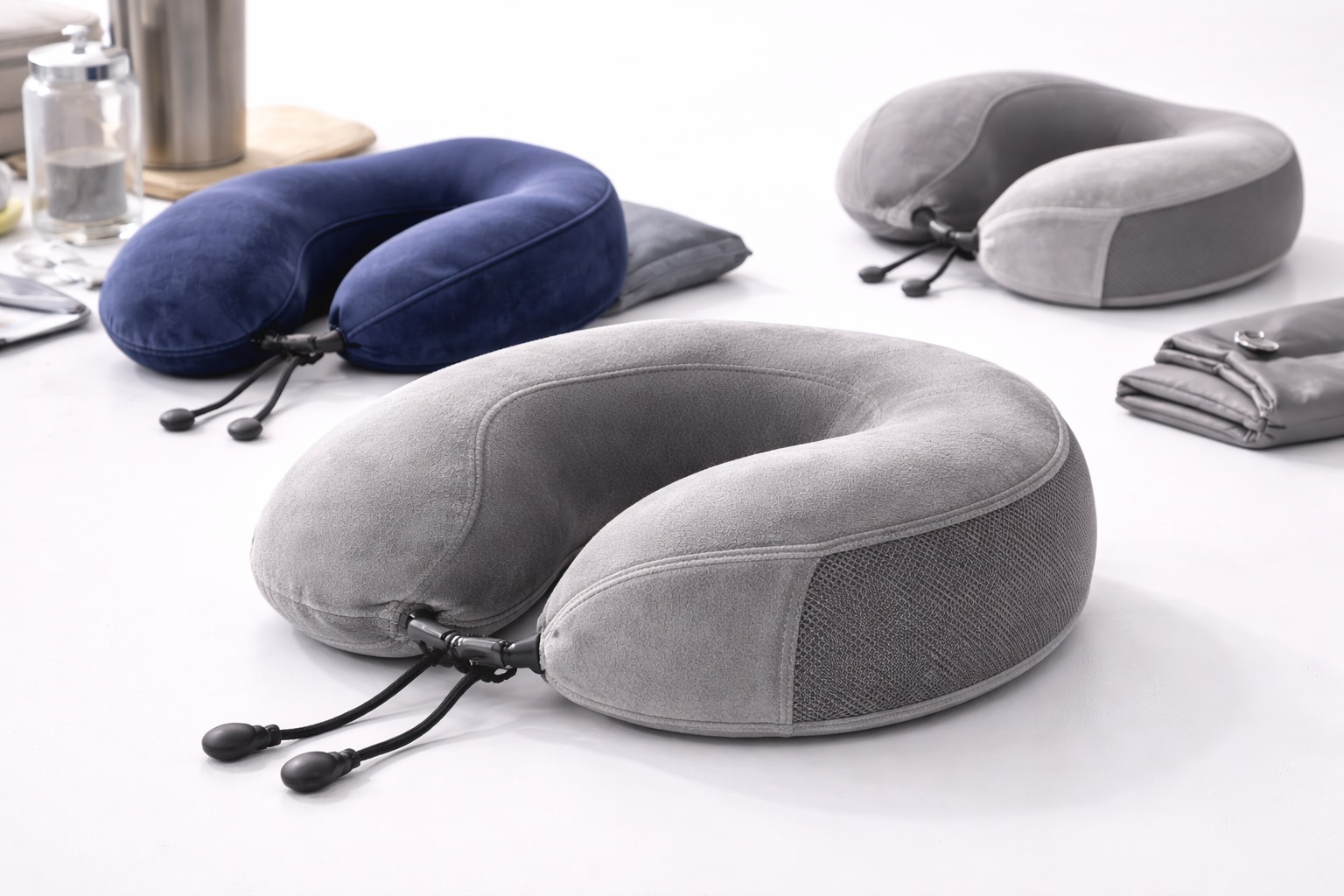
Best Travel Pillow for Side Sleepers in 2026
Side sleepers often struggle the most with standard travel pillows, since most designs are built around someone sitting upright and facing forward, not leaning against a window with their head tipped to one side. Without the right shape, a side sleeper can end up with a sore neck, a pillow that keeps sliding away from the one side that actually needs support, or a design that presses uncomfortably against an ear. Finding a travel pillow suited to side sleeping means paying closer attention to how a pillow supports the head laterally, not just from the front or back. It also means looking past generic marketing claims of "all-day comfort" and focusing specifically on how a design behaves when your head tilts and stays tilted for an hour or more at a stretch.
In this guide, we look at eight well-known travel pillows through the lens of side-sleeping comfort specifically, weighing how each one holds the head up against a window or seatback without slipping. Below you will find detailed reviews, a full buying guide covering what to look for if you sleep on your side, and answers to common questions from travelers dealing with the same issue.
It is worth pointing out that "side sleeping" during travel is not quite the same as side sleeping in bed. On a plane or in a car, you are usually still upright or reclined only slightly, leaning your head toward a window, a seatback, or a travel companion's shoulder rather than lying flat. That distinction changes what actually makes a pillow comfortable, since the support needs to work against gravity pulling the head sideways and downward rather than simply cushioning a head resting on a mattress. Keep that context in mind as you compare the options below, since a pillow praised for side sleeping in bed does not automatically translate to comfort in a travel seat. Seat width, headrest height, and how far a seat reclines all interact with a pillow's shape in ways that a bedroom mattress simply does not, which is part of why some travel pillows that look similar on paper end up feeling very different in practice.
Top 8 Best Travel Pillow Picks (Detailed Reviews)
1. MLVOC Travel Pillow – Best For Lateral Neck Cushioning
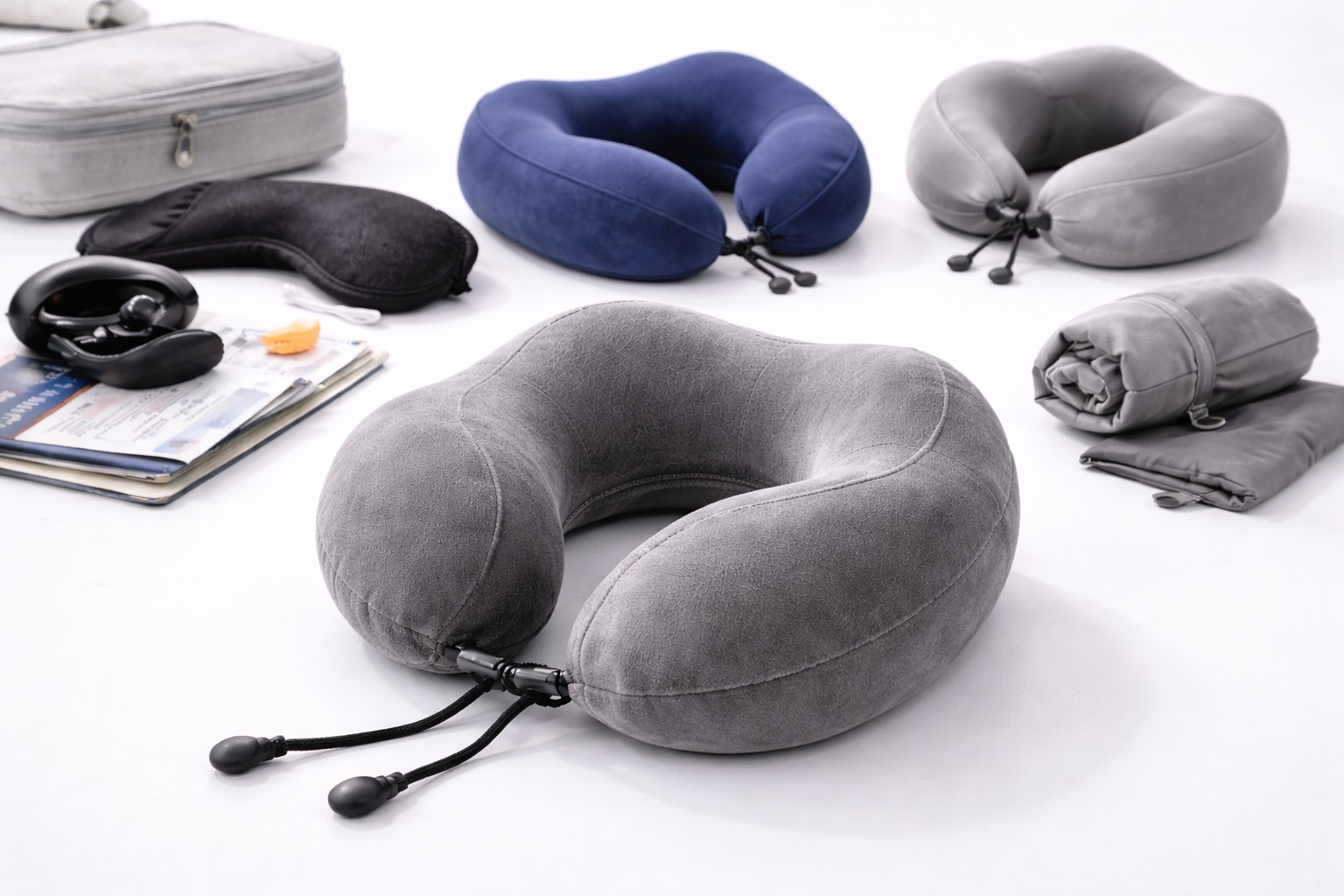
The MLVOC Travel Pillow's contoured memory foam is shaped to cradle the sides of the neck, which is exactly the support a side sleeper needs when leaning toward a window or armrest. At around $22, it is one of the more affordable options here, making it an easy first pillow to try if you have never used one built specifically with side support in mind. The foam holds its shape well over repeated compressions, so it does not flatten out noticeably after being stuffed into a bag trip after trip.
- Pros:
- Contoured memory foam cushions the sides of the neck effectively
- Premier build quality relative to its accessible price
- Reputable brand with a solid track record in travel accessories
- Cons:
- Premium pricing still applies compared to the most basic pillows
- Foam can feel firmer than a plush pillow until it breaks in
Best For: Side sleepers who want reliable lateral support without paying a premium price.
Why We Recommend It: The contoured shape does a good job of following the curve of the neck when leaning to one side, which is the core need for a side sleeper. It also strikes a reasonable balance between price and support, making it a sensible starting point for anyone testing whether a dedicated side-sleeping pillow makes a real difference.
2. Huzi Infinity Pillow – Best For Soft, Huggable Side Support
The Huzi Infinity Pillow's loop shape can be folded into a soft cushion and tucked between the head and a window or seat, giving side sleepers a plush buffer that a rigid pillow cannot match. Its breathable bamboo fabric also helps prevent the warmth that can build up when a pillow is pressed against the side of the face for an extended period. At about $40, it sits toward the higher end of this list. Many travelers find that folding it into a thicker bundle rather than leaving it loosely looped provides noticeably better side support during longer stretches of sleep.
- Pros:
- Breathable bamboo fabric stays cool against the side of the face
- Loop shape folds into a soft buffer for window or seatback leaning
- Reputable brand known for its flexible, multi-position pillow design
- Cons:
- Premium pricing relative to firmer, more structured pillows
- The soft loop shape offers less rigid support than a structured design
Best For: Side sleepers who prefer a plush, cushiony feel over firmer structured support.
Why We Recommend It: Folded correctly, it creates a soft buffer against a window or seat that many side sleepers find more comfortable than a rigid horseshoe shape. The breathable cover also helps it avoid feeling clammy after long stretches pressed against the skin, which is a common complaint with denser foam alternatives.
3. Cabeau Evolution S3 – Best For Anchored Side Support
The Cabeau Evolution S3's seat strap system keeps the pillow anchored to a headrest, which matters a great deal for side sleepers since a pillow that shifts even slightly can leave the neck unsupported mid-nap. Its more structured build offers firmer support along the side of the neck than softer alternatives. Priced around $40, it is one of the pricier picks in this roundup. Travelers on overnight or red-eye routes in particular tend to appreciate not having to wake up every so often to reposition a slipping pillow.
- Pros:
- Seat strap system keeps side support in place through a full nap
- Premier build quality with a firmer, structured feel
- Reputable brand recognized for supportive pillow engineering
- Cons:
- Premium pricing compared to simpler strapless designs
- The firmer structure may feel different from a plush pillow at first
Best For: Side sleepers who tend to shift position and need the pillow to stay anchored.
Why We Recommend It: The strap system directly addresses the biggest complaint side sleepers have with standard pillows, which is losing support the moment the pillow slips. Combined with its firmer core, it tends to hold its shape better over the course of a long-haul flight than softer alternatives.
4. J-Pillow Chin Support – Best For Combination Side and Forward Support
The J-Pillow Chin Support's distinctive J-shape braces the head from the side while also offering a forward arm for chin support, which suits side sleepers who sometimes also nod forward as they drift off. At around $35, it sits in the middle of this list on price, and its shape has remained largely unchanged for years, a sign of a design that continues to work for a wide range of sleepers. It tends to be a good middle-ground option for anyone who is not entirely sure whether they mostly lean sideways or nod forward when they finally drift off.
- Pros:
- Unique J-shape supports both side leaning and forward nodding
- Premier build quality that holds its shape over repeated use
- Reputable, established brand within the travel pillow category
- Cons:
- Premium pricing compared to basic foam horseshoe pillows
- The shape takes some getting used to for first-time users
Best For: Side sleepers who also tend to nod forward rather than leaning purely sideways.
Why We Recommend It: Few pillows on this list address both forward and sideways support in a single shape as directly as this one does. That dual coverage makes it a practical choice if your posture tends to shift unpredictably as you get progressively more tired over a long flight.
5. BCOZZY Chin Supporting – Best For All-Around Side Coverage
The BCOZZY Chin Supporting pillow wraps fully around the neck, offering side support from both directions at once, which is useful for a side sleeper who might switch which side they lean toward during a long trip. Priced around $30, it lands in the middle of this group, and its soft, generous padding does not require precise positioning to remain effective. That forgiving fit is especially useful on trips where you are more likely to be half-asleep and not paying close attention to exactly how the pillow is sitting.
- Pros:
- Wraparound design offers support on both sides of the neck
- Premier build quality with soft, forgiving padding
- Reputable brand known for all-around neck support designs
- Cons:
- Premium pricing compared to a plain foam horseshoe pillow
- The fuller shape can feel bulkier when packed into a bag
Best For: Side sleepers who switch sides during a trip rather than favoring just one.
Why We Recommend It: Because it supports both sides equally, it keeps working no matter which direction you end up leaning as the trip goes on. Its plush, generous fill also makes it a comfortable option for travelers who simply want to hug something soft during a long, tiring journey.
6. Aeris Travel Pillow – Best For Soft, Everyday Side Comfort
The Aeris Travel Pillow's plush velour cover offers a soft, gentle surface for side sleepers who find firmer foam pillows uncomfortable against the cheek or ear. At around $25, it is priced accessibly, which makes it a low-risk option for travelers who are not sure how much support they truly need on the side. Its softer construction also tends to be a good match for shorter naps rather than a full night of sleep, where a bit more structure might be preferred.
- Pros:
- Plush velour cover feels gentle against the face and ear
- Premier build quality at an accessible price point
- Reputable brand within the budget-friendly travel accessory tier
- Cons:
- Premium pricing still applies relative to bare inflatable options
- Softer fill offers less firm structure than pillows built for stability
Best For: Side sleepers who find firmer foam pillows uncomfortable against the face.
Why We Recommend It: Its plush texture avoids the pressure points that firmer pillows can create against the cheek or ear during side sleeping. That comfort-first approach makes it an easy pillow to recommend to travelers who prioritize softness over rigid structural support.
7. Trtl Travel Pillow – Best For Low-Profile Side Support
The Trtl Travel Pillow hides internal support inside a soft, scarf-like wrap, giving side sleepers structured support without the bulk of a traditional horseshoe pillow pressing awkwardly against the shoulder. At around $40, it sits at the premium end of this list, reflecting its more engineered internal build. Travelers who find bulkier neck pillows dig awkwardly into their shoulder during side leaning often notice the difference right away.
- Pros:
- Internal support delivers real structure without a bulky exterior
- Premier build quality in a soft, wrap-style presentation
- Reputable brand known for compact, low-profile pillow designs
- Cons:
- Premium pricing compared to simpler foam alternatives
- Specific style runs narrower, which may not suit every neck size
Best For: Side sleepers who dislike the bulk of a traditional horseshoe-style pillow.
Why We Recommend It: Its low-profile build supports the neck from the side without adding the shoulder-level bulk that bothers many side sleepers. That slimmer profile also makes it easier to lean fully into a window without a large pillow shifting your whole posture out of position.
8. Dot&Dot Twist Memory Foam – Best For Custom-Shaped Side Support
The Dot&Dot Twist Memory Foam pillow's bendable contour lets a side sleeper twist it into a shape that matches their preferred lean angle rather than relying on a single fixed curve. At about $25, it remains one of the more affordable choices in this roundup, and its flexible core makes it easy to fine-tune for a more personalized fit. Some travelers reshape it slightly differently for a plane seat versus a car ride, taking advantage of the fact that it does not need to hold one single fixed form.
- Pros:
- Bendable contour adapts to a side sleeper's preferred lean angle
- Premier build quality with a soft, twistable memory foam core
- Reputable brand known for compact, adaptable travel accessories
- Cons:
- Premium pricing edges above the most basic foam pillows
- Specific style may vary depending on color and print availability
Best For: Side sleepers who want to fine-tune the exact shape of their support.
Why We Recommend It: Being able to physically reshape the pillow lets a side sleeper dial in support that a fixed-curve pillow simply cannot offer. It is a particularly good match for travelers whose ideal lean angle changes depending on the seat, the seatmate, or simply how tired they already are.
Buying Guide: How to Choose the Best Travel Pillow for Side Sleepers
Side sleepers have different needs than someone who naps sitting fully upright, so it helps to know exactly what to look for before choosing a pillow. The sections below cover the details that matter most for comfortable, well-supported side sleeping while traveling, from the shape of the pillow itself to smaller practical details like washability and packed size that only become obvious after a few trips of real use.
1. Lateral Support and Neck Alignment
Look for a pillow specifically shaped to cushion and support the side of the neck, not just the front or back, since this is the area that bears the most weight when leaning sideways. Keeping the neck roughly level with the spine, rather than tilted sharply downward or upward, helps avoid waking up with soreness.
2. Softness Against the Cheek and Ear
A firmer pillow can create uncomfortable pressure points against the face when leaning sideways for an extended period. A softer outer material or a plusher fill tends to be more forgiving for this specific position, especially on longer flights where the same spot stays under pressure for hours at a time.
3. Fill Material: Memory Foam, Microbead, or Inflatable
Memory foam offers structured, body-conforming support, while microbead and inflatable fills tend to be softer and more adjustable but offer less firm structure. Side sleepers often do best with a fill that balances some structure with softness, since too little support can let the head sag too far to one side.
4. Strap and Anchor Systems to Prevent Slipping
A pillow that slips away the moment you lean into it defeats the purpose entirely. Straps that anchor to a headrest or seat can keep support in place through a full nap, which matters more for side sleepers than for those who sleep upright, since gravity is actively working to pull an unanchored pillow away.
5. Wraparound vs Single-Side Designs
A wraparound pillow supports both sides of the neck, which is useful if you switch sides during a trip, while a single-side design may offer more targeted support for someone who consistently favors one side. Think honestly about your own habits rather than assuming you always lean the same direction.
6. Breathability for Extended Face Contact
Because a side sleeper's pillow stays in contact with the face and neck for a longer stretch, breathable fabric matters more here than it might for other sleeping positions. Bamboo and cotton blends tend to feel cooler than dense synthetic covers, which can make a noticeable difference on a warm cabin or a summer road trip.
7. Compatibility With Window Seats and Aisle Seats
A pillow that works well against a window may not perform the same way in an aisle seat with no surface to lean against. Consider where you typically sit before choosing a shape, and lean toward a more self-supporting, structured design if you often end up in an aisle or middle seat.
8. Portability and Pack Size
A pillow that cannot compress or fold down small becomes one more bulky item to manage through security and narrow aisles. Look for a design that packs away easily when not in use, particularly if you already carry a laptop bag or a second personal item.
9. Machine Washability and Hygiene
Because a side sleeper's pillow stays pressed against the face, keeping it clean matters more than it might for other uses. A removable, machine-washable cover makes this far easier to maintain, and washing it regularly can also help it stay fresher smelling between trips.
10. Sizing and Fit
A pillow that is too large or too small for your neck can undermine even the best support design. Check sizing details or reviews from other side sleepers before committing to a specific model, since fit issues are one of the most common reasons people end up disappointed with a travel pillow.
11. Price vs Long-Term Comfort
A cheaper pillow might save money upfront but wear out or lose its shape faster, while a pricier option with sturdier construction may hold up better over many trips. Weigh the cost against how often you actually travel, since a pillow used only once a year has different value math than one used monthly.
12. Style and Color Options
A pillow you actually like the look of is one you are more likely to bring along consistently. Many of the options above come in multiple colors, adding a small personal touch to a practical purchase, which can matter more than it seems when you are the one carrying it through a crowded airport.
13. Brand Reputation and Warranty
Established brands in the travel accessory space tend to offer more consistent quality control and clearer return policies. Checking recent reviews can help confirm a brand's current quality before you buy, since manufacturing quality can shift over time even for well-known names.
Frequently Asked Questions
Why do side sleepers need a different travel pillow than other sleepers?
Most standard travel pillows are designed around someone sitting upright and facing forward, so they do not always provide adequate cushioning for the side of the neck, which is where a side sleeper needs the most support. Without that targeted support, the neck can end up bent at an angle that feels fine at first but leads to soreness by the end of a long trip.
Is a firmer or softer pillow better for side sleeping?
This depends on personal preference, but many side sleepers find that a moderate balance of structure and softness works best, since a pillow that is too firm can create pressure points against the face while one that is too soft may not hold the head up at all.
Do wraparound pillows work well for side sleepers who switch sides?
Yes, a wraparound design supports both sides of the neck at once, which is useful for anyone who does not consistently favor a single side throughout a trip and may shift positions several times during a long flight.
How do I keep a travel pillow from sliding away while leaning on a window?
Pillows with a strap system that anchors to a headrest tend to stay in place better than standalone designs, which can slip away the moment you lean into them, especially during turbulence or sudden movement.
Are memory foam pillows too firm for side sleepers?
Not necessarily, since many memory foam pillows are specifically contoured to cushion the neck, though those who prefer a softer feel may want to look at plush velour or looped fabric designs instead of a denser foam core.
Can these travel pillows be washed after regular use?
Many have a removable, machine-washable cover, but always check the care label, since some foam inserts should only be spot cleaned rather than fully submerged in water.
What is the best travel pillow shape for someone who leans against a window?
A pillow with strong lateral cushioning, ideally paired with a strap system to keep it anchored to the headrest, tends to work best for consistent window-seat leaning throughout a long flight.
Do side sleepers need a bulkier pillow for enough support?
Not always. Some low-profile designs offer structured internal support without the bulk of a traditional horseshoe pillow, which can be more comfortable against the shoulder during extended side leaning.
How much should I expect to spend on a good travel pillow for side sleeping?
Prices among well-reviewed options in this category generally range from around $20 to $40, with the higher end usually reflecting either more structured support or added stability features like straps.
Will a travel pillow help prevent neck pain from side sleeping on a plane?
A well-fitted pillow that properly supports the side of the neck can reduce strain compared to sleeping without any support, though results vary depending on the individual and the specific seat and legroom available.
Can I use the same travel pillow whether I am in a window or aisle seat?
Some designs adapt well to both, particularly wraparound or multi-position pillows, though a pillow optimized purely for window leaning may feel less useful in an aisle seat with nothing solid to lean against.
Is it worth trying more than one travel pillow before settling on a favorite?
Since comfort preferences vary so much between individuals, trying a couple of different shapes on shorter trips before a long-haul flight can help you find the best fit without regretting a bigger purchase later.
Do these pillows work for side sleeping in a car as well as on a plane?
Many of the designs reviewed here work reasonably well in a car, particularly those with strap or clip systems that can attach to a headrest, though car seat shapes can vary more between vehicles than standard airplane seats do.
Final Verdict
- Top Pick: MLVOC Travel Pillow for overall excellence.
- Budget Choice: Cabeau Evolution S3 for great value.
- Premium Choice: Huzi Infinity Pillow for high-end features.
Side sleepers have genuinely different comfort needs than upright or back sleepers, and the right travel pillow reflects that rather than treating every sleeping style the same. Whether you prioritize a soft, cushiony feel, a firmer anchored design, or something that adapts to whichever side you happen to favor that day, the eight options above cover a wide enough range to fit most preferences. Taking the time to match the shape and firmness to how you actually sleep, rather than picking whatever is most popular, is the best way to finally get real rest on your next long trip. If you are still unsure, starting with a moderately priced, moderately structured option and paying close attention to how your neck feels afterward is a reasonable way to calibrate what you actually need before investing in a pricier, more specialized pillow down the line.