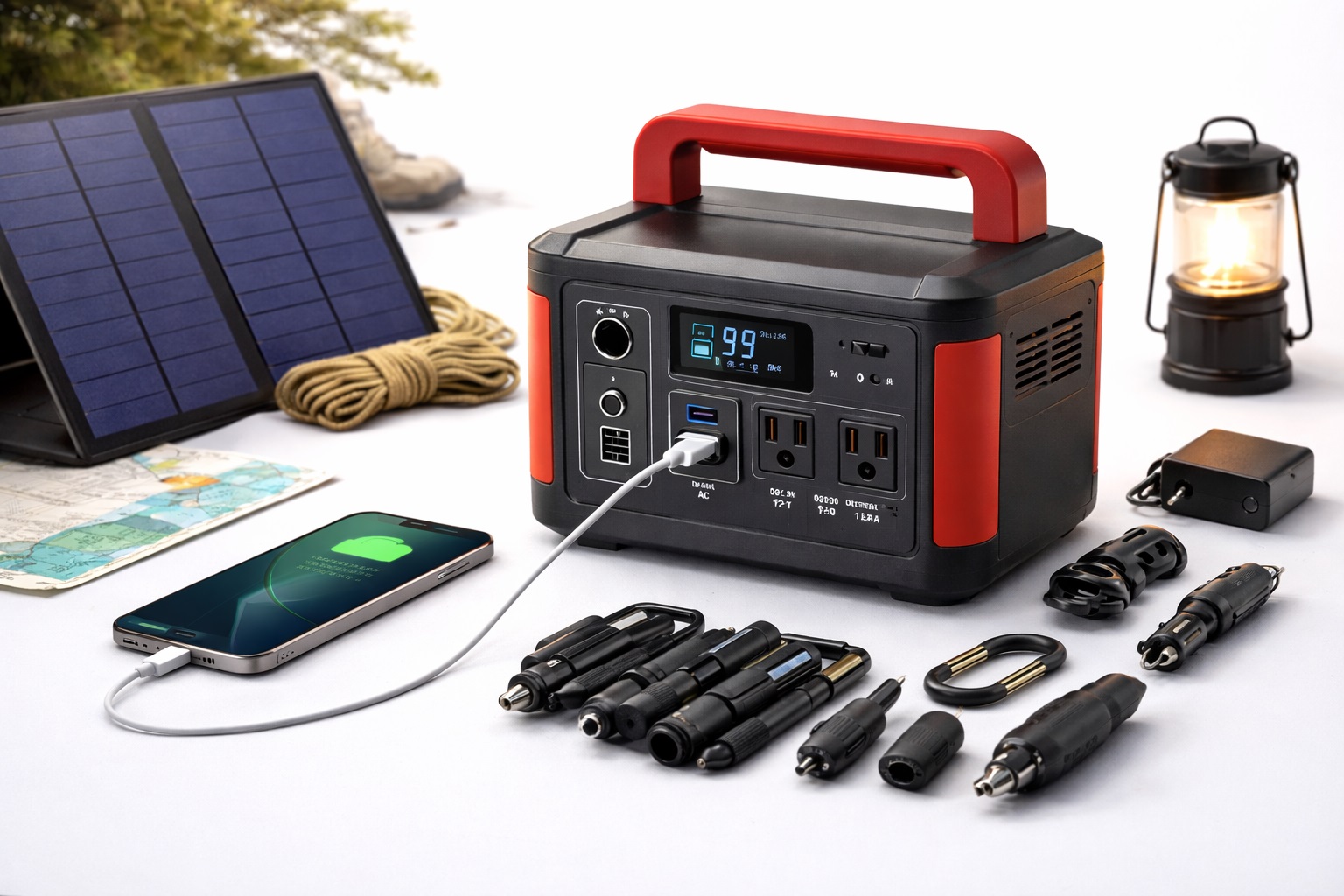
Best Budget Portable Power Station Picks for 2026
In 2026, finding the perfect portable power station for value is essential for efficiency and comfort. Whether you are exploring the great outdoors or preparing for everyday tasks, the right gear makes all the difference. This guide compares the top models on the market today, focusing on which units deliver the most capability for the least money, from battery chemistry and output ports to real-world recharge speed and long-term durability.
Shopping on a budget does not have to mean settling for a weak battery or a flimsy build. Plenty of portable power stations manage to combine a reasonable price with dependable performance, as long as you know which specs actually matter and which ones are just marketing. Students, first-time campers, renters preparing for outages, and anyone testing the waters before investing in a larger setup all have good reason to start with an affordable model rather than the priciest unit on the shelf. Many of these buyers simply want something that reliably keeps a phone or laptop charged during an outage, without paying for capacity or features aimed at heavier, more demanding use cases.
It also helps to think of budget power stations as a spectrum rather than a single price tier. Some models cut costs by using simpler battery chemistry, others by trimming the port selection, and others by skipping extras like a display screen or app connectivity. Understanding where each model saves money helps you decide which trade-offs you can live with and which ones matter enough to spend a little more to avoid.
Comparing budget models side by side also means paying attention to what each brand is known for beyond a single spec. A company with a long track record in charging technology, generator engineering, or outdoor gear tends to bring that expertise into its entry-level products as well, even if the flashiest features are reserved for pricier lineups. That inherited engineering is often the difference between a budget unit that quietly does its job for years and one that disappoints within the first few months.
Top 8 Best Budget Portable Power Station Picks (Detailed Reviews)
1. Bluetti EB3A – Best For Long-Term Battery Life
Bluetti built the EB3A around LiFePO4 battery longevity, a chemistry choice that pays off especially well for budget-conscious buyers thinking beyond the first year of ownership. LiFePO4 cells are widely known for tolerating far more charge cycles than older lithium-ion designs before capacity noticeably fades, which lowers the effective cost per year of use even though the upfront price is not the cheapest here. At roughly $240, it is a mid-range pick that rewards buyers who plan to use it often. For anyone comparing total cost of ownership rather than just the sticker price, that longer cycle life effectively lowers the cost per year of use over time.
- Pros:
- Premier build quality at a reasonable mid-range price
- LiFePO4 battery longevity that lowers cost per year of ownership
- Backed by a reputable brand known for value-focused power stations
- Compact enough to serve as both a travel and backup unit
- Cons:
- Higher price point than the cheapest models in this comparison
- Limited availability during peak demand periods
- Smaller overall capacity than the priciest options in this lineup
Best For: Budget shoppers who want to avoid battery degradation and are willing to spend a little more upfront.
Why We Recommend It: Long-term battery life effectively stretches your money further than a cheaper unit that needs replacing sooner, making this one of the smarter budget-adjacent purchases here.
2. Westinghouse iGen160s – Best For Quiet Operation
Westinghouse brought decades of generator-industry experience into a genuinely lightweight and quiet portable power station, and at around $130 it is also the most affordable model in this entire roundup. Because it runs on battery cells rather than a combustion engine, there is no engine noise to manage, which is a meaningful bonus for anyone using it near a tent, apartment, or shared living space. For shoppers who want the lowest possible entry price without giving up build quality, this is the easiest recommendation on the list. First-time buyers in particular tend to appreciate that it avoids the steep learning curve that sometimes comes with more feature-heavy units.
- Pros:
- The lowest price point of any model in this comparison
- Lightweight and quiet operation suited to close-quarters use
- Backed by a reputable brand with decades of power equipment experience
- Simple, beginner-friendly operation with no learning curve
- Cons:
- Smaller battery capacity than pricier alternatives
- Limited availability of extended accessory options
Best For: Shoppers who want the absolute lowest price without sacrificing build quality.
Why We Recommend It: It is hard to beat this price for a unit backed by a manufacturer with real generator engineering experience, making it the natural starting point for tight budgets.
3. Rockpals 300W – Best For Multi-Device Charging
Rockpals designed the 300W around multiple charging ports, making it a practical choice for anyone who wants to charge more than one device without paying for a larger, pricier unit. Rather than chasing a single standout spec, this model spreads its value across a well-rounded port selection at a price of around $180, landing it comfortably between the cheapest and priciest options here. That balance of price and versatility is exactly what many budget shoppers are looking for, especially those who share devices across a household or a group of travel companions.
- Pros:
- Premier build quality for its accessible price bracket
- Multiple charging ports that support several devices simultaneously
- Backed by a reputable brand known for value-oriented power gear
- Well suited to family or group use where devices compete for outlets
- Cons:
- Higher price point than the very cheapest single-port alternatives
- Limited availability of extended warranty options
- Not the most compact option for minimalist packing
Best For: Budget shoppers who need to charge multiple devices from a single affordable unit.
Why We Recommend It: A generous port selection at a moderate price makes this one of the best all-around value picks for anyone who does not want to compromise on versatility.
4. EcoFlow River 2 – Best For Fast Recharging
EcoFlow made its name with rapid recharge technology, and the River 2 continues that tradition with a one-hour full charge capability from a wall outlet. For a budget shopper, faster recharging can actually reduce the total capacity you need to buy, since you can top the unit back up between uses rather than paying extra for a much larger battery. Priced around $250, it sits toward the upper end of this list, but the time savings can offset that for busy households that need to keep the unit in near-constant rotation.
- Pros:
- One-hour full charge speed that reduces downtime between uses
- Premier build quality in a compact, easy-to-carry shell
- Backed by a reputable brand known for fast-charging technology
- Well suited to households that share the unit across multiple people
- Cons:
- Higher price point than most other models in this comparison
- Limited availability of matching solar panel bundles in some markets
- Not the largest battery capacity for buyers who need extended runtime
Best For: Busy households who would rather recharge quickly and often than buy a larger, pricier battery.
Why We Recommend It: Fast recharging can substitute for extra capacity in many everyday situations, which makes this a smart value pick despite its higher sticker price.
5. Allwei Portable Generator – Best For Sensitive Electronics
Allwei built its portable generator around a sine wave inverter, a detail that matters more than it might seem for budget shoppers who still own sensitive electronics like laptops or cameras. A clean sine wave output is generally considered safer for delicate devices than the rougher output produced by cheaper modified-wave inverters, and Allwei offers this protection at a price of around $200 without pushing into premium territory. That combination of safety and affordability makes it a sensible pick for anyone who has been burned by cheaper, rougher power output in the past.
- Pros:
- Sine wave inverter safety suited to sensitive electronics
- Premier build quality with attention to output safety
- Backed by a reputable brand focused on dependable power delivery
- A sensible middle ground between basic and premium inverter technology
- Cons:
- Higher price point than some basic modified-wave alternatives
- Limited availability through major retail channels
- Fewer color and configuration choices than larger competing brands
Best For: Budget shoppers who still want clean, safe power for laptops and cameras.
Why We Recommend It: Getting sine wave safety at a mid-range price gives cautious buyers peace of mind without paying premium-tier prices for it.
6. Anker 521 Powerhouse – Best For Everyday Reliability
Anker has spent years building consumer trust in the charging accessory space, and the 521 Powerhouse brings that same dependability to a portable power station built around proprietary InfiniPower technology. At about $220, it costs more than the cheapest options here, but the brand's track record for consistent output and responsive customer support gives budget shoppers extra confidence that their money is well spent. That reputation matters most in the moments you need power to actually work without troubleshooting or guesswork.
- Pros:
- Proprietary InfiniPower technology aimed at stable, efficient output
- Premier build quality consistent with Anker's broader product lineup
- Backed by a reputable brand with strong customer support
- A familiar name for buyers who already own Anker charging accessories
- Cons:
- Higher price point than several other models in this comparison
- Limited availability of certain color options
- No standout headline feature compared to more specialized competitors
Best For: Buyers who want dependable everyday performance from a familiar, trusted brand at a mid-range price.
Why We Recommend It: Anker's engineering track record lowers the risk of buyer's remorse, which matters when you are trying to stretch a budget as far as it will go.
7. Jackery Explorer 500 – Best For High-Capacity Backup
Jackery remains one of the most recognized names in portable power, and the Explorer 500 leans into lithium-ion battery efficiency to deliver meaningfully more usable capacity than any other model in this lineup. At roughly $500, it is by far the most expensive option here and stretches the definition of "budget," but for shoppers who need real backup capacity and are willing to save up for it, the extra runtime can be worth the added cost. Buyers who occasionally need to power several devices at once tend to find that the extra capacity pays for itself over repeated use.
- Pros:
- Lithium-ion battery efficiency that delivers strong usable capacity
- Premier build quality backed by an established portable power brand
- Backed by a reputable brand with a wide accessory ecosystem
- Enough capacity to cover multiple devices through a full outage
- Cons:
- By far the highest price point in this comparison
- Limited availability of the exact configuration during high-demand seasons
- Bulkier to carry than the more compact budget alternatives
Best For: Shoppers who are saving up for a single larger purchase rather than a low upfront price.
Why We Recommend It: If your budget can stretch this far, the added capacity meaningfully reduces how often you need to recharge, which some buyers value more than a lower sticker price.
8. Goal Zero Yeti 200X – Best For Grab-and-Go Portability
Goal Zero has built a reputation on rugged, dependable outdoor power, and the Yeti 200X carries that reputation into a genuinely compact shell built around an ultra-portable compact design. At a price point of around $300, it is priced above the middle of this lineup, so budget shoppers should weigh whether the brand reputation and portability are worth the premium over cheaper alternatives with similar capacity. Owners who split time between outdoor trips and everyday errands tend to find that the added cost pays off in how often they actually reach for it.
- Pros:
- Ultra-portable compact design that fits easily into a backpack or car trunk
- Premier build quality that holds up to repeated travel and outdoor use
- Backed by a reputable, long-standing outdoor power brand
- A dependable choice for buyers who prioritize brand trust above all else
- Cons:
- Higher price point relative to its battery capacity
- Limited availability of official accessories in some regions
Best For: Budget shoppers who prioritize brand reputation and portability over the absolute lowest price.
Why We Recommend It: Its combination of trusted engineering and a genuinely compact frame justifies the added cost for buyers who plan to travel with it often.
Buying Guide: How to Choose the Best Budget Portable Power Station
Finding real value in a portable power station means looking past the sticker price to the specs that actually affect day-to-day usability. Working through the factors below in order will help you spot which savings are worth making and which corners are better left uncut, so you end up with a unit that performs well long after the initial purchase.
1. Price-to-Capacity Ratio
Rather than comparing raw prices, divide the price by the rated watt-hour capacity to get a clearer sense of value. A slightly pricier unit is often the better deal once capacity is factored in, so this calculation is one of the fastest ways to spot a genuine bargain. It is a useful sanity check whenever two models look similar on the surface but carry noticeably different price tags.
2. Battery Chemistry and Long-Term Cost
LiFePO4 batteries typically last through significantly more charge cycles than standard lithium-ion cells before capacity noticeably declines, which can lower the effective cost per year of ownership even if the upfront price is higher. Standard lithium-ion cells remain a reasonable choice for lighter, occasional use where a lower purchase price matters more than years of daily cycling, so match the chemistry to how often you actually expect to recharge.
3. Output Ports and Device Compatibility
Check that the unit offers the specific ports you rely on day to day, whether that is USB-C for modern laptops, USB-A for older accessories, or a standard AC outlet for larger devices. Paying less for a unit with the wrong port mix can end up costing more once you factor in extra adapters, so count your typical devices before comparing prices.
4. Recharge Speed
A faster-charging unit can sometimes let you get away with a smaller, cheaper battery, since you can top it up more frequently rather than paying extra for a much larger capacity you rarely use in full. Consider your typical access to outlets when deciding how much you need to prioritize charge speed, especially if you tend to forget to charge devices overnight.
5. Inverter Type
A pure sine wave inverter produces cleaner power that is safer for sensitive electronics such as laptops and cameras, while modified sine wave inverters are generally cheaper but can cause issues with certain devices. If you own delicate electronics, it is often worth paying a bit more for the safer inverter type rather than risking compatibility problems down the road.
6. Warranty Length
A longer warranty period is often a sign that a manufacturer trusts its own battery chemistry and build quality, and it can protect your investment if something goes wrong early on. Comparing warranty terms is an easy, free way to reduce the risk of a budget purchase, and it costs nothing to check before you buy.
7. Physical Size and Weight
Some of the most affordable models achieve their low price by using a smaller battery and a simpler housing, which also makes them lighter and easier to carry. If portability matters to you, a smaller budget unit may actually serve you better than a larger, pricier one, so do not assume bigger automatically means better value.
8. Safety Certifications and Protections
Look for built-in protections against overcharging, overheating, and short circuits, along with recognized safety certifications, even on a budget purchase. Cutting corners on safety features is one trade-off that is rarely worth the savings, since the potential downside far outweighs a small price difference.
9. Display and Monitoring Features
Some budget models skip a battery percentage display or app connectivity to keep costs down. Decide whether you can live without these conveniences, since skipping them is often one of the easier ways manufacturers lower the price without affecting core performance or battery quality.
10. Solar Charging Compatibility
Many portable power stations, including budget-friendly models, accept solar panel input alongside standard wall charging. If you plan to camp or expect extended outages, this feature can reduce your reliance on grid power without requiring a pricier unit, as long as you confirm the supported input wattage first.
11. Noise Level
Because portable power stations use battery cells rather than combustion engines, most run silently even at lower price points, though internal cooling fans can produce noise under heavy load. This is one area where budget models often perform just as well as pricier ones, which is a pleasant surprise for cost-conscious shoppers.
12. Resale and Long-Term Value
Well-known brands with strong reputations tend to hold their value better on the resale market than lesser-known budget alternatives. If you expect to upgrade in a few years, this is worth factoring into your initial purchase decision, since a recognizable brand name can make reselling considerably easier.
13. Matching the Unit to Your Actual Use Case
Finally, avoid paying for capacity, ports, or features you will not realistically use. The most budget-friendly choice is often the smallest unit that comfortably covers your actual routine, rather than the cheapest model on the shelf or the one with the most impressive spec sheet. Thinking through a typical week of use before you buy will usually point you toward the right fit.
Frequently Asked Questions
Can a budget portable power station still be reliable?
Yes, many budget-friendly models use the same core battery technology as pricier competitors and simply trim extras like displays or accessory bundles to keep costs down, so reliability does not always track directly with price. Reading owner feedback over time is often more useful than comparing spec sheets alone.
What is the biggest cost-saving trade-off to watch for?
Battery chemistry and overall capacity tend to have the biggest impact on both price and long-term usability, so it is usually better to compromise on extras like app connectivity before compromising on the core battery. Prioritizing the fundamentals first tends to lead to fewer regrets later.
Are cheaper power stations less safe?
Not necessarily, but it is worth confirming that even a budget model includes basic protections against overcharging, overheating, and short circuits, along with recognized safety certifications from the manufacturer. A model that skips documenting these protections is worth a second look before buying.
How much should I expect to spend on a decent budget power station?
Solid entry-level models are available at a range of price points, and spending a bit more than the absolute cheapest option often buys noticeably better battery chemistry or build quality. Setting a modest budget range in advance can help you avoid both overspending and settling for a unit that disappoints.
Is it worth paying more for LiFePO4 batteries on a budget?
If you plan to use the unit frequently over several years, the extra charge cycles LiFePO4 batteries provide can lower your effective cost per year, even though the upfront price is higher than standard lithium-ion alternatives. Occasional users may find a standard lithium-ion model perfectly adequate instead.
Do budget power stations support solar charging?
Many do, though it is worth confirming the maximum solar input wattage a specific model supports before pairing it with a solar panel, since this feature is not universal across every budget option. Checking this detail ahead of time avoids a mismatched or underpowered setup.
How long do budget models typically last?
Lifespan depends heavily on battery chemistry and how often the unit is charged and discharged, so checking the rated charge cycle count is a better predictor of longevity than price alone. Storing the unit properly between uses can also help extend its usable life.
Can I run a laptop on a budget portable power station?
Yes, most budget models can charge or power a standard laptop multiple times on a single charge, though runtime will vary based on both the laptop's power draw and the unit's rated capacity. Higher-wattage devices will drain the battery considerably faster than a laptop or phone.
What should I prioritize if I can only afford one feature?
For most buyers, prioritizing battery capacity and port compatibility over extras like a display screen or app connectivity delivers the most everyday usefulness per dollar spent. These fundamentals affect nearly every use case, while extras tend to be more situational.
Are budget power stations covered by a warranty?
Most reputable brands offer some warranty coverage even on entry-level models, though the length can vary, so it is worth comparing warranty terms across similarly priced options. A slightly shorter warranty is not necessarily a dealbreaker if the brand has a solid overall reputation.
Do budget models sacrifice output port variety?
Some do, so it is worth checking the specific port selection before buying, especially if you rely on both USB-C and standard AC outlets for your devices. A mismatch here is one of the most common sources of buyer frustration after purchase.
Is buying a used portable power station a good way to save money?
It can be, but battery health degrades over time and charge cycles, so it is important to ask about usage history and remaining capacity before buying a secondhand unit. A seller who cannot answer basic questions about usage history is generally a red flag.
How do I avoid overpaying for features I will not use?
Make a short list of the devices you actually plan to charge and the situations you expect to use the unit in, then match that list to the specs rather than being swayed by unrelated premium features. This simple exercise tends to save budget shoppers the most money in practice.
Final Verdict
- Top Pick: Rockpals 300W for the best overall balance of price, ports, and everyday versatility.
- Budget Choice: Westinghouse iGen160s for the lowest price and a genuinely lightweight, quiet design.
- Premium Choice: Bluetti EB3A for buyers who want longer battery life without leaving the budget-friendly range entirely.
Each of these three picks represents a different budget priority: the Rockpals 300W balances price and versatility for most everyday buyers, the Westinghouse iGen160s covers the absolute lowest entry point, and the Bluetti EB3A rewards anyone willing to spend a little more for a battery that holds up over years of use.
Building a budget around a portable power station does not mean settling for a weak or unreliable unit, since several of the models here prove that real value and dependable performance can coexist at an accessible price. Focusing on battery chemistry, port selection, and your actual use case will help you land on a model that stretches your money further without leaving you disappointed down the road. Take the time to match a model's strengths to your real routine, and you will end up with a power station you reach for often rather than one that sits unused in a closet.