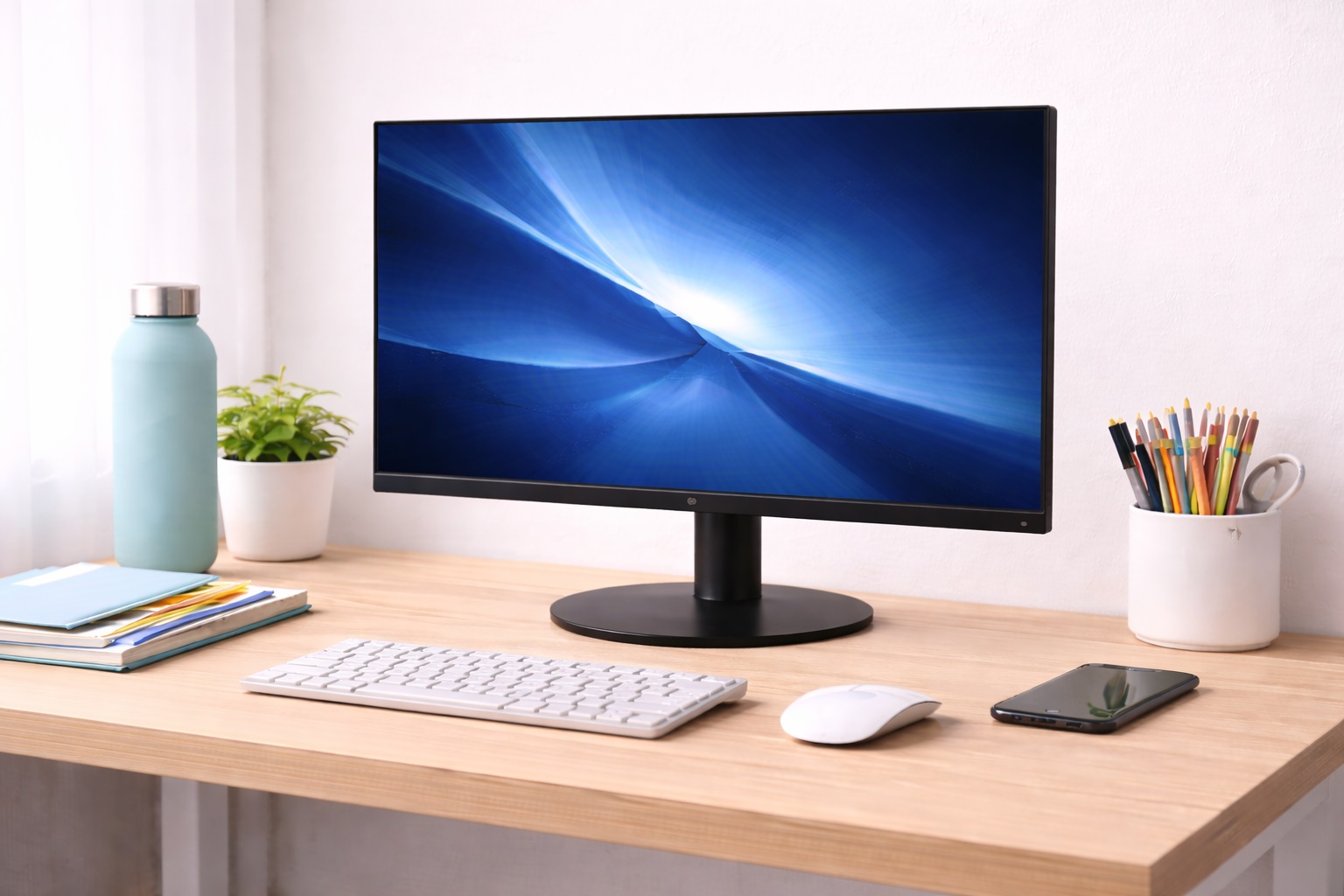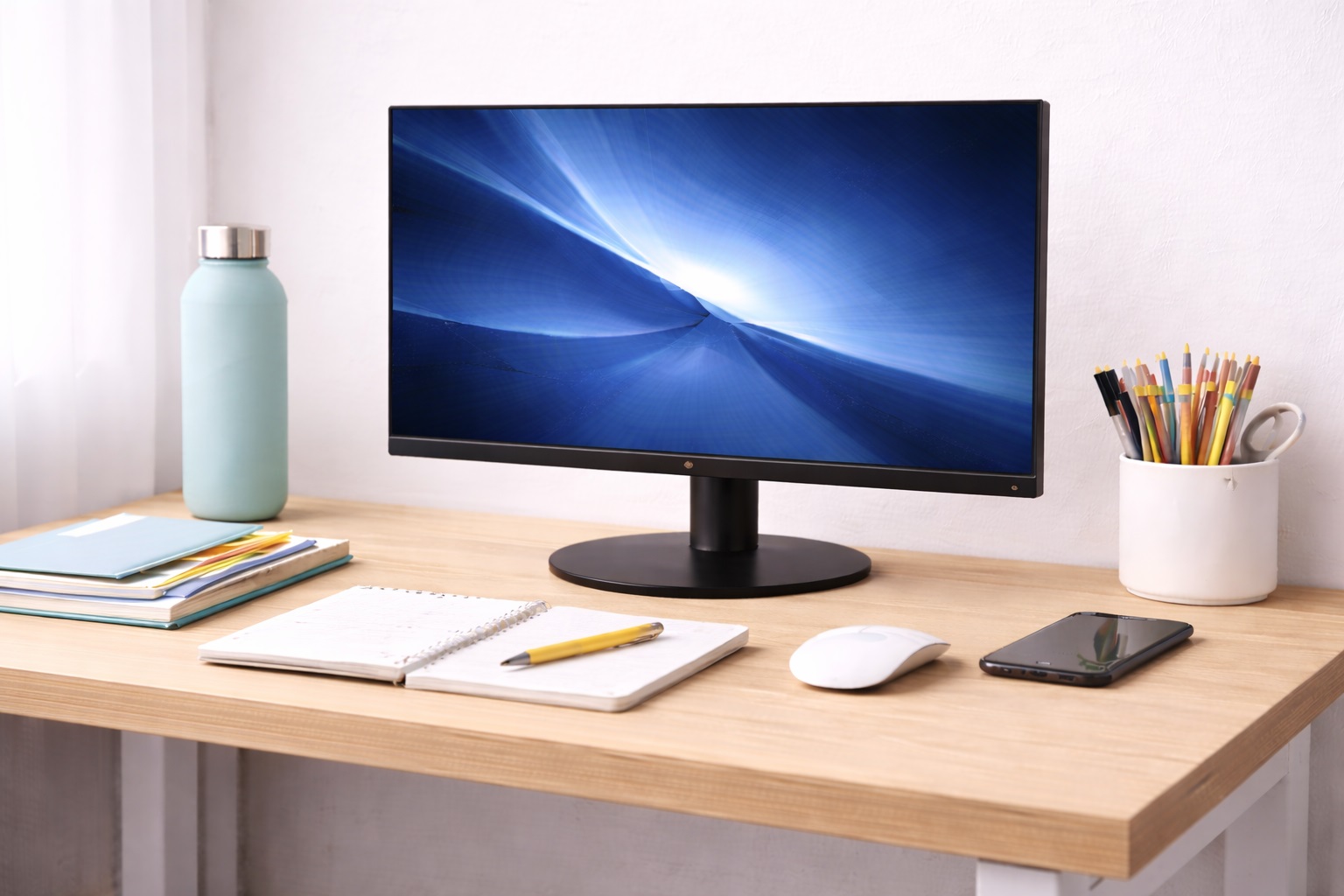
Best Monitors for Students: Sharp Displays on a Real Budget
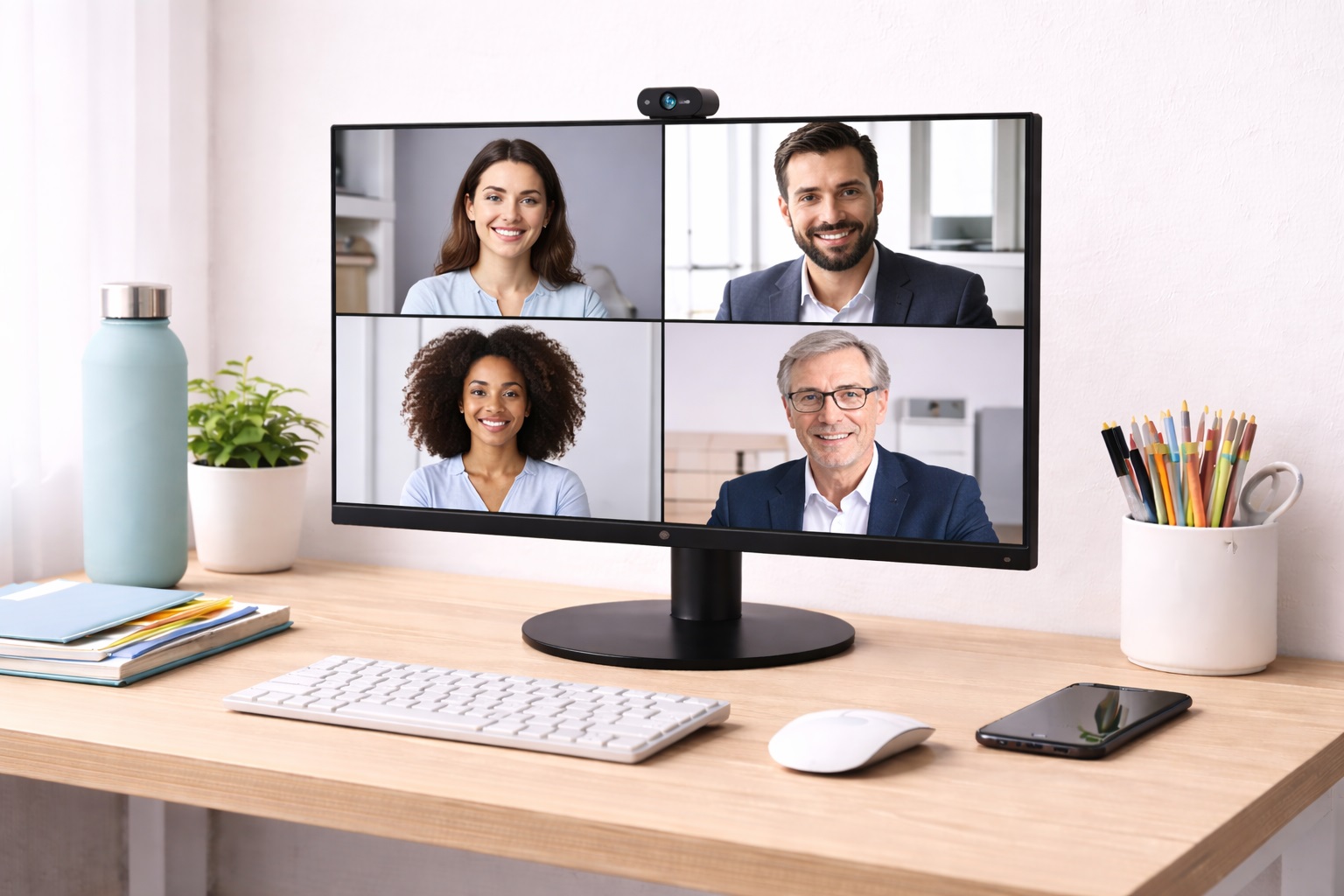
Student monitor shopping runs into a specific set of constraints that don't apply to a typical home office purchase. Budget is usually tighter, desk space in a dorm room or shared apartment is often shallow, and the monitor has to handle a wider mix of tasks than a single-purpose office display — research papers late at night, video lectures during the day, the occasional group project video call, and downtime streaming in between.
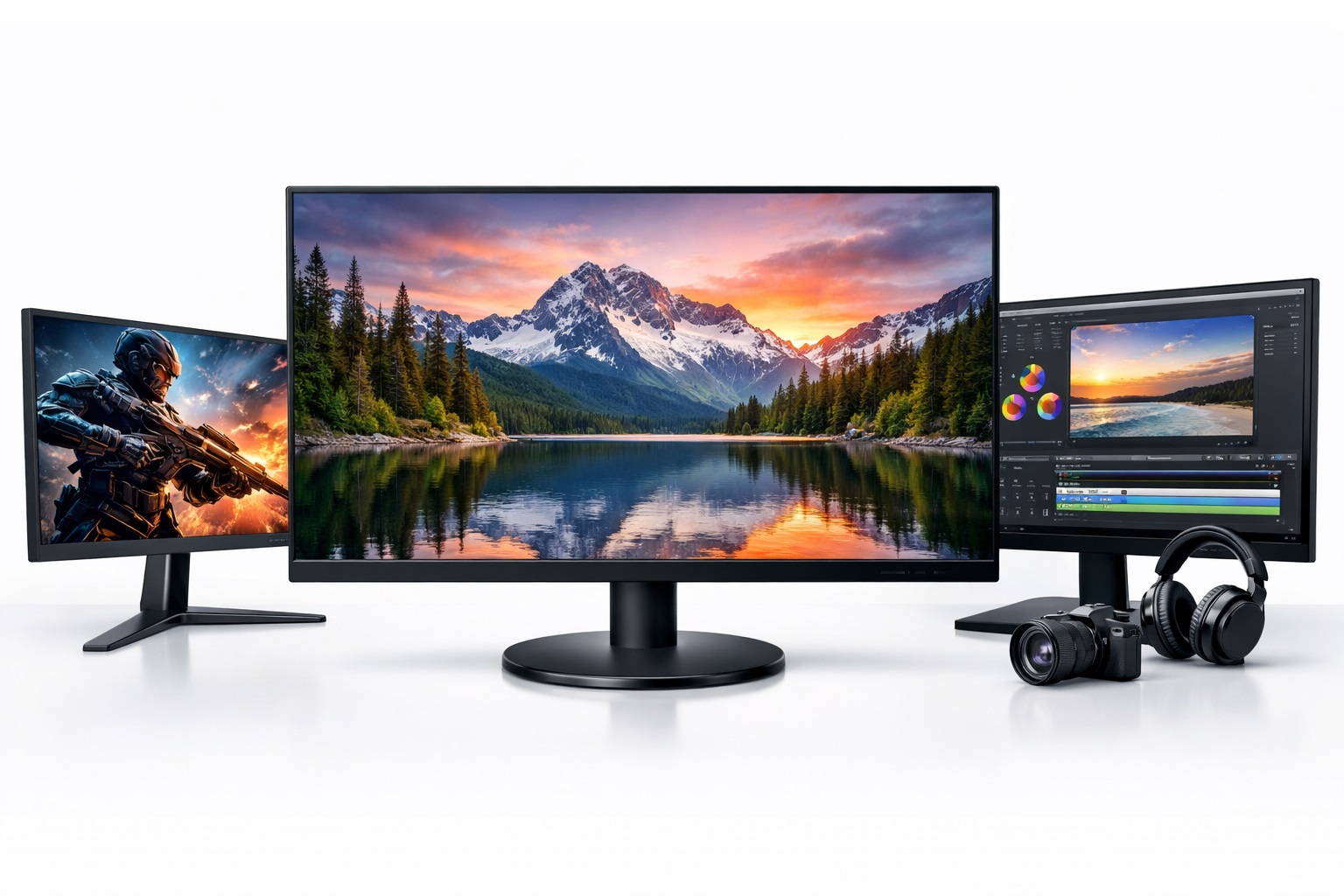
The three options compared here represent the realistic range for that mix of needs: a 24-inch 1080p IPS monitor that covers the basics affordably, a 27-inch 1440p screen for students doing heavier multi-window work like coding or design coursework, and an ultrawide curved display for students who want to consolidate multiple reference windows into one screen instead of juggling a laptop and a second monitor.
Eye comfort deserves more attention in a student context than it usually gets, since study sessions often stretch into several consecutive hours, frequently at night, in a room where lighting isn't always ideal. The buying guide below treats that as seriously as resolution and price, alongside the more practical questions of budget, desk space, and what actually survives a move between semesters.
It's also worth acknowledging that a student's monitor decision is rarely made in isolation from everything else competing for the same budget — textbooks, housing deposits, and a laptop that may already be a few years old. None of the three options below requires a top-tier GPU or an unusually large budget to use well, which is part of why they've become the default recommendations for students across a wide range of majors and living situations.
There's also a practical cost to getting this decision wrong that's specific to student life: a monitor that doesn't fit the desk, arrives after a return window closes during a busy first week, or simply gets outgrown by a heavier course load a year later is harder to correct mid-semester than it would be in a more stable living situation. Taking a little extra time up front to match the monitor to your actual major, desk, and habits pays off more here than in most other buying categories.
Top 3 Monitors for Students (Detailed Reviews)
1. IPS 1080p Monitor 24-inch – Best Overall for Students
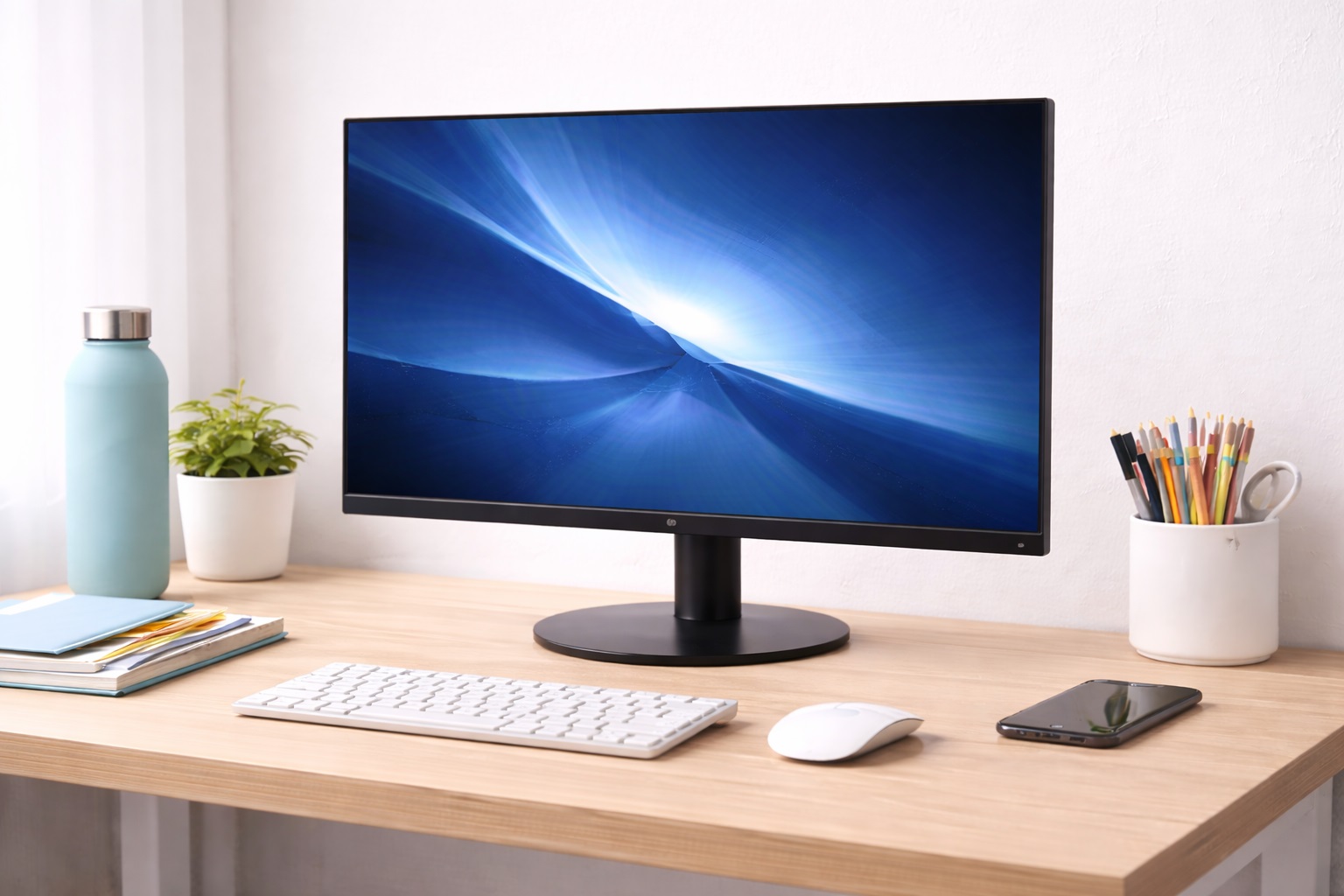
A 24-inch IPS panel at 1080p resolution covers the core of what most coursework requires — readable text, accurate enough color for the occasional design or photo assignment, and a viewing angle wide enough to share the screen with a study partner without one of you seeing a washed-out image, which comes up more often than expected during group study sessions and last-minute assignment reviews. It's also the size and resolution combination with the most competition among budget-focused manufacturers, which keeps prices more accessible than either of the other two formats. It's a size and price bracket that shows up consistently in back-to-school promotions, bundle deals, and campus bookstore listings, which makes comparison shopping easier than it is for less common sizes.
- Pros:
- Most accessible price point of the three formats compared
- Comfortable pixel density at 1080p for reading dense text and PDFs
- IPS color accuracy and wide viewing angles suit shared or group viewing
- Compact enough to fit a typical dorm desk or shared apartment setup
- Cons:
- Resolution feels less sharp if you later pair it with a 27-inch or larger frame
- Base sizes vary between models, so check footprint against your actual desk
Best For: Students on a tight budget who need a reliable all-purpose screen for reading, writing, video calls, and general coursework across almost any major.
Why We Recommend It: This is the size and resolution combination that covers the widest range of student tasks without asking for a compromise on price. For a first monitor purchase during school, it's the safest starting point. It's also the format most likely to be available secondhand from graduating students, which is worth checking before buying new if budget is the primary constraint.
2. 27-inch 1440p Monitor – Best for Heavier Coursework and Multitasking
Students working in fields that involve coding, CAD, statistical software, or design tools benefit noticeably from the extra resolution a 27-inch 1440p panel provides. Sharper text at this size means less eye strain when reading dense code or academic papers for hours, and the larger canvas makes it easier to keep a source document open alongside the assignment you're writing without constantly switching windows. Statistical software and design tools in particular tend to pack dense toolbars and panels around the edges of the screen, and the extra resolution keeps those elements legible rather than cramped.
- Pros:
- Sharper 1440p resolution reduces eye strain during long reading sessions
- More screen space for keeping reference material and coursework open together
- IPS variants retain the same color accuracy as the 24-inch option
- Meaningful step up for STEM, design, and computer science coursework specifically
- Cons:
- Higher cost than a standard 1080p monitor of a similar brand tier
- Needs a somewhat more capable laptop or desktop GPU to drive comfortably
Best For: Students in technical or design-heavy programs who spend long hours reading detailed text or working across multiple open windows.
Why We Recommend It: For coursework that genuinely benefits from more screen resolution, this is the upgrade most likely to pay off in reduced eye fatigue over a full semester rather than just looking nicer on a desk. Students weighing whether the extra cost is justified should think about how many hours a week they actually spend reading dense material on-screen rather than the price difference in isolation.
3. Ultrawide Curved Monitor – Best for Research-Heavy Multitasking
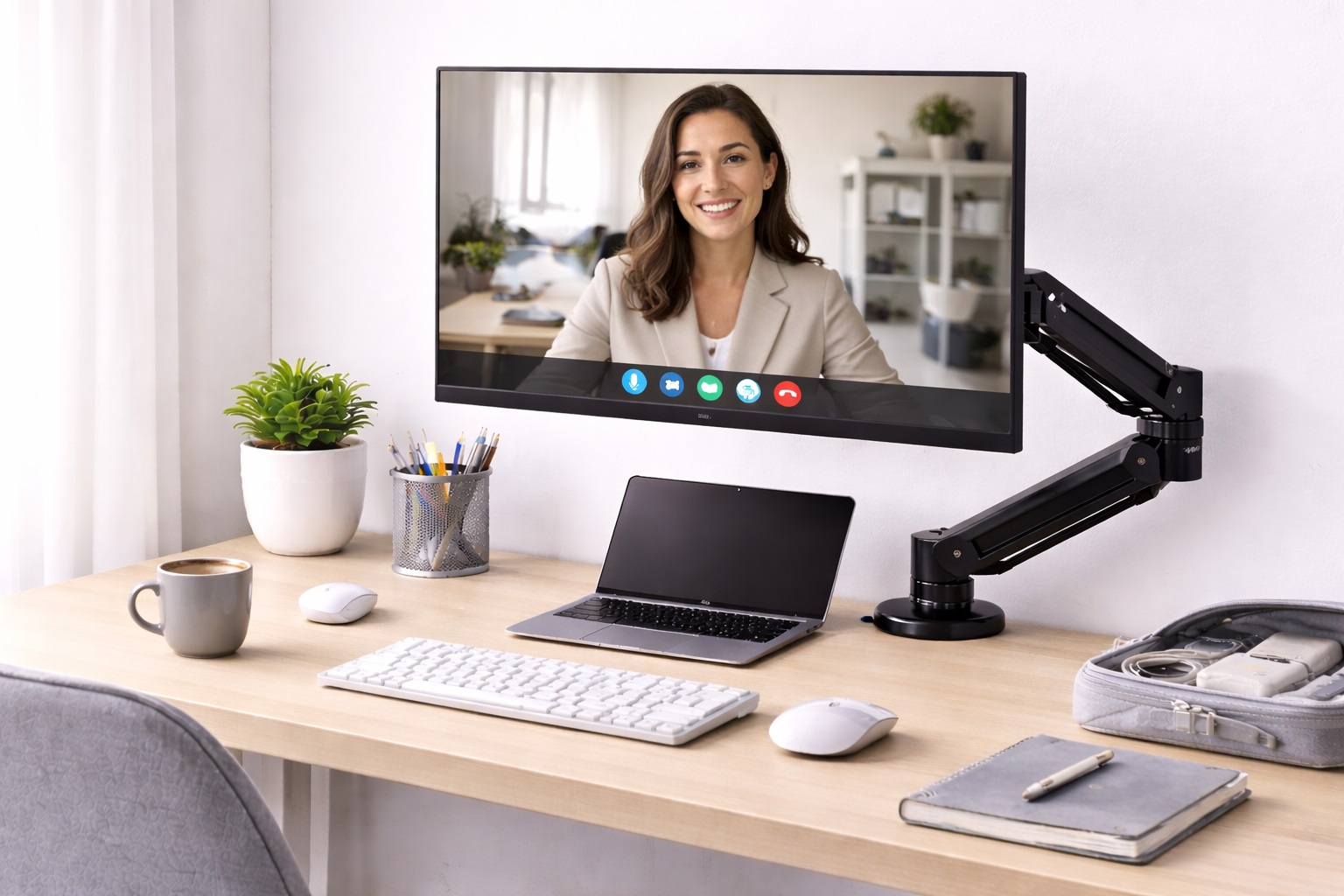
An ultrawide curved monitor uses a 21:9 aspect ratio, giving roughly a third more horizontal space than a standard screen of the same height. For research-heavy coursework — comparing sources, writing with citations open, or referencing lecture slides while taking notes — that extra width removes a lot of the window-switching that slows down focused study sessions, particularly during thesis writing, literature reviews, or any assignment that involves cross-referencing several documents at once. The curve also reduces head movement across the screen's width, which matters during long stretches of reading. Group project work benefits similarly, since one screen can display a shared document, a video call, and reference notes at readable sizes simultaneously without any of them feeling cramped into a small corner window.
- Pros:
- Significant extra horizontal space for side-by-side source and document work
- Removes the need for a second monitor and its accompanying desk footprint
- Curved design reduces head movement during extended research sessions
- Genuinely useful for group project calls alongside open reference material
- Cons:
- Highest price point of the three formats, which matters on a student budget
- Needs more desk width than most dorm rooms comfortably provide
Best For: Graduate students, researchers, and upperclassmen with a dedicated desk who do heavy source comparison, writing, or multi-window academic work.
Why We Recommend It: For the specific workflow of writing while referencing multiple open sources, an ultrawide solves a real and common student problem more directly than adding a second monitor would, and it does it with one stand instead of two. Students who share a workspace with a roommate should also weigh whether the extra desk width required is realistic before choosing this option over the more compact alternatives.
Buying Guide: How to Choose the Best Monitor for Students
A student monitor purchase has to balance price, portability between moves, and the specific demands of your coursework. The factors below cover the considerations that matter most in that context. Working through them roughly in order — starting with budget and desk space before moving on to panel type and features — tends to narrow the field to one or two realistic options fairly quickly.
1. Set a Realistic Budget Before Comparing Specs
It's easy to get pulled toward higher resolutions and refresh rates once you start comparing spec sheets, but most coursework doesn't require either. Decide on a budget first, then look at what panel type and resolution are realistically available within it, rather than starting from a wish list of features and working backward into overspending. This approach also protects against the common trap of comparing the current listing to whatever was cheapest a year ago, when prices and available features may have shifted. A simple written budget cap, checked against a few specific listings before you fall in love with one model, keeps the decision grounded.
2. Desk Space in Dorms and Shared Housing
Dorm desks and shared apartment workspaces are often shallower and narrower than a home office desk. Measure the space you'll actually have before choosing a screen size, and pay attention to the stand's footprint specifically, since a wide tripod base can eat more usable desk space than the screen size alone suggests, leaving less room for textbooks, a notebook, or a second device than the listing photos implied. If the desk is provided by the housing rather than chosen by you, it's worth measuring it in person or asking a current resident before ordering a monitor sight unseen.
3. Panel Technology (IPS vs. VA vs. TN)
IPS panels offer the best color accuracy and the widest viewing angles, which matters for shared viewing during group projects or study sessions. VA panels provide strong contrast for video and downtime streaming. TN panels are the least expensive but have the narrowest viewing angles. For general coursework, IPS remains the most broadly useful choice. It's also the panel type most forgiving of imperfect desk positioning, which matters in a dorm room where the monitor may not always sit perfectly centered relative to your chair.
4. Resolution for Reading Dense Text
Long stretches of reading — academic papers, code, dense slide decks — are more comfortable on a sharper display. A 1080p panel at 24 inches is perfectly readable, but 1440p at 27 inches noticeably reduces the eye effort needed to parse small or dense text over a multi-hour study session. If your program involves reading academic PDFs with small footnotes or dense citation formatting, this difference tends to be one of the first things students notice after upgrading.
5. Eye Care Features for Late-Night Study Sessions
Flicker-free backlighting and adjustable blue light filtering matter more for students than for most other buyers, simply because study sessions often run late into the evening. Look for a blue light mode that can be toggled or adjusted in intensity rather than one that's permanently on, since a fixed warm tint can be distracting during daytime coursework or color-sensitive assignments. Pairing the display's built-in filter with your operating system's own night-mode setting can offer a further layer of comfort during exam-week study marathons.
6. Connectivity for Laptop-Based Setups
Most students connect a laptop rather than a full desktop tower, which makes connectivity choices more important than they might otherwise be. USB-C with power delivery lets a single cable both charge the laptop and carry the video signal, which is a meaningful convenience when you're setting up and breaking down a workspace repeatedly between library, dorm, and home. Verify your laptop actually supports video output over USB-C before relying on this feature, since not every model does.
7. Portability for Moving Between Semesters
Students move more often than the average monitor buyer — between dorm rooms, summer housing, and home. A smaller, lighter panel with the original packaging kept intact travels more safely between moves than a larger, heavier display, and it's worth factoring that into the size decision even if a bigger screen is otherwise appealing. A padded sleeve or a spare box kept specifically for the monitor makes each subsequent move noticeably less stressful.
8. Stand Adjustability for Shared or Rotating Desks
In shared housing, a desk may get used by more than one person, or the same desk might change owners between semesters. A stand with height and tilt adjustment accommodates different users and different chair heights more easily than a fixed-position stand, reducing the odds of neck strain for whoever ends up using it. This is worth checking specifically if the monitor is being purchased jointly by roommates rather than for a single person's exclusive use.
9. Refresh Rate and Response Time for Everyday Use
A 60Hz panel with a response time in the 5ms range or below is entirely adequate for reading, writing, and video calls. Higher refresh rates matter primarily for gaming, and paying extra for that spec only makes sense if gaming is a genuine, regular use case rather than an occasional one. Redirecting that budget toward a sharper panel or a larger screen tends to deliver more everyday value for a typical course load.
10. Warranty and Durability for Repeated Moves
A monitor that travels between dorm rooms and summer storage experiences more handling stress than one that stays permanently on a home office desk. Check the warranty length as a general indicator of build confidence, and keep the original box if you can, since it's the safest way to transport a monitor between moves without risking screen damage. Register the product with the manufacturer if that option exists, since it can simplify a warranty claim made from a different address than where the monitor was purchased.
11. Screen Coating for Dorm Room Lighting
Dorm rooms often have limited control over lighting — fluorescent overhead fixtures, a roommate's desk lamp, or a window with no blackout curtain. Matte coatings diffuse these reflections and tend to be more forgiving in rooms where you can't fully control the light sources around the screen. A glossy panel might look striking in a product photo, but it's a much less forgiving choice once it's sitting under a standard overhead fluorescent fixture every night.
12. Resale Value at the End of the Program
Monitors from well-known brands in common sizes tend to be easier to resell to incoming students at the end of a program than niche or oversized models. If you expect to sell the monitor rather than keep it after graduation, a mainstream size and brand keeps that option realistic. Keeping the original receipt and box, even after the return window closes, makes the resale process considerably smoother when the time comes.
Frequently Asked Questions
1. What's the best monitor size for a student desk?
A 24-inch monitor is the most practical default for most dorm and shared housing desks, balancing screen space against the limited depth these desks typically offer. Students with more desk space or heavier multitasking needs can reasonably step up to 27 inches or an ultrawide. Checking the stand's footprint against your actual desk before ordering avoids the most common sizing disappointment.
2. Is 1080p resolution good enough for coursework?
Yes, for most reading, writing, and browsing tasks, 1080p at 24 inches is sharp and comfortable. Students in technical fields who spend hours reading dense code or detailed documents often notice a meaningful benefit from stepping up to 1440p. The improvement is most noticeable in small text sizes, so if you routinely zoom in to read footnotes or comments, that's a good sign the upgrade would help. For general essay writing, browsing, and video lectures, 1080p rarely feels like a limitation.
3. Do students need a monitor with blue light filtering?
It's a worthwhile feature given how often study sessions run into the evening or late night. An adjustable filter is preferable to one that's always on, since it lets you keep accurate color during the day and reduce blue light exposure specifically at night. Combining this with regular screen breaks during long sessions does more for overall eye comfort than the filter setting alone. Most monitors in this price range include some version of the feature, so it's rarely a reason to rule out an otherwise good option.
4. Can I use a student monitor with just a laptop?
Yes, and most student monitor setups are built around a laptop rather than a desktop tower. Checking that the monitor's ports match your laptop's outputs, and considering a USB-C model with power delivery, simplifies the cable situation considerably. Most modern laptops handle this without issue, but it's worth confirming before assuming a single-cable setup will work out of the box. HDMI remains a reliable fallback if USB-C video output isn't supported on your specific laptop model.
5. Is an ultrawide monitor practical for a student budget?
It's the most expensive of the three formats compared here, so it makes the most sense for students with a genuine multi-window workflow — heavy research, writing with several sources open, or design work — rather than as a first monitor purchase. Students splitting the cost with a roommate for a shared study space sometimes find the math works out better than buying it individually. If your program doesn't regularly demand that kind of multitasking, the savings from a smaller monitor are usually better spent elsewhere.
6. How do I protect a monitor when moving between dorms?
Keeping the original box and packaging materials is the most reliable way to transport a monitor safely. If the box isn't available, wrapping the screen in a soft blanket or towel and packing it upright, rather than flat, reduces the risk of pressure damage during a move. Avoid stacking heavy items on top of it in a moving box or car trunk, even briefly.
7. Is the most expensive student monitor always the best choice?
Not necessarily. Higher price often reflects features like faster refresh rates that don't meaningfully benefit coursework. Matching panel type, resolution, and screen size to your actual workload is more useful than chasing the highest specs available. It's easy to justify an upgrade in the moment that you won't actually notice a semester later.
8. How long should a student monitor last?
A well-built monitor from a reputable brand typically lasts well beyond a single degree program with reasonable care, often four to six years or more. Checking the warranty length gives a reasonable sense of what the manufacturer expects from the product. Many students end up passing a still-functional monitor on to a younger sibling or friend after graduation rather than discarding it.
9. Can I return a student monitor if it doesn't fit my dorm desk?
Most retailers offer a return window of two to four weeks. Measure your actual desk space and test the monitor's footprint as soon as it arrives, since desk-fit issues are one of the more common reasons students end up returning a monitor. Don't wait until the return window is nearly closed to test this, especially during a busy first week of classes.
10. What is the best monitor for students who need one screen that handles coursework, research, and downtime?
For most students, a 24-inch 1080p IPS monitor covers this mix affordably. Students with heavier multitasking or technical coursework needs may find the 27-inch 1440p option or an ultrawide better matched to their specific workload. There's no single right answer across every major, so weighing your own weekly screen habits is more useful than following a generic recommendation blindly.
11. Does brand name matter when choosing a student monitor?
Established brands generally offer more consistent quality control and more reliable warranty support, which matters if something goes wrong mid-semester. That said, lesser-known brands sometimes offer solid value at this price point — reading recent, verified reviews helps separate genuinely good budget options from unreliable ones. Checking a few reviews specifically from other students, rather than general buyers, can also surface issues relevant to dorm or shared-desk use.
12. Should I buy a monitor at the start of the semester or wait for a sale?
Back-to-school and major shopping holiday periods often bring meaningful discounts on monitors in the sizes most relevant to students. If your coursework doesn't require a screen from day one, waiting a few weeks for a seasonal sale can meaningfully reduce the cost without any real downside. If a course syllabus makes a monitor genuinely necessary from the first week, though, it's reasonable to prioritize availability over timing the discount perfectly.
Final Verdict
- Best Overall for Students: IPS 1080p Monitor 24-inch – the most affordable option that still covers the full range of coursework needs.
- Best for Heavier Coursework: 27-inch 1440p Monitor – sharper detail for technical and design-focused programs.
- Best for Research-Heavy Multitasking: Ultrawide Curved Monitor – one screen replacing the need for two during heavy source and document work.
The right monitor for a student depends more on program and workload than on any universal "best" answer. A student handling general coursework, essays, and video calls gets the most value from the affordable 24-inch IPS option, while someone in a technical program with heavy reading or multi-window demands will notice a real difference from stepping up to 1440p or an ultrawide. Whichever format fits your coursework and your desk, weigh it against your actual budget and how many more times you expect to move it between now and graduation — those two factors matter as much for students as image quality does.
It's also reasonable to revisit this decision each year rather than treating it as a one-time purchase. A monitor bought for general first-year coursework may not suit a heavier upper-level workload in a technical major, and a screen that felt spacious in a dorm room can feel undersized once you move into an apartment with a proper desk setup. Keeping the receipt, the box, and a realistic sense of your own study habits makes it easier to upgrade or resell later without treating the first purchase as a permanent commitment. Whichever monitor you land on, the goal isn't finding a display that impresses on a spec sheet — it's finding one that quietly disappears into the background of a long study session and lets the actual coursework stay the focus.