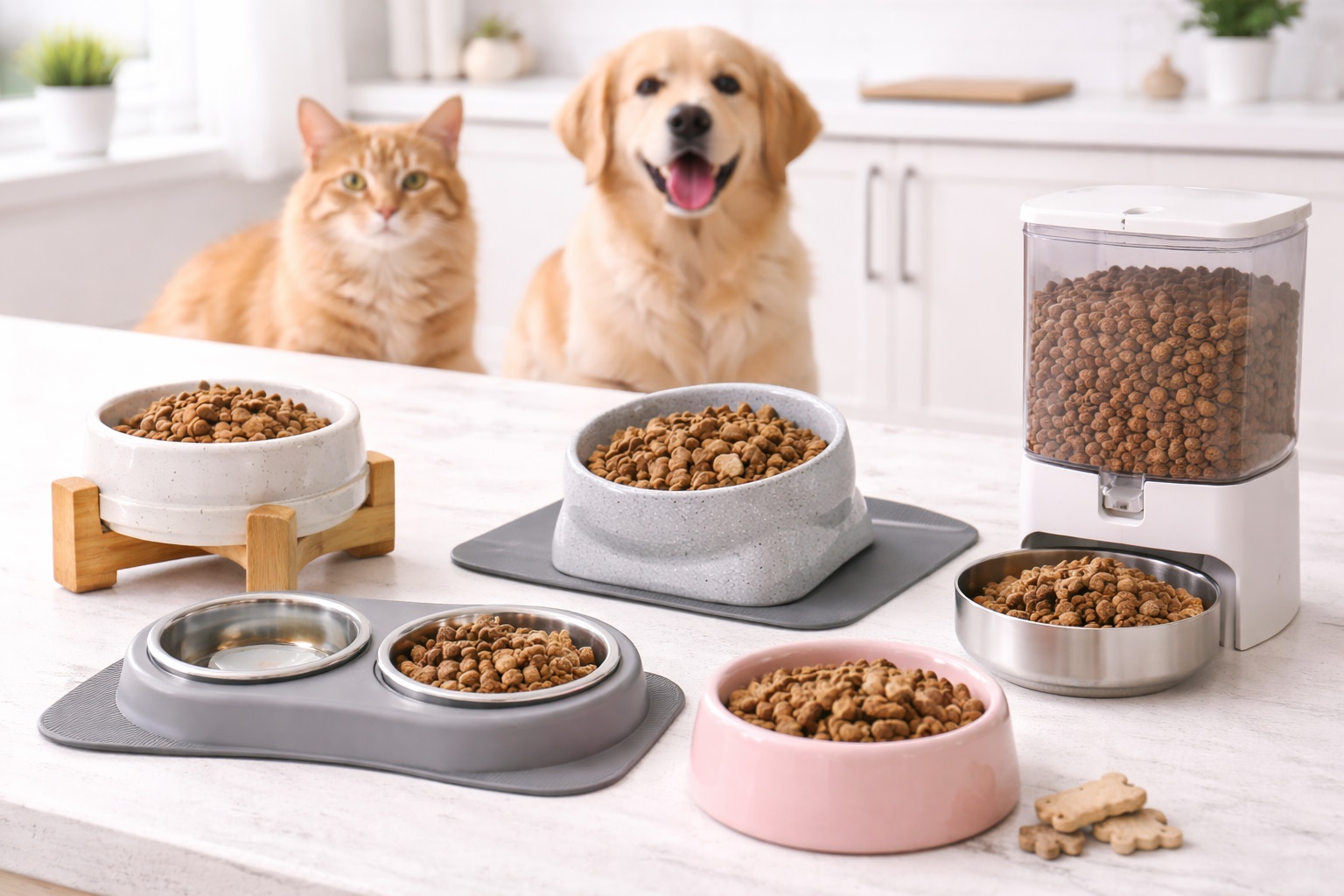
Best Indoor Pet Food Bowls: Clean, Practical Picks
A feeding bowl that lives in a kitchen, dining area, or open-plan living space faces a different set of demands than one kept in a garage or utility room. It needs to be genuinely hygienic given how often household members walk past it, easy to keep visually tidy despite daily spills and crumbs, and reasonably attractive since it sits in a shared living space rather than tucked out of sight.
This guide focuses on the bowl styles that consistently work well for indoor feeding setups, covering material hygiene, stability on kitchen and dining room flooring, and the aesthetic considerations that matter more for a bowl seen daily than one used purely for utility in an out-of-the-way spot. We also address multi-pet feeding stations, since many indoor households manage more than one animal's bowls in the same general area.
Material choice carries particular weight indoors, both for hygiene and for how a bowl fits into the room. Stainless steel, ceramic, and glass all offer better long-term hygiene than plastic, while also generally looking more intentional in a kitchen or dining space than a bright plastic bowl designed primarily for function. We weigh these material differences carefully throughout the reviews below.
Feeding station placement is another consideration unique to indoor setups — where a bowl sits relative to foot traffic, other furniture, and household routines affects both how often it gets used comfortably and how much daily mess it generates. Use the comparison tools and detailed reviews below to find a bowl that performs well functionally while fitting naturally into your indoor living space.
Budgeting for an indoor feeding setup usually involves more than the bowl alone. A placemat or tray to contain spills, a stand for elevated feeding, and potentially a second set of bowls for a multi-pet household all add to the total cost of a genuinely well-designed feeding station. Viewed as a complete system rather than a single purchase, it becomes clearer why investing somewhat more in quality materials and thoughtful mess-containment pays off over years of daily use in a shared living space.
It is also worth acknowledging that indoor feeding setups tend to be judged by household members other than the pet itself. A bowl that functions perfectly but constantly looks messy, stained, or out of place in a kitchen can become a source of friction in a shared home, whereas a setup that manages both function and appearance tends to stay in active use without complaint. Balancing these two goals, rather than treating them as separate concerns, produces the most successful long-term indoor feeding arrangement.
Top Picks Reviewed
1. Stainless Steel Bowl – Best Overall Hygienic Choice
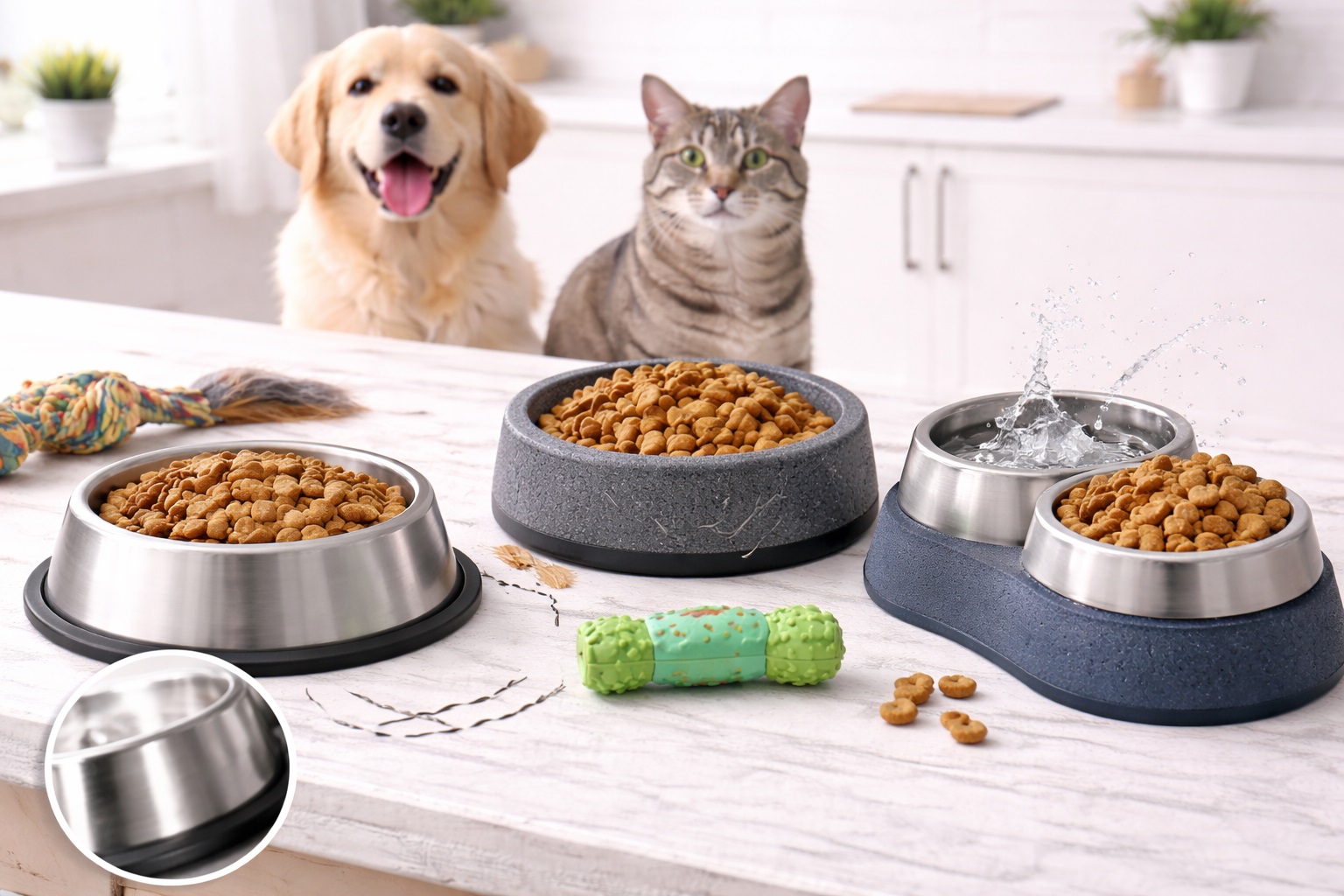
Stainless steel remains the most hygienic bowl material for indoor pet feeding, resisting the bacterial growth and odor absorption that plastic develops over time through microscopic surface scratches. The smooth, non-porous surface is fully dishwasher safe for complete sterilization, and most models include a non-slip rubber base that keeps the bowl anchored on kitchen or dining room flooring.
- Pros:
- Non-porous surface resists bacterial growth indefinitely
- Dishwasher safe for complete sterilization between uses
- Durable — resists chipping, cracking, and scratching
- Non-slip rubber base prevents sliding during feeding
- Cons:
- No insulation properties — contents reach room temperature quickly
- Some pets are sensitive to the metallic reflection or sound
Best For: Indoor households prioritizing feeding bowl hygiene above every other consideration.
Why We Recommend It: Stainless steel is the veterinary recommendation standard for pet feeding bowls, since its non-porous surface maintains hygiene properties indefinitely, unlike plastic that develops bacteria-harboring scratches over time.
2. Ceramic Elevated Bowl with Stand – Best for Ergonomic, Kitchen-Appropriate Feeding
An elevated ceramic bowl set into a matching stand raises the feeding surface to a more comfortable eating height, reducing neck strain during meals, particularly for larger indoor dogs and cats with mobility issues. The ceramic material also tends to coordinate more naturally with kitchen and dining decor than a purely utilitarian plastic set, and the bowl itself is fully dishwasher safe.
- Pros:
- Elevated height reduces neck strain during feeding
- Ceramic bowl is hygienic and dishwasher safe
- Stand prevents bowl movement during active feeding
- Aesthetically coordinates well with indoor kitchen and dining spaces
- Cons:
- Elevation is not appropriate for every pet — check with a veterinarian for bloat-prone breeds
- Stand adds to the overall surface area needing regular cleaning
Best For: Indoor pets with mobility limitations, senior animals, and households wanting a feeding setup that suits a shared kitchen space visually.
Why We Recommend It: Elevated feeding reduces the neck extension required at every meal, and for pets with any joint sensitivity, the daily comfort improvement compounds meaningfully over months of consistent use.
3. Slow Feeder Bowl – Best for Fast-Eating Pets
A slow feeder bowl with internal ridges or a maze pattern forces a pet to eat around obstacles, slowing the feeding rate significantly compared to a standard bowl. Rapid eating causes bloat risk, digestive discomfort, and vomiting in many dogs and cats, and an indoor household managing this issue benefits from a bowl that addresses it directly without requiring behavioral retraining.
- Pros:
- Significantly slows eating rate, reducing bloat and vomiting risk
- Engages the pet mentally during an otherwise automatic behavior
- Available in sizes suited to both cats and dogs of various sizes
- Most versions are dishwasher safe
- Cons:
- Not appropriate for pets with dental disease that struggle with the maze
- Requires an adjustment period for pets used to unobstructed access
Best For: Pets that eat rapidly, gulp air during meals, or experience frequent post-meal vomiting or regurgitation.
Why We Recommend It: A slow feeder bowl directly addresses one of the most common indoor pet feeding issues, and the physical engagement of navigating the maze also provides mild mental stimulation during a routine, repetitive daily activity.
4. Glass Feeding Bowl – Best for Households Avoiding Plastic and Metal
A tempered glass bowl offers the same non-porous hygiene benefits as stainless steel and ceramic while appealing to households that specifically prefer to avoid metal reflections some pets find startling, or plastic materials some owners choose to avoid entirely. Glass is fully dishwasher safe, does not retain odor, and provides a clear, clean aesthetic that suits many modern indoor kitchen designs.
- Pros:
- Non-porous surface resists bacteria and odor like steel or ceramic
- No metallic reflection that some pets find unsettling
- Dishwasher safe and simple to keep visibly clean
- Fits modern indoor kitchen aesthetics well
- Cons:
- Can chip or break if dropped on a hard floor
- Heavier than plastic, though this also improves stability
Best For: Households wanting a hygienic material that avoids both plastic and the reflective surface of stainless steel.
Why We Recommend It: Glass delivers the same core hygiene benefits as stainless steel and ceramic while suiting owners who have specific material preferences, without requiring any compromise on cleanliness or durability.
5. Automatic Portion-Control Feeder – Best for Scheduled Indoor Feeding
An automatic feeder dispenses a measured portion of dry food at set times, useful for indoor households with irregular schedules or multiple household members responsible for feeding who might otherwise duplicate or miss a meal. Most models include a removable, dishwasher-safe bowl component and work well specifically with dry kibble rather than wet food. Many units also include a companion app that logs feeding times, which can help households spot a missed or duplicated meal after the fact rather than relying purely on memory.
- Pros:
- Delivers consistent, measured portions regardless of schedule
- Reduces the risk of accidental double-feeding in busy households
- Useful for owners frequently away from home during normal feeding times
- Removable bowl component is typically dishwasher safe
- Cons:
- Best suited to dry food rather than wet food
- Higher upfront cost than a standard bowl
Best For: Busy indoor households with irregular schedules or multiple people involved in daily feeding responsibilities.
Why We Recommend It: Automatic feeders remove the ambiguity that can arise in a busy household about whether a pet has already been fed, while also delivering consistent portion control that supports healthy weight management.
6. Silicone Placemat Bowl Set – Best for Containing Everyday Mess
A bowl set paired with a raised-edge silicone placemat contains spilled water and scattered kibble that would otherwise land directly on kitchen or dining room flooring, which matters considerably for an indoor feeding station used multiple times daily. The silicone mat itself is simple to rinse or wipe clean and prevents both bowls and food debris from sliding across smooth flooring.
- Pros:
- Raised edges contain spilled water and scattered food
- Non-slip material keeps both mat and bowls in place
- Simple to rinse or wipe clean after each meal
- Protects flooring from water damage and scratches
- Cons:
- Adds an extra cleaning surface beyond the bowls themselves
- Some pets initially hesitate on an unfamiliar mat texture
Best For: Indoor households wanting to minimize daily mess on kitchen or dining room flooring near the feeding station.
Why We Recommend It: A placemat addresses the everyday mess problem directly at its source, reducing the cleanup burden after every single meal rather than leaving spilled water and scattered kibble to be cleaned from bare flooring repeatedly.
7. Double Diner Stainless Set – Best for Multi-Pet Indoor Households
A double diner set with two attached stainless bowls in one stand suits indoor households managing more than one pet's feeding in the same general area, keeping the setup contained and tidy rather than scattering separate bowls across the kitchen floor. The stainless material provides the same hygiene benefits as a single bowl while the attached design reduces bowls sliding into each other during simultaneous feeding.
- Pros:
- Contains two feeding stations in one tidy, compact unit
- Stainless steel bowls provide full hygiene benefits
- Reduces bowls sliding together during simultaneous feeding
- Simplifies daily cleaning with a single combined unit
- Cons:
- Fixed spacing may not suit pets with strong space preferences
- Less flexible than fully separate individual bowls
Best For: Multi-pet indoor households feeding two animals in the same kitchen or dining area at the same time.
Why We Recommend It: A shared, structured feeding station reduces the mild competitive tension that can arise between pets eating from separate, movable bowls placed close together, while keeping the overall footprint tidy in a shared indoor space.
8. Whisker-Friendly Wide Ceramic Bowl – Best for Cats in Multi-Pet Homes
A wide, shallow ceramic bowl designed specifically to avoid pressing against a cat's sensitive whiskers suits indoor households with cats sharing feeding space with dogs. Many cats reduce their food intake or show reluctance to eat from a standard deep bowl due to whisker sensitivity, and a properly wide, shallow design resolves this directly while remaining fully dishwasher safe and heavy enough to resist tipping.
- Pros:
- Wide, shallow shape avoids whisker sensitivity issues
- Heavier ceramic material resists tipping during feeding
- Dishwasher safe and hygienic like other non-porous materials
- Suits indoor multi-pet households with both cats and dogs
- Cons:
- Can chip if dropped on hard flooring
- Heavier than plastic, less convenient to move frequently
Best For: Indoor cats showing signs of whisker sensitivity or reluctance to eat from a standard deep bowl.
Why We Recommend It: Whisker sensitivity is a genuine, well-documented feline discomfort that a properly shaped bowl resolves directly, often improving a cat's willingness to finish meals fully rather than picking at food from the bowl's edges.
9. Weighted Anti-Tip Bowl – Best for Enthusiastic Eaters in Shared Living Spaces
A weighted bowl with a wide, stable base resists tipping during energetic eating, which matters in an indoor living space where a spilled bowl means food and water scattered across kitchen or dining flooring rather than a more forgiving outdoor or utility surface. This style suits enthusiastic eaters and multi-pet households where bowls may occasionally be bumped during simultaneous feeding. The added weight also makes the bowl noticeably harder for a determined dog to nudge across the floor while chasing the last few pieces of kibble, a common source of scattered mess with lighter designs.
- Pros:
- Weighted, wide base resists tipping during energetic eating
- Reduces mess on indoor kitchen and dining flooring
- Available in dishwasher-safe ceramic and stainless options
- Suits both single-pet and multi-pet feeding situations
- Cons:
- Heavier and less portable than lightweight alternatives
- Can chip if the material is ceramic and it is dropped
Best For: Enthusiastic eaters and multi-pet households where bowls may be bumped or jostled during feeding.
Why We Recommend It: An indoor feeding station benefits more from tip resistance than an outdoor one would, since a spilled bowl indoors means cleanup on flooring shared with the rest of the household's daily activity.
10. Collapsible Storage Bowl Set – Best for Small Kitchens with Limited Space
A collapsible silicone bowl set that folds flat for storage suits indoor households with limited kitchen or dining space, allowing the feeding station to be assembled at mealtimes and tucked away afterward rather than occupying floor space permanently. This works particularly well in apartments or smaller homes where a permanent, fixed feeding station is less practical.
- Pros:
- Folds flat for storage, freeing up floor space between meals
- Lightweight and simple to rinse clean
- Well suited to apartments and smaller indoor living spaces
- Inexpensive relative to permanent stand-based sets
- Cons:
- Less stable than a rigid, weighted bowl during feeding
- Not intended as a long-term permanent kitchen fixture
Best For: Apartments, smaller homes, and any indoor household prioritizing flexible use of limited floor space.
Why We Recommend It: Not every indoor household has room for a permanent, dedicated feeding station, and a collapsible option delivers full functionality at mealtimes without requiring a fixed, always-visible feeding setup.
Across these ten styles, the common thread is that indoor feeding demands a slightly different balance of priorities than feeding equipment kept in a garage, mudroom, or outdoor kennel area. Hygiene still matters most for pet health, but visible cleanliness, mess containment, and coordination with a shared living space all carry genuine practical weight once a bowl becomes a permanent fixture that the whole household sees and steps around every single day.
Buying Guide: How to Choose the Best Indoor Pet Food Bowl
Use these factors to match a feeding bowl to your indoor space, your pet's needs, and your household's daily routine. Indoor feeding setups face different practical demands than outdoor or utility-room setups, since hygiene, appearance, and mess containment all carry real weight in a shared living space that every household member interacts with regularly, whether or not they are the one responsible for feeding the pet.
1. Material Hygiene Ranking
Stainless steel, ceramic, and glass are the most hygienic materials. Plastic ranks lowest, since microscopic surface scratches harbor bacteria despite regular washing, and some plastics cause contact dermatitis on sensitive pets. For a bowl used daily indoors, this hygiene ranking matters more over time than it might initially seem.
2. Correct Bowl Depth for Breed and Species
Cats and brachycephalic dog breeds need shallow, wide bowls that don't press against sensitive whiskers or flat faces. Match bowl dimensions to your pet's physical structure rather than choosing a generic depth.
3. Stability During Feeding on Indoor Flooring
A bowl that slides during feeding frustrates pets and scatters food across kitchen or dining flooring. Non-slip rubber base rings and weighted ceramic designs stay anchored during active feeding, and this matters especially on smooth tile, laminate, or hardwood common in modern kitchens.
4. Daily Washing Protocol
Indoor pet bowls should be washed daily with dish soap and warm water, or placed in the dishwasher. Bacteria accumulate on bowl surfaces between uses, particularly relevant for wet food residue.
5. Size for Actual Portion Needs
An undersized bowl spills food over the sides during feeding, while an oversized bowl makes it difficult for smaller pets to reach food at the bottom. Match capacity to real portion size.
6. Water Bowl Placement Away From Food
Placing water bowls away from food bowls encourages more natural drinking behavior, particularly for cats, which reflects an instinctive preference rooted in avoiding contamination between food and water sources.
7. Multiple Bowl Strategy for Multi-Pet Homes
Multiple feeding stations, particularly in multi-cat households, reduce resource competition. Each pet should have at least one dedicated food bowl and one water bowl of their own, positioned with enough distance to prevent one pet from guarding access to another's space.
8. Slow Feeder Assessment for Fast Eaters
If your pet regularly finishes meals in under thirty seconds or shows visible gulping, a slow feeder bowl is worth trialing, since the behavioral change is typically immediate and consistently maintained.
9. Automatic Feeder Considerations for Busy Schedules
Automatic feeders dispense measured portions at set times, useful for owners with irregular schedules. Verify compatibility with your pet's food type, since most automated feeders suit dry food only, and check that the unit's footprint fits comfortably in your intended indoor location.
10. Mess Containment for Shared Living Spaces
A raised-edge placemat or tray beneath indoor bowls contains spilled water and scattered kibble, protecting flooring and reducing daily cleanup in a space the whole household uses.
11. Aesthetic Coordination with Kitchen or Dining Decor
Since indoor bowls are seen daily by the household and visitors, material and color choices that coordinate with the surrounding space help the feeding station feel intentional rather than purely functional.
12. Space Efficiency for Smaller Homes
Collapsible or foldable bowl options suit apartments and smaller indoor spaces where a permanent, fixed feeding station would occupy valuable floor space unnecessarily between meals. This is particularly relevant in shared kitchens where floor space is already at a premium.
13. Water Bowl Refresh Frequency
Indoor water bowls benefit from a full refresh at least once daily, since dust, pet hair, and saliva accumulate in standing water even when the bowl looks clean. A quick rinse and refill each morning keeps water appealing enough that pets continue drinking adequate amounts rather than avoiding a bowl that has sat too long.
14. Adjusting for Feeding Behavior Changes Over Time
A bowl that suited a younger, healthier pet may no longer be the right fit as feeding behavior changes with age, such as slower eating, reduced appetite, or new sensitivity around the mouth and whiskers. Reassessing bowl depth, height, and material periodically, rather than assuming the original setup remains correct indefinitely, keeps the feeding station matched to your pet's current needs.
Frequently Asked Questions
1. Is plastic safe for indoor pet food bowls?
Short-term, BPA-free plastic is safe. Long-term, plastic surfaces develop microscopic scratches that harbor bacteria despite cleaning, and stainless steel or ceramic is recommended for daily long-term indoor use. Some pets also develop mild chin irritation from repeated plastic contact that resolves after switching materials.
2. How often should indoor pet bowls be washed?
Daily washing is the standard recommendation, since bacteria accumulate on any bowl surface between uses regardless of material.
3. What is the best bowl material for a shared kitchen space?
Stainless steel, ceramic, and glass all offer strong hygiene and generally coordinate better visually with kitchen decor than bright utilitarian plastic.
4. Do I need a placemat under indoor pet bowls?
It is not strictly necessary but significantly reduces daily mess on kitchen or dining flooring from spilled water and scattered food.
5. How do I stop bowls from sliding on kitchen tile?
Choose a bowl with a rubberized non-slip base, or pair the bowl with a non-slip silicone placemat for added stability.
6. Should cats and dogs share the same feeding area indoors?
They can, provided each pet has its own dedicated bowl and there is enough space to prevent resource competition or feeding-related stress.
7. Is the most expensive indoor pet bowl always the best?
Not necessarily. A well-made stainless or ceramic bowl at a moderate price typically performs comparably to premium options for everyday indoor feeding needs.
8. Can automatic feeders be used indoors with multiple pets?
Yes, though each pet generally needs its own dedicated unit to ensure accurate, individual portion control rather than sharing a single feeder.
9. Why does my cat avoid eating from a deep bowl?
Whisker sensitivity is a common cause. A wide, shallow bowl that avoids pressing against the whiskers often resolves this reluctance.
10. How long does a quality indoor pet bowl typically last?
Stainless steel, ceramic, and glass bowls can last many years with normal care, while plastic bowls are generally recommended for replacement every year or two.
11. What is the easiest indoor bowl setup to maintain?
A stainless steel bowl paired with a silicone placemat offers strong hygiene, easy daily washing, and minimal mess for most indoor households.
12. Are collapsible bowls durable enough for daily indoor use?
They can serve well as a space-saving primary option in smaller homes, though a rigid bowl generally offers more long-term stability for very active eaters and heavier daily use over several years.
13. Can an indoor bowl also be used occasionally outdoors, like on a patio?
Most stainless steel and heavier ceramic indoor bowls handle occasional outdoor use fine, though a dedicated outdoor set is generally preferable for regular use, since indoor bowls are not always designed to handle prolonged sun exposure or being left out overnight.
14. How do I clean around and under a feeding station without moving it constantly?
A raised-edge placemat or tray beneath the bowls contains most spills and simplifies this considerably, since wiping the mat itself handles the bulk of daily cleanup without needing to lift bowls and check the floor underneath after every meal.
Final Verdict
- Best Overall Hygienic Choice: Stainless Steel Bowl — reliable, non-porous hygiene for daily indoor use.
- Best for Ergonomic, Kitchen-Appropriate Feeding: Ceramic Elevated Bowl with Stand — comfort that suits shared kitchen spaces.
- Best for Fast-Eating Pets: Slow Feeder Bowl — a direct fix for rapid eating and related digestive issues.
- Best for Households Avoiding Plastic and Metal: Glass Feeding Bowl — hygienic with a modern, clear aesthetic.
- Best for Scheduled Indoor Feeding: Automatic Portion-Control Feeder — consistent portions for busy households.
- Best for Containing Everyday Mess: Silicone Placemat Bowl Set — protects flooring from spills and scatter.
- Best for Multi-Pet Indoor Households: Double Diner Stainless Set — a tidy, shared feeding station.
- Best for Cats in Multi-Pet Homes: Whisker-Friendly Wide Ceramic Bowl — resolves whisker sensitivity directly.
- Best for Enthusiastic Eaters in Shared Living Spaces: Weighted Anti-Tip Bowl — stability without a full stand.
- Best for Small Kitchens with Limited Space: Collapsible Storage Bowl Set — full function without a permanent footprint.
The right indoor pet food bowl balances genuine hygiene, practical stability, and a look that fits comfortably into a shared living space, rather than treating feeding equipment as an afterthought tucked into a corner. Use the comparisons and detailed reviews above to build a feeding setup that works cleanly and reliably for your specific household every single day, and don't hesitate to combine elements from different styles, such as a stainless bowl paired with a silicone mat, to build the exact setup that suits your space.