Best Budget Pet Grooming Kits That Don't Skimp on Basics
A limited grooming budget does not have to mean limited grooming outcomes, despite how often the two get treated as though they were the same thing in general shopping advice aimed at pet owners. The core tasks that keep a pet's coat, nails, and skin healthy between professional appointments — brushing, nail trims, and basic ear and coat checks — do not inherently require expensive, feature-loaded equipment to accomplish well. What actually separates a genuinely useful budget kit from a false economy that costs more in the long run is whether the essential tools work reliably and safely for their core purpose, not whether the box they arrive in comes bundled with a long list of extras most owners will realistically rarely, if ever, put to actual use.
This guide looks specifically and deliberately at affordable grooming options through that particular lens, drawing a clear distinction between tools where a lower price genuinely represents good, honest value with no meaningful downside, and situations where cutting cost creates a real functional or safety compromise that is worth paying a modest amount more specifically to avoid. Nail clippers, for instance, are one clear category where blade sharpness and cutting precision matter enough on their own that an extremely cheap, poorly manufactured option can genuinely introduce real risk of a painful, badly executed trim, while a basic, no-frills slicker brush at a genuinely low price point very often performs perfectly adequately for routine maintenance brushing on most coat types without any noticeable functional compromise at all.
The goal running throughout this entire guide is helping you spend efficiently and with genuine intention rather than simply spending as little as technically possible on every single item without distinction — identifying clearly where the very lowest price point genuinely delivers acceptable, dependable performance, and identifying separately where a modest, targeted increase in budget meaningfully reduces risk or noticeably improves the day-to-day grooming experience for both the pet and the owner handling the tool.
It helps to think of a grooming kit budget the way you might think of any other household purchase with several components of varying importance: some parts genuinely do not benefit much from extra spending, while a small number of parts benefit disproportionately from even a modest upgrade. Treating every tool in the kit as equally deserving of either maximum frugality or maximum investment misses this distinction entirely, and the reviews and buying factors below are built specifically around identifying which category each tool actually falls into.
Top Picks Reviewed
The three picks below reflect three different budget-conscious strategies: buying a complete bundled set for maximum initial coverage, deliberately choosing a stripped-down basic tool where the missing features do not matter for your use case, and spending slightly more on the one component where doing so meaningfully changes the outcome. Together they illustrate the general principle running through this entire guide rather than representing three unrelated purchase categories.
1. Affordable Complete Grooming Set – Best Overall Value for Getting Started
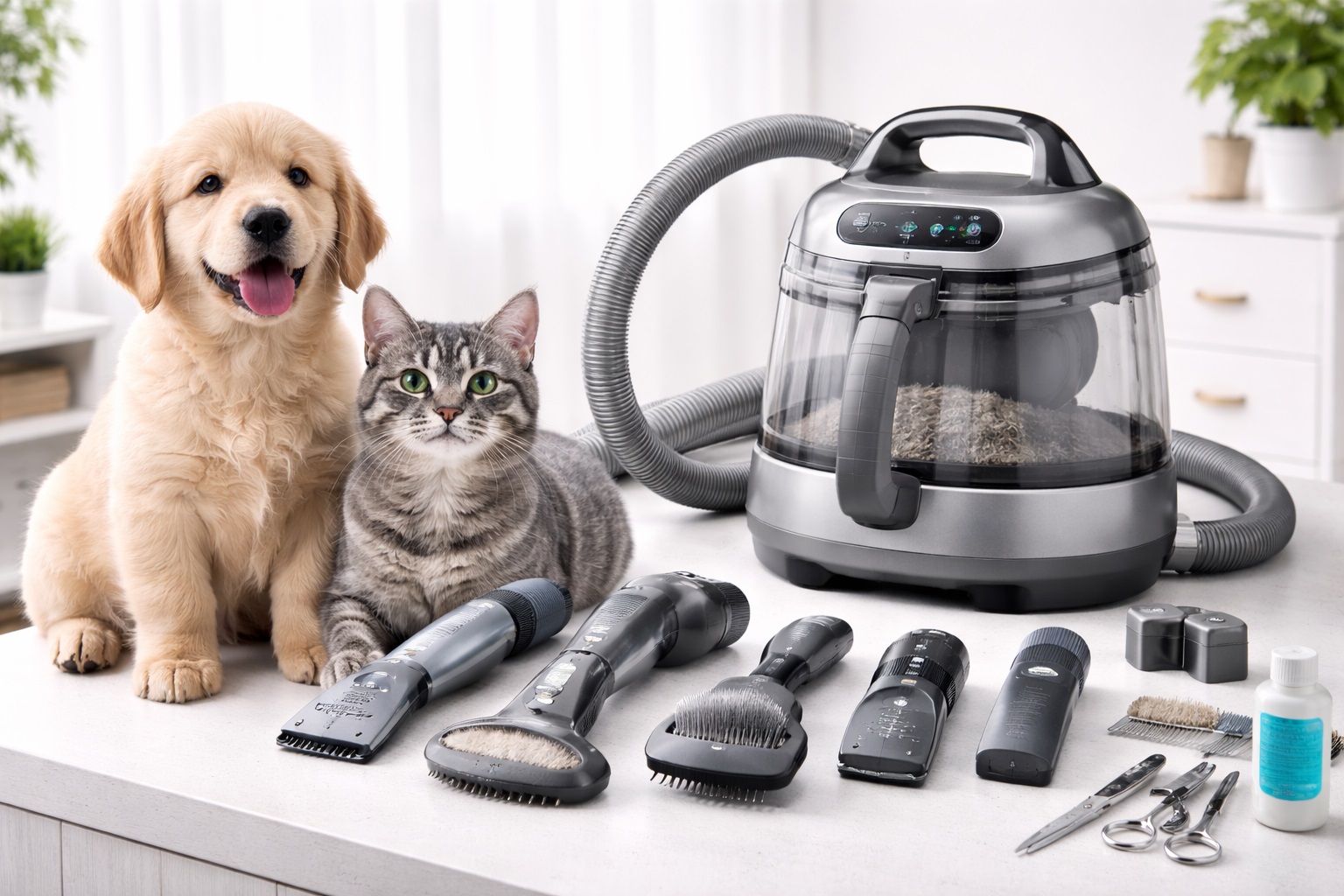
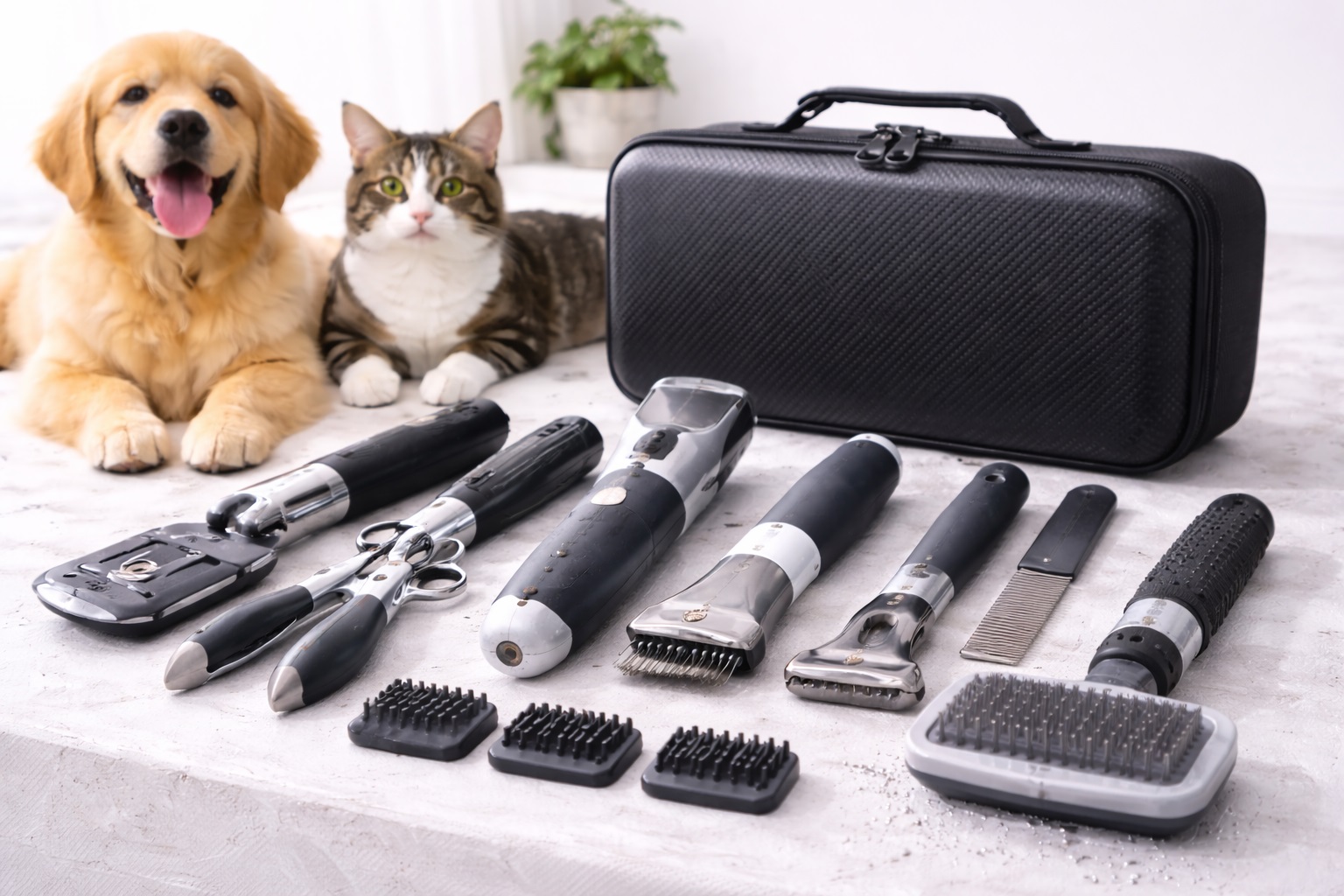
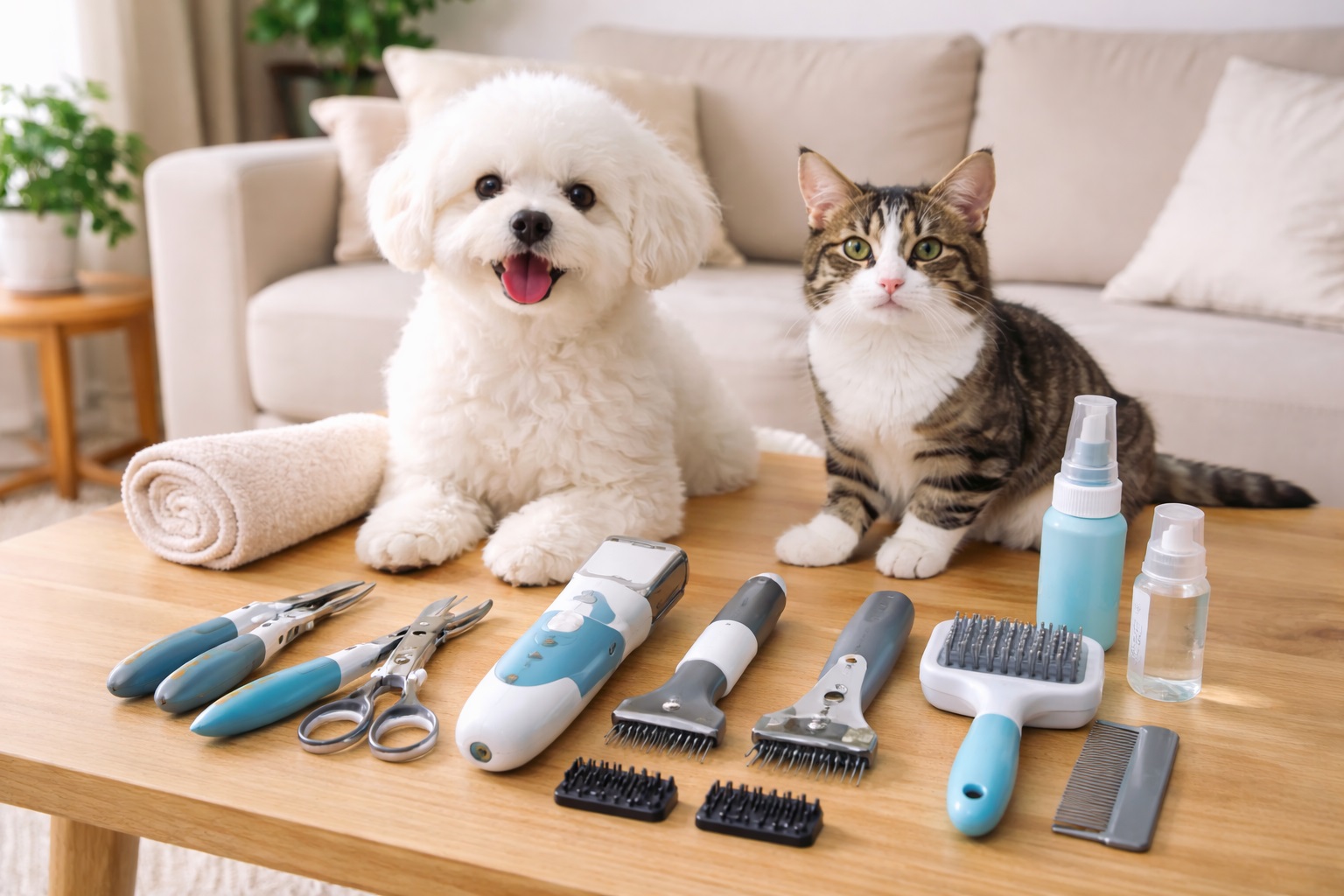
A budget-priced complete set typically bundles a basic slicker brush, a simple comb, standard nail clippers, and sometimes a small deshedding tool into one purchase at a price well below buying each item individually from separate specialty brands. The individual components in a set like this are rarely best-in-class on their own merits, but for an owner just beginning to establish an at-home grooming routine from a standing start, having every essential tool available immediately at a low total cost removes the biggest practical barrier to simply getting started at all. Comparison shopping and researching individual tool specifications across multiple listings takes real time and effort that a bundled set simply bypasses entirely for a first purchase.
- Pros:
- Covers every essential grooming task in a single low-cost purchase
- Lower total cost than buying comparable individual tools separately
- Sufficient quality for routine, non-intensive grooming needs
- Removes the research burden of assembling a tool set piece by piece
- Cons:
- Individual tool durability is generally lower than premium single-purpose equivalents
- Nail clipper blade sharpness in particular may need more frequent attention
Best For: New pet owners or budget-conscious households establishing a basic at-home grooming routine for the first time.
Why We Recommend It: For ordinary routine maintenance rather than genuinely intensive coat work, a complete budget set reliably covers the actual practical tasks most owners actually need to perform on a regular weekly basis, and the resulting cost savings compared with sourcing comparable individual tools separately is genuinely substantial without any real proportional loss in everyday practical usefulness for most households. It is a genuinely sensible default recommendation for anyone who remains unsure at the outset just how committed they will ultimately turn out to be to a sustained, ongoing at-home grooming routine over the coming months and years.
2. Basic Slicker Brush With Reinforced Pins – Best Low-Cost Daily Maintenance Tool
A simple, no-frills slicker brush without self-cleaning mechanisms or specialty coatings can still perform the core task of removing loose fur and light tangles effectively, provided the pin quality and base construction are reasonably solid. Skipping the self-cleaning mechanism specifically, rather than any other feature, is genuinely one of the more sensible and defensible cost-cutting choices available in this entire product category, since it removes an added moving part that is very often the first thing to fail on cheaper, lower-tolerance manufactured products while leaving the tool's actual, core brushing function completely intact and unaffected. For an owner grooming a pet a few times a week rather than daily, the manual fur removal that comes with skipping the mechanism is a small, manageable inconvenience rather than a genuine drawback.
- Pros:
- Performs the core brushing function just as effectively as pricier alternatives
- No mechanical parts to eventually fail, unlike self-cleaning designs
- Considerably cheaper than feature-added versions of the same basic tool
- Simple to clean by hand between uses despite lacking automation
- Cons:
- Requires manually clearing collected fur from the bristles by hand
- Pin flex and durability vary more at this price point than at premium tiers
Best For: Owners who groom infrequently enough that a self-cleaning mechanism's convenience does not justify its added cost.
Why We Recommend It: The self-cleaning feature genuinely earns its cost for frequent groomers managing heavy shedding, but for lighter or less frequent brushing, a basic slicker brush delivers essentially the same coat-care outcome for a fraction of the price. Reserve any extra spend specifically on self-cleaning convenience for those particular pets and households where genuinely daily, high-volume brushing actually makes the resulting time savings noticeable and worthwhile in practice.
3. Mid-Grade Nail Clippers With Sharp Standard Blade – Best Place to Spend a Little More
Nail clippers are the one category in a budget kit worth deliberately not buying at the absolute lowest price point available, since blade sharpness directly affects whether a trim is quick and clean or crushing and painful. A mid-grade clipper fitted with a genuinely sharp, well-made standard blade, rather than reflexively grabbing whatever single cheapest option happens to be sitting on the shelf at the lowest visible price, meaningfully and measurably reduces the risk of a bad nail-trim experience that can end up creating lasting, hard-to-undo grooming anxiety in an otherwise perfectly cooperative pet. The price difference between the cheapest available clipper and a genuinely sharp mid-grade one is usually modest in absolute terms, making this a low-cost way to meaningfully reduce risk on the single task most likely to go wrong.
- Pros:
- Sharper blade produces cleaner cuts than the very cheapest clipper options
- Reduces risk of crushing or splintering the nail during a trim
- Still considerably cheaper than premium precision clippers
- Good balance point between cost and the safety this specific task demands
- Cons:
- Blade will eventually dull and need sharpening or replacement
- Not as precise as a genuinely premium precision clipper for very small nails
Best For: Budget-conscious owners who are willing to spend slightly more specifically on the one tool where blade quality most directly affects pet safety and comfort.
Why We Recommend It: Of all the tools in a typical grooming kit, nail clippers have the clearest, most direct link between price-driven quality differences and actual risk to the pet, making this the single most sensible and defensible place in an otherwise thoroughly budget-conscious kit to spend a little bit more money. Owners who have had a previous bad experience with an overly cheap, poorly made clipper often describe this specific upgrade as the one single change that fully rebuilt their pet's overall tolerance for nail trims generally, going forward.
Buying Guide: How to Choose the Best Budget Pet Grooming Kit
Shopping on a budget does not mean ignoring quality altogether — it means being deliberate about where quality matters most and where it matters comparatively less for your specific pet's needs. The twelve factors below are ordered roughly from the broadest strategic decisions about how to allocate a limited budget down to the smaller habits and maintenance practices that stretch whatever you do spend considerably further over time.
1. Identifying Where Cost-Cutting Is Safe
Combs, basic brushes, and simple storage cases can generally be bought at the lowest available price without meaningful functional loss. These tools have few moving parts and low failure consequences even at minimal quality, making them the safest places to save money in a budget kit. Spending extra here rarely buys meaningfully better performance for routine use, so redirect any savings toward the categories where it actually matters more.
2. Identifying Where Cost-Cutting Is Risky
Nail clippers and anything with a blade deserve a slightly higher budget allocation, since blade sharpness and precision have a direct, immediate effect on pet comfort and safety during use. A few extra dollars here delivers a disproportionate improvement in the actual grooming experience relative to almost any other single change you could make to a budget kit. This is the one category worth deliberately budgeting slightly above the absolute minimum for.
3. Buying Individual Tools Versus a Bundled Set
A bundled budget set is usually cheaper overall than buying each tool separately, but check whether any single component in the bundle is notably weaker than the rest — often the nail clipper — and consider supplementing that one item individually rather than replacing the entire set. This hybrid approach — a bundled set plus one individually upgraded tool — is often the single most cost-efficient way to build a starter kit.
4. Prioritizing Tools by Actual Use Frequency
Spend relatively more on whichever tool you will use most often. A dog needing daily brushing justifies a slightly better brush even on a tight budget, while an occasionally used tool can reasonably stay at the lowest price tier without much practical downside. Think in terms of cost per use rather than sticker price alone — a slightly pricier tool used daily is a better investment than a cheap one used rarely.
5. Understanding What You're Giving Up at Lower Price Points
Budget tools typically sacrifice durability and finishing quality rather than core function. A budget slicker brush still removes fur; it may just need replacing sooner than a premium version. Understanding this tradeoff helps set realistic expectations rather than assuming any low price means poor function entirely. Read product descriptions carefully for material and construction details rather than judging purely by price, since some budget listings do disclose meaningful quality information if you look.
6. Checking Return Policies Before Committing
Budget tools purchased online often come from newer or lesser-known brands with less established reputations. A generous return window reduces the risk of committing to a tool that turns out to be a poor fit for your specific pet once you actually try it. Confirm the actual return window and any conditions before purchase rather than assuming standard retailer policy automatically applies to every third-party seller.
7. Reading Reviews for Specific Failure Points
Rather than relying on overall star ratings alone, look specifically for reviews mentioning how a budget tool holds up after weeks or months of actual use, since initial impressions often look identical between a genuinely durable budget tool and one that fails quickly. Reviews left a few months after purchase, rather than immediately after unboxing, are considerably more informative about real long-term performance.
8. Extending the Life of Budget Tools Through Care
Rinsing brushes after use, drying clippers to prevent rust, and storing tools properly all extend the practical lifespan of budget equipment considerably, narrowing the durability gap with premium alternatives through simple maintenance habits rather than additional spending. These habits cost nothing beyond a few minutes after each session and are worth building regardless of what tier of tool you actually own.
9. Recognizing When It's Time to Upgrade
A budget tool that has genuinely failed, dulled beyond safe use, or become uncomfortable for the pet has reached the end of its reasonable service life. Continuing to use a clearly failing tool to save money is a false economy once safety or effectiveness is compromised. A dull nail clipper in particular should be replaced promptly rather than pushed past the point where it cuts cleanly, given the direct safety implications.
10. Balancing Budget Tools With Occasional Professional Grooming
A budget at-home kit handling routine maintenance between periodic professional appointments is a sensible overall strategy — the professional session catches anything the budget tools cannot handle well, while the at-home kit manages the frequent basic tasks affordably. This combination often delivers better overall pet care than either approach used exclusively on its own, at a lower total cost than frequent full professional grooming alone.
11. Avoiding Unnecessary Extras That Inflate Cost
Some kits bundle in accessories like decorative bows, scented sprays, or specialty combs most owners rarely use. Paying for these extras inflates the price without adding practical value if your actual grooming needs are limited to core maintenance tasks. Compare a bundled kit's core-tool pricing against similar sets without the extras to judge whether you are genuinely getting a good deal or simply paying for volume.
12. Total Cost of Ownership Over Time
A slightly more expensive tool that lasts twice as long can work out cheaper over time than repeatedly replacing the absolute lowest-priced option. Weigh budget purchases against realistic expected lifespan rather than upfront price alone when comparing similar options. A rough per-year cost calculation, even an approximate one, usually clarifies which of two similarly priced options is the better long-term value.
Frequently Asked Questions
The questions below address the concerns owners most often raise once they start seriously weighing whether a budget approach to grooming will actually serve their pet well, alongside the more practical shopping questions that come up once a purchase is already underway.
1. Can budget grooming tools actually work as well as expensive ones?
For routine, non-intensive tasks, often yes. The functional gap between budget and premium tools is generally smaller for brushes and combs than it is for precision items like nail clippers, where blade quality matters more directly. A basic brush used consistently will generally outperform an expensive brush used rarely, so consistency matters as much as the tool itself.
2. Where should I avoid cutting costs in a grooming kit?
Nail clippers are the clearest place to spend slightly more, since blade sharpness directly affects trim safety and comfort. Basic brushes and combs are generally safer places to save. Think of your total budget as something to allocate deliberately across categories rather than spread evenly across every tool in the kit.
3. Are budget nail clippers dangerous?
The very cheapest options can have dull or poorly aligned blades that crush rather than cut cleanly, increasing discomfort and the chance of a bad experience. A mid-grade option addresses this without a large price jump. If a trim ever causes visible discomfort or the nail splinters rather than cutting cleanly, treat that as a sign to replace the clipper promptly.
4. How long do budget grooming tools typically last?
Generally shorter than premium equivalents, often one to two years of regular use compared with two to five years for higher-quality tools, though proper care can narrow this gap meaningfully. Rinsing, drying, and storing tools properly after each use is the single most effective free way to extend that lifespan further.
5. Is a bundled budget kit better than buying tools separately?
Usually cheaper overall, yes, though it is worth checking whether any single bundled component is notably weaker and considering an individual upgrade for that specific item rather than the whole set. This mixed strategy often ends up being the single most efficient way to build a genuinely well-rounded kit on a limited budget.
6. Do budget grooming kits work for large or heavy-shedding pets?
They can handle routine maintenance, but heavy shedders may find a budget deshedding tool less effective than a dedicated premium version, making this a reasonable category to consider upgrading first if shedding is a significant issue. Basic brushing and nail care generally translate well to budget tools regardless of pet size, though.
7. How do I know if a budget tool is a good deal or just cheap?
Check reviews specifically mentioning longevity and real-world performance rather than just initial impressions, and confirm the return policy in case the tool does not perform as expected once tried. Filtering reviews to show only those with photos or verified purchases can also help separate genuine feedback from less reliable listings.
8. Should I buy budget tools online or in person?
Either can work, but buying in person allows you to physically check build quality and grip feel before committing, which is harder to judge from online listings and photos alone. If buying online, prioritize listings with a generous return window to offset that reduced ability to inspect the item beforehand.
9. Can I mix budget and premium tools in the same kit?
Yes, and this is often the most cost-effective approach — budget brushes and combs paired with a slightly more premium nail clipper balances overall cost against the one area where quality matters most. Most owners naturally settle into this kind of mixed approach over time even without deliberately planning it from the start.
10. Do budget grooming kits come with instructions for beginners?
Some do, though quality and detail vary. Independent grooming guides and veterinary resources are worth consulting alongside whatever instructions are included, regardless of kit price point. A first-time owner may benefit more from a short video demonstration than from written instructions alone for tasks like nail trimming.
11. How can I make a budget grooming kit last longer?
Rinse and dry tools after each use, store them away from moisture, and avoid using tools for tasks beyond their intended purpose, all of which meaningfully extend practical lifespan without additional cost. These habits take only a few minutes after each session and pay for themselves many times over across the life of the kit.
12. Is it worth upgrading a single tool from a budget kit rather than replacing everything?
Generally yes — identify the specific component causing problems, usually the nail clipper or a deshedding tool for heavy shedders, and upgrade that item individually rather than replacing an otherwise adequate full set. This targeted approach gets you most of the benefit of a full premium kit for a fraction of the total cost.
Final Verdict
- Best Overall Value for Getting Started: Affordable Complete Grooming Set — the most practical entry point for a new at-home grooming routine on a tight budget.
- Best Low-Cost Daily Maintenance Tool: Basic Slicker Brush With Reinforced Pins — reliable core brushing performance without paying for features many owners will not use.
- Best Place to Spend a Little More: Mid-Grade Nail Clippers With Sharp Standard Blade — the one upgrade in a budget kit most likely to meaningfully improve safety and comfort.
Grooming on a budget works best when it is deliberate rather than uniform — spending the least on tools where quality differences barely matter, and a little more where they genuinely do. Approached this way, a modest grooming budget can still cover every essential task well without compromising your pet's comfort or safety in the process.
If you are building a kit for the first time and feel uncertain about which categories deserve the extra spend, a simple rule of thumb is to ask whether a tool's failure or poor performance could directly cause your pet pain or fear. Nail clippers pass this particular test clearly and unambiguously; a slightly stiffer comb, a plain unbranded storage case, or a basic brush handle generally does not pass it at all in any meaningful practical sense. Applying that single, simple question consistently and honestly across every item in a prospective kit tends to sort tools into the right spending category far more reliably and objectively than gut instinct, marketing claims, or general brand reputation alone ever really can, and it scales naturally and sensibly as your available budget grows or shrinks over time depending on your changing personal and household circumstances, without requiring you to relearn the underlying logic each time your financial situation shifts one way or the other.
It is also worth revisiting your kit periodically rather than treating the initial purchase as a permanent, unchanging setup. A pet's grooming needs shift meaningfully over the course of its life — a puppy's soft, fine first coat gradually gives way to a mature adult coat with an entirely different texture, density, and shedding pattern, and a senior pet later in life may develop skin sensitivities, slower-growing or thicker nails, or reduced tolerance for handling that calls for a genuinely different tool than whatever worked perfectly well for years beforehand without issue. Reassessing your budget kit against your pet's genuinely current needs roughly once a year, rather than simply assuming the original purchase remains perfectly suited to the animal indefinitely without any further thought, keeps the entire setup genuinely useful and appropriate rather than merely familiar and habitual out of inertia.
Finally, it is worth remembering clearly that a tight overall budget for grooming equipment does not have to translate into a lesser standard of actual, meaningful care for your pet, no matter how persuasively the marketing surrounding premium, expensive equipment might otherwise try to frame that particular comparison in its own favor. The actual outcomes that genuinely matter for a pet's wellbeing — a clean, tangle-free coat, comfortable nails trimmed regularly to a safe length, and healthy, well-inspected ears and skin — are entirely achievable with modest, sensibly chosen tools applied consistently and attentively, just as reliably as they would be with an expensive premium kit used carelessly, inconsistently, or only occasionally out of good intentions alone. Consistency and genuine attentiveness, far more than the price tag on the equipment involved, are what ultimately determine whether a grooming routine actually keeps a pet healthy, comfortable, and well cared for over the long run of its life.