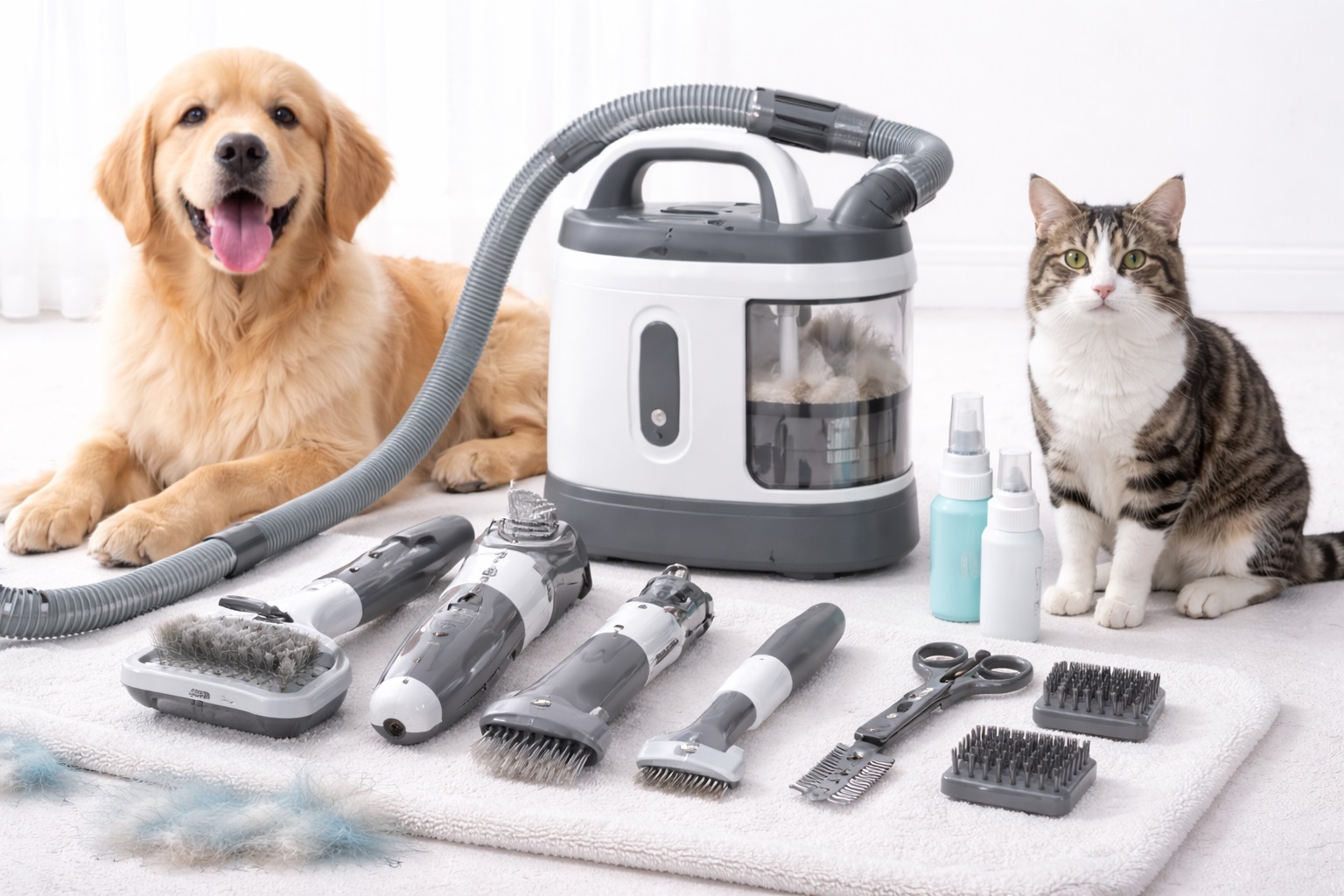
Best Low-Mess Pet Grooming Kits for Cleaner Brushing at Home
Brushing a shedding dog or cat is effective at removing loose fur from the coat, but that same fur has to go somewhere once it leaves the animal's body, and in a lot of ordinary grooming setups it simply ends up airborne, drifting onto the floor, settling on furniture and upholstery, and clinging stubbornly to the owner's clothes for the rest of the day regardless of how carefully the brushing itself was done. The tools themselves are not always the problem — a standard slicker brush removes fur perfectly well and does exactly what it is supposed to do — but the mess that results afterward is often what quietly discourages owners from brushing as frequently as their pet's coat actually needs, turning what should be a quick daily habit into an occasional chore people put off because of the cleanup attached to it.
This guide focuses specifically on grooming tools engineered to contain or capture loose fur during the brushing process itself, rather than tools that simply groom effectively on their own terms and leave the entire cleanup burden to the owner once the session is technically finished. Vacuum-attached brushes, self-cleaning designs that seal fur away instantly, and enclosed grooming gloves all approach the same containment goal from different angles, and the right choice for your specific household depends heavily on how much shedding you are actually managing day to day and how much you are willing to spend, in both money and setup effort, to meaningfully reduce that recurring cleanup step.
It is worth noting clearly upfront, before setting expectations for any specific product, that no single tool eliminates mess entirely — a certain amount of loose fur will always escape any containment method during an actual grooming session with a living, moving animal that shifts position, stretches, and reacts to what is being done to it throughout the process. The realistic and achievable goal here is meaningfully reducing the total volume that needs cleaning up afterward compared with an ordinary uncontained brushing session, not eliminating the cleanup step altogether as some marketing language might otherwise imply.
It also helps, before comparing specific tools, to separate two genuinely different sources of mess that tend to get lumped together as if they were one single problem: fur that visibly scatters onto floors and furniture during active brushing, which is the more obvious and immediately noticeable kind, and fine dander that becomes airborne and settles more diffusely and less visibly throughout an entire room over the following hours. The tools below mainly address the first, more visible category. Dander requires a somewhat different approach involving air filtration and surface cleaning alongside whatever brush or glove you choose, a distinction well worth keeping in mind from the outset so your expectations for any single tool you eventually choose stay grounded and realistic rather than disappointed later.
Top Picks Reviewed
The three specific tools compared below sit at genuinely different points along a spectrum running from the most thoroughly contained but most involved approach to the least involved but also least comprehensive approach, and most households naturally end up gravitating toward whichever point on that particular spectrum best matches how much of a genuine, ongoing problem loose fur currently causes them versus how much added setup complexity they are realistically willing to tolerate in exchange for a cleaner overall result day to day.
1. Vacuum-Attachment Grooming Brush – Best for Near-Total Fur Containment
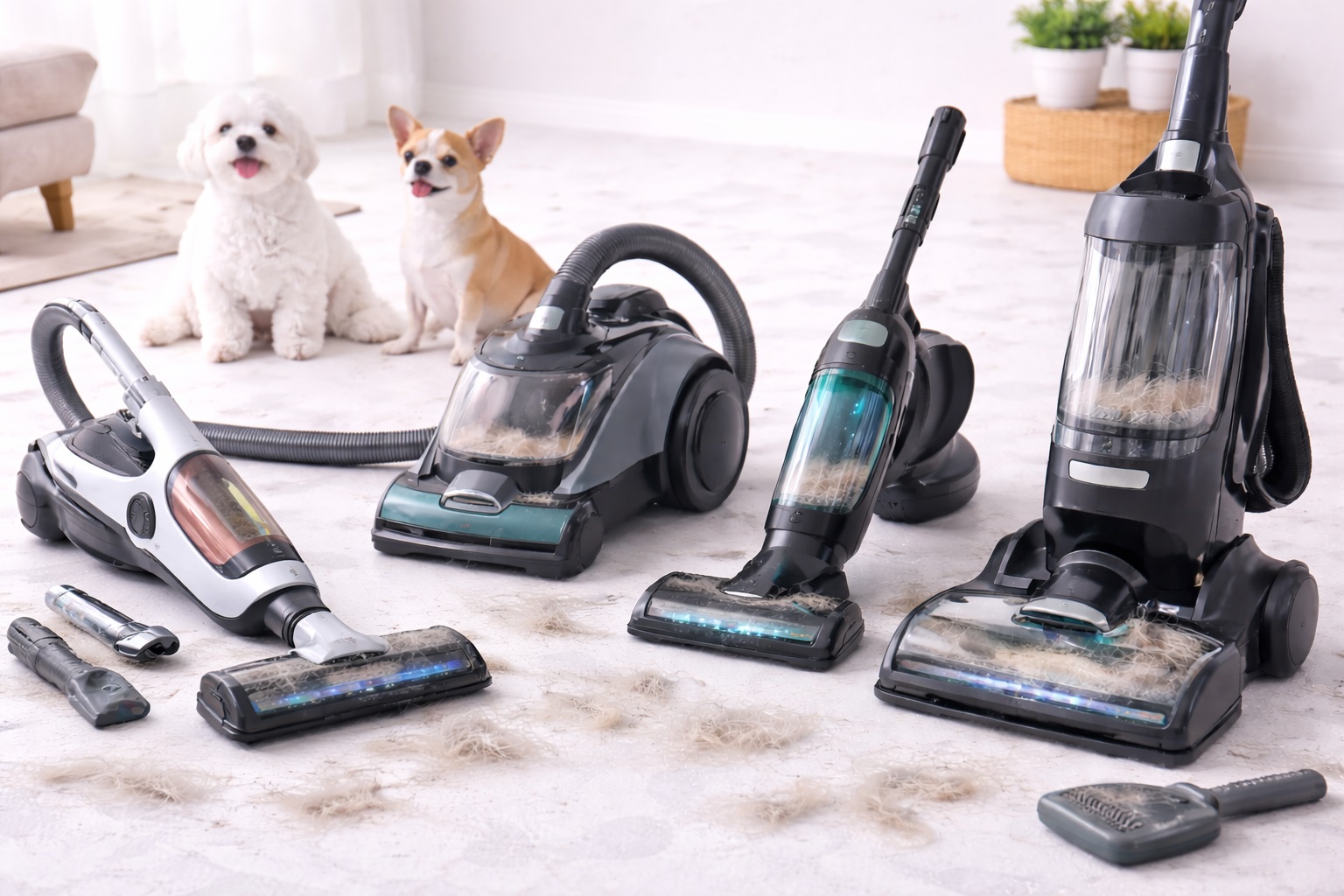
This design connects directly to a household vacuum via a hose attachment, pulling loose fur away through suction as it is brushed free from the coat rather than letting it fall or float free into the room. For heavy shedders, this is the most complete containment solution available, since fur is captured at the point of removal rather than needing to be swept, vacuumed separately, or picked off furniture afterward. Most pets adjust to the vacuum's sound and vibration within a few short sessions, particularly if the introduction is gradual rather than switching the vacuum on at full power on the very first attempt.
- Pros:
- Captures fur immediately at the source rather than letting it scatter first
- Effectively eliminates the separate post-grooming cleanup step for loose fur
- Particularly effective on heavy-shedding double-coat breeds during seasonal shedding
- Combines vacuuming and brushing into a single session rather than two tasks
- Cons:
- Vacuum noise and vibration can startle sound-sensitive pets initially
- Requires compatible vacuum attachment fittings, which not every model supports
Best For: Households with heavy-shedding pets where loose fur on furniture and floors is a persistent, significant problem.
Why We Recommend It: No other approach captures fur as completely at the actual point of removal, and for genuinely heavy shedders this is often the single biggest reduction in post-grooming cleanup of any tool category available. Owners who have spent seasons chasing floating tumbleweeds of shed fur across hardwood floors tend to find the upfront cost of a compatible attachment pays for itself quickly in time saved.
2. Self-Sealing Retractable Slicker Brush – Best for Quick, Low-Effort Cleanup
A retractable slicker brush pulls its bristles inward at the press of a button, releasing the collected fur directly into a trash bin in one motion rather than requiring it to be picked off the bristles by hand. While it does not prevent some fur from falling to the floor during active brushing the way a vacuum attachment does, it removes the single most tedious and fur-covered part of manual brushing — clearing the brush head itself between and after strokes, a task that with a standard brush usually means pulling matted fur off bristle by bristle with your fingers while more fur floats free in the process.
- Pros:
- One-button release eliminates hand-picking fur from the bristles
- No vacuum or cords required, making it simple and portable to use anywhere
- Fast cleanup between multiple brushing passes during a single session
- Works well across short, medium, and long coat types
- Cons:
- Does not contain fur that falls to the floor or furniture during active brushing
- Best paired with a grooming mat or blanket underneath for meaningfully lower mess
Best For: Owners who want a fast, low-fuss brushing routine without investing in a vacuum-attachment system.
Why We Recommend It: It solves the specific frustration of manually clearing a clogged brush head, which is often the messiest and most time-consuming part of an otherwise ordinary brushing session, at a fraction of the cost of a full vacuum-attachment setup. For most owners without a genuinely heavy-shedding pet, this modest investment delivers the bulk of the convenience benefit that a full vacuum system would, without the added cords, noise, or compatibility concerns.
3. Enclosed Grooming Glove with Fur-Trapping Palm – Best for Low-Shedding Touch-Ups
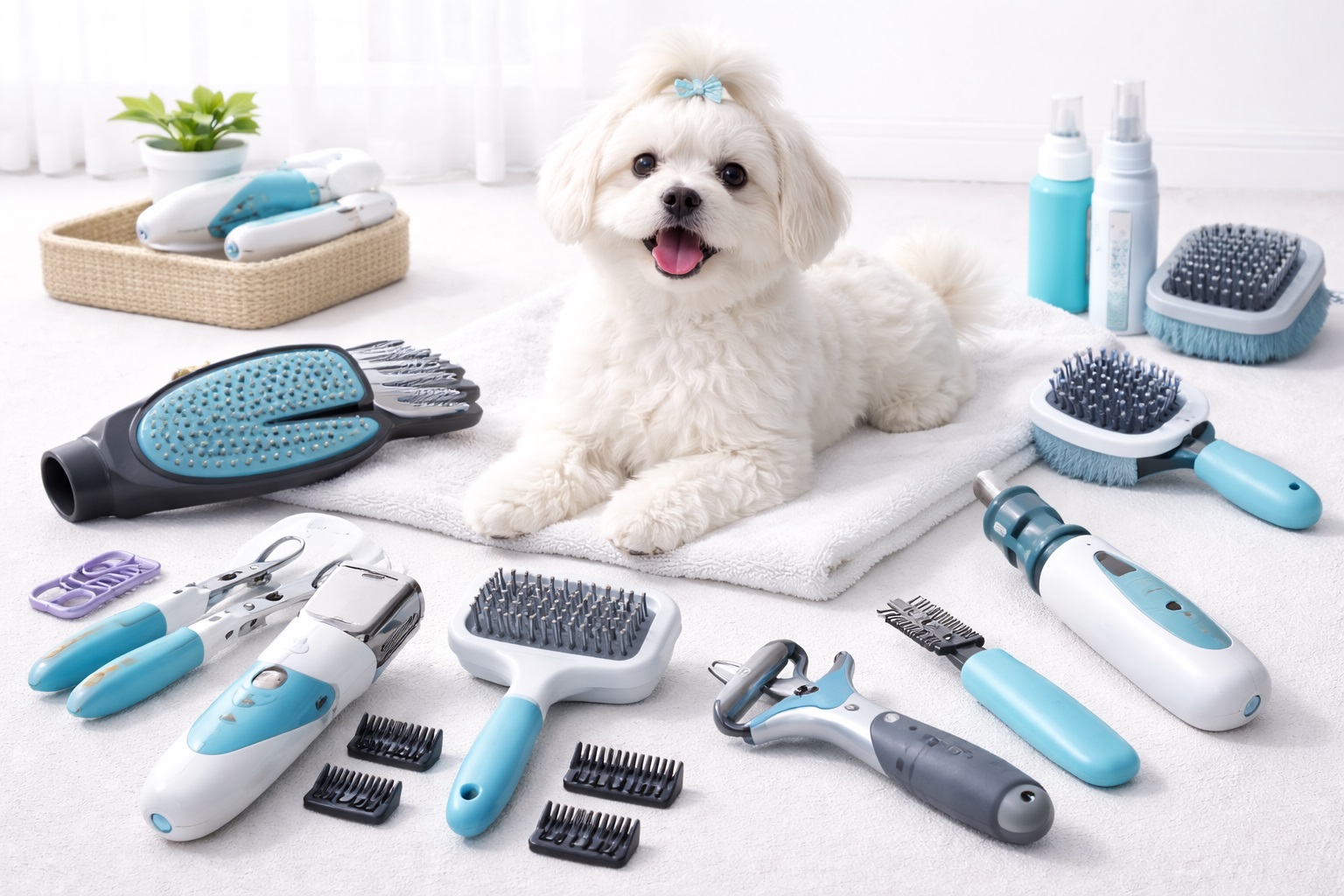
A grooming glove fitted with soft rubber nubs on the palm lets an owner pet and groom simultaneously, with loose fur clinging to the glove's textured surface rather than scattering into the air or onto surrounding surfaces. It is gentler and less intensive than a slicker brush, making it well suited to light maintenance brushing, sensitive pets, or breeds with minimal shedding rather than a full deshedding session. Because it looks and feels like an ordinary hand to the pet, it is also one of the easiest tools to introduce to a pet that has never been groomed with any tool at all.
- Pros:
- Fur clings to the glove surface rather than scattering during light petting-style grooming
- Gentle enough for anxious pets who resist a standard brush
- Doubles as a bonding activity since it feels like petting rather than grooming
- Simple to rinse clean between uses with no moving parts to maintain
- Cons:
- Considerably less effective than a slicker brush or deshedding tool on heavy shedders
- Fur must still be peeled off the glove by hand after each use
Best For: Light shedders, sensitive or anxious pets, and owners who want a gentle daily touch-up between more thorough weekly brushing sessions.
Why We Recommend It: For pets that resist a standard brush, the glove's petting-like feel often gets acceptance where a slicker brush would not, making it a practical low-mess entry point for building a grooming habit with a reluctant or anxious pet. Once that habit is established, some owners graduate to a slicker brush for deeper sessions while keeping the glove in rotation for quick daily touch-ups.
Buying Guide: How to Choose the Best Low-Mess Pet Grooming Kit
Reducing grooming mess comes down to matching the containment method to your pet's shedding level, your tolerance for setup complexity, and where in the home grooming actually happens. The twelve factors below are organized roughly from the biggest-impact decisions — which containment method fits your situation at all — down to smaller supporting habits that compound the benefit of whichever tool you land on, so working through them in order tends to produce the clearest picture of what your household actually needs.
1. Matching Containment Method to Shedding Volume
Heavy seasonal shedders generate far more loose fur per session than light shedders, and the containment method that makes sense scales with that volume. A vacuum attachment earns its complexity for a heavy double-coated shedder; a simple self-cleaning brush or glove may be entirely sufficient for a lighter shedding breed. Overbuying containment complexity for a pet that barely sheds wastes money and adds unnecessary setup friction to what could otherwise be a quick daily routine.
2. Choosing a Consistent Grooming Location
Designating one specific spot for grooming — ideally somewhere with hard flooring or over an easily cleaned mat — concentrates any escaped fur into one predictable, easy-to-clean area rather than scattering it throughout the home as the pet and owner move around during the session. A consistent spot also helps the pet settle into the routine faster, since the location itself becomes a cue that a calm, familiar activity is about to happen.
3. Using a Grooming Mat or Blanket
A simple mat or old blanket placed under the pet during brushing catches fur that a hands-only or brush-only containment method misses, and can simply be shaken out or laundered afterward, meaningfully reducing floor and furniture cleanup regardless of which brush is used. It is one of the cheapest mess-reduction measures available and works as a useful supplement even alongside a more expensive dedicated containment tool.
4. Vacuum Compatibility for Attachment Systems
Vacuum-attachment grooming brushes require a compatible hose fitting, and not every household vacuum supports every attachment brand. Check compatibility specifications before buying rather than assuming a universal fit, since a mismatched attachment defeats the entire purpose of this approach. Some manufacturers sell a small range of universal adapter pieces specifically to bridge common hose diameter mismatches, which is worth checking before ruling out an otherwise appealing attachment brush.
5. Introducing Vacuum-Based Tools Gradually
Sound-sensitive pets can find vacuum noise and vibration alarming at first. Running the vacuum nearby without attaching the grooming brush for a few sessions, then introducing brief contact, gives a nervous pet time to adjust before expecting full cooperation during an actual grooming session. Rewarding calm behavior around the running vacuum with treats, well before any grooming is attempted, builds a foundation that makes the eventual combined session go far more smoothly.
6. Coat Type and Tool Effectiveness
Low-mess tools vary considerably in effectiveness by coat type. A vacuum attachment excels on double coats releasing large volumes of undercoat fur, while a grooming glove suits short, sleek coats better than it does a dense double coat, where it struggles to reach the undercoat at all. Matching the tool to the coat rather than to a general mess-reduction goal in the abstract ensures you are not paying for containment features a given coat type will barely put to use.
7. Frequency of Grooming Sessions
More frequent, shorter grooming sessions generally produce less mess per session than infrequent, intensive ones, since less loose fur accumulates between sessions. A low-mess tool paired with a more frequent schedule compounds the mess reduction beyond what either change delivers alone. Five minutes daily during heavy shedding periods often produces less visible mess overall than one intensive twenty-minute session once a week on the same pet.
8. Cleaning the Grooming Tools Themselves
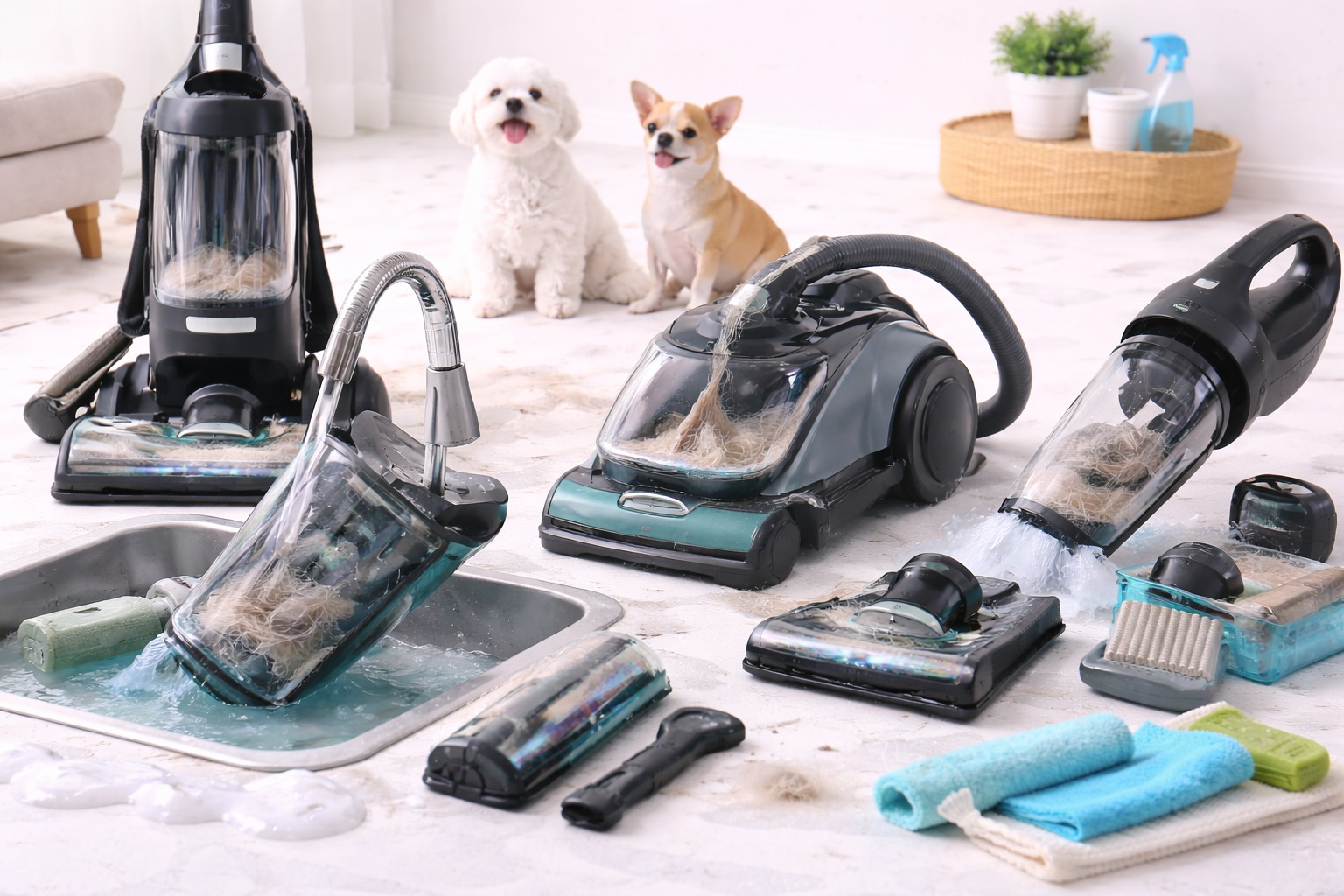
Fur-trapping designs like grooming gloves and vacuum attachments still need regular cleaning themselves to remain effective and hygienic. Rinse or wipe down tools after each use rather than letting trapped fur and residue accumulate on the tool over multiple sessions. A vacuum attachment's hose and internal chamber in particular benefit from an occasional deeper clean beyond the standard rinse, since trapped fur inside the housing can eventually reduce suction effectiveness.
9. Balancing Mess Reduction With Grooming Thoroughness
A gentler, lower-mess tool like a grooming glove should not fully replace a more thorough deshedding tool for heavy shedders, even though it produces less visible mess. Combining a gentle daily touch-up with a weekly deeper session using a more effective tool often balances mess control with actual coat health. Treat the gentle tool as a maintenance supplement rather than a full replacement for whatever your pet's coat type genuinely needs on a deeper, less frequent basis.
10. Managing Dander Alongside Visible Fur
Airborne dander is a separate concern from visible loose fur and is not fully addressed by any brush-based containment method alone. An air purifier in the grooming area or regular vacuuming of surrounding surfaces helps address the dander that brushing inevitably releases regardless of containment method. Grooming in a well-ventilated area, or even outdoors when weather permits, is a simple additional step that meaningfully reduces indoor dander accumulation over time.
11. Cost Versus Mess Reduction Tradeoffs
Vacuum-attachment systems cost more upfront than a simple self-cleaning brush or grooming glove, and the added expense should be weighed against how much of a genuine problem loose fur currently is in your household rather than purchased reflexively as the most feature-complete option. A household with only mild, occasional shedding rarely recoups the extra cost of a premium containment system in genuinely meaningful time savings.
12. Realistic Expectations for Mess-Free Grooming
Even the most effective containment tool will not make grooming entirely mess-free with a living, moving pet. Set expectations around meaningful reduction rather than elimination, and pair any tool choice with a consistent post-session quick clean of the immediate grooming area. Owners who go into the purchase expecting a genuine, meaningful reduction rather than a complete and total solution tend to end up considerably more satisfied over the long run with whichever specific tool they ultimately end up choosing for their household.
Frequently Asked Questions
The questions below cover the practical concerns that come up most often once a household starts seriously considering a low-mess grooming setup, from basic effectiveness questions through to the more situational concerns that surface once a specific tool is already in use.
1. Do vacuum-attachment grooming brushes actually work?
Yes, for most pets once they adjust to the sound and vibration. They are particularly effective on heavy-shedding double-coat breeds, capturing loose fur directly at the point of removal rather than letting it scatter first. Results are most dramatic during heavy seasonal shedding periods when a standard brush alone would otherwise leave visible fur scattered across the room.
2. Will the vacuum scare my pet during grooming?
Some pets are initially startled by vacuum noise. Gradual introduction — running the vacuum nearby without the attachment first, then adding brief contact — helps most pets adjust within a handful of sessions. Pairing the introduction with treats and keeping early sessions brief speeds up this adjustment considerably compared with expecting immediate tolerance.
3. Is a self-cleaning brush actually less messy than a regular brush?
It reduces the mess of clearing the brush head by hand specifically, but it does not contain fur that falls during active brushing. Pairing it with a grooming mat underneath addresses that remaining gap. The biggest benefit is really in how quickly and cleanly you can clear the brush itself between passes.
4. What is the best low-mess option for a cat?
A grooming glove or a self-cleaning slicker brush both work well for most cats, since vacuum attachments can be too loud and alarming for many cats compared with dogs that adjust to the sound more readily. Most cats also groom themselves extensively, reducing how much additional containment tooling is strictly necessary compared with dogs.
5. How often should I groom a heavy-shedding pet to minimize mess?
More frequent, shorter sessions generally produce less mess overall than infrequent intensive ones, since less loose fur accumulates between sessions for any single grooming pass to release at once. During peak seasonal shedding, daily short sessions are considerably more manageable than trying to catch up with one long session after a week of accumulation.
6. Do grooming gloves work on heavy shedders?
They are less effective than a slicker brush or dedicated deshedding tool on heavy-shedding double coats, since they cannot reach the undercoat as thoroughly. They work best on light shedders or as a gentle touch-up tool. Pairing a glove for daily maintenance with a proper deshedding tool used weekly is a common and effective combination for heavier-shedding breeds.
7. Can I use a regular vacuum with any grooming brush attachment?
Not universally — check the hose fitting compatibility specifically before buying, since attachment brands vary in which vacuum types and hose diameters they fit properly. Checking the manufacturer's compatibility list against your specific vacuum model before purchase avoids a frustrating return process later.
8. How do I stop fur from becoming airborne during brushing?
Vacuum-attachment brushes address this most directly by capturing fur at the source. A grooming mat, brushing outdoors when weather allows, and grooming in a room with hard flooring rather than carpet also help reduce airborne scatter. Carpet in particular traps fine dander deep in its fibers in a way hard flooring simply does not, making it worth avoiding as a default grooming spot if you have a choice.
9. Is it worth buying a low-mess kit for a pet that sheds only lightly?
For light shedders, a simpler and less expensive option like a grooming glove or basic self-cleaning brush is usually sufficient, and a full vacuum-attachment system may be more complexity than the shedding volume justifies. Save the premium option for genuinely heavy shedders where the time savings are large enough to notice.
10. Do low-mess tools reduce pet dander in the home?
Only partially. They address visible loose fur effectively, but airborne dander is a separate issue that benefits more from air purification and regular surface cleaning than from any single grooming tool choice. Treat brush choice and dander management as two separate problems that happen to overlap during grooming sessions.
11. What is the easiest low-mess option for a beginner?
A self-cleaning slicker brush paired with a grooming mat is the simplest starting point, requiring no vacuum compatibility check or attachment setup while still meaningfully reducing hands-on cleanup after each session. It is a sensible default recommendation for most owners trying low-mess grooming for the first time.
12. Should I replace my regular brush entirely with a low-mess tool?
Not necessarily. Many owners combine a gentle low-mess tool for frequent touch-ups with a more thorough standard deshedding tool for less frequent deeper sessions, balancing mess control against grooming effectiveness. Very few pets are best served by a single tool covering every grooming need at every level of thoroughness.
Final Verdict
- Best for Near-Total Fur Containment: Vacuum-Attachment Grooming Brush — the most complete solution available for households genuinely dealing with a heavy-shedding problem on a recurring basis.
- Best for Quick, Low-Effort Cleanup: Self-Sealing Retractable Slicker Brush — a simple, affordable way to cut out the single most tedious and fur-covered part of manual brushing.
- Best for Low-Shedding Touch-Ups: Enclosed Grooming Glove with Fur-Trapping Palm — the gentlest available option for light shedders and anxious pets easing gradually into a grooming routine.
No single tool makes pet grooming entirely mess-free, but matching the containment method to your pet's actual shedding level and your household's tolerance for setup complexity meaningfully changes how much cleanup follows every session. Combine the right tool with a consistent, dedicated grooming spot and a quick post-session wipe-down for the best realistic result.
If you remain unsure exactly where to start after weighing all of this, the most practical approach is to work backward from how much of a genuine, tangible problem loose fur actually is in your home today, rather than starting from whichever product happens to look the most impressive or feature-complete on the shelf or in an online listing. A household already vacuuming pet hair off furniture multiple times a week has a clear case for the more involved vacuum-attachment approach, since the time already being spent on cleanup week after week easily justifies the modest added setup complexity that comes with it. A household with a single light-shedding pet and only occasional stray hairs scattered here and there is probably better served starting with the least expensive, simplest option available and upgrading later only if the mess genuinely turns out to be more persistent and bothersome than initially expected once actually living with it day to day.
It is also worth revisiting your setup seasonally rather than simply assuming whatever combination of tools worked reasonably well last year will automatically continue to suit this year's shedding pattern without any reconsideration at all. Many breeds shed far more heavily during specific seasonal coat transitions in spring and fall, and a containment tool that felt like unnecessary overkill during a light-shedding month can become genuinely and obviously necessary during a heavy seasonal blow-out period just a few months later. Keeping a simple, inexpensive secondary option on hand — a grooming glove or a basic mat, for example — specifically for the lighter shedding months of the year while reserving a genuinely more intensive containment tool specifically for the peak shedding season is a practical, cost-conscious middle ground that many experienced owners eventually settle into naturally once they have a full year or two of direct, hands-on observation of their own specific pet's actual seasonal shedding pattern rather than relying on general breed guidance alone.
Finally, it is worth remembering that the underlying goal of any of these tools is ultimately to make grooming something you actually do consistently and without dread, not simply to minimize the abstract measurement of loose fur volume for its own sake. A tool that technically reduces cleanup on paper but ends up discouraging regular use through excessive setup complexity or an intimidating, unpleasant first impression on the pet has, in a very real practical sense, solved the wrong problem entirely regardless of its specifications. The best low-mess choice for your particular household is ultimately the one that gets used reliably, week after week, without becoming a chore anyone avoids — not necessarily the one boasting the single most impressive containment specifications on paper before it has ever been tried in practice.