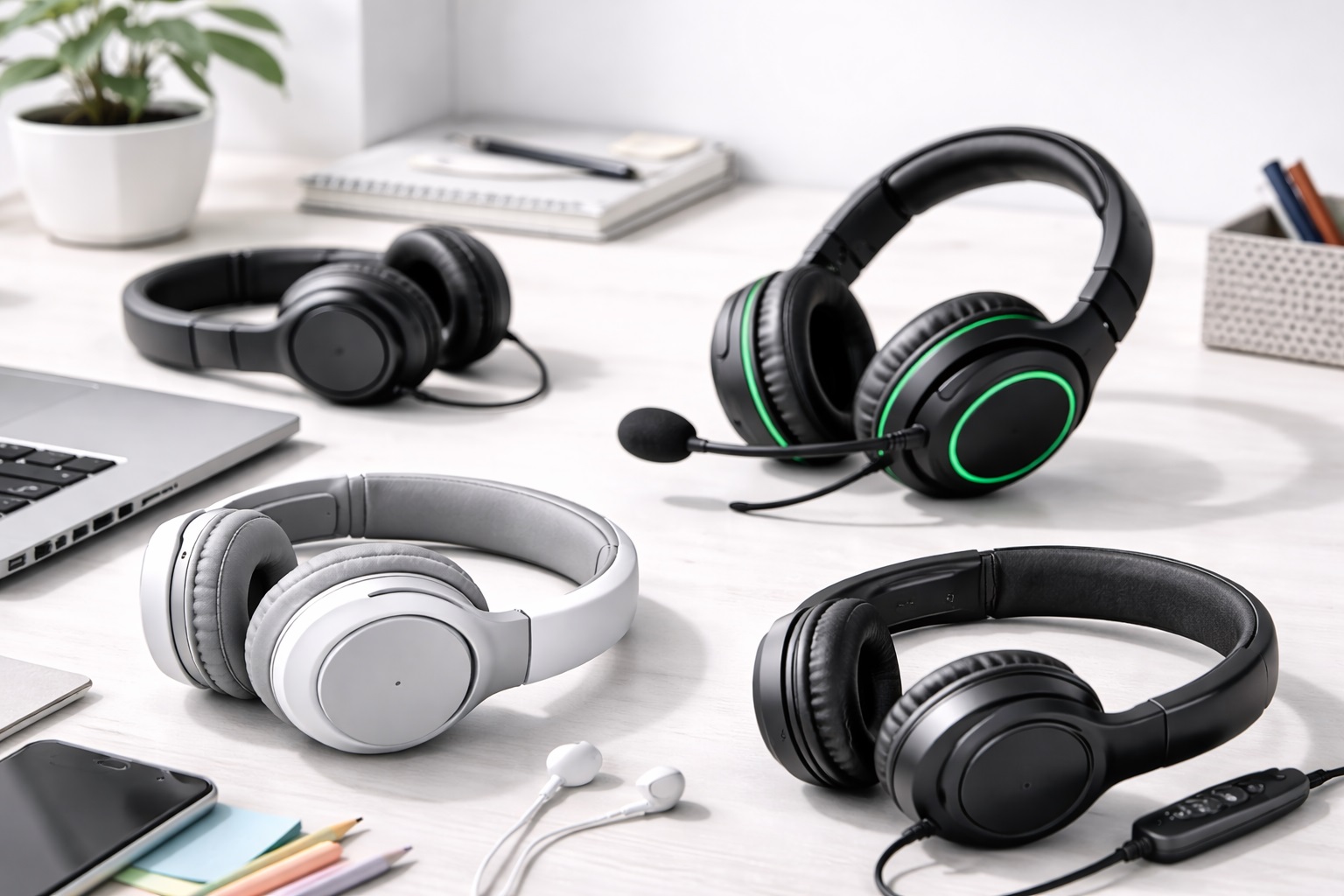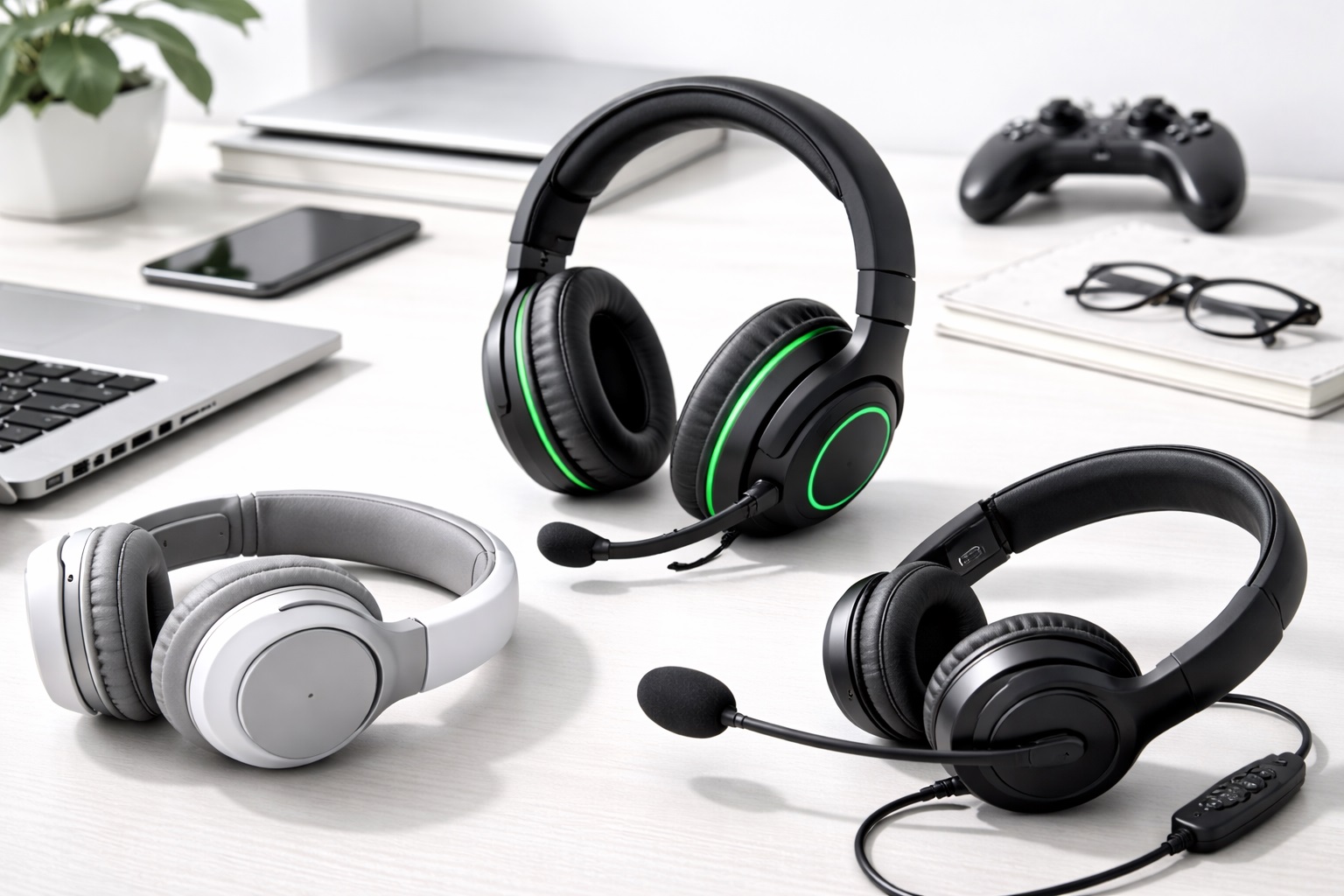
Best Headsets Under $100: Top Picks for Work and Play
A hundred dollars used to buy a mediocre headset with a scratchy microphone and a headband that dug into your skull after an hour. That's no longer true. The sub-$100 headset category now includes genuinely comfortable over-ear designs, boom microphones that rival dedicated podcast mics, and battery life that outlasts a full workday twice over. The catch is that this price band is crowded, and the difference between a headset that earns its spot on your desk and one that ends up in a drawer usually comes down to a handful of details most buyers never check before purchasing.
Manufacturers compete hard in this exact price range because it's where the largest number of buyers actually shop — the sweet spot between a disposable ten-dollar impulse buy and a premium flagship that's overkill for most daily needs. That competition benefits you directly: features that were exclusive to $200 headsets five years ago, like flip-to-mute boom mics and multi-device Bluetooth pairing, are now standard even at the lower end of this range.
This guide breaks down what separates a genuinely good sub-$100 headset from a merely acceptable one, and walks through six distinct product types that consistently perform well at this price — so you can match a category to your actual daily use rather than guessing based on a product photo or a star rating.
It also helps to understand why prices vary so widely within this single band. A $45 headset and a $95 headset in the same over-ear category might use nearly identical drivers, with the price difference coming almost entirely from microphone quality, build materials, and included software features like companion apps for equalizer adjustment. Knowing which of those differences actually affects your daily experience — and which ones are marketing dressing — is the real skill in shopping this category well.
Top 6 Headsets Under $100 (Detailed Reviews)
1. Wireless Over-Ear Headset – Best Overall Value
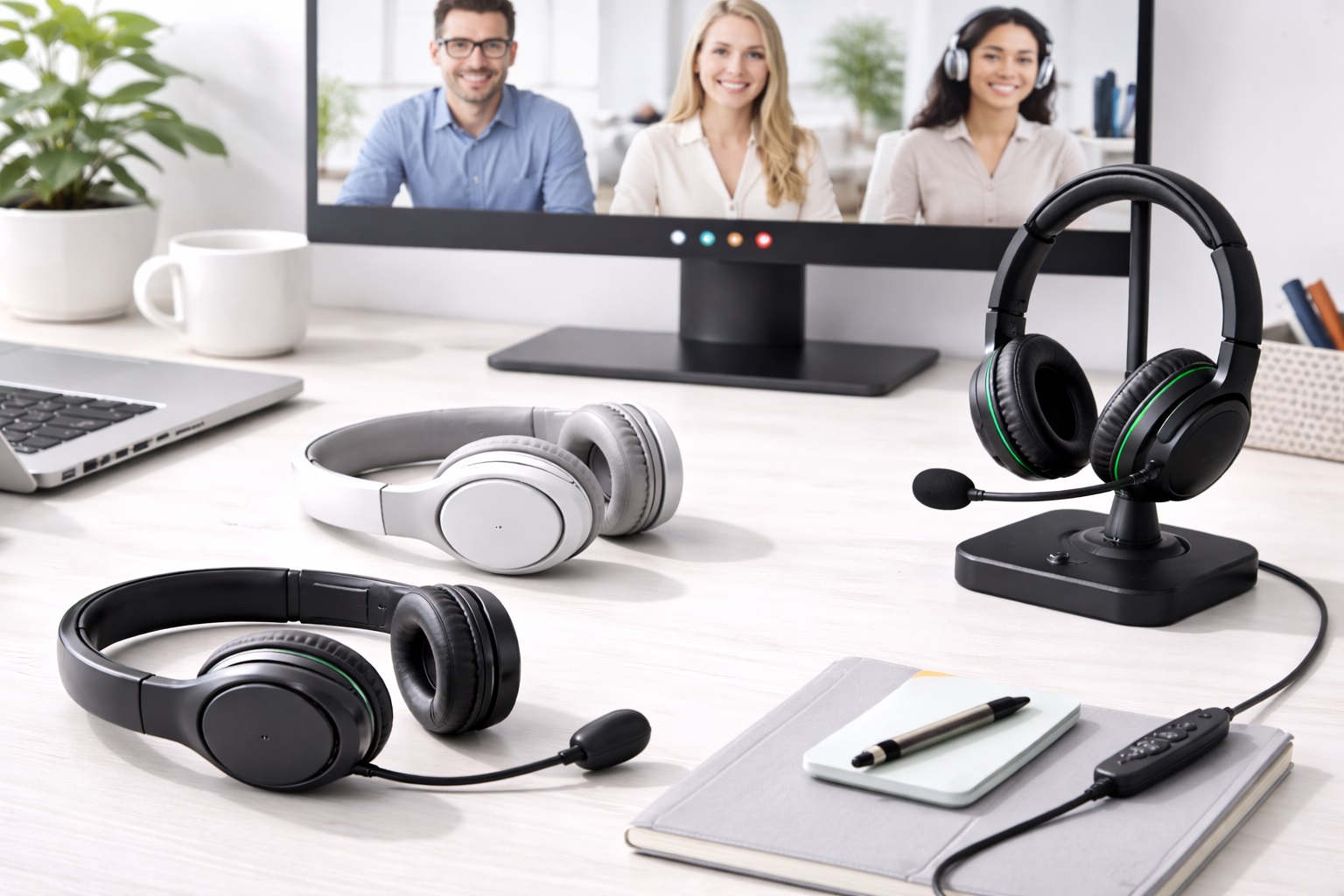
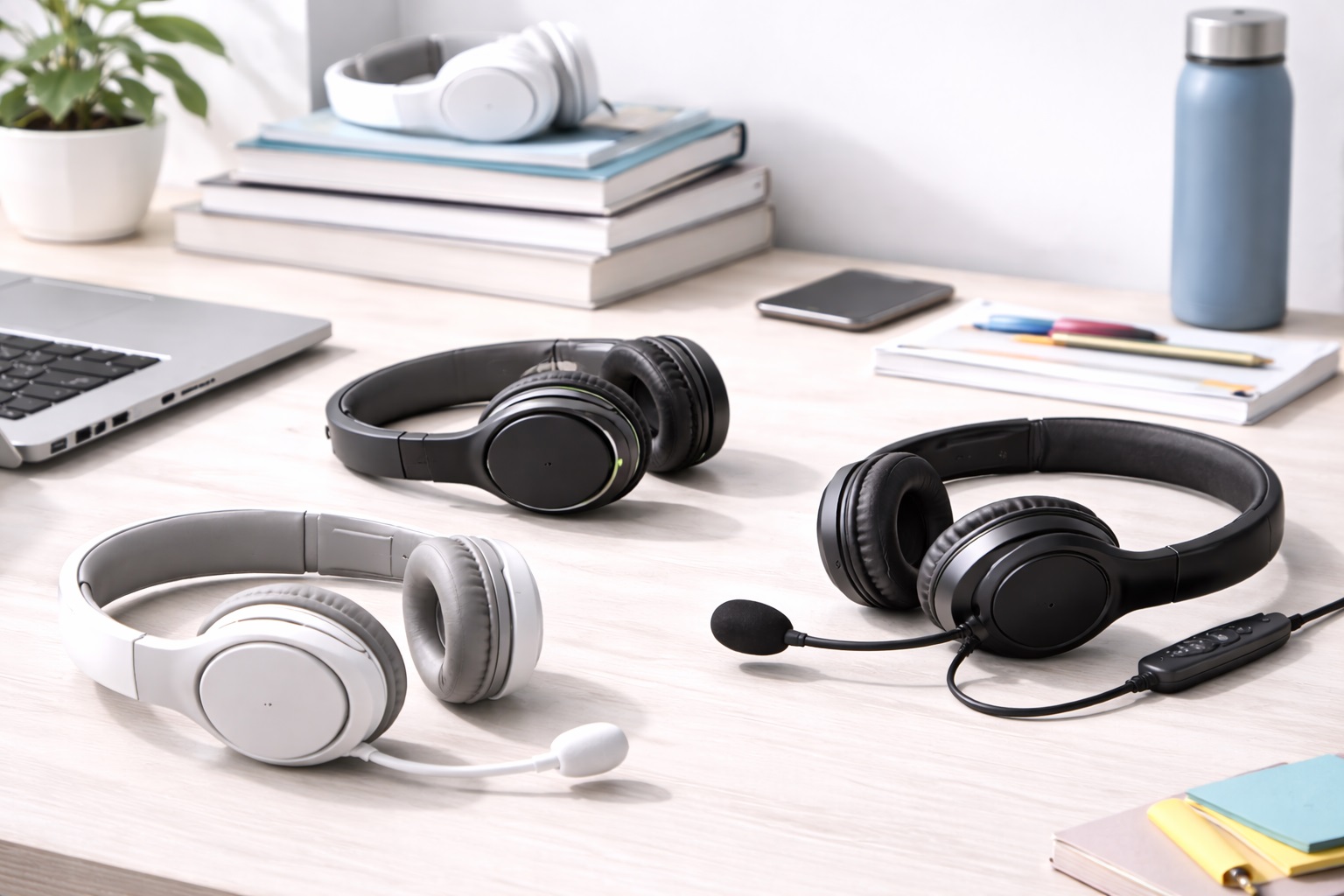
A wireless over-ear headset in this price range typically pairs full-size ear cups with a flip-to-mute boom microphone, delivering the kind of voice isolation that budget earbuds can't match. Expect 20 to 30 hours of battery life on a single charge and USB-C charging that tops up quickly during a lunch break. Because the ear cups fully enclose the ear, ambient office noise is reduced passively, without relying on power-hungry active noise cancellation. Most models in this category also ship with a padded headband and adjustable sliders, so fit isn't a one-size-guess the way it can be with cheaper alternatives.
- Pros:
- Full ear-cup isolation blocks more ambient noise than on-ear designs
- Boom microphone delivers clearer voice pickup than built-in laptop mics
- Long battery life supports multi-day use between charges
- Broad compatibility with Zoom, Teams, Discord, and most game consoles
- Cons:
- Larger footprint makes it less convenient to toss in a bag
- Extended sessions can feel warm without breathable ear-cup material
Best For: Anyone who spends most of the day on calls or in games and wants one headset that handles both without a second purchase.
Why We Recommend It: Of every format available under $100, the over-ear wireless design most consistently balances comfort, voice clarity, and freedom from cables — the three things that matter most for daily use.
2. USB Wired Headset with Noise-Canceling Mic – Best for Call Reliability
A wired USB headset trades wireless convenience for something arguably more valuable in a professional setting: a connection that never drops, and never needs charging. These headsets are the standard in call centers and enterprise offices for good reason. The noise-canceling microphone filters keyboard clatter, HVAC hum, and background chatter before your voice ever reaches the other end of the call. Because there's no wireless radio involved, there's also no risk of interference from a crowded office full of other Bluetooth and Wi-Fi devices. For anyone whose job depends on being reachable during a specific window — a scheduled interview, a client call, a live support shift — that reliability isn't a nice-to-have, it's the entire point of the purchase. A dropped Bluetooth connection mid-sentence costs more in lost credibility than the few dollars saved by skipping a wired model ever could.
- Pros:
- Zero connection dropouts and no wireless interference
- No battery to monitor or recharge
- Noise-canceling mic actively filters background sound
- Plug-and-play compatibility with virtually every computer
- Cons:
- The cable limits how far you can move from your desk
- Requires a free USB-A or USB-C port
Best For: High call-volume roles — sales, support, recruiting — where dropped audio mid-conversation is a real cost, not just an inconvenience.
Why We Recommend It: When your income or job performance depends on call quality, a wired connection removes an entire category of failure that even good wireless headsets can't fully eliminate.
3. On-Ear Wireless Headset – Best for Lightweight All-Day Comfort
On-ear designs rest against the ear rather than fully enclosing it, which shaves off meaningful weight and bulk compared to over-ear alternatives. Most sub-$100 on-ear headsets use a flip-down or retractable microphone, keeping the profile slim when you're not on a call. The lighter clamping force means less pressure on the top of the head during long sessions, though passive noise isolation is naturally weaker since the ear cup doesn't fully seal against the head.
- Pros:
- Noticeably lighter than over-ear alternatives
- Slimmer profile fits more easily in a bag or backpack
- Retractable mic keeps the headset usable for casual listening too
- Better ventilation reduces heat buildup over long sessions
- Cons:
- Less effective at blocking ambient office or household noise
- On-ear clamping pressure can bother some users after several hours
Best For: Users who move between rooms or locations during the day and want a headset light enough to forget they're wearing.
Why We Recommend It: It delivers most of the call quality of an over-ear headset in a package that's genuinely more portable — a fair trade for anyone who prioritizes light weight over maximum isolation.
4. Budget Gaming Headset with Surround Sound – Best for Gaming Value
Sub-$100 gaming headsets increasingly include virtual surround sound processing, letting players judge footstep direction and gunfire location with more precision than stereo alone provides. Braided cables and reinforced boom mic arms are common at this tier, built to survive years of use during long sessions. Many models also include in-line volume and mic-mute controls for quick adjustments mid-match, along with RGB lighting accents that add little functionally but appeal to the gaming aesthetic many buyers in this segment want.
- Pros:
- Virtual surround sound aids positional awareness in competitive games
- Detachable or flip-up boom mic for clear team communication
- Durable build designed for frequent, extended use
- In-line controls for fast volume and mute adjustments
- Cons:
- Bass-forward tuning isn't ideal for critical music listening
- Bulkier ear cups than lifestyle-focused headsets
Best For: Gamers who want positional audio and reliable team-chat clarity without paying premium prices for a flagship gaming headset.
Why We Recommend It: It delivers the specific features competitive gamers actually use — directional audio and clear mic pickup — without the marketing markup that flagship gaming brands often add.
5. True Wireless Earbuds with Mic – Best for Minimal Bulk
For users who find any headband uncomfortable, true wireless earbuds with call-quality microphones have become a legitimate sub-$100 alternative to a traditional headset. Beamforming microphone arrays in each earbud use multiple microphones to isolate voice from background noise, a technique that was exclusive to premium models until recently. A compact charging case extends total battery life well beyond a single charge, making all-day use realistic with brief top-ups between meetings.
- Pros:
- No headband — comfortable for glasses wearers and long sessions
- Charging case extends usable time well past a single charge
- Beamforming mics filter background noise effectively for calls
- Small enough to carry in a pocket rather than a bag
- Cons:
- Passive noise isolation is generally weaker than sealed over-ear designs
- Easier to misplace one earbud than a single headset unit
Best For: Users who dislike headbands, wear glasses regularly, or want a headset alternative small enough to carry everywhere.
Why We Recommend It: It's the closest thing to forgetting you're wearing a headset at all, while still delivering call quality that holds up in professional settings.
6. Clip-On Mono Headset – Best for Single-Ear Situational Awareness
Single-ear clip-on headsets sacrifice stereo audio entirely in exchange for keeping one ear completely free to monitor the surrounding room. This trade-off matters more than it sounds for receptionists, dispatchers, warehouse staff, or anyone who needs to stay aware of walk-up visitors or ambient announcements while still on a call. Battery life tends to be shorter than full headsets simply because the unit is smaller, but charging cases that dock the earpiece between uses keep it topped up without extra effort. Because the earpiece sits directly in or on the ear rather than clamping the head, most users find it disappears from awareness faster than a full headset does, which matters over an eight-hour shift where anything perceptibly worn becomes a distraction by mid-afternoon.
- Pros:
- Leaves one ear completely open to monitor surroundings
- Extremely lightweight and easy to forget you're wearing
- Comfortable for users who dislike any full ear-cup coverage
- Compact charging case makes all-day availability simple
- Cons:
- No stereo separation, which rules it out for music or gaming
- Shorter per-charge battery life than full headset designs
Best For: Front-desk, dispatch, or floor-staff roles where situational awareness matters as much as call quality.
Why We Recommend It: It solves a specific problem — needing to hear a call and the room at the same time — that no stereo headset, however good, can fully address.
Buying Guide: How to Choose the Best Headset Under $100
Use these factors to match a headset to how you'll actually use it, rather than defaulting to whichever option has the most five-star reviews.
1. Microphone Type and Placement
A boom microphone on a flexible or fixed arm positions the capsule close to your mouth, which consistently produces clearer voice pickup than a mic embedded in the ear cup, cable, or earbud stem. If calls or team voice chat matter to you, prioritize boom mic designs over inline or on-ear microphone placements. Fixed booms are generally sturdier over years of use, while flexible booms let you fine-tune position for your specific face shape.
2. Wired vs Wireless Connection
Wired USB connections offer guaranteed stability and remove battery management entirely. Bluetooth and 2.4GHz wireless add freedom of movement at the cost of occasional interference and the need to recharge. Choose based on whether stationary desk use or mobility matters more for your day — and remember that a 2.4GHz USB dongle typically offers lower latency than Bluetooth, which matters more for gaming than for voice calls.
3. Battery Life for Wireless Models
Eight hours of battery covers a standard workday. Twenty or more hours provides a comfortable buffer for travel or multi-day use without needing to plan around charging. Check whether the headset supports quick charging for situations where you forgot to charge overnight, since a ten-minute top-up that buys a few hours of use can save an otherwise ruined morning.
4. Noise Handling — Mic vs Speaker Side
Active noise cancellation on the speaker side blocks ambient sound from reaching your ears. A noise-canceling microphone filters ambient sound from reaching the other person on your call. These are separate features, and for call clarity, the microphone-side filtering typically matters more than ANC on the listening side, since the people you talk to only ever hear what your microphone captures.
5. Ear Cup Material and Long-Session Comfort
Leatherette ear cups isolate sound well but trap heat during extended wear. Fabric or velour breathes better but isolates less. Memory foam padding adapts to head shape and tends to be the most comfortable option for sessions longer than two or three hours. Some manufacturers now offer hybrid cushions with a fabric center panel and leatherette edge specifically to balance these trade-offs.
6. Overall Weight
Headset weight is the single biggest factor in all-day comfort. Models under roughly 250 grams are noticeably easier to wear for extended periods than heavier designs, even when the heavier model has thicker padding. If you already know you're sensitive to headband pressure, weight should outrank almost every other spec on this list.
7. Platform and Software Compatibility
Confirm the headset works cleanly with the specific platforms you use daily — Zoom, Teams, Discord, or a particular game console. Most USB and Bluetooth headsets work broadly, but some models include certified compatibility for particular platforms that guarantees consistent behavior, particularly around automatic mute detection and one-touch call answering.
8. In-Line or On-Ear Controls
Volume and mute controls that are reachable without removing the headset make a real difference during back-to-back calls. Look for a visible mute indicator — an LED or audible tone — so you always know your mic status without checking software, especially useful in open-plan offices where an accidental hot mic is genuinely embarrassing.
9. Multi-Device Pairing
If you regularly switch between a laptop and a phone, multi-device Bluetooth pairing lets you jump between them without repeating the pairing process each time. This is a convenience feature worth checking for explicitly, since not every wireless headset includes it, and the ones that do vary in how many devices they can remember simultaneously.
10. Build Quality and Replaceable Parts
Ear cushions wear out well before the internal electronics do. Check whether replacement cushions are sold separately for the model you're considering — a headset with replaceable parts can stay usable for years past the point where a sealed design would need full replacement, which matters a great deal in a budget-conscious purchase.
11. Matching Use Case Over Specifications
It's tempting to chase the highest specification numbers, but a headset with modest specs matched to your actual use — daily calls, casual gaming, travel — will outperform a headset with better numbers on paper that doesn't fit your routine. Read reviews from people describing your specific use case rather than general star ratings.
12. Return Policy as a Safety Net
Because comfort is genuinely personal, treat the retailer's return window as part of your decision. A 15 to 30 day window lets you test the headset in real conditions — full workdays, actual calls, a real gaming session — before committing to it long-term.
13. Headband Adjustability and Fit Range
A headband with a wide adjustment range accommodates more head sizes and glasses without pinching. Sliders with visible size markings make it easier to return to your preferred fit after someone else borrows the headset, and metal-reinforced sliders tend to hold their position better over years of daily adjustment than plastic ones that can loosen and slip out of place.
14. Carrying Case and Storage Accessories
A hard or semi-rigid carrying case protects a headset during travel and prevents the boom mic from bending or snapping in a bag. Foldable or swiveling ear cups that lay flat save space in a backpack, which matters more than it seems the first time you're packing for a trip and realize the headset doesn't fit where you expected.
15. Audio Tuning: Voice Clarity vs Music Balance
Headsets tuned primarily for calls tend to boost the midrange frequencies where speech lives, which can make music sound thin or bass-light by comparison. Headsets tuned for gaming or music often push bass harder, which can bury dialogue slightly on a call unless the microphone's own processing compensates. If you split your time evenly between both uses, look for models with an equalizer app rather than a fixed tuning, so you can adjust the balance instead of settling for a compromise.
16. Sidetone and Hearing Your Own Voice
Sidetone feeds a small amount of your own microphone audio back into the ear cups, so your voice doesn't sound muffled or overly loud to yourself when the ear cups are sealed. Without it, many people unconsciously raise their voice during calls because a fully enclosed ear cup blocks the natural bone-conduction feedback of hearing themselves speak. Adjustable sidetone is a small feature that makes a noticeable difference in call comfort over a full day of back-to-back meetings.
Frequently Asked Questions
1. What is the real difference between a headset and headphones?
A headset includes a built-in microphone designed for two-way communication — calls, gaming voice chat, video conferencing. Headphones are audio-only and built purely for listening. If you need to talk as well as listen, a headset is the correct category, even if audio quality between the two is similar at a given price point.
2. Can a headset under $100 really compete with premium models?
For most daily use cases — calls, casual gaming, music while working — yes. The gap between a well-reviewed sub-$100 headset and a $200-plus model has narrowed significantly over the past several years. Premium pricing tends to buy marginal audio refinement and brand prestige rather than dramatically better everyday usability.
3. Is wireless or wired better for a daily-use headset?
Wired removes battery anxiety and connection dropouts entirely, which matters most for high-stakes calls. Wireless offers freedom to move around during a conversation. For a desk-bound routine, the wireless advantage is modest; for anyone who paces or multitasks during calls, it's meaningful enough to justify the trade-off.
4. How do I get better microphone quality out of a budget headset?
Position a boom microphone one to two inches from the corner of your mouth rather than directly in front of it, which reduces plosive pops. Reduce background noise at the source — close a window, turn off a nearby fan — since no microphone fully compensates for a loud room. Software noise suppression tools can supplement, but not replace, good mic positioning.
5. How long do ear cushions on a budget headset typically last?
Expect 12 to 24 months of daily use before foam padding compresses and any leatherette covering begins to peel. This is a normal wear item, not a defect. Checking cushion replacement availability before buying extends the usable life of the headset considerably, sometimes doubling it.
6. Does a higher price under $100 always mean better quality?
Not reliably. Within this price band, the relationship between price and quality is inconsistent — a $60 model can outperform an $95 model in build quality or comfort depending on brand and design choices. Read specific feature comparisons rather than assuming price alone signals quality.
7. How long should I expect a sub-$100 headset to last overall?
With reasonable care, three to five years of regular use is a realistic expectation from a well-built model. Warranty length is a useful signal here — manufacturers who offer longer warranties are typically more confident in their product's durability, so it's worth comparing warranty terms alongside price.
8. Are gaming headsets under $100 usable for work calls too?
Generally yes, provided the microphone is boom-style and the headset supports standard USB or Bluetooth connections. Some gaming-focused tuning emphasizes bass more than voice clarity, so check reviews specifically for call-quality feedback if dual-purpose use matters to you.
9. What should I check before buying if comfort is my top priority?
Weight, ear cup material, and clamping force matter more than any spec sheet number. If possible, check user reviews specifically mentioning multi-hour wear rather than relying on first-impression comfort claims, which don't always reflect how a headset feels after three hours of continuous use.
10. Can I return a headset under $100 if it doesn't fit my needs?
Most retailers offer a 15 to 30 day return window. Keep the original packaging during your evaluation period so a return remains straightforward if the fit, comfort, or audio quality doesn't match expectations.
11. Does brand reputation matter at this price point?
Established audio brands typically offer more consistent quality control and more reliable warranty support. That said, newer brands sometimes deliver excellent value at this price — reading verified purchase reviews carefully is worth the extra few minutes before choosing an unfamiliar name.
12. Should I buy a headset with a warranty upgrade option?
For a sub-$100 purchase, an extended warranty is rarely worth the additional cost, since the base manufacturer warranty typically covers the period during which most defects would surface. Save that money toward the next upgrade instead.
13. Can I use a sub-$100 headset with a smartphone as well as a computer?
Most Bluetooth headsets pair with phones just as easily as computers, and many support multi-device switching between the two. Wired USB headsets are more limited, since not every phone offers a USB-A or USB-C audio input, so check your phone's port type before assuming a wired model will work across both devices.
14. What's the difference between active noise cancellation and passive isolation?
Active noise cancellation uses electronics to generate an inverse sound wave that cancels ambient noise before it reaches your ear, and it draws battery power to do so. Passive isolation simply relies on the physical seal of the ear cup blocking outside sound, with no power required. At the sub-$100 price point, well-designed passive isolation from a properly sealed over-ear cup often performs nearly as well as basic ANC implementations, at no cost to battery life.
15. Do I need a headset with a dedicated volume knob or is software control enough?
A physical in-line or on-ear volume control lets you make adjustments instantly without alt-tabbing out of a game or interrupting a call to open a settings menu. Software-only volume control works fine for casual use, but if you're frequently adjusting levels mid-conversation or mid-match, a physical control saves real friction over the life of the headset.
16. Will a budget headset work with a conference room speakerphone setup too?
Most sub-$100 headsets are designed for individual use rather than room-scale conferencing, so they're not a substitute for a dedicated conference speakerphone in a shared meeting room. For one-on-one desk use, video calls from a personal laptop, or hybrid work from home, a personal headset remains the better and more private choice regardless of what room-scale equipment is also available.
Final Verdict
- Best Overall Value: Wireless Over-Ear Headset — the most balanced pick for calls, comfort, and battery life.
- Best for Call Reliability: USB Wired Headset with Noise-Canceling Mic — the safest choice for high call volume.
- Best for Lightweight Comfort: On-Ear Wireless Headset — the lightest option that still handles calls well.
- Best for Gaming Value: Budget Gaming Headset with Surround Sound — the strongest pick for competitive play on a budget.
- Best for Minimal Bulk: True Wireless Earbuds with Mic — the most comfortable option for glasses wearers and headband-averse users.
- Best for Single-Ear Awareness: Clip-On Mono Headset — the right pick for anyone who needs to monitor a room while on a call.
None of these five categories is universally "best" — the right headset under $100 is the one that matches how your day actually unfolds. Start from your primary use case, weigh the trade-offs above against it, and you'll land on a headset that earns its place on your desk rather than one that just looked good in a listing. A hundred-dollar budget no longer forces a compromise between comfort, call quality, and durability the way it once did; it simply requires a little intention about which of those three matters most to you.