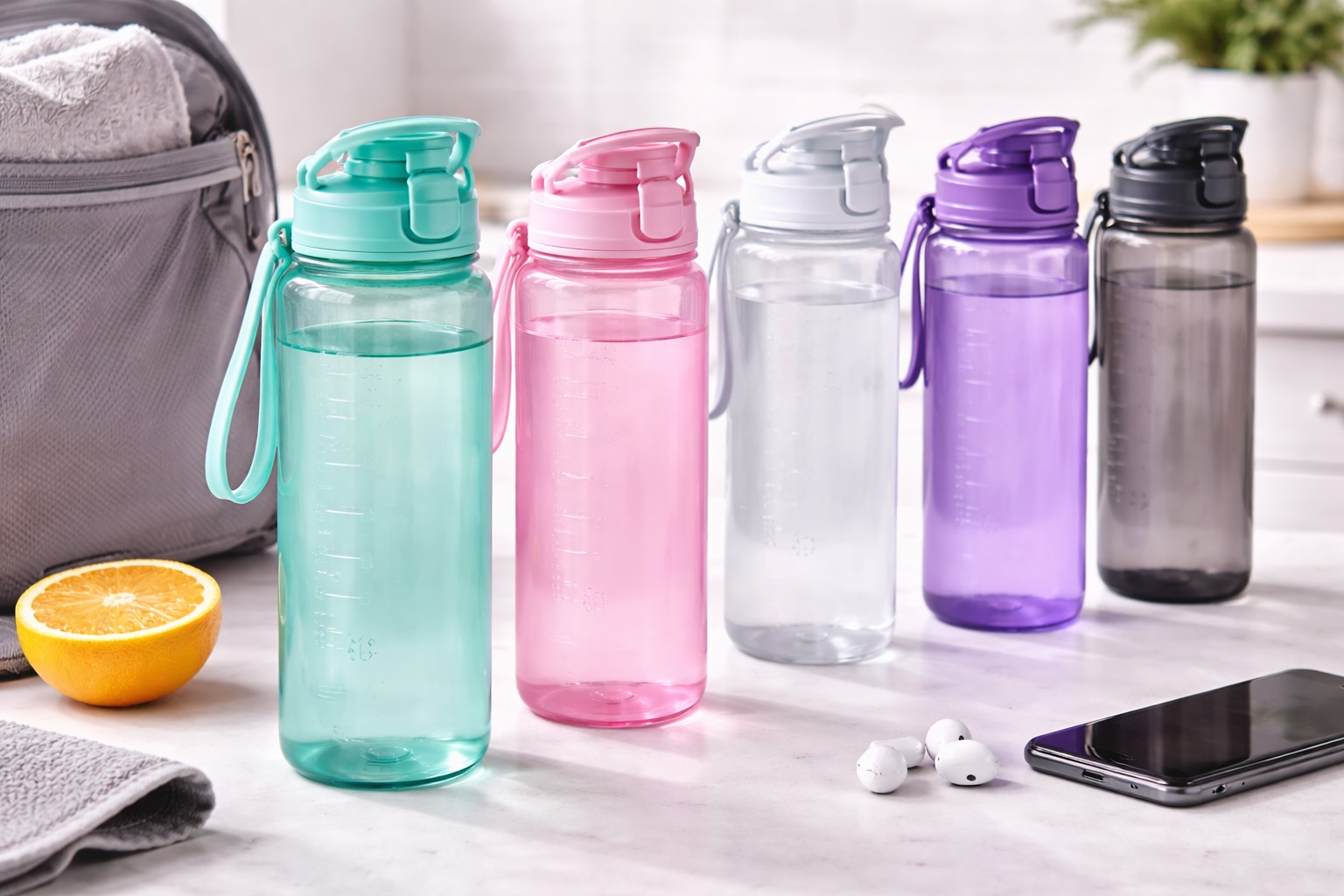
Best Lightweight Water Bottle in 2026
Weight is one of those factors that barely registers when you're standing in a store comparing bottles, but becomes very noticeable a few miles into a hike, a long day of errands, or a full shift carrying a bag on one shoulder. A heavy bottle adds up ounce by ounce until it's genuinely dragging on your arm, your bag strap, or your patience by the end of the day, and portability is really about more than just size — it's about how little you notice the bottle is even there.
We compared eight popular water bottles in 2026 with portability specifically in mind: how much each one weighs both empty and full, how comfortable it is to carry for extended periods, and whether design choices like handles, loops, or slim profiles actually make a practical difference in daily carry. Materials play the biggest role here, since plastic and stainless steel behave very differently once weight becomes the priority rather than an afterthought.
Lightweight doesn't have to mean flimsy, and one of the goals of this comparison is separating bottles that are genuinely well-engineered to be light from ones that simply cut corners on durability to save weight. Several of the picks below manage a real balance between the two, while others lean more heavily toward one side of that trade-off.
We've also paid attention to how comfortable each bottle actually is to hold and carry, not just its number on a scale, since a slightly heavier bottle with a good handle can sometimes feel more portable in practice than a lighter one that's awkward to grip.
Below, you'll find detailed reviews of all eight bottles, a buying guide covering exactly what makes a bottle genuinely portable, and answers to the questions people most often ask when weight and ease of carry are the top priority.
Top 8 Best water bottle Picks (Detailed Reviews)
1. Thermoflask Double Stainless – Best For Balancing Weight and Insulation
Thermoflask's Double Stainless bottle isn't the lightest bottle in this comparison, but it strikes a genuinely useful balance for shoppers who don't want to give up insulation entirely just to save weight. At around $25, the double-wall vacuum construction adds some heft compared to plastic options, but the leak-proof chug lid and manageable overall size mean it still carries comfortably for most daily routines without feeling like dead weight in a bag. Owners who split their day between desk work and errands often mention forgetting they're carrying insulation at all, which says more about the design than any spec sheet could.
- Pros:
- Reasonable weight for a bottle with real insulation
- Leak-proof lid adds security without much added bulk
- Comfortable to carry for typical daily errands and commuting
- Cons:
- Noticeably heavier than uninsulated plastic alternatives
- Not the ideal choice for weight-conscious hikers or runners
Best For: Shoppers who want a reasonable weight without giving up insulation entirely.
Why We Recommend It: For most daily routines, the extra weight from insulation is a fair trade for not needing to worry about a warm drink by afternoon. It's a sensible middle-ground pick when portability matters but isn't the only priority, and most users report barely noticing the difference after the first few days of carrying it.
2. Nalgene Wide Mouth – Best For Ultra-Lightweight Carry
Nalgene's Wide Mouth is one of the lightest bottles you can buy that still holds up to genuine daily abuse, thanks to its BPA-free Tritan plastic construction. At around $15, it's dramatically lighter than any stainless steel option in this comparison, which matters enormously for hikers, runners, or anyone who's counting every ounce in a backpack. Despite the low weight, it has a long-standing reputation for surviving drops and rough handling without cracking. It has become something of a fixture in national parks and on trail crews for exactly this reason, where a bottle needs to survive years of being tossed into truck beds and dropped on rocky trails.
- Pros:
- Significantly lighter than any stainless steel competitor
- Durable despite the minimal weight
- Affordable price on top of genuine portability benefits
- Cons:
- No insulation, so it's not ideal for hot-weather cold retention
- Plastic doesn't feel quite as premium as steel alternatives
Best For: Hikers, runners, and anyone who prioritizes minimal weight above almost everything else.
Why We Recommend It: When weight is genuinely the top priority — like during a long hike or run — this bottle's combination of low weight and proven durability is hard to beat at any price. Decades of consistent use in outdoor and gym settings back up its reputation.
3. Yeti Rambler Bottle – Best For Portability Despite a Sturdier Build
Yeti's Rambler is not a lightweight bottle by any measure, but it earns a spot here because its TripleHaul cap and well-balanced design make it genuinely comfortable to carry despite the added weight from its durable stainless steel construction. At around $50, it's the priciest and one of the heavier options in this comparison, but many owners find the secure grip and multiple carrying configurations offset the extra ounces in daily practice.
- Pros:
- Multiple carrying options through the versatile TripleHaul cap
- Well-balanced design that feels manageable despite the weight
- Extremely durable, reducing the need for frequent replacement
- Cons:
- Among the heaviest bottles in this entire comparison
- Highest price point, especially relative to its actual weight
Best For: Shoppers who value carrying comfort and grip design over the lowest possible weight.
Why We Recommend It: Portability isn't purely about weight — a bottle that's comfortable and secure to hold can feel more portable in practice than a technically lighter one that's awkward to grip. Its versatile cap also means you can adjust how you carry it depending on the situation.
4. CamelBak Chute Mag – Best For Easy One-Hand Portability
CamelBak's Chute Mag combines a genuinely comfortable carry handle with its clever magnetic cap storage, making it easy to grab and go with one hand without fumbling for a loose lid. Built from BPA-free Tritan plastic and priced around $20, it stays relatively light while still offering enough structure to feel sturdy in daily use, which is a reasonable middle ground for anyone who wants easy one-handed portability without sacrificing durability entirely. The textured grip along the handle also helps prevent slipping when your hands are sweaty from exercise or humid weather, a small detail that matters more than it might seem on paper.
- Pros:
- Comfortable handle makes one-handed carrying genuinely easy
- Lighter than stainless steel alternatives
- Magnetic cap avoids dangling parts while on the move
- Cons:
- No insulation, so it's less ideal for hot-weather use
- Handle adds a small amount of bulk compared to handle-free designs
Best For: Anyone who frequently carries their bottle in one hand while managing a bag, stroller, or other items.
Why We Recommend It: The handle design genuinely changes how portable a bottle feels in daily use, and this is one of the more thoughtfully designed grips in this entire lineup. It's especially appreciated by anyone who's already juggling a stroller, dog leash, or full hands.
5. Klean Kanteen Classic – Best For Minimalist Lightweight Design
Klean Kanteen's Classic keeps things simple with a straightforward stainless steel body and a loop cap that adds carrying flexibility without unnecessary bulk. At around $30, it's heavier than plastic options but lighter than some of the more insulation-heavy steel bottles in this comparison, striking a reasonable middle ground for shoppers who want the durability of steel without the maximum weight of double-wall insulated designs. The loop cap also doubles as a convenient attachment point for a carabiner, letting you clip it to the outside of a bag rather than carrying its weight inside.
- Pros:
- Lighter than fully insulated steel alternatives
- Loop cap allows for easy carabiner attachment
- Simple, minimal design without unnecessary added weight
- Cons:
- Still heavier overall than plastic bottles of similar capacity
- Fewer built-in convenience features than some competitors
Best For: Shoppers who want steel's durability without the full weight of double-wall insulation.
Why We Recommend It: It's a smart middle-ground choice for anyone who finds fully insulated bottles too heavy but still wants more durability than plastic typically offers. Its plastic-free construction is a bonus for anyone trying to cut down on plastic products generally.
6. Hydro Flask Wide Mouth – Best For Versatile On-the-Go Use
Hydro Flask's Wide Mouth bottle isn't the lightest option here, but its well-balanced proportions and reliable TempShield insulation make it a genuinely versatile choice for people who move between different activities throughout the day. At around $45, the durable powder coat finish and wide range of compatible lids mean it adapts reasonably well whether you're commuting, at the gym, or running errands, without feeling excessively heavy for its capacity.
- Pros:
- Well-balanced weight relative to its insulation performance
- Wide range of compatible lids for different situations
- Comfortable to carry across a variety of daily activities
- Cons:
- Heavier than plastic bottles of comparable capacity
- Premium price relative to some lighter alternatives
Best For: Shoppers who move between multiple activities and want one bottle that handles all of them reasonably well.
Why We Recommend It: Its versatility across different lid styles and use cases makes the added weight feel justified for anyone who doesn't want to own several specialized bottles. One bottle covering most situations well is often more practical than several lighter, more specialized ones.
7. Swell Stainless Steel – Best For Slim, Easy-to-Carry Elegance
Swell's tapered, slim design isn't just about looks — the narrower profile genuinely makes it easier to grip and carry one-handed compared to bulkier bottles of similar capacity. At around $35, its triple-layered insulation adds some weight relative to plastic, but the overall silhouette is compact enough that many users describe it as feeling lighter in hand than its actual weight would suggest, thanks to the balanced, easy-to-grip shape.
- Pros:
- Slim, tapered shape that's genuinely comfortable to grip
- Feels lighter in hand than its actual weight suggests
- Polished design that's pleasant to carry regularly
- Cons:
- Narrow mouth makes cleaning and ice loading more involved
- Higher price than similarly weighted plastic alternatives
Best For: Shoppers who want a bottle that feels effortless to hold and carry throughout the day.
Why We Recommend It: Grip comfort matters as much as raw weight for perceived portability, and this bottle's shape does a lot of the work in making it feel lighter than it technically is. It's a strong pick for anyone who values how a bottle feels in hand as much as its spec sheet.
8. Contigo Ashland – Best For Effortless Portable Sipping
Contigo's Ashland pairs a reasonably lightweight insulated stainless steel body with the brand's Autospout technology, meaning you get one-handed, spill-resistant sipping without needing to set the bottle down or use two hands to open a cap. At around $18, it's an affordable, genuinely portable option for anyone who's frequently juggling a bag, keys, or a phone while trying to stay hydrated on the move. The compact spout lid also sits flush enough that it doesn't snag on bag pockets or jacket zippers the way some bulkier spout designs can.
- Pros:
- One-handed spout adds real convenience for on-the-go use
- Reasonably light for an insulated stainless steel bottle
- Affordable price for the portability features included
- Cons:
- Spout mechanism adds a few more parts than a simple cap
- Narrower opening makes thorough cleaning slightly more involved
Best For: Multitaskers who need to drink without pausing to fully stop what they're doing.
Why We Recommend It: True portability isn't just about weight — it's also about how easily you can actually use the bottle while on the move, and this one is specifically designed around that need. It solves the practical problem of hydrating without ever really slowing down.
Buying Guide: How to Choose the Best Lightweight Water Bottle
Portability depends on more than just the number on a scale. Here's what actually determines how manageable a bottle feels in daily use.
1. Material Choice
Plastic bottles are consistently lighter than stainless steel of similar capacity, often by a significant margin. If minimal weight is the top priority, plastic construction is usually the more practical starting point, even though it sacrifices some durability and insulation. Aluminum bottles fall somewhere in between the two, though they're less common than plastic and steel in most modern lineups.
2. Empty Versus Full Weight
A bottle's empty weight matters for carrying it around all day, but its full weight matters more when you're actually drinking from it regularly. Consider both figures rather than judging portability solely by the empty bottle's listed weight, since a large-capacity bottle can feel quite different once it's actually full of water.
3. Handle and Grip Design
A well-designed handle or grip can make a slightly heavier bottle feel more portable than a technically lighter one that's awkward to hold, especially during activities like hiking or commuting where a secure grip matters. Textured or contoured grips can also reduce the chance of dropping a bottle with wet or sweaty hands.
4. Capacity Versus Weight Trade-offs
Larger bottles naturally weigh more, so consider whether a smaller capacity with more frequent refills might actually be more portable overall than carrying a heavier, larger bottle all day. This trade-off matters most for activities where you have regular access to refill points.
5. Insulation's Impact on Weight
Double-wall vacuum insulation adds weight compared to single-wall construction. Decide whether the temperature control benefits are worth the extra ounces for your specific use case, particularly for activities where every bit of weight matters.
6. Cap and Lid Weight
Lids vary in weight depending on their complexity, with simple screw caps typically weighing less than spout or straw mechanisms with more moving parts, though the difference is usually fairly small in absolute terms.
7. Balance and Center of Gravity
A well-balanced bottle, even when full, tends to feel more manageable to carry and drink from than one that feels top-heavy or awkward, regardless of its total weight on a scale.
8. External Carrying Options
Loop caps, carabiner attachments, and shoulder straps let you carry a bottle externally rather than adding its weight to what's already inside a bag, which can meaningfully change how portable it feels during a long day.
9. Durability Versus Minimal Weight
The lightest bottles sometimes use thinner materials that are more prone to cracking or denting. Balance genuine weight savings against realistic durability expectations for how you'll actually use the bottle.
10. Activity-Specific Needs
Hikers and runners typically prioritize minimal weight above almost everything else, while commuters and office workers may reasonably accept more weight in exchange for insulation or convenience features.
11. Price Relative to Weight Savings
Ultra-lightweight materials or specialized designs sometimes carry a price premium, so weigh how much lighter weight is genuinely worth to you compared to more standard, moderately priced options.
12. Comfort Over Extended Carrying Periods
A bottle that feels fine held for a few minutes in a store can feel quite different after being carried for hours, so consider how a bottle's shape and weight distribution hold up over a realistic full day.
13. Weight Compared to Similar-Capacity Bottles
Always compare weight relative to capacity rather than in isolation, since a lighter bottle that holds far less water isn't necessarily more practical than a slightly heavier one with significantly more capacity.
14. Bottle Sleeves, Boots, and Protective Accessories
Protective silicone boots or neoprene sleeves add a small amount of weight but can meaningfully extend a bottle's lifespan by absorbing impact from drops, which matters more for lightweight bottles made from thinner materials. Weigh whether the modest weight penalty of an accessory is worth the added durability, particularly for bottles you'll be tossing into a bag, car seat, or trail pack regularly.
15. Backpack and Side-Pocket Compatibility
A bottle's height and diameter determine whether it fits comfortably in a backpack's side mesh pocket without needing to be stashed inside the main compartment, which matters a great deal for hikers and travelers. Taller, slimmer bottles often slide into side pockets more easily than short, wide ones, even when their overall weight and capacity are otherwise similar, so check your typical bag's pocket dimensions before committing to a particular shape.
16. Material Safety and BPA-Free Certification
Most lightweight plastic bottles use BPA-free Tritan or similar copolyester plastics specifically because they combine low weight with genuine food safety, but it's still worth confirming any bottle you buy is explicitly labeled BPA-free rather than assuming all plastic bottles automatically meet that standard. Stainless steel options avoid this concern for the bottle body itself but should still have BPA-free lids, gaskets, and straws.
17. Sustainability of Lightweight Materials
Reusable lightweight bottles, whether plastic or steel, reduce single-use bottle waste over their lifespan, though plastic bottles generally have a shorter usable life than stainless steel before cracking, staining, or general wear eventually sets in. If long-term sustainability matters as much as low weight, a durable plastic like Tritan strikes a reasonable middle ground between steel's near-indefinite lifespan and the fragility of lower-grade, disposable-feeling plastics.
Frequently Asked Questions
How much does a typical lightweight water bottle weigh?
Plastic bottles in common sizes often weigh well under half a pound empty, while insulated stainless steel bottles of similar capacity can weigh one to two pounds or more once filled, depending on construction.
Is plastic always lighter than stainless steel for water bottles?
Yes, generally — even high-quality Tritan plastic weighs meaningfully less than stainless steel of the same capacity, though steel typically offers better durability and insulation in exchange for the added weight.
Do lightweight bottles sacrifice durability?
Not always — some lightweight plastics are engineered specifically to resist cracking and drops, though extremely thin or low-quality plastic can be more fragile than a heavier, more robust alternative.
Is it worth paying more for an ultralight water bottle?
If you're hiking, running, or otherwise counting every ounce of gear weight, a genuinely lightweight bottle can be worth a price premium, though for everyday errands the weight difference may matter less.
Do insulated bottles always weigh more than uninsulated ones?
Yes, double-wall vacuum insulation requires additional material between two walls, which adds weight compared to a simple single-wall design of the same capacity and material.
What's the lightest material available for a durable water bottle?
High-quality BPA-free Tritan plastic is generally the lightest widely available material that still offers solid durability, making it a common choice for bottles specifically marketed toward weight-conscious buyers.
Does bottle shape affect how heavy it feels to carry?
Yes, a well-balanced or ergonomically shaped bottle can feel more manageable to carry than a poorly balanced one of the same actual weight, particularly during activities involving a lot of movement.
Are handle attachments worth the extra weight they add?
For many people, yes — a comfortable handle can make carrying and grip noticeably easier, often outweighing the small amount of additional weight the handle itself adds to the bottle.
How much weight difference is there between small and large capacity bottles?
This varies by brand and material, but generally each additional 8 to 10 ounces of capacity adds a modest but noticeable amount of weight, which becomes more significant as you consider larger sizes.
Can a heavier bottle still feel portable in daily use?
Yes, factors like grip comfort, balance, and carrying accessories can make a heavier bottle feel more manageable in practice than its raw weight alone might suggest.
Should runners and hikers avoid insulated bottles entirely?
Not necessarily, but many prioritize lighter, uninsulated bottles for activities where weight matters most, reserving insulated bottles for situations where temperature control outweighs the benefit of minimal weight.
Do lighter bottles cost less than heavier, insulated ones?
Often, but not always — some lightweight bottles use premium materials or specialized engineering that can cost as much as or more than heavier insulated alternatives, so price and weight don't always correlate directly.
Is a smaller bottle always more portable than a larger one?
Generally yes in terms of raw weight, though a smaller bottle may require more frequent refills, which is worth weighing against the convenience of carrying less weight throughout the day.
Do collapsible or foldable bottles offer a real portability advantage?
Yes, for some use cases — collapsible bottles can pack down significantly smaller when empty, though they typically aren't as durable or insulated as rigid stainless steel or hard plastic options.
Should I choose portability over insulation if I can only pick one?
This depends on your climate and routine — if you're mostly indoors with easy access to refills, prioritizing lighter weight makes sense, while frequent outdoor use in heat may justify the extra weight of insulation.
Do lightweight bottles hold up as well over time as heavier ones?
Well-engineered lightweight bottles, particularly those made from quality Tritan plastic, can hold up impressively well to years of regular use, though they typically show wear like scratching or minor staining sooner than stainless steel alternatives do.
Is Tritan plastic actually as durable as it claims to be?
Yes, Tritan is specifically engineered to resist the cracking and clouding that affects lower-quality plastics, and it holds up well to repeated drops and dishwasher cycles, which is part of why it has become a standard choice for lightweight bottles.
Can a lightweight bottle still be dishwasher safe?
Most quality Tritan plastic bottles are dishwasher-safe, though top-rack placement is usually recommended to avoid warping from the more intense heat near a dishwasher's bottom heating element.
Does bottle weight affect how it performs in cold weather?
Not directly — weight has little bearing on cold-weather performance, though uninsulated lightweight bottles will freeze faster than insulated steel ones in genuinely freezing temperatures, which is worth considering for winter outdoor use.
Final Verdict
- Top Pick: Nalgene Wide Mouth for the best combination of minimal weight and genuine durability.
- Budget Choice: CamelBak Chute Mag for comfortable one-handed portability at a reasonable price.
- Premium Choice: Swell Stainless Steel for a slim, elegant design that feels lighter than its actual weight.
True portability is rarely just about the number on a scale. Grip comfort, balance, cap design, and how a bottle fits into your specific daily routine all shape how "light" a bottle actually feels by the end of a long day, even when the raw weight difference between two options is fairly small on paper.
If pure ounce-counting matters most — for a long hike, a run, or a backpack already stuffed with gear — a lightweight plastic bottle like the Nalgene is difficult to beat. But if you're willing to accept a bit more weight in exchange for insulation, durability, or a more comfortable grip, several of the steel options here manage that trade-off well enough that the extra weight rarely feels like a real burden in practice.