Best Budget Jump Rope in 2026
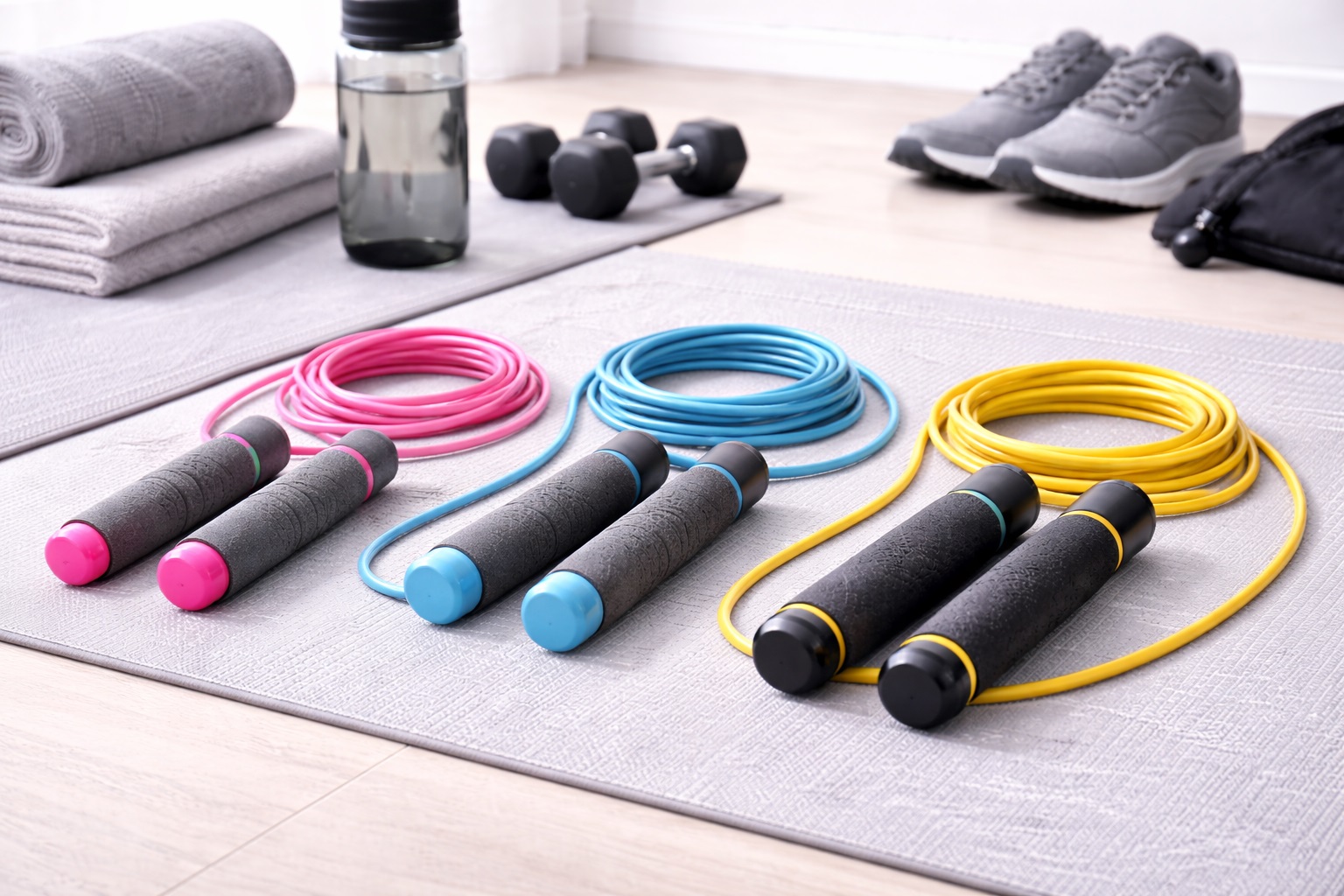
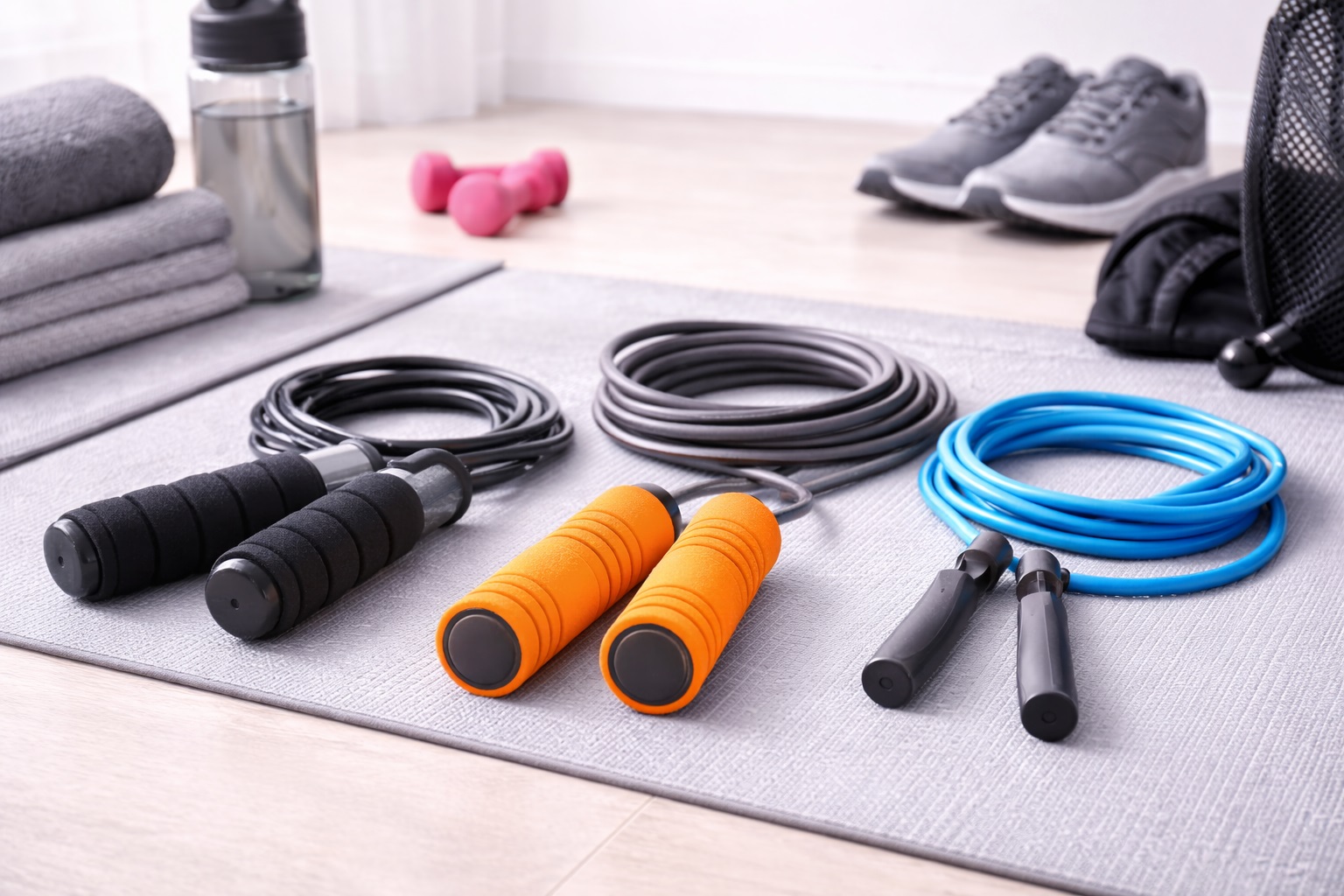
You do not need to spend a lot of money to get a jump rope that actually works well. Unlike some fitness equipment where cheap options genuinely compromise safety or performance, the jump rope category has a lot of solid budget choices, because the core mechanism, a cord and two handles, is simple enough that even inexpensive models can rotate smoothly and hold up to regular use.
That said, "budget" does not mean "worst." Some of the most affordable ropes on the market outperform pricier models for basic cardio and skill-building purposes, while a few genuinely cut corners in ways that make them frustrating to use. Knowing which low-cost features matter and which ones are simply marketing helps you get real value without overspending.
We also included a couple of slightly pricier options in this list for comparison, so you can see exactly what extra money buys you and decide for yourself whether those upgrades are worth it for your specific goals.
It is worth remembering that the jump rope category rewards value-conscious shopping more than most fitness equipment. A treadmill or a squat rack has real engineering and material costs that scale with price, but a jump rope's core components are inexpensive to produce well, which means the gap between a budget option and a premium one is often smaller than the price tag suggests.
Below, we compare eight jump ropes ranging from ultra-budget to mid-range, followed by a complete buying guide focused on getting the most value for your money and answers to the questions budget-conscious buyers ask most.
Top 8 Best jump rope Picks (Detailed Reviews)
1. Amazon Basics Standard – Best For the Lowest Price Point
At around $8, the Amazon Basics Standard is about as inexpensive as a jump rope gets while still offering a genuinely usable adjustable vinyl cord. There is very little financial risk in trying it, which makes it a common recommendation for anyone who wants to test whether jump rope training fits their routine before spending more.
Because it skips extras like bearings or specialty grips, there is also very little that can go wrong or wear out prematurely. It is a simple, honest product at a simple, honest price, and for straightforward cardio and skill practice, that is often all you need.
- Pros:
- Lowest price point of any rope on this list
- Adjustable vinyl cord fits a range of heights
- Minimal components mean fewer things that can break
- Cons:
- Lacks upgraded bearings or grip found on pricier ropes
- Cord may wear faster under very heavy daily use
Best For: Budget-conscious buyers who want the absolute lowest-cost way to start jump rope training.
Why We Recommend It: It proves that an effective jump rope does not need to cost much at all. For someone testing the waters, spending less than the cost of a coffee run to find out whether jump rope fits their routine is about as low-risk as fitness purchases get.
2. DEGOL Skipping Rope – Best For Budget-Friendly Smooth Rotation
At about $10, the DEGOL Skipping Rope adds tangle-free ball bearings for barely more than the price of the most basic rope on this list. That small price difference buys a real mechanical upgrade: smoother rotation and far fewer mid-session tangles.
For budget shoppers, this is a good example of a feature genuinely worth paying a little extra for. Bearings are not an expensive component to manufacture, but they meaningfully improve the experience of using the rope compared to a bearing-free handle.
- Pros:
- Ball bearings deliver smoother rotation for a small price increase
- Still one of the most affordable ropes on this list
- Reduces tangling frustration compared to basic ropes
- Cons:
- Bearings are a mechanical part that can eventually wear
- Basic handle design compared to premium options
Best For: Budget buyers who want a small, worthwhile upgrade over the cheapest possible rope.
Why We Recommend It: It delivers a real quality improvement for only a couple of dollars more than the most basic option. When you break the price difference down, it is one of the easiest upgrade decisions on this entire list.
3. WOD Nation Speed Rope – Best For Affordable Speed Training
At around $20, the WOD Nation Speed Rope brings a patent-pending four-bearing system to a price point that is still well within reach for budget-conscious shoppers. Speed-oriented hardware is often reserved for pricier ropes, so finding it here represents solid value.
For anyone who wants to eventually build speed and more advanced footwork without paying premium prices, this rope offers a reasonable middle ground between the most basic budget options and the priciest specialty ropes on the market.
- Pros:
- Four-bearing system usually found on pricier ropes
- Reasonably priced for the hardware included
- Suitable for both casual use and faster footwork later
- Cons:
- Costs more than the most basic budget ropes
- Thinner cable is less forgiving on missed swings
Best For: Budget shoppers who want room to build speed without paying premium prices for it.
Why We Recommend It: It offers hardware typically found on pricier ropes at a price still friendly to a tight budget, making it one of the better value-per-dollar picks on this entire list.
4. XYLsports Jump Rope – Best For Comfortable Grip on a Budget
At roughly $15, the XYLsports Jump Rope's comfortable foam grip is a straightforward, inexpensive comfort upgrade over the most bare-bones ropes. For anyone planning to use their rope often, this small investment in hand comfort tends to pay off quickly.
Comfort is easy to overlook when comparing specs, but it directly affects whether you actually keep using a rope regularly. A slightly pricier rope that you enjoy picking up beats a cheaper one that ends up sitting in a drawer.
- Pros:
- Foam grip adds comfort without a large price increase
- Still an affordable option relative to premium ropes
- Reduces hand fatigue during longer sessions
- Cons:
- Foam may compress or wear with years of heavy use
- No bearing system or tracking features included
Best For: Budget buyers who want a bit more hand comfort without spending much more money.
Why We Recommend It: A small comfort upgrade like this can be the difference between a rope you use and one you abandon.
5. EliteSRS Boxer Rope – Best For Mid-Range Durability
At around $25, the EliteSRS Boxer Rope sits toward the upper end of what most people would call a budget rope, but its PVC cord durability arguably makes it a better long-term value than cheaper options that need replacing sooner.
Thinking about cost per year of use rather than sticker price alone often changes the budget calculation. A rope that lasts two or three times as long as the cheapest option can end up being the more economical choice over time.
- Pros:
- Durable PVC cord may outlast cheaper ropes over time
- Proven design borrowed from boxing and combat training
- Reasonable cost per year of expected use
- Cons:
- Higher upfront cost than the most basic budget ropes
- Slightly heavier than lighter speed-focused cords
Best For: Budget shoppers thinking about long-term value rather than just the lowest upfront price.
Why We Recommend It: Its durability can make it a smarter long-term investment than cheaper, shorter-lived ropes.
6. RX Smart Gear Original – Best For Stepping Up Without Overspending
At around $45, the RX Smart Gear Original is priced above the strictest budget tier but remains reasonable for the customizable length and reputation for consistent build quality it offers. It is a sensible next step for someone ready to spend a bit more.
If you have outgrown the most basic ropes and want a noticeable step up in fit and feel without jumping all the way to the priciest options on the market, this rope represents a fair middle ground.
- Pros:
- Customizable length for a more precise, personalized fit
- Trusted reputation within functional fitness communities
- Meaningful step up without reaching premium pricing
- Cons:
- Costs more than most ropes marketed as pure budget options
- Adjustment process takes a small amount of setup time
Best For: Budget-minded shoppers ready to spend a bit more for a noticeable upgrade in fit and build quality.
Why We Recommend It: It bridges the gap between strict budget ropes and premium options without the premium price tag.
7. Tangram Smart Rope – Best For Splurging on Smart Tracking
At around $80, the Tangram Smart Rope is well outside strict budget territory, but we include it here as a useful comparison point. Its LED jump count display shows exactly what kind of feature justifies a higher price for some buyers.
If tracking and motivation features genuinely matter to you, this is the rope that delivers them, but budget-conscious buyers who do not need built-in tracking can typically get similar training results from a rope that costs a fraction of the price.
- Pros:
- Automatic rep tracking that budget ropes do not offer
- Useful for buyers who value data and progress tracking
- Illustrates exactly what a higher price point buys
- Cons:
- Highest price point among the ropes on this list
- Not necessary if your budget priority is pure value
Best For: Buyers willing to stretch their budget specifically for built-in tracking features.
Why We Recommend It: It is a useful reference point for understanding what premium pricing actually buys you.
8. Crossrope Get Lean – Best For a Long-Term Investment Piece
At around $100, the Crossrope Get Lean is the most expensive rope on this list and clearly outside a strict budget category. Its weighted rope system is included here as a comparison so budget shoppers can see the full price range and decide where their money is best spent.
For most budget-focused buyers, this is not the first rope to purchase. It becomes worth considering only once you know your training has advanced to the point where added resistance offers a genuine benefit over simpler, cheaper options.
- Pros:
- Weighted cable system adds a training dimension budget ropes lack
- Interchangeable design offers long-term versatility
- Useful upper-end reference for comparing value
- Cons:
- Far outside a strict budget price range
- Not necessary for most beginner or casual training goals
Best For: Buyers who have outgrown budget ropes and want to invest in a long-term training tool.
Why We Recommend It: It shows what the top end of the price range looks like, for context when comparing value.
Buying Guide: How to Choose the Best Budget Jump Rope
Getting good value from a budget jump rope is about knowing which features are worth a small price increase and which ones are unnecessary for your goals. The sections below break down what to prioritize.
1. Understanding What "Budget" Actually Buys
Even the cheapest jump ropes typically include a functional cord and handles capable of supporting basic cardio and skill work, so budget pricing does not automatically mean poor performance in this category.
2. Bearings Versus No Bearings
Handles with simple ball bearings, even inexpensive ones, tend to rotate more smoothly and tangle less than bearing-free designs, making this one of the most worthwhile upgrades for only a small price increase.
3. Cord Material Trade-Offs
Basic vinyl or PVC cords cost less to produce than specialty cables, but they still rotate reliably for most training purposes, making them a smart choice for value-focused buyers.
4. Cost Per Year of Use
A slightly pricier rope that lasts several years can be more economical than repeatedly replacing the cheapest option, so it is worth thinking about durability alongside the sticker price.
5. Avoiding Unnecessary Features
Smart tracking, weighted systems, and premium materials all add cost. If your goal is simple, consistent cardio, skipping these extras is a legitimate way to save money without sacrificing effectiveness.
6. Handle Comfort on a Budget
A basic foam grip adds only a small amount to the price but can meaningfully improve comfort during longer sessions, making it one of the better low-cost upgrades available.
7. Adjustability Without Extra Cost
Most budget ropes still include an adjustable cord length, so there is little reason to accept a fixed-length rope unless it is significantly cheaper for a specific reason.
8. Reading Reviews for Hidden Quality Issues
Checking reviews for recurring complaints about cord snapping, handle cracking, or bearings seizing up quickly can help you avoid budget options that cut corners in ways that actually affect performance.
9. When to Spend a Little More
If you already know you will train frequently, spending slightly above the absolute minimum on a more durable cord material is often worth it to avoid an early replacement.
10. Warranty and Return Policies
Even inexpensive ropes sometimes include a basic warranty or easy return policy, which is worth checking since it reduces the risk of a budget purchase that does not work out.
11. Buying From Reputable Budget Brands
Established brands that specialize in affordable fitness gear tend to have more consistent quality control than unfamiliar, ultra-low-cost listings, even at similar price points.
12. Comparing Price Per Feature
Listing out which features actually matter to you, such as bearings, adjustability, or grip comfort, and comparing prices against that specific list helps you avoid overpaying for features you do not need.
13. Avoiding the Cheapest Possible Option
The single lowest-priced rope on a marketplace is not always the best value; a rope priced just slightly higher often includes meaningful upgrades like bearings or better cord material.
14. Bundled Extras
Some budget ropes come bundled with a carrying pouch or a spare cord, which can add practical value without increasing the core price much.
15. Setting a Realistic Budget Range
For most buyers, a functional, comfortable jump rope with basic bearings falls somewhere between eight and twenty-five dollars, which covers the majority of genuinely useful options.
16. Knowing When to Upgrade Later
Buying budget first and upgrading later, once you know exactly what your training style requires, is often a smarter long-term strategy than overspending on features you may never use.
17. Comparing Weight and Portability
Lighter budget ropes are typically easier to pack and carry, an advantage worth considering if you plan to travel with your rope or move it between training locations often.
18. Value of Simplicity
A simple rope with fewer components generally has fewer things that can break or wear out, which can itself be a form of long-term value even without added features.
19. Shipping and Total Cost
When comparing prices across different sellers, remember to factor in shipping costs, since a slightly higher listed price with free shipping can end up being cheaper overall than the lowest sticker price plus a separate delivery fee.
20. Buying Multiples for a Household
If more than one person in your home wants to use a jump rope, buying two or three of the most affordable adjustable models is often more practical and cost-effective than a single premium rope that has to be shared and readjusted constantly.
21. Seasonal Sales and Discounts
Fitness equipment, including jump ropes, often sees price drops around New Year's resolutions season and other major shopping events, so timing a purchase can stretch a budget further without sacrificing quality.
22. Avoiding Impulse Upgrades
It is easy to talk yourself into a pricier rope with features you do not yet need. Sticking to a clear list of what actually matters for your current training goals helps keep a budget purchase genuinely budget-friendly.
23. Reselling or Passing Along an Old Rope
Because budget ropes are inexpensive to begin with, there is little financial downside to eventually passing an older one along to a friend or family member once you upgrade, rather than feeling obligated to get years of use out of a single purchase.
24. Balancing Price With Personal Motivation
For some buyers, a slightly nicer-looking or higher-rated rope, even at a modest premium, genuinely increases how motivated they feel to use it regularly, which is a legitimate factor to weigh alongside pure price comparisons.
Frequently Asked Questions
What is the cheapest type of jump rope that still works well?
A basic adjustable vinyl or PVC cord rope, often priced under ten dollars, is typically sufficient for casual cardio and skill-building without any major performance compromise.
Do more expensive jump ropes actually perform better?
Pricier ropes often add features like bearings, tracking, or weighted resistance, which can improve the experience, but they are not strictly necessary for effective basic training.
Is it worth paying extra for bearings on a budget rope?
For most people, yes. Bearings are a relatively low-cost upgrade that noticeably reduces tangling and improves rotation smoothness.
Will a cheap jump rope break quickly?
Reputable budget brands generally hold up fine for regular use, though checking reviews for recurring durability complaints can help you avoid the rare option that cuts corners.
How much should I expect to spend on a good jump rope?
Many effective jump ropes fall between eight and twenty-five dollars, with pricier options mainly adding convenience features rather than fundamentally better core performance.
Can a budget jump rope be used for serious training?
Yes, a well-made budget rope can support serious cardio, footwork, and even speed training just as effectively as a pricier model for most training goals.
What features should I skip to save money?
Smart tracking displays and weighted resistance systems are the easiest features to skip if your primary goal is affordable, straightforward cardio training.
Are budget jump ropes safe to use?
Yes, since the basic mechanism of a jump rope is simple, even inexpensive models are generally safe when used with proper footwear and adequate space.
How do I know if I am overpaying for a jump rope?
If a rope costs significantly more than similar options without offering bearings, adjustability, or another clear feature upgrade, you may be paying for branding rather than added value.
Should I buy a budget rope or save for a premium one?
Starting with a budget rope is a low-risk way to confirm the habit before committing to a pricier option, and many people find a budget rope meets their needs indefinitely.
Do budget ropes come with any kind of warranty?
Some do, particularly from established brands, so it is worth checking the product listing before purchasing if warranty coverage matters to you.
What is the biggest value trap when buying a cheap jump rope?
Choosing the absolute lowest-priced listing without checking reviews can occasionally mean sacrificing basic quality control, so a slightly higher-rated budget option is often the safer choice.
Can I find a budget jump rope with an adjustable length?
Yes, adjustable length is a standard feature on the vast majority of budget ropes and should not require paying a premium price.
Is a heavier or lighter budget rope better for beginners?
Lighter ropes are generally easier for beginners to control, while budget-friendly weighted options are better suited to those who already have basic footwork down.
How long do budget jump ropes typically last?
With regular use, a well-made budget rope often lasts a year or more, though heavy daily use may wear the cord faster than occasional training.
Should I buy a budget rope online or in a store?
Both work well, though shopping online typically offers a wider selection and more customer reviews to compare, which can help you avoid low-quality budget listings.
Do budget jump ropes come in different lengths?
Most budget ropes include an adjustable cord that accommodates a range of heights, so a specific length rarely needs to be purchased separately.
Can a budget rope handle outdoor use?
Many budget ropes with PVC or vinyl cords hold up fine outdoors, though rougher surfaces like asphalt may wear the cord slightly faster than smoother indoor flooring.
What is a fair price for a rope with bearings?
Ropes with basic ball bearings are commonly available in the ten to twenty dollar range, making them accessible even on a tight budget.
Is it better to buy one mid-range rope or two very cheap ones?
This depends on your priorities; one mid-range rope often offers better durability and comfort, while two very cheap ropes can provide backups or options for household members.
Do budget ropes work for advanced footwork and tricks?
Many budget ropes with smooth bearings and lightweight cords can support advanced footwork, though dedicated speed ropes may eventually offer a slight edge for very fast movements.
Why do some jump ropes cost ten times more than others?
Higher prices usually reflect added features like electronic tracking, weighted resistance systems, or premium materials rather than a fundamentally better core rotation experience, which is why budget options remain genuinely competitive for most training goals.
Can I negotiate or find discounts on budget jump ropes?
Watching for seasonal sales, bundle deals, or multi-pack listings can often bring an already affordable rope down to an even lower effective price.
Is a budget jump rope a good gift for someone starting fitness?
Yes, a low-cost, adjustable jump rope is a practical, low-pressure gift for someone starting a fitness routine, since it requires little commitment and works for a wide range of skill levels.
What is the return on investment for a budget jump rope compared to a gym membership?
A single budget jump rope typically costs less than one month of many gym memberships, yet can support months or years of effective cardio training, making it one of the better value purchases in home fitness.
Are budget jump ropes covered by consumer protection if they arrive defective?
Most major online retailers offer standard return or replacement policies even on low-cost items, so it is worth confirming the seller's policy before purchasing in case a rope arrives with a manufacturing defect.
Final Verdict
- Top Pick: DEGOL Skipping Rope for overall excellence.
- Budget Choice: Amazon Basics Standard for great value.
- Premium Choice: RX Smart Gear Original for high-end features.
When it comes to jump ropes, spending more does not automatically mean training better. A handful of dollars can buy a rope with bearings and an adjustable cord that performs just as well for most people's actual training goals as anything costing several times more. Save your money for the moment your skills or goals genuinely call for an upgrade, and let simple, reliable value guide your first purchase. If in doubt, start with one of the lower-cost picks above, put it through a few weeks of real use, and let your own experience tell you whether a pricier upgrade is actually worth it for how you train.