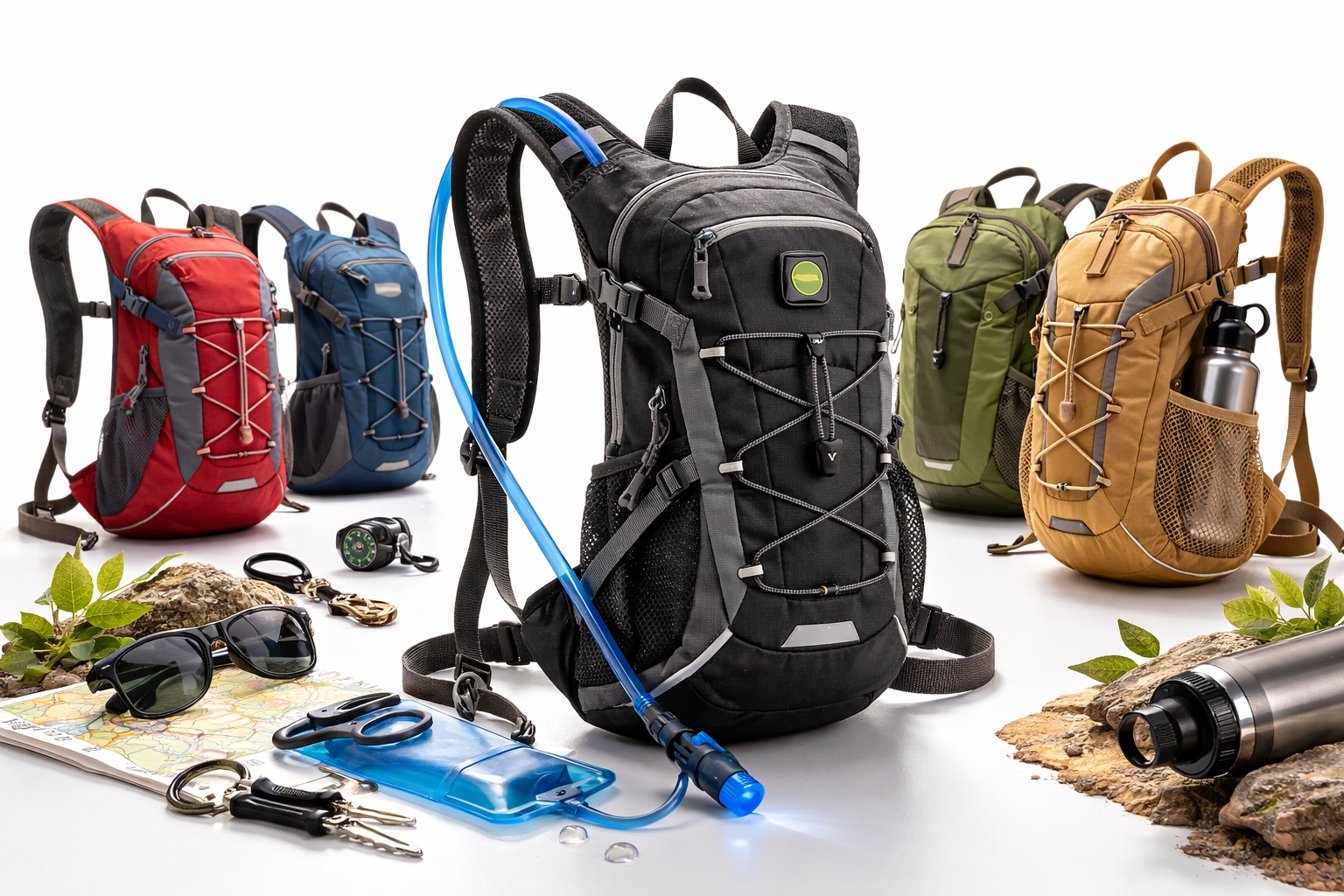
Best Lightweight Hydration Pack in 2026: Fast, Agile Picks
When speed and agility matter more than raw storage capacity, choosing a hydration pack built around a light, secure, no-bounce fit changes how a run or fast-paced hike actually feels. This guide compares eight hydration packs commonly considered for speed-focused use, weighing weight, fit, and how well each one stays put during faster movement rather than shifting or bouncing.
Not every pack here is a minimalist racing vest, and that is intentional. A couple of bulkier, storage-focused packs are included for comparison so you can see clearly what you give up in agility when you choose extra capacity instead. Seeing that trade-off side by side makes it easier to decide how much you are willing to sacrifice for a lighter, faster feel.
Whether you are training for a race, moving quickly through technical terrain, or simply hate feeling weighed down on a fast-paced hike, the reviews and buying guide below will help you find a pack that keeps up with your pace rather than working against it.
It is worth noting that a genuinely fast-feeling pack depends on more than just its listed weight. Fit, load distribution, and how securely the pack hugs your torso during movement all affect how agile it actually feels once you are moving at pace.
It also helps to be specific about what "speed and agility" actually means for your own activities. A road runner chasing a personal best has different priorities than a mountain biker navigating technical singletrack, even though both would describe their ideal pack as fast and unobtrusive. Keeping your specific use case in mind while reading the reviews below will help you land on the right pick rather than simply the one marketed most aggressively toward speed.
Top 8 Best hydration pack Picks (Detailed Reviews)
1. Gregory Nano 18 H2O – Best For Balanced Speed and Storage
The Gregory Nano 18 H2O is included here as a useful point of comparison, since its 3L 3D Hydro reservoir and 18-liter body prioritize storage capacity over the minimalist design favored by pure speed-focused vests. At around $80, it sits in the middle of this lineup on price, offering more room for gear than the true racing vests here while still moving reasonably well on faster-paced hikes. For buyers who need some storage alongside a reasonably quick-moving pack, it strikes a workable middle ground, even if it will never feel as nimble as a dedicated racing vest built around a single purpose.
- Pros:
- 3L 3D Hydro reservoir offers strong capacity for longer outings
- 18-liter pack body leaves room for extra gear
- Mid-range price for a genuinely well-rounded package
- Cons:
- Bulkier and less agile than minimalist running vests
- Not built specifically for fast-paced movement
Best For: Buyers who want some extra storage capacity alongside reasonably efficient movement rather than pure speed above all else.
Why We Recommend It: Comparing the Nano 18 H2O against the true speed-focused vests here helps illustrate exactly what agility-focused packs give up, and what extra storage packs offer in return for that trade-off.
2. CamelBak Lobo 9 – Best For Comfortable Quick-Paced Hikes
CamelBak's Lobo 9 pairs a Crux reservoir with an Air Director back panel, striking a reasonable balance between comfort and a relatively trim profile for quick-paced hiking. At around $100, it lands in the middle of this lineup on price while offering the brand recognition and easy parts availability that come with buying from an established hydration specialist. Its 9-liter capacity keeps the overall pack trim enough to move reasonably well without feeling like a full-size backpack, striking a sensible middle ground between speed and everyday usefulness.
- Pros:
- Air Director panel improves airflow during faster-paced movement
- Crux reservoir is easy to fill and clean compared to older designs
- Trusted, widely available brand with easy access to replacement parts
- Cons:
- Not as trim or secure as a dedicated running vest
- 9-liter capacity limits how much extra gear you can carry
Best For: Hikers who want reasonably quick, comfortable movement without committing to a minimalist racing vest or its storage compromises.
Why We Recommend It: CamelBak's reputation for reliable, comfortable hydration systems makes the Lobo 9 a safe pick for buyers who want speed-friendly design without sacrificing all storage capacity in the process.
3. Salomon ADV Skin 12 – Best For Race-Proven Speed and Agility
Salomon built the ADV Skin 12 specifically around racing performance, using SensiFit construction and soft flasks instead of a rigid bladder to create one of the most secure, no-bounce fits available. At around $160, it ties for the highest price in this lineup, but serious runners consistently favor this vest for exactly the reasons that matter for speed and agility: it moves with your body rather than against it. The soft flask system also allows for quick mid-race refills without needing to remove the entire vest, which matters enormously during a competitive event where every stopped second counts.
- Pros:
- SensiFit construction delivers one of the most secure, no-bounce fits available
- Soft flasks are lighter and easier to refill on the move than a full bladder
- Well-regarded among serious racers and speed-focused runners
- Weight distributed evenly across the chest for a stable, race-ready feel
- Cons:
- Highest price point in this lineup
- Soft flask capacity is generally lower than a full bladder system
Best For: Serious runners and racers who want the most secure, race-proven no-bounce fit available regardless of price.
Why We Recommend It: When agility and a genuinely secure fit are the top priorities, the ADV Skin 12's racing-specific design outperforms general-purpose packs at any price point.
4. Black Diamond Distance 15 – Best For Fast Alpine Movement
Black Diamond built the Distance 15 around a hybrid design meant to move quickly across both trail running terrain and lighter alpine objectives, drawing on the brand's climbing and mountaineering background. At around $160, it ties for the highest price here, but its versatility across fast-moving terrain types can justify the cost for buyers who need speed and agility beyond a simple road or trail run. The 15-liter capacity still leaves room for essential layers without feeling like a full expedition pack, which keeps the pack agile even when carrying a bit more gear than a pure road-running vest would.
- Pros:
- Hybrid design supports fast movement across running and alpine terrain
- 15-liter capacity leaves room for essential layers without excess bulk
- Backed by a reputable outdoor and climbing gear brand
- Cons:
- Highest price point in this lineup alongside the Salomon
- More capacity than needed for buyers focused purely on road running speed
Best For: Fast-moving adventurers who need agility across mixed running and alpine terrain rather than a single, narrow use case.
Why We Recommend It: Its hybrid versatility across fast-moving terrain types makes it a smart choice for buyers whose definition of speed and agility extends beyond flat road running.
5. Platypus Hoser Reservoir – Best For Lightweight Reservoir Upgrade
The Platypus Hoser Reservoir focuses purely on the water storage component, using clean-taste guarantee material in a lightweight package that adds minimal weight to whatever pack you already own. At around $35, it is one of the most affordable options here, making it a smart upgrade for speed-focused buyers who already own a pack but want a lighter, better-tasting reservoir inside it. Its simple design also avoids the extra weight of more complex integrated reservoir systems, which is exactly the kind of marginal weight saving that speed-focused buyers tend to appreciate most.
- Pros:
- Lightweight, simple design adds minimal weight to an existing pack
- Clean-taste guarantee material avoids the plastic taste common in cheap bladders
- Affordable standalone upgrade option
- Cons:
- Sold as a reservoir only, not a complete pack system
- Lacks the structured fit of a dedicated running vest
Best For: Speed-focused buyers who already own a pack and want to shave weight with a lighter, better-tasting reservoir.
Why We Recommend It: For a minimal price and minimal added weight, the Hoser Reservoir solves a common hydration complaint without requiring a full pack replacement.
6. TETON Sports TrailRunner 2.0 – Best For Budget-Friendly Speed Training
TETON Sports built the TrailRunner 2.0 around a simple BPA-free bladder and an athletic fit designed to move reasonably well during jogging and lighter trail running, all at a price of around $25, the lowest in this entire lineup. For runners building up their training volume who are not yet ready to invest in a premium racing vest, it offers a genuinely usable entry point into speed-friendly hydration gear. The athletic fit keeps it secure enough for moderate-paced training runs without the refined materials of pricier vests, making it a sensible way to build a training habit before committing to race-day gear.
- Pros:
- Lowest price point in this lineup by a wide margin
- Athletic fit works reasonably well for jogging and training runs
- BPA-free bladder addresses a common water-safety concern
- Cons:
- Not as secure or bounce-free as premium racing vests
- Materials are less refined than higher-priced alternatives
Best For: Runners building training volume who want an affordable, reasonably speed-friendly pack before investing in a premium vest.
Why We Recommend It: At this price, the TrailRunner 2.0 offers genuine training-run usability that makes it an easy, low-risk entry point for runners not yet ready for premium pricing.
7. Osprey Raptor 14 – Best For Agile Mountain Biking
Osprey built the Raptor 14 specifically for mountain bikers who need to move quickly and confidently over technical terrain, including a LidLock helmet attachment and a tool roll for trail-side repairs. At around $150, it is priced toward the upper end of this lineup, but its bike-specific agility features set it apart from running-focused packs. The 14-liter capacity balances enough storage for tools and layers without compromising the pack's ability to stay secure during aggressive riding, a balance that dedicated mountain bikers tend to value highly.
- Pros:
- Purpose-built for agile movement over technical mountain bike terrain
- LidLock attachment securely holds a helmet when not in use
- Tool roll keeps trail-side repair essentials organized and accessible
- Cons:
- Priced higher than general-purpose hiking packs
- Less relevant for runners who do not need bike-specific features
Best For: Mountain bikers who need a secure, agile pack that keeps up with fast, technical riding.
Why We Recommend It: Its bike-specific design addresses agility needs on technical terrain that running-focused packs simply are not built to handle.
8. Nathan Vaporaiz – Best For Pure No-Bounce Speed
Nathan designed the Vaporaiz around one core goal: staying completely secure during fast-paced running, using a no-bounce fit and shoulder pill pockets for quick nutrition access without breaking stride. At around $130, it sits toward the upper end of this lineup on price, but its singular focus on speed and stability sets it apart from more general-purpose packs. Runners who have dealt with a shifting, bouncing pack mid-race understand immediately why this level of fit refinement matters, and it is precisely this kind of dedicated focus that separates purpose-built racing gear from general-purpose alternatives.
- Pros:
- No-bounce fit stays secure during fast, sustained running efforts
- Shoulder pill pockets allow quick nutrition access without stopping
- Purpose-built specifically for speed rather than general use
- Minimal design keeps overall weight low without unnecessary bulk
- Cons:
- Priced higher than general-purpose alternatives
- Less versatile for carrying heavier loads on slower hikes
Best For: Runners whose top priority is a completely secure, no-bounce fit during fast, sustained efforts.
Why We Recommend It: Few packs in this lineup match the Vaporaiz's singular focus on eliminating bounce and shift during genuinely fast-paced running.
Buying Guide: How to Choose the Best Lightweight Hydration Pack
Choosing a lightweight, speed-friendly hydration pack means balancing weight and fit against capacity and features. The considerations below will help you decide exactly how much storage you are willing to trade for a faster, more secure feel.
1. Prioritize Fit Over Listed Weight
A pack's listed weight matters less than how securely it fits your specific torso shape. A slightly heavier pack with a genuinely secure, no-bounce fit will feel faster in practice than a lighter pack that shifts constantly during movement, so do not judge purely on the number printed on the box.
2. Decide Between a Vest-Style and Backpack-Style Design
Vest-style packs distribute weight across the chest and shoulders for a more secure, running-friendly fit, while backpack-style designs concentrate weight on the lower back and tend to bounce more during faster movement and quick changes of direction.
3. Match Reservoir Type to Your Activity Pace
Soft flasks tend to feel less bulky and bounce less than a full bladder, making them popular for racing and fast training, while bladders offer more total capacity for longer, slower-paced outings where refilling opportunities are limited.
4. Consider How Much Storage You Actually Need
Minimalist racing vests sacrifice storage capacity for a lighter, more secure fit. Be honest about whether you need to carry extra layers or gear, since that need directly conflicts with maximum agility and secure fit.
5. Check for Quick-Access Nutrition Storage
Shoulder pockets or easily reachable soft flask holsters let you fuel or hydrate without breaking stride, which matters more the faster and longer your typical effort becomes over the course of a session.
6. Weigh Load Distribution Across the Body
Packs that distribute weight evenly across the torso rather than concentrating it in one spot tend to feel more stable and less fatiguing during sustained fast movement, especially over longer distances.
7. Consider Adjustability for a Truly Secure Fit
Multiple adjustment points, including sternum straps and side compression, allow you to fine-tune a pack's fit far more precisely than a simple one-size design, which directly affects how secure it feels while moving quickly over varied terrain.
8. Factor In Breathability for Sustained Effort
Sweat management becomes more important the faster and longer you move, so mesh panels and breathable materials matter more for speed-focused packs than for casual, slower-paced hiking packs used briefly.
9. Think About Terrain-Specific Agility Needs
Runners need a different kind of agility than mountain bikers, who need a different kind than alpine scramblers. Match the pack's specific design focus to your actual terrain rather than assuming all "lightweight" packs perform the same across every activity.
10. Check How the Pack Performs When Partially Empty
A pack that stays secure and does not flop around as water is consumed throughout an activity is more genuinely agile than one that only fits well when completely full at the start of an outing.
11. Read Reviews From Buyers With Similar Activity Levels
A pack praised by casual hikers may not hold up to the demands of competitive racing. Look specifically for feedback from buyers who use the pack at a similar pace and intensity to your own typical efforts.
12. Consider Price Against How Often You Need Maximum Agility
If you only occasionally need race-level fit precision, a mid-range pack may serve you better than paying a premium for features you will not use during most of your regular training sessions.
13. Buy Based on Your Most Demanding Typical Use Case
If you occasionally race but mostly train at an easier pace, consider whether your everyday training needs or your occasional racing needs should drive the purchase decision, since they often call for different priorities.
14. Test the Fit Before Relying on It for an Important Event
Wearing a new pack on a few training runs before a race or important outing lets you identify any bounce, chafing, or fit issues while there is still time to make adjustments or exchange the product if needed.
Frequently Asked Questions
Is a premium hydration pack worth it?
Not always. Higher-end models often offer better fit and more refined materials compared to budget alternatives, but casual users may not notice much difference in day-to-day use.
How do I maintain my hydration pack?
Rinse the reservoir and hose after every use, and let everything air dry fully before storage to prevent mold or bacteria buildup, especially important for gear used frequently at a fast pace.
What makes a hydration pack feel fast and agile?
A secure, no-bounce fit that distributes weight evenly across the torso is the biggest factor, followed by a reasonably light overall weight and a design that stays stable even as water is consumed.
Are running vests better than backpack-style hydration packs for speed?
For pure speed and agility, yes. Vest-style designs distribute weight across the chest and shoulders and generally bounce less than backpack-style designs, which concentrate weight on the lower back.
Do soft flasks bounce less than a bladder?
Generally yes, since soft flasks sit closer to the body in dedicated chest pockets, while a bladder in a backpack-style pack sits further from the body's center of gravity and can shift more during fast movement.
How much water capacity do I need for a fast training run?
For most training runs under two hours, one to one and a half liters is usually sufficient, while longer efforts or hot conditions may call for slightly more capacity.
Can a lightweight hydration pack still carry enough nutrition for a race?
Many racing vests include dedicated soft flask holsters and shoulder pockets specifically sized for gels and small nutrition items, so a lightweight design does not necessarily mean sacrificing nutrition storage entirely.
Is it worth buying a separate pack for racing versus training?
Serious racers sometimes maintain a dedicated racing vest optimized purely for speed, while using a slightly more storage-friendly pack for everyday training runs, though a single versatile pack works fine for most recreational runners.
Do lightweight hydration packs sacrifice durability?
Not necessarily. Many minimalist racing vests use high-quality, lightweight materials specifically engineered to withstand frequent competitive use, though extremely budget-focused lightweight options may cut some corners on longevity.
How tight should a hydration vest fit for speed and agility?
A hydration vest should fit snugly enough to prevent bouncing but not so tight that it restricts breathing or arm movement. Most brands recommend trying the vest with a filled reservoir to judge the fit accurately.
Can I use a lightweight hydration pack for mountain biking?
Dedicated mountain biking packs typically include features like helmet attachments and tool storage that pure running vests lack, so a bike-specific pack is usually a better choice than a running vest for that activity.
What is the biggest mistake people make when choosing a speed-focused hydration pack?
The most common mistake is prioritizing capacity over fit, buying a larger pack than needed and then being frustrated by bouncing or shifting during fast movement that a smaller, better-fitted pack would have avoided.
Do lightweight hydration packs work well in hot weather?
Many speed-focused vests use breathable mesh materials specifically designed for hot-weather performance, though carrying enough water capacity for the conditions matters just as much as the pack's ventilation features.
Can I add extra storage to a minimalist racing vest later?
Some racing vests offer compatible accessory pouches or add-on pockets, but many minimalist designs are not built for significant expansion, so it is worth considering your storage needs at the time of purchase rather than assuming you can add capacity later.
Is a heavier pack ever actually faster to use than a lighter one?
In some cases, yes. A slightly heavier pack with superior load distribution and a more secure fit can feel faster and more stable in practice than a technically lighter pack that bounces or shifts during movement.
How do I break in a new hydration vest before a big race?
Wearing the vest on several training runs at race pace, with a similar amount of water and gear you plan to carry on race day, helps identify any fit issues and lets the materials soften slightly before the event that matters most.
Does gender-specific sizing matter for hydration vests?
Many brands offer gender-specific fits designed around different torso lengths and chest shapes, and choosing the correctly sized option, rather than assuming a unisex design fits everyone equally well, can meaningfully improve how secure a vest feels during fast movement.
Can a lightweight hydration pack be used for triathlon training?
Yes, many triathletes use minimalist running vests for the run portion of training and racing, valuing the same no-bounce, low-weight qualities that road and trail runners look for in a speed-focused pack.
How much does a race-focused hydration vest typically weigh?
Empty, most minimalist racing vests weigh well under half a pound, with the total carried weight depending mostly on how much water and nutrition you load into it before heading out.
Is it normal for a new hydration vest to feel tight at first?
A snug initial fit is normal and often intentional for vests designed to stay secure during movement, though the fit should never feel restrictive to breathing or arm swing. Materials often relax slightly with a few uses.
Should beginners start with a speed-focused vest or a general-purpose pack?
Beginners are often better served starting with a simpler, more affordable general-purpose pack to build comfort and habit before investing in a specialized racing vest once their training volume and goals become clearer.
What is the easiest way to reduce bounce in an existing hydration pack?
Tightening the sternum strap and side compression straps as much as comfortably possible, and making sure the reservoir is not overfilled beyond what you actually need for the outing, are simple adjustments that can noticeably reduce bounce without buying new gear.
Final Verdict
- Top Pick: Nathan Vaporaiz for its singular focus on a secure, no-bounce fit built for genuine speed.
- Budget Choice: TETON Sports TrailRunner 2.0 for an affordable entry point into speed-friendly training gear.
- Premium Choice: Salomon ADV Skin 12 for the most race-proven, refined agility performance in this lineup.
Choosing the right lightweight hydration pack for speed and agility comes down to being honest about how much storage capacity you are willing to trade for a more secure, no-bounce fit. The Nathan Vaporaiz delivers the most focused speed-first design, the TETON Sports TrailRunner 2.0 offers a reasonable, affordable way to start building speed-friendly habits, and the Salomon ADV Skin 12 rewards serious runners willing to pay for race-proven refinement. Whichever you choose, remember that fit and load distribution matter more for a genuinely fast, agile feel than any single spec on a product page. Take the time to try a pack on with water inside it, move around, and judge how it actually feels in motion rather than relying on marketing language alone, since that practical test tells you far more than a spec sheet ever will.