Best Water Bottle for Small Bags in 2026
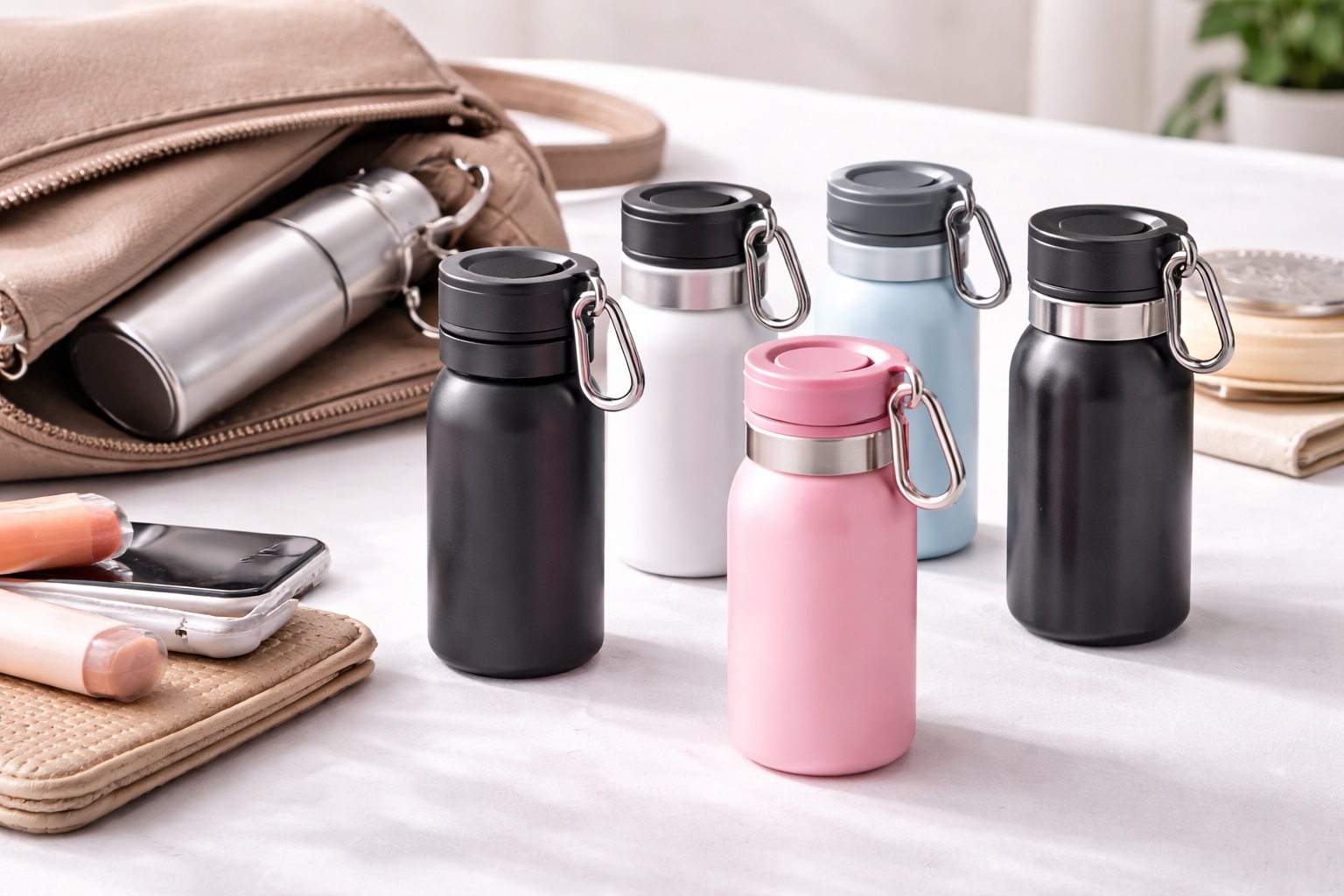
Not every water bottle needs to hold sixty-four ounces to be useful. If your daily carry is a slim tote, a compact backpack, or a bike pannier with limited room, a bulky bottle can end up taking over the entire bag rather than sliding neatly alongside your other essentials. Compact travel isn't just about smaller dimensions — it's about a bottle that fits the awkward side pockets, cup holders, and gaps in a bag that a full-sized model simply won't.
We compared eight of the most popular reusable water bottles on the market in 2026 specifically with small-bag compatibility in mind: slim profiles, manageable weight, and caps or lids that don't add unnecessary bulk. Some of these are purpose-built minimalist designs, while others are more standard bottles that still happen to pack down efficiently thanks to smart proportions. Each one is evaluated on how well it fits into the kind of bag you're actually carrying day to day, not just how it performs sitting on a desk.
Insulation, cap style, and material all still matter for a compact bottle — a slim bottle that leaks in your bag or doesn't keep water cool defeats the purpose just as quickly as one that's too bulky to carry. We've weighed all of these factors together to find the picks that genuinely earn a spot in a smaller bag.
Below you'll find our detailed breakdown of each bottle, followed by a buying guide that walks through exactly what to check before choosing a bottle for tight spaces, and a set of frequently asked questions covering the details that matter most once you've narrowed down your options.
It's worth noting upfront that "compact" means something slightly different depending on the bag in question. A slim laptop bag with a dedicated side pocket has different constraints than a small crossbody purse or a minimalist gym duffel. As you read through the picks below, think less about a single ideal size and more about which trade-offs — weight versus insulation, mouth width versus overall footprint — line up with the specific bag you reach for most often.
Top 8 Best water bottle Picks (Detailed Reviews)
1. Nalgene Wide Mouth – Best For Ultralight Packing
Nalgene's Wide Mouth bottle has been a staple of backpacks and gym bags for years, and a big part of that popularity comes down to how little it weighs relative to its capacity. Built from BPA-free Tritan plastic, it's noticeably lighter than the stainless steel options in this lineup, which matters when every ounce in a small bag counts. At around $15, it's also one of the more affordable picks here, and its simple screw-top design doesn't add the bulk that insulated bottles sometimes carry.
- Pros:
- Very lightweight compared to stainless steel alternatives
- Durable BPA-free Tritan construction resists cracking
- Affordable price point for a long-lasting bottle
- Cons:
- No insulation, so contents warm up faster in hot weather
- Wide mouth cap can be slightly bulkier than narrow-neck designs
Best For: Minimalist packers who prioritize low weight over temperature retention.
Why We Recommend It: When every gram matters in a small bag, a lightweight plastic bottle often makes more practical sense than a heavier insulated one. It's also easy to stash in a side pocket without throwing off the balance of a smaller bag, and the low price makes it a low-risk starting point if you're not sure yet what you need.
2. CamelBak Chute Mag – Best For Grab-and-Go Convenience
CamelBak's magnetic cap storage is a small detail that makes a real difference in tight spaces: instead of a dangling cap that catches on other items in your bag, the lid snaps magnetically to the handle and stays out of the way. Made from BPA-free Tritan plastic, the Chute Mag is priced around $20 and strikes a reasonable balance between compact size and everyday usability, without the added bulk of double-wall insulation.
- Pros:
- Magnetic cap keeps the lid tucked away and tangle-free
- Comfortable carry handle useful for clipping to a bag
- Wide mouth makes it easy to add ice or clean thoroughly
- Cons:
- Lacks insulation for keeping drinks cold over long periods
- Slightly wider profile than the slimmest bottles on this list
Best For: Commuters who want a bottle that clips easily to a bag without a loose, dangling lid.
Why We Recommend It: The magnetic cap solves a small but genuinely annoying problem with compact bottles, and the carry handle makes it easy to attach externally when internal bag space is tight. Riders and walkers in particular tend to appreciate not having a loose cap swinging around while the bottle is clipped to a strap.
3. Swell Stainless Steel – Best For Sleek, Slim Profile
Swell built its brand around bottles that look and feel more like a design object than sports equipment, and that translates into one of the slimmer stainless steel silhouettes in this comparison. Its triple-layered insulation keeps the walls thin while still maintaining temperature control, which is a harder engineering balance to strike than it sounds. At around $35, it costs more than the plastic options here, but the compact, tapered shape fits smoothly into narrow bag pockets that bulkier insulated bottles struggle with.
- Pros:
- Slim, tapered silhouette fits narrow bag pockets well
- Triple-layered insulation keeps drinks cold despite the slim walls
- Polished stainless steel finish that resists scratching
- Cons:
- Higher price than uninsulated plastic alternatives
- Narrow mouth makes ice and thorough cleaning slightly harder
Best For: Style-conscious commuters who want insulation without a bulky, wide-bodied bottle.
Why We Recommend It: It's rare to find genuine insulation in such a slim package, making this a strong pick for anyone whose bag simply doesn't have room for a wider bottle. The polished finish also means it looks presentable enough to carry into a meeting rather than looking purely utilitarian. That dual focus on appearance and function is part of why it shows up so often on desks and in bag pockets where a purely sport-oriented bottle would feel a little out of place.
4. Thermoflask Double Stainless – Best For All-Day Temperature Hold in a Compact Size
Thermoflask's double-wall vacuum insulation keeps this bottle performing like a much larger cooler despite its relatively manageable footprint. The leak-proof chug lid is a particular advantage for small bags, since it seals tightly enough that you don't need to worry about it shifting or leaking against your other belongings during a commute. Priced around $25, it lands comfortably in the mid-range for insulated stainless steel bottles.
- Pros:
- Leak-proof lid prevents spills inside your bag
- Double-wall insulation maintains temperature effectively
- Sturdy stainless steel construction handles daily bumps well
- Cons:
- Heavier than uninsulated plastic bottles of similar size
- Wide mouth cap adds a bit of extra height
Best For: Commuters who need reliable leak protection alongside decent temperature retention.
Why We Recommend It: The leak-proof seal is genuinely reassuring in a small bag packed tightly with other items, where a single leaking bottle can ruin everything else inside. That peace of mind is worth more than a small amount of extra weight for most daily commuters.
5. Yeti Rambler Bottle – Best For Rugged Small-Bag Durability
Yeti's Rambler brings the brand's cooler-grade toughness down into a more portable format, with 18/8 stainless steel construction and a durable powder coat finish that resists the scuffs and scratches that come from being jostled around inside a bag daily. The TripleHaul cap adds a secure closure without excessive bulk. At around $50, it's the priciest bottle in this comparison, reflecting its reputation for withstanding rough daily use.
- Pros:
- Extremely durable powder-coated stainless steel construction
- TripleHaul cap offers multiple secure carrying options
- Backed by a brand known for rugged, long-lasting gear
- Cons:
- Highest price point among the bottles compared here
- Heavier than plastic alternatives of similar capacity
Best For: Anyone who wants their bottle to survive being tossed roughly into a bag day after day.
Why We Recommend It: The powder coat finish and rugged build mean it shrugs off the kind of daily wear that leaves scuffs and dents on lighter-duty bottles. For anyone who has watched a cheaper bottle get visibly beaten up within a few months, the extra investment here tends to pay off over the long run. The powder coat also does a reasonable job of hiding minor surface marks that would show up clearly on a bare polished finish, which keeps the bottle looking presentable even after months of daily use.
6. Contigo Ashland – Best For One-Handed Sipping On the Move
Contigo's Autospout technology allows the lid to open and close with a single push, which is a genuinely useful feature when you're navigating a crowded train platform or juggling a bag in one hand and the bottle in the other. Built from insulated stainless steel and priced around $18, the Ashland offers a practical, spill-resistant sipping experience that's specifically designed around on-the-go use rather than stationary sipping.
- Pros:
- One-handed spout operation ideal for commuting
- Insulated stainless steel keeps drinks cool
- Reasonably priced for the convenience features included
- Cons:
- Spout mechanism has more moving parts than a simple lid
- Narrower opening makes deep cleaning slightly more involved
Best For: Commuters and multitaskers who need to sip without stopping to unscrew a cap.
Why We Recommend It: The one-handed spout is a small convenience that becomes surprisingly valuable when you're moving through crowded spaces with limited free hands. It's the kind of feature you don't notice until you're back to fumbling with a screw-top cap on a different bottle.
7. Klean Kanteen Classic – Best For Minimalist Design
Klean Kanteen has built a reputation on straightforward, plastic-free design, and the Classic reflects that with a simple stainless steel body and a loop cap that doesn't add unnecessary hardware. Its Climate Lock insulation keeps drinks cold without requiring a bulkier double-wall structure than necessary. At around $30, it appeals to shoppers who want an uncomplicated bottle that fits neatly into a bag without extra straps, handles, or spouts getting in the way.
- Pros:
- Simple, minimal design with no unnecessary bulk
- Loop cap allows for easy carabiner or strap attachment
- Fully plastic-free construction on the main body
- Cons:
- Fewer lid options compared to some competitors
- Mid-range price for what is a fairly basic design
Best For: Shoppers who want a clean, no-frills bottle without extra hardware taking up bag space.
Why We Recommend It: Sometimes the simplest design is the most space-efficient, and the loop cap gives you the option to clip it externally if internal bag space runs out. Its plastic-free build also appeals to anyone trying to reduce the amount of plastic hardware they carry day to day. The trade-off is fewer lid variations than some competitors offer, so it's worth confirming the included cap style suits your actual drinking habits before buying.
8. Hydro Flask Wide Mouth – Best For Versatile Everyday Carry
Hydro Flask's TempShield insulation has become something of an industry benchmark, and the Wide Mouth model brings that performance into a shape that's manageable enough for most bags while still offering excellent temperature retention. At around $45, it's a premium pick, but the combination of durable powder coat finish and dependable insulation makes it a genuinely versatile all-around choice for daily carry.
- Pros:
- Excellent, well-proven insulation performance
- Durable powder coat resists scratches from bag contents
- Wide range of accessories and lid options available
- Cons:
- Higher price point relative to uninsulated alternatives
- Slightly heavier than the most minimalist picks on this list
Best For: Shoppers who want one dependable bottle that works well across commuting, gym, and daily errands.
Why We Recommend It: Its reputation for consistent insulation performance, paired with broad accessory support, makes it an easy default choice when you don't want to overthink the decision. If you only want to buy one bottle and trust it to handle nearly every situation, this is a dependable place to start.
Buying Guide: How to Choose the Best Water Bottle for Small Bags
Fitting a water bottle into a small bag comes down to more than just overall size. Here's what actually determines whether a bottle earns a permanent spot in your daily carry.
1. Overall Diameter and Shape
A slim, tapered bottle fits into narrow side pockets far more easily than a wide-bodied one, even if their total volume is similar. Check the diameter specifically, not just the listed capacity, when comparing bottles for tight spaces. Two bottles with the same stated capacity can differ noticeably in diameter depending on how tall and narrow, or short and wide, they're designed.
2. Weight of the Material
Plastic bottles are consistently lighter than stainless steel, which matters if your bag is already carrying a laptop, books, or other heavy items. Insulated steel bottles offer better temperature control but add noticeable weight, so it's worth physically weighing your options if minimizing overall bag weight is a real priority for your daily commute.
3. Cap and Lid Design
Caps that fold flat, attach magnetically, or use a compact flip-top take up less vertical space than tall spout lids or bulky chug caps. If bag height is limited, lid design matters as much as the bottle body, particularly for pockets with a fixed opening height.
4. Insulation vs. Compact Size Trade-offs
Double-wall vacuum insulation adds both bulk and weight compared to a single-wall design. Decide whether keeping drinks cold for hours is worth the extra space it takes up in a smaller bag, especially if you typically finish your drink well before it would naturally warm up anyway.
5. Leak Resistance
A bottle that leaks inside a small bag can ruin electronics, papers, or clothing packed tightly alongside it. Look for a secure, well-reviewed seal, especially if your bag doesn't have a dedicated waterproof pocket. Reading reviews specifically for leak complaints is often more reliable than trusting marketing copy alone.
6. External Attachment Options
Bottles with a loop cap or carabiner clip can be carried outside the bag entirely, freeing up internal space for everything else. This is worth considering if your bag is consistently packed to capacity, though exposed bottles are also more prone to picking up scuffs from bumping into doorways or furniture.
7. Mouth Width for Cleaning and Ice
Wide-mouth bottles are easier to clean and load with ice but sometimes require a slightly larger cap, while narrow-mouth designs are more compact but harder to scrub thoroughly by hand. A long bottle brush can help bridge this gap regardless of which style you choose.
8. Durability Against Daily Bumps
A bottle jostling around in a bag with keys, books, or gym gear needs to resist scratches and dents. Powder-coated steel finishes tend to hold up better than bare plastic or polished steel in this scenario, since the coating helps mask minor surface scuffs that would otherwise show clearly.
9. Price Relative to Features
Compact, uninsulated plastic bottles are generally the most affordable option, while slim insulated steel bottles carry a premium for the added engineering required to keep the profile narrow. Weigh how often you'll actually use insulation-dependent features before paying extra for them.
10. Handle or Strap Compatibility
A small handle or loop can make it easier to grab the bottle quickly or clip it to a bag strap, which is especially useful for bags without a dedicated bottle pocket.
11. Height Versus Diameter
Some bags fit taller, narrower bottles more easily than short, wide ones, while others are the opposite. Measure your bag's actual bottle pocket or main compartment before assuming a given bottle will fit.
12. Capacity Trade-offs
Smaller, more compact bottles typically hold less water, meaning more frequent refills. Decide whether you have regular access to refill stations throughout your day before prioritizing size over capacity.
13. Ease of One-Handed Use
If you're often carrying a bag in one hand, a bottle with an easy one-handed spout or flip lid can be more practical than one requiring two hands to open, even if it's not the most compact option available.
14. Bag Compartment Shape Compatibility
Some bags use a rigid, structured side pocket while others rely on stretchy mesh that conforms to whatever is placed inside. A bottle with a completely rigid shape fits a structured pocket predictably, while a slightly tapered design can sometimes work better in a stretchy mesh pocket that pulls snug around it.
15. Noise and Rattling Inside a Bag
A bottle that shifts loosely against keys, pens, or other hard items can create noticeable rattling while walking or biking. A snug-fitting side pocket, or a bottle shape that sits more securely in place, helps cut down on this minor but genuinely annoying issue.
16. Balancing Weight Distribution in a Small Bag
In a smaller bag, a heavier bottle placed off to one side can throw off the overall balance more noticeably than in a larger backpack with more evenly distributed weight. Positioning a heavier insulated bottle toward the center of the bag, when possible, helps keep the load feeling more even.
Frequently Asked Questions
What size water bottle fits best in a small bag?
Bottles in the 16 to 24 ounce range generally offer the best balance of compact size and practical capacity for most small bags, though the ideal size depends on your specific bag dimensions and daily hydration needs.
Do insulated bottles always take up more space than uninsulated ones?
Generally yes, since double-wall insulation requires extra material between the inner and outer walls, though some brands manage to keep insulated designs relatively slim through careful engineering.
Is stainless steel or plastic better for a compact everyday bottle?
Plastic is typically lighter and often slimmer, while stainless steel offers better durability and insulation. The right choice depends on whether weight or temperature retention matters more to your daily routine.
How do I stop my water bottle from leaking in my bag?
Choose a bottle with a well-reviewed leak-proof seal, make sure the cap is fully tightened before packing it, and consider storing it upright in a dedicated side pocket when possible.
Can a slim water bottle still keep drinks cold effectively?
Yes, several brands have engineered slim, tapered insulated bottles that maintain temperature nearly as well as bulkier designs, though extremely thin profiles sometimes sacrifice a small amount of insulation performance.
What's the best cap style for a bottle carried in a bag daily?
Flip-top or magnetic caps tend to work best for bag carry since they stay compact and don't dangle or catch on other items, unlike some straw or spout lids that add extra height.
Are external bottle attachments a good alternative to internal bag storage?
Yes, carabiner clips or loop caps are a practical option when your bag's interior is already full, letting you carry the bottle externally without sacrificing space for other items.
Do wide-mouth bottles fit in small bags as easily as narrow-mouth ones?
Wide-mouth bottles are usually similar in overall diameter to narrow-mouth versions, though their caps can sit slightly taller, which is worth checking against your bag's specific pocket dimensions.
How much does a compact insulated bottle typically weigh?
Weight varies by material and capacity, but compact insulated stainless steel bottles generally weigh more than similarly sized plastic bottles due to the additional metal layers required for insulation.
Is it worth paying more for a slim, insulated bottle?
If bag space is genuinely limited and you still want cold drinks throughout the day, the added cost of a well-engineered slim insulated bottle is often worth it compared to sacrificing either compactness or temperature control.
Can I fit a water bottle in a bag's side mesh pocket?
Most standard-diameter bottles fit typical mesh side pockets, though very wide insulated bottles may stretch smaller pockets excessively, so checking your bag's pocket dimensions in advance is a good idea.
Do compact bottles need to be refilled more often?
Yes, smaller capacity generally means more frequent refills throughout the day, which is a reasonable trade-off if you have consistent access to water fountains or refill stations.
What's the easiest bottle style to clean when space for drying is limited?
Wide-mouth bottles are generally easier to clean thoroughly by hand, even though narrow-mouth bottles may be more compact, since a narrow opening can make it harder to reach the bottom with a standard brush.
Should I choose a bottle based on my bag or buy the bag around the bottle?
For most people, choosing a compact bottle that fits your existing bag makes more practical sense than replacing a bag you already like, unless you're shopping for both at the same time.
Do compact bottles work well for both hot and cold drinks?
Insulated stainless steel compact bottles generally handle both well, while uninsulated plastic bottles are better suited to cold or room-temperature drinks rather than hot beverages.
Why does my water bottle rattle around in my bag?
This usually happens when a bottle sits loosely against other hard items in a pocket that's larger than the bottle itself, so choosing a snugger-fitting pocket or a bottle shape that sits more securely can help reduce the noise.
Does a heavy water bottle throw off the balance of a small bag?
It can, especially in a smaller bag where weight distribution is more noticeable, so positioning a heavier insulated bottle closer to the center of the bag rather than off to one side tends to feel more balanced while carrying it.
Will a rigid bottle fit a stretchy mesh side pocket as well as a structured one?
Generally yes, since stretchy mesh pockets conform around whatever is placed inside, though a slightly tapered bottle shape can sometimes sit a bit more securely in that kind of pocket than a perfectly straight-walled one.
Final Verdict
- Top Pick: Nalgene Wide Mouth for the best balance of light weight and reliable everyday durability.
- Budget Choice: Swell Stainless Steel for a slim, insulated profile that still fits tight spaces.
- Premium Choice: CamelBak Chute Mag for tangle-free convenience with a genuinely compact footprint.
Choosing a water bottle for a small bag ultimately comes down to deciding what you're willing to trade off. A slim, uninsulated plastic bottle like the Nalgene will almost always beat a bulkier insulated one for pure packability, while something like the Swell or Contigo sacrifices a small amount of space for genuine temperature control and convenience. None of these trade-offs are wrong — they just depend on how you use your bag day to day.
If your daily routine involves frequent refills at a water fountain or office cooler, prioritizing a lightweight, compact bottle over one with heavy insulation usually makes the most sense. But if you're commuting for hours without easy access to a refill station, it may be worth sacrificing a bit of bag space for a bottle that keeps your drink cold from morning until evening.