Best Powerful Stand Mixer in 2026
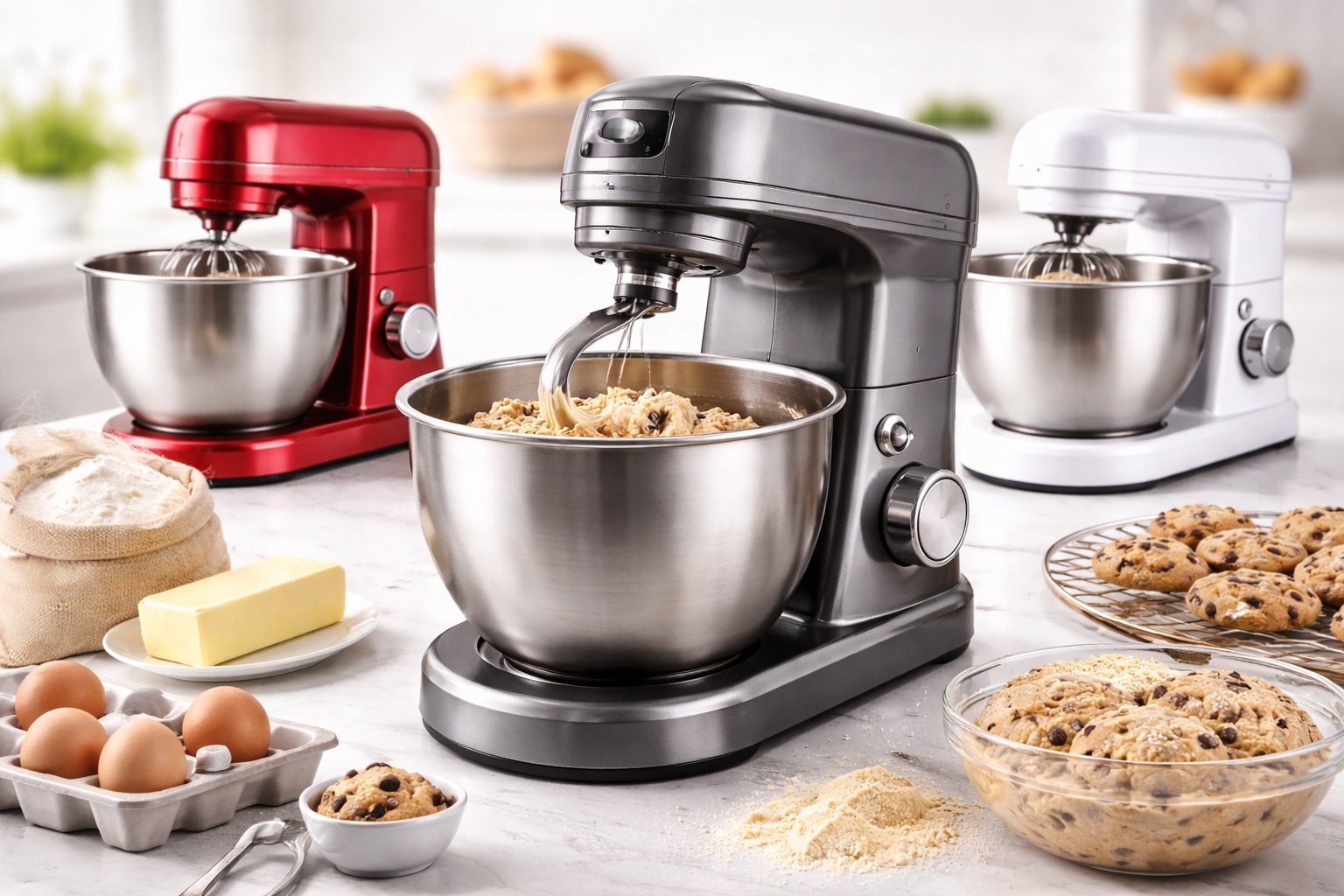
Whipping cream and mixing cake batter is easy work for almost any stand mixer, but heavy dough — thick bread doughs, bagel dough, or stiff pizza dough — is where real differences in motor power, gearing, and build quality start to show. A machine that struggles under a heavy dough hook load isn't just annoying; it can stall, overheat, or wear out prematurely. This guide compares eight popular stand mixers with a focus on how well each one is genuinely suited to demanding dough work, being honest about which models are built for the job and which are more realistically suited to lighter, everyday mixing.
Motor wattage is only part of the story. Gear design, the mixing action, and how the machine transmits torque to the dough hook all affect real-world performance under load in ways that a simple watt rating doesn't fully capture. Below, we walk through each of the eight models with that distinction in mind, calling out plainly where a machine is a genuine heavy-duty performer and where it's included as a lighter-duty, budget-friendly alternative rather than a true match for frequent, demanding dough work.
It's also worth setting expectations before you shop. "Powerful" means different things depending on whether you're mixing a weekly loaf of sandwich bread or running large batches of bagel or pizza dough several times a week. The heavier and more frequent your dough work, the more it pays to prioritize genuine mechanical torque over a general reputation for being a solid all-around mixer, which is the distinction this guide tries to draw out clearly for each model below.
Top 8 Powerful Stand Mixer Picks (Detailed Reviews)
1. Bosch Universal Plus – Best for Heavy Dough Overall
The Bosch Universal Plus, priced around $400, is widely regarded among home bread bakers as one of the strongest performers when it comes to heavy, low-hydration dough. Its unique bottom-drive design transmits power through a gear system at the base of the bowl rather than a traditional vertical motor shaft, a mechanical layout that's well known for resisting the bogging-down and stalling that can plague lighter machines under a full batch of stiff dough. Where many stand mixers start to strain past a certain dough volume, the Bosch's design was specifically engineered around large-batch, high-torque mixing, which is why it consistently comes up in discussions among serious home bakers who make bread regularly. It isn't the most compact or the cheapest machine in this roundup, and its horizontal, low-profile shape looks different from the classic stand mixer silhouette, but for genuinely heavy dough work, that unusual design is precisely the advantage. Bakers who've switched to it after years with a conventional tilt-head or bowl-lift machine frequently describe a noticeable difference in how effortlessly it handles a full batch of bagel or sourdough dough without the motor audibly laboring.
- Pros:
- Bottom-drive design built specifically for heavy, dense dough
- Handles large batches without bogging down
- Well regarded among frequent bread bakers
- Cons:
- Bulkier, low-profile footprint unlike traditional mixers
- Higher price point than several competitors
Best For: Frequent bread bakers who need a machine that won't struggle with large, heavy batches.
Why We Recommend It: Its gear-driven design is genuinely built around the exact demands of heavy dough, rather than simply being a general-purpose mixer that happens to have a strong motor.
2. Aucma Stand Mixer – Best Budget Pick for Light-to-Medium Dough
The Aucma Stand Mixer, at around $130, is a capable everyday machine, but in fairness to shoppers specifically hunting for heavy-dough performance, it's best understood as suited to light-to-medium dough rather than frequent, demanding bread work. Its tilt-head design and general build quality are solid for the price, and it will handle occasional pizza dough or a modest loaf of bread without complaint. Where it's likely to show strain is in back-to-back heavy batches or very stiff, low-hydration doughs that ask a lot of a tilt-head motor and gearing. We include it here honestly as the budget-conscious option for bakers whose "heavy dough" needs are occasional rather than a weekly habit, not as a direct substitute for the gear-driven machines built specifically around that demand. If you're just starting to explore bread baking and aren't yet sure how often you'll return to it, starting with an affordable machine like this and upgrading later if your habits become more serious is a perfectly reasonable path.
- Pros:
- Affordable entry point into stand mixer ownership
- Handles occasional bread and pizza dough reasonably well
- Solid build quality for its price tier
- Cons:
- Not designed for frequent, heavy-duty dough work
- May strain on very stiff or large dough batches
Best For: Budget-conscious bakers who make bread occasionally rather than every week.
Why We Recommend It: It's an honest, affordable option for light dough work, though we wouldn't recommend it as your primary tool if heavy dough is a frequent priority.
3. Breville Scraper Mixer Pro – Best Premium Pick for Frequent Bakers
The Breville Scraper Mixer Pro, priced around $450, is the most expensive machine in this roundup and brings genuinely strong mixing performance to go with its premium price. Its scraper beater innovation continuously scrapes the bowl during mixing, which is a convenience feature more than a dough-specific one, but the machine's overall build and motor are solid enough to handle regular bread baking without the struggles that plague lighter-duty mixers. For bakers who make bread frequently and want dependable performance without stepping into a bottom-drive design, this is one of the stronger all-around choices here, even if the Bosch remains the more specialized heavy-dough machine. Its motor also runs relatively quietly under load compared to some other machines at this power level, which is a welcome bonus for anyone mixing dough early in the morning before a full day of baking.
- Pros:
- Strong overall mixing performance for frequent bread baking
- Scraper beater reduces manual bowl-scraping between additions
- Premium build quality and finish
- Cons:
- Highest price point in this comparison
- Not as purpose-built for heavy dough as the Bosch's gear-driven design
Best For: Frequent bakers who want strong all-around performance and are willing to pay a premium for it.
Why We Recommend It: It handles regular bread baking confidently while adding genuine convenience features that pure heavy-duty machines often skip.
4. Sunbeam Mixmaster – Best Entry-Level Option for Light Dough
The Sunbeam Mixmaster pairs a 350-watt motor with a budget-friendly price around $100, and while that wattage is respectable for its price point, we want to be direct: it's better suited to light and moderate mixing than to frequent, heavy bread dough. Its long-standing brand history and simple, dependable operation make it a solid entry point for anyone just starting to bake, but shoppers whose primary goal is heavy dough performance will likely find it working harder than higher-wattage or gear-driven machines under a full batch. Included here as the accessible, lower-commitment option, it's best matched to bakers who mix dough only occasionally alongside more everyday tasks. Its lighter weight and modest price also make it a sensible choice for someone testing whether stand mixer baking is a habit they'll actually keep up before investing in a more specialized machine.
- Pros:
- Respectable 350-watt motor for the price
- Simple, dependable operation
- Long-established, trusted brand
- Cons:
- Not intended for frequent heavy dough work
- Fewer attachments than premium competitors
Best For: Occasional bakers who want an affordable machine for light mixing with the occasional dough batch.
Why We Recommend It: It's an honest, budget-friendly option, though we'd point frequent heavy-dough bakers toward one of the more purpose-built machines in this lineup.
5. KitchenAid Artisan Series – Best Iconic Choice, With a Caveat
The KitchenAid Artisan Series, around $430, brings a 325-watt motor and 10 speed settings, along with the brand recognition that's made it a kitchen fixture for decades. It's worth being upfront here: its 325-watt rating is actually lower than several other machines in this roundup, and its tilt-head design, while versatile, is generally considered less suited to the heaviest, stiffest doughs than bowl-lift or gear-driven alternatives specifically engineered for that kind of load. For moderate bread baking and typical home dough recipes, it performs well and its attachment ecosystem adds real versatility, but bakers who regularly push large batches of very dense dough may find themselves watching for strain more than they would with the Bosch. Many longtime KitchenAid owners manage this by mixing in smaller batches or letting the motor rest briefly between long dough cycles, a workaround that's common knowledge in home baking communities but worth knowing before you buy.
- Pros:
- Handles moderate, typical bread recipes confidently
- Extensive attachment ecosystem
- Strong brand reputation and resale value
- Cons:
- Lower motor wattage than several competitors here
- Less suited to the heaviest, most frequent dough work
Best For: Bakers who want an iconic, versatile machine for moderate, typical bread recipes rather than daily heavy-duty dough work.
Why We Recommend It: Its versatility and attachment support are hard to match, even though dedicated heavy-dough bakers may prefer a more specialized machine.
6. Hamilton Beach Electric – Best Ultra-Budget Pick
At around $60, the Hamilton Beach Electric is the least expensive machine in this roundup, and honestly, it's the one we'd steer serious heavy-dough bakers away from. Its planetary mixing action handles cake batter, cookie dough, and other everyday tasks reasonably well, but it isn't built with frequent, heavy dough loads in mind, and pushing it hard in that direction regularly is likely to shorten its working life. We include it for completeness and because it's a legitimate option for bakers whose dough needs are rare, but for anyone whose main goal is dependable heavy-dough performance, it's the least suited machine on this list. If your budget is this tight but dough is still a priority, we'd suggest saving a bit longer toward the Aucma or Sunbeam rather than expecting this model to keep up with regular bread baking.
- Pros:
- Lowest price point in this roundup
- Handles everyday mixing tasks well
- Simple, beginner-friendly operation
- Cons:
- Not recommended for frequent or heavy dough work
- Lower motor power than every other machine here
Best For: Bakers whose dough needs are rare and who mostly need a mixer for lighter everyday tasks.
Why We Recommend It: It's the most affordable way to own a stand mixer, though we recommend it honestly as a light-duty machine rather than a heavy-dough performer.
7. Kenwood kMix – Best All-Metal Durability Pick
The Kenwood kMix, priced around $300, brings all-metal construction to this comparison, and that build quality matters more than it might seem when it comes to dough work specifically. Metal gearing generally holds up better than plastic components under the sustained torque that heavy dough demands, and the kMix's die-cast body gives it a stable, planted feel that resists wobbling when working through a stiff batch. It isn't marketed as a specialist heavy-dough machine the way the Bosch is, but its durable construction makes it a reasonably confident choice for bakers who make bread regularly without wanting to invest in the bulkier bottom-drive design. Owners frequently praise how little the machine shifts or vibrates even during longer kneading cycles, a sign that the internal components are well matched to the demands placed on them.
- Pros:
- All-metal construction built for sustained torque
- Stable during heavier mixing sessions
- Reputable brand with established durability
- Cons:
- Not a specialist heavy-dough machine like the Bosch
- Costs more than true entry-level options
Best For: Regular bread bakers who want durable, all-metal construction without the bulkiest design on the market.
Why We Recommend It: Its build quality provides real confidence under sustained dough mixing, even without a specialized gear-driven mechanism.
8. Cuisinart SM-50 – Best High-Wattage Mid-Range Pick
The Cuisinart SM-50 brings a 500-watt motor, the highest rated wattage in this entire roundup, to a price point around $350 that sits below the very top tier. For bakers who prioritize raw motor power as a proxy for dough-handling capability, this is one of the more compelling numbers in this comparison, and in practice it handles moderate to fairly heavy dough with less audible strain than lower-wattage competitors. It doesn't have the specialized gear-driven mechanism of the Bosch, so extremely large or frequent commercial-style batches may still favor that machine, but for most home bakers tackling regular bread and pizza dough, its power output is a genuine asset. Its motor also tends to maintain speed more consistently as dough stiffens partway through kneading, rather than visibly slowing down the way some lower-wattage machines do toward the end of a cycle.
- Pros:
- 500-watt motor, the highest in this comparison
- Handles moderate to heavy dough with less strain
- Strong value relative to its power output
- Cons:
- No specialized gear-driven mechanism like the Bosch
- Priced above true entry-level machines
Best For: Bakers who want the strongest motor in this lineup without paying for a specialized heavy-duty design.
Why We Recommend It: Its high wattage translates into genuinely confident performance on regular bread and pizza dough at a reasonable mid-range price.
Buying Guide: How to Choose the Best Powerful Stand Mixer
Choosing a stand mixer for heavy dough involves looking past the marketing copy and focusing on the mechanical details that actually determine whether a machine will hold up under sustained, demanding use. The sections below cover what genuinely matters when power and torque are the priority.
1. Motor Wattage as a Starting Point
Wattage gives a rough sense of how much power a motor can deliver, and for heavy dough work, aiming for at least 400 to 500 watts is a reasonable baseline. That said, wattage alone doesn't guarantee good dough performance if the gearing and mixing mechanism aren't designed to transmit that power efficiently.
2. Gear-Driven vs. Belt-Driven Mechanisms
Some heavy-duty mixers use direct gear-driven mechanisms rather than belts, which generally transmit torque more efficiently and resist slipping under a stiff dough load. This mechanical detail often matters more for dough-specific performance than the wattage number printed on the box. Manufacturer product descriptions don't always spell this out clearly, so it's worth searching for the specific mechanism used in any model you're seriously considering.
3. Bowl Capacity for Larger Dough Batches
If you regularly make large batches of bread or bagel dough, a bowl in the 6-quart-plus range gives you room to work without overloading the machine. Overfilling a smaller bowl is one of the more common ways home bakers strain a motor prematurely. As a rule of thumb, dough should never come more than about two-thirds up the side of the bowl during kneading, leaving enough room for it to move freely.
4. Dough Hook Design
Look closely at the shape and material of the included dough hook. A well-designed hook mimics hand-kneading motion more effectively, reducing unmixed pockets of flour at the bottom of the bowl and cutting down on total mixing time.
5. Motor Overload Protection
Many stand mixers include a thermal overload cutoff that shuts the motor down if it senses excessive strain, protecting it from damage during particularly stiff or oversized batches. This feature is worth checking specifically if you plan to push a machine toward its rated capacity regularly. Triggering this cutoff occasionally isn't a sign of a bad machine; it's the safety mechanism working as intended, though it happening frequently may mean the mixer isn't matched to your typical batch size.
6. Speed Range for Dough Work
Dough generally needs to be mixed and kneaded at lower speeds to avoid overworking gluten too quickly or straining the motor. A dedicated low-speed setting built specifically for dough is a meaningful feature worth checking for.
7. Build Material & Long-Term Durability
All-metal gearing and housings generally withstand the sustained torque of heavy dough better than plastic components over years of regular use. If dough is a frequent part of your baking routine, this is one of the areas worth prioritizing over a slightly lower price. Plastic gears are sometimes intentionally designed as a sacrificial component to protect the motor, which is worth knowing before assuming any cracked gear signals a defective machine.
8. Counter Stability During Heavy Mixing
A heavier, more stable base resists walking or vibrating across the counter when working through a stiff dough load. Rubber feet and a low center of gravity both contribute meaningfully to this stability during demanding mixing sessions.
9. Noise Under Load
Some mixers get noticeably louder specifically when working through heavy dough compared to lighter mixing tasks, since the motor is working harder. It's worth checking user feedback about noise levels under a full dough load rather than just at idle or light-mixing speeds.
10. Attachment Compatibility for Bread Baking
Some brands offer accessories like proofing settings, additional dough hooks, or bread-specific attachments that can genuinely improve results for frequent bread bakers. Check whether your chosen machine supports this kind of expansion if bread is a regular priority.
11. Warranty Coverage for Heavy Use
Manufacturers sometimes offer different warranty terms depending on whether a machine is used commercially or for heavy personal use, so it's worth reading the fine print if you plan to run your mixer through frequent, demanding dough sessions.
12. Price vs. Genuine Heavy-Duty Capability
Not every expensive stand mixer is genuinely built for heavy dough, and not every affordable one is incapable of it. Focus on the specific mechanical design rather than assuming price alone reflects dough-handling capability.
13. Brand Reputation Among Serious Bakers
Bread-baking communities and forums are a useful resource for identifying which machines genuinely hold up to years of heavy dough use versus which look capable on paper but develop issues under sustained real-world demand.
Frequently Asked Questions
How much wattage do I need for heavy bread dough?
Most experienced bread bakers recommend at least 400 to 500 watts for regular, heavy dough work, though gearing design and build quality matter just as much as the raw wattage number.
Can a tilt-head mixer handle heavy dough as well as a gear-driven machine?
Tilt-head mixers can generally handle moderate dough work well, but frequent, very heavy or stiff dough batches tend to be better suited to machines specifically engineered with gear-driven or bottom-drive mechanisms.
What happens if I overload my stand mixer with too much dough?
Overloading a mixer beyond its rated bowl capacity can cause the motor to strain, overheat, or trigger a thermal cutoff if one is present. It can also shorten the machine's overall lifespan if it happens repeatedly.
Is a bottom-drive design better than a traditional stand mixer for dough?
For very heavy, frequent dough work, bottom-drive designs are often preferred by serious bakers because they transmit torque efficiently and resist bogging down under large batches, though they typically have a different, bulkier footprint.
Do I need a specific dough hook, or will any beater work?
A dedicated dough hook is designed specifically to knead dough effectively, mimicking a hand-kneading motion. Using a standard flat beater for dough generally produces worse results and can strain the motor more than necessary.
How can I tell if a stand mixer is genuinely built for heavy dough versus just marketed that way?
Look past marketing language and focus on the gearing mechanism, motor wattage, bowl capacity, and feedback from bakers who specifically use the machine for frequent bread or pizza dough rather than general reviews. Baking-focused forums and communities tend to be more candid about long-term dough performance than general marketplace reviews.
Are budget stand mixers ever suitable for heavy dough?
Some budget models can handle occasional, moderate dough work reasonably well, but frequent, heavy dough sessions generally require a machine with stronger motor power and more durable gearing than most entry-level mixers offer.
Does a heavier stand mixer always mean more power?
Not necessarily, but weight is often correlated with more robust internal components, including metal gearing and a sturdier motor housing, both of which tend to support better heavy-dough performance.
How do I know when my stand mixer is struggling with a dough batch?
Signs include the motor noticeably slowing down, unusual grinding or straining noises, the machine "walking" across the counter, or the motor housing becoming very warm during mixing.
Can heavy dough work damage a stand mixer over time?
Yes, particularly with machines not designed for it. Repeatedly pushing a lighter-duty mixer past its intended capacity can wear down gears and strain the motor, shortening its useful life significantly.
Is it worth paying more for a specialized heavy-dough stand mixer?
If bread or heavy dough is a frequent, regular part of your baking routine, a specialized machine is generally a worthwhile investment, since it reduces wear on the motor and produces more consistent results than pushing a general-purpose mixer to its limits. If dough is only occasional, a general-purpose machine is usually sufficient and a specialized mixer may be more capability than you actually need.
What's the difference between kneading by hand and using a stand mixer for heavy dough?
A properly powered stand mixer with the right dough hook can replicate the kneading motion of hand-mixing more consistently and with less physical effort, though very small or delicate batches are sometimes still easier to manage by hand.
Should I choose motor power or gear design when picking a heavy-dough mixer?
Both matter, but gear design and torque transmission often make a bigger practical difference under sustained heavy dough loads than the wattage number alone, which is why we've weighted both factors throughout this guide.
Final Verdict
- Top Pick: Bosch Universal Plus for its purpose-built, gear-driven design that genuinely excels at heavy, frequent dough work.
- Budget Choice: Hamilton Beach Electric for the lowest price at around $60, best suited to occasional rather than frequent dough work.
- Premium Choice: Breville Scraper Mixer Pro for shoppers willing to pay around $450 for strong all-around performance and premium build quality.
If heavy, frequent dough work is genuinely your priority, the Bosch Universal Plus stands apart from the rest of this lineup thanks to its purpose-built, gear-driven mechanism. The Cuisinart SM-50 and Kenwood kMix are solid, more traditional alternatives for bakers who want strong performance without the Bosch's unusual footprint, while the Breville Scraper Mixer Pro rounds out the premium tier with excellent all-around capability. The Hamilton Beach Electric, Sunbeam Mixmaster, and Aucma Stand Mixer remain reasonable, affordable choices, but we'd encourage anyone whose dough needs are frequent and demanding to be realistic about their limits rather than pushing a lighter-duty machine past what it was built for. The KitchenAid Artisan Series still deserves a place on any shortlist thanks to its versatility and attachment ecosystem, provided you keep your expectations calibrated to moderate rather than extreme dough loads. Matching the machine to how often and how heavily you actually bake will serve you far better than chasing the single highest wattage figure on a spec sheet.