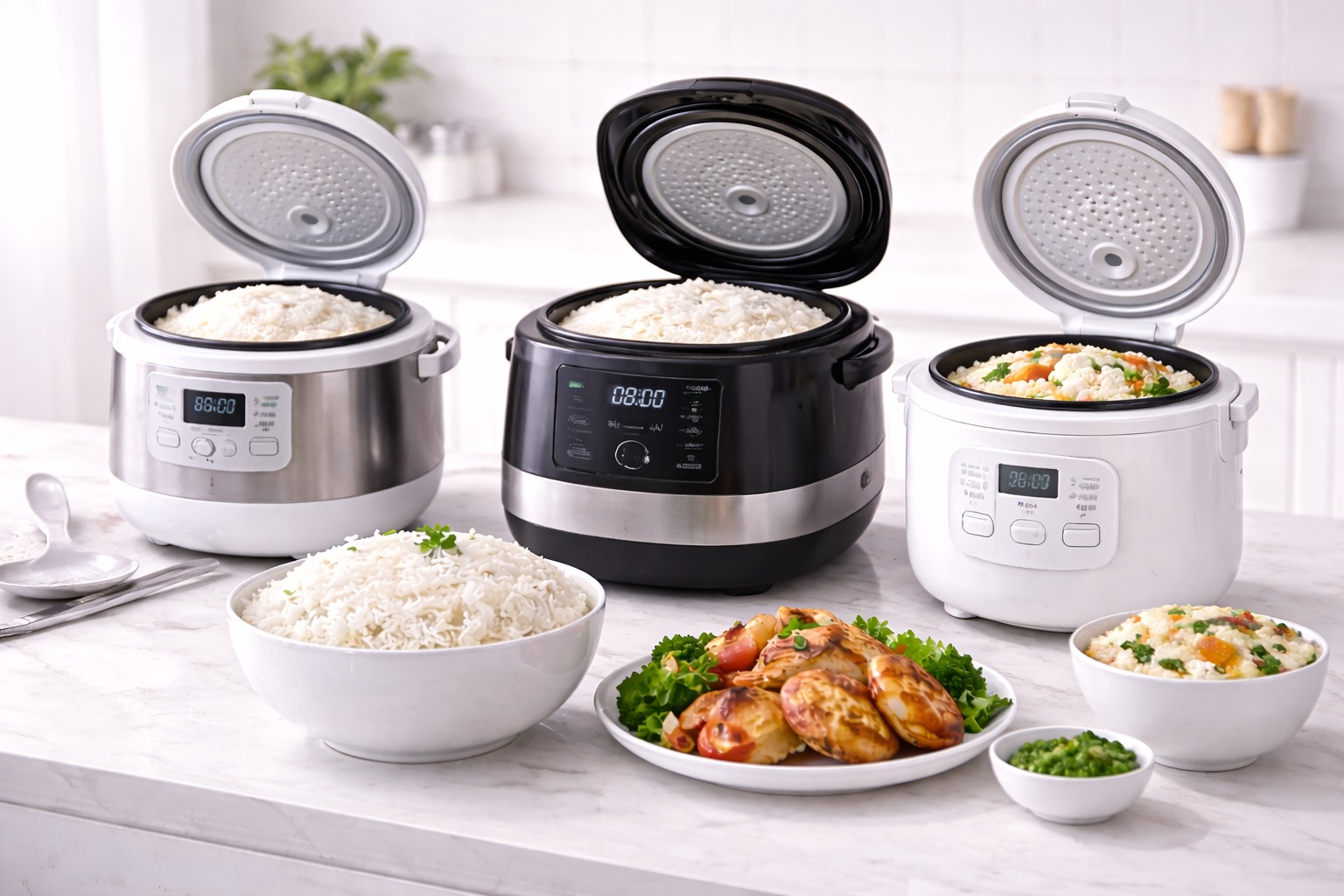
Best Rice Cookers Under $150: Premium Rice Technology at a Practical Price
Rice is the daily staple for over half the world\'s population — and yet many households cook it inconsistently, producing results that range from perfectly fluffy to disappointingly soggy or crunchy depending on the day. A quality rice cooker eliminates this variability, producing consistent results every time with less attention than stovetop cooking requires.
The rice cooker category spans from simple $20 on/off models to $400+ induction heating with artificial intelligence. Understanding where on this spectrum your cooking needs actually fall — and why the features at each tier produce the results they do — is the key to making a purchase decision you\'ll be satisfied with for years.
This guide explains the technology behind different rice cooker types, what each produces in practical daily cooking terms, and which type best matches your household's rice eating habits, daily volume, and quality expectations.
Quick Comparison: Top Picks at a Glance
| Product Type | Best For | Our Take |
|---|---|---|
| Basic Micom Rice Cooker | Best for Consistent Everyday Rice | Best everyday reliability for mixed rice variety households. |
| Induction Heating Rice Cooker | Best for Premium Rice Quality | Best premium rice quality for serious rice cuisine households. |
| Multi-Cooker Rice Cooker Combination | Best for Cooking Versatility | Best appliance-count efficiency for versatile daily home cooking. |
Top rice cooker under $150 Picks — In-Depth Reviews
Each product type below has been evaluated based on real performance factors relevant to buyers who want advanced rice cooking technology — fuzzy logic, induction heating, or multi-grain support — without reaching premium appliance pricing. We've included detailed performance notes, value assessments, and clear guidance on who each option suits best.
1. Basic Micom Rice Cooker — Best for Consistent Everyday Rice
A micom (microcomputer) rice cooker uses fuzzy logic to sense the moisture level and temperature inside the pot during cooking and automatically adjusts heat and timing for consistent results regardless of rice variety or quantity. Unlike conventional rice cookers that apply fixed heat cycles, micom models adjust dynamically — producing fluffier, more evenly cooked rice with less supervision.
Micom cookers handle white rice, brown rice, and mixed grains reliably without manual adjustment between varieties. Most include a keep-warm function that maintains rice at serving temperature for up to 12 hours after cooking without overcooking. At 3–5.5 cup capacities, basic micom cookers suit households of 1–4 people cooking daily. The price premium over conventional cookers is modest but the quality improvement for everyday rice is meaningful.
- Pros:
- Fuzzy logic adjusts for rice type and quantity automatically
- Keep-warm holds rice at serving temperature for hours
- Handles white, brown, and mixed grain varieties
- Consistent results without manual adjustment
- Cons:
- Cost more than basic on/off models
- Micom logic doesn't match induction heating quality for premium rice
Best For: Households who cook rice daily and want consistent results across different rice types without manual adjustments.
Performance Verdict: The fuzzy logic adjustment is what separates micom cookers from basic models — it produces consistent results even when rice quantity, variety, or water ratio varies slightly from the ideal, which is how most daily cooking actually happens.
Who Should Buy This: Daily rice cooks who want reliable results for all white and brown rice varieties without thinking about specific water ratios or timing adjustments.
Value Assessment: Micom cookers cost 50–100% more than basic on/off models but deliver meaningfully better rice quality and reliability for daily use. For households eating rice daily, the quality improvement justifies the modest additional investment.
2. Induction Heating Rice Cooker — Best for Premium Rice Quality
Induction heating (IH) rice cookers use electromagnetic energy to heat the inner pot directly rather than through a conventional heating plate. This produces more even heat distribution across the entire inner pot surface, eliminating the hot-spot cooking that conventional and even micom cookers can produce. The result is rice of noticeably higher quality — more consistent texture from bottom to top, better gloss, and superior separation.
IH cookers with fuzzy logic combine two quality advantages: even heat distribution and adaptive cooking intelligence. These represent the top tier of rice cooker technology and are the standard used in high-end Japanese restaurants and households where rice quality is a primary culinary priority. They handle sushi rice, Japanese short-grain, brown rice, multigrain, and even porridge and bread in the same unit.
- Pros:
- Electromagnetic heating provides the most even heat distribution
- Superior rice quality — texture, gloss, and grain separation
- Handles premium rice varieties for superior results
- Multi-menu programs for sushi rice, brown rice, porridge, and bread
- Cons:
- Significantly higher cost than conventional or basic micom alternatives
- Technology investment not necessary for everyday white rice cooks
Best For: Households where rice quality is a genuine culinary priority — particularly those cooking Japanese, Korean, or other East and Southeast Asian cuisines where rice texture and quality are fundamental to the meal.
Performance Verdict: The quality difference between induction heating rice and conventional cooker rice is most noticeable for short-grain Japanese-style rice and sushi rice. For long-grain rice where texture is less critical, the difference is smaller. If premium rice quality matters to your meals, IH is the right technology choice.
Who Should Buy This: Serious home cooks for whom rice quality is fundamental to their cuisine — particularly Japanese, Korean, and refined pan-Asian cooking where rice texture and presentation are part of meal quality.
Value Assessment: IH rice cookers represent a significant price premium. For households eating premium rice daily, the cost-per-meal of superior rice preparation is modest when amortized across thousands of meals over the appliance's lifespan.
3. Multi-Cooker Rice Cooker Combination — Best for Cooking Versatility
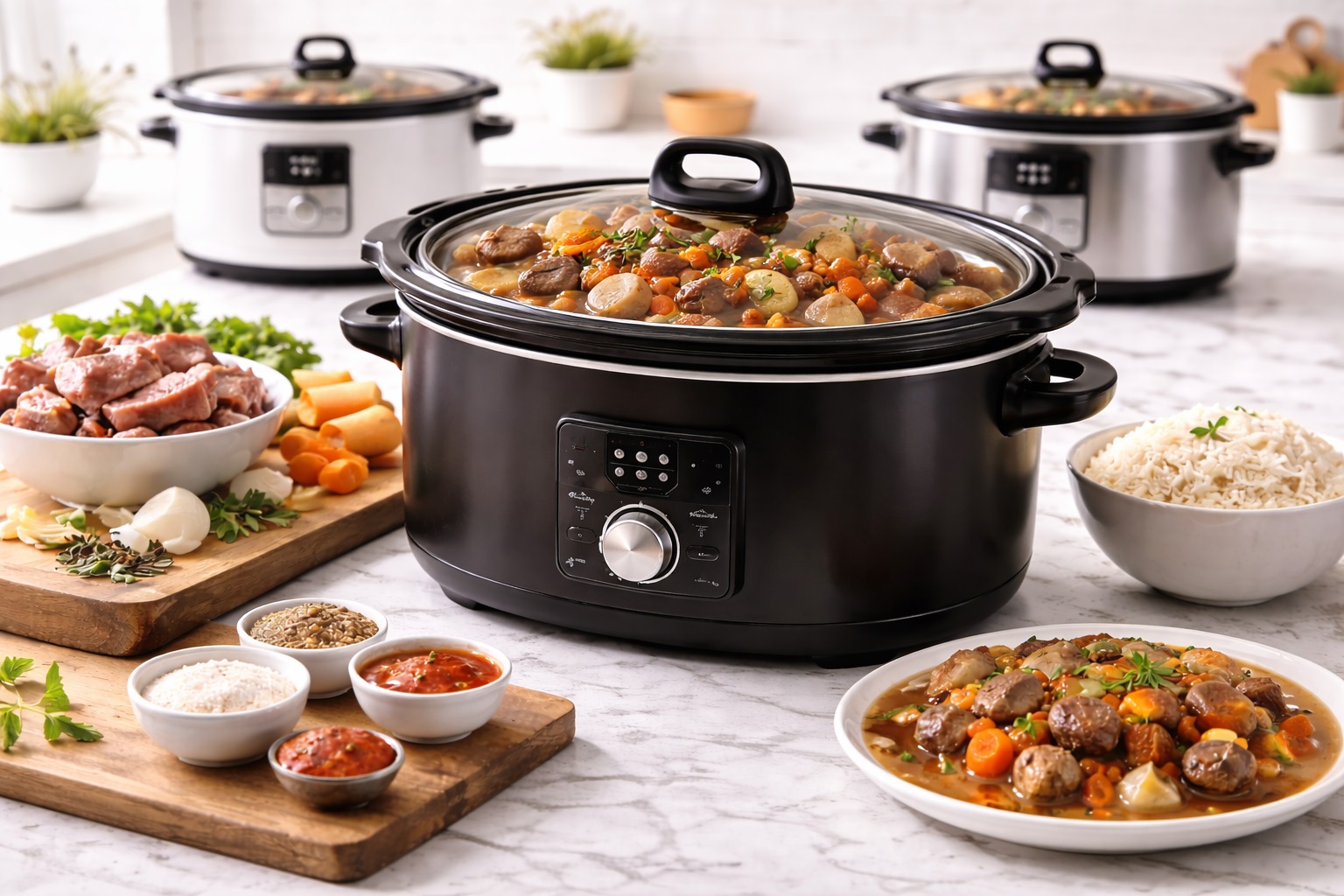
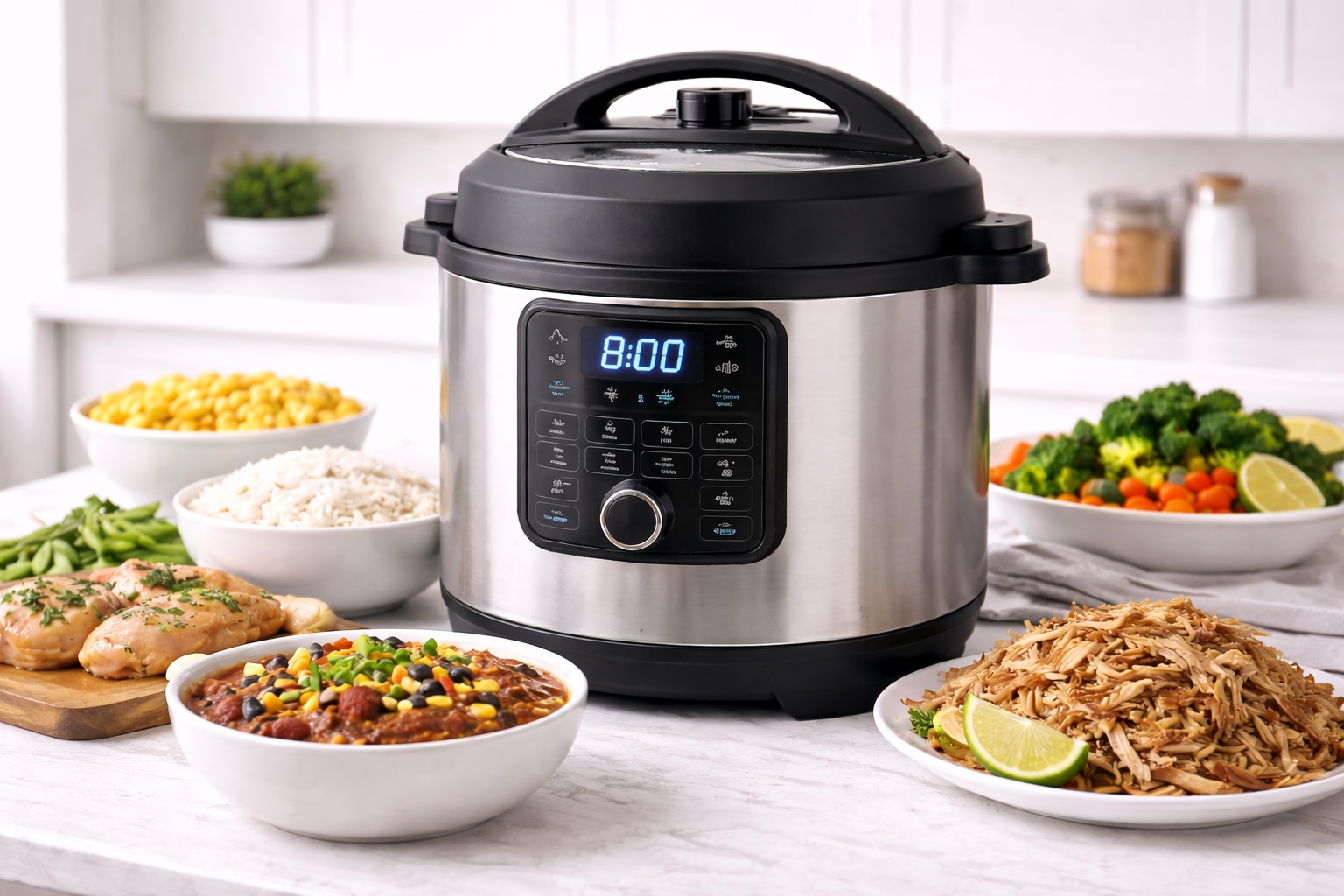
A multi-cooker that includes a rice cooker function performs rice cooking alongside slow cooking, steaming, sautéing, pressure cooking, and yogurt-making in the same unit. This consolidates the rice cooker and pressure cooker into a single counter appliance. For households where counter space is limited or where cooking versatility is valued over rice cooking specialization, the multi-cooker approach provides more functional value.
Multi-cookers with good rice programs produce adequate rice — generally better than basic on/off cookers and comparable to entry-level micom models. However, the rice quality from a dedicated IH rice cooker exceeds what a multi-cooker's rice program delivers, particularly for premium short-grain varieties. The trade-off is multi-functional versus single-function specialty.
- Pros:
- Consolidates rice cooker and pressure cooker in one unit
- Saves counter space versus two separate appliances
- Wide cooking versatility for varied daily cooking needs
- Pressure cook function significantly reduces brown rice cooking time
- Cons:
- Rice quality slightly below a dedicated rice cooker at equivalent price
- Learning multiple functions takes time versus single-function mastery
Best For: Households who want cooking versatility from a single appliance and are willing to accept good (rather than exceptional) rice quality in exchange for multi-function convenience.
Performance Verdict: Multi-cookers are the right choice for households where rice is one of several regular cooking methods rather than the primary daily cooking task. If you cook rice daily as the centerpiece of most meals, a dedicated rice cooker produces meaningfully better results.
Who Should Buy This: Home cooks who value appliance consolidation and want both rice cooking and pressure cooking in a single counter unit.
Value Assessment: Multi-cookers typically cost similar to or more than basic dedicated rice cookers. The value proposition is cooking function per dollar of counter space rather than per-dollar cooking quality comparison.
Complete Buying Guide: How to Choose the Best Best Rice Cookers Under $150: Premium Rice Technology at a Practical Price
Knowing which product to buy is one challenge. Understanding why one product is better suited to your specific situation is the more useful skill. The following guide explains every important buying factor in plain, practical terms.
1. Cooked Rice Yield vs Dry Rice Volume
Rice cooker capacity is measured in cups of uncooked rice. 1 cup of uncooked rice produces approximately 2–2.5 cups of cooked rice. A 3-cup rice cooker (uncooked capacity) produces 6–7.5 cups of cooked rice — enough for 2–3 people with generous servings. A 5.5-cup cooker produces approximately 11–13 cups cooked — enough for 4–6 people.
Pro Tip: When choosing capacity, think in terms of the cooked rice you need per meal. If you eat 1.5 cups of cooked rice per serving for two people, you need at least 3 cups of cooked rice per session — achievable in a 2-cup (uncooked) minimum capacity cooker.
2. Water Ratios for Different Rice Types
White short-grain Japanese rice: 1 cup rice to 1.1–1.2 cups water. Long-grain white rice (jasmine, basmati): 1 cup to 1.5–1.75 cups water. Brown rice: 1 cup to 1.75–2 cups water. The water line markings inside most rice cooker pots assume the corresponding rice variety — verify which markings apply to which variety in your specific model.
Pro Tip: Wash rice before cooking (2–3 rinses until water runs clearer) — this removes surface starch that causes clumping and produces a fluffier final texture. After washing, allow rice to soak for 15–30 minutes before starting the cooker for best texture results with short-grain varieties.
3. Keep-Warm Function Performance
Keep-warm holds cooked rice at approximately 140°F — above bacterial growth temperature. Most keep-warm systems are effective for 6–8 hours without rice quality noticeably degrading. After 10–12 hours, the bottom layer of rice begins to dry and yellow. For daily use, planning cooking timing to align with meal time and using keep-warm for a maximum of 4 hours produces the best results.
Pro Tip: If you need rice at different meal times throughout the day, cook a full batch in the morning and consume across meals rather than using keep-warm for extended periods.
4. Non-Stick Inner Pot Maintenance
Rice cooker inner pots use non-stick coatings that degrade with improper cleaning. Never use metal utensils inside the pot — this includes metal rice paddles. Hand-wash the inner pot with warm soapy water and a soft sponge. Allow to dry completely before reinserting. The inner pot is the most frequently replaced component in rice cookers — proper care extends its effective life significantly.
Pro Tip: If non-stick coating begins showing scratching or chipping, replace the inner pot rather than continuing to use the damaged surface. Replacement inner pots are available from manufacturers for most established models.
5. Brown Rice Considerations
Brown rice requires more water (25–50% more than white rice) and longer cooking time (40–60 minutes versus 20–25 for white rice) due to the intact bran layer that water must penetrate. Most micom cookers include a dedicated brown rice setting that adjusts automatically. Conventional on/off cookers often produce suboptimal brown rice — the fixed timing cycle may not be sufficient for full bran-layer penetration.
Pro Tip: Soaking brown rice for 2 hours before cooking significantly improves texture by allowing pre-penetration of the bran layer. If your daily schedule allows pre-soaking, this produces noticeably fluffier results regardless of rice cooker type.
6. Steaming Vegetables and Proteins
Most rice cookers include a steaming basket that allows simultaneous rice cooking and food steaming. Place vegetables or proteins (fish, dumplings, eggs) in the steam basket while rice cooks below. The steam from the cooking rice passes through the basket and cooks the food above. This simultaneous cooking produces a complete one-pot meal without additional cookware.
Pro Tip: Timing varies for different foods in the steam basket. Dense vegetables (carrots, broccoli) need the full cooking cycle. Delicate foods (fish, already-cooked proteins) should be added midway through to prevent overcooking.
7. Porridge and Congee Functions
Micom and IH rice cookers with porridge functions use extended cooking times and larger water ratios to produce smooth, well-developed congee or oatmeal. The micom logic prevents boil-overs that occur when cooking porridge in conventional pots by adjusting heat at the critical bubble formation stage. For households who eat congee or porridge regularly, this function replaces stovetop cooking with a hands-off, consistent result.
Pro Tip: Traditional Chinese congee uses a 1:8–10 rice to water ratio and 45–60 minute extended cooking at moderate temperature. Most rice cookers with porridge function replicate this cycle automatically when the porridge setting is selected.
8. Storing Leftover Rice Safely
Cooked rice kept at room temperature becomes a bacterial growth risk within 2 hours. Refrigerate leftover rice immediately after the meal in a sealed container for up to 4 days. Freeze in portion-sized packets for up to 3 months. Reheat with a tablespoon of water in the microwave or in the rice cooker using the steam function to restore moisture.
Pro Tip: Never leave cooked rice in the rice cooker on keep-warm for more than 12 hours. Beyond this point, bacterial risk increases and rice quality deteriorates noticeably.
9. Multi-grain Rice Cooking
Many modern rice cookers include multi-grain settings for cooking mixed rice with barley, millet, quinoa, and other grains. Multi-grain settings extend cooking time and adjust water ratios for the longer cooking requirements of whole grains. Soaking mixed grains for 30–60 minutes before cooking significantly improves texture and reduces the cooking time required for even results.
Pro Tip: Different grains have different water requirements and cooking times. When experimenting with new grain combinations, start with small batches and adjust water ratios and timing based on results before committing to larger quantities.
10. Cleaning After Sticky Rice Varieties
Sticky (glutinous) rice and sushi rice leave more starch residue on the inner pot than standard varieties. Soak the inner pot in warm water for 15 minutes immediately after removing the rice — this prevents the starch from drying and hardening, which makes subsequent cleaning significantly harder. The steam basket and lid seals should also be washed after every use to prevent mold development in moisture-trapping joints.
Pro Tip: A small amount of rice vinegar added to the rinse water during cleaning helps dissolve residual starch from the inner pot after sticky rice cooking.
Understanding rice cooker under $150: What the Specifications Actually Mean
Product listings for rice cooker under $150 use technical language that can be difficult to evaluate without context. This section translates the most important specifications into plain terms so you can compare products accurately.
The Difference Between Conventional, Micom, and IH Rice Cookers
Conventional (on/off) rice cookers apply constant heat until a bimetallic thermostat detects a temperature spike (indicating all water has evaporated) and switches to keep-warm. This produces adequate results for white long-grain rice but is imprecise for other varieties. Micom (fuzzy logic) cookers use a microprocessor to continuously measure and adjust temperature and timing based on rice behavior during cooking — producing significantly more consistent results across varieties and quantities.
IH (induction heating) adds electromagnetic direct-pot heating to micom logic. The even heat distribution from IH technology produces the most consistent texture from top to bottom of the pot, eliminating the bottom-layer overcooking that even good micom cookers can exhibit. The quality hierarchy — conventional < micom < IH — directly correlates with price tier at any given capacity.
Why Rice Washing Matters
Surface starch on rice is removed during the polishing process but remains on the grain surface as loose flour-like powder. When not washed, this surface starch gelatinizes during cooking into a sticky coating that causes grains to clump together. Washing removes surface starch, allowing grains to cook separately and produce the individual, fluffy texture that well-prepared rice should have.
Traditional Japanese rice preparation involves 2–3 washing cycles in cold water until the water runs nearly clear. This level of washing removes approximately 10% of the rice's surface starch. For long-grain varieties like basmati, washing also removes pesticide residue that clings to the grain surface from processing — an additional hygiene benefit beyond texture.
The Physics of Perfect Rice Texture
Rice cooking is a hydration and starch gelatinization process. Each rice grain must absorb sufficient water to fully hydrate the starch granules inside, which convert from crystalline to gelatinized form during heating — this is what transforms raw rice into cooked rice. Insufficient water (or insufficient cooking time) leaves starch granules incompletely gelatinized, producing crunchy or chalky grains. Excess water leaves grains over-saturated, producing mushy texture.
Temperature also matters: rice cooked at a rolling boil throughout loses moisture too quickly and dries before full starch gelatinization. The ideal rice cooking process involves a brief high-heat start to bring water to boil, followed by reduced heat for gentle simmering that allows full water absorption before the remaining moisture evaporates. This is exactly the cycle that micom and IH cookers replicate — mimicking the precise stovetop technique of experienced rice cooks without requiring any manual skill.
Rice Cooker Maintenance and Lifespan
A quality rice cooker from an established brand should last 7–15 years with proper maintenance. The inner pot non-stick coating is the first component to require attention — most will last 3–5 years before notable coating degradation with daily use. Replacement inner pots are available from manufacturers for established models at $20–50, making pot replacement more economical than full unit replacement.
The heating plate and micom circuitry are rarely the failure point in properly maintained cookers. Common failure causes: overfilling liquid causing moisture damage to control circuitry, using metal utensils that scratch and eventually compromise the inner pot seal, and using abrasive cleaners that damage gaskets and seals. Avoiding these practices significantly extends appliance lifespan.
Frequently Asked Questions About rice cooker under $150
These are the questions buyers most commonly ask before purchasing a rice cooker under $150. Each answer reflects real-world usage rather than manufacturer marketing language.
1. How much water do I use for rice in a rice cooker?
The general ratio for white rice in most rice cookers is 1:1.2 to 1:1.5 (rice to water). Use the water fill lines inside the pot for your specific model — they're calibrated for the pot's specific depth and heating pattern. Brown rice needs 1:1.75–2. The easiest approach: fill water to the corresponding line inside the pot for the variety you're cooking and let the micom logic handle the rest.
2. Why is my rice still hard after cooking?
Common causes: insufficient water ratio, rice not washed (excess surface starch preventing water penetration), old or improperly stored rice (starch degrades over time), or rice cooker issue. Try increasing water ratio by 10% and washing rice before cooking. If the problem persists, use a meat thermometer to verify the cooker reaches 212°F during the cooking cycle — a cooker not reaching full boil produces undercooked rice.
3. Can I cook pasta or other grains in a rice cooker?
Yes, with adjustments. Quinoa: 1:2 ratio, use the white rice setting. Oatmeal: 1:2.5 ratio, use porridge setting. Barley: 1:3 ratio, extended brown rice or multi-grain setting. Short pasta can be cooked with doubled water ratio and extended cycle. Micom cookers handle alternative grains better than conventional models. Check your manual for specific grain settings.
4. Is a $20 rice cooker as good as a $200 one?
For basic white long-grain rice, the difference is modest — a $20 conventional cooker produces acceptable rice. For brown rice, sushi rice, short-grain Japanese rice, and mixed grains, the quality gap widens significantly. If rice is a daily staple in your household and texture matters to you, the micom or IH investment produces noticeably better daily results. The higher price is justified proportionally to how frequently and how critically you eat rice.
5. How long can I leave rice in a rice cooker?
On keep-warm: safely 6–8 hours before quality degrades; food safety guidelines recommend no more than 4 hours at keep-warm temperature. At room temperature: refrigerate within 2 hours. In the refrigerator: consume within 4 days. In the freezer: up to 3 months in sealed containers.
6. Does a rice cooker use a lot of electricity?
A typical rice cooker draws 300–700W during cooking and 30–50W during keep-warm. A single cooking session for 3 cups of rice at 500W for 25 minutes uses approximately 0.21 kWh — about $0.03 at average electricity rates. Keep-warm for 4 hours adds approximately 0.16 kWh ($0.02). Daily use costs approximately $15–20 per year in electricity — negligible.
7. Can I use a rice cooker for meal prep?
Yes, very effectively. Cook a large batch of rice for the week using the full capacity of your cooker. Portion into containers and refrigerate immediately after cooling. Reheat with 1–2 tablespoons of water per cup of rice in the microwave or returned to the rice cooker on the steam setting. Batch-cooked rice maintains quality in refrigeration for 4 days.
8. Why does my rice taste different from restaurant rice?
Restaurant-quality Japanese and Korean rice typically uses premium short-grain varieties (Koshihikari, Hitomebore) with precise washing technique and often IH induction heating. If you're using standard grocery store long-grain rice in a basic cooker, the quality ceiling is lower regardless of technique. Upgrading to premium rice varieties produces dramatic improvement without changing equipment.
9. Should I soak rice before cooking?
For Japanese short-grain and brown rice: yes, soaking for 20–30 minutes improves texture by pre-hydrating the grain before cooking begins. For long-grain varieties (basmati, jasmine): soaking is optional but can improve texture. For standard white long-grain: soaking provides minimal improvement. The most impactful pre-cooking step for most varieties is thorough washing, not soaking.
10. What is the best rice for a rice cooker?
Short-grain Japanese rice (Koshihikari, Calrose) produces the most distinctive and appreciated results in a quality rice cooker — this is the combination rice cooker technology was designed to optimize. Jasmine and basmati produce excellent results too. Long-grain white rice, brown rice, and mixed grains all work well in micom and IH cookers with appropriate settings.
Final Verdict — Which rice cooker under $150 Should You Buy?
Your rice cooker decision should be driven by two factors: how frequently you eat rice and what rice varieties you cook. Daily white rice eaters cooking long-grain varieties are well-served by a reliable micom model. Households cooking premium short-grain or diverse grain varieties benefit from the quality investment of an IH model. Households wanting versatile cooking beyond rice get more total value from a multi-cooker combination.
- Best for Consistent Everyday Rice: Basic Micom Rice Cooker — Best everyday reliability for mixed rice variety households.
- Best for Premium Rice Quality: Induction Heating Rice Cooker — Best premium rice quality for serious rice cuisine households.
- Best for Cooking Versatility: Multi-Cooker Rice Cooker Combination — Best appliance-count efficiency for versatile daily home cooking.
Whatever your choice, rice cooker cooking requires far less skill and attention than stovetop rice preparation while consistently producing equal or better results. The investment in the right rice cooker pays dividends at every meal.