Best Stainless Steel Slow Cooker in 2026
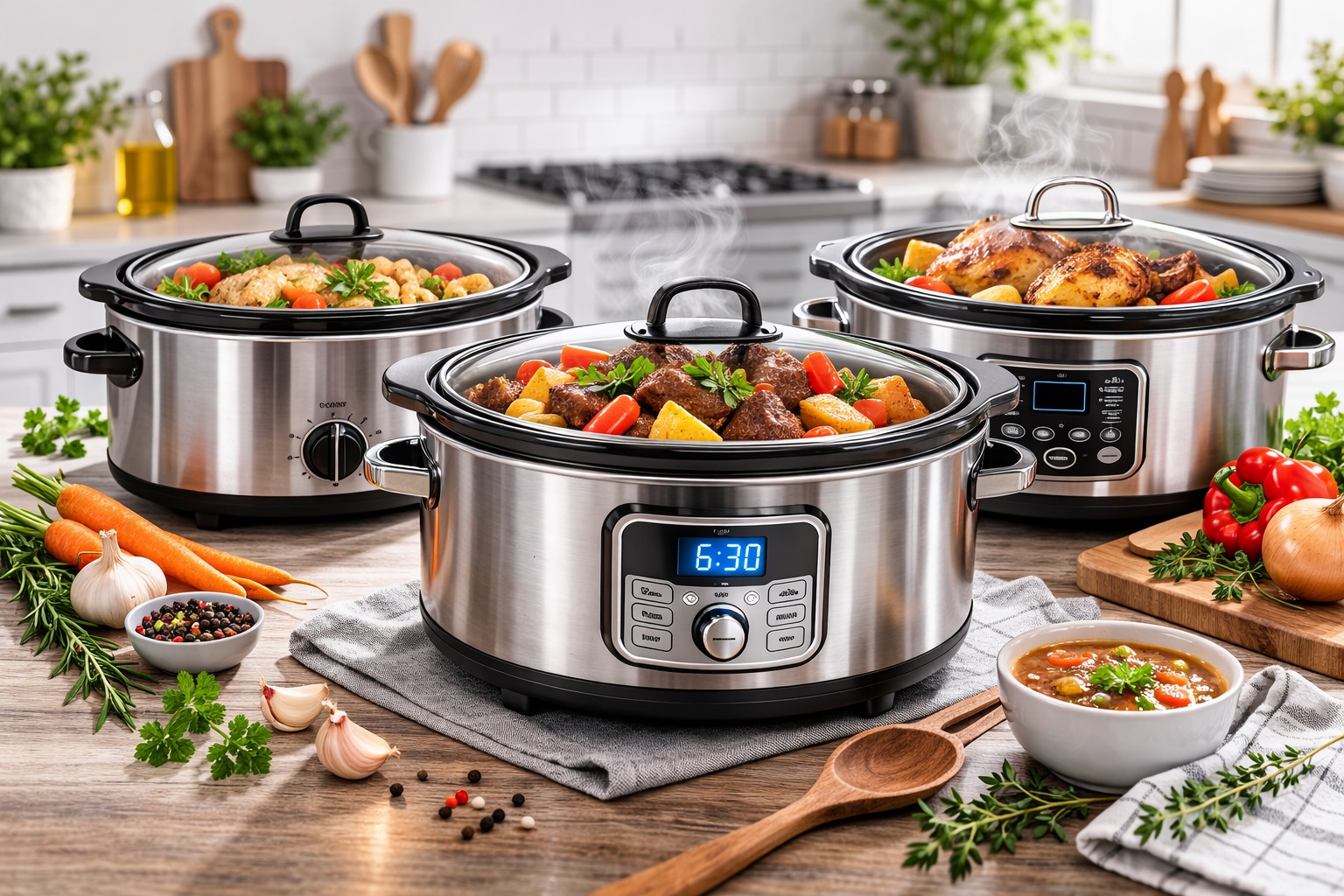
Shoppers searching for a "stainless steel slow cooker" are usually after the same underlying thing: an appliance that feels sturdier, looks more polished on the counter, and holds up better over years of regular use than the cheapest plastic-and-basic-ceramic option available at the very bottom of the market. In practice, stainless steel most often shows up on the exterior housing and lid rather than the cooking insert itself, which is more commonly ceramic, ceramic nonstick, or cast aluminum. This guide compares eight slow cookers with an eye toward genuine construction quality and premium materials, being upfront about where each model's strengths actually lie rather than relying on marketing language alone.
None of the eight models compared here are confirmed by the manufacturer specifics available to use a fully stainless steel insert, so if that specific detail is a hard requirement for you, it's worth checking the current product listing directly rather than assuming based on a model's general premium positioning, styling, or price point alone. What this guide can speak to confidently is overall build quality, insert material, and brand reputation, the factors that most reliably indicate a genuinely premium appliance regardless of how it's marketed or which specific term appears in the title.
Below you'll find detailed reviews of all eight models, a buying guide focused on what "premium materials" actually means in practice, and answers to the questions shoppers most often ask when trying to buy a sturdier, longer-lasting slow cooker. The goal is to help you spend on genuine quality rather than marketing language alone, so your money goes toward construction that actually matters.
Whether your goal is a slow cooker that matches a stainless steel kitchen aesthetic or simply one built to outlast a bargain-bin model, construction quality and insert material will matter more to your day-to-day experience than the exact word used to describe the exterior finish. Keep that distinction in mind as you weigh the options below, and prioritize substance over the specific vocabulary used on the packaging.
Top 8 Best Slow Cooker Picks (Detailed Reviews)
1. GreenPan Elite – Best Premium Ceramic Finish
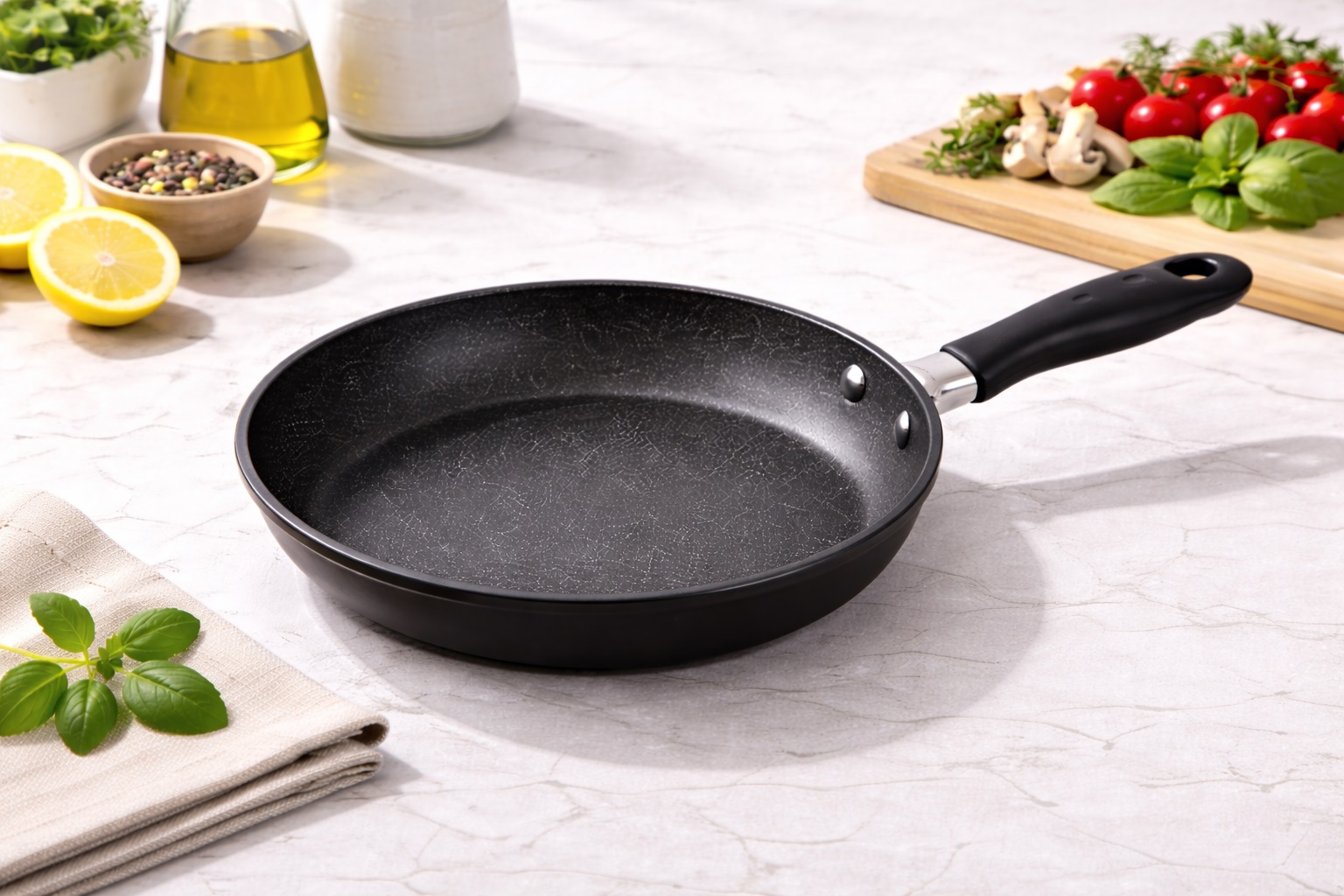
The GreenPan Elite leads this list on material quality with its ceramic nonstick coating, made without PTFE or PFOA, which gives it a genuinely premium feel both in the hand and in daily use around the kitchen. At about $120, it costs more than basic ceramic-insert units, and that price reflects real coating technology rather than styling alone, which is exactly the distinction this guide is trying to draw out. For shoppers specifically drawn to this comparison by "premium materials," this is one of the more honest fits on the list. Its coating quality is genuinely a step above standard ceramic rather than just a marketing label.
- Pros:
- Ceramic nonstick coating with genuine premium feel
- PFOA-free materials for everyday cooking
- Premium look and finish on the countertop
- Handles sticky or starchy dishes with ease
- Reflects real coating technology rather than styling alone
- Cons:
- Higher price than standard ceramic-insert cookers
- Nonstick coating needs gentler utensils and cleaning
- Not confirmed to have a stainless steel insert specifically
- Coating requires more careful long-term maintenance
Best For: Shoppers who want a genuinely premium-feeling insert and are comfortable with ceramic nonstick rather than stainless steel specifically.
Why We Recommend It: Its coating technology represents a real material upgrade over basic ceramic, which is closer to what most "premium materials" shoppers are actually looking for in day-to-day use.
2. Crock-Pot 6-Quart – Best Value Among Premium-Style Picks
Crock-Pot's 6-Quart model isn't marketed around premium materials specifically, its standout feature is a programmable digital timer with auto-warm, but at around $50, it remains a well-built, dependable option from an established brand with a long track record in this category. For shoppers whose real priority is a reliable appliance from a name they trust, rather than a specific insert material, this remains a sensible pick that won't disappoint on everyday performance.
- Pros:
- Programmable digital timer with auto-warm
- Well-known, dependable brand
- Straightforward digital interface
- Solid overall build quality for the price
- Widely available parts and accessories
- Cons:
- Not marketed around premium materials specifically
- Ceramic insert is heavy to lift when full
- No confirmed stainless steel components
- Fewer premium styling cues than higher-priced models
Best For: Shoppers who value brand reliability and useful features over a specific premium materials claim on the box.
Why We Recommend It: It's an honest reminder that build quality and brand trust often matter more day-to-day than a specific materials label attached to the price tag.
3. All-Clad Gourmet – Best True Premium Materials
All-Clad's reputation in cookware circles is built specifically on materials and construction, and the Gourmet slow cooker's aluminum insert, designed for even heat distribution, is the closest thing on this list to a genuinely premium-materials pick that lives up to its marketing. At around $200, it's the most expensive model here, and the price reflects the brand's broader commitment to professional-grade construction across its entire product line.
- Pros:
- Professional-grade construction and materials
- Aluminum insert supports even heat distribution
- Backed by a well-established premium cookware brand
- Built to last through years of frequent use
- Consistent quality across the brand's broader product line
- Cons:
- Highest price point in this comparison
- Aluminum insert, not confirmed stainless steel
- More capability than many casual cooks need
- Requires a bigger upfront investment than mid-range picks
Best For: Shoppers who want the most credible premium-materials claim on this list and are willing to pay for it, regardless of the specific insert label.
Why We Recommend It: If genuine premium construction is your top priority, All-Clad's broader cookware reputation makes this the most defensible choice here, backed by a brand known specifically for materials and construction.
4. Cuisinart MSC-600 – Best Cast Aluminum Construction
The Cuisinart MSC-600 swaps the standard ceramic insert for a cast aluminum pot, a genuine material upgrade that improves heat retention and distribution over a long cook, particularly for dense or large-volume dishes. At approximately $90, it sits in the middle of this lineup, offering real construction quality without reaching premium pricing, making it accessible to a wider range of shoppers who still want a genuine upgrade.
- Pros:
- Cast aluminum pot for durable, even heat retention
- Recognizable, established kitchen appliance brand
- Solid mid-range value for the construction quality
- Consistent performance over years of use
- Handles dense, large-cut dishes evenly
- Cons:
- Fewer smart or programmable features than higher-tier models
- Styling is plainer than some competitors at this price
- Not confirmed to include stainless steel components
- No temperature probe for doneness tracking
Best For: Shoppers who want a genuine material upgrade over basic ceramic without paying premium prices for it.
Why We Recommend It: Cast aluminum construction is a real, functional upgrade, arguably a more honest "premium materials" pick than styling alone would suggest, at a price most shoppers can justify.
5. Ninja Foodi Multi-Cooker – Best Multi-Material Versatility
The Ninja Foodi Multi-Cooker combines searing and slow cooking capability in one pot, which typically requires more robust internal construction than a single-function slow cooker to handle both high heat and long, low simmers reliably over time. At about $180, it's priced near the top of this list, reflecting that added engineering and the extra hardware required to support both cooking styles reliably over years of regular use.
- Pros:
- Sear-then-slow-cook function in one pot
- Built to handle both high heat and long simmers
- Strong reputation for durability
- Versatile multi-cooker functionality
- Reduces the need for separate cookware
- Cons:
- Higher price point than most dedicated slow cookers
- Larger footprint takes up more counter space
- Not specifically marketed around a stainless steel insert
- More complexity than shoppers who want a single function may need
Best For: Shoppers who want robust, multi-purpose construction rather than a single-material premium claim on the label.
Why We Recommend It: The engineering required to handle both searing and slow cooking reliably is its own form of build-quality credential, even without a specific materials label attached to it.
6. KitchenAid 6-Quart – Best Stylish Countertop Design
The KitchenAid 6-Quart pairs four cooking modes with styling that matches other KitchenAid countertop appliances, which appeals to shoppers who want their kitchen to look cohesive as much as they want premium internal materials, if not more so. At around $100, it's a mid-range option that leans more on design and versatility than on a specific metal insert, and it delivers real value on that front for households upgrading their kitchen aesthetic.
- Pros:
- Four cooking modes add real flexibility
- Stylish design that matches other KitchenAid appliances
- Reasonable mid-range price for the feature set
- Recognizable, well-regarded appliance brand
- Matches other KitchenAid countertop appliances
- Cons:
- 6-quart capacity may be tight for larger households
- Premium styling adds to the cost versus basic models
- Not confirmed to feature a stainless steel insert
- Some modes may go unused by simpler cooking routines
Best For: Shoppers who prioritize a cohesive, premium-looking kitchen countertop over a specific insert material claim.
Why We Recommend It: If aesthetic consistency with other appliances matters to you, this earns its place even without a headline materials claim, thanks to its recognizable design language.
7. BLACK+DECKER 7-Quart – Best Budget Alternative
The BLACK+DECKER 7-Quart doesn't claim premium materials, its selling points are a low price and a locking lid, but at around $40, it's worth including as an honest baseline for what a basic, no-frills slow cooker costs in this category. If premium construction turns out not to matter as much to you as capacity and price, this remains a sensible fallback that still gets the job done reliably for basic everyday cooking needs.
- Pros:
- Lowest price in this comparison
- Full 7-quart capacity
- Locking lid included for transport
- Simple, reliable manual controls
- Fewer electronic parts that could eventually fail
- Cons:
- No premium materials claim of any kind
- Manual dial control rather than a digital timer
- Basic construction compared to the rest of this list
- No auto-warm or temperature probe features
Best For: Budget-conscious shoppers who've decided premium materials aren't worth the added cost for their day-to-day needs.
Why We Recommend It: It's an honest comparison point for what you give up, and save, by skipping premium construction entirely in favor of basic reliability.
8. Hamilton Beach Set & Forget – Best Mid-Range Build Quality
Hamilton Beach's Set & Forget line centers on a built-in temperature probe rather than a specific premium material, but at around $60, its overall build quality remains solid for a mid-range appliance that doesn't cut obvious corners. For shoppers who want a step up from the most basic units without paying for a specific metal insert, it's a reasonable middle ground that delivers genuine everyday value without an inflated price tag attached to a premium-sounding label.
- Pros:
- Built-in temperature probe for doneness accuracy
- Solid mid-range build quality
- True "set and forget" convenience
- Reasonable price for its feature set
- Reduces the risk of undercooked or overdone meat
- Cons:
- Not marketed around premium materials specifically
- Probe feature takes a little practice to use confidently
- No confirmed stainless steel components
- Fewer premium styling touches than the top-tier picks
Best For: Shoppers who want solid mid-range construction paired with a genuinely useful doneness-tracking feature for roasts.
Why We Recommend It: It balances reasonable build quality with a feature that adds real everyday value, even without a premium materials label attached to the price.
Buying Guide: How to Choose the Best Premium-Materials Slow Cooker
"Premium materials" is a phrase that gets used loosely in appliance marketing, so it helps to understand what it actually refers to on a slow cooker before assuming a higher price automatically means stainless steel construction throughout. The following sections break down what to actually look for, from insert composition to overall build quality.
1. What "Premium Materials" Really Means
On most slow cookers, "premium" refers to the insert material, ceramic nonstick, cast aluminum, or reinforced ceramic, rather than a stainless steel cooking surface, which is uncommon in this category.
Understanding this distinction upfront helps you compare models on their actual construction rather than on marketing language alone. It also helps set realistic expectations before you buy, so you aren't disappointed by a mismatch between the label and the actual product.
2. Stainless Steel Exteriors vs Insert Material
Many appliances marketed as having a "stainless steel" look use it on the exterior housing or lid trim, while the cooking insert itself is a different material entirely.
If a stainless steel insert specifically matters to you, confirm it directly with the product listing rather than assuming based on the appliance's overall silver, metallic appearance. Photos alone can be misleading here, since lighting and finish can make different materials look similar.
3. Ceramic vs Ceramic Nonstick vs Metal Inserts
Ceramic is the traditional standard and retains heat well, ceramic nonstick trades a small amount of heat retention for much easier cleanup, and cast aluminum or metal inserts can distribute heat more evenly.
None of these is universally "more premium" than the others, each has genuine strengths depending on how you cook and what you value most in daily use, whether that's cleanup speed, heat retention, or overall durability.
4. Construction Quality and Long-Term Durability
Beyond the insert, look at how solidly the lid, handles, and base are built, since these components affect how well the appliance holds up over years of regular use.
A well-constructed mid-range unit can often outlast a flashier but flimsier premium-priced model, especially if the mid-range option comes from a reputable brand with a track record of reliable manufacturing.
5. Aesthetic Value: Does Premium Styling Matter?
If matching your kitchen's overall look matters to you, styling and finish are legitimate factors, even if they don't affect cooking performance directly.
Just be clear with yourself about whether you're paying for looks, performance, or both, since the two don't always move together in this category, and being honest about your priorities upfront saves money later.
6. Capacity and Household Size Regardless of Materials
No amount of premium construction compensates for the wrong capacity, a 4 to 5 quart unit suits one or two people, while 6 to 7 quarts fits most families.
Prioritize getting the size right before comparing materials between similarly sized models, since a too-small premium cooker is still the wrong purchase for a growing household or frequent entertaining.
7. Heat Distribution in Premium Construction
Metal inserts like cast aluminum genuinely tend to distribute heat more evenly than basic ceramic, which is a real, functional benefit of certain "premium" materials.
This is one area where paying more for better construction can measurably improve your cooking results, not just the appliance's appearance on the counter, particularly for large or dense dishes.
8. Cleaning and Maintaining Premium Finishes
Nonstick and specialty coatings often require gentler cleaning tools than basic ceramic to preserve their finish over time.
Check the manufacturer's care instructions before assuming a premium finish can be treated the same as a basic one in the dishwasher, since some coatings need hand washing to preserve their appearance and function over years of use.
9. Brand Reputation in Premium Cookware
Brands with a broader reputation in cookware, not just slow cookers specifically, often bring genuine manufacturing expertise to their appliances.
This track record is a reasonably reliable signal of construction quality, more so than marketing copy alone, especially when comparing similarly priced models across different brands.
10. Price vs Material Quality
A higher price sometimes reflects genuinely better materials and construction, but it can also reflect styling, brand markup, or added features unrelated to the insert itself.
Look at the specific construction details rather than assuming price alone is a reliable proxy for material quality, especially across different brands with different pricing strategies and target markets.
11. Confirming Materials Before You Buy
Since "premium" and "stainless steel" are used loosely in marketing, the safest approach is to check the actual product specifications for insert material before buying.
This small step can prevent disappointment if you're expecting a specific material that a given model doesn't actually include, and it takes only a few minutes of research to confirm before making a purchase decision.
12. Warranty and Support for Premium Appliances
A genuinely premium appliance is often backed by a clearer warranty and more accessible customer support, which is itself a reasonable indicator of build confidence from the manufacturer.
Compare warranty terms alongside materials claims rather than treating price as the only signal of quality, since a strong warranty often reflects genuine confidence in the product's durability and construction over time.
13. Balancing Premium Materials with Practical Features
A premium insert paired with no other useful features may serve you less well day-to-day than a mid-range unit with a programmable timer or temperature probe.
Weigh materials quality alongside the practical features that affect your actual cooking routine, not in isolation from them, since both contribute to your overall satisfaction with the appliance over time. A balanced approach usually serves shoppers better than chasing a single standout claim.
Frequently Asked Questions
Do slow cookers actually have stainless steel interiors?
Most slow cookers use ceramic, ceramic nonstick, or metal inserts like cast aluminum rather than a stainless steel cooking surface; stainless steel more commonly appears on the exterior housing or lid trim. If a stainless steel insert specifically matters to you, always confirm it directly rather than assuming from a product photo. Manufacturer specification sheets are generally more reliable than marketing images.
What does "premium materials" mean for a slow cooker?
It generally refers to a higher-quality insert, such as ceramic nonstick or cast aluminum, along with sturdier overall construction, rather than a specific single material used throughout the appliance. The term is used loosely across the appliance industry, so context matters. Reading the actual specification list is more reliable than the general marketing language on a product page.
Is ceramic or metal better for a premium slow cooker?
Neither is objectively superior; ceramic retains heat well and is the traditional standard, while metal inserts like cast aluminum can distribute heat more evenly across the cooking surface. Your choice should depend on what you cook most often. Both materials can be considered premium depending on the specific execution and brand.
Does a stainless steel exterior affect cooking performance?
Generally no, the exterior housing mainly affects appearance and durability against dents or scratches, while the insert material is what actually influences how food cooks. Don't let exterior styling distract from the more important internal construction. A sleek exterior with a basic insert still cooks like a basic model.
Is a premium slow cooker worth the extra cost?
If you cook often and want better heat distribution, easier cleanup, or sturdier long-term construction, a premium model can be worth the price; occasional cooks may not notice the difference as much. Frequency of use is often the best predictor of whether the upgrade pays off. Consider how many times a year you'll actually use the appliance before deciding.
How can I confirm a model's actual materials before buying?
Check the manufacturer's product specifications directly, rather than relying on marketing terms like "premium" or "stainless steel look," which can refer to styling rather than the cooking insert itself. A quick search of the model number often turns up more detailed specifications. Product reviews from other buyers can also confirm the actual materials used.
Is a premium slow cooker worth it?
Premium models often offer sturdier construction and additional features, but a well-chosen mid-range model can still produce excellent, reliable results for most everyday cooking. The right choice depends more on your habits than on the price tag alone. Match your spending to how often and how seriously you cook, rather than to a specific materials claim on the box.
How do I maintain my slow cooker?
Clean the insert and lid after each use, check whether they're dishwasher safe, and follow the manufacturer's manual for specific care instructions, especially for nonstick or coated finishes. Letting the insert cool before washing also helps prevent cracking. Avoiding abrasive scrubbers helps preserve premium coatings longer.
Do premium materials always mean better cooking results?
Not necessarily, some premium materials genuinely improve heat distribution or durability, while others mainly affect appearance, so it's worth understanding what a specific upgrade actually changes before paying extra for it. Reading beyond the marketing description helps clarify which is which.
Are ceramic nonstick coatings considered premium?
Many ceramic nonstick coatings, especially PFOA-free formulations, are marketed and priced as a premium upgrade over standard ceramic, mainly due to easier cleanup and a nicer finish on the countertop. This is arguably one of the more genuine premium upgrades in this category.
What's the most durable insert material?
Cast aluminum and other metal inserts tend to resist cracking better than ceramic, though ceramic remains a durable, long-standing standard when cared for properly and not exposed to sudden temperature changes. Nonstick coatings add convenience but require slightly more careful handling over time.
Does a higher price always mean stainless steel construction?
No, a higher price can reflect better ceramic coatings, metal inserts, additional features, or brand reputation, not necessarily a stainless steel cooking surface specifically, so it pays to look closer before assuming. Price alone is rarely a reliable proxy for a specific material.
Should I prioritize materials over features like a timer or probe?
It depends on your cooking habits; if you cook large cuts of meat often, a probe may matter more day-to-day than the insert's exact material composition, while occasional cooks may value materials more. There's no universally correct answer, only what fits your routine.
Final Verdict
- Top Pick: GreenPan Elite for the most genuinely premium insert material at a comparatively accessible price in this comparison.
- Budget Choice: BLACK+DECKER 7-Quart for the lowest price, with no premium materials claim attached, ideal for shoppers prioritizing cost.
- Premium Choice: All-Clad Gourmet for buyers who want the most credible premium construction and are willing to pay the highest price here for long-term durability.
If "premium materials" is genuinely your top priority, the GreenPan Elite and All-Clad Gourmet are the two most defensible picks on this list, each backed by real construction upgrades rather than styling alone. The GreenPan offers a more accessible price for a genuine ceramic nonstick upgrade, while the All-Clad represents the most premium construction here at the highest cost. The BLACK+DECKER remains a sensible choice only if you've decided that premium materials matter less to you than price and basic capacity, and there's nothing wrong with making that tradeoff deliberately. Whatever you choose, confirm the specific insert material directly with the current listing, since terms like "premium" and "stainless steel" are used loosely across this category, and the exact wording on a page isn't always confirmed by material specification alone. A few minutes of research upfront is the simplest way to avoid buying based on assumption rather than fact.