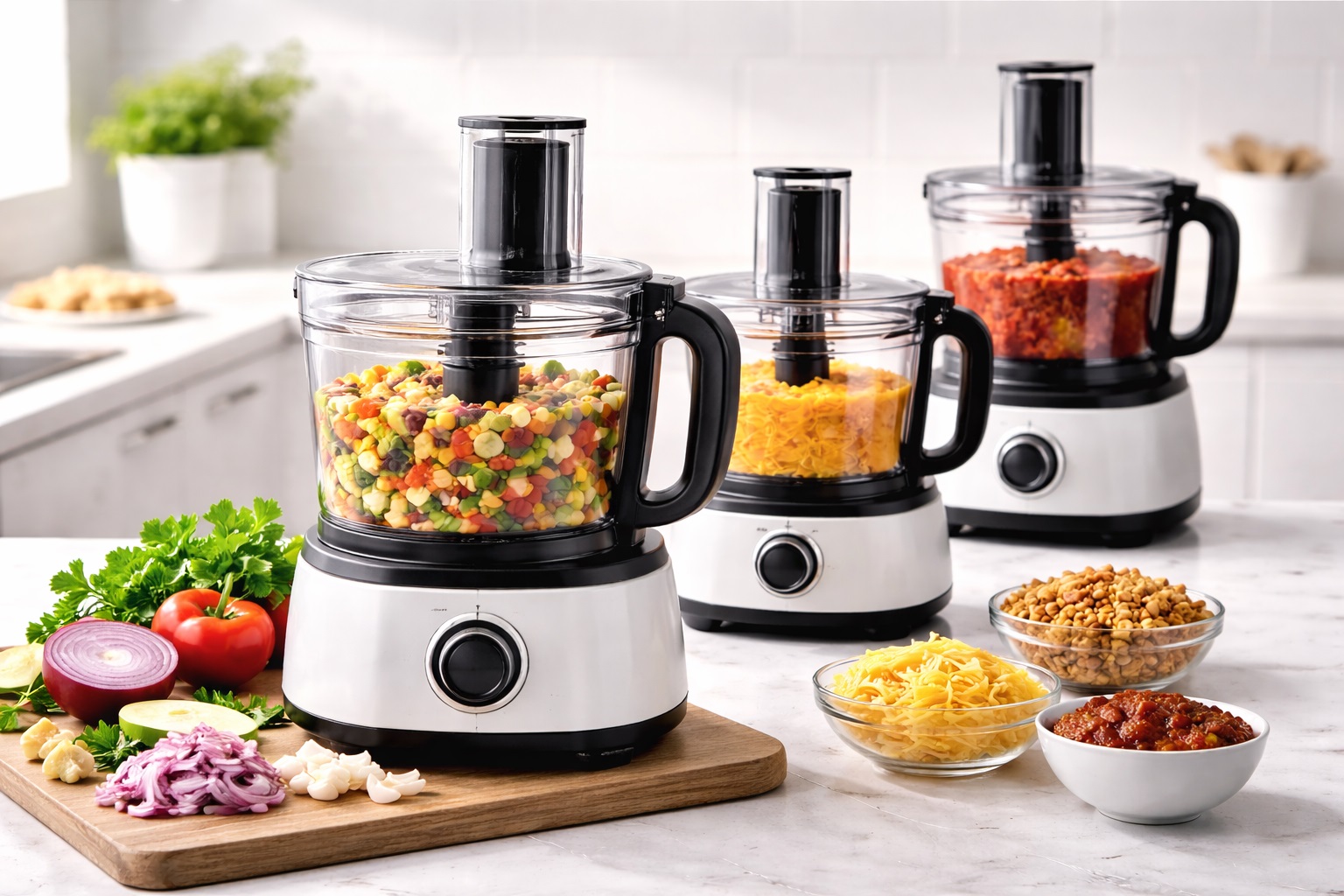
Best Budget Food Processor in 2026
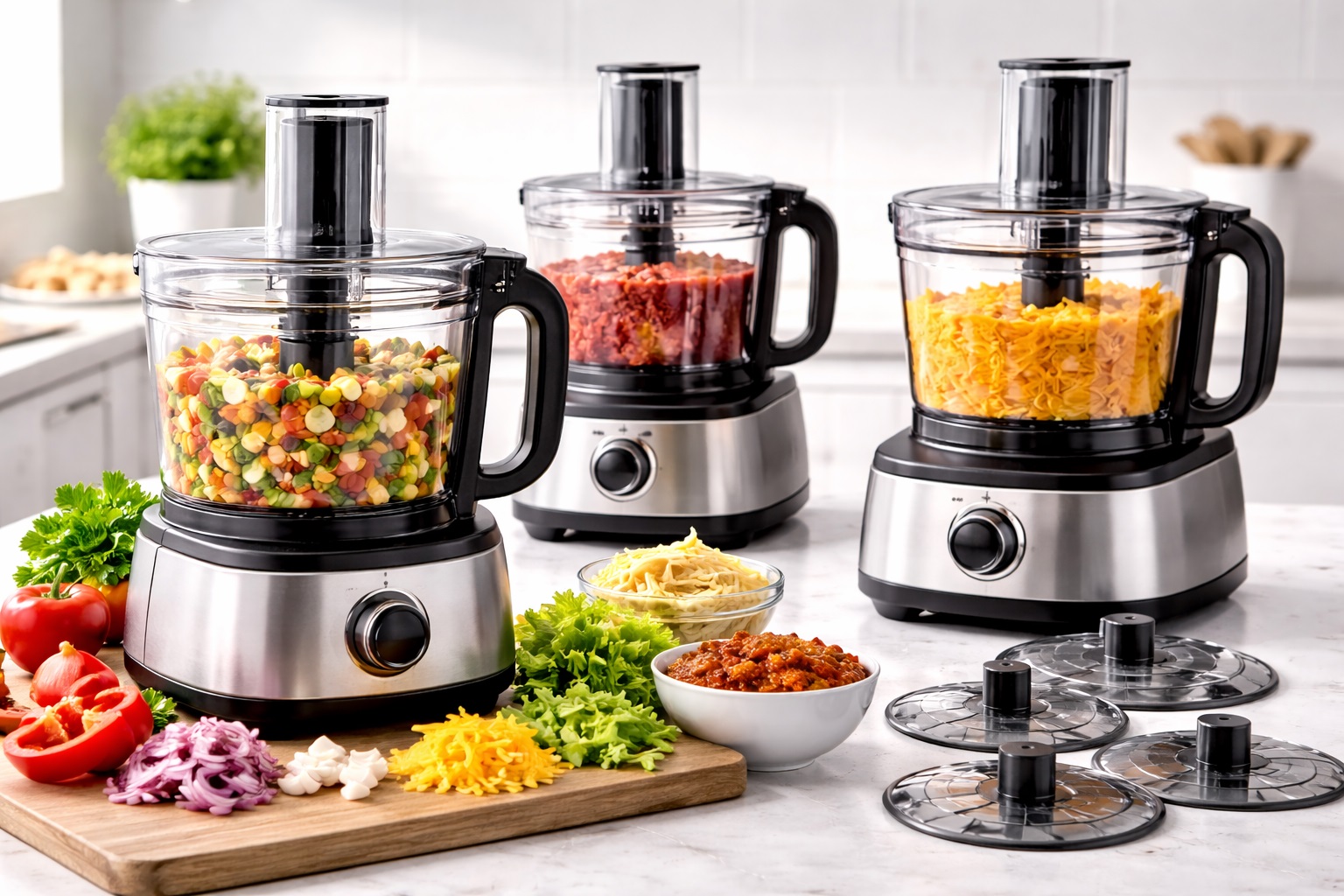
Shopping for a food processor on a budget does not mean settling for a machine that struggles with basic chopping or falls apart within a year. This guide focuses on value, comparing eight well-known food processors across a wide price range to identify which models genuinely deliver for their cost and which ones simply carry a premium price tag without a proportional improvement in everyday performance.
Real value in a food processor is about more than the lowest sticker price. It comes down to how well a machine performs the tasks you actually need, how long it holds up under regular use, and whether its price reflects genuine build quality or mostly brand recognition. Sometimes the better value is the least expensive option in a lineup, and sometimes it is a mid-range or even premium machine that saves you money over years of ownership by simply lasting longer. Understanding which category a given purchase falls into is the real work of finding good value, rather than simply scanning for the lowest number on the shelf.
This guide compares options spanning the full price range represented in this lineup, from the most affordable entry-level machine to the most expensive commercial-inspired model, so you can judge value at every budget level rather than assuming cheaper is always better or that spending more automatically buys you a smarter purchase. By the end of this guide, you should have a clear sense of which machine offers the strongest value for your specific budget and cooking habits.
Top 8 Best food processor Picks (Detailed Reviews)
1. Cuisinart DFP-14BCNY – Best Overall Value
The Cuisinart DFP-14BCNY earns the best overall value title in this comparison by pairing a generous 14-cup work bowl with a mid-range price that undercuts several less capable competitors. Cuisinart's long history in home food processors means this model benefits from decades of design refinement, and its combination of real capacity, dependable performance, and wide parts availability makes it difficult to beat on a pure dollars-per-feature basis. Buyers comparing several machines side by side often find themselves returning to this one simply because it checks the most boxes without pushing the price into premium territory.
- Pros:
- Large 14-cup bowl at a price well below premium large-capacity machines
- Well-established brand with broad parts and accessory support
- Balanced performance across chopping, slicing, and pureeing tasks
- Cons:
- Costs more upfront than the most basic entry-level models
- Larger footprint than compact budget machines
Best For: Buyers who want the strongest overall balance of capacity, performance, and price without stepping up to a premium machine. It also suits anyone comparing several finalists who wants a dependable default rather than the single cheapest or single most feature-rich option.
Why We Recommend It: Few machines in this lineup offer this much genuine capacity and capability per dollar spent, which is exactly what overall value comes down to.
2. KitchenAid 7-Cup – Best For Small-Batch Value Seekers
The KitchenAid 7-Cup offers a smart middle path for buyers who do not need large-batch capacity but still want a well-built machine at a reasonable price. Its ExactSlice system adds genuine functional value rather than a gimmick feature, letting you adjust slice thickness with a simple dial, and the broader KitchenAid brand name carries real weight when it comes to resale value and long-term parts support. That combination of practical function and brand trust is exactly what separates strong small-batch value from simply the cheapest compact machine available.
- Pros:
- ExactSlice system adds real functional value for the price
- Reputable brand supports long-term parts availability
- Compact size suits smaller households without sacrificing quality
- Cons:
- Smaller 7-cup bowl limits batch size for larger households
- Mid-range price for a fairly modest capacity
Best For: Individuals or small households who want a dependable, well-known brand without paying for capacity they will not use.
Why We Recommend It: Its useful slicing feature and brand reliability deliver real value for smaller households that do not need to pay a premium for large-batch capacity. It is a good reminder that value is relative to your household size, not just an abstract comparison of features across every machine on the market.
3. Braun FP3020 – Best Budget Pick for Everyday Chopping
The Braun FP3020 stands out as the strongest everyday value pick in this lineup, combining an UltraSharp blade system with a genuinely affordable price. Braun's engineering-focused design philosophy means this model avoids the common budget-machine trap of feeling flimsy, instead delivering clean, consistent cuts on routine chopping and slicing tasks at a price that makes it an easy recommendation for cost-conscious buyers. It is the kind of machine that quietly does its job well every day without ever calling attention to itself, which is precisely what most budget shoppers are actually looking for.
- Pros:
- UltraSharp blade system delivers clean results at a low price
- Solid build quality that avoids common budget-machine shortcuts
- Efficient design suited to everyday chopping and slicing needs
- Cons:
- Fewer automated programs than pricier competitors
- Smaller accessory set than premium machines
Best For: Everyday cooks who want dependable, well-built performance on routine tasks without paying for features they rarely use.
Why We Recommend It: It delivers genuinely solid build quality and cutting performance at a price point that makes it one of the smartest everyday purchases in this comparison. For anyone shopping strictly on a budget, this is usually the first machine worth comparing everything else against.
4. Breville Sous Chef – Best Value for Serious Home Cooks
The Breville Sous Chef is the most expensive machine in this lineup, but for serious home cooks who use a food processor frequently and for demanding tasks, its 1200-watt motor and wide accessory set can represent real long-term value rather than an unnecessary splurge. Breville's reputation for engineering-focused, durable appliances means this higher price tends to translate into a machine that keeps performing well after cheaper competitors have started to struggle. For someone cooking from scratch several nights a week, the time saved and the reduced frustration over years of use can genuinely outweigh the higher initial cost.
- Pros:
- Powerful 1200-watt motor handles demanding, frequent use
- Wide accessory set reduces the need for separate specialty tools
- Reputable, durability-focused brand
- Cons:
- Highest price point in this comparison
- Overkill for buyers who only use a food processor occasionally
Best For: Serious, frequent home cooks who will genuinely use the extra power and accessories enough to justify the higher cost.
Why We Recommend It: For the right user, its durability and capability mean fewer replacements and less frustration over time, which can make it a legitimately good value despite the highest price tag here.
5. Black+Decker 8-Cup – Best Ultra-Budget Option
The Black+Decker 8-Cup is the least expensive machine in this comparison, and it earns its spot by delivering genuinely usable performance at that price rather than feeling like a compromise. Its easy assembly and straightforward operation mean you are not sacrificing usability just to save money, which is exactly what a strong ultra-budget option should offer. It is also a sensible way to test whether you will actually use a food processor regularly before committing more money to a larger or more capable machine later.
- Pros:
- Lowest price point in this entire comparison
- Easy assembly and straightforward, no-fuss operation
- Lightweight and simple to store
- Cons:
- Smaller 8-cup bowl limits batch size
- Fewer advanced features than higher-priced machines
Best For: Budget-conscious buyers who want basic, dependable food processing without spending more than necessary.
Why We Recommend It: As the most affordable option here, it proves that a tight budget does not have to mean sacrificing everyday usability. It is a genuinely solid starting point rather than a compromise buyers need to feel apologetic about.
6. Ninja BN601 – Best Value for Auto-Cooking Presets
The Ninja BN601 justifies its mid-range price with Auto-iQ technology that would often cost considerably more if found on a premium competitor. Getting guided, automated processing programs at this price point represents strong relative value, particularly for buyers who want some of the convenience of a higher-end machine without paying a full premium price for it. That balance of automation and price is exactly what makes this model stand out among machines in its mid-range price bracket.
- Pros:
- Auto-iQ presets deliver premium-feeling convenience at a mid-range price
- Consistent results reduce wasted ingredients from trial and error
- Strong brand support and recipe ecosystem
- Cons:
- Costs more than the most basic budget machines
- Preset programs offer less manual control than simpler machines
Best For: Buyers who want automated convenience typically found on pricier machines without paying full premium prices.
Why We Recommend It: Its Auto-iQ feature set delivers a taste of premium convenience at a price that still counts as reasonable value in this lineup. Buyers stuck between a basic budget machine and a full premium purchase often find this middle option hits the sweet spot they were looking for.
7. Magimix 14-Cup – Best Long-Term Value
The Magimix 14-Cup is the most expensive machine in this comparison on paper, but its 30-year motor warranty reframes the value conversation entirely. Spread over decades of expected service life, its effective cost per year of ownership can undercut cheaper machines that need replacing every few years, making it a legitimate long-term value pick for buyers who plan to keep a food processor for a very long time. Viewed this way, the sticker price stops looking like an indulgence and starts looking like a genuinely rational long-term purchase.
- Pros:
- 30-year motor warranty spreads the cost over an exceptionally long service life
- Commercial-grade build quality reduces the likelihood of early failure
- Strong resale and reputation value within the category
- Cons:
- Highest upfront price in this comparison by a significant margin
- Requires a long ownership horizon to fully realize the value
Best For: Buyers who plan to own one food processor for decades and want to evaluate value on a cost-per-year basis rather than sticker price.
Why We Recommend It: When you divide its price by its expected decades of service, it can work out to genuinely strong long-term value rather than an indulgent splurge. Buyers who have grown tired of replacing lower-cost machines every few years are exactly the audience this pick is built for.
8. Hamilton Beach 10-Cup – Best Value for Casual Users
The Hamilton Beach 10-Cup rounds out this list as a solid choice for casual users who want more capacity than the smallest budget machines without stepping up to mid-range pricing. Its Stack & Snap design keeps everyday use simple, and Hamilton Beach's long track record in affordable appliances means this model has a proven history of delivering reasonable performance at its price point. It rarely wins on any single specification, but the overall combination of price, capacity, and reliability adds up to solid, dependable value for casual, everyday cooking.
- Pros:
- 10-cup bowl offers solid capacity for a relatively low price
- Stack & Snap design simplifies everyday use
- Long track record as a dependable, affordable option
- Cons:
- Fewer premium features than higher-priced competitors
- Plastic construction feels less substantial than pricier machines
Best For: Casual cooks who want reasonable capacity and dependable performance without paying mid-range prices.
Why We Recommend It: It strikes a sensible balance between price and capacity for buyers who use a food processor regularly but do not need premium features.
Buying Guide: How to Choose the Best Budget Food Processor
1. Define What Value Actually Means for Your Household
Value can mean the lowest upfront price, the lowest cost per year of ownership, or the most features per dollar. Deciding which definition matters most to you before shopping will make comparing very different machines much easier. Writing down your priorities in advance can prevent the temptation to chase whichever machine simply looks like the best deal in the moment.
2. Don't Assume the Cheapest Option Is Always the Best Value
A machine that needs replacing every year or two can end up costing more over time than a slightly pricier model built to last. Consider expected lifespan alongside sticker price when judging true value. A five-dollar difference in price means very little if one machine lasts twice as long as the other.
3. Identify Which Features You Will Actually Use
Paying for automated presets, multiple attachments, or high motor wattage only delivers value if you genuinely use those features. Be honest about your actual cooking habits before paying extra for capability you may not need. Making a short list of the specific tasks you plan to use a food processor for is a simple way to keep this decision grounded.
4. Check Warranty Length as a Value Indicator
A longer warranty often signals that a manufacturer expects the machine to last, which can be a meaningful value signal even on a budget purchase. Compare warranty terms across similarly priced options rather than assuming they are all equal. A machine with a noticeably shorter warranty than its direct competitors is worth a second look before buying.
5. Weigh Capacity Against Price Per Cup
Comparing the price of a food processor against its bowl capacity can reveal which machines offer the most usable space for your money, rather than judging value on price alone. Two machines with a similar price tag can differ significantly in usable capacity, so this simple calculation is worth doing before you decide.
6. Consider Total Cost of Ownership, Not Just Purchase Price
Replacement parts, pods, or accessories can add to the real cost of owning certain machines over time. Factor in these ongoing costs when comparing value across different models and price points. A slightly more expensive machine with widely available, inexpensive replacement parts can end up cheaper overall than a bargain model with hard-to-find components.
7. Look for Solid Build Quality Even at Lower Prices
A budget-friendly machine does not have to feel cheap. Look for reviews and details that speak to actual build quality, such as blade sharpness and motor performance, rather than assuming a lower price always means lower quality. Some of the most respected budget appliance brands built their reputation specifically on delivering better quality than their price would suggest.
8. Don't Overpay for Brand Name Alone
Established brands can offer genuine value through parts availability and support, but a recognizable name should not be the only reason you pay significantly more for similar core performance. Compare the actual specifications between a well-known brand and a lesser-known competitor before assuming the price difference is fully justified.
9. Balance Motor Power Against Realistic Needs
Very high wattage adds cost that only pays off if you regularly process dense or large batches. For lighter, everyday use, a moderate motor often delivers better value than an overpowered one you rarely push to its limits. Save the extra spend on high wattage for households that genuinely process dense or oversized batches on a regular basis.
10. Read Reviews From Buyers With Similar Budgets and Needs
Reviews from buyers with different expectations and usage patterns than your own can be misleading. Prioritize feedback from people who bought a machine for reasons similar to yours. A glowing review from someone running a small restaurant kitchen may not translate well to a household cooking for two.
11. Consider Buying Slightly Above Your Initial Budget If It Meaningfully Extends Lifespan
Sometimes a modest increase in price buys a significantly more durable machine. If the math works out to genuine long-term savings, it can be worth stretching your initial budget slightly. Just be sure the extra cost is buying genuine durability improvements rather than features that sound impressive but rarely get used.
12. Check What Is Actually Included in the Box
Some budget machines require separately purchased attachments to match the functionality of pricier competitors. Confirm exactly what comes standard before assuming a lower price includes everything you need. Once you factor in the cost of missing accessories, a seemingly cheaper machine can end up costing about the same as a more complete competitor.
13. Time Your Purchase Around Sales Periods When Possible
Food processors, like most kitchen appliances, are frequently discounted during major shopping periods. Watching for sales on a slightly higher-tier model can sometimes deliver better value than buying a lower-tier model at full price. Setting a price alert or simply waiting a few weeks for a known sale period can meaningfully change which machine offers the best deal.
Frequently Asked Questions
What actually counts as a budget food processor?
Generally, machines priced meaningfully below the category average, without sacrificing basic reliability, count as good budget options. The best ones still deliver dependable chopping, slicing, and pureeing performance despite the lower price. What separates a good budget machine from a genuinely disappointing one usually comes down to blade quality and motor reliability rather than the number of included attachments.
Is the cheapest food processor always the best value?
Not necessarily. If a very low-priced machine fails quickly or performs poorly, it can end up costing more over time than a slightly pricier, more durable option. This is why it makes sense to look at reviews written by owners several months or years into ownership rather than only first-impression reviews.
Should I prioritize price or features when shopping on a budget?
Prioritize features you will genuinely use. Paying extra for capabilities you never touch is rarely good value, even if the price seems reasonable on its own. Take a moment to think through your typical week of cooking before deciding which features actually matter to you.
Can a budget food processor really compete with premium models?
For most everyday tasks like chopping, slicing, and basic pureeing, many budget machines perform comparably to premium options. Differences tend to show up more in motor power, capacity, and long-term durability. If your cooking rarely pushes a machine to its absolute limits, you may not notice much practical difference between a budget and a premium option day to day.
How much should I expect to spend on a genuinely reliable food processor?
Reliable performance can be found across a fairly wide price range, though machines priced near the lower end of the mid-range tier often strike the best balance between cost and dependability. Spending significantly beyond that range tends to buy convenience and extra capability rather than dramatically better core reliability.
Is it worth paying more upfront for a longer warranty?
If the warranty meaningfully extends past what budget competitors offer, it can be a strong signal of durability and a reasonable justification for a somewhat higher price. Just make sure you actually read what the warranty covers rather than assuming a longer number automatically means broader protection.
Do budget food processors sacrifice motor power?
Often, yes, to some degree. Budget models typically use less powerful motors suited to everyday chopping rather than dense doughs or very large batches, which is a reasonable trade-off for most casual users. If your recipes rarely call for handling tough root vegetables or thick dough in bulk, a modest motor will likely serve you just as well as a far more powerful one.
What is the biggest value mistake people make when buying a food processor?
Buying based on price alone without considering how the machine will actually be used is one of the most common mistakes, often leading to buyer's remorse when a bargain machine cannot keep up with real needs. Taking just a few extra minutes to compare capacity and motor power against your actual habits can prevent this common regret entirely.
Are automated presets worth paying extra for on a budget?
They can be, particularly if they save you time or reduce wasted ingredients. Whether they are worth the added cost depends on how often you would realistically use them. Someone who cooks the same handful of dishes on repeat may get more use out of presets than someone whose recipes vary constantly.
How do I compare value across machines with very different prices?
Consider expected lifespan, capacity, and the features you will actually use, then calculate a rough cost per year of ownership rather than comparing sticker prices directly. This approach consistently gives a clearer picture than judging machines purely on their upfront cost.
Does a higher price always mean better long-term value?
Not automatically, but it often correlates with stronger build quality and longer warranties, which can translate into better long-term value if you use the machine long enough to benefit. If you tend to replace appliances often regardless of quality, that advantage matters less to you than it would to a long-term owner.
Is it smarter to buy a basic model now and upgrade later?
This can work well if your needs are likely to change, though buying a machine that already fits your medium-term needs sometimes avoids the extra cost of purchasing twice. Think about where your cooking habits are realistically headed over the next couple of years before deciding which route makes more sense.
What is the best way to avoid overspending on a food processor?
Make a clear list of the tasks you actually need a food processor to handle, then shop specifically for machines that cover those tasks well rather than being swayed by extra features you are unlikely to use. Revisiting that list after a few months of ownership can also help you decide whether your next purchase should scale up or stay modest.
Final Verdict
- Top Pick: Braun FP3020 for the strongest everyday value, combining solid build quality and clean cutting performance at an accessible price.
- Budget Choice: Black+Decker 8-Cup as the least expensive machine in this comparison, offering genuinely usable performance for its price.
- Premium Choice: Magimix 14-Cup for buyers who want to evaluate value over decades rather than years, backed by an exceptional motor warranty.
Real value in a food processor rarely comes down to a single number on a price tag. It depends on matching a machine's capacity, power, and durability to how you actually cook, whether that means the low upfront cost of the Black+Decker, the balanced everyday performance of the Braun FP3020, or the long-term investment represented by the Magimix. Taking the time to think in terms of cost per year of real use, rather than sticker price alone, is the surest way to get genuine value from your next food processor. Take a few minutes to map your own kitchen habits against the eight options above, and the right budget-friendly match should become clear fairly quickly.