Best Ergonomic Office Chairs for Long Hours of Work
An office chair stops being a piece of furniture and starts being a health decision the moment you're sitting in it for six, eight, or ten hours a day. Lower back pain, stiff shoulders, and restless legs by mid-afternoon are usually signs that a chair isn't supporting your body the way it should, not signs that you simply need to sit up straighter. The right ergonomic chair adjusts to your body rather than forcing your body to adjust to it.
This guide walks through the main categories of ergonomic office chairs on the market, from budget-friendly starter chairs to premium mesh designs and specialty options built for petite or tall users. Each category serves a different combination of body type, budget, and work style, and understanding those differences matters more than chasing whichever chair has the most features listed on the box.
Because remote workers, professionals in traditional offices, and students all spend long stretches at a desk under different constraints — space, budget, and how many hours are actually spent sitting — the categories below are organized around real use cases rather than a single universal "best" chair.
It's also worth remembering that no chair fully replaces good habits. Even the most adjustable ergonomic chair works best when paired with a properly set desk height, a monitor at eye level, and regular breaks to stand and move. A great chair reduces strain during the hours you're seated, but it doesn't eliminate the value of getting up periodically, especially during very long workdays.
Quick Comparison Table
| Product | Best For | Action |
|---|---|---|

Bedsure Calming Donut Dog Bed
Bedsure
|
Small dogs that enjoy a cozy, secure bed and extra comfort while resting.
|
|
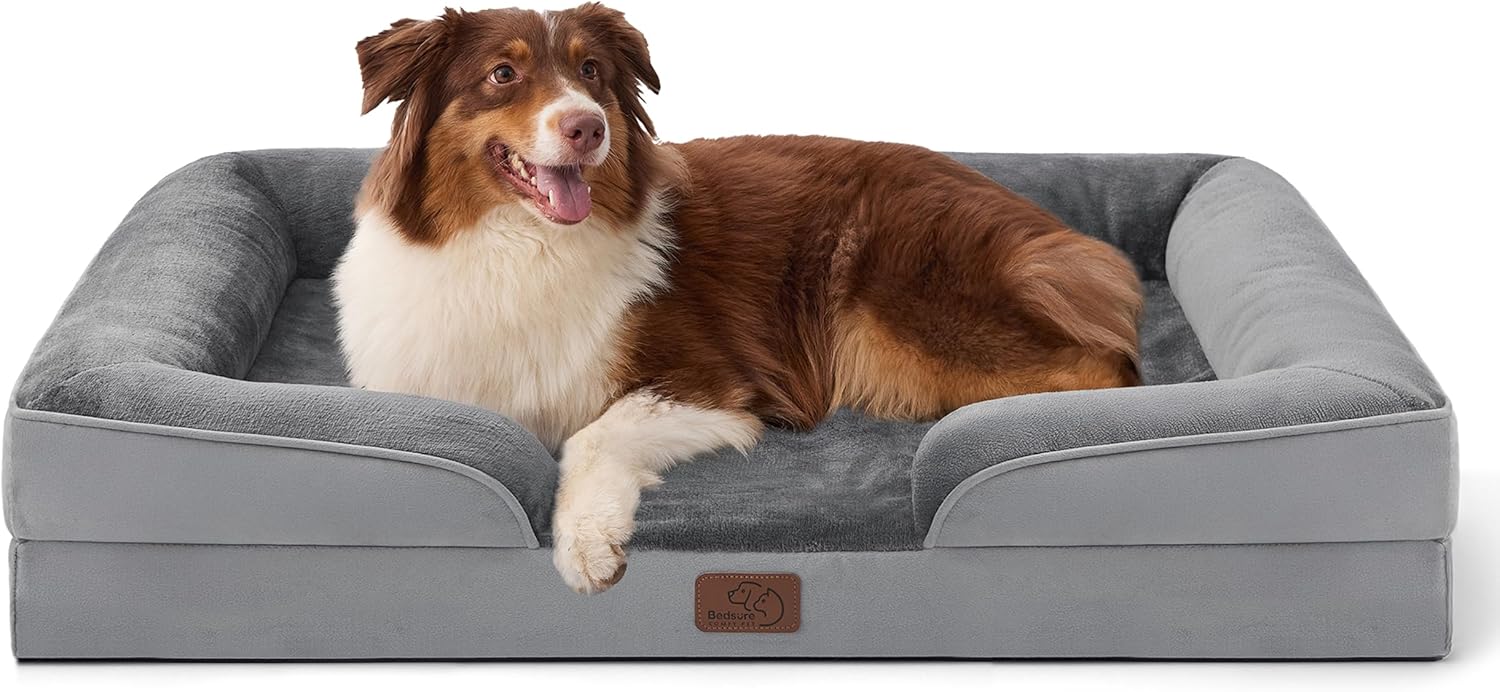
Bolster dog bed for dogs who like to lean
Bedsure
|
Small dogs who like to lean against raised sides while sleeping.
|
|

Budget Small Dog Bed – Best Budget Pick
JOLLYVOGUE
|
Small dogs needing a comfortable bed at an affordable price.
|
|

EHEYCIGA Orthopedic Small Dog Bed
EHEYCIGA
|
Senior & small dogs needing extra support
|
|
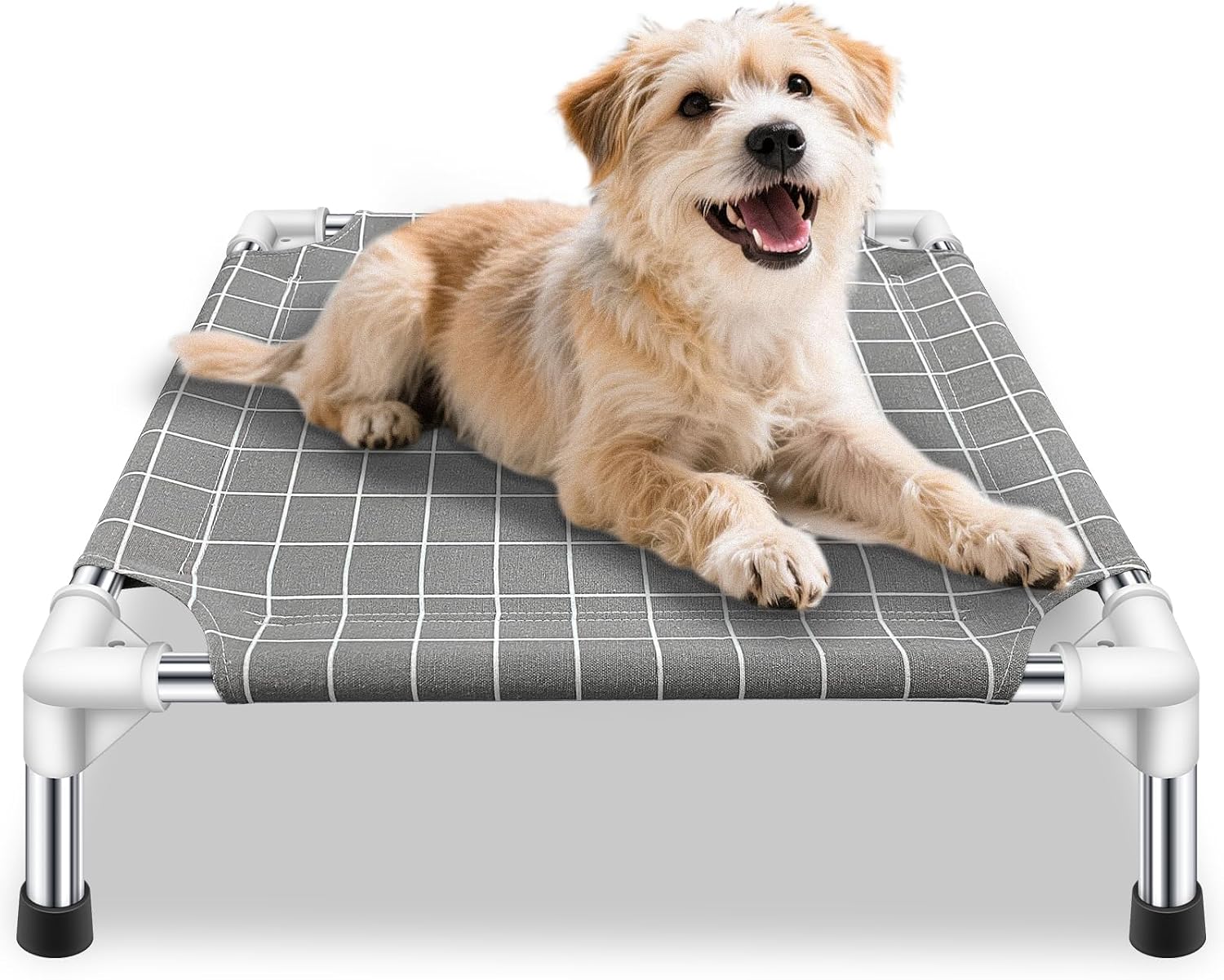
Elevated Pet Bed Dog Cot- Raised Pet Bed for Small Dogs
Tensorsine
|
Small dogs needing better airflow and a cooler sleeping surface.
|
|
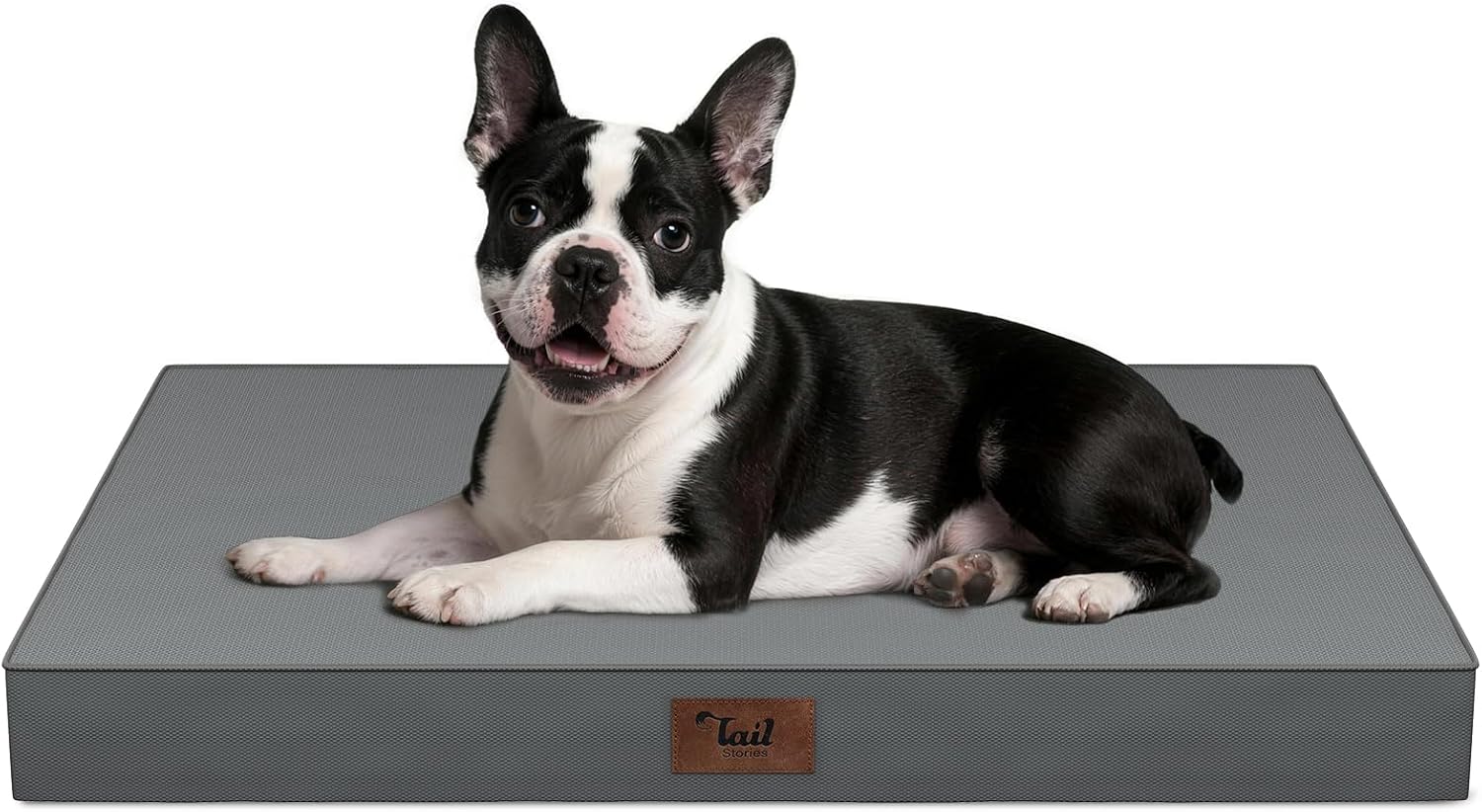
Waterproof Dog Bed – Best for Accidents and Messy Pets
Others
|
Small dogs prone to accidents, spills, or messy behavior.
|
Top Ergonomic Chair Categories (Detailed Reviews)
1. Budget Ergonomic Chair – Best for Getting Started
Budget ergonomic chairs bring core adjustability, like seat height and basic lumbar support, into a lower price bracket without the premium materials or extensive customization of higher-end models. They're a reasonable entry point for anyone setting up a first home office or replacing an unsupportive chair without a large upfront investment. The trade-off usually shows up in long-term durability and the range of fine-tuned adjustments available.
- Pros:
- Meaningfully more supportive than a non-ergonomic chair at a low price point
- Covers the basic adjustments most people actually use day to day
- Lower financial risk for a first ergonomic chair purchase
- Cons:
- Fewer fine-tuned adjustment points than premium models
- Build materials and long-term durability are usually a step below pricier options
Best For: People setting up their first home office or replacing a non-ergonomic chair on a limited budget.
Why We Recommend It: Even basic adjustability is a substantial upgrade over a fixed, non-ergonomic chair, and this category delivers that upgrade without a large financial commitment.
It's worth spending a little extra time adjusting a budget chair correctly, since these models often rely more on the user to fine-tune seat height and lumbar position rather than offering the wide adjustment range that pricier chairs provide out of the box.
2. Premium Mesh Chair – Best Overall for All-Day Comfort
Premium mesh chairs use a breathable, tensioned mesh backrest instead of foam padding, which helps with airflow during long sitting sessions and typically pairs with a wider range of adjustments — seat depth, lumbar height, armrest position, and recline tension among them. These chairs are generally built around the idea that a chair should adapt closely to an individual body rather than offering one-size-fits-all support.
- Pros:
- Breathable mesh helps reduce heat buildup during long sitting sessions
- Wide range of adjustment points to fine-tune fit
- Generally more durable construction than budget alternatives
- Cons:
- Higher upfront cost than basic ergonomic chairs
- Mesh tension can feel firm to users who prefer plush, cushioned seating
Best For: Remote workers and professionals spending most of the workday seated who want maximum adjustability and airflow.
Why We Recommend It: For anyone sitting most of the day, the combination of extensive adjustability and breathable materials makes premium mesh chairs the most broadly capable option in this category.
Because these chairs offer so many adjustment points, it's worth taking the time to actually use them. A premium mesh chair left at factory settings provides little advantage over a cheaper model — the value comes specifically from tuning seat depth, lumbar height, and armrest position to your own body.
3. Executive Leather Chair – Best for a Professional Look
Executive leather chairs prioritize a polished, traditional appearance alongside padded cushioning, making them a common choice for private offices, client-facing spaces, or anyone who wants their chair to look the part alongside performing well functionally. Ergonomic adjustability varies more within this category than in dedicated mesh designs, so it's worth checking the specific adjustment features rather than assuming "executive" implies full ergonomic support.
- Pros:
- Professional, polished appearance suited to client-facing or formal office settings
- Padded cushioning that some users find more comfortable than mesh
- Often includes solid armrests and a substantial, stable base
- Cons:
- Ergonomic adjustability varies more widely between models than with mesh chairs
- Leather and padded cushions retain heat more than breathable mesh
Best For: Professionals who want a traditional, polished appearance without sacrificing basic ergonomic support.
Why We Recommend It: This category delivers a look and feel suited to formal office environments while still offering the core adjustability needed for reasonably comfortable long-term use.
If appearance is a priority alongside comfort, checking for adjustable lumbar support specifically is worth doing before buying, since some executive-style chairs emphasize aesthetics over the adjustable support features found in dedicated ergonomic lines.
4. Petite User Chair – Best for Smaller Frames
Petite ergonomic chairs are scaled down from standard sizing, with a shorter seat depth, lower minimum seat height, and proportionally sized armrests and backrests. Standard-sized ergonomic chairs often leave shorter users with their feet dangling or the lumbar support hitting the wrong part of their back, and a petite-specific design corrects for both issues directly.
- Pros:
- Lower minimum seat height suited to shorter users
- Reduced seat depth prevents pressure behind the knees
- Lumbar support positioned appropriately for a smaller frame
- Cons:
- Not suitable for average or taller users
- Fewer models available compared with standard-sized chairs
Best For: Shorter users who find standard ergonomic chairs uncomfortable or improperly fitted.
Why We Recommend It: A chair genuinely scaled to a smaller frame solves fit problems that no amount of adjustment on a standard-sized chair can fully correct.
Even within petite-sized chairs, seat height range should be checked carefully, since "petite" isn't a standardized term across manufacturers and the actual dimensions can vary meaningfully from one brand to the next.
5. Tall User Chair – Best for Larger Frames
Tall user chairs extend the seat height range, backrest height, and often the weight capacity beyond what standard ergonomic chairs offer. Taller users on a standard chair frequently end up with a backrest that stops well short of their upper back and shoulders, along with a seat height that can't go high enough for proper leg positioning, both of which this category is built to correct.
- Pros:
- Extended seat height range accommodates taller users properly
- Taller backrest supports the upper back and shoulders
- Often rated for a higher weight capacity
- Cons:
- Bulkier footprint that needs more desk clearance
- Typically priced higher than standard-sized equivalents
Best For: Taller users who find standard ergonomic chairs leave their upper back or legs unsupported.
Why We Recommend It: Proper support for a taller frame requires genuinely different dimensions, not just a higher seat setting on a standard chair, and this category is built around that need specifically.
Checking maximum seat height and backrest height against your own measurements before buying is especially important here, since these specs vary more between tall-user models than most other chair categories.
6. Kneeling Chair – Best for Active Sitting
Kneeling chairs shift part of your body weight onto a shin rest, tilting the pelvis forward and encouraging a more upright spine angle than a traditional seated position. This changes posture and muscle engagement significantly compared with standard chairs, and some users find it reduces lower back strain, though it takes an adjustment period and isn't a fit for everyone's body or work style.
- Pros:
- Encourages a more upright spine angle and open hip position
- Engages core muscles more actively than reclined seating
- Compact footprint compared with full-sized ergonomic chairs
- Cons:
- No back support, which can be tiring during very long sessions
- Takes an adjustment period and isn't comfortable for everyone
- Puts pressure on the shins, which can be uncomfortable for some users
Best For: Users looking to vary their sitting posture throughout the day rather than relying on a single seated position.
Why We Recommend It: As a supplement to a standard ergonomic chair rather than a full-time replacement, a kneeling chair offers a genuinely different posture option that can reduce time spent in any single position.
Most users who benefit from kneeling chairs treat them as one option among several rather than an all-day chair, alternating between a kneeling chair and a standard ergonomic chair over the course of a workday.
Buying Guide: How to Choose the Best Ergonomic Office Chair
Before comparing specific models, it helps to think honestly about your actual daily routine. Someone who sits for a solid eight-hour block has very different priorities than someone who works in short, frequent sessions throughout the day, and the categories above serve those two patterns quite differently.
Ergonomic chairs are sold with long lists of features, but only a handful of them make a meaningful difference for most people's actual comfort and posture. These are the factors worth paying closest attention to.
1. Lumbar Support
Proper lumbar support fills the inward curve of your lower back, preventing the slouched posture that leads to lower back pain over long sitting sessions. Adjustable lumbar support, ideally both in height and depth, lets you position it precisely rather than hoping a fixed curve matches your spine.
Some chairs offer adjustable lumbar support as a built-in mechanism, while others rely on a removable cushion. Either can work well, but a fixed, non-adjustable lumbar bulge is far less likely to match your specific spine curvature than one you can reposition.
2. Adjustable Seat Height
Seat height should let your feet rest flat on the floor with your knees roughly level with or slightly below your hips. If a chair's height range doesn't accommodate your desk height or your leg length comfortably, no other feature will fully compensate for that mismatch.
Pay attention to the actual height range listed in the specifications rather than assuming "adjustable" means it will automatically fit you. Both very short and very tall users are the most likely to run into range limitations.
3. Breathable Mesh Back
A mesh backrest allows airflow that reduces heat buildup during long sitting sessions, which matters more than it might sound like, especially in warmer climates or offices without strong air conditioning. Foam-padded backrests can feel more plush initially but tend to trap more heat over time.
Mesh tension varies between chairs, and a mesh that's too loose can feel unsupportive while one that's too taut can feel firm. Testing the tension in person, where possible, gives a better sense of fit than specifications alone.
4. Armrest Adjustability
Armrests that adjust in height, width, and depth let you position your arms so your shoulders can relax rather than hunch upward or outward. Fixed armrests that don't match your desk height or arm length can contribute to shoulder and neck tension over the course of a workday.
4D or multi-directional armrests offer the most precise fit, but even 2D adjustability (height and width) covers most of the practical benefit for a typical desk setup.
5. Tilt Mechanism
A synchro-tilt mechanism allows the backrest and seat to recline at different rates, maintaining a more natural hip angle as you lean back. Tilt tension adjustment lets you match the recline resistance to your body weight so the chair doesn't feel too stiff or too loose when you shift positions.
A tilt lock feature, which allows you to fix the chair at a specific recline angle, is useful for tasks like video calls where you want a stable position rather than gentle movement.
6. Price and Value
Price generally correlates with adjustability, material quality, and long-term durability, but the most expensive chair isn't automatically the best fit for your body or workspace. Focus on which specific adjustments you'll actually use rather than paying for features you're unlikely to touch.
Calculating cost over the expected lifespan of the chair, rather than just the upfront price, gives a more useful comparison — a pricier chair that lasts twice as long may cost less per year of use than a cheaper one that needs replacing sooner.
7. Brand Reliability
Established office furniture brands typically offer more consistent manufacturing quality and more reliable customer support if something goes wrong with a mechanism or part. This matters more with chairs than with many other products, since chairs have multiple moving mechanical parts that can wear out over years of daily use.
Checking whether a brand sells replacement parts, like casters or gas cylinders, separately is worth doing, since it can extend a chair's usable life well beyond its original components wearing out.
8. Warranty Coverage
Warranty length is a reasonable proxy for how confident a manufacturer is in their chair's long-term durability. Chairs used eight or more hours a day put significant wear on gas cylinders, casters, and tilt mechanisms, so a longer warranty specifically covering mechanical parts is particularly valuable for heavy daily use.
Read the specific terms rather than just the headline warranty length, since some warranties cover the frame for many years but only cover upholstery or foam for a much shorter period.
9. Real User Feedback
Reviews from other buyers often reveal practical issues that don't show up in a spec sheet, such as a lumbar support that shifts out of position over time, squeaky mechanisms, or assembly difficulties. Patterns across many reviews are far more informative than any single review, positive or negative.
Reviews mentioning long-term use, ideally six months or more after purchase, are especially valuable since some comfort or durability issues only become apparent after the initial adjustment period.
10. Fit With Your Desk Setup
Consider your desk height, available floor space, and flooring type (hardwood versus carpet, for instance, affects which caster type you need) before choosing a chair. A chair that's ideal on paper but doesn't fit your desk height range or physical space will underperform regardless of its features.
If you work on both hard flooring and carpet, or plan to move the chair between rooms, checking whether the casters are swappable for a different surface type can prevent premature wear on either the floor or the casters themselves.
It's also worth measuring the chair's overall footprint, including the base and armrests at their widest adjustment, against the space available around your desk. A chair that's technically well-suited to your body can still feel cramped in a small home office if it doesn't leave enough room to roll back or turn comfortably.
Frequently Asked Questions
1. What should I look for when buying an ergonomic office chair?
Focus on adjustable lumbar support, a seat height range that matches your desk and leg length, and armrests that can be positioned to keep your shoulders relaxed. These core adjustments matter more for day-to-day comfort than secondary features.
2. Is spending more always better for an ergonomic chair?
Not necessarily. The most expensive chair often includes adjustment features many users don't need. Identify which adjustments you'll actually use and look for the best build quality within that feature set rather than paying for maximum adjustability by default.
3. How long should a quality ergonomic chair last?
With regular daily use, a well-built ergonomic chair from an established manufacturer can typically last five to ten years or more. Gas cylinders, casters, and mesh tension are usually the first components to show wear, and many brands sell these as replaceable parts.
4. What are the most common complaints about ergonomic office chairs?
Common issues include lumbar support that shifts out of position, mesh that stretches or sags over time, and armrests that feel wobbly after extended use. Reading reviews focused on long-term ownership helps surface these issues before purchasing.
5. Can I return an ergonomic chair if it doesn't fit properly?
Most retailers offer a return window, often 30 days or more for office chairs given how personal a good fit can be. Try the chair at your actual desk during the return window and retain the original packaging in case it needs to go back.
6. How do I know if a chair will fit my desk setup?
Check the chair's seat height range against your desk height, and confirm there's enough clearance for the armrests to tuck under your desk if needed. Measuring your current comfortable seat height before shopping makes this comparison much easier.
7. Are there real differences between ergonomic chair brands?
Yes. Established ergonomic furniture brands generally offer more consistent build quality, better warranty support, and more readily available replacement parts than lesser-known brands, though quality exceptions exist at every price point.
8. How important is warranty coverage for an office chair?
Fairly important, especially for chairs used many hours a day. A longer warranty on mechanical components like the gas cylinder and tilt mechanism suggests the manufacturer expects the chair to hold up under sustained daily use.
9. What's the best way to compare ergonomic chairs before buying?
List the specific adjustments that matter most for your body and workspace, then compare chairs against that shortlist rather than trying to evaluate every possible feature. A chair that nails your top three or four priorities usually beats one that offers everything at a mediocre level.
10. Is it worth testing an ergonomic chair in person before buying online?
Where possible, yes. Fit is highly personal, and dimensions that look fine on a spec sheet can feel wrong in practice. If in-person testing isn't an option, prioritize retailers with generous return policies so you can test the chair at your own desk.
11. Do I need a headrest on an ergonomic office chair?
It depends on how you use the chair. A headrest is most useful when reclining to rest, but for upright, task-focused work it typically has little effect and some users find it gets in the way. It's a nice-to-have feature rather than a critical one for most desk work.
12. How often should I adjust my chair as my needs change?
Revisit your chair's settings periodically, especially after weight changes, a new desk, or extended periods of discomfort. Settings that felt right when you first set up the chair may need small adjustments over time as your posture habits or workspace change.
13. Does an ergonomic chair actually help with back pain?
For back pain caused or worsened by poor sitting posture, a properly adjusted ergonomic chair can meaningfully reduce discomfort by supporting the natural curve of the spine and encouraging better alignment. It's not a substitute for medical advice on chronic or severe pain, but as a preventative and supportive tool, ergonomic seating is widely recommended by occupational health professionals.
14. What's the difference between an ergonomic chair and a gaming chair?
Gaming chairs are usually styled around bold aesthetics and heavier padding, while dedicated ergonomic chairs prioritize adjustability, breathable materials, and long-term postural support. Some gaming chairs do include ergonomic features, but it's worth checking the specific adjustment range rather than assuming style equals function.
15. Can an ergonomic chair help with neck and shoulder tension?
Indirectly, yes. Adjustable armrests that let your shoulders rest naturally, combined with a backrest that supports upright posture, reduce the tendency to hunch forward or raise your shoulders while typing. Neck tension is also strongly influenced by monitor height, so pairing a good chair with a properly positioned screen tends to produce better results than the chair alone.
16. Should students buy the same type of ergonomic chair as full-time professionals?
Not necessarily. Students often move between locations, have tighter budgets, and may not sit for as many consecutive hours as a full-time remote worker. A budget ergonomic chair or a compact mesh option can make more practical sense than investing in a premium chair intended for eight-hour daily use.
17. How long does it typically take to adjust to a new ergonomic chair?
Most people need one to two weeks to find their ideal settings and get used to a new sitting position, particularly if they're switching from a non-ergonomic chair. Minor soreness during this adjustment period is common as underused postural muscles start engaging differently, and it typically resolves as the body adapts.
Final Verdict
The best ergonomic office chair depends heavily on your body dimensions, budget, and how many hours you actually spend seated each day. A chair that's excellent for a tall user working ten-hour days can be entirely wrong for someone with a smaller frame working part-time from a shared kitchen table.
- Best Overall: A premium mesh chair with a full range of adjustments for anyone spending most of the day seated.
- Best Budget: A budget ergonomic chair covering the core adjustments needed for a meaningful comfort upgrade.
- Best for Smaller Frames: A petite-sized chair scaled to fit shorter users properly.
- Best for Larger Frames: A tall user chair with extended height range and a taller backrest.
Take the time to measure your desk, understand your own body's needs, and test adjustability where you can before committing. A chair that fits your specific body and work habits will do more for your comfort and posture over time than any single standout feature. Combine the right chair with sensible habits — regular movement breaks, a properly positioned monitor, and a desk height that matches your seated posture — and the overall setup will serve you far better than the chair alone ever could.