Best Water Filters for Your Home: Clean, Safe Drinking Water
Tap water quality varies enormously depending on where you live, what's in your municipal supply or well, and how old your home's plumbing is. That variability is exactly why there's no single "best" water filter — the right system depends on what you're actually trying to remove, how much water your household uses, and how much counter space, plumbing access, or budget you're working with.
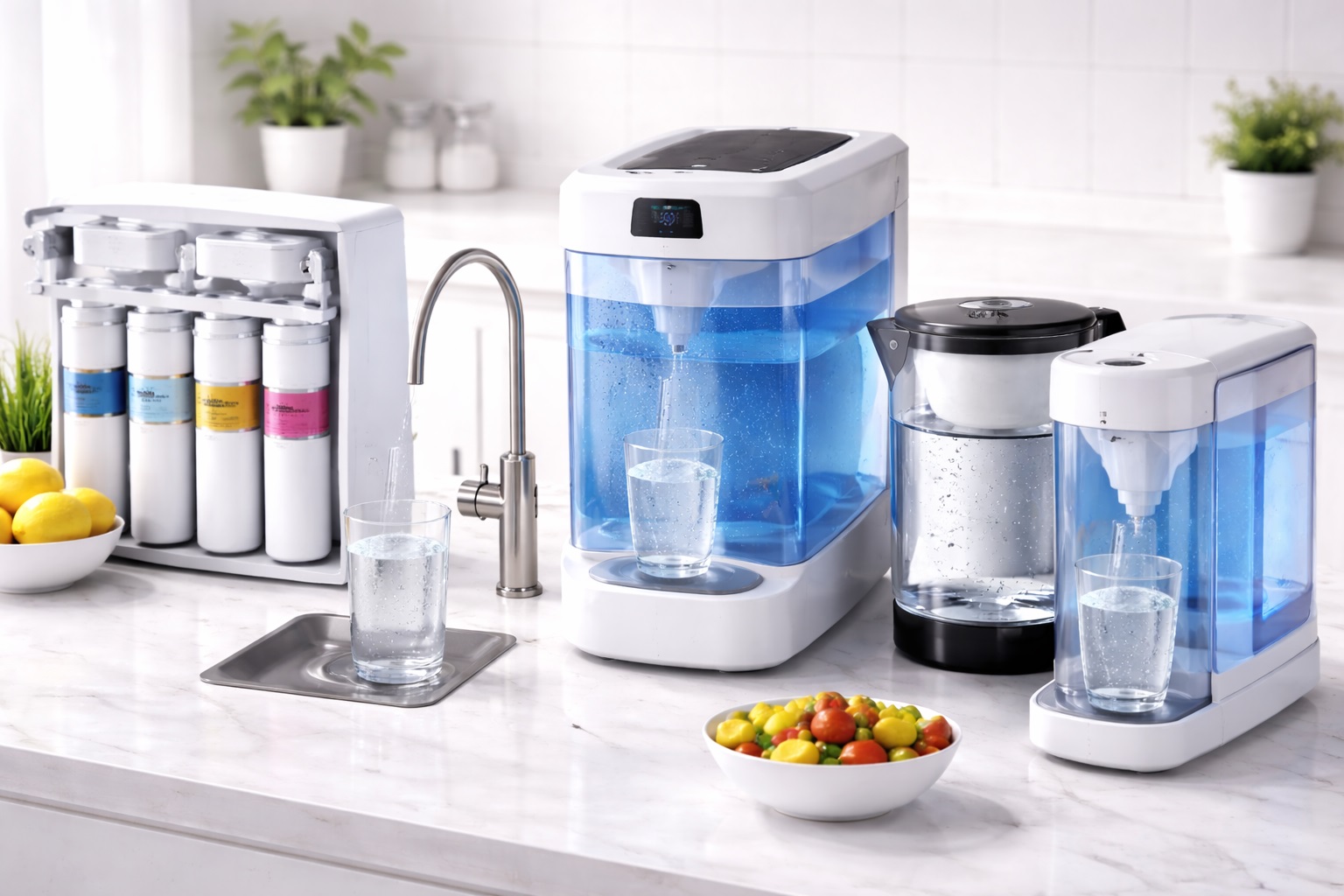
Someone renting an apartment with no interest in drilling into a countertop has a completely different set of good options than a homeowner dealing with hard water and sediment from a private well. This guide separates the major categories of home water filtration — pitcher filters, under-sink systems, countertop units, whole-house filters, faucet-mounted filters, and reverse osmosis systems — so you can match the category to your actual situation rather than picking based on price or brand recognition alone.
Search intent around home water filters typically clusters around a few recurring concerns: eliminating chlorine taste and odor, addressing specific contaminants flagged in a local water quality report, reducing sediment or hardness from a private well, and simply wanting consistently better-tasting water without a major plumbing project. Each of these goals points toward a different category, which is why a one-size-fits-all recommendation rarely serves readers well.
Each section below explains what the category is genuinely good at, where it falls short, and who it makes the most sense for. After the reviews, a detailed buying guide walks through the practical factors — filtration standards, replacement costs, flow rate, and more — that determine whether a filter actually solves your water quality concerns or just adds another appliance to your kitchen. A dedicated FAQ section then addresses the questions that come up most often once a household has narrowed down which category fits their home.
It's also worth remembering that a water filter is rarely a permanent, install-it-once decision. Household needs change — a move to a new home with different water quality, a growing family that draws more water daily, or a water quality report that flags a new contaminant can all shift which category makes sense a few years down the line. Treating the choice as a starting point rather than a final, unchangeable decision makes it easier to reassess later without feeling like the original purchase was wasted.
Top Water Filters Reviewed
1. Pitcher Water Filter – Best for Renters & Small Households
A pitcher filter is the simplest entry point into home filtration: fill it from the tap, let gravity pull water through an activated carbon (and often ion-exchange) filter cartridge, and pour from the reservoir below. No installation, no tools, no commitment to a specific kitchen layout — which is exactly why it remains the most common starting point for renters and small households. The trade-off is capacity and speed: filtering is slow, and a single pitcher typically only holds enough water for a few glasses at a time before needing a refill.
- Pros:
- No installation required — works in any kitchen, including rentals
- Low upfront cost compared to plumbed-in systems
- Effectively reduces chlorine taste and odor, along with some common contaminants
- Cons:
- Slow filtration speed limits how much water is readily available at once
- Limited reservoir size means frequent refilling for larger households
- Filter cartridges typically need replacing every one to two months
Best For: Renters, small households, and anyone wanting an affordable, no-installation entry point into filtered drinking water.
Why We Recommend It: It removes the biggest barriers to filtered water — cost and installation — while still meaningfully improving taste and reducing common contaminants for everyday drinking.
2. Under-Sink Water Filter – Best Overall for Daily Use
Under-sink systems install directly into the cold water line beneath your sink and typically feed a dedicated filtered-water faucet mounted next to your main tap. Because they connect directly to the water supply rather than relying on a small reservoir, they deliver filtered water on demand at normal flow rates, without the wait associated with pitcher systems. Installation requires some basic plumbing work — either DIY with common tools or a short professional job — but once installed, day-to-day use is essentially maintenance-free between filter changes.
- Pros:
- On-demand filtered water at full tap pressure, no waiting or refilling
- Higher filtration capacity than pitchers before cartridges need replacement
- Keeps counter space clear since the system sits below the sink
- Cons:
- Requires installation, which may mean drilling a hole for a separate faucet
- Not easily portable if you move frequently or rent
- Higher upfront cost than pitcher or faucet-mounted alternatives
Best For: Homeowners and long-term renters who want consistent, on-demand filtered water without counter clutter.
Why We Recommend It: It balances convenience and capacity better than most other categories — once installed, it delivers filtered water as easily as the main tap, with none of the refilling hassle of a pitcher.
3. Countertop Water Filter – Best No-Drill Option
Countertop filters sit on top of the counter and typically connect to the existing faucet via a diverter valve, rather than requiring a dedicated line or drilled hole. This makes them a middle ground between pitchers and under-sink systems: higher capacity and often better filtration than a pitcher, without the permanent installation of an under-sink unit. Some models use gravity-fed multi-stage filtration, which can process larger volumes but takes longer per batch. That slower per-batch processing is a reasonable trade for anyone who fills the reservoir once in the morning and draws from it throughout the day, though it can feel like a genuine limitation for a household that needs a large volume of filtered water in a short window, such as during meal prep for a bigger family.
- Pros:
- No drilling or permanent plumbing modification required
- Higher water capacity than a typical pitcher filter
- Easy to move between homes if you relocate
- Cons:
- Takes up visible counter space, which some kitchens can't spare
- Gravity-fed multi-stage versions can be slow to process a full batch
- Diverter valve connections can occasionally develop minor leaks over time
Best For: Renters and homeowners who want higher capacity than a pitcher without committing to permanent under-sink installation.
Why We Recommend It: It offers a genuine middle path — meaningfully more capacity and often better filtration than a pitcher, while still remaining fully removable if you move.
4. Whole-House Filter – Best for Comprehensive Coverage
A whole-house filter installs at the main water line entering your home, filtering every tap, shower, and appliance rather than just a single drinking water source. This matters most for homes on well water, or municipal water with sediment, chlorine, or hardness issues that affect more than just taste — things like scale buildup in pipes, dry skin from chlorinated shower water, or sediment clogging appliances. It's a bigger investment and typically requires professional installation, but it addresses water quality at the source for the entire household.
- Pros:
- Filters water for every fixture in the home, not just drinking water
- Can address sediment, chlorine, and hardness issues affecting pipes and appliances
- Reduces long-term wear on water heaters and plumbing from sediment and scale
- Cons:
- Significantly higher upfront cost than any point-of-use filter
- Usually requires professional installation and periodic professional servicing
- Doesn't always provide the same level of contaminant reduction for drinking water specifically as a dedicated under-sink or RO system
Best For: Homeowners dealing with well water, hard water, or sediment issues affecting the entire house.
Why We Recommend It: It solves problems that point-of-use filters simply can't — protecting plumbing, appliances, and every fixture in the house rather than just one drinking water tap — which makes it a genuinely different category of purchase, closer to a home infrastructure upgrade than a kitchen accessory.
5. Faucet-Mounted Filter – Best Budget On-Demand Option
Faucet-mounted filters attach directly to your existing kitchen tap and typically include a switch to divert between filtered and unfiltered flow. They offer on-demand filtered water without the installation complexity of an under-sink system, at a much lower price point. The trade-off is reduced flow rate while filtering, and a filter housing that adds some bulk to your faucet, which can interfere with certain sink or faucet shapes. It tends to suit a single person or couple who wants filtered water at the tap without a bigger investment, more than a larger household running the tap constantly throughout the day, since the reduced flow rate becomes more noticeable the more frequently multiple people are drawing from it in quick succession.
- Pros:
- Low cost and simple installation, usually without tools
- On-demand filtered water without a dedicated second faucet
- Compact compared to countertop or under-sink alternatives
- Cons:
- Reduces water flow rate noticeably while in filtering mode
- May not fit certain faucet shapes or pull-down sprayer designs
- Lower filtration capacity per cartridge than under-sink systems
Best For: Budget-conscious buyers wanting on-demand filtered water without an installation project.
Why We Recommend It: It's the most accessible way to get on-demand filtered water directly from the tap, without the cost or commitment of a plumbed-in system.
6. Reverse Osmosis System – Best for Maximum Contaminant Reduction
Reverse osmosis (RO) systems push water through a semi-permeable membrane under pressure, removing a broader range of dissolved contaminants than carbon filtration alone can typically address, including many that carbon-based filters pass through. This makes RO systems the go-to choice for households specifically concerned about issues beyond taste and chlorine, such as certain heavy metals or dissolved solids. The trade-offs are a more involved installation, ongoing filter and membrane replacement costs, and the fact that RO systems waste some water in the filtration process itself.
- Pros:
- Removes a broader range of dissolved contaminants than carbon filtration alone
- Produces notably clean-tasting water with very low mineral and sediment content
- Often includes multiple filtration stages for layered contaminant reduction
- Cons:
- More complex installation, typically requiring under-sink space and a drain connection
- Produces wastewater as part of the filtration process
- Removes beneficial minerals along with contaminants, which some users prefer to remineralize afterward
Best For: Households specifically concerned about dissolved contaminants beyond what carbon filtration addresses, and anyone wanting the highest level of filtration available at the point of use.
Why We Recommend It: For households with specific water quality concerns beyond taste and chlorine, RO offers a level of contaminant reduction that other point-of-use categories generally can't match, which is why it's often the recommended option when a water quality report flags contaminants that carbon filtration alone doesn't address.
Buying Guide: How to Choose the Best Water Filter for Your Home
Once you've identified which category fits your living situation, these factors determine whether a specific filter within that category will actually perform the way you need it to.
1. Know what's actually in your water before choosing a filter
Different filter technologies target different contaminants — activated carbon is excellent for chlorine taste and odor but doesn't address everything, while RO and certain specialized filters target a broader range of dissolved solids and specific contaminants. A water quality report from your utility, or an independent test if you're on a well, tells you what you're actually filtering out rather than guessing, and it prevents the common mistake of buying a filter that's well-reviewed in general but poorly matched to your specific water issues.
2. Filtration effectiveness and what standards apply
Look for filters tested to recognized standards for the specific contaminants you care about, since "filters water" as a marketing claim can mean very different things in practice. A filter certified for lead reduction and one only certified for chlorine and taste are solving very different problems, even if both look similar on a shelf, so reading the specific certification claims matters more than the general marketing language on the box.
3. Filter lifespan and ongoing replacement cost
The upfront price of a filter system is often the smaller part of its true cost. Cartridge replacement frequency and price vary enormously between categories and models, so calculate the annual replacement cost, not just the sticker price, before comparing options — a filter that looks inexpensive upfront can become the pricier long-term choice once cartridge costs are added up.
4. Flow rate and how it affects daily use
Filters that dramatically slow water flow can be genuinely frustrating for daily tasks like filling large pots or pitchers. Under-sink and whole-house systems generally maintain better flow rates than compact faucet-mounted or gravity-fed countertop units, which matters more for larger households that draw water frequently throughout the day.
5. Installation requirements and your comfort with plumbing work
Some systems are entirely tool-free, while others require cutting into a water line or drilling a hole for a dedicated faucet. Be honest about whether you'll actually do the installation yourself, hire someone, or need a fully no-installation option — this alone eliminates a large share of unsuitable choices quickly and saves time spent comparing systems that were never realistic for your situation.
6. Capacity relative to household size
A pitcher that's perfectly adequate for one or two people can become a constant refilling chore for a family of five. Match filtered water capacity and flow rate to how many people are actually drawing from the system daily, factoring in cooking use as well as drinking water.
7. Certifications from independent testing bodies
Independent certification (such as NSF standards) provides a level of verification that a manufacturer's own marketing claims don't. Prioritizing certified products, especially for health-related contaminant claims, adds a meaningful layer of confidence over uncertified alternatives that may rely purely on unverified performance claims.
8. Water waste, especially for reverse osmosis systems
RO systems produce wastewater as part of removing contaminants, and the ratio varies by system design and efficiency. If minimizing water waste matters to you, compare this specification across RO models rather than assuming they're all equivalent, since newer designs are often considerably more water-efficient than older ones.
9. Compatibility with existing plumbing and fixtures
Faucet-mounted filters, in particular, may not fit certain faucet shapes, pull-down sprayers, or specialty fixtures. Under-sink and whole-house systems have their own space and connection requirements. Check compatibility with your specific setup before purchasing rather than assuming universal fit, ideally by measuring available space and checking connection thread sizes.
10. Total cost of ownership over several years
Factor in the unit price, replacement cartridges over a realistic multi-year period, and any installation costs, then compare that total against the category alternatives. A cheaper unit with expensive, frequent replacement filters can cost more over time than a pricier system with cheaper long-term upkeep, so run the numbers over at least a three-year horizon before deciding.
11. Taste and mineral content preferences
Some filtration methods, particularly reverse osmosis, remove beneficial minerals along with contaminants, which changes the taste of the water noticeably for some people. If you prefer the taste of mineral-rich water, consider a remineralization stage or a filtration method that doesn't strip minerals as aggressively, such as standard carbon filtration.
12. Maintenance reminders and ease of filter changes
Systems with clear indicator lights or simple reminder schedules make it much easier to actually replace filters on time, which matters because an overdue cartridge can reduce filtration effectiveness significantly and, in some cases, allow previously trapped contaminants to leach back into the water. Favor systems with straightforward, tool-free cartridge changes if you know you're unlikely to follow a strict manual schedule.
13. Space constraints in your kitchen or utility area
Under-sink cabinets are often already crowded with cleaning supplies, trash bins, or garbage disposals, and a bulky filtration system can make that space unworkable. Measure the actual available cabinet space, including clearance for cartridge changes, before committing to an under-sink or RO system.
14. Long-term availability of replacement cartridges
A filter system is only as useful as its ongoing supply of compatible cartridges. Favor established brands or widely available cartridge formats over obscure proprietary designs that could become difficult to source a few years down the line.
Frequently Asked Questions
Do I need a water filter if my municipal water is already treated?
Municipal treatment addresses safety to regulatory standards, but taste, chlorine odor, and certain contaminants like lead from household plumbing can still be present. A filter addresses these secondary concerns even when the water is technically compliant.
How do I know which contaminants my water actually needs filtered?
Start with your utility's annual water quality report, or an independent lab test if you're on a private well. This tells you which contaminants are actually present so you can choose a filter certified to address them specifically.
Is reverse osmosis water safe to drink long-term?
Yes, RO water is safe to drink. Some people choose to remineralize it afterward for taste preference, since the process removes minerals along with contaminants, but this is a preference issue rather than a safety concern.
How often do water filter cartridges need to be replaced?
This varies significantly by filter type and usage volume — pitcher filters often need replacement every one to two months, while under-sink and whole-house filters can last several months to a year depending on water quality and usage.
Can a water filter remove all bacteria and viruses?
Not all filters are designed for microbiological contamination — many home filters focus on taste, chlorine, sediment, and certain chemical contaminants. If microbiological safety is a specific concern, look for filters explicitly certified for that purpose.
Is an under-sink filter better than a pitcher filter?
For daily convenience and capacity, generally yes, but a pitcher filter is more appropriate for renters or anyone who doesn't want to modify their plumbing. The better choice depends on your living situation, not just performance alone.
Do whole-house filters improve shower water quality too?
Yes — since whole-house filters treat water at the main line before it's distributed throughout the home, they affect shower and bath water as well as drinking taps, which can noticeably reduce chlorine smell and dryness some people experience from unfiltered shower water.
What does NSF certification actually mean for a water filter?
It means the product has been independently tested against specific published standards for particular contaminant reduction claims, rather than relying solely on the manufacturer's own marketing claims about performance.
Why does reverse osmosis water sometimes taste different?
Because RO filtration removes dissolved minerals along with contaminants, the resulting water can taste noticeably "flatter" to people used to mineral-rich tap water. This is a taste characteristic, not an indication of a problem with the system.
Is it worth getting a water filter for a home that already has a water softener?
Yes, in many cases — a water softener addresses hardness (calcium and magnesium) specifically, but doesn't necessarily address chlorine taste, sediment, or other contaminants that a dedicated filter targets. The two systems solve different problems and are often used together.
How much water does a reverse osmosis system waste during filtration?
This varies by system efficiency and design, with more modern systems generally producing less wastewater per gallon of filtered output than older designs. If water waste is a significant concern, compare this specification directly across the RO models you're considering.
Can I install a water filter myself, or do I need a plumber?
Pitcher, countertop, and faucet-mounted filters are typically designed for tool-free self-installation. Under-sink and whole-house systems can often be self-installed by someone comfortable with basic plumbing, but hiring a professional reduces the risk of leaks, particularly for systems involving a drain line connection.
Will a water filter help with hard water stains and scale buildup?
Standard carbon filters generally don't address hardness minerals directly. If hard water scale is your primary concern, a dedicated water softener or a whole-house system specifically designed to address hardness is a more appropriate solution than a standard carbon filter.
Do I still need a filter if I already buy bottled water?
Many households switch to a home filter specifically to reduce reliance on bottled water, since it's typically far cheaper per gallon over time and reduces plastic waste, while still delivering comparable or better taste depending on the filtration method chosen.
Can a water filter change the pH of my drinking water?
Some filtration methods, particularly reverse osmosis, can slightly lower pH because dissolved minerals that buffer pH are removed along with contaminants. This is generally not a health concern, though some systems include a remineralization stage specifically to address it.
Is it normal for a new filter to produce cloudy or discolored water briefly?
Yes, trapped air in a new cartridge can cause temporary cloudiness that clears within the first few uses. Discoloration that persists beyond the first several fills, however, is worth investigating, since it may indicate a cartridge that needs flushing or an installation issue.
Can I switch water filter categories later if my needs change?
Yes — most households don't stay with their first filter category forever. A move to a home with different water quality, a growing family, or simply outgrowing a pitcher's capacity are all common reasons to upgrade to an under-sink, whole-house, or reverse osmosis system later. There's rarely a wasted step in starting with an affordable, no-installation option to build the habit before investing in a more permanent system.
Do water filters reduce PFAS or other "forever chemicals"?
Not all filters do — PFAS reduction requires specific filtration technology, most commonly certain activated carbon formulations or reverse osmosis systems specifically tested and certified for PFAS reduction, rather than standard carbon filtration alone. If PFAS is a concern flagged in your local water quality report, look specifically for a certification covering PFAS reduction rather than assuming a general carbon filter addresses it.
Final Verdict
- Best Overall: The under-sink filter, for its balance of on-demand convenience, capacity, and reasonable ongoing costs.
- Best Budget: The pitcher filter, for no-installation, low-cost access to noticeably better-tasting water.
- Best for Maximum Filtration: The reverse osmosis system, for households with specific contaminant concerns beyond taste and chlorine.
- Best for Whole-Home Coverage: The whole-house filter, for homes on well water or dealing with sediment and hardness throughout the plumbing.
The right water filter is the one that actually addresses what's in your water and fits realistically into your home and routine. Start with a water quality report, be honest about your installation tolerance and budget, and let those two answers guide you toward the category that solves your specific problem rather than a generic one. A filter chosen for the wrong reason — brand popularity, lowest price, or the most features on paper — often ends up unused within a few months, while one matched carefully to an actual water quality issue tends to earn its place as a permanent part of the kitchen.