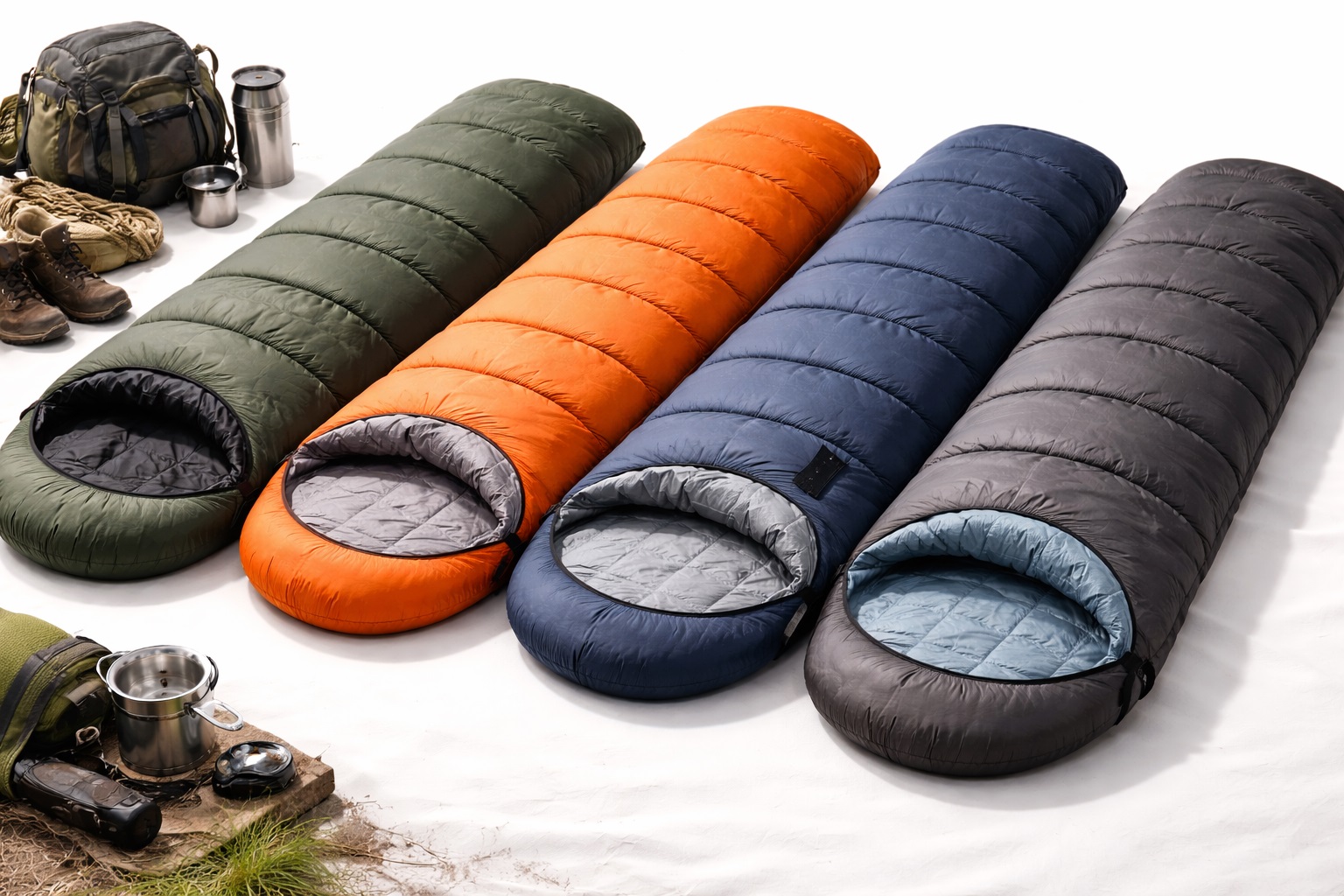
Best Durable Sleeping Bag in 2026
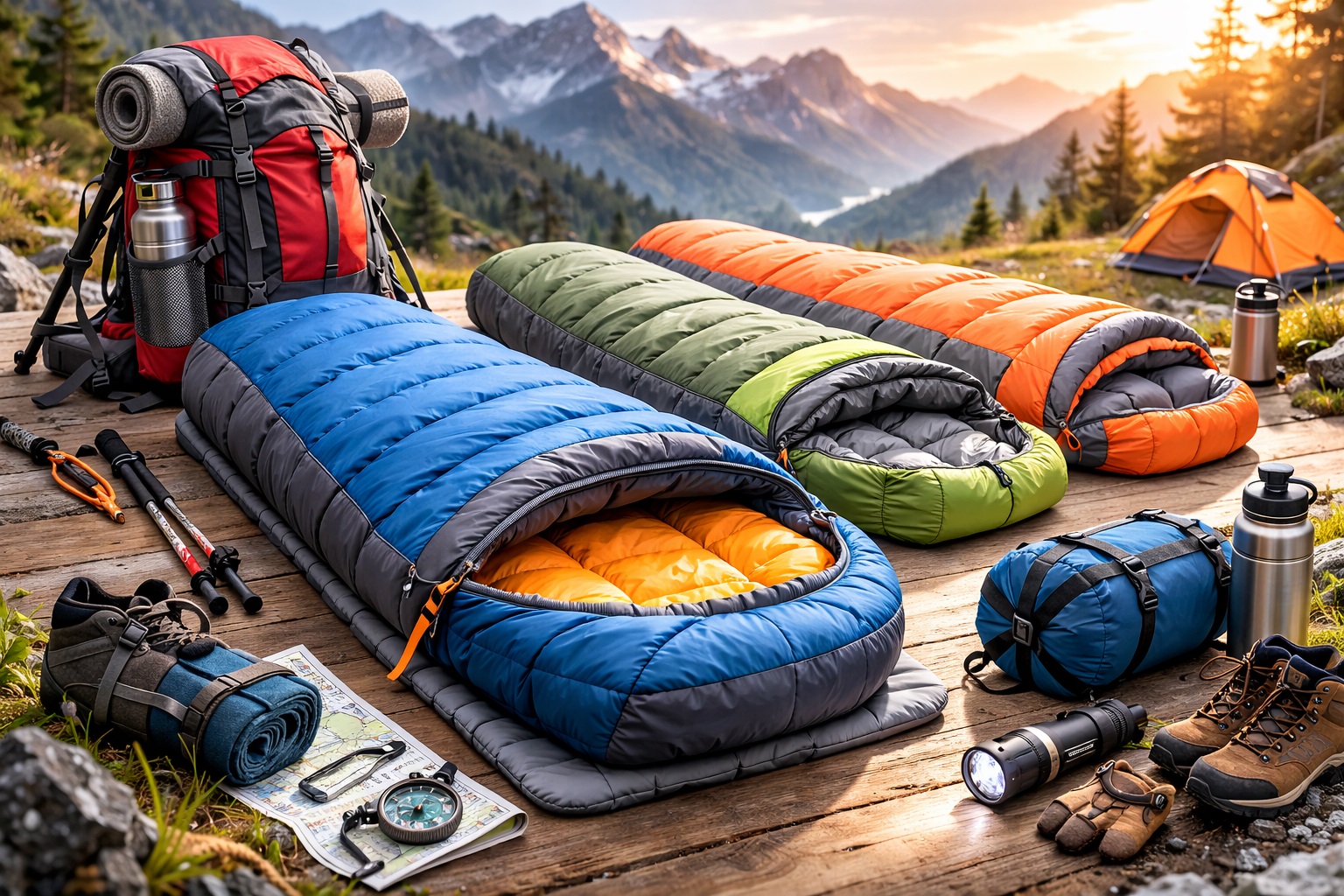
A sleeping bag is one of those purchases where paying attention to build quality pays off for years, not just for one trip. Seams that hold up to repeated stuffing, insulation that keeps its loft season after season, and a shell fabric that resists abrasion all separate a bag that lasts a decade from one that needs replacing after a couple of seasons. In 2026, the sleeping bags that stand out for durability aren't necessarily the flashiest or the lightest — they're the ones built with materials and construction that hold up to real, repeated use.
This guide compares eight sleeping bags known for going the distance, from budget synthetic options with reinforced stitching to premium down bags built by manufacturers with a track record of long-term quality. We looked at seam construction, fill retention, shell durability, and brand support to help you find a bag that won't need replacing after just a season or two of regular use.
Below you'll find detailed reviews of each pick, a buying guide covering the construction details that actually determine how long a sleeping bag lasts, and answers to the questions people ask most often when shopping for gear built to last.
Durability doesn't always mean the most expensive option, either. Some of the most cost-effective long-term choices on this list are budget bags with smart construction details, like reinforced stitching, that outlast pricier competitors with weaker seams. Price and longevity don't always move together, so it's worth looking past the sticker price to the actual build quality underneath.
It's also worth thinking about durability as two related but separate qualities: how well a bag physically survives repeated use, and how well it maintains its warmth over time. A bag can hold together structurally for years while still losing significant insulating performance if the fill isn't cared for properly, so we've tried to weigh both angles throughout this guide rather than focusing on toughness alone.
Top 8 Best sleeping bag Picks (Detailed Reviews)
1. Kelty Cosmic 20 – Best For Long-Term Down Performance
The Kelty Cosmic 20 earns its place at the top of this list because its 600-fill DriDown insulation holds up well to years of regular use. The water-resistant treatment on the down helps prevent the moisture damage that gradually degrades untreated down over time, meaning the bag maintains more of its original loft after repeated trips. At approximately $150, it represents a smart long-term investment for anyone who plans to use their bag regularly for years.
- Pros:
- Water-resistant DriDown resists the moisture damage that shortens down's lifespan
- Compresses smaller without sacrificing long-term loft retention
- Strong reputation for holding up across many seasons of use
- Cons:
- Higher price point than entry-level synthetic bags
- Requires more careful storage than synthetic alternatives
Best For: Regular users who want down performance that keeps working season after season.
Why We Recommend It: Treated down consistently outlasts untreated down in real-world use, and the Cosmic 20 pairs that advantage with a price that makes long-term ownership genuinely reasonable. It's the kind of bag that still performs well after cheaper alternatives have started losing loft, which is exactly what you want from a purchase meant to last for years rather than one season.
2. Hyke & Byke Quandary – Best For Durable Down Value
Hyke & Byke built the Quandary with hydrophobic down that resists moisture absorption, directly addressing one of the biggest threats to a down bag's long-term performance. Since moisture is the main culprit behind down clumping and losing loft over time, this treatment meaningfully extends the bag's useful life. At around $160, it delivers durability benefits usually reserved for pricier bags.
- Pros:
- Hydrophobic treatment protects against the moisture damage that shortens down's lifespan
- Reasonable price for the long-term durability it offers
- Compact, well-constructed build that holds up to repeated packing
- Cons:
- Higher price point than synthetic alternatives
- Still benefits from careful long-term storage practices
Best For: Buyers who want durable down insulation without paying premium-brand prices.
Why We Recommend It: It brings a genuine durability advantage to a mid-range price point, which is a combination that's harder to find than it should be. For anyone tired of replacing bags every few seasons, it's a meaningful upgrade that pays for itself the longer you own it.
3. Western Mountaineering MegaLite – Best For Decades of Reliable Use
Western Mountaineering has built its reputation on meticulous, hand-filled down construction that's designed to perform for decades rather than seasons. The careful, even distribution of down avoids the cold spots and thin patches that develop in mass-produced bags over years of use. At around $500, it's the most expensive bag on this list, but its reputation for longevity means the cost per year of use can actually compare favorably to cheaper bags that need replacing more often.
- Pros:
- Hand-filled construction avoids the fill thinning common in mass-produced bags
- Premium materials built specifically for long-term reliability
- Strong reputation among users who've owned bags for many years
- Cons:
- Significantly higher upfront price point than every other bag on this list
- Requires careful, consistent long-term care to reach its full lifespan
Best For: Buyers who plan to own and use one high-quality bag for many years rather than replacing gear frequently.
Why We Recommend It: When you calculate cost per year of ownership rather than upfront price, the MegaLite's exceptional construction quality often justifies the investment for serious, long-term users. It's built to be a decades-long companion rather than a disposable purchase, and owners frequently report the bag still performing well long after typical bags would have needed replacing.
4. Oaskys 3-Season – Best For Affordable Long-Term Backup
Not every durable bag needs to be expensive, and the Oaskys 3-Season offers a surprisingly resilient option at a very accessible price. Its weatherproof coating protects the shell from the kind of moisture exposure that gradually degrades fabric over time, and at around $35, it's inexpensive enough to keep as a long-term backup bag without a significant investment. It won't match premium bags on refinement, but it holds up reasonably well for its price class.
- Pros:
- Weatherproof coating helps protect the shell fabric over years of use
- Extremely affordable, making it easy to justify keeping as a spare
- Reasonable durability for its price point
- Cons:
- Won't match premium bags on long-term fill performance
- Bulkier construction than purpose-built durability-focused bags
Best For: Buyers who want an affordable, reasonably durable bag to keep as a long-term backup.
Why We Recommend It: At this price point, it's hard to complain about its durability, and it's a sensible choice for anyone who wants gear on hand for years without a major investment. Keeping one as a spare also means a single failure or emergency never leaves you without a working bag.
5. TETON Sports Celsius – Best For Rugged Seam Durability
The TETON Sports Celsius stands out for its double-layer stitching, a construction detail that directly addresses one of the most common failure points in cheaper sleeping bags: seams that let fill shift or leak out after repeated use. This reinforced stitching keeps the synthetic insulation evenly distributed year after year, even with frequent stuffing and unstuffing. At roughly $80, it delivers seam durability that punches above its price class.
- Pros:
- Double-layer stitching resists the seam failures common in budget bags
- Synthetic fill stays evenly distributed even after years of use
- Strong value for buyers prioritizing construction quality on a budget
- Cons:
- Bulkier and heavier than down alternatives
- Limited color options
Best For: Buyers who want a budget bag that won't develop seam problems after a season of regular use.
Why We Recommend It: Seam failure is one of the most common reasons budget bags need early replacement, and the Celsius directly addresses that weak point with reinforced construction most competitors skip at this price. It's proof that durability doesn't have to come with a premium price tag if a brand pays attention to the right details.
6. Coleman 0°F Mummy – Best For Long-Lasting Cold-Weather Use
The Coleman 0°F Mummy pairs genuine cold-weather warmth with a heat-locking architecture built to hold up across repeated cold-season use. Since cold-weather bags often see more concentrated, seasonal use than three-season bags, the construction needs to withstand being packed away for months and then relied upon again when temperatures drop. At around $60, it's an affordable way to get durable cold-weather performance.
- Pros:
- Heat-locking architecture continues performing well across repeated cold seasons
- Very affordable for a bag rated to freezing temperatures
- Mummy shape holds its structure well over years of storage and use
- Cons:
- Bulkier and heavier than purpose-built long-term backpacking bags
- Limited color options
Best For: Buyers who need a cold-weather bag that reliably performs year after year of seasonal use.
Why We Recommend It: Cold-weather bags that see seasonal rather than constant use need to survive long periods of storage between trips, and this one has a strong track record of coming out of storage ready to perform. That reliability matters more than almost anything else when you're relying on a bag during genuinely cold conditions.
7. REI Co-op Trailmade 20 – Best For Warrantied Long-Term Ownership
The REI Co-op Trailmade 20 combines dependable synthetic construction with the backing of REI's well-known customer service and return policies, which matters when you're thinking about a bag's lifespan rather than just its initial performance. At around $100, it's priced reasonably for buyers who want the peace of mind that comes with a brand known for standing behind its gear over the long haul.
- Pros:
- Backed by REI's reputation for long-term customer support
- Synthetic warmth remains reliable even after years of varied conditions
- Reasonable price for the brand support that comes with it
- Cons:
- Higher price point than pure budget bags from lesser-known brands
- Limited color options
Best For: Buyers who value long-term brand support as much as the bag's raw construction quality.
Why We Recommend It: A bag's durability isn't just about materials — it's also about what happens if something does go wrong years down the line, and REI's support network gives long-term owners real peace of mind. Few competitors offer the same combination of accessible customer service and consistent product quality.
8. Marmot Trestles 15 – Best For Years of Dependable Service
Marmot has built a reputation for gear that performs consistently trip after trip, year after year, and the Trestles 15 reflects that philosophy. Its solid synthetic construction and thoughtful details, like the fold-down second zipper, are built to withstand the kind of repeated use that wears down lesser bags within a couple of seasons. At around $130, it's a mid-range investment aimed at buyers who plan to use their gear for the long haul.
- Pros:
- Solid construction that holds up to years of regular use
- Fold-down second zipper remains functional even after repeated use
- Backed by Marmot's reputation for durable, dependable gear
- Cons:
- Heavier than down alternatives at a similar temperature rating
- Limited color options compared to other bags in this lineup
Best For: Buyers who want a dependable bag built to serve them well for many years of regular use.
Why We Recommend It: Few bags in the mid-range price bracket combine Marmot's construction reputation with genuinely useful features, making the Trestles 15 a smart long-term investment rather than a short-term convenience purchase. Buyers replacing a bag that failed early elsewhere often find this one lasts considerably longer under the same conditions.
Buying Guide: How to Choose the Best Durable Sleeping Bag
Durability isn't a single spec you can check off a list — it's the combination of several construction details working together over years of use. Here's what actually determines whether a sleeping bag lasts a few seasons or a decade or more.
It's worth noting that "durable" doesn't always mean "rugged" in the way that word suggests for other outdoor gear. A durable sleeping bag holds onto its insulating performance over time just as much as it resists physical wear, which means fill quality and care habits often matter just as much as tough outer fabric.
1. Seam Construction and Stitching Quality
Reinforced or double-layer stitching along stress points is one of the clearest indicators of a bag built to last. Seams that fail let insulation shift or leak out, gradually creating cold spots and reducing overall warmth, so checking for reinforced seams is one of the most important durability checks you can make.
2. Fill Type and How It Ages Over Time
Down insulation, properly cared for, can maintain its loft for many years, but it's more vulnerable to moisture damage than synthetic fill. Synthetic insulation tends to be more forgiving of imperfect care but can gradually lose some loft faster than well-maintained down over a very long ownership period.
3. Shell Fabric Abrasion Resistance
The outer shell fabric takes the brunt of physical wear from being packed, unpacked, and used against tent floors and ground surfaces. A tightly woven, abrasion-resistant shell fabric holds up significantly better over years of use than thinner, less durable materials.
4. Zipper Durability
Zippers are one of the most common failure points on an aging sleeping bag. Look for sturdy zipper construction and consider how often you'll use the bag, since a zipper that's opened and closed hundreds of times needs to be built to withstand that repeated stress.
5. Proper Storage Between Uses
How a bag is stored between trips has a major impact on its long-term performance, especially for down. Storing a bag loosely in a large mesh or cotton sack, rather than tightly compressed, helps maintain loft and prevents the fill from developing permanent compression damage.
6. Washing Frequency and Its Effect on Longevity
Overwashing can gradually degrade both down and synthetic fill, while underwashing allows body oils and dirt to build up and reduce insulating performance over time. Following the manufacturer's specific care instructions strikes the right balance for long-term durability.
7. Fill Power Retention Over Years of Use
Higher fill power down generally retains its loft better over time than lower fill power down, assuming similar care. This is one reason premium down bags often justify their higher price for buyers planning years of regular use.
8. Warranty Coverage and Repair Services
A strong warranty and accessible repair services can dramatically extend a bag's usable life. Some manufacturers offer down refill or reconditioning services that restore an aging bag's performance for a fraction of the cost of buying new.
9. Brand Track Record for Long-Term Quality
Some brands have built decades-long reputations specifically around construction quality and longevity. Researching how a brand's older products have held up for other long-term owners can be a useful signal before committing to a purchase.
10. Signs a Sleeping Bag Needs Replacing
Persistent cold spots, visibly thinning insulation, seams that are pulling apart, or a zipper that no longer closes properly are all signs a bag has reached the end of its useful life. Catching these signs early can sometimes allow for a repair rather than a full replacement.
11. Cost Per Use Over a Bag's Lifetime
A more expensive bag that lasts twice as long as a cheaper alternative can actually offer better value over time. Calculating rough cost per year of expected use, rather than just comparing upfront prices, often changes which bag looks like the smarter purchase.
12. Protecting a Bag from UV and Moisture Damage
Extended sun exposure can gradually degrade shell fabrics, and repeated moisture exposure without proper drying accelerates wear on both down and synthetic fill. Simple habits, like airing out a bag fully before storing it, meaningfully extend its lifespan.
13. Choosing Between Synthetic Longevity and Down Performance
Synthetic bags tend to be more forgiving of imperfect long-term care, while down bags can outlast synthetic bags significantly if properly maintained. Your own consistency with gear care is worth factoring into which type will actually last longer in your hands.
14. Refurbishing and Refilling Older Bags
Many manufacturers and specialty gear-repair services offer down refill, reconditioning, and patch repair services that can restore an aging bag rather than requiring a full replacement. This is often significantly cheaper than buying new and worth investigating before writing off an older bag.
Frequently Asked Questions
How long should a good sleeping bag last?
With proper care, a well-made sleeping bag can last a decade or more. Down bags often last longest with careful maintenance, while synthetic bags tend to be more forgiving of imperfect care but may show gradual performance loss sooner.
Does down or synthetic insulation last longer?
Properly cared-for down generally outlasts synthetic insulation in terms of maintaining loft and warmth, but it requires more careful handling. Synthetic insulation is more forgiving of imperfect care but tends to compress and lose some loft faster over many years.
How often should I wash a sleeping bag to keep it in good shape?
Most sleeping bags only need washing once or twice a season unless visibly dirty. Overwashing can gradually degrade fill performance, so following the manufacturer's specific care instructions is the safest approach for long-term durability.
What causes a sleeping bag to lose warmth over time?
Moisture damage, improper storage, overwashing, and simple wear from repeated compression are the most common causes of a sleeping bag losing warmth over time. Down is particularly sensitive to moisture, while synthetic fill gradually compresses with age.
Can a sleeping bag be repaired instead of replaced?
Often, yes. Torn shell fabric can be patched, zippers can sometimes be replaced, and many brands offer down refill services for bags that have lost loft. It's worth checking repair options before assuming a bag needs full replacement.
How should I store a sleeping bag long-term?
Store it loosely in a large mesh or cotton storage sack rather than a tightly compressed stuff sack. Long-term compression, especially for down bags, can cause permanent loft loss over time.
What signs indicate it's time to replace a sleeping bag?
Persistent cold spots, visibly thin or clumped insulation, seams pulling apart, or a zipper that no longer functions properly are all signs a bag may need replacing, though some of these issues can potentially be repaired first.
Does a warranty cover normal wear and tear?
Most warranties cover manufacturing defects rather than normal wear and tear from regular use. It's worth reading the specific warranty terms, since coverage varies significantly between brands.
Can I extend the life of a down sleeping bag?
Yes. Storing it uncompressed, washing it only when necessary with down-specific detergent, and drying it thoroughly after any exposure to moisture are the most effective ways to extend a down bag's usable life.
Does the shell fabric matter for durability?
Yes, significantly. A tightly woven, abrasion-resistant shell fabric holds up much better to repeated packing, ground contact, and general handling than thinner, less durable materials.
How much does proper care affect a bag's lifespan?
Substantially. Two identical bags cared for differently can have very different lifespans — proper storage and appropriate washing frequency often matter as much as the bag's original construction quality.
Is a more expensive bag automatically more durable?
Not always, but there's often a correlation, since premium bags frequently use higher-quality materials and more careful construction. Some budget bags with reinforced stitching can still outlast pricier competitors with weaker seams, though.
Can zippers be repaired if they fail?
In many cases, yes. Zipper sliders can often be replaced, and some gear repair services specialize in exactly this kind of fix, which is usually far cheaper than replacing an entire sleeping bag.
How do I know if my sleeping bag's down needs refilling?
If the bag feels noticeably less warm than it used to, or you can see thin or empty patches when held up to light, the down has likely lost loft and may benefit from a refill service offered by some manufacturers.
Is it worth buying a bag built for durability if I only camp occasionally?
Yes, in most cases. A durable bag used occasionally will often last even longer than the same bag used constantly, making the investment stretch even further for infrequent users.
Does temperature rating affect how long a bag lasts?
Not directly, but bags rated for more extreme conditions often use higher-quality materials to achieve that performance, which can indirectly correlate with better long-term durability as well.
What's the biggest mistake people make that shortens a sleeping bag's life?
Storing a bag tightly compressed for long periods is one of the most common mistakes, especially with down bags. It permanently reduces loft over time and is easily avoided with a larger, looser storage sack.
Should I buy a durable bag even if I'm on a tight budget?
Where possible, yes. A slightly more expensive bag that lasts several times longer than the cheapest option usually works out to better value, even though it requires a larger upfront cost.
Do sleeping bag materials improve enough year to year to justify frequent upgrades?
Generally, no. Sleeping bag construction and materials tend to improve gradually rather than dramatically from year to year, so a well-built bag purchased today should remain competitive with newer releases for many years rather than becoming outdated quickly.
Final Verdict
- Top Pick: Kelty Cosmic 20 for treated down that holds up reliably over years of use.
- Budget Choice: Oaskys 3-Season for an affordable, reasonably durable backup option.
- Premium Choice: Western Mountaineering MegaLite for buyers planning decades of use from one bag.
Buying for durability means thinking beyond the first trip and considering how a bag will perform after dozens or hundreds of nights of use. The bags on this list stand out because their construction details — reinforced seams, moisture-resistant down, tightly woven shells — directly address the ways sleeping bags typically wear out, rather than just offering impressive specs on day one.
Whichever bag you choose, remember that durability is a partnership between the gear and how you treat it. Even the best-built sleeping bag will underperform if it's stored compressed for years or washed too aggressively, while a modest bag cared for properly can outlast expectations. Pair a well-constructed bag with good storage and care habits, and you'll likely get many more years of use out of it than the price tag alone would suggest.
If longevity is your top priority, it's worth budgeting slightly more than you might for a single trip's worth of gear and thinking instead about cost per year of ownership. A bag that costs more upfront but lasts twice as long as a cheaper alternative isn't really the pricier option once you do the math — and you'll spend fewer weekends shopping for replacement gear along the way.