Best Luggage Scale for Travel in 2026: Top Picks
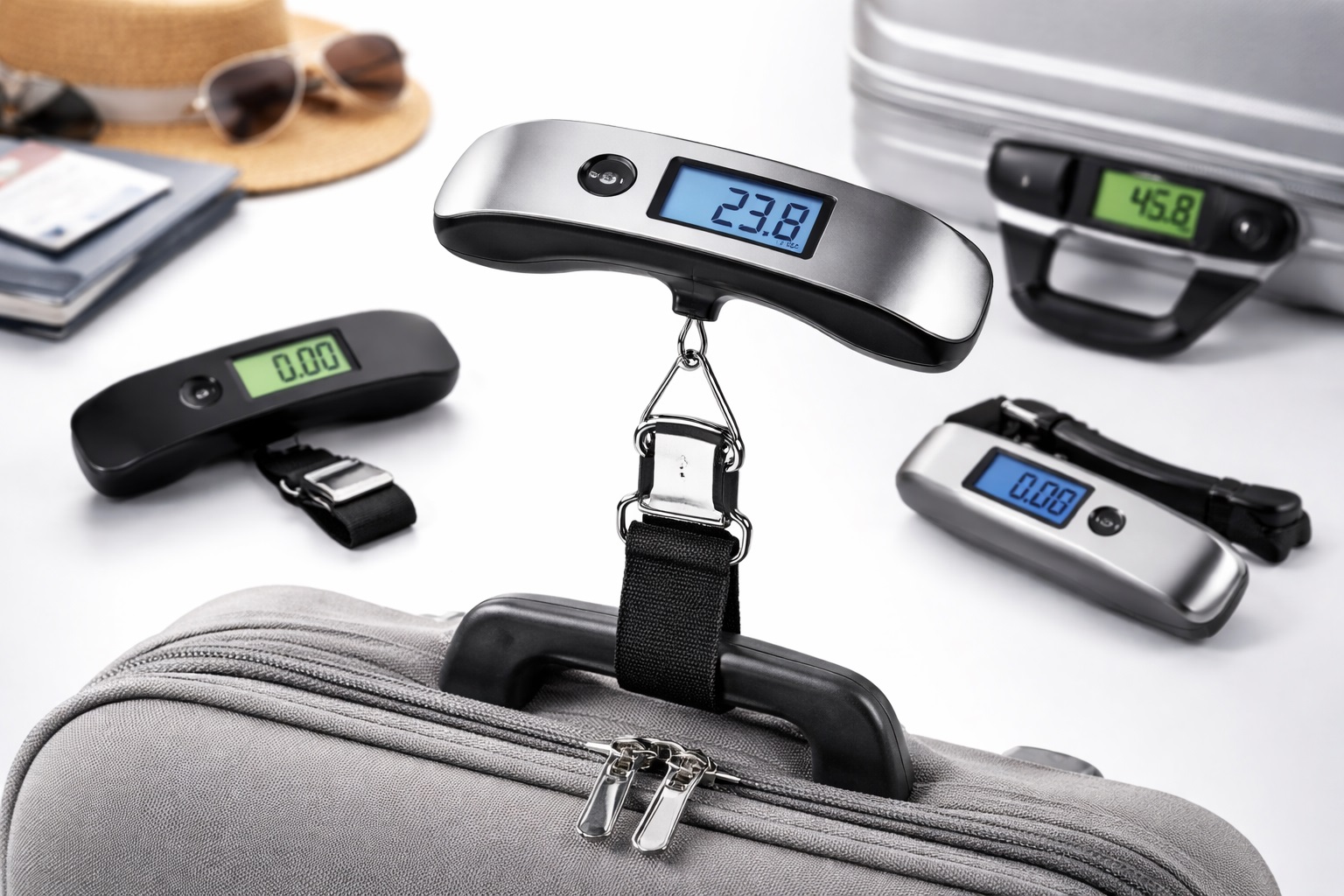
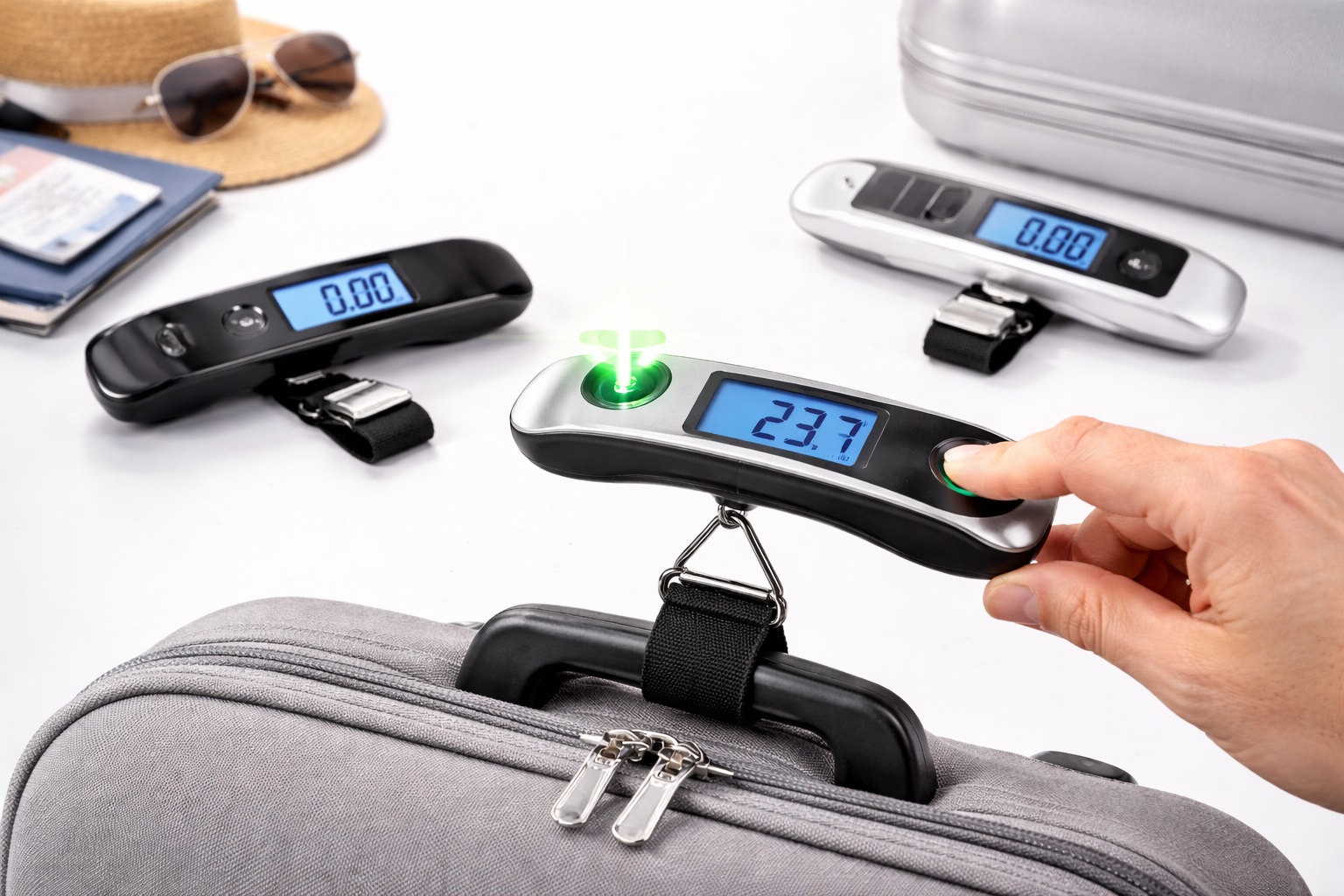
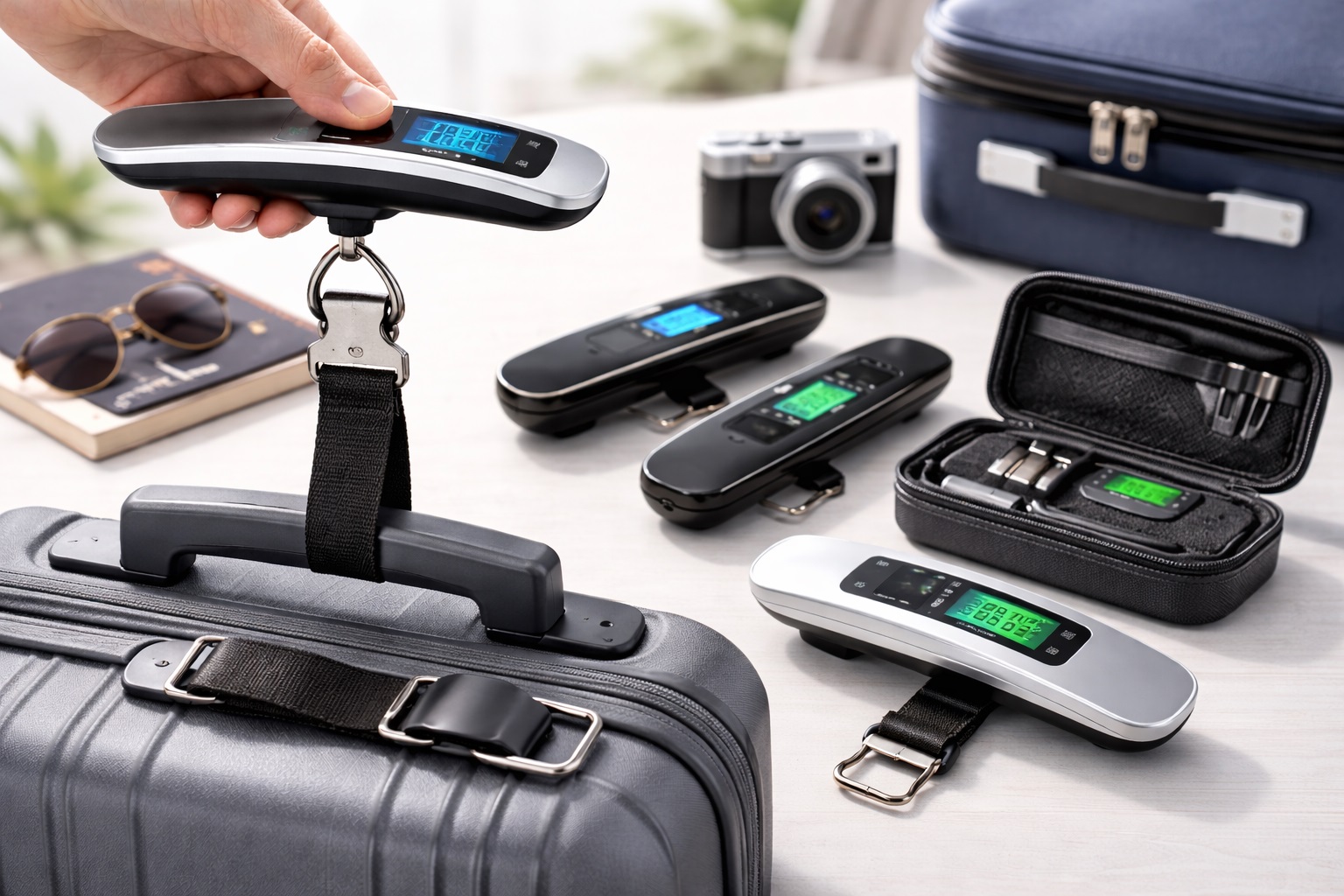
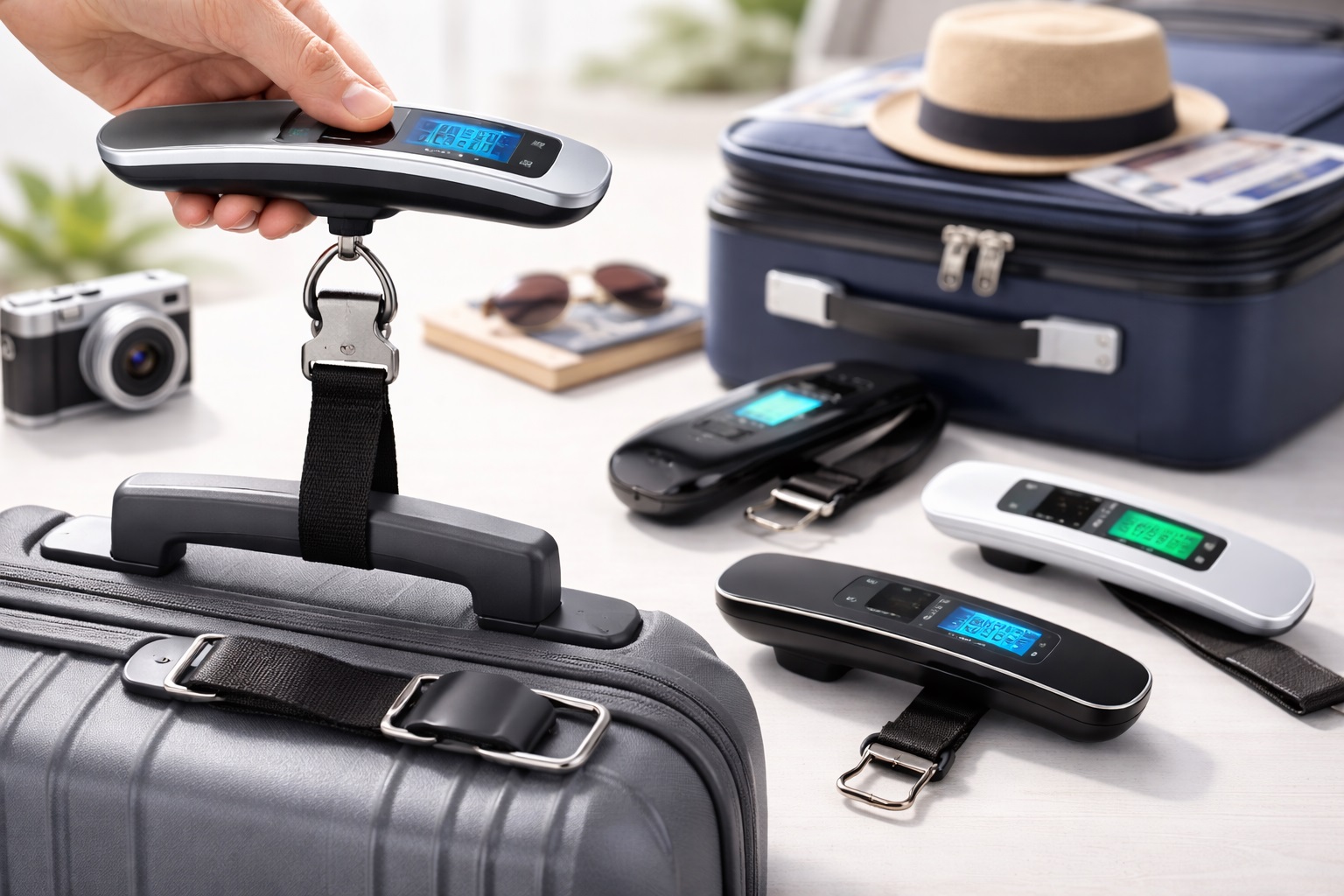
Few things derail the start of a trip quite like an overweight-bag fee at the check-in counter. A dependable luggage scale built for accurate weighing takes the guesswork out of packing, letting you confirm your suitcase is under an airline's limit before you ever leave home, rather than finding out the hard way in front of a line of other passengers.
We looked at eight luggage scales that show up repeatedly in frequent-flyer packing lists, evaluating each one on how consistently it reads weight, how easy it is to use one-handed while wrangling a heavy suitcase, and how well it holds up to the kind of repeated use a scale gets from someone who travels often.
Below are detailed reviews of all eight, a buying guide covering the details that actually affect weighing accuracy and everyday usability, and answers to the questions travelers ask most often about getting an accurate read before they fly.
Top 8 Best Luggage Scale Picks (Detailed Reviews)
1. Amazon Basics Digital – Best Overall Accuracy for the Price
The Amazon Basics Digital luggage scale pairs a straightforward hook-and-strap design with an easy-to-read LCD display, giving travelers a clear, consistent weight reading without any unnecessary complexity. At around $10, it's one of the more accessible options that still delivers dependable accuracy trip after trip.
Digital scales in this category generally use a strain-gauge sensor that registers weight as you lift the suitcase off the ground, and the Amazon Basics model handles that core function reliably, which is really the most important thing a luggage scale needs to get right.
Because the display is large and legible, there's little room for the kind of misreading that can happen with harder-to-read screens, which matters most when you're squinting at a scale in a dim hallway before an early flight.
For most travelers who just want a straightforward, no-fuss way to confirm their bag is under the limit, this remains one of the more dependable starting points in the category.
Its simplicity also means less to go wrong mechanically over years of repeated use, which is a meaningful factor for an item that often gets tossed into a suitcase pocket and forgotten about between trips.
It's frequently the scale recommended to first-time buyers specifically because it doesn't require learning any extra features to get a trustworthy number.
- Pros:
- Easy-to-read LCD display that minimizes misreads
- Consistent, dependable weight accuracy for the price
- Simple design with little to malfunction over time
- Cons:
- Slightly higher price than the most basic mechanical scales
- Limited extra features beyond core weighing
Best For: Travelers who want a straightforward, dependable scale without extra bells and whistles.
Why We Recommend It: Its clear display and consistent accuracy make it one of the easiest scales to trust before a flight.
2. Fosmon Digital Hanging – Best For Locking In a Reading
The Fosmon Digital Hanging scale includes a data lock function that freezes the displayed weight once the suitcase is lifted, which solves a genuinely common frustration: watching a number fluctuate as your arm shakes or the bag swings slightly. At around $9, it's one of the more affordable options that still includes this convenience.
That locking feature matters more than it might seem, since a wobbling reading is one of the most common reasons travelers second-guess whether their scale is actually accurate.
Once the weight locks in, you can set the bag back down and read the display at your own pace, rather than trying to catch a fast-changing number while still holding a heavy suitcase off the ground.
For travelers who've struggled with unstable readings on simpler scales, this small feature makes a real difference in how confident you feel about the number you're seeing.
It's a particularly useful feature for anyone weighing a bag solo, without a second person to help stabilize the suitcase during the lift.
Travelers who've dealt with the frustration of a display jumping between two numbers on a cheaper scale tend to appreciate this feature the most once they've experienced it firsthand.
- Pros:
- Data lock function that freezes the reading for easier viewing
- Compact, lightweight design that's easy to pack
- Affordable price for the added convenience it offers
- Cons:
- Slightly higher price than the most basic mechanical scales
- Limited weight capacity compared to some heavier-duty models
Best For: Travelers who want a stable, locked-in reading rather than a fluctuating live number.
Why We Recommend It: The data lock feature solves one of the most common frustrations with basic digital luggage scales.
3. Etekcity Digital Scale – Best For High-Precision Readings
The Etekcity Digital Scale is built around a high precision sensor designed to register even small weight changes accurately, which matters for travelers cutting it close to an airline's exact weight limit. At around $12, it's priced to reflect that added sensor quality.
For anyone who's shifted items between a checked bag and a carry-on to shave off just a pound or two, a more precise sensor gives you confidence that small adjustments are actually being measured correctly.
This kind of precision matters most for travelers on budget airlines with strict weight limits and correspondingly steep overweight fees, where even a small miscalculation can mean paying a meaningful penalty at the counter.
The scale's overall reliability across repeated weighings also builds trust over time, since a precise reading only matters if it's consistent from one use to the next.
For travelers who pack close to the limit intentionally to maximize what they bring, this level of precision is a genuinely practical feature rather than a marketing detail.
It's a common recommendation among travelers who've been stung by an unexpected overweight fee before and now double-check their bag's weight with a more precise instrument as a result.
- Pros:
- High precision sensor for accurate readings near weight limits
- Premier build quality for its price bracket
- Reputable brand recognized for reliable digital scales
- Cons:
- Slightly higher price than the most basic scales
- Limited extra features beyond its core precision weighing
Best For: Travelers who pack close to an airline's weight limit and need precise readings.
Why We Recommend It: Its precision sensor gives confidence when you're trying to stay just under a strict weight cutoff.
4. Dr. Meter Fishing Scale – Best For Dual-Purpose Use
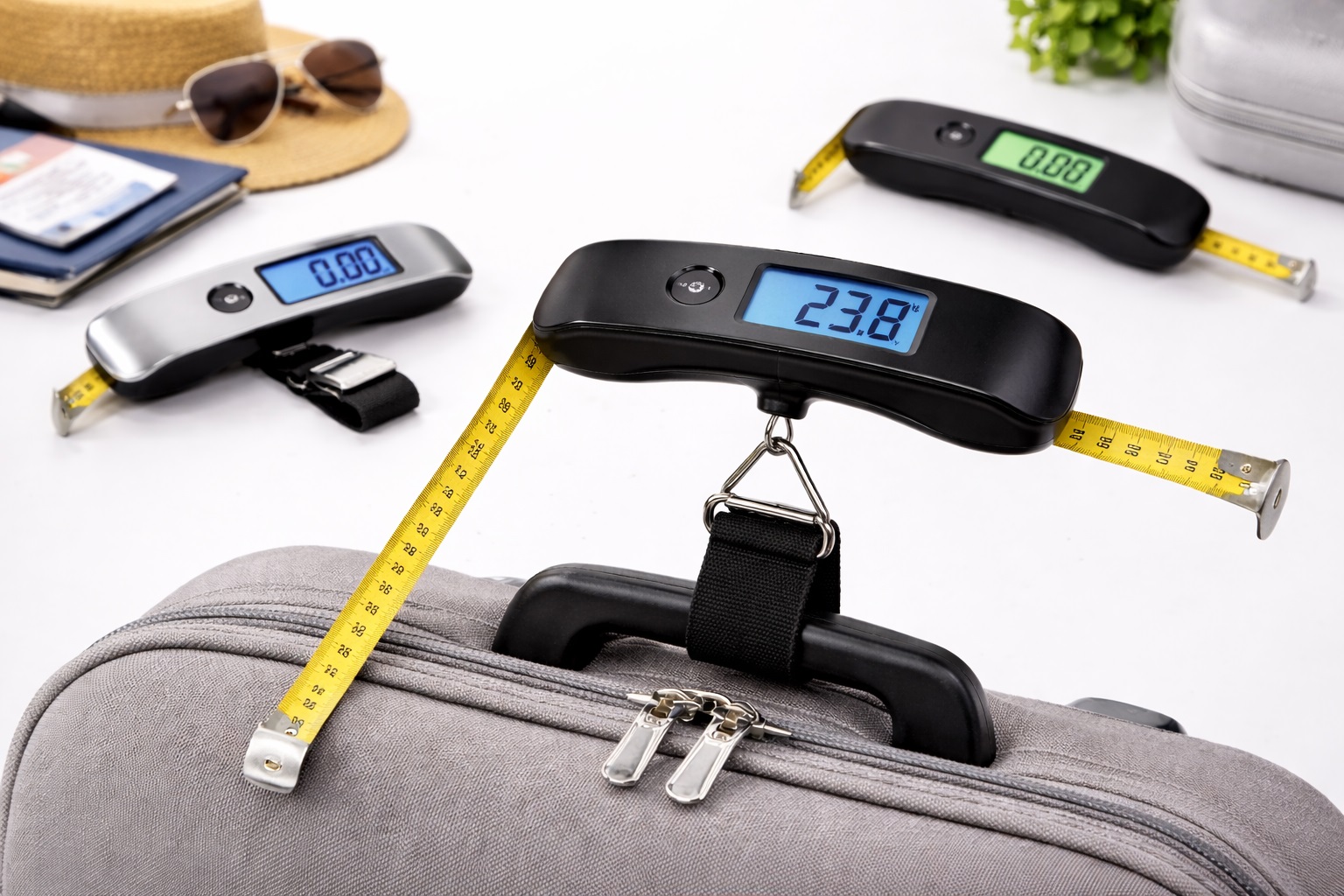
Originally designed as a fishing scale, the Dr. Meter model includes a built-in tape measure alongside its core weighing function, giving it a practical dual purpose for travelers who also want to check a bag's dimensions against carry-on size limits. At around $14, it's priced for the added versatility.
The tape measure is a genuinely useful extra for travelers flying budget airlines with strict carry-on dimension rules, letting you check both weight and size with a single tool instead of packing two separate items.
As a weighing tool, it performs the core hook-and-lift function just as reliably as scales designed specifically for luggage, since the underlying mechanism is largely the same across both use cases.
For travelers who also occasionally use a scale for other purposes, like weighing camping gear or sports equipment, this dual-purpose design offers more value outside of travel season as well.
It's a sensible pick for anyone who wants to consolidate two travel-prep tools into one rather than packing a separate scale and tape measure.
The fishing-scale origin also means it's built to handle a bit of rough handling, which translates reasonably well to the sometimes hurried process of weighing luggage before a flight.
- Pros:
- Built-in tape measure for checking carry-on dimensions
- Reliable core weighing accuracy
- Versatile enough for non-travel uses as well
- Cons:
- Slightly higher price than single-purpose scales
- Limited dedicated luggage-specific features compared to purpose-built models
Best For: Travelers who want to check both bag weight and carry-on dimensions with one tool.
Why We Recommend It: Its dual weight-and-measurement function adds practical value beyond a typical single-purpose scale.
5. Tarriss Jetsetter – Best For Durable, Repeated Use
The Tarriss Jetsetter uses a stainless steel plate in its construction, giving it a sturdier feel than many plastic-bodied competitors and suggesting better long-term durability for frequent travelers. At around $15, it's priced at the higher end of this list, reflecting that more robust build.
Stainless steel components generally resist the wear and tear of repeated use better than plastic housings, which matters for travelers who pull their scale out of a suitcase pocket dozens of times a year.
Beyond the material upgrade, it performs the standard hook-and-lift weighing function reliably, giving frequent flyers a scale they can trust to hold up over years of regular travel.
For travelers who've had a cheaper plastic scale crack or wear out after heavy use, the sturdier build here is a reasonable justification for the modest price premium.
It's a sensible investment for anyone who travels often enough that scale durability actually matters over the long run, rather than someone who only weighs a bag once or twice a year.
The added weight from the steel plate is negligible in practice, and most owners report it disappearing into a suitcase pocket just as easily as lighter plastic alternatives.
- Pros:
- Stainless steel plate for added durability
- Reliable core weighing performance
- Built to withstand frequent, repeated travel use
- Cons:
- Slightly higher price than plastic-bodied alternatives
- Marginal weight increase compared to lighter plastic scales
Best For: Frequent travelers who want a scale built to withstand years of repeated use.
Why We Recommend It: Its sturdier stainless steel construction is built for the wear and tear of frequent travel.
6. Travelon Stop & Lock – Best For Comfortable, Easy Handling
The Travelon Stop & Lock features a two-handed grip design, making it noticeably easier to lift a heavy suitcase steadily compared to scales that only offer a single small hook or handle. At around $8, it's also one of the more affordable options on this list.
That two-handed grip matters more than it might seem for anyone weighing a genuinely heavy checked bag, since a stable two-point lift reduces strain and makes it easier to hold the bag steady long enough for an accurate reading.
For travelers with back or wrist concerns, a more ergonomic grip design is a real practical advantage over scales that rely on a single narrow hook.
It performs the core weighing function reliably alongside its ergonomic design, so the added comfort doesn't come at the cost of accuracy.
This is a sensible pick for anyone who's found single-hook scales awkward or uncomfortable to use with a genuinely heavy suitcase.
It's also a reasonable choice for older travelers or anyone with limited grip strength, since the more distributed handle design asks less of your hand and wrist during the lift.
- Pros:
- Two-handed grip for more comfortable, stable lifting
- Affordable price point
- Reliable core weighing accuracy
- Cons:
- Slightly bulkier than single-hook designs
- Limited extra features beyond its ergonomic grip
Best For: Travelers who want a more comfortable, stable grip for lifting heavier suitcases.
Why We Recommend It: Its two-handed grip design makes weighing a heavy bag noticeably less awkward than single-hook alternatives.
7. Camry Luggage Scale – Best For Extra At-a-Glance Info
The Camry Luggage Scale includes a temperature display alongside its core weighing function, giving travelers a small bonus feature that some appreciate for general convenience. At around $11, it sits comfortably in the middle of this list's price range.
While the temperature display is more of a nice-to-have than a must-have feature, it doesn't come at the expense of the scale's core weighing accuracy, which remains dependable throughout repeated use.
For travelers who like a bit of extra information at a glance without paying a significant premium for it, this is a reasonable middle-ground option.
The core hook-and-lift weighing mechanism performs consistently, which is ultimately the most important thing to get right regardless of any secondary features.
It's a sensible pick for travelers who want a solid all-around scale and don't mind a small extra feature along for the ride.
- Pros:
- Temperature display as a small bonus convenience
- Reliable core weighing accuracy
- Reasonable mid-range price for its feature set
- Cons:
- Slightly higher price than the most basic scales
- Temperature display is a minor feature rather than a core benefit
Best For: Travelers who want a dependable scale with a small extra convenience feature included.
Why We Recommend It: It balances reliable core weighing with a bonus feature that doesn't compromise accuracy.
8. Samsonite Manual Scale – Best For Simplicity Without Batteries
The Samsonite Manual Scale uses a compact analog design rather than a digital display, which means no batteries to replace or die at an inconvenient moment before a flight. At around $10, it's a straightforward, reliable option for travelers who prefer mechanical simplicity.
Analog scales read weight through a spring mechanism and dial rather than an electronic sensor, which some travelers find just as trustworthy and appreciate for its complete independence from battery power.
For travelers who've been caught out by a dead battery in a digital scale right before a trip, the analog design here removes that particular point of failure entirely.
The trade-off is a slightly less precise readout compared to a digital display, since a dial is read visually rather than showing an exact numeric figure, though it's generally accurate enough for practical airline weight-limit purposes.
It's a sensible pick for travelers who value mechanical reliability and don't want to think about battery life as one more thing to manage before a trip.
Some travelers also simply prefer the tactile feel of a dial-based reading, finding it easier to trust at a glance than waiting for a digital number to settle.
- Pros:
- Compact analog design with no batteries required
- Reputable brand known for reliable travel gear
- Simple mechanical design with fewer points of failure
- Cons:
- Slightly less precise readout than digital alternatives
- Limited availability of some analog-specific replacement parts
Best For: Travelers who prefer a battery-free, purely mechanical scale.
Why We Recommend It: Its analog design removes the risk of a dead battery derailing your pre-flight weight check.
Buying Guide: How to Choose the Best Luggage Scale
Getting an accurate, trustworthy reading from a luggage scale comes down to a handful of practical details. The sections below cover what actually matters when choosing one.
1. Digital vs. Analog Accuracy
Digital scales generally offer more precise numeric readouts than analog dial scales, which matters most if you're trying to stay just under a strict weight limit. Analog scales are still reasonably accurate for most practical purposes and remove any concern about battery life. Which one suits you better often comes down to whether you value exact numbers or mechanical simplicity more.
2. Weight Capacity and Increments
Most luggage scales handle up to around 100-110 pounds, well beyond typical airline checked-bag limits, but it's worth confirming a scale's stated capacity and reading increment, since some display in larger steps than others. A finer increment gives you a more precise sense of exactly how close you are to a limit.
3. Battery Type and Life for Digital Models
Digital scales typically run on a small coin-cell battery that lasts a long time given how infrequently the scale gets used, but it's worth checking the battery type so a replacement is easy to find while traveling if it does eventually die mid-trip.
4. Locking or Hold Function
A scale that locks in the weight reading once you lift the bag makes for a much easier read than one showing a live, fluctuating number while you're straining to hold a heavy suitcase steady. This single feature is one of the most practically useful details to look for.
5. Grip and Hook Design
A single narrow hook can dig into your hand uncomfortably when lifting a heavy bag, while a wider handle or two-handed grip design distributes the weight more comfortably, which matters more the heavier your typical suitcase tends to be. Comfort becomes a bigger factor the more often you actually use the scale.
6. Auto-Off Features to Save Battery
Many digital scales include an auto-off function that powers down after a period of inactivity, helping preserve battery life between the infrequent occasions most travelers actually use a luggage scale, sometimes going months between trips.
7. Display Readability
A large, high-contrast display is easier to read accurately, especially in dim lighting like a hotel hallway before an early departure. Some models also include a backlit display for extra visibility in low light, which is a small but genuinely useful convenience.
8. Compactness for Packing the Scale Itself
A luggage scale needs to travel with you to be useful for the return trip, so a compact, lightweight design that tucks easily into a suitcase pocket is worth prioritizing alongside core weighing performance, especially if you're already packing tightly.
9. Calibration and Consistency
A trustworthy scale should give consistent readings across repeated weighings of the same item. If a scale shows noticeably different numbers each time you weigh the same bag, that inconsistency is a bigger problem than the actual accuracy of any single reading, since you can't trust any individual number.
10. Extra Features Worth Considering
Some scales include bonus features like a built-in tape measure, a temperature display, or a flashlight. These are rarely essential, but they can add practical value if they don't come at the expense of core weighing reliability, which should always be the priority.
11. Build Material and Durability
Scales built with sturdier materials, like a stainless steel plate or reinforced housing, tend to hold up better to years of repeated travel use than lighter, all-plastic designs, which is worth weighing against the modest weight difference for frequent flyers.
12. Airline Weight Limits Vary by Carrier and Route
Checked-bag weight limits differ by airline, ticket class, and sometimes route, commonly falling in the 44-70 pound range internationally. Check your specific airline's limit before your trip rather than assuming a standard figure applies universally across every carrier.
13. Price vs. Long-Term Reliability
A luggage scale is a relatively inexpensive purchase, so it's usually worth spending a little more for a model with a track record of consistent accuracy rather than choosing the absolute cheapest option available, since the price difference is rarely significant either way.
Frequently Asked Questions
How accurate are handheld luggage scales?
Most digital handheld luggage scales are accurate within a small margin, typically well under a pound, which is precise enough for staying under standard airline weight limits without much room for concern.
Do I need to weigh my bag before every flight?
It's a good habit, especially if you've packed differently than usual or are flying with a budget airline that enforces strict weight limits with steep overweight fees for even small excesses.
What is a typical checked-bag weight limit?
It varies by airline and route, but many carriers set checked-bag limits somewhere in the 44-70 pound range. Always check your specific airline's policy before you fly, since it can differ by ticket class too.
Are luggage scales allowed in carry-on bags?
Yes, luggage scales are standard carry-on items with no special restrictions and can be packed in either carry-on or checked luggage without any issue.
Do digital scales need batteries?
Most digital luggage scales run on a small coin-cell battery, which typically lasts a long time given how infrequently the scale is used between trips, sometimes years before needing replacement.
Is an analog scale as accurate as a digital one?
Analog scales are generally accurate enough for practical travel purposes, though digital scales typically offer a more precise numeric readout, which matters most if you're right at a weight limit and need exact figures.
How do I get a stable reading on a heavy bag?
A scale with a locking or hold function freezes the reading once you lift the bag, which makes it much easier to read accurately than watching a number fluctuate while holding a heavy suitcase off the ground.
Can I use a luggage scale for other purposes?
Yes, many luggage scales work fine for weighing other items like sports equipment or packages, since the underlying hook-and-lift mechanism isn't specific to suitcases at all.
Do luggage scales wear out over time?
Cheaper, less durable scales can wear out faster with heavy repeated use. A sturdier build, like a stainless steel plate, tends to hold up better for frequent travelers over the years of regular use.
Should I calibrate my luggage scale?
Most consumer luggage scales don't require manual calibration, but if you notice inconsistent readings on the same item, it may be worth trying a different scale or checking the battery for a low charge.
What weight capacity do I need?
Most standard luggage scales handle up to 100-110 pounds, which comfortably covers the checked-bag limits set by nearly every airline, even for oversized or heavier bags.
Is a built-in tape measure useful on a luggage scale?
It can be, particularly for checking carry-on size restrictions in addition to weight, letting you verify both dimensions with a single tool rather than packing two separate items for the same purpose.
How much should I expect to spend on a good luggage scale?
Most reliable luggage scales fall in the $8 to $15 range, and spending within that range generally gets you dependable core accuracy without paying for unnecessary extras you won't use.
Final Verdict
- Top Pick: Amazon Basics Digital for dependable overall accuracy at an accessible price.
- Budget Choice: Etekcity Digital Scale for precise readings near strict weight limits.
- Premium Choice: Fosmon Digital Hanging for a stable, locked-in reading every time.
A good luggage scale doesn't need to do much beyond give you a consistent, trustworthy number before you leave for the airport, and every pick on this list handles that core job reliably. Whether you prioritize precision, comfort, durability, or simply avoiding batteries altogether, weighing your bag at home takes just a minute and can save you a genuinely frustrating experience at check-in.