Best Camping Chairs for Outdoor Comfort & Portability
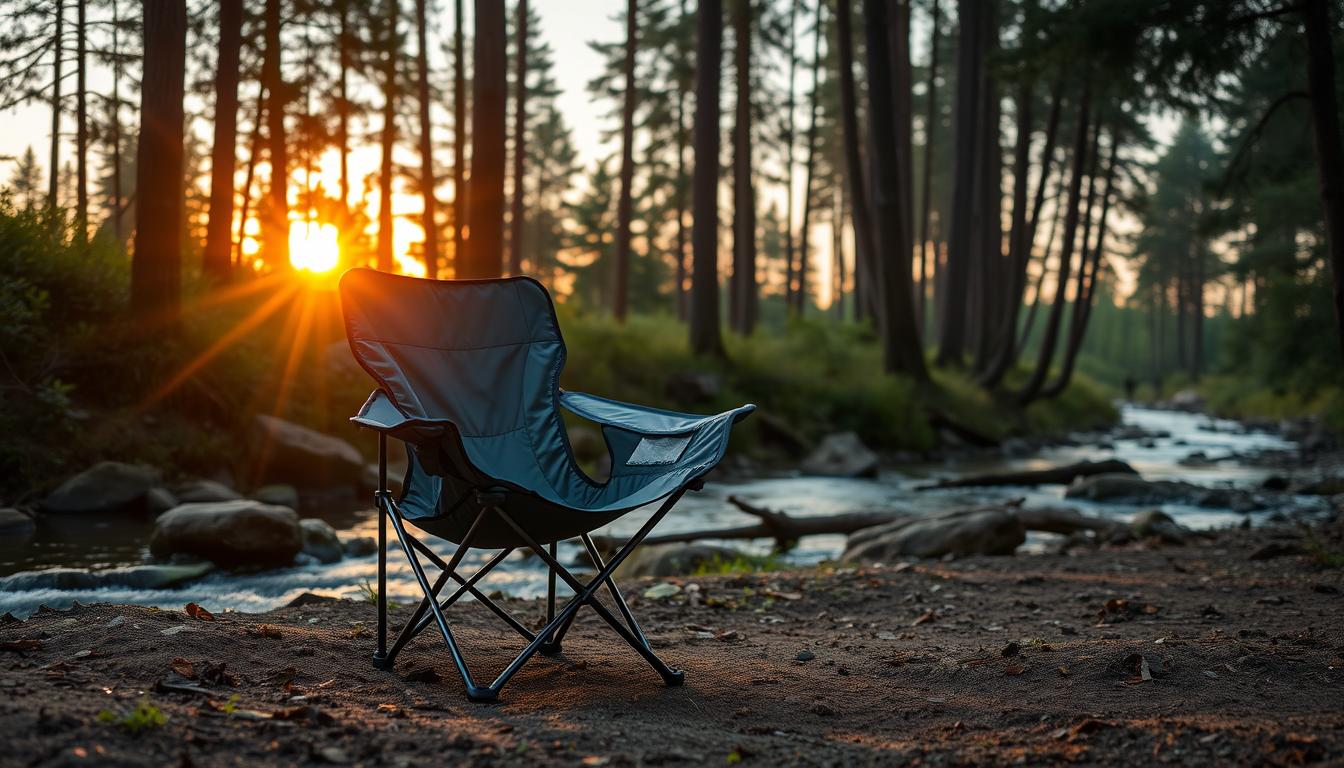
The right camping chair depends almost entirely on how you're getting to your campsite. Someone hiking six miles into the backcountry cares about grams and packed volume above everything else. Someone unloading a car trunk at a drive-in campground can prioritize comfort and durability without worrying about a few extra pounds. And someone heading to a weekend festival wants a chair that survives being sat on, stood on, and left out in the sun for three days straight.
Because "camping chair" covers such a wide range of actual use cases, this guide breaks the category down by the scenarios that matter most: ultralight backpacking chairs, heavy-duty car-camping chairs, low-profile chairs for around the fire, reclining chairs for lounging, chairs designed for kids, and budget folding chairs for occasional use. Each type makes different trade-offs between weight, comfort, durability, and price, and understanding those trade-offs up front prevents the common mistake of buying a chair that's wrong for how you actually camp.
Search intent around camping chairs generally clusters around a small set of real concerns: how much a chair weighs and packs down for hiking, how much weight capacity and comfort it offers for lounging at a base camp, and how well it holds up to repeated use over multiple seasons of trips. Very few buyers need a chair that excels at all three simultaneously, which is why identifying your dominant use case first makes the rest of the decision far simpler.
Below, each category gets an honest look at what it does well and where it falls short, followed by a detailed buying guide covering the practical factors — weight capacity, packed size, fabric durability, and more — that separate a chair you'll actually enjoy using from one that ends up as camp clutter. A dedicated FAQ section then covers the specific questions campers tend to ask once they've settled on a general chair type.
It's also worth thinking about how your camping habits might change over the next few years, since gear bought for a single trip type sometimes ends up mismatched a season or two later. Someone who starts out car camping with family might later take up backpacking, or a household with young kids might need to reconsider chair sizing every couple of years as those kids grow. Buying with a little flexibility in mind — rather than optimizing purely for this season's specific trip — can save you from replacing gear sooner than expected.
Top Camping Chairs Reviewed
1. Ultralight Backpacking Chair – Best for Backcountry Trips
Ultralight backpacking chairs are built around a simple design philosophy: strip away everything not strictly necessary to hold a seated body off the ground. These typically use a minimal aluminum or carbon pole frame combined with a lightweight ripstop fabric seat, packing down small enough to strap to the outside of a backpack. The trade-off for that dramatic weight reduction is reduced comfort — smaller seat area, less back support, and lower weight capacity compared to bulkier alternatives.
- Pros:
- Dramatically lighter than standard folding camp chairs, ideal for miles of hiking
- Packs down to a small, compact size that fits easily in or on a backpack
- Quick to set up and break down at camp
- Cons:
- Smaller seat and lower back support compared to full-size camp chairs
- Lower weight capacity than heavy-duty alternatives
- Thinner fabric and frame components are more prone to wear over years of hard use
Best For: Backpackers, thru-hikers, and anyone carrying camp gear significant distances on foot.
Why We Recommend It: It solves the single biggest barrier to bringing seating on a backcountry trip — weight — without asking hikers to give up the comfort of sitting off the ground entirely at camp after a long day of hiking with a loaded pack.
2. Heavy Duty Camp Chair – Best Overall for Car Camping
Heavy duty camp chairs prioritize comfort, stability, and a higher weight capacity over portability, typically using a thicker steel or reinforced aluminum frame with a wide, supportive seat and back. These are built for the car-camping scenario where the chair travels in a trunk rather than a backpack, and where a stable, comfortable seat around the fire matters more than shaving off grams. Many include features like cup holders, side pockets, and padded armrests that ultralight designs skip entirely.
- Pros:
- Higher weight capacity and sturdier frame construction than lightweight alternatives
- Wider, more supportive seat and back for extended sitting comfort
- Often includes convenience features like cup holders and storage pockets
- Cons:
- Significantly heavier and bulkier when folded, impractical for backpacking
- Takes up meaningful trunk or storage space
- Setup and breakdown generally takes longer than simpler ultralight designs
Best For: Car campers, tailgaters, and anyone prioritizing comfort over portability at a drive-in site.
Why We Recommend It: When you don't have to carry it far, a heavy duty chair delivers noticeably better comfort and durability, making it the best all-around choice for typical car-based camping trips where the vehicle, not your back, is doing the heavy lifting.
3. Low Camp Chair – Best for Campfire Seating
Low camp chairs sit closer to the ground than standard designs, typically putting the seat just a few inches off the dirt. This lower profile is specifically suited to sitting around a campfire, where standard-height chairs can feel awkward relative to the fire ring, or for beach use where a low center of gravity helps with stability on sand. The reduced height does make standing up less convenient, particularly for anyone with knee or hip sensitivity. It's worth testing the up-and-down motion specifically before committing to this category if mobility is any kind of consideration, since the low seat height that makes it so comfortable around a fire ring is the same trait that makes repeated standing more effortful over a full weekend.
- Pros:
- Comfortable, natural seating height for campfire gatherings
- Low center of gravity improves stability on sand or uneven ground
- Often lighter and more compact than standard-height chairs
- Cons:
- Getting up and down is noticeably harder than with standard-height chairs
- Less suited to activities like eating at a table due to the low seat height
- May not suit users with knee, hip, or mobility limitations
Best For: Beach trips, campfire gatherings, and anyone wanting a low, stable, casual seat.
Why We Recommend It: The low seat height genuinely improves the campfire and beach experience in ways a standard chair can't replicate, making it a purpose-built option rather than a compromise.
4. Reclining Camp Chair – Best for Lounging
Reclining camp chairs add an adjustable backrest, often with multiple recline positions, turning a basic seat into something closer to a portable lounge chair. Some models include a footrest extension as well. This makes them well suited to extended relaxation — reading, napping, or simply lounging at camp for hours — though the added mechanism means more weight, more moving parts, and generally a higher price than a simple fixed-back chair.
- Pros:
- Adjustable recline positions genuinely improve comfort for extended lounging
- Some models include a retractable footrest for a more complete lounging setup
- Well suited to relaxed, stationary camping rather than active use
- Cons:
- Heavier and bulkier than fixed-back chairs due to the recline mechanism
- Moving parts represent an additional point of potential mechanical failure over time
- Higher price point than simple folding chairs
Best For: Long weekends at a single campsite, RV camping, and anyone prioritizing lounging comfort over portability.
Why We Recommend It: For camping trips centered around relaxing at one site rather than moving around, the adjustable recline delivers a meaningfully more comfortable experience than a fixed-position chair.
5. Kids Camping Chair – Best for Families
Kids camping chairs are scaled-down versions of standard folding chairs, sized appropriately for smaller bodies and typically built with a lower weight capacity and simplified folding mechanism that's easier and safer for children to operate. Many use bright colors or fun patterns, and the lighter overall construction makes them easy for kids to carry themselves, which can be a meaningful part of getting children invested in camping trips. The honest caveat is that this is a short-lived purchase in most households, since children outgrow the sizing within a couple of years, so it's worth weighing the cost against how many camping seasons you realistically expect to get out of it before the next size up becomes necessary. Parents planning multiple camping trips a year with young kids typically find the investment worthwhile regardless, since a properly sized chair reduces fidgeting and complaints that can otherwise cut a trip short.
- Pros:
- Properly scaled sizing improves comfort and safety for children compared to adult chairs
- Lightweight enough for kids to carry and set up themselves
- Simplified folding mechanisms reduce pinch-point injury risk
- Cons:
- Not usable by adults or older teens due to size and weight capacity limits
- Kids often outgrow the sizing within a few years
- Generally less durable than adult-oriented chairs given the lighter construction
Best For: Family camping trips with young children who need their own properly sized seating.
Why We Recommend It: Properly sized seating measurably improves comfort and safety for kids compared to squeezing into an adult chair, and giving children their own gear tends to increase their enthusiasm for the trip.
6. Budget Folding Chair – Best for Occasional Use
Budget folding chairs are the simplest, least expensive category — a basic frame, a functional seat, and enough durability for occasional weekend use without any of the premium features found in higher-tier chairs. These are a sensible choice for someone who camps a few times a year and doesn't want to invest heavily in gear that will mostly sit in storage, or for households that need several chairs at once for group trips without a large per-chair budget. The honest trade-off is that these chairs are more likely to show frame flex or fabric sagging after a season or two of regular use, so buyers who camp more than a handful of times a year often find that stepping up to a mid-tier chair pays for itself in avoided replacements. For the occasional camper, though, replacing an inexpensive chair every few years can still work out cheaper overall than a single premium purchase that mostly sits unused in storage between trips.
- Pros:
- Low cost makes it practical to own several for group camping or guests
- Adequate comfort and function for occasional, low-intensity use
- Widely available and easy to replace if damaged
- Cons:
- Less durable frame and fabric compared to premium alternatives
- Comfort features like padding and back support are typically minimal
- May not hold up well to frequent, heavy use over multiple seasons
Best For: Occasional campers, group trips needing multiple chairs, and budget-conscious buyers.
Why We Recommend It: For infrequent use, a budget chair delivers adequate comfort and function without the expense of premium features that would go largely unused.
Buying Guide: How to Choose the Best Camping Chair
Once you know roughly which category fits your camping style, these factors determine whether a specific chair within that category will actually perform well for you.
1. Weight capacity and your actual body weight
Every camping chair lists a maximum weight capacity, and buying near or above that limit shortens the chair's lifespan considerably, even if it technically holds you. Leave a reasonable margin between your weight and the stated capacity, especially for lighter ultralight designs with lower limits, and remember that repeated stress near the maximum rating accelerates wear on stitching and frame joints far faster than occasional use well within it.
2. Packability and how you'll actually transport it
Packed size matters differently depending on your transport method — a chair that folds into a car trunk easily might be far too bulky for a backpack's side pocket. Match packed dimensions to your actual mode of transport, not just an abstract sense of "compact," and physically check the packed length against your pack or trunk space if at all possible before buying.
3. Seat comfort for your expected sitting duration
A chair used for quick breaks during a hike has different comfort requirements than one used for hours around an evening fire. Consider how long you'll typically be sitting before prioritizing padding, back support, and armrests over minimal weight, since comfort features that go unused on short breaks become genuinely valuable during long evenings at camp.
4. Durability of frame and fabric materials
Aluminum frames generally resist corrosion better than steel, though steel often provides more strength and stability at a given weight. Fabric denier (thickness) affects resistance to tears and UV degradation from repeated sun exposure at outdoor sites, so a higher denier rating is worth prioritizing if your chair will see frequent, rugged use rather than occasional gentle use.
5. Setup and breakdown speed
Some chairs pop open in seconds; others require more deliberate assembly. If you're setting up and breaking down camp frequently, or arriving after dark, a fast, intuitive setup process becomes more valuable than it might initially seem.
6. Stability on uneven or soft ground
Standard chair legs can sink into sand, mud, or soft soil, while wider feet or specifically designed leg bases resist sinking better. If your typical camping terrain is soft or uneven, prioritize a stable base design over a narrow, minimal footprint.
7. Ground clearance and ease of standing up
Very low chairs are comfortable once seated but can be genuinely difficult to rise from repeatedly, particularly for older users or anyone with joint sensitivity. Standard or slightly elevated seat heights offer an easier compromise if you'll be getting up and down often.
8. Included features versus added weight and cost
Cup holders, side pockets, phone holders, and similar extras add genuine convenience but also add weight and cost. Decide which extras you'll actually use regularly before paying for — or carrying the weight of — features that sound nice but go unused.
9. Weather resistance and UV durability
Fabric left in direct sun for extended periods can fade and weaken over time, and untreated metal frames can corrode with repeated exposure to rain or humidity. If your chair will spend significant time outdoors between uses, weather-resistant materials matter more than they would for occasional, carefully stored use.
10. Carrying method — bag, strap, or clip
Some chairs include a dedicated carry bag with a shoulder strap; others rely on simple straps or clips. For frequent transport, particularly on foot, a comfortable, well-designed carry system meaningfully affects how much you actually enjoy bringing the chair along.
11. Price relative to expected frequency of use
A chair used every weekend all summer justifies a higher investment than one used once or twice a year. Weigh the category's price against how often you realistically expect to use it before defaulting to either the cheapest or most premium option.
12. Group needs if you regularly camp with others
If you frequently camp with family or friends, consider whether matching, stackable, or easily identifiable chairs make group logistics easier, and whether a mix of chair types — low chairs for the fire, standard chairs for meals — better serves varied group activities than a single uniform choice.
13. Armrest design and how it affects comfort and storage
Padded armrests improve comfort for extended sitting but add bulk and weight compared to minimal or armrest-free designs common in ultralight chairs. Some armrests fold flat for storage, which is worth checking if packed size is a concern alongside comfort.
14. Ease of solo setup versus needing a second person
Most camp chairs are designed for one person to set up unassisted, but chairs with more complex recline mechanisms or larger frames can occasionally be awkward to open alone in tight spaces or windy conditions. If you frequently camp solo, favor designs that are straightforward for a single person to manage from start to finish.
Frequently Asked Questions
How much weight can a typical camping chair hold?
This varies significantly by category and design, with ultralight backpacking chairs generally rated lower than heavy duty car-camping chairs built with reinforced frames specifically for higher weight capacities. Always check the specific product's stated limit rather than assuming based on category alone.
Is an ultralight chair worth the extra cost compared to a standard folding chair?
For backpackers carrying gear significant distances, yes — the weight and packed-size savings directly affect how enjoyable and feasible the trip is. For car camping, a standard or heavy duty chair typically offers better comfort per dollar since weight isn't a limiting factor.
How do I clean a camping chair after a muddy or sandy trip?
Most fabric camp chairs can be wiped down with a damp cloth and mild soap, then air-dried fully before folding and storing to prevent mildew. Check the specific product's care instructions, since some fabrics and frame finishes are more sensitive to certain cleaners than others.
Can camping chairs be used on sand or soft ground without sinking?
Standard chair legs can sink into sand or soft soil over time. Chairs with wider feet or sand-specific leg designs handle these surfaces considerably better than narrow-legged standard designs.
How long do camping chairs typically last?
This depends heavily on frequency of use, storage conditions, and build quality. A well-maintained mid-range or premium chair used occasionally can last many years, while a budget chair used frequently in harsh conditions may need replacement within a couple of seasons.
Are low camp chairs comfortable for eating meals at a table?
Not particularly — low chairs are best suited to campfire or ground-level activities, while standard-height chairs are a better match for eating at a typical camp table or picnic table height.
Do camping chairs need to be stored differently in winter?
Extreme cold can make some plastics and fabrics more brittle and prone to cracking. Storing chairs indoors or in a moderate-temperature space during winter, rather than leaving them exposed to freezing conditions, helps preserve materials over the long term.
What's the difference between camp chair fabric deniers?
Denier refers to fabric thickness and durability — higher denier ratings generally indicate a tougher, more tear-resistant fabric, though often at the cost of some added weight compared to lighter, lower-denier alternatives used in ultralight designs.
Is it worth buying a reclining camp chair over a standard one?
If your camping style involves extended lounging at a single site, yes — the adjustable recline meaningfully improves comfort for long periods of sitting. For active camping trips with frequent movement between activities, the added weight and cost may not be worth it.
How do I know what size camping chair is right for my body?
Check the seat width, depth, and height specifications against your own measurements, particularly if you're notably taller, shorter, or broader than an average adult frame, since standard sizing doesn't fit everyone equally well.
Can camping chairs be repaired if a pole or fabric panel breaks?
Many designs, particularly those using standard pole-and-sleeve construction, can have individual components replaced or repaired rather than requiring full replacement. Checking whether a manufacturer sells replacement parts before buying can extend a chair's usable life considerably.
Are festival chairs different from standard camping chairs?
Not fundamentally — festival-goers typically prioritize the same qualities as car campers: durability for extended outdoor exposure, comfort for long periods of sitting, and often a compact, easy-to-carry design for moving between stages or areas repeatedly throughout the day.
Do I need a separate chair for beach trips versus regular camping?
Not necessarily, though a low chair with wide feet or a sand-specific base performs noticeably better on loose sand than a standard narrow-legged design, which is worth considering if beach trips are a regular part of your outdoor routine.
What's a reasonable price range for a good camping chair?
Pricing varies widely by category, with budget folding chairs sitting at the low end and specialized ultralight or heavy duty reclining designs commanding a premium for their materials and engineering. Rather than anchoring to a specific number, weigh the price against your category's typical range and your expected frequency of use.
Do camping chairs come with any kind of warranty?
Coverage varies by manufacturer and price tier, with many mid-range and premium chairs including at least a limited warranty against manufacturing defects. Checking the specific warranty terms before buying is a reasonable step, particularly for a higher-priced purchase.
Do I need different chairs for summer and winter camping?
Not usually, though extreme cold can make certain plastics and lower-quality fabrics more brittle, and metal frames can feel noticeably colder to the touch. For occasional cold-weather trips, most standard camp chairs perform fine; frequent winter campers may prefer frames and fabrics specifically rated for cold-weather durability.
Is a chair with a canopy or sunshade worth considering?
For long days spent at a single campsite without much natural shade, a built-in canopy or sunshade attachment can meaningfully improve comfort and reduce sun exposure, though it adds weight and bulk that most backpackers would rather avoid. It's more of a car-camping or beach convenience than something worth prioritizing for a backpacking chair.
Final Verdict
- Best Overall: The heavy duty camp chair, for its balance of comfort, stability, and durability for typical car camping.
- Best for Backpacking: The ultralight chair, for anyone carrying gear significant distances on foot.
- Best Budget: The budget folding chair, for occasional use or outfitting a group trip affordably.
- Best for Lounging: The reclining camp chair, for extended relaxation at a single site.
The best camping chair is the one that matches how you actually get to your campsite and what you'll do once you're there. Weigh portability against comfort honestly, based on your real trips rather than an idealized one, and the right category becomes a much easier call. If your trips vary — some backpacking, some car camping, some festivals — it's often more practical to own two chairs suited to those distinct scenarios than to force a single compromise chair to handle everything reasonably rather than any one situation particularly well.