Best Hydration Pack for Long Distance Hiking in 2026
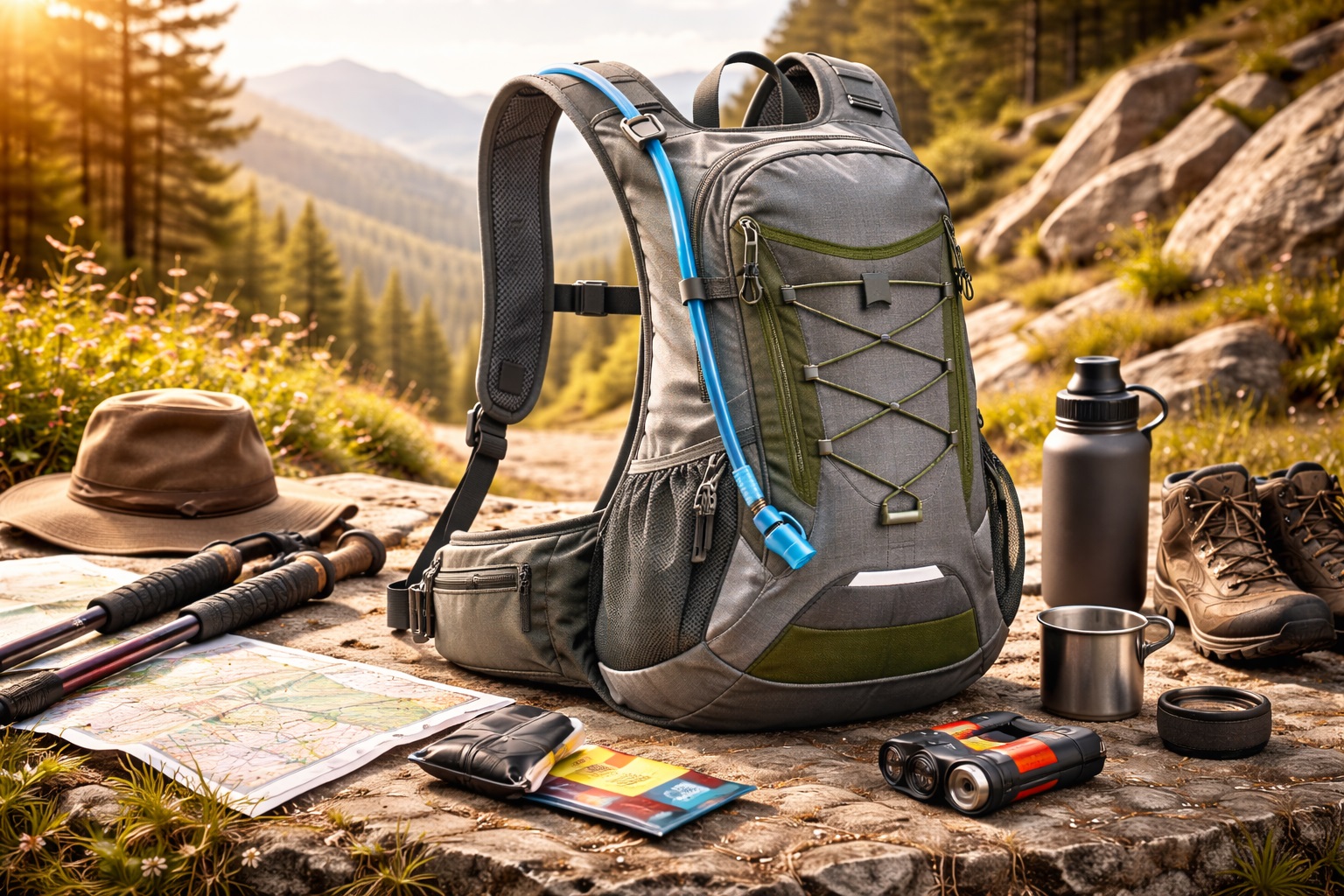
Long distance hiking places different demands on a hydration system than a short afternoon walk. Once you are moving for six, eight, or ten hours at a stretch, the way water is carried starts to matter as much as how much of it you can hold. This guide compares the top hydration pack options built for endurance use, looking at reservoir design, harness comfort, ventilation, and overall value so you can match a pack to the miles you actually plan to cover.
Whether you are training for a thru-hike, tackling multi-day backcountry routes, or simply logging long weekend miles, the right hydration pack keeps you drinking consistently instead of rationing sips because the pack digs into your shoulders. Below you will find detailed reviews of eight well-regarded packs, a buying guide that breaks down the features that actually affect comfort and performance, and answers to the questions hikers ask most often before buying.
Price is not the only variable worth weighing here. A pack's harness geometry, its reservoir design, and how well it ventilates against your back all interact with each other in ways that are easy to underestimate until you are several hours into a route. Reading through the detailed reviews and buying guide below should help you weigh those trade-offs against your own typical mileage, climate, and pace.
Top 8 Best Hydration Pack Picks (Detailed Reviews)
1. Osprey Raptor 14 – Best For All-Day Trail Comfort
Osprey built its reputation on suspension systems that stay comfortable mile after mile, and the Raptor 14 carries that reputation into the hydration pack category. The LidLock attachment and tool roll give it a distinct edge for hikers who also want to carry a helmet or basic trailside tools, and the roughly 14-liter body leaves enough room for layers, snacks, and a first aid kit alongside the reservoir sleeve. At a price point of around $150, it sits toward the upper end of the category, but the ventilated back panel and adjustable harness sizing are the kind of details that matter once you are several hours into a long day. The hip belt is substantial enough to transfer some load off the shoulders, which is a welcome feature on routes with significant elevation change, and the overall silhouette stays trim enough that it does not feel like overkill on a standard day hike.
- Pros:
- Premier build quality from a brand with a long pack-making history
- LidLock attachment and tool roll add practical storage
- Ventilated harness holds up well on long, warm days
- Cons:
- Higher price point than several competitors
- Limited color options compared to running-focused vests
Best For: Hikers who want a do-it-all daypack with a reservoir sleeve rather than a running-style vest.
Why We Recommend It: The combination of a supportive harness, useful attachment points, and enough capacity for a full day of gear makes the Raptor 14 a dependable choice for long trail days.
2. Salomon ADV Skin 12 – Best For Running-Style Fit
Salomon's ADV Skin 12 borrows heavily from trail running vest design, which is exactly why it works so well for hikers who prioritize a close, bounce-free fit over traditional backpack styling. The SensiFit construction and soft flasks wrap the body closely and distribute weight across the chest and shoulders instead of pulling straight down on the back. At around $160, it is priced for hikers who already know they prefer a vest-style carry over a conventional daypack, and the soft flask setup makes refilling at streams and water sources simpler than working with a rigid reservoir. Multiple small pockets across the front straps also mean you can reach food, a phone, or a lightweight layer without ever taking the vest off, which keeps momentum going on long days when stopping and restarting repeatedly saps energy.
- Pros:
- SensiFit construction hugs the body and reduces bounce
- Soft flasks are easy to refill and pack down when empty
- Lightweight compared to traditional framed daypacks
- Cons:
- Higher price point for a relatively small carrying capacity
- Less structured storage than a true daypack
Best For: Fast hikers and hybrid hiker-runners who want a vest-style fit instead of a backpack.
Why We Recommend It: Few packs move as naturally with the body, which matters enormously once fatigue sets in on a long distance route.
3. CamelBak Lobo 9 – Best For Reliable Reservoir Performance
CamelBak essentially created the modern hydration reservoir category, and the Lobo 9 reflects that experience with a Crux reservoir and Air Director panel that keeps both water flow and airflow working in your favor. The reservoir is easy to fill, easy to clean, and resistant to the kinked-hose problems that plague cheaper bladders. At around $100, the Lobo 9 lands in the middle of the pack on price while still delivering the brand's signature bite valve and hose routing. The Air Director panel channels air along the back to reduce the sweaty-back feeling that builds up over long hiking days. Because the reservoir and pack are sold together, there is no guesswork about fit compatibility, which makes the Lobo 9 an easy recommendation for hikers who would rather not research bladder and sleeve dimensions separately.
- Pros:
- Crux reservoir resists kinking and is simple to clean
- Air Director back panel improves ventilation
- Reasonable price for the reservoir quality included
- Cons:
- Smaller capacity than some dedicated hiking daypacks
- Fewer external attachment points than gear-heavy alternatives
Best For: Hikers who want proven reservoir engineering without paying for extras they will not use.
Why We Recommend It: A well-designed bladder is the single most important part of any hydration pack, and CamelBak's reservoir technology remains a benchmark for the category.
4. TETON Sports TrailRunner 2.0 – Best For Budget-Conscious Hikers
Not every hiker needs a premium pack, and the TETON Sports TrailRunner 2.0 exists for exactly that reality. At around $25, it is priced well below most of the packs on this list, yet it still includes a BPA-free bladder and athletic fit that cover the fundamentals most day hikers need. It will not match the ventilation or build quality of pricier options, but for someone testing whether they even enjoy hiking with a reservoir system, it removes the financial barrier to trying one. It also makes a sensible backup pack to keep in the car or leave with a group leader for shorter supported hikes where a premium pack would simply be overkill.
- Pros:
- Very accessible price point for new hikers
- BPA-free bladder covers a basic health concern
- Athletic fit is comfortable for shorter to medium hikes
- Cons:
- Build materials are noticeably lighter-duty than premium packs
- Ventilation lags behind more expensive alternatives on hot days
Best For: Beginners and occasional hikers who want to try a hydration pack without a big investment.
Why We Recommend It: It delivers the core hydration pack experience at a price that makes sense for casual or first-time use.
5. Black Diamond Distance 15 – Best For Alpine and Trail Hybrid Use
Black Diamond's mountaineering background shows up clearly in the Distance 15, which is built with a hybrid design for running and alpine terrain in mind. That makes it a strong option for long distance hikers whose routes cross scrambly or exposed sections rather than staying on smooth, graded trail. At around $160, it is one of the pricier options here, but the stripped-down alpine styling keeps weight reasonable while still offering enough structure to carry extra layers, a lightweight shell, and trekking pole attachments. The narrower, low-profile shape also stays out of the way during scrambling moves, which matters far more than raw capacity once a route turns from walking to climbing.
- Pros:
- Hybrid design handles both trail and more technical terrain
- Alpine-oriented details like pole attachments are genuinely useful
- Reputable brand with a strong track record in mountain gear
- Cons:
- Higher price point relative to its capacity
- Overkill for flat, well-maintained trail systems
Best For: Long distance hikers whose routes include steep, technical, or exposed terrain.
Why We Recommend It: The alpine-influenced design gives it versatility that purely trail-focused packs cannot match.
6. Gregory Nano 18 H2O – Best For Lightweight Day Hikes
Gregory has long been known for suspension systems that transfer weight efficiently, and the Nano 18 H2O brings that engineering to a lightweight hydration pack built around an integrated 3L 3D Hydro reservoir. At around $80, it strikes a reasonable middle ground between the budget options and the premium vest-style packs, offering enough capacity for a long day hike alongside water without pushing into heavier daypack territory. The included reservoir removes one more thing to shop for separately, and the harness shares the same suspension philosophy Gregory uses on its larger backpacking packs, scaled down appropriately for a day-use hydration pack.
- Pros:
- Integrated 3L reservoir included at the price
- Lightweight build for its capacity
- Comfortable mid-range price point
- Cons:
- Capacity may feel tight for true multi-day trips
- Fewer premium materials than the top-tier packs on this list
Best For: Day hikers who want a lightweight pack with the reservoir already included.
Why We Recommend It: It balances price, weight, and included features better than most packs in its class.
7. Platypus Hoser Reservoir – Best For Reservoir Upgrades
Not everyone needs a whole new pack, and the Platypus Hoser Reservoir is aimed squarely at hikers who already own a daypack with a hydration sleeve but want better water quality and flow. Its clean-taste guarantee material addresses one of the most common complaints about hydration bladders: that plasticky aftertaste that lingers after a few uses. At around $35, it is an affordable way to upgrade an existing pack's hydration performance without buying an entirely new setup. It is also a smart choice for hikers replacing a worn-out bladder that came bundled with an older pack, since a new reservoir often restores flow performance that had quietly degraded over years of use.
- Pros:
- Clean-taste guarantee material improves water flavor over time
- Affordable way to upgrade an existing pack
- Simple, reservoir-only design with no unnecessary extras
- Cons:
- Requires a compatible pack with a reservoir sleeve
- No storage capacity of its own since it is reservoir-only
Best For: Hikers who already own a pack and just want a better-tasting, reliable reservoir.
Why We Recommend It: It solves a specific, common complaint at a fraction of the cost of a full pack replacement.
8. Nathan Vaporaiz – Best For Runners Needing a No-Bounce Fit
Nathan built its reputation in the running world, and the Vaporaiz reflects that heritage with shoulder pill pockets and a no-bounce fit designed to stay locked in place at a run rather than shifting with every stride. For long distance hikers who alternate between fast hiking and light jogging on runnable sections, that stability translates directly into comfort. At around $130, it costs more than several hiking-oriented packs on this list, but the fit quality is difficult to match for anyone who moves quickly on the trail. The relatively small main compartment is a deliberate trade-off, keeping the profile slim enough that it never feels like it is fighting your stride the way a bulkier daypack can when the pace picks up.
- Pros:
- No-bounce fit stays stable during faster movement
- Shoulder pill pockets add convenient small-item storage
- Reputable brand within the running and hiking crossover space
- Cons:
- Higher price point for its relatively modest capacity
- Less structured storage than a traditional daypack
Best For: Hikers who move at a faster pace and want a vest that will not bounce or shift.
Why We Recommend It: The locked-in fit is genuinely noticeable compared to standard daypacks once you pick up the pace.
Buying Guide: How to Choose the Best Hydration Pack
Choosing a hydration pack for long distance hiking comes down to matching the pack's design to how you actually move and how long you stay out. The sections below break down the factors that separate a pack you forget you are wearing from one that leaves you sore, dehydrated, or frustrated by mile six. None of these factors matter in isolation, so try to picture how they interact on the specific routes you hike most often before making a final decision.
1. Reservoir Capacity
Reservoirs commonly range from around 1.5 liters up to 3 liters. Longer routes, hot climates, or long gaps between water sources call for the larger end of that range, while shorter day hikes with frequent refill points can get by with less. Consider your typical route length and the availability of water along the way before settling on a capacity, and remember that a larger reservoir also adds weight once it is full, so bigger is not automatically better for every trip.
2. Harness and Suspension Design
A pack's harness determines how weight is distributed across your shoulders, chest, and hips. Vest-style harnesses distribute weight across a wider area and reduce bounce, while traditional daypack straps concentrate more load on the shoulders. Try to match the harness style to your pace and the total weight you plan to carry, since a harness that feels fine empty in a store can behave very differently once loaded with water and gear on real terrain.
3. Ventilation and Back Panel Design
A pack that traps heat against your back becomes uncomfortable quickly, especially on warm, exposed trail. Mesh back panels, channeled airflow designs, and raised suspension all help air move between your back and the pack, which matters more the longer you are out. If you tend to hike in warmer climates or during summer months, prioritize ventilation features even if it means sacrificing a small amount of storage capacity elsewhere.
4. Ease of Cleaning
Hydration reservoirs that are difficult to clean develop mold and off-flavors over time. Look for wide-mouth openings, removable bite valves, and materials that resist bacterial growth so maintenance does not become a chore you skip. A reservoir you can actually clean thoroughly after every trip will last longer and taste better than one that requires awkward, incomplete cleaning.
5. Bite Valve and Hose Quality
The hose and bite valve see more daily wear than almost any other part of the system. A valve that leaks, sticks, or requires excessive suction to draw water will frustrate you on every single hike, so prioritize designs known for reliable, easy-flow valves. Replaceable valves and hoses are also worth checking for, since these small parts wear out well before the rest of the pack does.
6. Storage and Organization
Beyond water, you likely need space for snacks, a phone, a light layer, and small essentials like a first aid kit. Compare pocket layout and total volume against your typical gear list rather than assuming more pockets automatically means better organization. A well-placed hip belt pocket for quick-access snacks often proves more useful day to day than an extra large main compartment you rarely fill.
7. Weight When Empty
Every hydration pack adds base weight before you even fill the reservoir. Lighter materials keep total pack weight down, which becomes more noticeable the longer your hiking day stretches and the more elevation you gain. On long distance routes, even a few hundred grams of difference in pack weight can add up to real fatigue by the end of the day.
8. Attachment Points
Trekking pole loops, helmet attachments, and gear loops let you carry additional equipment without stuffing it inside the main compartment. If your hikes involve trekking poles or layers you frequently take on and off, external attachment points add real convenience. These small details rarely show up in a quick glance at a pack but make a noticeable difference on the trail.
9. Fit Adjustability
Torso length and chest strap positioning vary between brands and models. A pack that fits a shorter or taller torso properly will sit correctly on the hips and shoulders, while a poor fit shifts weight in ways that cause chafing and fatigue over long distances. Whenever possible, try a pack on with some weight in it before committing, since fit issues rarely show up until a few miles in.
10. Durability of Materials
Ripstop fabrics, reinforced stitching, and quality zippers hold up to repeated use on rough trail. Since a hydration pack gets used on nearly every outing, material durability directly affects how long the investment lasts. Reinforced high-wear zones, like the base of the pack and around zipper pulls, are worth a closer look before buying.
11. Compatibility With Layers and Seasons
If you hike across multiple seasons, consider whether the pack has room to compress down for summer use and expand slightly for cooler weather gear. Adjustable compression straps help a single pack adapt across conditions rather than requiring separate packs for summer and winter hiking.
12. Price Versus Expected Use
A premium pack makes sense for someone hiking frequently and covering serious mileage, while an occasional hiker may be better served by a mid-range or budget option. Match your spending to how often and how far you actually plan to use the pack, and remember that a mid-range pack used every weekend often delivers more real value than a premium pack that sits in a closet most of the year.
13. Reservoir Versus Soft Flask Systems
Traditional bladder reservoirs hold more water in one container, while soft flask systems spread water across smaller, easier-to-refill containers usually carried on the chest straps. Each system suits different hiking styles, so consider which refill and carry method fits your routine, and do not rule out hybrid setups that combine a smaller reservoir with a soft flask or two for flexibility.
Frequently Asked Questions
Is a premium hydration pack worth it?
For frequent long distance hikers, yes. Premium packs typically offer better ventilation, more durable materials, and harness systems that reduce fatigue over many miles, which adds up to real comfort gains on longer routes. Someone who hikes only a handful of times a year may not notice the difference as much, but weekly hikers tend to feel the extra comfort quickly.
How do I maintain my hydration pack?
Rinse the reservoir after every use, let it air dry fully before storage, and periodically clean the hose and bite valve with a dedicated brush or cleaning tablet to prevent mold and off-tastes. A reservoir hanger or drying rack makes this routine far easier to keep up with consistently.
How much water should I carry on a long hike?
A common guideline is roughly half a liter to a liter per hour of moderate hiking, adjusted upward for heat, elevation gain, and personal hydration needs. Always factor in the availability of refill points along your route, and carry a bit more than you think you need on routes with unreliable water sources.
Can I put anything other than water in a hydration reservoir?
Most manufacturers recommend water only, or diluted electrolyte mixes at most, since sugary or thick liquids can be difficult to clean out completely and may promote bacterial growth inside the bladder. If you do use an electrolyte mix, clean the reservoir more thoroughly and more often than you would with plain water.
What size hydration pack do I need for a day hike?
Most day hikers do well with a pack in the 10 to 20 liter range, which offers enough room for a 1.5 to 3 liter reservoir alongside snacks, a layer, and basic safety gear. Longer or colder-weather day hikes may push you toward the larger end of that range.
Are vest-style hydration packs better than traditional daypacks?
Neither is universally better; vest-style packs excel at reducing bounce for faster movement, while traditional daypacks typically offer more storage and structure for gear-heavy hikes. Your typical pace and how much gear you carry are better guides than any single "best" answer.
How do I stop my hydration hose from freezing in cold weather?
Insulated hose sleeves, blowing air back into the reservoir after drinking, and routing the hose under a layer of clothing all help delay freezing in cold conditions. Starting with warm water in the reservoir also buys extra time before ice becomes an issue.
Can hydration packs be used for running as well as hiking?
Yes, many packs, particularly vest-style designs, are built to work for both activities, though dedicated running vests generally offer a tighter, more bounce-free fit than hiking-oriented packs. If you split your time between running and hiking, a running-style vest is usually the more versatile choice.
How often should I replace a hydration reservoir?
Most reservoirs last a few years with proper cleaning and care, but should be replaced sooner if you notice persistent odors, mold that will not clean out, or cracks and leaks in the material. Replacing just the reservoir is usually far cheaper than replacing the entire pack.
Do hydration packs come in different sizes for different body types?
Many brands offer multiple torso length options or adjustable harnesses specifically to accommodate different body sizes, so checking sizing charts before buying is worthwhile. Women's-specific pack versions also often feature adjusted shoulder strap shaping and hip belt curvature.
Is it better to buy a pack with a built-in reservoir or buy them separately?
Buying together is often more convenient and sometimes cheaper, but buying separately lets you choose a reservoir with features, like taste-guarantee materials, that may not be available in every bundled pack. This is especially worth considering if you already have strong preferences about bite valve style or hose length.
What is the difference between a bladder reservoir and soft flasks?
A bladder reservoir holds a larger volume in one flexible container accessed through a hose, while soft flasks are smaller individual bottles usually stored in chest pockets, offering easier spot refills but less total capacity per container. Many hikers eventually settle on a preference after trying both systems on a few different trips.
How do I prevent my hydration pack from smelling musty?
Always dry the reservoir completely before storage, ideally hanging it open with a reservoir hanger, and avoid sealing a damp bladder inside the pack for extended periods. A capful of baking soda solution left in the reservoir between long storage periods can also help keep odors from developing.
Final Verdict
- Top Pick: Osprey Raptor 14 for its balance of comfort, storage, and reliable ventilation across long hiking days.
- Budget Choice: TETON Sports TrailRunner 2.0 for hikers who want to try a hydration pack without a big upfront cost.
- Premium Choice: Black Diamond Distance 15 for hikers tackling technical or alpine terrain who need hybrid versatility.
There is no single best hydration pack for every long distance hiker, since pace, terrain, and typical trip length all shape which design actually works best on the trail. Weigh reservoir capacity, harness comfort, and ventilation against how you hike, and the right pack for your specific routes should stand out clearly from this list. If you are still unsure, start by identifying whether you value a running-style close fit or a traditional daypack's storage and structure, since that single decision narrows the field considerably before you even compare individual features.