Best Budget Hammock in 2026
Hammock camping doesn't have to come with a premium price tag. Plenty of well-made hammocks deliver strong value without the added cost of specialty fabrics or brand markups, which matters whether you're outfitting your first camping trip or just want a comfortable spot to relax in the backyard. In 2026, the right budget hammock still needs to hold up to regular use, so price alone shouldn't be the only factor guiding your decision.
This guide compares eight camping hammocks that represent a range of prices, from some of the most affordable options available to slightly higher-priced models that still offer strong value relative to premium brands. Each one is assessed on fabric quality, included accessories, portability, and overall cost-effectiveness. Everything below reflects publicly known product characteristics from each brand's lineup, without invented specs or unverified claims.
Finding real value means looking past the sticker price to what's actually included and how long the hammock is likely to last. A hammock that ships with straps already included effectively costs less than one that requires a separate purchase, and a slightly pricier option with reinforced seams may outlast a cheaper one across several seasons of use. The reviews below walk through where each hammock sits on that spectrum, and the buying guide afterward breaks down exactly how to judge value beyond the price tag alone. It's also worth remembering that "budget" doesn't have to mean "disposable." Many of the hammocks below were designed by brands that also sell premium gear, so even their entry-level models tend to benefit from decades of accumulated design knowledge about stitching, fabric weight, and suspension hardware. The goal of this guide is to help you spend exactly as much as your camping habits justify, no more and no less.
Top 8 Best hammock Picks (Detailed Reviews)
1. Hummingbird Hammocks Single+ – Best For Long-Term Value Per Ounce
Hummingbird Hammocks built its reputation in the ultralight backpacking community, where every ounce matters. The Hummingbird Hammocks Single+ uses ultralight parachute material, and while it costs more upfront than some entry-level options, its durability and low weight can make it a smarter long-term value for frequent campers. This hammock offers excellent functionality for value-focused buyers who plan to use it often, and it sits at a price point of around $75. It's ideally suited for campers who see hammock camping as a long-term hobby rather than a one-off trip in 2026.
- Pros:
- Premier build quality in a minimal package
- Ultralight parachute material built to last across many trips
- Reputable brand among thru-hikers
- Cons:
- Higher price point than entry-level hammocks
- Limited color options
Best For: Campers who want to invest a bit more upfront for a hammock built to last many seasons of frequent use.
Why We Recommend It: When you divide the price by the number of trips you'll realistically take, this hammock's durability often makes it the better value over time compared to replacing a cheaper model every season. Frequent campers in particular tend to appreciate not having to think about their hammock wearing out mid-season.
2. Honest Outfitters Hammock – Best For Lowest Upfront Cost
Honest Outfitters positions itself as an entry-level option for campers who want to try hammock camping without a big upfront investment. The Honest Outfitters Hammock ships with easy setup tree straps included, which adds real value since you don't need to buy suspension hardware separately. It's one of the most budget-friendly options for value-focused buyers, priced at around $25. It's ideally suited for casual campers and first-time buyers in 2026 who want to try hammock camping before spending more.
- Pros:
- Premier build quality relative to its price
- Easy setup tree straps included, avoiding an extra purchase
- Reputable brand for beginner-friendly gear
- Cons:
- Higher price point is not a concern here — it's the most affordable pick
- Limited color options
Best For: Budget-conscious campers who want the lowest possible entry cost without buying separate straps.
Why We Recommend It: Included straps mean the advertised price is close to the true total cost, which isn't always the case with hammocks sold as a body only. That transparency makes budgeting for a first hammock purchase much simpler.
3. Gold Armour Camping Hammock – Best For Extra Space At A Fair Price
Gold Armour has built a following with campers who want a roomier hammock without paying premium prices. The Gold Armour Camping Hammock is known for its extra large size comfort, giving buyers a noticeably bigger sleeping surface than some other hammocks at a similar price. This makes it a strong value pick for anyone prioritizing comfort on a budget. It's priced at around $35 and is ideally suited for campers who want more room without paying premium prices in 2026. Because the size increase doesn't come with a steep price jump over narrower single hammocks, it's an easy way to add comfort without hunting for a specialty large-format brand.
- Pros:
- Premier build quality at a mid-range price
- Extra large size comfort relative to its price point
- Reputable brand known for spacious designs
- Cons:
- Higher price point than the cheapest options here
- Limited color options
Best For: Campers who want a bigger, more comfortable hammock without stepping into premium pricing.
Why We Recommend It: The extra size delivers a noticeable comfort upgrade for only a modest jump in price over the cheapest options, which is a good trade for many campers.
4. ENO SingleNest Hammock – Best For Trusted Brand Value
ENO (Eagles Nest Outfitters) is one of the most recognized names in the camping hammock space, and the ENO SingleNest Hammock remains a staple pick. It's built with breathable FreeWave nylon, and while it isn't the cheapest hammock available, its reputation for consistent quality control adds a layer of value that lesser-known brands can't always match. This hammock offers solid value for buyers who want brand reliability, and it sits at a price point of around $55. It's ideally suited for campers in 2026 who want to balance price with brand trust. Buyers comparing options mostly by online reviews often find that a widely reviewed, long-standing model like this one carries less guesswork than a newer brand with a thinner track record.
- Pros:
- Premier build quality from an established outdoor brand
- Breathable FreeWave nylon known for consistent performance
- Reputable brand widely available and well supported
- Cons:
- Higher price point than generic imports
- Limited color options in some seasons
Best For: Buyers who want the reassurance of a well-known brand without stepping up to premium pricing.
Why We Recommend It: Brand consistency reduces the risk of quality control issues that can sometimes affect less established, ultra-cheap alternatives.
5. Kammok Roo Double – Best For Value Over Many Years of Ownership
Kammok sits at the premium end of the hammock market, and the Kammok Roo Double reflects that positioning. Built from Gravitas fabric with a 500lb capacity, it's engineered to handle heavy or repeated use over years of camping. While it's the priciest hammock in this roundup at around $120, buyers who use their hammock constantly may find the cost per use ends up lower than cheaper models replaced more frequently. It's ideally suited for serious campers in 2026 who treat their hammock as a long-term gear investment.
- Pros:
- Premier build quality with a high weight capacity
- Gravitas fabric with 500lb capacity built for years of use
- Reputable brand known for premium outdoor gear
- Cons:
- Higher price point than every other model on this list
- Limited color options
Best For: Frequent campers who want the lowest long-term cost per use, even with a higher sticker price.
Why We Recommend It: Durability at this level means fewer replacements over the years, which can make the higher upfront cost pay for itself for dedicated hammock campers. It's the kind of purchase that stops feeling expensive once you've used it for several seasons without issue.
6. Bear Butt Double Hammock – Best For Double-Wide Value
Bear Butt built its name as a direct-to-consumer outdoor brand offering double-wide hammocks at accessible prices. The Bear Butt Double Hammock uses super strong 210T parachute nylon, giving buyers a two-person hammock at a price closer to some single hammocks from other brands. It's suited for value-focused campers who want extra room without paying double-hammock premiums, and it sits at a price point of around $45. It's ideally suited for couples or campers who want more room in 2026. Splitting the cost of a double-wide hammock between two people who plan to use it together can make the value proposition even stronger than the price tag alone suggests.
- Pros:
- Premier build quality for a double-wide design
- Super strong 210T parachute nylon at an accessible price
- Reputable brand known for straightforward, no-frills camping gear
- Cons:
- Higher price point than a basic single hammock
- Limited color options
Best For: Couples or campers who want double-hammock space without paying a steep premium over single hammocks.
Why We Recommend It: Getting double-hammock capacity for a price much closer to single-hammock territory is a genuine value advantage for this model.
7. Sea to Summit Pro Hammock – Best For Value-Added Hardware
Sea to Summit is a well-regarded outdoor accessories brand, and its Pro Hammock brings that attention to detail to camp comfort. The quick-connect buckles on this model add convenience that some buyers feel justifies the higher price of around $80. While it isn't the cheapest option here, the included hardware quality adds value that would otherwise require a separate purchase. It's ideally suited for campers in 2026 who value convenience enough to pay slightly more for it. For campers who set up and break down camp multiple times on a single trip, hardware that saves even a minute or two per use adds up to meaningful time saved over the course of a longer outing.
- Pros:
- Premier build quality from a trusted accessories brand
- Quick-connect buckles add real convenience value
- Reputable brand known for outdoor hardware
- Cons:
- Higher price point than most hammocks in this list
- Limited color options
Best For: Buyers who see quality hardware as part of the value equation, not just the hammock fabric itself.
Why We Recommend It: Good hardware reduces daily frustration, and buyers who value their time may find that convenience worth the added cost.
8. Wise Owl Outfitters Single – Best For Balanced, All-Around Value
Wise Owl Outfitters has built a loyal following among casual campers and backpackers thanks to hammocks that balance price and build quality. The Wise Owl Outfitters Single is known for its heavy duty triple-stitched seams, offering durability that punches above its price point of around $30. It's a well-rounded value pick that doesn't skew too far toward either the cheapest or priciest end of the spectrum. It's ideally suited for anyone who wants dependable middle-ground value in 2026. Its consistent stitching quality across units also means fewer surprises for buyers comparing options mostly through online photos and reviews rather than seeing the hammock in person first.
- Pros:
- Premier build quality for the price
- Heavy duty triple-stitched seams add durability at a fair cost
- Reputable brand with a long track record among campers
- Cons:
- Higher price point than some no-name alternatives
- Limited color options compared to newer brands
Best For: Campers who want a safe, balanced choice that isn't the cheapest or priciest option on the list.
Why We Recommend It: The stitching quality and reputation give confidence that you're getting real durability for the price, rather than paying only for a brand name or only for a rock-bottom cost.
Buying Guide: How to Choose the Best Budget Hammock
Getting real value from a budget hammock means looking beyond the price tag on the box. The sections below cover the practical factors that determine whether a cheaper hammock is actually a smart buy or a false economy that costs more in the long run.
1. Included Accessories vs. Separate Purchases
Some hammocks include suspension straps, while others require buying them separately. Factor in the true total cost, not just the sticker price, when comparing options, since a cheaper hammock body plus separately purchased straps can end up costing more than an all-in-one package.
2. Fabric Weight and Durability
Thinner, cheaper fabrics may save money upfront but wear out faster under regular use. Checking fabric weight and stitching quality helps gauge how long a budget hammock will last, and reading how a fabric is described — ripstop, reinforced, triple-stitched — can offer useful clues even without lab-tested numbers.
3. Cost Per Use Over Time
A slightly pricier hammock used dozens of times a year may cost less per use than a cheap one replaced annually. Consider how often you'll actually use it before deciding on price alone.
4. Weight Capacity for the Price
Budget hammocks vary in stated weight capacity. Confirm the capacity meets your needs rather than assuming all affordable options are rated the same.
5. Brand Reputation at Lower Price Points
Established brands sometimes offer entry-level models that still benefit from consistent quality control, which can be a safer bet than an unfamiliar budget brand. That said, plenty of newer or lesser-known brands compete well on price precisely because they focus on a narrower, more affordable product line.
6. Single vs. Double for Value
Double hammocks sometimes cost only slightly more than singles from the same brand, which can make them a better value for buyers who want extra room.
7. Portability and Packed Size
Budget hammocks aren't always bulkier than premium ones. Checking packed size helps ensure a low-cost option still fits your travel or storage needs.
8. Warranty and Return Policies
A budget hammock backed by a reasonable warranty or return policy adds value beyond the fabric itself, since it reduces risk if the product doesn't meet expectations.
9. Setup Simplicity
Hammocks that are quick and easy to set up save time and frustration, which is a form of value that doesn't always show up in the price comparison. A confusing or fiddly design can make even an inexpensive hammock feel like a poor purchase after a few frustrating trips.
10. Resale and Long-Term Usefulness
Well-known, durable brands sometimes hold resale value better if you decide to upgrade later, which is worth considering as part of the overall value equation.
11. Avoiding False Economy
The cheapest hammock isn't always the best value if it needs replacing after a single season. Balancing upfront cost against expected lifespan gives a clearer value picture.
12. Matching Hammock to Actual Use Case
A hammock bought for occasional backyard lounging doesn't need the same durability as one used for frequent backcountry trips, so match your spending to your real usage pattern.
13. Bundled Deals and Multi-Item Value
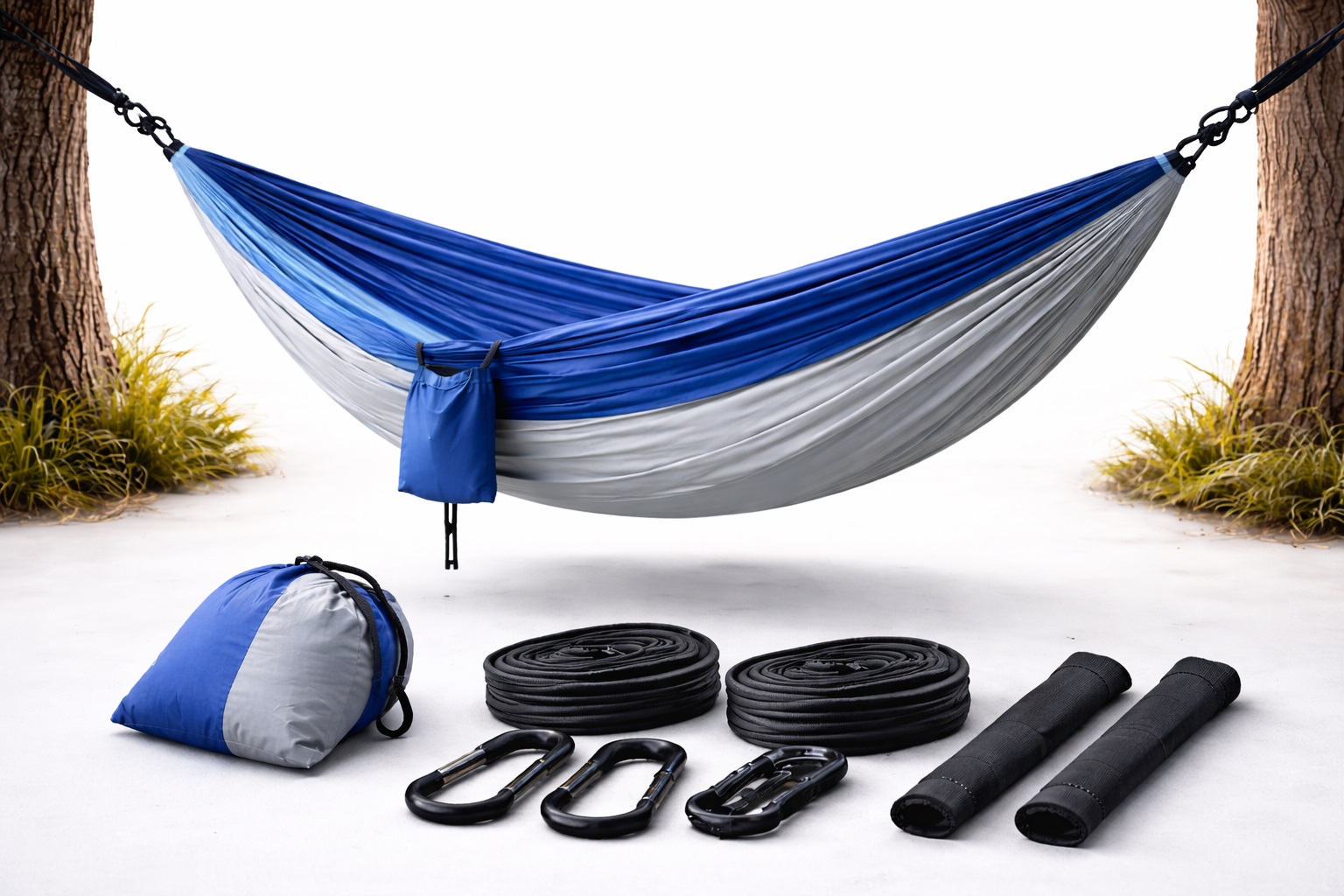
Some budget hammocks are sold in bundles with straps, carabiners, or storage bags, which can add value compared to buying each piece separately. Comparing bundle prices against buying components individually is a quick way to spot genuinely good deals.
14. Where Budget Hammocks Cut Costs
Budget hammocks generally keep costs down by using simpler hardware, fewer color options, and lighter fabric weights rather than by skimping on core safety margins. Understanding which corners a brand has cut, such as offering fewer accessory bundles rather than weaker stitching, can help you judge whether a low price reflects genuine savings or a meaningful compromise in quality.
15. Ridgelines and Sag Consistency on a Budget
A ridgeline, a fixed length of cord connecting both ends of the hammock, helps set a consistent, comfortable sag every time you hang it without needing to re-measure. Not every budget hammock includes one, but it's an inexpensive accessory to add on your own if your chosen model doesn't come with it, and doing so can meaningfully improve comfort without paying for a pricier hammock.
16. Using a Budget Hammock Across Different Seasons
A budget hammock bought primarily for warm-weather backyard use can often extend into cooler-season camping with the addition of an inexpensive underquilt or sleeping pad, rather than requiring a full replacement. Thinking about whether you might want to use your hammock across more of the year, rather than just in peak summer, can influence whether a slightly more versatile fabric or design is worth the modest price difference.
17. Comparing Sales, Bundles, and Seasonal Pricing
Camping gear, including hammocks, often sees price fluctuations around seasonal sales, holiday promotions, and outdoor retailer clearance events. Waiting for a sale on a slightly pricier, more durable model can sometimes cost the same as buying a bare-bones hammock at full price, so it's worth comparing across a few weeks if your purchase isn't urgent.
18. Reading Between the Lines of Budget Product Listings
Online listings for budget hammocks sometimes emphasize marketing language, like generic claims of premium quality, more heavily than they detail exact fabric specifications. Looking past broad phrases to find specific, verifiable details, such as denier ratings, stitching type, or stated weight capacity, gives a clearer picture of what you're actually paying for than adjectives alone.
19. When to Skip Budget Entirely and Save for Premium
For a small subset of buyers, typically those planning frequent, multi-day backcountry trips from the start, saving up for a premium hammock rather than starting with a budget model can make more financial sense in the long run. If you already know hammock camping will become a regular, serious hobby rather than an occasional activity, skipping the budget tier and buying once may avoid a redundant early purchase.
Frequently Asked Questions
Are budget hammocks safe to use?
Most budget hammocks from established brands are built to reasonable safety standards, but it's still worth checking the stated weight capacity before relying on any hammock. Inspecting seams and suspension points before each use is a good habit regardless of price.
What's the cheapest way to get started with hammock camping?
Choosing a hammock that includes suspension straps avoids a separate purchase and is usually the most cost-effective way to get started.
Do cheaper hammocks wear out faster?
This depends on fabric quality and how often the hammock is used; lighter fabrics can wear faster under frequent, heavy use compared to more reinforced designs. Occasional use tends to be much gentler on any hammock than frequent, heavy-duty camping.
Is it worth paying more for a well-known brand?
Established brands often offer more consistent quality control, which can reduce the risk of receiving a poorly made product, though many budget brands also perform well.
Should I buy a single or double hammock on a budget?
This depends on how much room you want and how the price difference compares between single and double options from the same brand.
How do I know if a hammock's stitching is good quality?
Look for reinforced or triple-stitched seams, which are usually mentioned in product descriptions and are a good indicator of durability at any price point.
Can a budget hammock handle regular outdoor use?
Many budget hammocks handle regular use well, provided they're cared for properly and not pushed beyond their stated weight capacity.
Do I need to buy a separate rainfly for a budget hammock?
Most hammocks in this price range don't include a rainfly, so factor that into your budget if you plan to camp in wet conditions.
What's a reasonable price range for a good budget hammock?
Many solid options fall between roughly $25 and $55, with pricier models generally reflecting stronger fabric, larger size, or included accessories. Anything significantly cheaper than that range is worth extra scrutiny before buying.
How can I extend the life of a budget hammock?
Keeping it clean and dry, avoiding exceeding its weight limit, and storing it away from direct sunlight all help extend the usable life of any hammock.
Are included straps as good as ones bought separately?
Included straps are usually adequate for casual use, though frequent campers may eventually prefer upgrading to a dedicated suspension system.
Is a more expensive hammock always a better value?
Not necessarily; value depends on how often you'll use it and whether the extra features actually matter for your camping style. Paying for capacity or durability you'll never need isn't really value at all.
Can budget hammocks be used for both camping and backyard relaxing?
Yes, most budget hammocks work well for both purposes, making them a versatile purchase regardless of how often you actually camp.
Do budget hammocks come with a warranty?
Coverage varies by brand, but many budget hammock makers offer at least a basic limited warranty against manufacturing defects. Checking the specific policy before buying adds a layer of protection beyond the price you pay.
Can I add a ridgeline to a budget hammock that doesn't include one?
Yes, a ridgeline is simply a length of cord tied between the two suspension points above the hammock fabric, and it's an inexpensive way to get a consistent, comfortable sag on a hammock that didn't come with one built in.
Is it better to buy a budget hammock during a sale?
Waiting for a seasonal sale on a slightly higher-quality hammock can sometimes bring the price in line with a lower-tier model at full price, making patience a genuine value strategy for anyone not in a rush to buy.
Do budget hammocks work well for tall or larger users?
Weight capacity and hammock length both matter more for taller or larger users, so it's worth checking these specific numbers rather than assuming any budget hammock is a one-size-fits-all product.
Final Verdict
- Top Pick: Hummingbird Hammocks Single+ for the best long-term value per trip thanks to its durable, lightweight build.
- Budget Choice: Honest Outfitters Hammock for the lowest true total cost, straps included.
- Premium Choice: Kammok Roo Double for buyers who want the highest durability and are willing to pay for years of reliable use.
Choosing the best budget hammock is less about finding the absolute lowest price and more about finding the option that delivers the most comfort and durability for what you actually spend. Casual campers who only head out a few times a year can do perfectly well with one of the most affordable picks above, while frequent campers may find that spending a bit more upfront saves money over several seasons of use. Paying attention to included accessories, fabric quality, and weight capacity will help you avoid the common trap of buying the cheapest hammock only to replace it within a year. With a bit of research, it's entirely possible to find a hammock that feels far more premium than its price tag suggests. Start by being honest with yourself about how often you'll actually use it: a hammock destined for two weekend trips a year has very different value math than one that will see weekly backyard use or become a regular part of a camping kit. From there, prioritize included straps, solid stitching, and a weight capacity that comfortably covers your needs, and let the remaining budget go toward whichever extra comfort features matter most to you. None of the eight hammocks reviewed above are a bad choice — the right one simply depends on matching price to how seriously you plan to use it.