Best Extreme Heat Camping Cooler in 2026
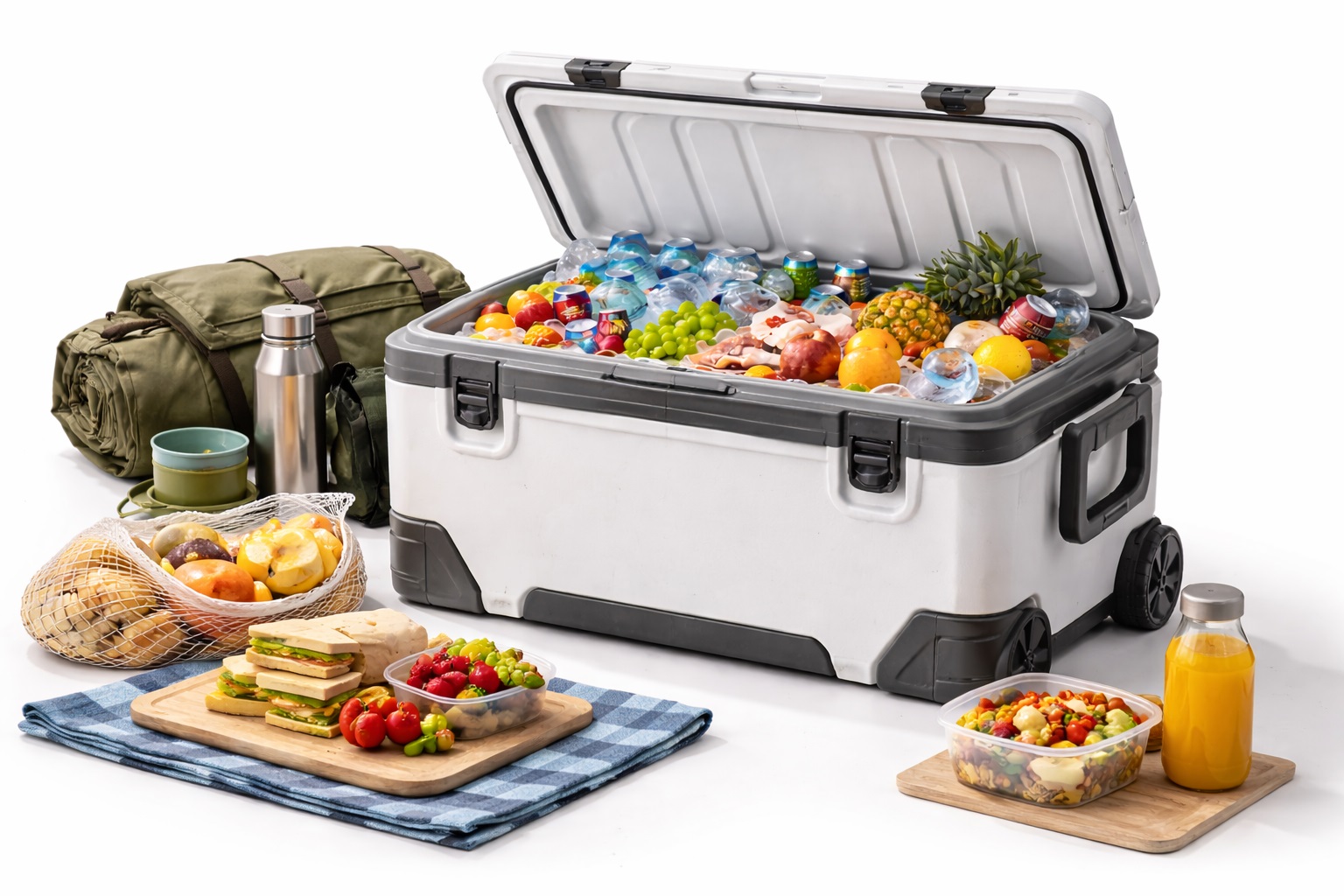
When temperatures climb, a camping cooler's insulation gets put to the real test. Extreme heat accelerates ice melt, stresses gasket seals, and exposes the difference between a basic cooler and one genuinely engineered for ice retention. In 2026, several coolers stand out specifically for how they perform when the thermometer climbs and the trip stretches on longer than a single afternoon.
This guide reviews eight camping coolers known for strong ice retention in hot conditions, comparing their insulation approach, seal design, and overall build quality. We also look at the practical steps that affect real-world performance, since even the best-insulated cooler will underperform if it's packed or used incorrectly in the heat.
Whether you're heading into a desert campsite, a summer lake trip, or simply want a cooler that can handle a multi-day outing without a constant ice run, the picks below cover a range of price points and capacities built around the same core priority: keeping things cold when the outside temperature is working against you.
Before comparing individual models, it helps to understand that no cooler defeats extreme heat purely through marketing claims. Insulation thickness, seal quality, and how the cooler is packed and managed in the field all combine to determine real-world ice life, and the reviews and buying guide below are built around that practical reality rather than headline numbers alone. Keep in mind, too, that ice retention claims are usually measured under controlled laboratory conditions, so real trips involving frequent lid openings, partial ice loads, and direct sun exposure will typically fall short of those published figures.
Top 8 Best Camping Cooler Picks (Detailed Reviews)
1. Coleman 316 Series – Best For Multi-Day Ice Retention on a Budget
The Coleman 316 Series is built around roughly five days of ice retention, making it a strong option for campers who want extended cold-holding performance without paying premium prices. At around $50, it's the most affordable cooler in this roundup, and its ice retention claims put it in surprisingly close competition with coolers costing several times as much. It's a practical entry point for anyone testing whether a heat-focused cooler is worth the investment, and its lighter weight makes it easier to load and unload compared to bulkier rotomolded rivals.
- Pros:
- Premier build quality for the price
- Multi-day ice retention
- Backed by a long-established, reputable brand
- Very approachable price point
- Cons:
- Fewer premium sealing features than rotomolded coolers
- Limited color options
- Less rugged than heavy-duty rotomolded models
Best For: Budget-conscious campers who need solid multi-day ice retention in hot weather without spending on a premium rotomolded cooler.
Why We Recommend It: It's rare to find genuine multi-day ice retention at this price point, and Coleman's long history in cooler design backs up the claim with real engineering.
2. Canyon Coolers Outfitter – Best For Secure Sealing in Hot Climates
The Canyon Coolers Outfitter uses recessed latches designed to compress the lid tightly against the body, helping maintain a strong seal that resists heat infiltration. This kind of secure, flush-fitting latch system matters more in extreme heat, where even small gaps can accelerate ice loss. At around $160, it sits in the mid-range of this list, balancing rugged features with a more accessible price than the top-tier options, making it a reasonable middle ground for campers not ready to spend at the premium end.
- Pros:
- Premier build quality
- Recessed latches for a tight seal
- Reputable brand among rugged cooler makers
- Solid mid-range value
- Cons:
- Higher price point than basic coolers
- Limited color options
- Bulkier than compact day-trip options
Best For: Campers in hot climates who want a dependable, tightly sealing cooler without paying for the most expensive option on the market.
Why We Recommend It: The recessed latch design genuinely improves seal quality, which matters more in extreme heat than almost any other single feature.
3. Orca 20 Quart – Best For Compact Heat Resistance
The Orca 20 Quart uses distinctive whale tail latches to keep the lid firmly sealed, which helps preserve ice even as outside temperatures climb. Its compact size makes it a strong choice for smaller groups or as a dedicated drinks cooler that doesn't need to hold days of food. At around $240, it carries a premium price for its size, reflecting the brand's reputation for rugged, heat-resistant construction that holds up across repeated hot-weather trips.
- Pros:
- Premier build quality
- Secure whale tail latches
- Reputable brand known for rugged construction
- Compact size for easy handling
- Cons:
- Higher price point relative to its size
- Limited color options
- Smaller capacity than larger group coolers
Best For: Smaller groups or solo campers who want strong heat resistance in a compact, easy-to-manage cooler.
Why We Recommend It: The secure latch system and rugged build make this a dependable performer in hot conditions despite its smaller footprint.
4. Igloo BMX 25 – Best For Affordable Everyday Cooling
The Igloo BMX 25 pairs heavy-duty, blow-molded construction with a manageable price, making it an accessible option for campers who want better-than-basic heat performance without a rotomolded price tag. At around $80, it offers a meaningful step up from entry-level coolers while remaining budget-friendly for regular summer use, especially for campers who need better heat performance but aren't ready to commit to a rotomolded cooler's price.
- Pros:
- Premier build quality for the price
- Heavy-duty, blow-molded construction
- Reputable, long-established brand
- Lightweight and easy to carry
- Cons:
- Not as heat-resistant as rotomolded flagship coolers
- Limited color options
- Smaller capacity than group-sized coolers
Best For: Casual summer campers who want noticeably better heat performance than a basic cooler without paying rotomolded prices.
Why We Recommend It: It strikes a practical balance between price and performance, making it an easy recommendation for anyone upgrading from a disposable-style cooler.
5. Yeti Tundra 45 – Best For Maximum Ice Retention in Extreme Heat
The Yeti Tundra 45 is widely regarded as a benchmark for ice retention, largely due to its PermaFrost insulation, which is designed specifically to extend cold-holding performance in demanding conditions. This makes it one of the strongest options here for genuinely hot climates or multi-day trips where ice access isn't guaranteed. At around $325, it's the most expensive cooler in this roundup, positioned as a premium, long-term investment for anyone who regularly faces genuinely demanding heat and wants the strongest possible margin of safety.
- Pros:
- Premier build quality
- PermaFrost insulation built for extreme conditions
- Backed by a highly reputable brand
- Rugged, rotomolded construction
- Cons:
- Highest price point in this roundup
- Limited color options
- Heavier and bulkier than lighter alternatives
Best For: Campers facing genuinely extreme heat or extended trips who need the strongest possible ice retention and are willing to pay for it.
Why We Recommend It: When ice retention in hot weather is the top priority, this cooler's insulation technology and rotomolded build make it one of the most trusted options available.
6. RTIC Ultra-Light 52 – Best For Rugged Outdoor Durability
The RTIC Ultra-Light 52 combines rotomolded durability with a larger capacity, making it a solid choice for group trips into hot, demanding environments. At around $200, it offers many of the same construction benefits as pricier competitors at a more accessible price, which makes it appealing for campers who want rugged heat resistance without the top-tier cost, particularly when packing for a larger group heading into hot terrain.
- Pros:
- Premier build quality
- Rotomolded durability
- Reputable brand competitive with premium coolers
- Larger capacity for groups
- Cons:
- Higher price point than basic coolers
- Limited color options
- Heavier and bulkier when full
Best For: Groups heading into hot, rugged environments who need both capacity and dependable heat resistance.
Why We Recommend It: The rotomolded build genuinely holds up to rough handling and heat stress, and the larger capacity makes it practical for longer, hotter trips.
7. Engel Deep Series – Best For Airtight, Leak-Resistant Sealing
The Engel Deep Series features a vacuum-sealed gasket that helps keep the interior airtight, reducing both meltwater leaks and outside heat infiltration. This kind of sealed design is particularly valuable in extreme heat, where even minor gaps in a lid seal can meaningfully shorten ice life. At around $280, it's a premium option that competes closely with the other top-tier coolers on this list, with the deeper interior offering some added flexibility for taller items or larger ice blocks.
- Pros:
- Premier build quality
- Vacuum-sealed gasket for airtight sealing
- Reputable brand within the hard-cooler market
- Deep interior for taller items
- Cons:
- Higher price point
- Limited color options
- Bulkier than smaller day-trip coolers
Best For: Campers who want a sealed, leak-resistant cooler that minimizes heat infiltration during long, hot trips.
Why We Recommend It: The vacuum-sealed gasket genuinely reduces one of the biggest weak points in hot-weather cooler performance, the lid seal, making it a strong choice for demanding conditions.
8. Pelican Elite 30qt – Best For Long-Term Reliability
The Pelican Elite 30qt is backed by a lifetime warranty, reflecting the brand's confidence in its build quality and sealing performance over years of use in demanding conditions. At around $230, it's a premium option built to be a long-term investment rather than a seasonal purchase, appealing to campers who plan to face extreme heat regularly and want assurance that the seal and latch system will keep performing for years rather than degrading after a season or two.
- Pros:
- Premier build quality
- Backed by a lifetime warranty
- Reputable brand known for rugged, protective gear
- Solid latch and lid security
- Cons:
- Higher price point
- Limited color options
- Heavier than basic day-trip coolers
Best For: Campers who regularly face hot conditions and want a cooler backed by a lifetime warranty for long-term peace of mind.
Why We Recommend It: The warranty coverage reflects genuine confidence in how the cooler holds up under repeated, demanding use, which matters most for campers who face extreme heat often.
Buying Guide: How to Choose the Best Camping Cooler for Extreme Heat
1. Insulation Thickness and Wall Construction
Thicker insulated walls generally translate directly into better ice retention in hot conditions, since there's simply more material slowing heat transfer into the cooler's interior. Rotomolded coolers tend to have thicker, more consistent walls than basic blow-molded designs, which is part of why they perform better in extended heat. Keep in mind that thicker walls also add weight, so there's a real trade-off between insulation performance and portability. If you're comparing two coolers of similar size, the one with noticeably thicker walls will usually outperform in extended heat, even if the outer dimensions look similar.
2. Gasket and Seal Design for Heat Resistance
A tight-sealing gasket around the lid is one of the most important factors in extreme-heat performance, since even small gaps let warm air in and cold air escape continuously. Look for coolers with a full-perimeter rubber gasket rather than a simple foam strip, and check the seal periodically for cracks or compression damage that could develop over years of use. A quick way to test a seal is to shine a flashlight inside a closed, darkened cooler and look for any light leaking in around the edges.
3. Latch Systems and Lid Compression
Latches do more than keep the lid from popping open; well-designed latches actively compress the gasket to create a tighter seal, which directly affects heat resistance. Recessed or over-center latch designs tend to apply more even compression than simple clip latches, making a measurable difference in hot-weather ice retention. Test the latches when shopping by closing the lid and checking how much resistance and compression you feel as each latch engages.
4. Ice-to-Contents Ratio and Packing Strategy
How you pack a cooler affects its performance nearly as much as the cooler itself. A general guideline is to use roughly twice as much ice as the volume of food and drinks you're storing for extended hot-weather trips. Packing the cooler as full as possible, with minimal air space, also helps maintain a colder internal temperature for longer. If the cooler isn't completely full, filling remaining gaps with extra ice or a rolled towel can reduce the amount of warm air circulating inside.
5. Cooler Placement and Shade Management
Where you place a cooler at camp can matter as much as its build quality. Keeping a cooler in consistent shade, elevated slightly off hot ground, and away from direct afternoon sun can meaningfully extend ice life compared to leaving it exposed in direct heat all day. A simple tarp or reflective cover can make a noticeable difference on especially hot days. Even a few inches of elevation off hot sand or pavement can reduce the amount of heat transferring into the cooler's base.
6. Drainage Plug Design
A well-designed drain plug lets you release meltwater without fully opening the lid, which helps preserve cold air inside during extended hot-weather trips. Threaded, leak-resistant drain plugs tend to perform better over time than simple push-in designs, particularly on coolers that see frequent hot-weather use. A plug that's easy to reach also encourages more consistent draining, which helps prevent food from sitting in standing meltwater.
7. Material: Rotomolded vs. Blow-Molded Construction
Rotomolded coolers are formed from a single piece of thick plastic, giving them superior insulation and structural strength compared to blow-molded alternatives, which typically use thinner walls and separate seams. For genuinely extreme heat or multi-day trips, rotomolded construction is generally worth the added weight and cost. Blow-molded coolers can still perform reasonably well for shorter outings, especially when paired with good packing habits and shade management.
8. Size vs. Insulation Trade-Offs
Larger coolers have more interior volume relative to their surface area, which can actually help with ice retention since there's proportionally less surface for heat to enter through. However, a larger cooler also means more weight to carry and more ice needed to fill it properly, so balance capacity against how much you'll realistically use on a given trip. Buying a cooler that's noticeably larger than needed just to chase this efficiency effect usually isn't worth the added bulk for most campers.
9. Pre-Chilling and Ice Block Strategies
Pre-chilling a cooler and its contents before loading ice, and using large block ice rather than cubes, both help extend ice life in extreme heat. Block ice melts more slowly than cubed ice because it has less surface area exposed at once, making it a smart addition even alongside cubed ice for everyday convenience. Freezing water in reusable containers at home ahead of a trip is an easy way to create block ice without buying it separately.
10. Color and Heat Absorption
Lighter-colored coolers reflect more sunlight and absorb less heat than darker colors, which can have a measurable effect on ice retention when a cooler is exposed to direct sun for extended periods. If your trips regularly involve hot, sunny conditions, a lighter exterior is a simple factor that can meaningfully support the cooler's insulation. It won't outweigh wall thickness or seal quality on its own, but combined with those factors, color becomes a genuinely useful tiebreaker.
11. Warranty and Build Quality
A strong warranty often signals real confidence in a cooler's long-term sealing and structural performance, which matters more in extreme heat where seals and latches face repeated stress. Compare what's actually covered under different warranties, since coverage for structural defects doesn't always extend to gasket wear or latch damage from heavy use. Reading the fine print before you need to make a claim will save frustration later.
12. Price vs. Performance in Extreme Conditions
Premium, rotomolded coolers command higher prices largely because of the insulation and sealing performance they deliver in genuinely demanding heat. For occasional hot-weather trips, a mid-range cooler paired with smart packing habits can still perform admirably; frequent extreme-heat use is where premium coolers earn their price difference most clearly. Think about how many hot-weather trips you take per year, since that number often makes the value comparison much clearer than price alone.
13. Portability Despite Heavier Insulation
The thicker walls and rugged construction that make a cooler perform well in extreme heat also add weight, which is worth planning around. Look for sturdy handles, and consider whether wheels would help if you'll be carrying a heavily insulated, fully loaded cooler any real distance from the vehicle. A second set of hands for loading and unloading is also worth planning for with the heaviest rotomolded models.
Frequently Asked Questions
How long can a good cooler keep ice in extreme heat?
Premium rotomolded coolers with strong seals can often maintain ice for several days even in hot conditions, while basic coolers may only hold ice for a day or less under similar heat. Actual performance depends heavily on packing method, shade, and how often the lid is opened. Two campers using the identical cooler can see very different results based on these habits alone, which is why field technique matters as much as the cooler's rated capability.
Does cooler color affect ice retention?
Yes, lighter-colored coolers reflect more sunlight and generally absorb less heat than darker-colored ones, which can meaningfully extend ice life when a cooler is exposed to direct sun. This effect becomes more noticeable the longer a cooler sits in full sun without shade, so color matters most on trips where shade simply isn't available for extended stretches of the day.
Should I use block ice or cubed ice in hot weather?
Block ice generally melts more slowly than cubed ice because it has less surface area exposed at once, making it a smart choice for extending ice life on hot, multi-day trips. Many campers combine both, using block ice for longevity and cubed ice for convenient, immediate cooling, which offers a practical balance of long-term performance and everyday usability.
How often should I open the cooler lid in hot weather?
Minimizing lid openings is one of the simplest ways to preserve ice in hot conditions, since every opening lets cold air escape and warm air in. Packing frequently accessed items near the top and planning ahead for what you'll need can meaningfully reduce how often the lid needs to open. Assigning a separate small cooler just for drinks, which tend to get accessed most often, can also help protect the main food cooler's ice supply.
What is the difference between rotomolded and standard coolers for heat resistance?
Rotomolded coolers are formed from a single piece of thick plastic with no seams, giving them stronger insulation and structural integrity than standard blow-molded coolers. This construction method is a major reason rotomolded coolers consistently outperform basic coolers in extreme heat testing, even when the two coolers appear similar in size and outward design.
Does pre-chilling a cooler actually help?
Pre-chilling both the cooler and its contents before loading ice reduces the initial cooling work the ice has to do, which can meaningfully extend how long that ice lasts. This is a simple, free step that makes a real difference on hot-weather trips, and it costs nothing beyond a little planning the night before you leave.
Can a cooler be left in direct sun?
While most coolers can technically withstand direct sun without damage, doing so significantly accelerates ice melt and reduces overall performance. Keeping a cooler in consistent shade, even improvised shade from a tarp or vehicle, will noticeably extend ice retention compared to leaving it in full sun. Repeated sun exposure over many trips can also gradually degrade plastic and rubber components faster than shaded storage would.
How much ice should I pack relative to the size of my cooler?
A common guideline for extended hot-weather trips is roughly a two-to-one ratio of ice to the volume of food and drinks being stored. Packing the cooler as full as possible, minimizing empty air space, also helps maintain colder internal temperatures for longer. Adjust this ratio upward for longer trips or especially hot destinations where ice access along the way isn't guaranteed.
Do gasket seals really make a difference in extreme heat?
Yes, a tight, well-maintained gasket seal is one of the most important factors in hot-weather ice retention, since even small gaps allow continuous heat exchange. Inspecting gaskets periodically for cracks or compression damage helps ensure a cooler continues performing as designed. Replacement gaskets are available for many popular cooler models, offering a relatively inexpensive way to restore performance on an otherwise sound cooler.
Is a heavier cooler always better insulated?
Not necessarily, but heavier coolers often correlate with thicker walls and more robust sealing systems, both of which do improve insulation performance. That said, weight alone isn't a reliable indicator, and it's worth checking wall thickness and seal design specifically rather than assuming heavier automatically means better insulated. Some manufacturers publish wall thickness specifications directly, which can be a more reliable comparison point than overall weight alone.
How do I know if my cooler's insulation is failing?
A noticeable drop in ice retention compared to when the cooler was new, along with visible gasket cracking, warped latches, or a lid that no longer seals flush, are all signs of declining insulation performance. Replacing a worn gasket, when possible, can sometimes restore much of the original performance. Latches that no longer click firmly into place or feel loose are another early indicator worth addressing before a major trip.
Are expensive rotomolded coolers worth it for occasional summer use?
For occasional use, a mid-range cooler combined with good packing habits, shade management, and block ice can often deliver satisfactory performance without the premium price. Rotomolded coolers earn their cost most clearly for campers who face extreme heat regularly or take frequent multi-day trips. If you're only camping a handful of times a year, that spending is often better directed toward other gear.
What's the best way to transport a cooler in a hot car or truck bed?
Keeping a cooler out of direct sun during transport, such as covering it with a light-colored blanket or tarp in a truck bed, can meaningfully reduce heat exposure compared to leaving it fully exposed. Inside a vehicle, positioning the cooler away from direct window sun and running the air conditioning when possible also helps preserve ice during longer drives. On extended road trips, a short stop in shade during the hottest part of the day can meaningfully slow ice loss compared to continuous sun exposure.
Final Verdict
- Top Pick: Yeti Tundra 45 for overall excellence.
- Budget Choice: Coleman 316 Series for great value.
- Premium Choice: Engel Deep Series for high-end features.
Extreme heat is one of the toughest tests a camping cooler can face, and the coolers on this list all bring something genuine to that challenge. The Yeti Tundra 45 stands out for its PermaFrost insulation and rotomolded construction, making it the strongest overall choice when ice retention in hot conditions is the top priority. The Coleman 316 Series proves that solid multi-day performance doesn't have to come with a premium price tag, while the Engel Deep Series offers standout sealing for campers who want to minimize both leaks and heat infiltration. Whichever cooler you choose, remember that packing strategy, shade, and lid discipline matter just as much as the cooler itself when the temperature climbs. Pairing even a mid-range cooler with smart habits, block ice, shade, and minimal lid openings, will often outperform an expensive cooler that's left in direct sun and opened constantly, so treat the buying decision and your field habits as two halves of the same strategy.