
Legitimate Ways to Earn Money Online That Actually Pay
Search "how to make money online" and you will find thousands of pages promising overnight riches. Strip away the hype and a much shorter list remains: methods that real people use to generate meaningful income, month after month, without gimmicks or luck. This guide focuses on that shorter list.
Rather than treating every option as equally valid, the methods below are grouped by what they actually deliver — quick cash flow, long-term stability, or income that keeps arriving after the initial work is done. Someone who needs money this week has different priorities than someone building a five-year income plan, and both are covered here.
None of these paths require a large upfront investment, a business degree, or a stroke of luck. What they do require is an honest look at your current skills, the time you can realistically commit each week, and how soon you actually need to see results. The comparisons and breakdowns below are built to help you make that decision with a clear head rather than wishful thinking.
By the end of this guide you will understand how freelancing, remote employment, affiliate marketing, digital products, and content creation actually work, what kind of person tends to succeed at each one, and how to combine two or three of them into a more resilient income strategy than relying on a single source.
It also helps to think about these methods in terms of the effort curve rather than just the payout. Freelancing and remote jobs trade time directly for money from the very first week, which makes them predictable but caps how much your income can grow without working more hours. Affiliate marketing, digital products, and content creation ask for a heavier investment of unpaid effort early on, in exchange for income that can eventually grow without a matching increase in hours worked. Neither approach is objectively better; they simply suit different financial situations and different tolerances for delayed reward.
Quick Comparison Table
| Product | Best For | Action |
|---|---|---|
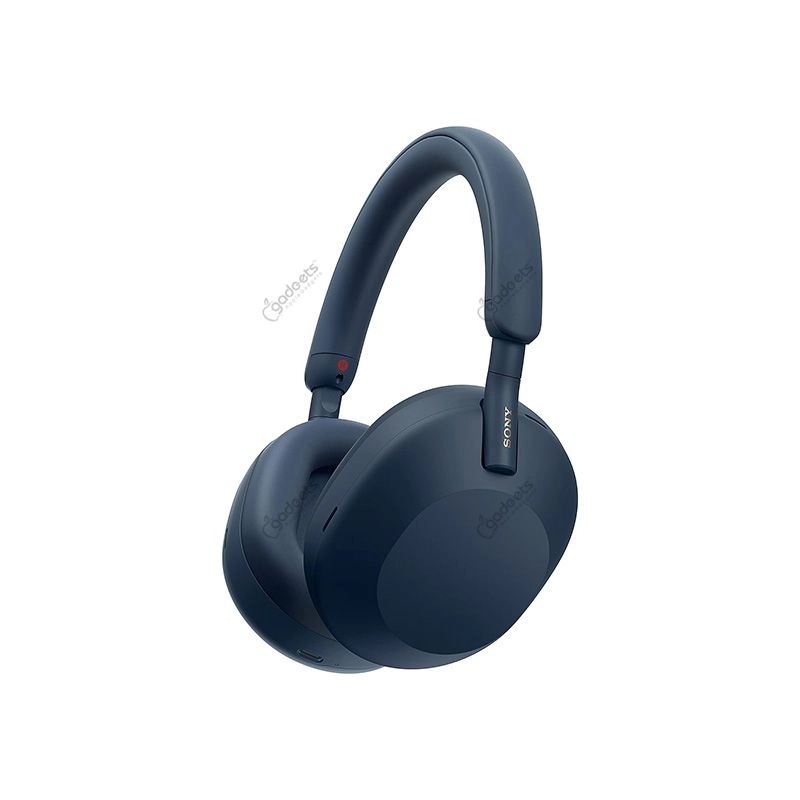
Sony WH-1000XM5 Wireless Noise Canceling Headphones
Sony
|
Industry-leading noise cancellation with premium sound quality and 30-hour batte...
|
|

Apple AirPods Pro (2nd Generation)
Apple
|
Active Noise Cancellation, Adaptive Transparency, Personalized Spatial Audio wit...
|
Top Ways to Earn Money Online (Detailed Reviews)
1. Freelancing – Best Overall for Fast, Flexible Income
Freelancing means selling a skill you already have directly to clients, usually through a marketplace like Upwork, Fiverr, or Freelancer.com, or through your own outreach. Writers, designers, developers, video editors, translators, virtual assistants, and social media managers all fall under this umbrella. Because you are paid per project or per hour rather than earning a fixed salary, income can scale quickly once you have a handful of satisfied clients and a portfolio to point to.
The learning curve is mostly about client acquisition rather than the underlying skill itself. Many freelancers already know how to do the work; what takes practice is pricing projects correctly, writing proposals that get responses, and managing multiple clients without burning out. Once that system is in place, freelancing tends to reward experience with steadily rising rates.
- Pros:
- Flexible hours and location independence
- Can start earning within days of setting up a profile
- Wide range of skill categories, from writing to development
- Rates scale with experience and reputation
- Cons:
- Income can be unpredictable in the first few months
- Marketplace fees typically run from 5% to 20% per project
- Requires ongoing effort to find new clients
Best For: Writers, designers, developers, marketers, and anyone with a marketable professional skill who wants income quickly.
Why We Recommend It: Freelancing combines one of the lowest barriers to entry with one of the highest realistic earning ceilings of any online income method. A strong portfolio and a track record of delivered work become assets that keep generating better opportunities over time.
New freelancers often underprice their work in the first few months, which is understandable but worth correcting quickly once you have a few completed projects behind you. Raising your rates gradually as reviews accumulate, rather than staying at an entry-level price indefinitely, is one of the simplest ways to increase freelance income without taking on more clients or working longer hours.
2. Remote Jobs – Best For Stable, Full-Time Income
A remote job is ordinary salaried employment that happens to be performed from home instead of an office. Customer service, software development, marketing, accounting, project management, and dozens of other departments now hire fully remote staff. Job boards such as Remote.co, We Work Remotely, and LinkedIn's remote filter are practical starting points, and many companies now list remote openings directly on their own career pages.
Unlike freelancing, a remote job offers a predictable paycheck, and often benefits such as health coverage or paid leave, in exchange for a set number of hours and a defined role. The tradeoff is less flexibility than freelancing, since you are still expected to meet deadlines, attend meetings, and often overlap with a specific time zone.
- Pros:
- Predictable salary and, often, employee benefits
- Consistent, reliable pay schedule
- Clear path for career growth and promotion
- Cons:
- Requires meeting the employer's schedule and time zone expectations
- Competitive hiring process for desirable roles
Best For: Professionals who want the stability of traditional employment combined with the flexibility of working from home.
Why We Recommend It: For most people, a remote job remains the single most reliable way to earn a full-time income online, since it removes the uncertainty of building a client base or an audience from scratch.
Remote hiring processes tend to move slower than freelance gigs, often involving multiple interview rounds, skills assessments, and reference checks similar to any in-office role. Applicants who tailor their résumé to remote-specific concerns, such as demonstrating self-discipline and clear written communication, generally stand out from candidates who simply repurpose an application built for on-site jobs.
3. Affiliate Marketing – Best For Long-Term Passive Income
Affiliate marketing pays a commission whenever someone buys a product through your unique referral link. In practice, this usually means building a niche website, YouTube channel, or social presence, then recommending products relevant to that audience. Amazon Associates is the best-known program, but nearly every major retailer and software company runs one, often with far higher commission rates than Amazon's.
The appeal of affiliate marketing is that the content keeps working long after it is published. A single well-ranked article or video can earn commissions for years with only occasional updates, which is why many creators treat it as the foundation of a long-term online income strategy rather than a quick side hustle.
- Pros:
- Genuinely passive income once content is published and ranking
- No need to create, manufacture, or ship any product
- Enormous range of niches and affiliate programs to choose from
- Cons:
- Takes months to build the traffic and trust needed for conversions
- Commission rates and cookie durations vary widely between programs
Best For: Content creators, bloggers, and anyone willing to invest time upfront building a focused audience around a specific topic.
Why We Recommend It: Successful affiliate sites keep generating income from articles written months or years earlier, making this one of the most compelling long-term strategies for anyone comfortable with delayed gratification.
Choosing a specific, well-defined niche rather than a broad topic tends to produce better results, since narrower sites can rank for more specific search terms and build a more targeted, higher-converting audience faster than a general-interest site competing against much larger publishers.
4. Selling Digital Products – Best For Turning Expertise Into Recurring Sales
Digital products — ebooks, online courses, design templates, photo presets, printables, and small software tools — can be sold an unlimited number of times without any additional production cost per sale. Platforms such as Gumroad, Teachable, and Etsy's digital goods section make it straightforward to list a product and start selling directly to buyers without building a full storefront.
The initial creation phase is the hardest part. Producing a genuinely useful course or template takes real time and expertise, and marketing it afterward is an ongoing job in itself. Once a product finds its audience, though, profit margins are typically far higher than physical products, since there is no inventory, shipping, or per-unit cost to worry about.
- Pros:
- High profit margins after the initial product is created
- True passive income potential once the product is live
- No inventory, shipping, or fulfillment to manage
- Cons:
- Requires meaningful upfront time to create a quality product
- Ongoing marketing is needed to keep sales flowing
Best For: Educators, designers, photographers, writers, and subject matter experts who already have knowledge or assets worth packaging.
Why We Recommend It: A well-made digital product can keep earning long after the initial effort is invested, often delivering better income-per-hour than freelancing once it gains traction.
Pre-selling a product before it is fully built, by describing it to an existing audience and gauging genuine interest, is a practical way to validate demand before investing dozens of hours into something nobody ends up wanting to buy.
5. Content Creation – Best For Building an Audience and a Personal Brand
Building a YouTube channel, podcast, newsletter, or blog turns audience attention into income through advertising, sponsorships, memberships, and merchandise. It is one of the slower paths to meaningful money, since growing a real audience takes consistent effort over months or years, but creators with an established following often stack several revenue streams on top of the same content.
Content creation also tends to work best in combination with the other methods on this list. A newsletter can promote affiliate links, a YouTube channel can sell a companion digital product, and either can lead directly to freelance or consulting work. Treated as a standalone income source it is slow; treated as a hub for everything else, it becomes considerably more powerful.
- Pros:
- Multiple monetization streams available on the same content
- Creative work that many people find personally rewarding
- Builds a recognizable brand and a loyal community over time
- Cons:
- Slow to monetize meaningfully in the early stages
- Requires consistent content production even before income arrives
Best For: Individuals with a topic they can cover consistently and the patience to grow an audience over an extended period.
Why We Recommend It: Content creation has among the highest long-term income ceilings of any strategy on this list, particularly when paired with affiliate marketing or a digital product line built on the same audience.
Consistency tends to matter more than production quality in the first year. A creator who publishes reliably every week, even with modest editing, generally builds an audience faster than one who occasionally produces a polished piece but disappears for months between uploads.
Buying Guide: How to Choose the Right Online Income Method
1. Assess Your Current Skills Honestly
The fastest route to online income is almost always leveraging a skill you already have rather than starting from zero. A graphic designer who begins freelancing this week will typically out-earn someone attempting to build a YouTube channel from scratch in a subject they barely know. Start with what you can already do well, and treat newer skills as a second-phase project. Even soft skills like organization, research, or clear written communication can be packaged into a freelance service faster than most people assume.
2. Understand Your Time Horizon
Some methods produce income within days — freelancing and remote job applications are the clearest examples. Others, like blogging, affiliate sites, and content creation, typically take several months to a year before they generate meaningful returns. Be realistic about how soon you actually need money before committing your time to a slower-burning strategy. If rent is due next month, a passive-income project is not the right first move, no matter how appealing the long-term math looks.
3. Weigh Active Income Against Passive Income
Active income, such as freelancing or a remote job, requires ongoing hours to keep the money coming in. Passive income, such as affiliate marketing or digital products, demands heavier upfront work but can continue paying with far less day-to-day effort later. Most people who build sustainable online income eventually combine both types rather than relying on just one, using active income to cover expenses while a passive project matures in the background.
4. Evaluate Realistic Startup Costs
Many online income methods require little more than a free account and an internet connection. Freelancing and applying to remote jobs cost essentially nothing to start. Building a content platform or a digital product business may involve small costs for hosting, software, or design tools, but rarely demands significant capital before your first sale. Avoid methods that ask for a large upfront fee before you have earned anything at all.
5. Understand the Tax Obligations That Come With Online Income
Income from freelancing, affiliate commissions, remote employment, or digital product sales is generally taxable, and the rules differ depending on whether you are treated as an employee or as self-employed. Setting aside a portion of every payment and keeping basic records from day one avoids unpleasant surprises when tax season arrives. A simple spreadsheet tracking every payment received is often enough in the early stages.
6. Start Small Before Committing Fully
Running a new income method as a side project alongside your current job is almost always smarter than quitting immediately to chase it full-time. Test the method, land a few clients or publish a handful of pieces of content, and only scale up once you have real evidence that it works for you specifically. Treat the first few months as a paid experiment rather than a guaranteed replacement for your existing income.
7. Prioritize Skills That Compound Over Time
Certain skills become dramatically more valuable the longer you practice them — writing, SEO, video editing, coding, and marketing all compound in this way. Choosing a method that also builds one of these skills pays off well beyond the immediate income, since the skill itself becomes an asset for future opportunities, including ones that do not yet exist in your current plan.
8. Diversify Rather Than Depend on One Source
Relying on a single income stream online carries real risk, whether that risk is a platform changing its algorithm, a client disappearing, or a niche losing relevance. The most resilient online earners typically combine two or three complementary methods, such as a remote job alongside affiliate income, or freelancing alongside a small digital product line, so that a setback in one area does not wipe out the entire month's earnings.
9. Budget Time for the Learning Curve
Every method on this list has a period where results feel disproportionately small compared to the effort invested. Budgeting your first three to six months as a learning phase, rather than expecting immediate returns, makes it far easier to stick with a method long enough for it to actually work. Most people who quit do so right before momentum would have started building.
10. Protect Against Burnout From the Start
Building online income alongside a full-time job or family responsibilities is genuinely demanding, and burnout is one of the most common reasons people abandon a method just before it starts paying off. Set realistic weekly time goals, build in breaks, and treat sustainability as seriously as you treat the income target itself. A slower, consistent pace almost always outperforms a burst of intense effort followed by weeks of doing nothing.
11. Match the Method to Your Personality, Not Just the Numbers
Someone who dislikes constant client communication will struggle with freelancing regardless of how much it pays, just as someone uncomfortable being on camera will find content creation draining no matter how lucrative it looks on paper. Choosing a method that fits your working style is often more important to long-term success than chasing whichever option has the highest theoretical ceiling.
12. Track Your Actual Hourly Return, Not Just Total Income
A method that pays a large amount but consumes every waking hour is not necessarily better than one that pays less but takes a fraction of the time. Periodically calculating your real hourly return, including unpaid time spent on marketing, admin, and learning, gives a far more honest picture of which method deserves more of your attention going forward.
Frequently Asked Questions
How quickly can I realistically start earning money online?
Freelancing and remote job applications can produce income within days to a few weeks of getting started. Content creation and affiliate marketing generally take several months before they generate meaningful revenue, since both depend on building an audience or search visibility first.
Do I need formal qualifications to earn money online?
Many online income methods require no formal qualifications at all. Freelancing marketplaces reward demonstrable skill and a solid portfolio over credentials. That said, certain remote roles in fields like software development, healthcare, or finance genuinely do require relevant qualifications or certifications.
Is it realistic to replace a full-time salary with online income?
Yes, and many people already do it through freelancing, remote employment, affiliate marketing, and digital products. It typically requires genuine skill, consistent effort over an extended period, and patience through a slower early phase before income becomes dependable.
What are legitimate ways to earn money online without spending anything upfront?
Freelancing on platforms like Upwork, applying directly for remote jobs, tutoring, virtual assistance, and basic content writing all require little to no upfront investment. The main resource you are spending is time and existing skill rather than money.
How can I tell if an online income opportunity is a scam?
Legitimate opportunities rarely guarantee a specific income, ask you to pay upfront for the right to work, or promise unusually high returns for almost no effort. Established, verifiable platforms such as Upwork, mainstream remote job boards, and well-known affiliate programs are considerably safer than unsolicited offers that arrive by email or social media.
Can students realistically earn money online?
Yes. Tutoring, content writing, social media management, virtual assistance, and basic graphic design are all accessible with limited prior experience. Many students build a steady freelance income around their class schedule long before they graduate.
Which skills are most in demand for online freelancing right now?
Software development, copywriting, graphic design, digital marketing, video editing, SEO, and data analysis consistently rank among the highest-demand and highest-paying categories on major freelance platforms.
How do people actually get paid for online work?
Common payment methods include PayPal, direct bank transfers, Payoneer, and Stripe, along with platform-specific payout systems for marketplaces like Upwork or Fiverr. The exact method available to you depends on the platform you use and your country of residence.
Is affiliate marketing still a viable strategy?
Yes. Affiliate marketing remains a large and growing industry. Success still depends on choosing a focused niche, producing genuinely useful content rather than thin reviews, and steadily building organic search or social traffic rather than expecting instant results.
What is the best way to start earning online with absolutely no experience?
Starting with a skill you already have, even a basic one like writing, research, data entry, or customer communication, is typically the fastest path forward. Create a profile on a freelancing platform, fill it out honestly and completely, and begin applying for smaller jobs to build an initial track record and a few reviews.
How much money can I realistically expect to earn in the first month?
First-month results vary enormously by method and effort. Freelancers who apply consistently often land their first paid project within two to four weeks, though early income tends to be modest. Affiliate marketing and content creation usually produce little to no income in the first month, since traffic and audience size take longer to build.
Do I need to pick just one method, or can I combine several?
Combining methods is common and often reduces risk. A popular pattern is keeping a remote job or freelance clients for stable income while building an affiliate site or content channel on the side, then gradually shifting time toward whichever passive method starts performing best.
What equipment do I actually need to get started?
Most methods on this list require nothing beyond a reliable computer, a stable internet connection, and, for content creation, a reasonably good microphone or camera. Expensive equipment is rarely the deciding factor in early success; consistent output and a clear focus matter far more than gear.
Final Verdict
- Fastest Path to Income: Freelancing — leverages skills you already have with almost no startup requirements.
- Best for Stability: Remote employment — a regular salary combined with the flexibility of working from home.
- Best Long-Term Passive Income: Affiliate marketing and digital products — slower to build but capable of paying for years afterward.
- Best for Creatives: Content creation — monetized through advertising, sponsorships, and a direct relationship with an audience.
There is no single best way to earn money online for everyone; the right choice depends on your existing skills, how quickly you need results, and how much risk you are comfortable carrying. For most people, starting with freelancing or a remote job while gradually building a passive income stream alongside it offers the most balanced and sustainable path forward.
If you are still unsure where to begin, the safest starting point is usually the method that requires the least new learning. Someone with writing or design skills is generally better served starting with freelancing than jumping straight into an unfamiliar niche website, while someone with strong subject-matter expertise but little interest in client work may find a digital product or a content channel a better fit from day one. Revisit your choice every few months, keep what is working, and be willing to drop what clearly is not.