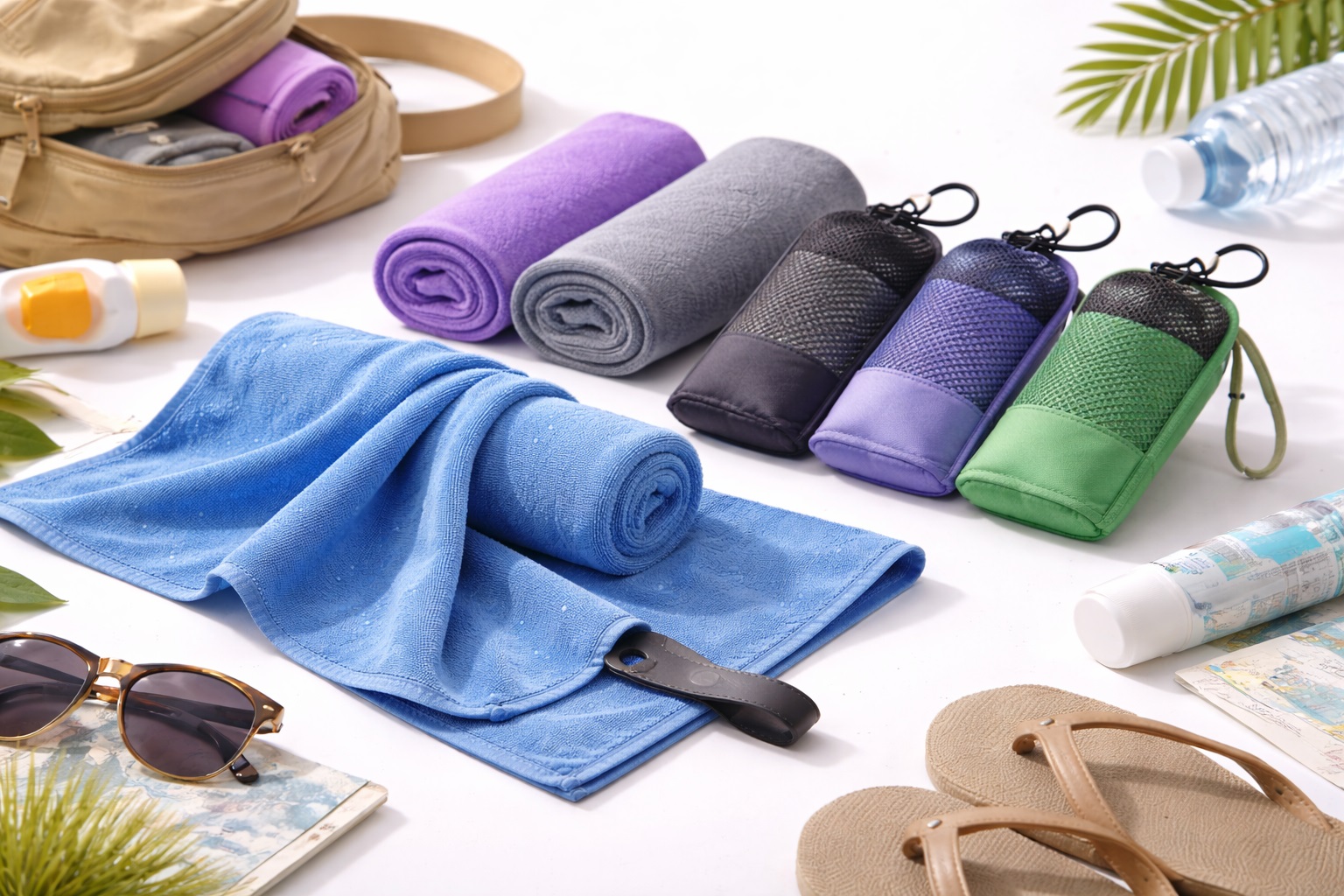
Best Lightweight Travel Towel in 2026
Packing light does not have to mean packing damp. A good travel towel folds down to the size of a paperback, dries in a fraction of the time a cotton bath towel needs, and still leaves you feeling clean after a hike, a hostel shower, or a quick rinse at the beach. The challenge is that not every towel marketed as "travel-friendly" actually delivers on portability once you compare weight, pack size, and real-world drying speed. Some towels that look compact on a store shelf turn out to stay damp for hours once they are actually used, which defeats the entire purpose of carrying one in the first place.
We put together this guide by focusing on the details that matter most when a towel has to earn a permanent spot in a carry-on or a daypack: how compact it packs, how quickly it sheds water, how it feels against the skin after the tenth use, and whether the asking price reflects the materials used. Below you will find eight well-regarded models compared side by side, followed by a buying guide that breaks down exactly what separates an average travel towel from one you will actually reach for on every trip. We have also grouped the most common questions travelers ask about this category into a dedicated FAQ section further down the page.
Whether you are choosing your first travel towel or replacing one that has seen too many miles, the picks and advice below are built to help you match the right towel to how you actually travel, not just how it looks on a store shelf. Pack size, drying speed, and everyday comfort matter more once a towel has been through a dozen trips than any single spec sheet ever could.
Top 8 Best Travel Towels for Portability (Detailed Reviews)
1. OlimpiaFit 3 Size Set – Best For Multi-Size Households
OlimpiaFit's 3 Size Set takes a different approach to portability by giving you three towel sizes in one purchase, so a full-size sheet, a hand towel, and a face-size cloth all pack down together. For travelers who need one towel for showers and a smaller one for gear or hands, that flexibility is hard to match with a single-size competitor. At around $28 for the set, the per-towel cost is genuinely reasonable once you consider you are buying three pieces instead of one.
Because the set covers a range of sizes, it also works well for families or groups traveling together who would otherwise need to buy multiple individual towels. The smaller pieces double as gear wipes or quick hand towels, which reduces the total amount of fabric you need to carry compared to packing separate items for each purpose. It is also a practical option for splitting between a shared hotel room, since each traveler can have a dedicated piece without needing to coordinate laundry schedules mid-trip.
- Pros:
- Premier build quality across all three sizes
- Multi-pack value that covers more use cases per purchase
- Backed by a reputable, established brand
- Cons:
- Higher price point than a single basic towel
- Limited color options compared to some competitors
Best For: Families or frequent travelers who want a full-size towel plus smaller companions without buying three separate products.
Why We Recommend It: The set format solves a real packing problem, giving you the right towel size for the right task instead of forcing one towel to do everything.
2. Wise Owl Outfitters – Best For Ultralight Backpackers
Wise Owl Outfitters built its reputation on ultra-soft microfiber that does not feel like sandpaper against the skin, a common complaint with cheaper compressed towels. At roughly $18, it sits in the accessible end of the lineup while still delivering the compact roll size backpackers look for when every gram in a pack matters.
The soft hand feel is particularly noticeable on repeat use, since many entry-level microfiber towels stiffen slightly after several wash cycles. Backpackers who dry off multiple times a day, whether after a swim or a sweaty trail, tend to appreciate that this towel stays comfortable trip after trip rather than turning scratchy over time.
- Pros:
- Premier build quality for the price bracket
- Ultra-soft texture that feels gentler than typical microfiber
- Reputable brand within the outdoor gear space
- Cons:
- Higher price point than the most basic generic towels
- Limited color options in the standard lineup
Best For: Backpackers and hikers who prioritize a soft feel and a compact roll over extra features.
Why We Recommend It: Comfort against the skin is easy to overlook until you are drying off with a stiff towel on day three of a trip, and this one avoids that problem.
3. PackTowl Personal – Best For Everyday Gym-to-Travel Versatility
PackTowl Personal uses a polyester and nylon blend that has become something of a benchmark in the compact towel category, striking a balance between softness and quick drying. At about $30, it costs a bit more than entry-level options, but the name recognition and consistent build quality make it a dependable pick for people who want one towel that moves seamlessly between the gym bag and the suitcase.
This blend construction also tends to hold its shape better over repeated stuffing and unpacking than thinner single-material towels, which matters if you plan to use the same towel for years rather than replacing it every season. It is a common recommendation for travelers who want one dependable towel rather than several specialized ones.
- Pros:
- Premier build quality with consistent stitching
- Polyester and nylon blend that balances softness and durability
- Reputable brand with a long track record
- Cons:
- Higher price point relative to no-name alternatives
- Limited color options in some retail listings
Best For: Anyone who wants a single towel that works equally well for a workout and a weekend trip.
Why We Recommend It: The blend fabric holds up to frequent washing better than towels built purely for one-off packing lists, which matters if this becomes your daily-use towel.
4. Dock & Bay Beach – Best For Beach and Pool Trips
Dock & Bay Beach is built around sand-free technology, a tight microfiber weave designed so sand shakes off rather than clinging to the fabric. That makes it a natural fit for portability-minded travelers headed to coastal destinations where a towel that stays clean and dry between dips is genuinely useful. It runs around $22, positioning it as a mid-range choice with a specific strength.
Anyone who has packed a sandy beach towel into a suitcase knows how much of a hassle it can create for the rest of your belongings. The sand-resistant weave here is specifically meant to reduce that problem, which is a meaningful convenience for anyone splitting a trip between the pool, the shoreline, and everything packed in between.
- Pros:
- Premier build quality with a tight, durable weave
- Sand-free technology aimed at beach and pool use
- Reputable brand known for beach-specific towels
- Cons:
- Higher price point than a plain microfiber towel
- Limited color options in some size variants
Best For: Beach, pool, and coastal travelers who want a towel that does not turn into a sand magnet.
Why We Recommend It: The sand-resistant weave solves a specific annoyance that generic travel towels do not address, making it worth the small premium for the right trip.
5. Rainleaf Microfiber – Best For Budget-Conscious Travelers
Rainleaf Microfiber is one of the more affordable entries in this lineup at around $15, and it still includes an antibacterial treatment aimed at keeping odor at bay between washes. For travelers who want the core benefits of a compact, quick-drying towel without paying a premium for extras, this is a straightforward option.
It is often the towel recommended to first-time buyers who are unsure whether they will actually switch over from a traditional bath towel while traveling. At this price, the risk of trying it out is low, and the antibacterial treatment provides a bit of reassurance on longer trips where daily laundry is not an option. It is a sensible way to test whether a compact travel towel fits your routine before spending more on a premium option.
- Pros:
- Premier build quality despite the lower price
- Antibacterial treatment that helps manage odor
- Reputable brand with a strong value reputation
- Cons:
- Higher price point than the absolute cheapest generic towels
- Limited color options at this price tier
Best For: Budget-conscious travelers who still want an antibacterial treatment without paying premium pricing.
Why We Recommend It: It covers the essentials well, making it a sensible starting point if you are trying a travel towel for the first time.
6. Matador NanoDry – Best For Minimalist Carry-On Packers
Matador NanoDry comes with a silicone travel case that keeps a damp towel from soaking into the rest of your bag, a small detail that matters a great deal to minimalist packers. At around $35, it is the most premium option here, but the case and compact fold make it appealing to travelers who pack only a carry-on.
For someone who has committed to carry-on-only travel, every item in the bag needs to justify the space it takes up, and a towel that arrives with its own containment solution removes one more thing to think about. The design leans toward travelers who value polish and thoughtful extras over squeezing out the absolute lowest price.
- Pros:
- Premier build quality with thoughtful design details
- Silicone travel case included for containment
- Reputable brand known for travel-specific gear
- Cons:
- Higher price point than most towels in this list
- Limited color options for the case and towel combo
Best For: Carry-on-only travelers who want a dedicated case to keep a damp towel from touching other belongings.
Why We Recommend It: The silicone case is a genuinely practical add-on for anyone who has ever had a damp towel dampen everything else in their bag.
7. Youphoria Outdoors – Best For Frequent Fitness Travelers
Youphoria Outdoors leans into being super absorbent, aiming to dry you off in fewer passes than thinner competitors. At about $20, it sits in the middle of the price range and appeals to people who travel frequently for fitness activities and want a towel that can handle sweat as easily as water.
For travelers whose trips revolve around workouts, runs, or outdoor sports rather than lounging by a pool, absorbency often matters more than ultra-thin packability. This towel leans toward that priority, trading a small amount of pack size for a noticeably quicker dry-off after intense activity.
- Pros:
- Premier build quality with a thicker absorbent weave
- Super absorbent performance in fewer wipes
- Reputable brand within the fitness travel space
- Cons:
- Higher price point than the thinnest ultralight towels
- Limited color options across sizes
Best For: Frequent gym-goers and fitness travelers who want strong absorbency over ultimate minimal weight.
Why We Recommend It: The extra absorbency reduces the number of wipes needed, which is a real convenience after an intense workout or a long hike.
8. Sea to Summit DryLite – Best For Trusted Outdoor Brand Loyalists
Sea to Summit DryLite uses a microfiber quick-dry construction from a brand with a long history in outdoor gear, and it runs around $25. For travelers who prefer sticking with an established outdoor brand for their packing list, it is an easy addition alongside other Sea to Summit gear.
Consistency across a product line matters to travelers who have already built a kit around a specific outdoor brand, since sizing, fabric feel, and overall quality tend to match expectations set by other items from the same maker. That familiarity reduces the guesswork of trying an unfamiliar name for something as personal as a towel, and it means replacement sizing or accessories are easy to find later if needed.
- Pros:
- Premier build quality consistent with the brand's outdoor lineup
- Microfiber quick-dry fabric for fast turnaround
- Reputable brand with strong outdoor gear recognition
- Cons:
- Higher price point than unbranded microfiber towels
- Limited color options in smaller sizes
Best For: Outdoor enthusiasts who already trust the brand for other gear and want a matching towel.
Why We Recommend It: Consistent quality control across sizes makes this a low-risk pick if you have had good experiences with the brand elsewhere.
Buying Guide: How to Choose the Best Travel Towel
Choosing a travel towel comes down to matching a handful of practical factors to how you actually travel. The sections below walk through the details worth comparing before you commit to a purchase, since the right combination of size, material, and features looks different depending on the kind of trips you take most often. A backpacker heading into the backcountry for a week has very different priorities than someone packing for a long weekend at a beach resort, and the factors below apply differently depending on which category best describes your typical trip.
1. Material & Fabric Type
Most travel towels use either a suede-style microfiber or a waffle-weave microfiber. Suede-style fabric tends to feel softer and quieter, while waffle-weave typically dries a little faster due to increased surface area. Neither is universally better, so the right choice depends on whether softness or drying speed matters more to you. Some travelers keep one of each for different types of trips, using the softer suede-style towel for everyday showers and the waffle-weave version for high-output activities like hiking or the gym where speed of drying matters more than plush feel.
2. Size & Coverage
Travel towels commonly come in small, medium, and large sizes. A small size is fine for hands or a quick face wipe, while a large size gives full-body coverage similar to a bath towel. Pick based on what you are replacing at home versus what you are willing to compromise on for the sake of packing space. Reading the exact dimensions rather than relying on labels like "small" or "large" alone will give a clearer picture of real coverage.
3. Weight & Pack Size
Weight and pack size are the two numbers that matter most if your bag space is tight. A towel that compresses into a small stuff sack and weighs only a few ounces will disappear into a daypack, while a bulkier towel may eat into space you need for other gear. If you travel with a single carry-on, this factor alone can be the deciding one.
4. Absorbency & Drying Speed
Absorbency describes how much water the towel pulls off your skin per pass, while drying speed describes how quickly the towel itself dries out afterward so it does not stay damp in your bag. The best travel towels balance both rather than excelling at only one, since a towel that dries fast but barely absorbs water simply means more wiping to get the same result. Reading buyer feedback on how a towel performs after a swim versus a shower can reveal a gap between these two qualities that raw fabric weight alone will not show.
5. Quick-Dry Technology
Many microfiber towels advertise quick-dry performance, which generally comes down to fiber density and weave pattern. A tightly woven towel wrings out more water before packing, which speeds up the overall drying process once it is stowed away, reducing the odds of unpacking a still-damp towel the next day.
6. Antimicrobial & Odor Resistance
A towel that stays packed for a day or two before you can wash it is prone to picking up a musty smell. Antimicrobial or antibacterial treatments help slow that process, which is especially useful on multi-day trips where laundry access is limited or when a towel needs to be reused several times before a proper wash.
7. Texture & Skin Feel
Not every microfiber towel feels the same against the skin. Some are noticeably softer, while others have a slightly rougher, more utilitarian feel. If you plan to use the towel daily rather than as an occasional backup, texture is worth testing or reading reviews about before buying, since a rough feel can become genuinely uncomfortable over repeated daily use.
8. Included Carry Case or Pouch
A dedicated pouch or silicone case keeps a damp towel from soaking through the rest of your bag. It is a small addition, but travelers who pack tightly often find it makes a noticeable difference in day-to-day convenience, particularly when a towel needs to go straight back into a bag shortly after use.
9. Durability & Stitching Quality
Edge stitching and reinforced corners are common failure points on cheaper towels. Checking for tight, even stitching along the hems is a simple way to gauge whether a towel will hold up to repeated washing and packing over months of use, since loose threads at the seams are usually the first sign of wear.
10. Versatility Across Activities
Some travelers want one towel for everything, from the gym to the beach to a hostel shower. If that describes you, look for a mid-weight, mid-size towel rather than one optimized narrowly for a single activity like ultralight backpacking or beach lounging, since specialized towels tend to underperform outside their intended use case.
11. Price & Value
Travel towel prices in this category typically range from around $15 to $35. The upper end usually reflects either a premium fabric blend, a multi-piece set, or an included accessory like a travel case, rather than a dramatic difference in core performance, so it is worth deciding which of those extras you actually need before paying more.
12. Brand Reputation & Warranty
Established outdoor and travel gear brands often back their towels with a warranty or easy return policy, which offers some peace of mind if stitching fails or the fabric wears unevenly earlier than expected. This can be a meaningful tiebreaker between two towels that otherwise look similar on paper.
13. Color & Style Options
While not a functional factor, color choice matters to some buyers, particularly for identifying a towel quickly in a shared bag or matching existing travel gear. Budget models tend to offer fewer color options than premium lines, so buyers who care about aesthetics may need to pay slightly more.
Frequently Asked Questions
What makes a travel towel different from a regular bath towel?
Travel towels use lightweight, quick-drying fabrics like microfiber instead of thick cotton terry cloth, which lets them pack into a fraction of the space and dry out much faster between uses, making them far more practical for trips where luggage space is limited.
How small do travel towels typically pack down?
Most compress to roughly the size of a rolled-up t-shirt or smaller, especially when paired with a compression pouch or stuff sack, which is a major reason they are popular for carry-on travel and minimalist packing lists.
Are microfiber travel towels durable over the long term?
Good-quality microfiber towels can last for years with proper care, though frequent high-heat drying and rough handling can shorten their lifespan compared to gentler washing routines and air drying whenever possible.
Can one travel towel work for both the gym and vacations?
Yes, a mid-size, mid-weight microfiber towel is generally versatile enough to handle both gym sweat and travel showers without needing a separate towel for each purpose, which simplifies packing for people who travel often.
How do I dry a travel towel quickly while on the road?
Wringing out as much water as possible before packing and hanging the towel to air dry whenever you have a spare hour, such as overnight in a hotel room, keeps it ready for the next use and reduces the chance of odor buildup.
Do travel towels develop odor after repeated use?
They can if packed away damp for extended periods, which is why antibacterial or antimicrobial treatments are worth considering if you expect several days between proper washes on longer trips.
What size travel towel should I buy?
A medium or large size suits most people who want full-body coverage, while a small size is better reserved as a secondary towel for hands, gear, or quick wipe-downs rather than as your only towel.
Are more expensive travel towels actually worth the extra cost?
Higher-priced options often include better stitching, a travel case, or a multi-size set, so the added value depends on whether those specific extras matter to your travel style and how frequently you plan to use the towel.
How do I wash a travel towel properly?
Most travel towels can be machine washed on a gentle cycle with mild detergent, though fabric softener should generally be avoided since it can reduce microfiber's absorbency over time by coating the fibers.
Can a travel towel replace my towels at home?
Some travelers do use travel towels daily at home for their quick-dry convenience, though many still prefer a traditional bath towel for everyday comfort and reserve the travel towel specifically for trips.
Do travel towels come with a storage bag or pouch?
Many do, ranging from a simple mesh bag to a more structured silicone case, though some budget options are sold as just the towel without any additional accessory included in the price.
Is a waffle-weave towel better than a suede-style microfiber towel?
Neither is objectively better; waffle-weave tends to dry slightly faster due to more surface area, while suede-style microfiber usually feels softer against the skin, so the choice comes down to personal preference.
How long do travel towels typically last before needing replacement?
With regular use and proper care, a well-made travel towel can reasonably last a couple of years or more before the fabric starts to lose absorbency or the stitching begins to fray at the edges.
Is it worth buying a travel towel with a matching carry case?
A carry case adds convenience by keeping a wet towel separated from dry gear, which many travelers find useful, though it is not strictly necessary if you already pack a spare plastic bag or a dedicated wet-item pouch.
Final Verdict
- Top Pick: OlimpiaFit 3 Size Set for overall versatility across towel sizes.
- Budget Choice: Rainleaf Microfiber for dependable performance at a lower price.
- Premium Choice: Matador NanoDry for its included travel case and minimalist design.
There is no single travel towel that fits every trip perfectly, but matching your priorities, whether that is pack size, drying speed, or a multi-size set, to the options above should make the decision straightforward. Any of the eight towels reviewed here will outperform a standard bath towel for portability, so the right pick simply comes down to which combination of size, price, and features suits your travel habits best. Take a moment to think about your last few trips: how often did you need a second towel, how important was fast drying, and how much luggage space could you realistically spare. Answering those questions honestly will point you toward the right model faster than comparing spec sheets alone, and it will help you avoid paying for features you are unlikely to use.